





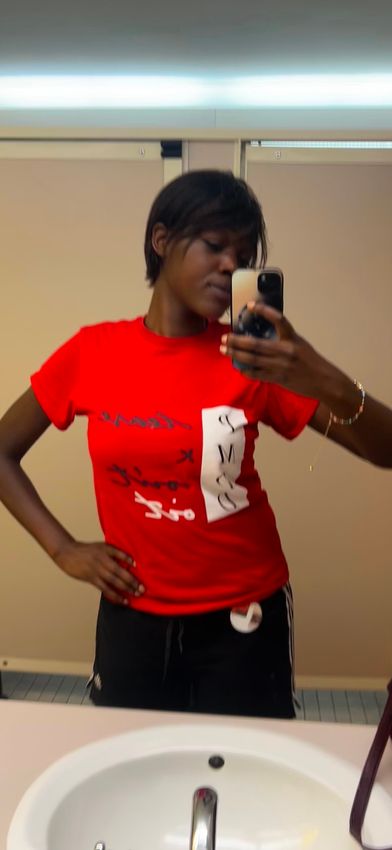
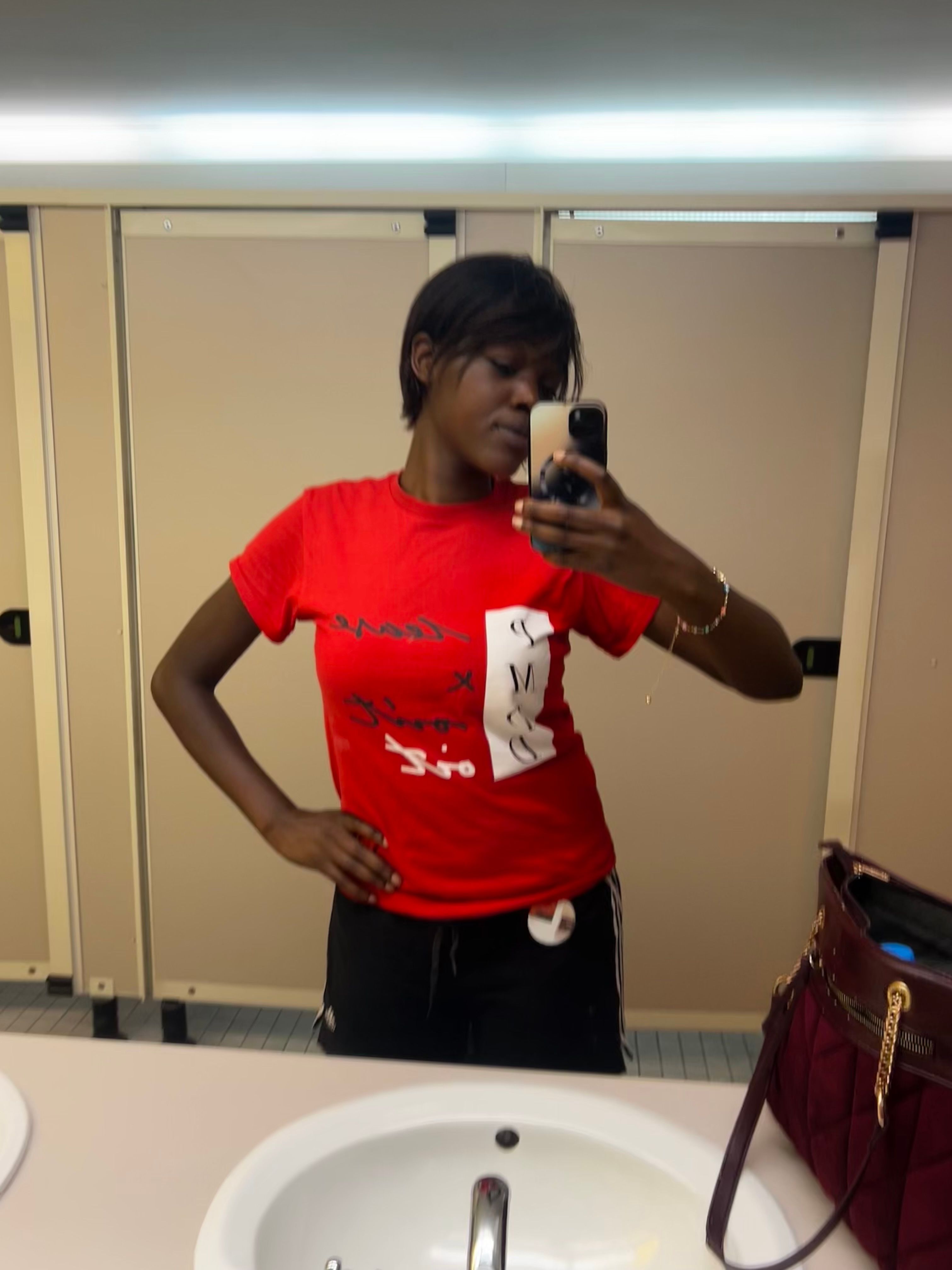
‘If You Consume the Internet, You Should Feed Back Into It’: Josiane M.H. Pozi’s Art Co-Exists with the Online World
YouTube and MTV taught the London‑based artist to edit. She talks to Lydia Eliza Trail about the link between art and styling, and being part of a “lost generation”. Save to My Ocula“Next time, sir, you’re going two for two,” Josiane M.H. Pozi addresses a waiter who has dropped a drink on her foot at Frevd Bar in London’s West End. We get the free drinks and divulge our love for the British capital in the hot weather. Later, Pozi will head to sing karaoke with her sister, something they do “Every. Single. Thursday. No exception,” she says. “I’m so lucky to have her.”
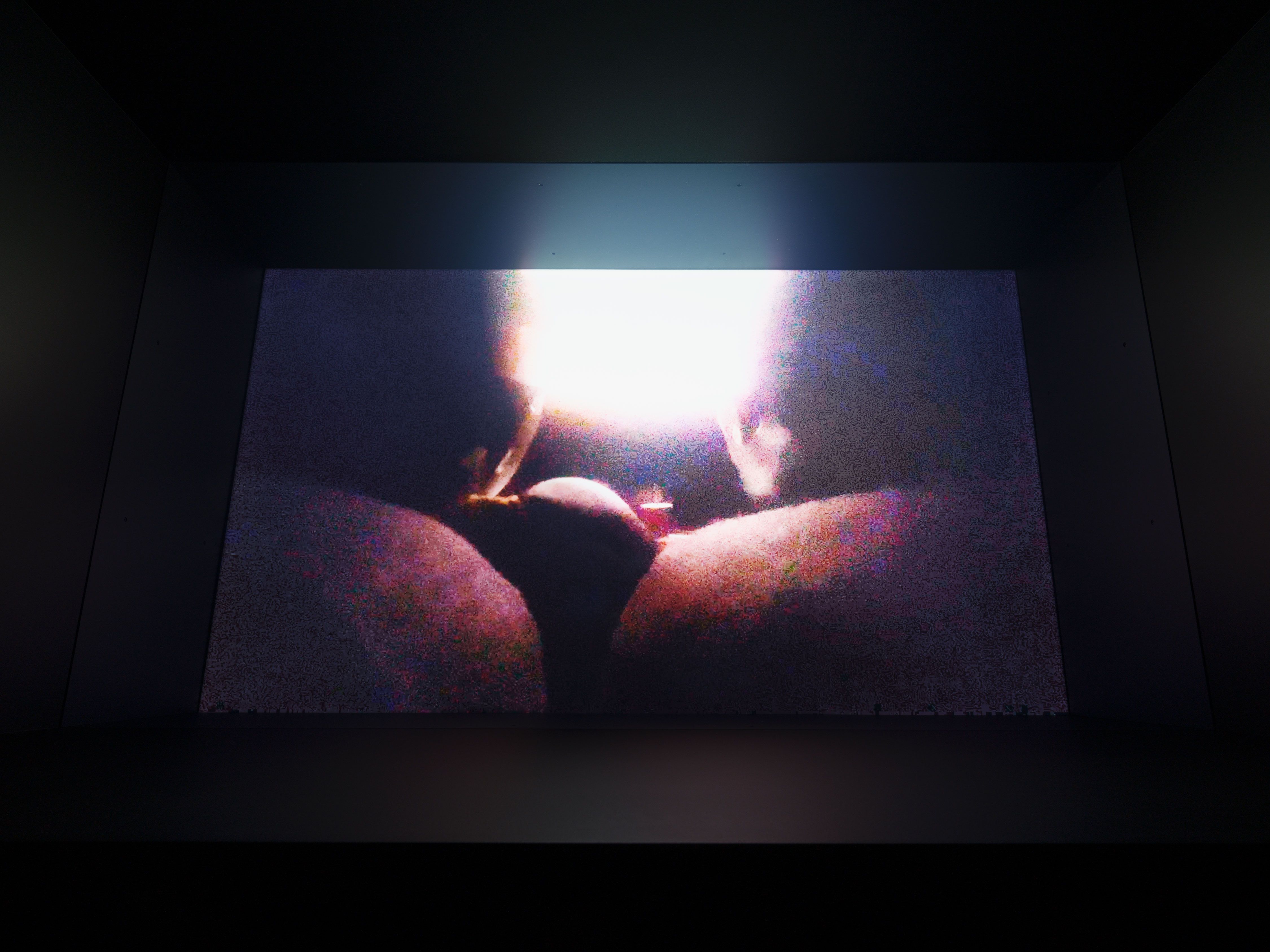
Pozi’s current exhibition, In Pursuit of Feeling at the American Academy of Arts and Letters in New York City, is the British artist’s first solo institutional show. Pozi started exhibiting her work before she even graduated from her BA in Fine Art at Goldsmiths in 2021, thanks to Pingey, a video she uploaded to YouTube in 2019. The video resonated with a young generation who found themselves restricted to online platforms such as Instagram, Omegle, TikTok and Tumblr as Covid-19 and its associated lockdowns limited young people’s interaction with the outside world.
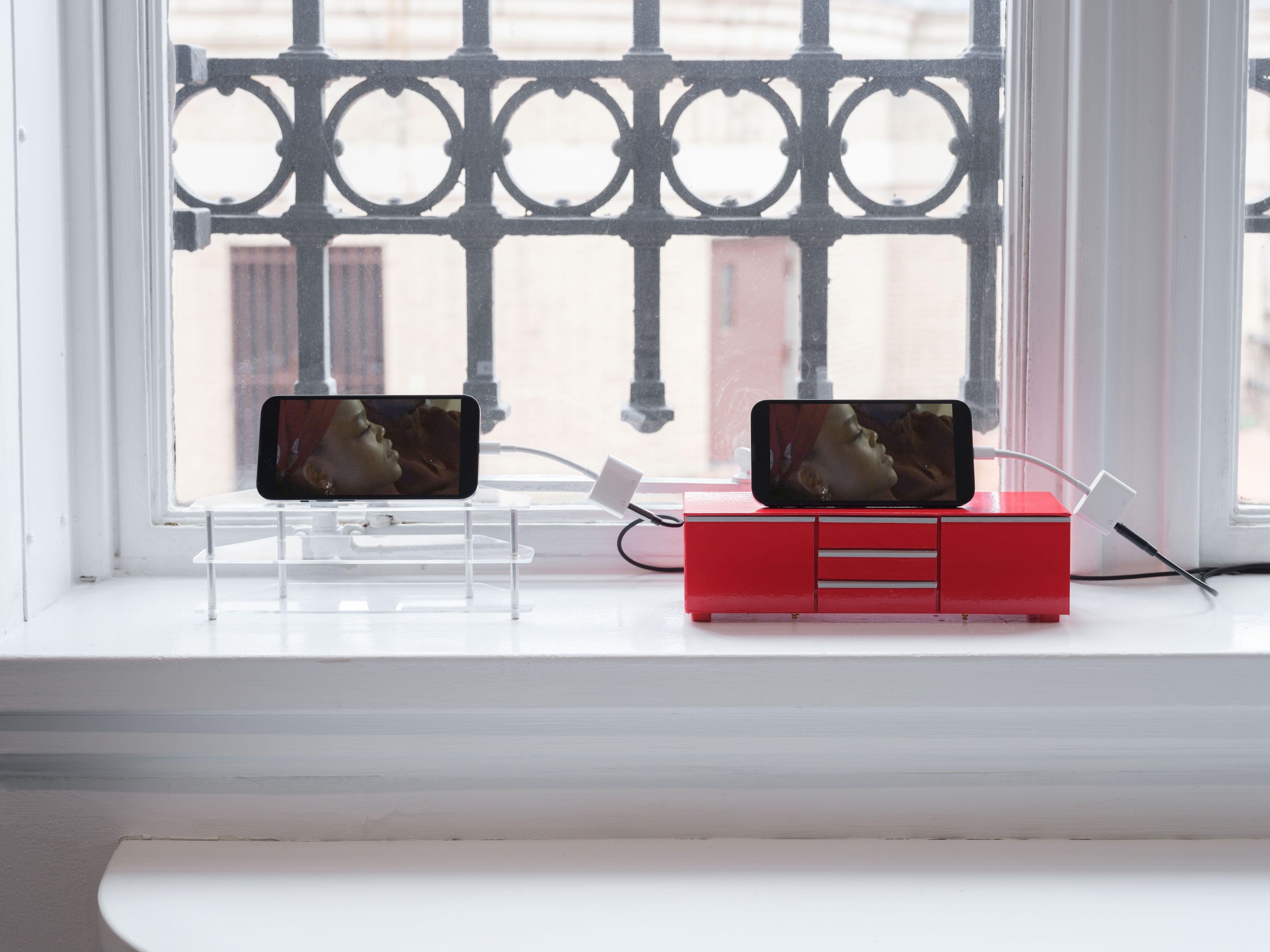
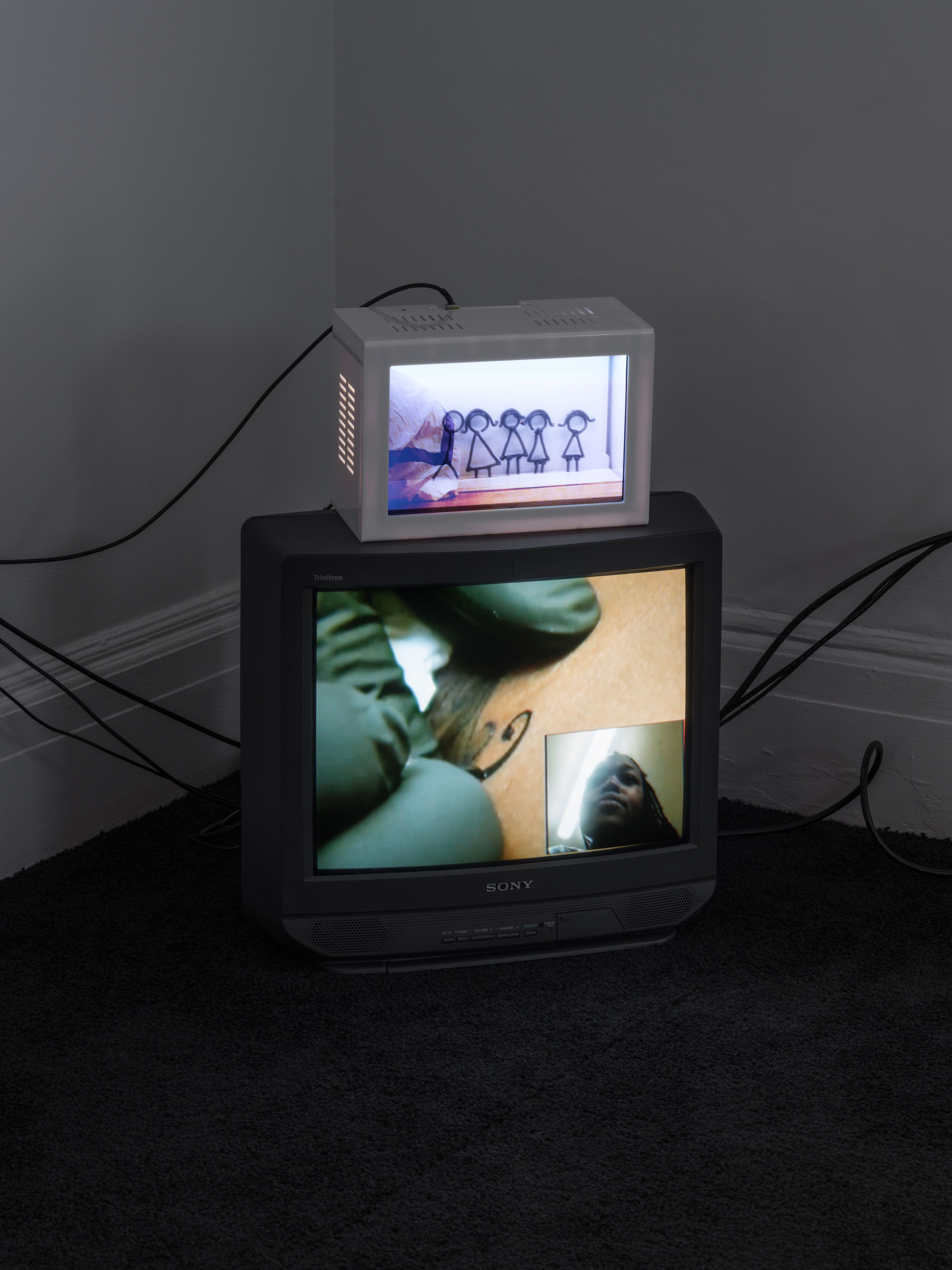
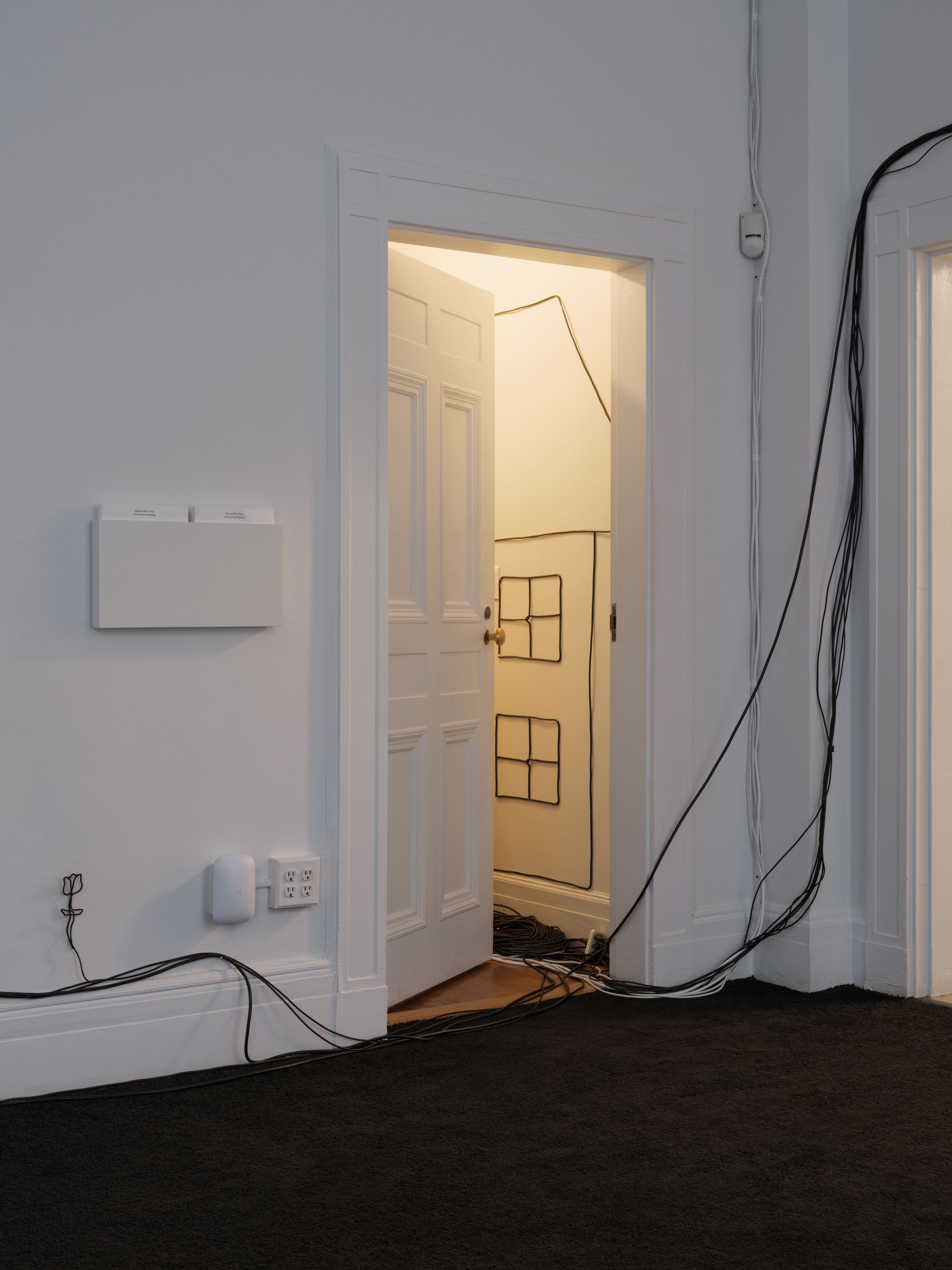
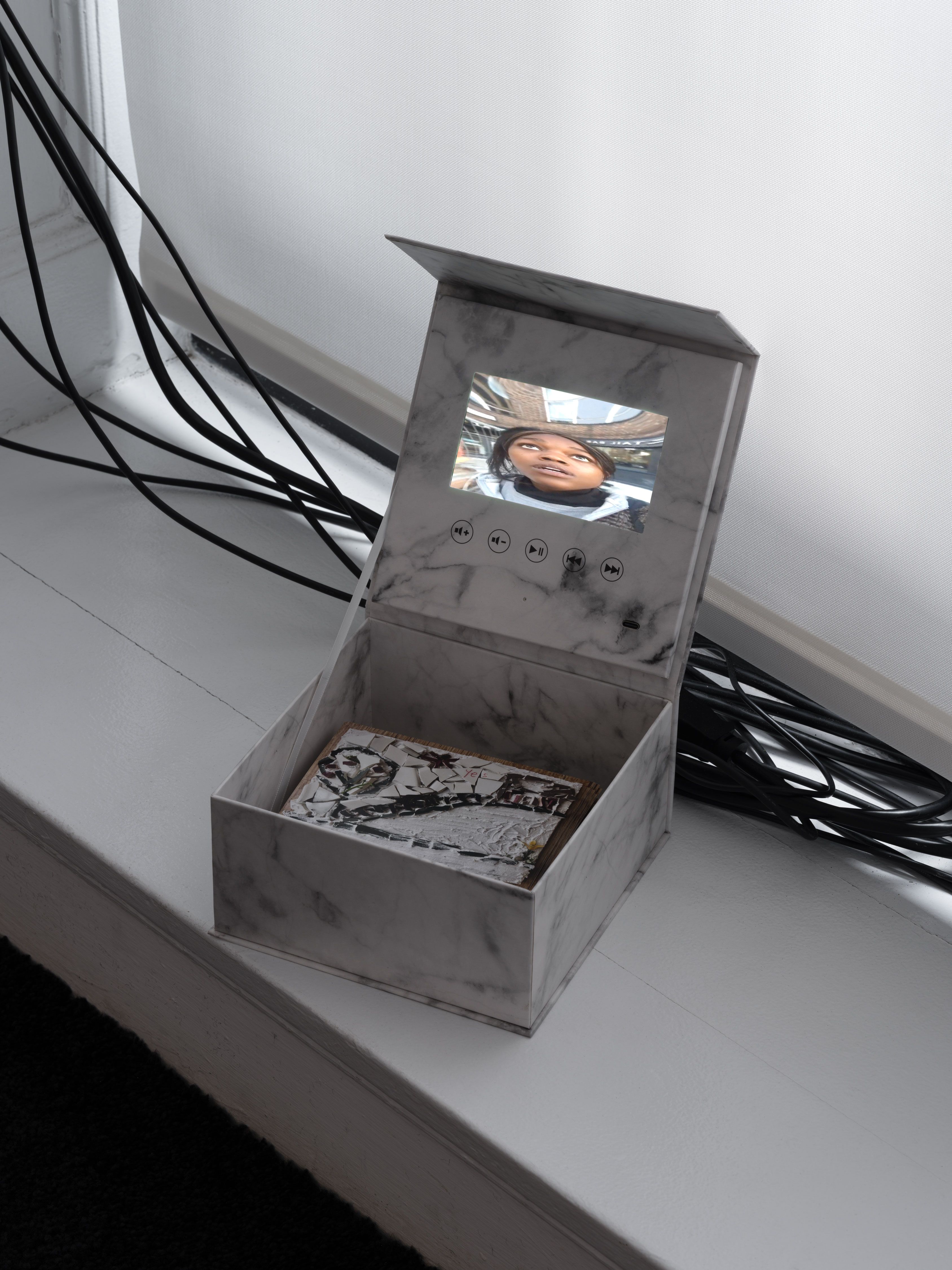
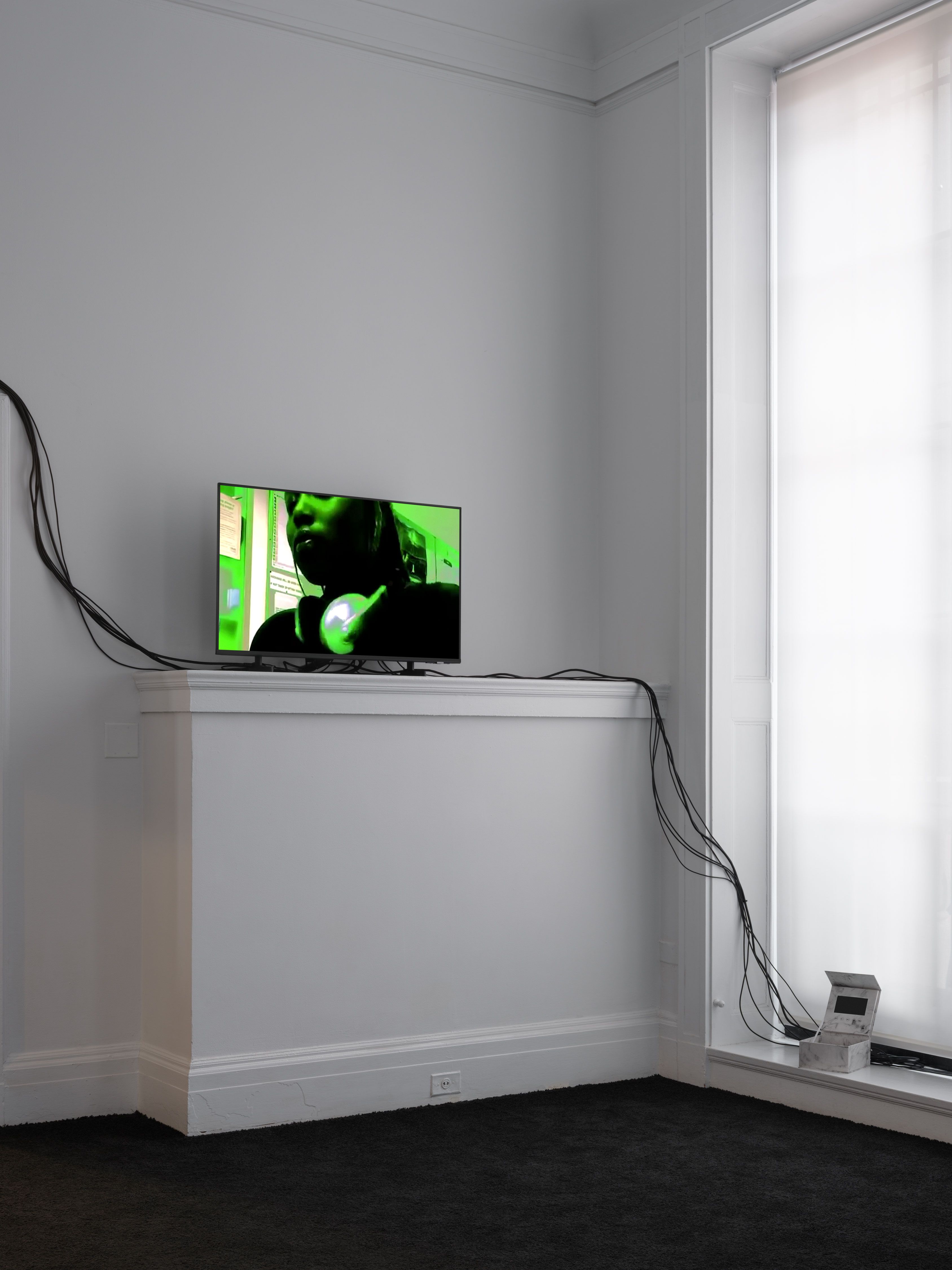
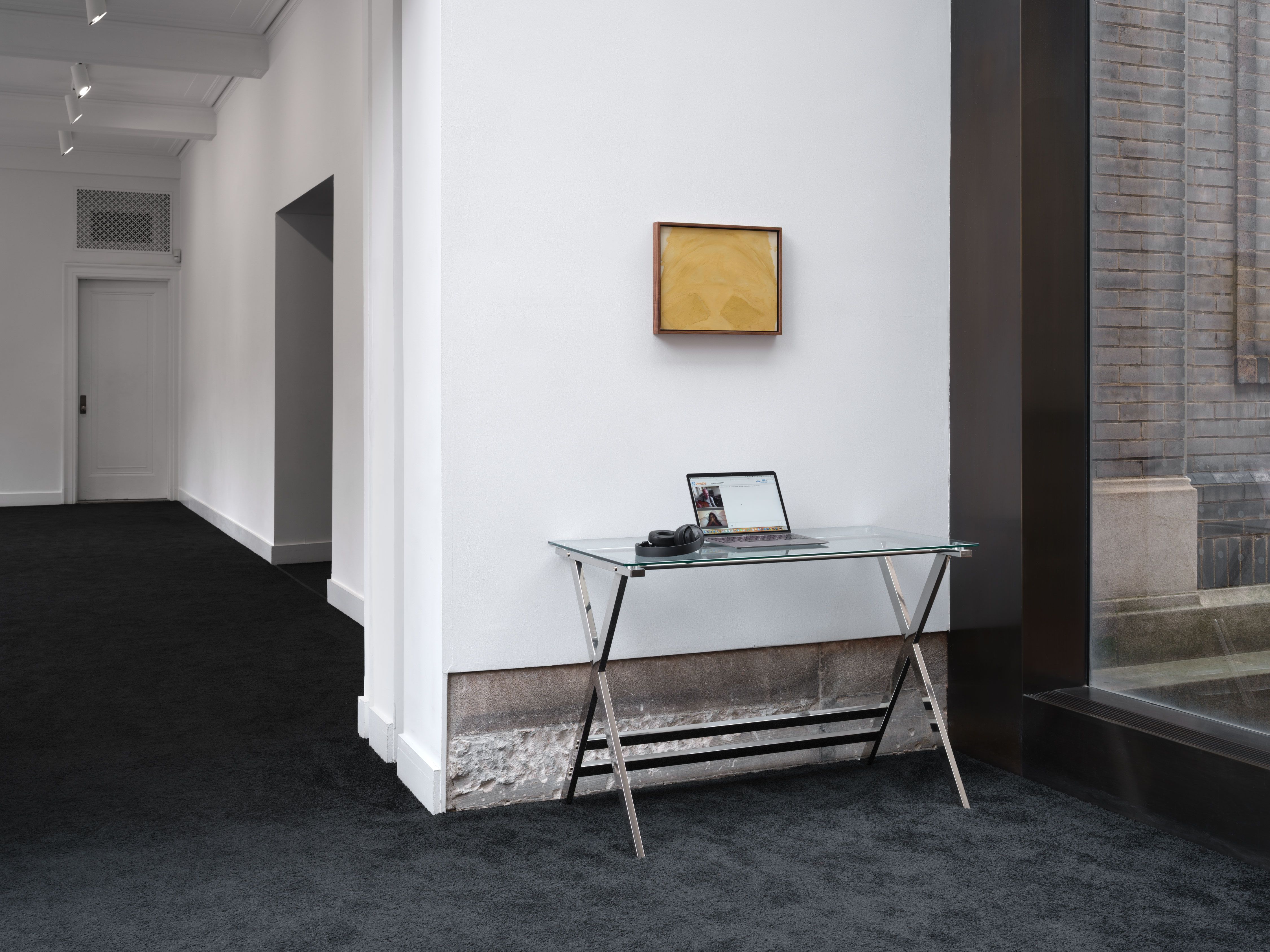
The artist’s video pieces, displayed as something of a retrospective at the Academy of Arts and Letters, is the product of a genre of video work whose thematic concerns are rooted in their specifically online medium. “TikTok is what the handycam was to Mumblecore,” Pozi, who was born in 1998, says. The Mumblecore genre of low-budget American films, characterised by naturalistic acting and dialogue in mundane domestic settings, came about with the rise of the portable camcorder in the early 2000s. Likewise, Gen Z’s visual imagery is intrinsically tied to the devices that facilitate the internet: iPhones, computer screens, cables. These elements appear in this exhibit for the viewer to interact with, displayed as if in an escape room in a method Pozi calls “forced participation”.
The accompanying text for In Pursuit of Feeling compares the works on show to literary realism. “Here we are,” she says, explaining Soviet montage theory to me. “Two girls smoking at a bar. The shot moves to your cigarette, then to the bowl of crisps in front of us, then to my smiling mouth.” This is the camera telling the viewer we are hungry. For Pozi, thinking like a film editor has been her primary form of expression from a young age, as she considers the relationship between mediated interpersonal relationships and emerging technologies.
Lydia Eliza Trail: You first showed Pingey (2019) at New York City gallery Gandt in 2020. How did that come about while you were still at art school? It was a YouTube video shown on a monitor in a basement in the Bronx.
Josiane MH Pozi: Robert Snowden actually stumbled across my video Pingey. He emailed me and said he really liked it, which baffled me because I didn’t think anyone would like it. Not because I thought it was bad, but I didn’t think anyone would watch it, that it would just be a part of the noise. That’s how the show at Gandt first came about.
LET: YouTube is an essential medium for you. Re-watching Pingey, you’re so young, dancing in your university room. It encapsulates a period immediately pre-Covid-19 that often feels preserved on the internet alone. We’re still experiencing the repercussions of the social isolation that followed during lockdown. How does that work relate to that experience as part of Covid-19’s so-called “lost generation” of young people who came of age during that time?
JP: My theory is that if you consume the internet, you should feed back into it. In relation to the “lost generation”, we live in a time where we can’t even afford the basics: rent, food, bills. Making the things we want to make becomes difficult because we have to pay rent. A kid will often choose conformity over authenticity, especially if studio rent is the same as the single room you share with eight other people, each space being over £700 excluding bills. And it’s really scary, because we’re made to think that our worth is intrinsically tied up to these “markers of success”. As I approach the end of my twenties, I’ve realised it’s a whole lotta shit! We all have ideas of how we want to be living our lives, divorced from how we think we should, online and in person, but not having a discerning eye filtering out the “you should” noise ultimately feeds into that debilitating thinking.
LET: How does your media literacy connect to your practice, in terms of method rather than simply medium?
JP: I grew up not knowing anything about art. As a kid, I thought artists, like celebrities, were ordained by God. I would watch MTV religiously and films and think about stories that would work for the music I was listening to. Or, me and my sister would make little sketches with the desire to become YouTubers. But it wasn’t until someone told me what I was making was art that I believed it was. Before that point, I was doing “YouTube University” and teaching myself how to edit. I’d make these weird videos, not knowing what I was making, but enjoying it.
“My theory is that if you consume the internet, you should feed back into it”
LET: Did art school change your perspective on being an artist?
JP: Fuck art school. It’s not the haven they really promise it being. I ended up doing a lot of work in reaction to the institution. Actually, it wasn’t all that bad, I had two great tutors, but apart from that, especially if you’re a non-white person existing, I’d say save your money. Don’t completely wreck your nervous system with unnecessary cortisol. If I hear someone say “dichotomy” I’ll have a panic attack—people forget that the body keeps score.
“As a kid, I thought artists were ordained by God”
The best artists will probably die without ever showing their work in a gallery, or doing a BA. Nothing about this experience of life is unique: we’re all going through different shades of the same thing. You don’t need to go to any institution for this. You don’t need to know art theory or go to shows to feel seen when confronted with art that makes you say “I feel the way this painting, or sculpture or whatever, makes me feel. Nothing is promised in this life apart from feeling.
LET: What does this first solo institutional show, In Pursuit of Feeling, mean to you?
JP: Woah, this is a big question. The show means a lot, like a lot. I’m really happy with it — which is weird. Usually there’s always something I don’t like or I only appreciate it months after it’s finished. I’m so excited to have done it. 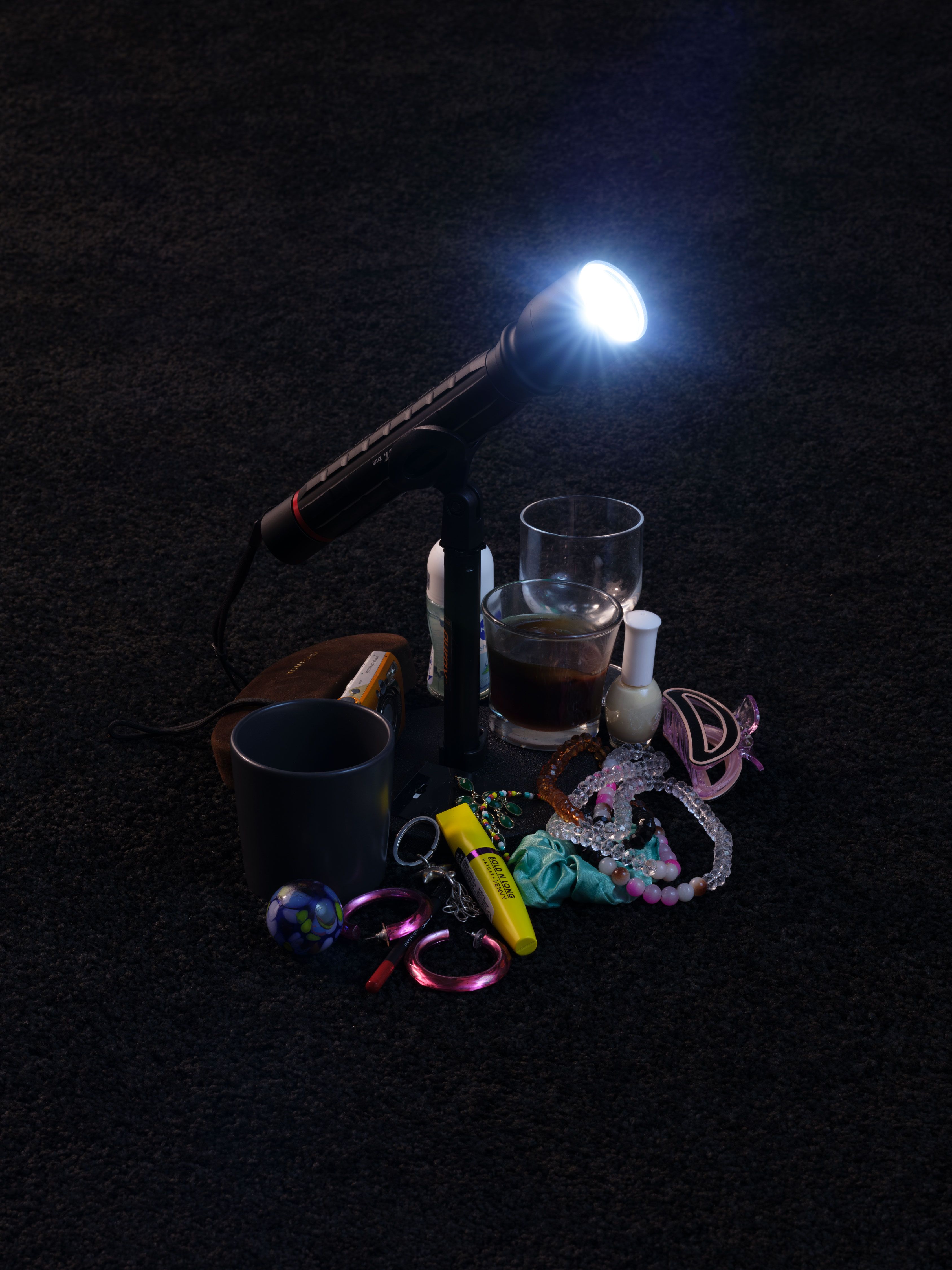
LET: What do you mean by “forced participation” in relation to In Pursuit of Feeling?
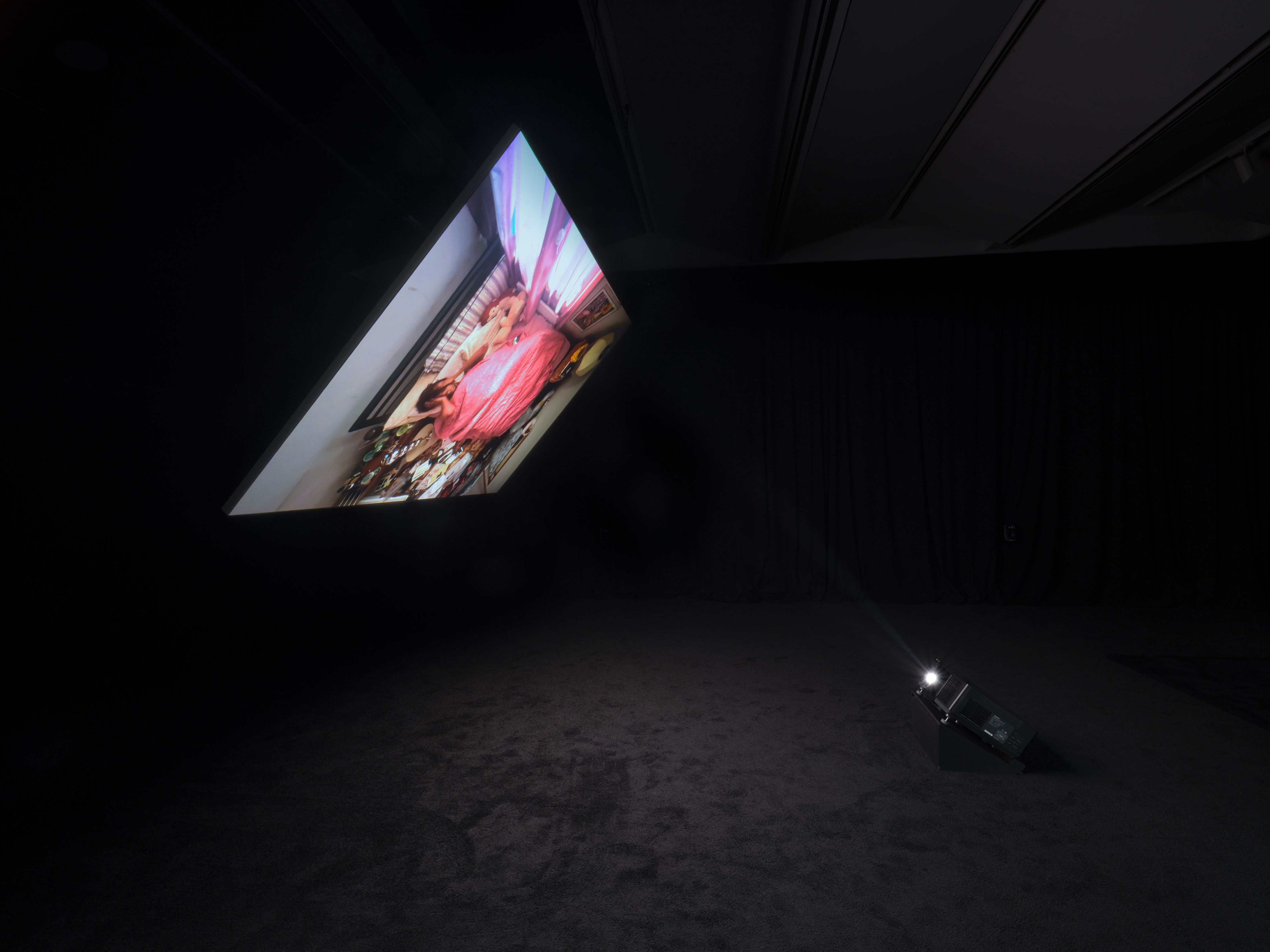
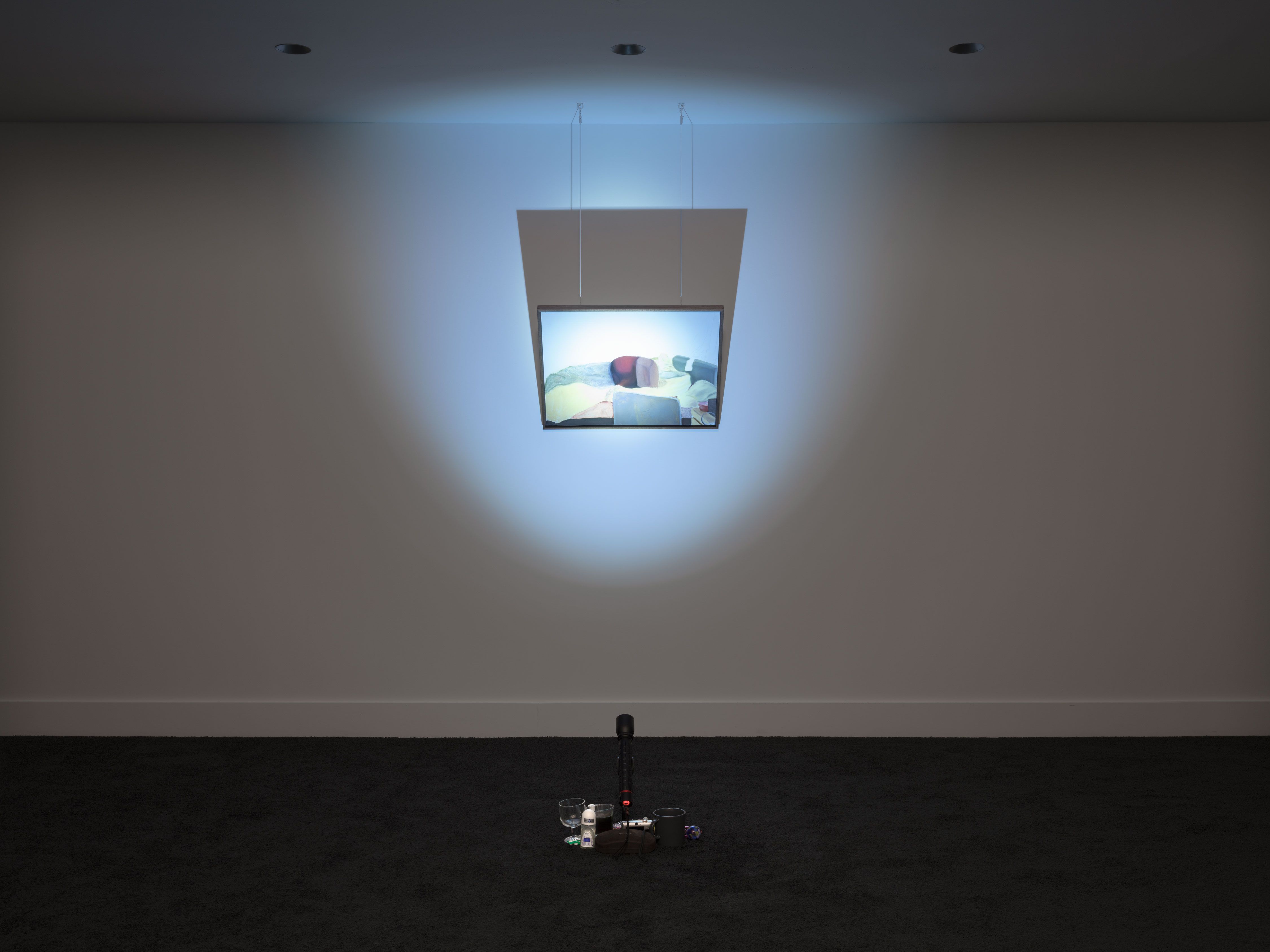
JP: So after making Pingey, or creating video work that deals with the “real” such as documentary footage, I felt super uncomfortable in regards to spectatorship. Which, of course, makes zero sense because I posted it to YouTube. I didn’t at the time think it was going to be seen, and I wasn’t making it with the thought of it existing in a gallery space. As a medium, we engage with video every single day and, we, or myself, because I don’t speak for everyone, end up not even registering the act of looking . There is a complete lack of awareness of your participation in seeing. Everything seems so deserving to you. For this show, especially because a lot of the work is about myself or family, I wanted to force participation of the spectator in regards to the installation of the video pieces. One room has an eight-channel video playlist with sound coming from the speakers— there’s monitors all over the room and each video comes on one by one. You have to find the video. In another room, the monitor is suspended at such an angle that you have to lie down or go to the back of the room to watch it.
I liken this to Daniel Day Lewis’s character in Phantom Thread (2017) hiding things in the lining of a dress or suit jacket. There’s a secret contract between myself and the gallery goer. It’s my way of feeling comfortable with showing but also, it makes the act of looking feel scripted, like one big performance—which I really enjoy.
“If I hear someone say “dichotomy” I’ll have a panic attack”
LET: Your work is irreverent when it comes to the expectations of high production values in video art. Is it this irreverence that makes it relatable to a wider audience than most art, or even video art, especially as you are using mediums that are publicly accessible?
JP: I don’t think it’s a lack of care, more so that when I started making, an iPhone and Premiere Pro was all I had. I was really into Dogme 95 when I was younger. It demystified the making process. The best materials are the ones you know; HB pencils, crayons, Photobooth, iMovie. Like, even with Mumblecore, I don’t think they were making movies with a handycam because they wanted to. I think they were fucking broke and didn’t want to bend to the whim of a studio to get the film they wanted made made. They just wanted to make their idea. I think that’s why TikTok is for Gen Z and Gen Alpha what Mumblecore was for millennials, like technological advancements in production during a time of global uncertainty. Millennials had the handycam, Native Instruments and ’08 financial crash, and Gen Z have Capcut, Koala and Covid. —[O]
In Pursuit of Feeling (until 3 July) at American Academy of Arts and Letters, New York City
Main image: Installation view: In Pursuit of Feeling (until 3 July) at American Academy of Arts and Letters). Photo: Steven Probert Studio.








A respected voice in contemporary art discourse.
Focusing on ambitious storytelling and insightful art-world commentary. Ocula Magazine publishes in-depth interviews, critical essays and timely analysis on the artists, exhibitions and ideas driving the global art world.
Learn more about Ocula Magazine
Showcasing the best of the art world.
Ocula partners with galleries from around the world to highlight their artists, artworks and exhibitions. Gallery membership is by application and invitation, with each member vetted by an independent panel.
Learn more about Ocula Membership
Specialises in the sale of major artworks.
Led by a team with deep ties to the world’s leading auction houses, galleries and collectors. Ocula’s advisory team offers bespoke services to high-net-worth clients from around the world who are looking to acquire the best of contemporary and modern art.
Learn more about our team and services