





10 Exhibitions to See Around the World This July
Save to My OculaOcula’s global team of editors has selected the shows not to miss during July, from New York City’s abandoned 1980s waterfront to the majesty of a Soviet-era metro station.
David Wojnarowicz, Some Day This Will All Be Crumbling Ruins (until 28 August) at The Modern Institute, Glasgow
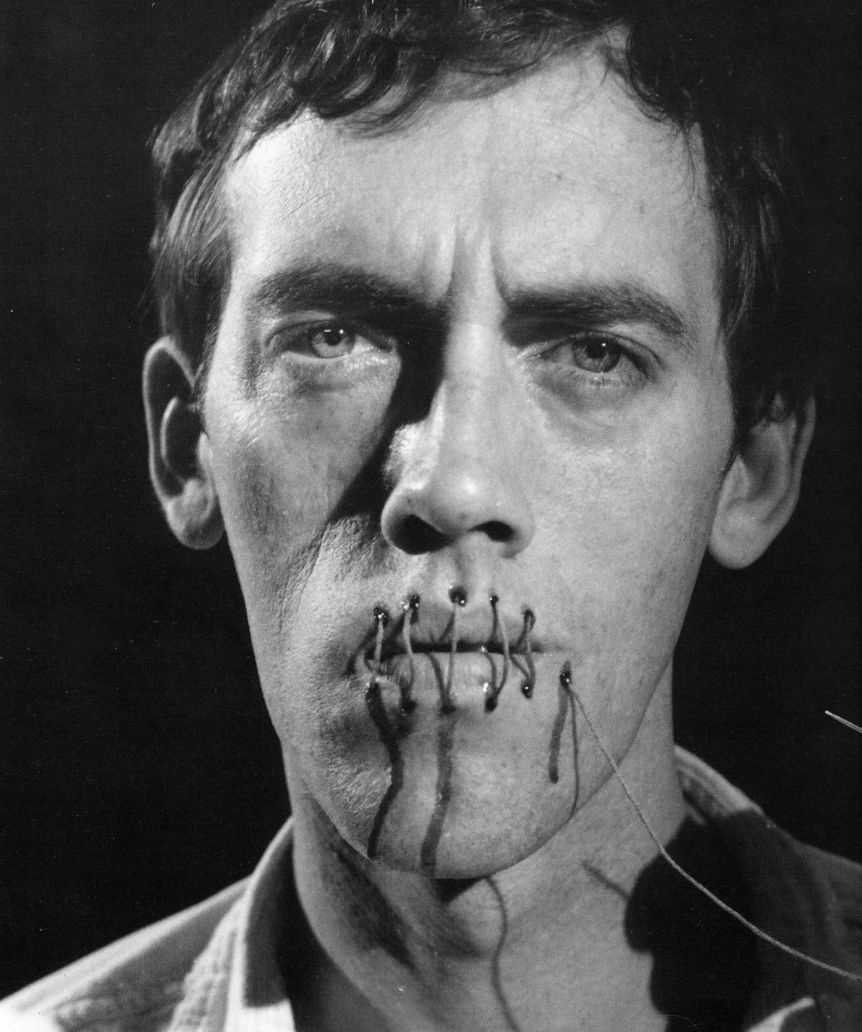
In David Wojnarowicz’s unpublished poem Circulating Drunk to Midnight Music from 1977, he depicted blood-stained street corners and monks stalking the river. The haunting imagery was his New York City: the abandoned waterfront piers, the queer communities that gathered at night. Wojnarowicz was a multidisciplinary artist and a radical AIDS activist who mapped the raw experience of outsider life in his paintings, photographs, writing and filmmaking. This exhibition in Glasgow traces this trajectory, from early street photography and collaborations to his relationship with Peter Hujar, through photographs, paintings, papier-mâchés and archival material, spanning the 1970s until his death from an AIDS-related illness in 1992. The Modern Institute’s weathered interior becomes part of that narrative: ephemera are tucked into old wooden cabinets, posters pinned to raw brick walls, and films projected in rooms that feel temporarily inhabited, evoking the networks of friendship, desire and collective making through which Wojnarowicz’s practice took shape.—Shanyu Zhong
Les Rencontres d’Arles, (6 July–4 October) throughout Arles
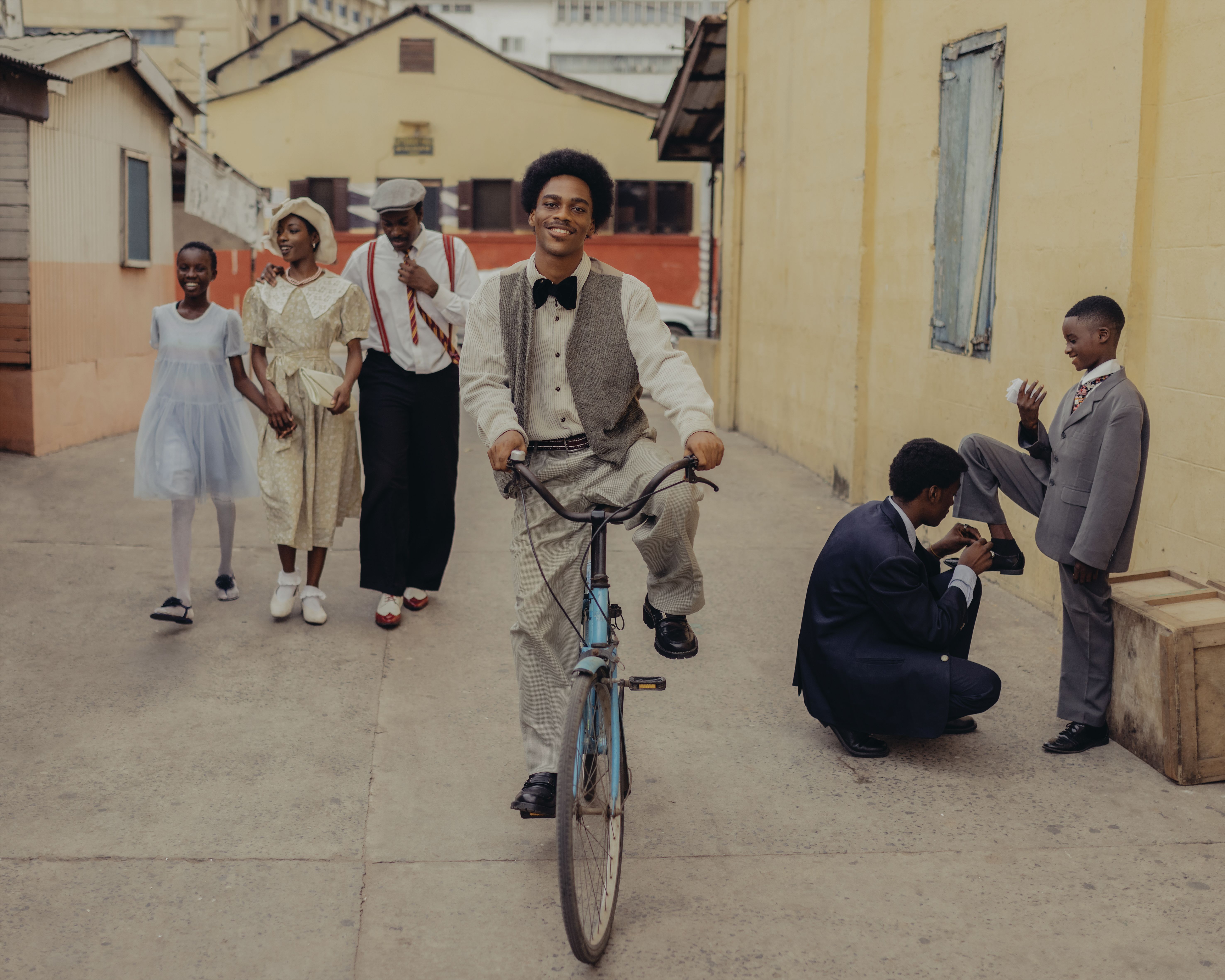
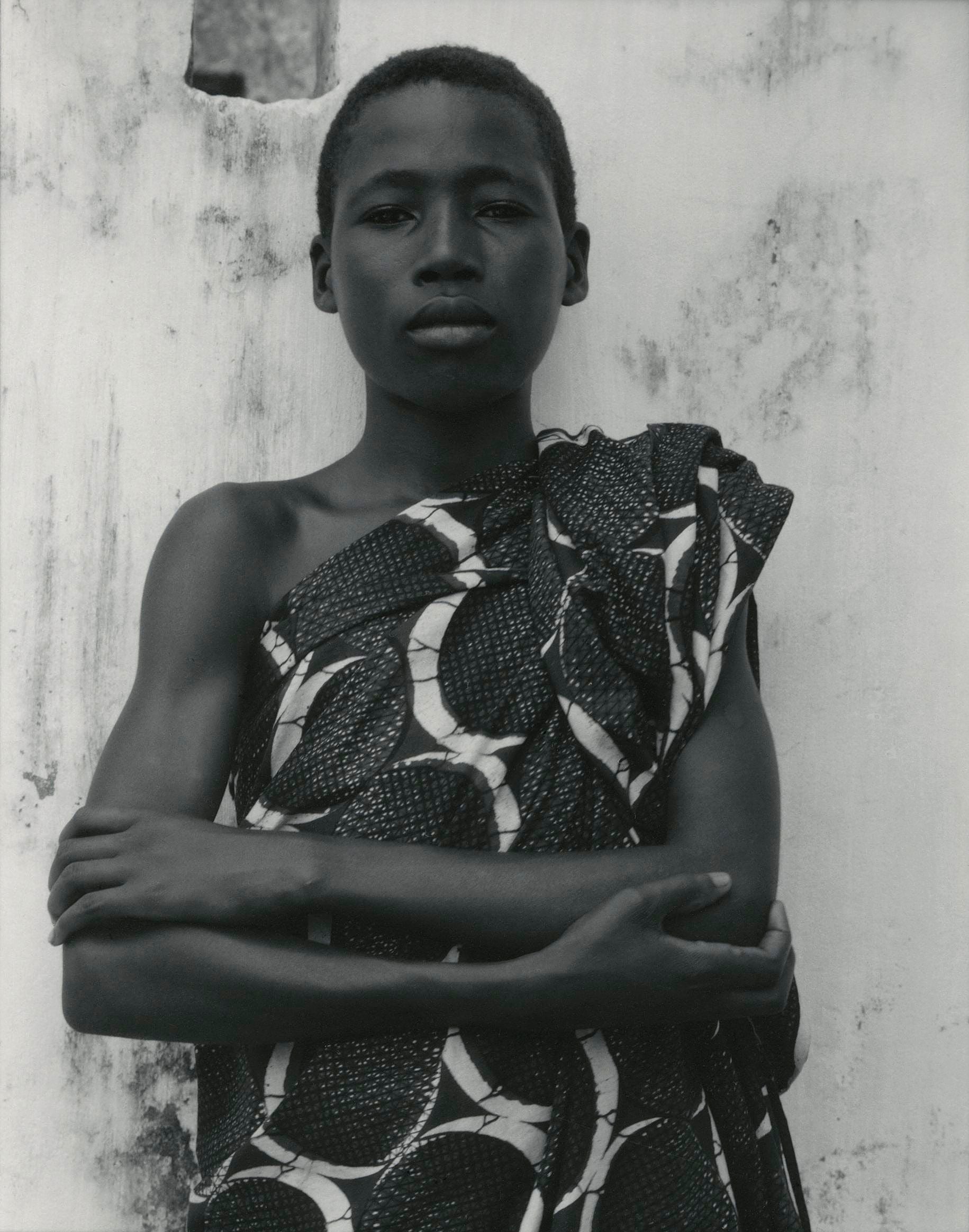
The 57th edition of Les Rencontres d’Arles has the theme “Worlds in View”. The city-wide photography festival’s headline show, Ghana! Dreaming Independence, sets the tone with an exploration of the role of photography in Ghana’s emancipation from British rule, placing seminal works such as Paul Strand’s 1976 photobook Ghana: An African Portrait in conversation with young imagemakers including Carlos IdunTawiah and Maame Abena Osaah Asamoah. Other shows explore movement, routes and passages, and question inherited borders. French artist Anne-Lise Broyer reimagines the histories of the Mediterranean, while Katia Kameli adds another chapter to her long-running investigation, The Algerian Novel, for which she uses postcards, press photographs, artworks, films and popular objects to enrich Algeria’s history and collective memory. Even in celebrating giants of photography, these motifs continue. A show dedicated to innovative imagemaker William Klein presents photographs, paintings, films, drawings and previously unseen documents, revealing his highly politicised and sometimes critical view of his native New York.—Philippa Kelly
Lola Stong-Brett, Sometime Somewhere Someone Is Dancing (until 7 August) at James Fuentes, New York City
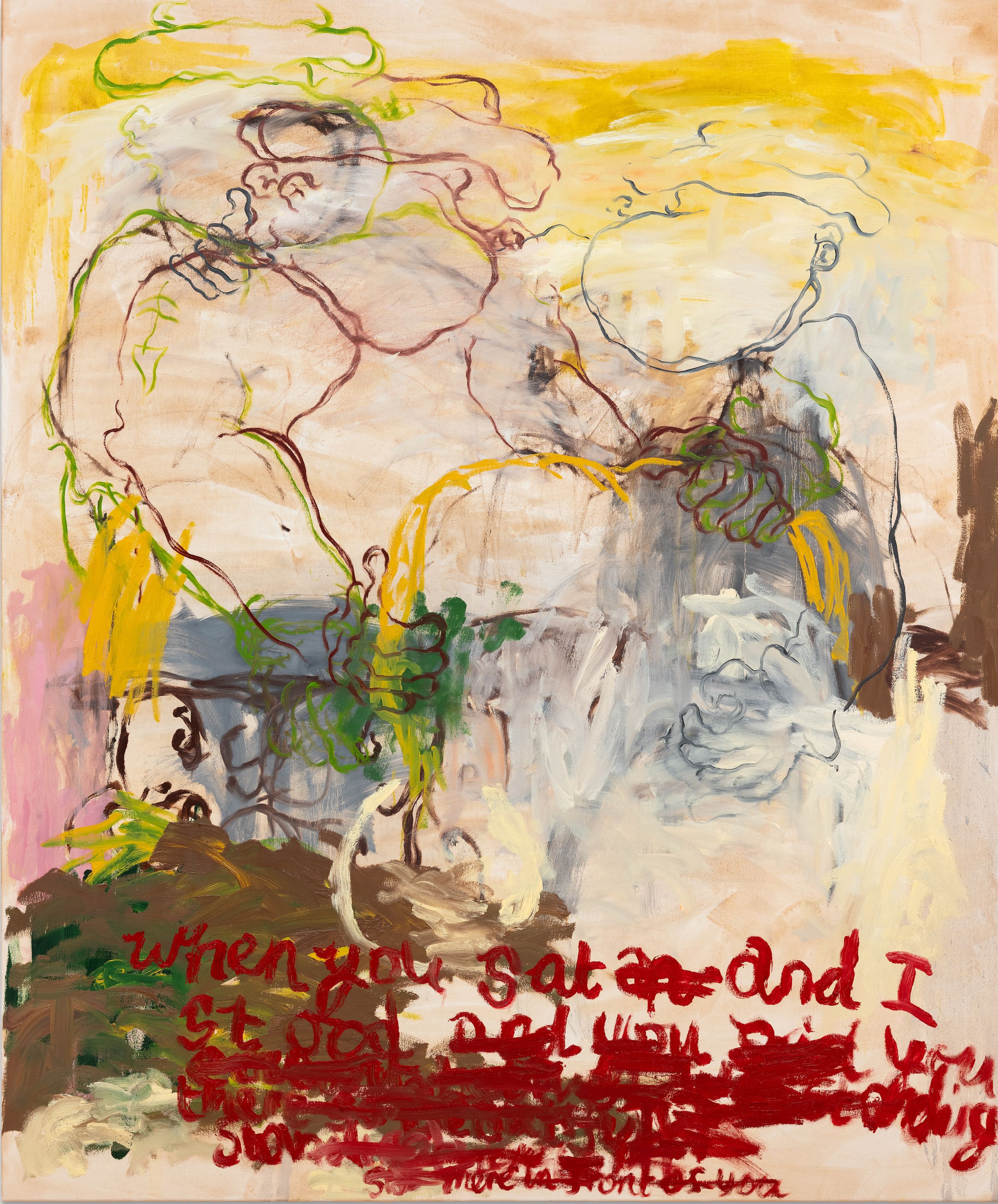
Lola Stong-Brett blurs the boundaries of the high and low art worlds—and the British painter has experience of both realms. Based in historically working-class Margate, where she completed a 14-month Tracey Emin Artist Residency in 2024, Stong-Brett has become an emerging art world darling, now making her New York City debut. This new series of large-scale oil paintings is informed by classically “lower” art forms such as cartoon imagery and tattoo culture, often depicted in graceful, ghostly outlines that conjure hands and breasts. It also features the spinach-eating grin of the artist’s erstwhile muse, Popeye, whom Stong-Brett heroicises for being “one of the first cartoons that depicted a working-class person.” Her gestural markings highlight a growing trend critic Harry Tafoya has identified as “halfstraction”: “I don’t actually know if I’m an abstract painter or a figurative painter,” Stong-Brett says. “And I quite like the not knowing.” What seems more certain is her love of her chosen home, itself a mix of bucket-and-spade charm and growing art world prestige. “The beauty of Margate is that it’s a real hub of artists, and everyone works together.”—Aimee Walleston
Mikayil Abdullayev, The Light of Distant Roads (until 31 July) at Gazelli Art House, Baku
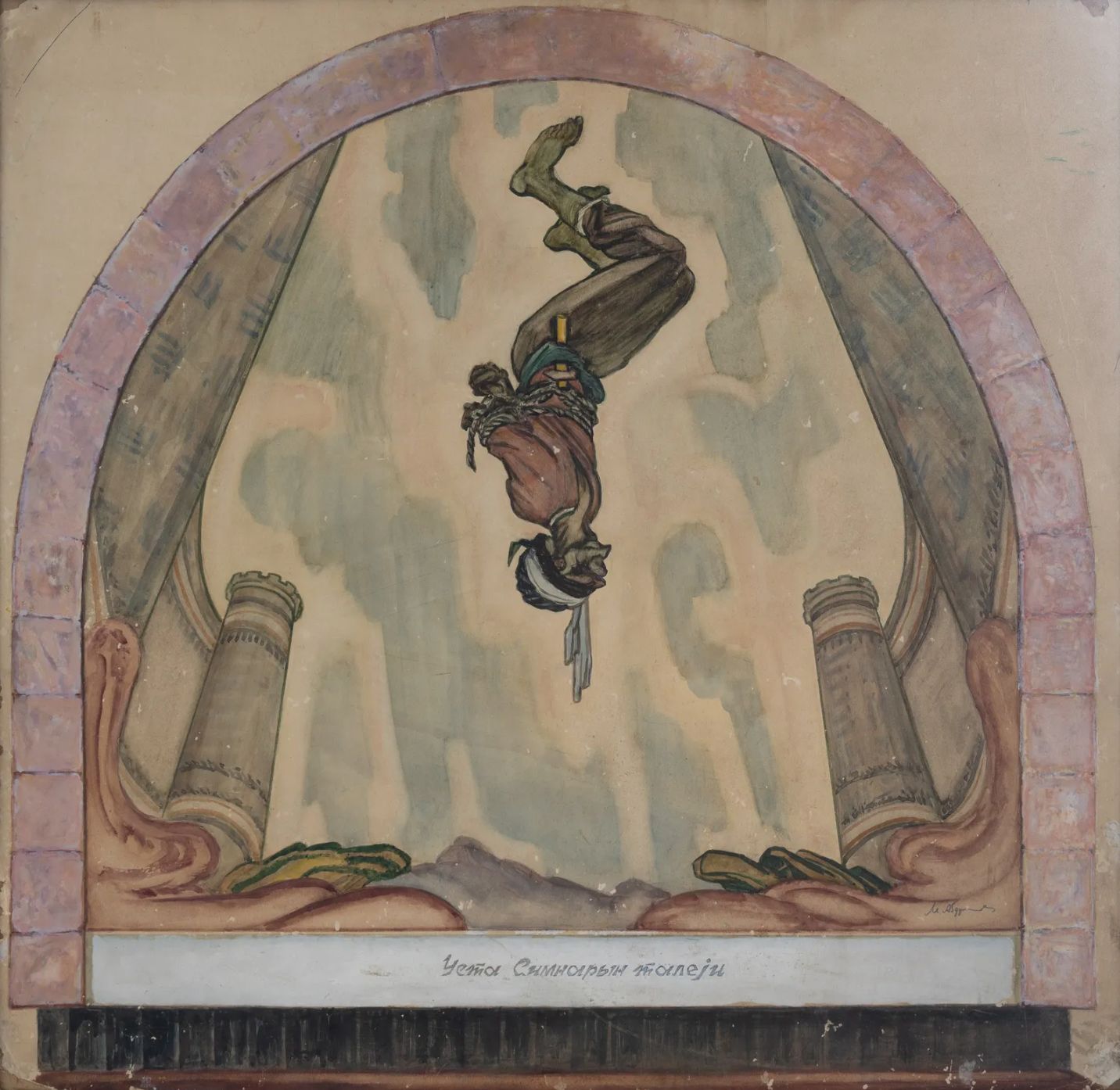
Few metro stations in the former Soviet Union rival the theatrical splendour of Nizami, in Baku. Its mosaic-lined halls are among the city’s most unforgettable public interiors. A new exhibition at Gazelli Art House focuses on the artist behind the landmark, Azerbaijani painter Mikayil Abdullayev. It brings together around 50 paintings, sketches and works on paper spanning Abdullayev’s student years to the 1980s. Among them are two preparatory studies for the station’s mosaics: Farhad Carrying Shirin and Her Horse (1974) and The Fate of Master Simran (1970). Completed between 1973 and 1976, the mosaics transformed a metro station into a visual retelling of Nizami Ganjavi’s Khamsa, weaving Persian literary heritage into Azerbaijani identity through the language of late Soviet monumental art. Particularly compelling is the section depicting The Fate of Master Simran, which tells the story of a legendary architect killed by his patron after completing a magnificent palace, an allegory of artistic labour, patronage and power.—Zian Chen
Tish Murtha and Kuba Ryniewicz, Close to Home (4 July 2026–4 April 2027) at Baltic Centre for Contemporary Art, Gateshead
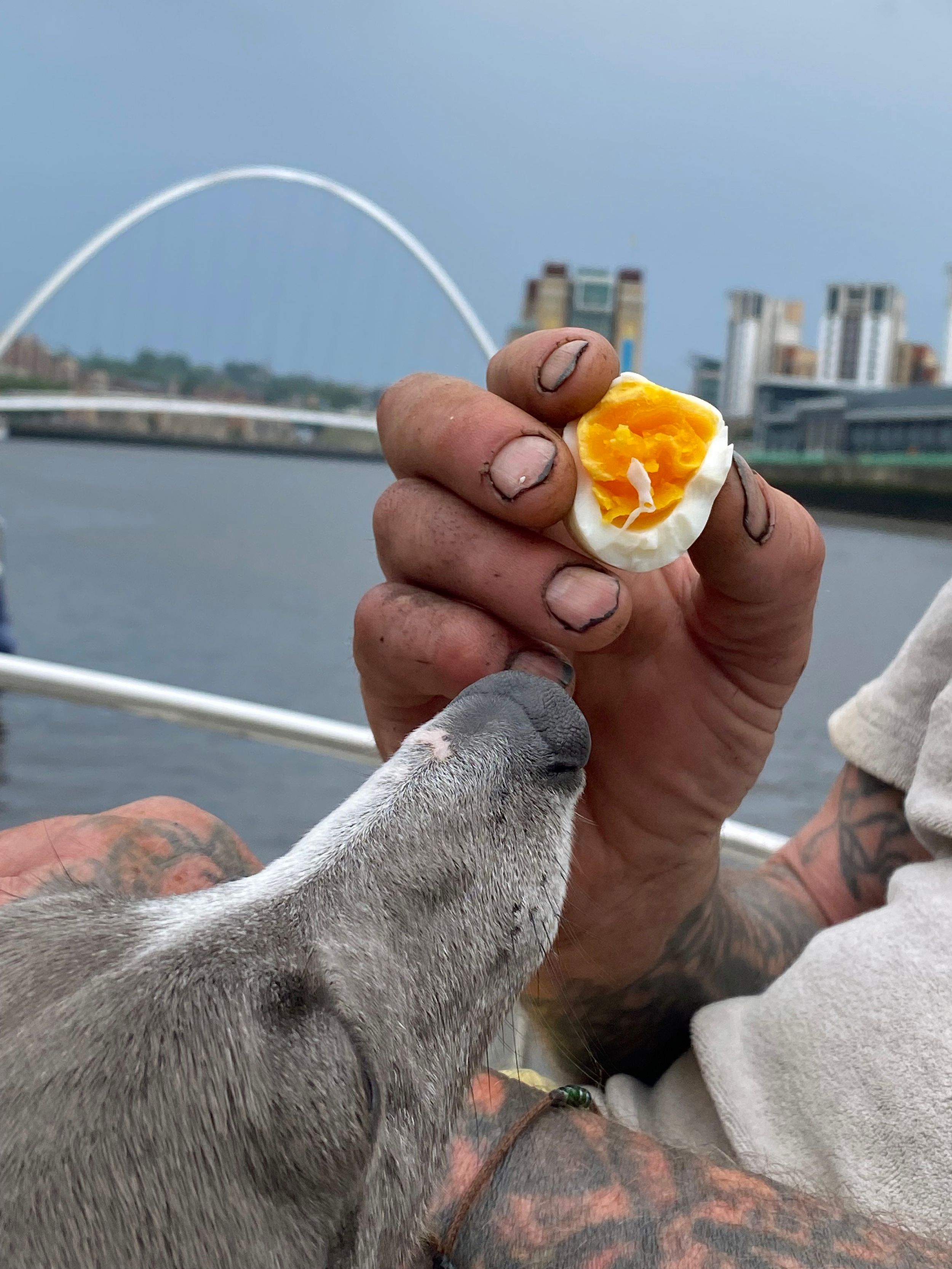
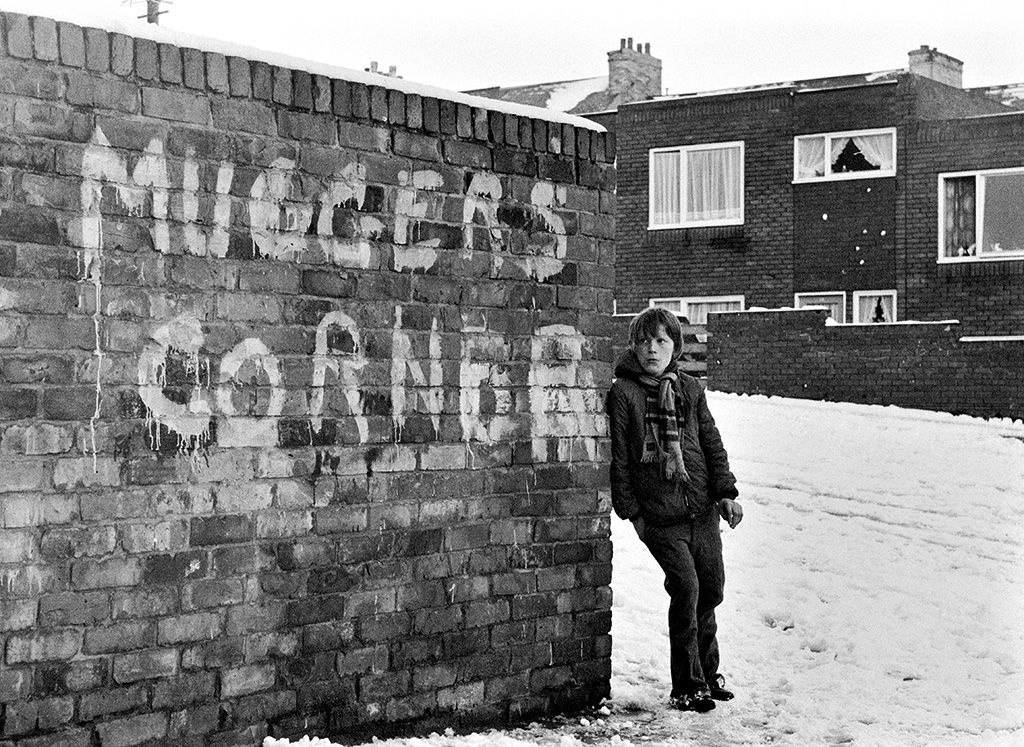
On graduating from the School of Documentary Photography at the University of Wales in the late 1970s, one of Tish Murtha’s first projects was photographing the children in Elswick, Newcastle-upon-Tyne. It was the “winter of discontent”, one year before Margaret Thatcher came into power, and communities reliant on industrial production were suffering high unemployment. Murtha captured youngsters mucking around in a burned-out car, and a child leaning against a wall marked “muggers’ corner”. The series was the first of many that earned Murtha acclaim for her humanistic portrayals of working-class life in the north of England. Murtha passed away in 2013, but efforts by her daughter and a BBC documentary have brought her work back into public consciousness. This exhibition places her work in conversation with work by the contemporary Polish-born, Newcastle-based photographer Kuba Ryniewicz. It brings together black-and-white photography from that early “Elswick Kids” series, images of workers resisting the closure of the Scotswood Works heavy engineering plant and youth unemployment with Ryniewicz’s photographs of contemporary Newcastle: a man in a red T-shirt with a handful of weeded-out dandelions, teens picnicking and smoking on a boat; a hand feeding half a boiled egg to a dog.—Baya Simons
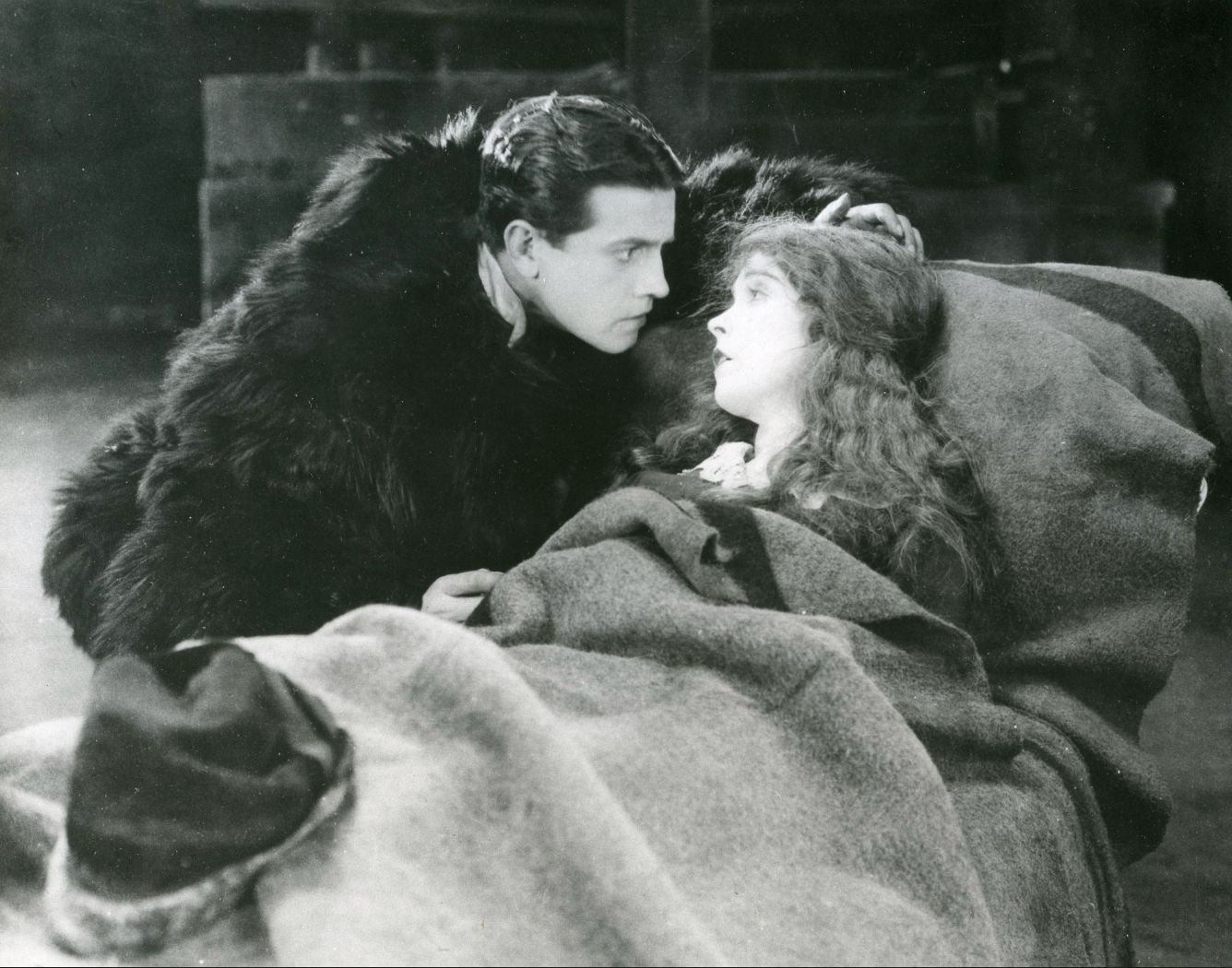
Silent Movie Week 2026 (29 July–3 August) at MoMA, New York City
Hollywood’s Silent Era (roughly 1894–1927) was founded on an interest in movement. This month, MoMA, whose foundation as a museum in the late 1920s coincided with the moment Hollywood began using microphones, is celebrating its fourth edition of Silent Movie Week. Six of the seven films featured in the programme stem from the foresight of Iris Barry, MoMA’s first film curator. Barry obtained an archive of the silent years of Hollywood in the 1930s, just after the “talkies” took centre stage. His selection shapes this year’s Silent Movie Week, with films—restored by MoMA— including DW Griffith’s Way Down East (1920), Buster Keaton and Donald Crisp’s The Navigator (1924) and Charlie Chaplin’s Shoulder Arms (1918). Each film will feature live musical accompaniment: for Way Down East, this is a MoMA-commissioned score, performed by a 10-piece orchestra, while other movies are accompanied by a pianist or organist.—Lydia Eliza Trail
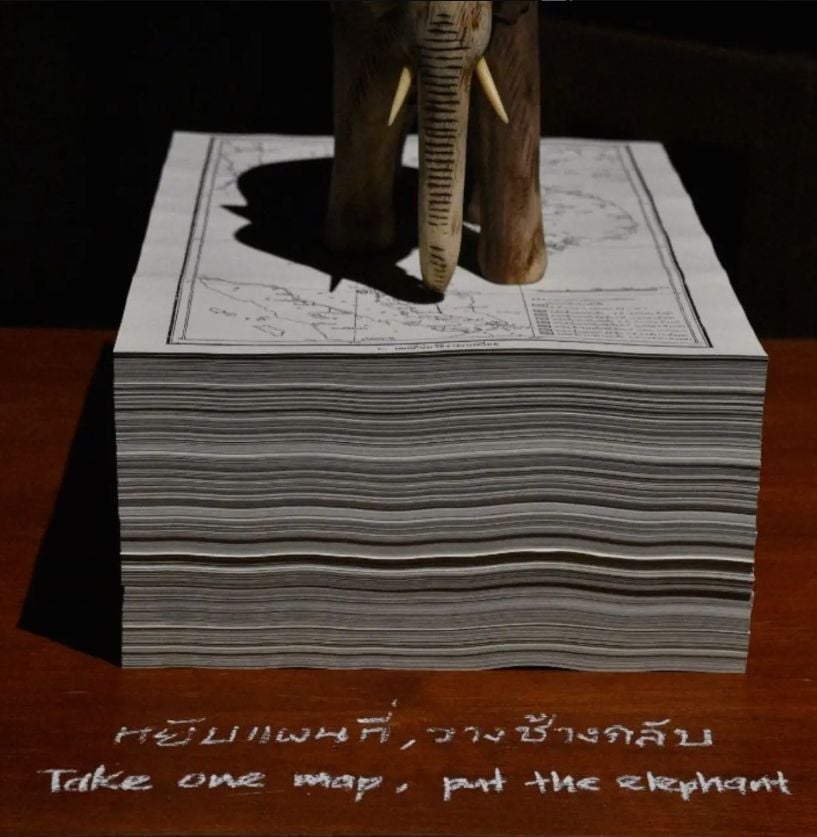
Spirits Melt to Flesh (until 4 October) at Bangkok Kunsthalle
The Bangkok Kunsthalle, housed in what was the Thai Wattana Panich Printing House, a Brutalist landmark that sat abandoned for more than two decades after a fire, has embraced ruin as part of its identity since opening in 2024: charred concrete, exposed beams and weathered surfaces remain intact. Spirits Melt to Flesh plays into the architecture with a series of site-responsive works. The group show features eight artists from Thailand, Singapore, South Korea, Taiwan, Japan and Myanmar who are exploring the folklore and histories that shape the region. Singaporean artist Daniel Hui’s moving-image installation, Funeral Rites (2026), inhabits the building’s concrete alcoves, while Taiki Sakpisit’s Maelstrom (2026) transforms the cavernous interior into an immersive ritual. A motorised sculpture circling a massive rail, synchronised with 14 speakers, lights and fog, intertwines the stories of Mae Nak, a ghost in Thai folklore celebrated as a devoted wife and fierce warrior, and Somdet To, a Rattanakosin-era monk known for his spiritual powers and compassion.—Shanyu Zhong
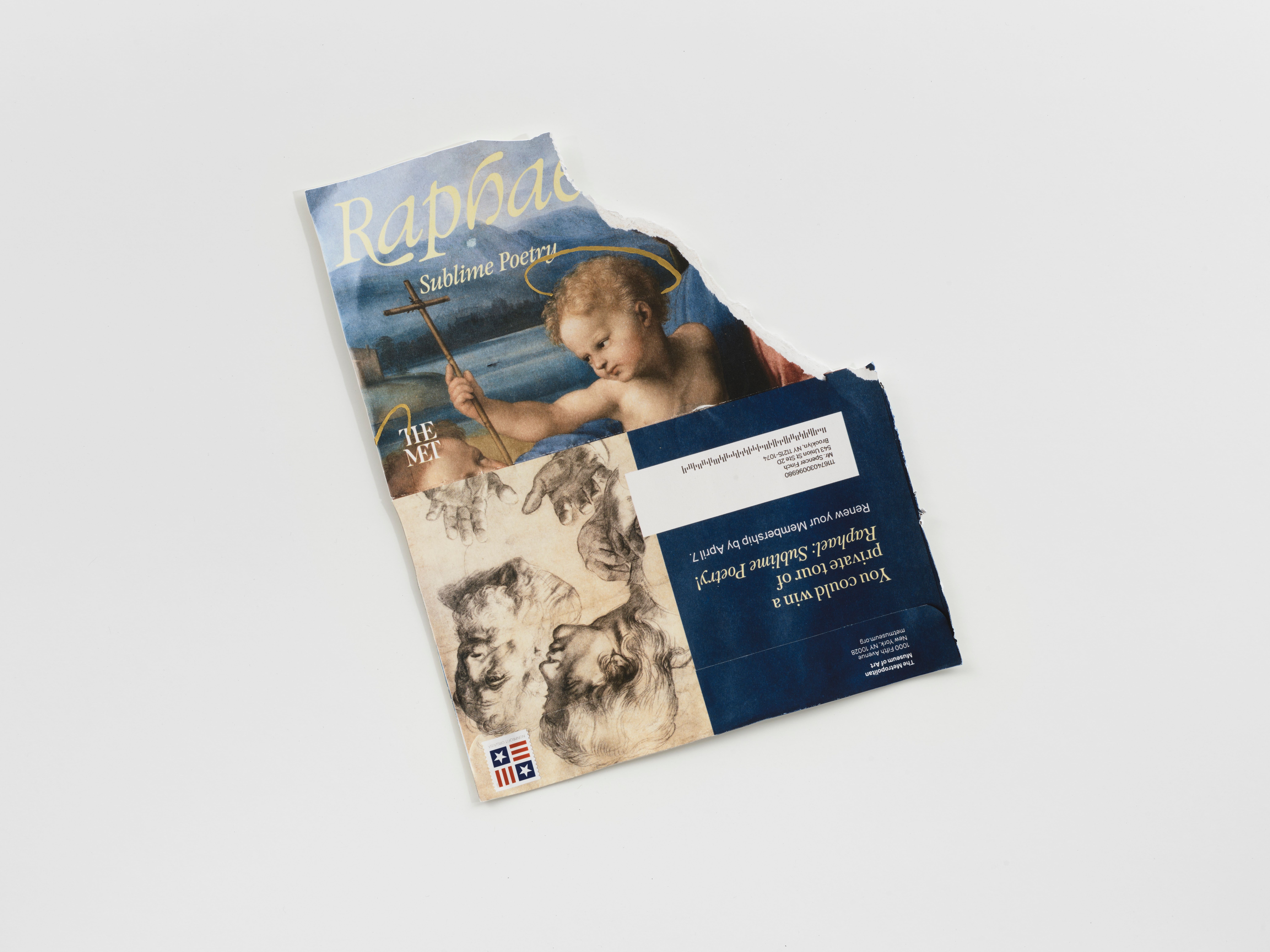
Spencer Finch, Balboa of House and Garden (until 22 August) at Lisson Gallery, Los Angeles
Contemporary American artist Spencer Finch’s work can be viewed as an attempt to use memory to access sensory experience. Finch attracted global attention during the mid-2010s as the only artist tapped to create work for the 11 September museum; his mural Trying To Remember the Colour of the Sky on That September Morning (2014) features 2,983 hand-painted squares in different shades of blue, memorialising those killed in the 1993 and 2001 attacks. “If I say ‘blue’, two people will imagine a different colour,” explained Finch in a recent interview. “Subjectivity of colour” also informs his recent commission for the just-opened Obama Presidential Centre. Memory Landscape (Nairobi, Chicago, Honolulu, Jakarta) (2025) is another sprawling wall mural composed of different squares of colour, featuring hues inspired by memories of places from President Obama’s formative years. Showing concurrently is Finch’s first Los Angeles exhibition, Balboa of House and Garden, centring his recent series of works on paper: Gorgeous Nothings. Inspired by Emily Dickinson’s practice of composing poems on discarded envelopes, Finch (who has a BA in comparative literature) creates meticulously rendered trompe l’oeil reconstructions of junk mail and discarded envelopes found on the street, once again paying homage to that which might otherwise be forgotten.—Aimee Walleston
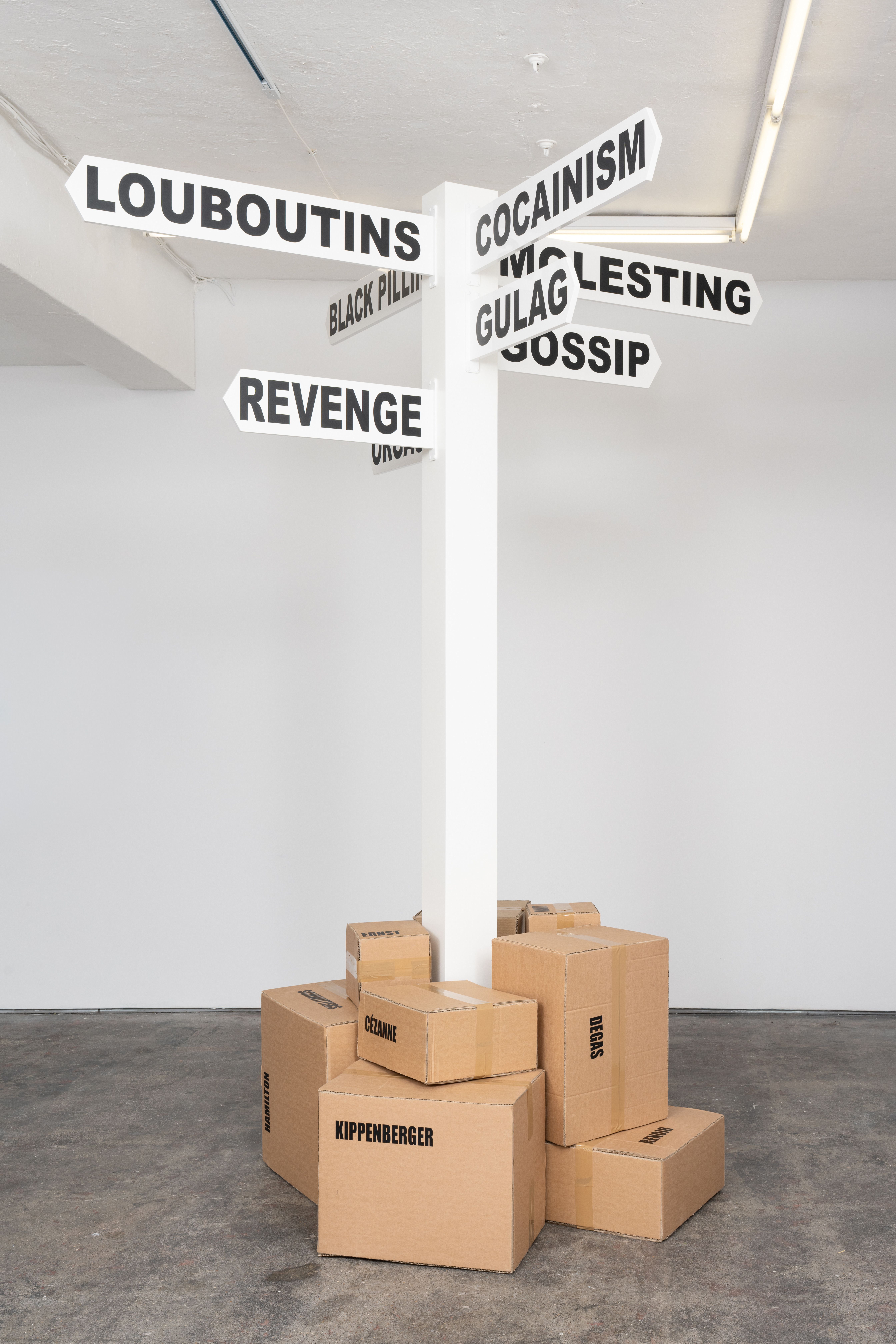
Dan Mitchell and Richard Sides, The Woods (19 July–10 September) at Bel Ami, Los Angeles
The Woods, a new exhibition at one of Los Angeles’ more edgy contemporary art galleries, Bel Ami, will bring together work from two masters of tongue-in-cheek language. “There will be signposts, robots and paintings,” says British artist Dan Mitchell, one half of the two-person show. Mitchell, known for provocative posters combining pornographic images with loud graphics, will produce a new cluster of signposts, building on a series which has included A Mountain of Dead Billionaires (2026), a two-metre-high sign pointing toward different “locations” including COCAINISM, BLACK PILLING and ORGASM. His co-exhibitor Richard Sides, known for his minimalist paintings and life-sized suits of armour trapped between false walls, will contribute a series of minimal, chromatic lead, gesso and enamel boards. Both are provocateurs with a love of fonts. What better place to explore that than underneath the site of the greatest typographical fame: the Hollywood Sign.—Lydia Eliza Trail
Dana Schutz, Trouble and Appearance (10 July–4 October) at Pinakothek der Moderne, Munich
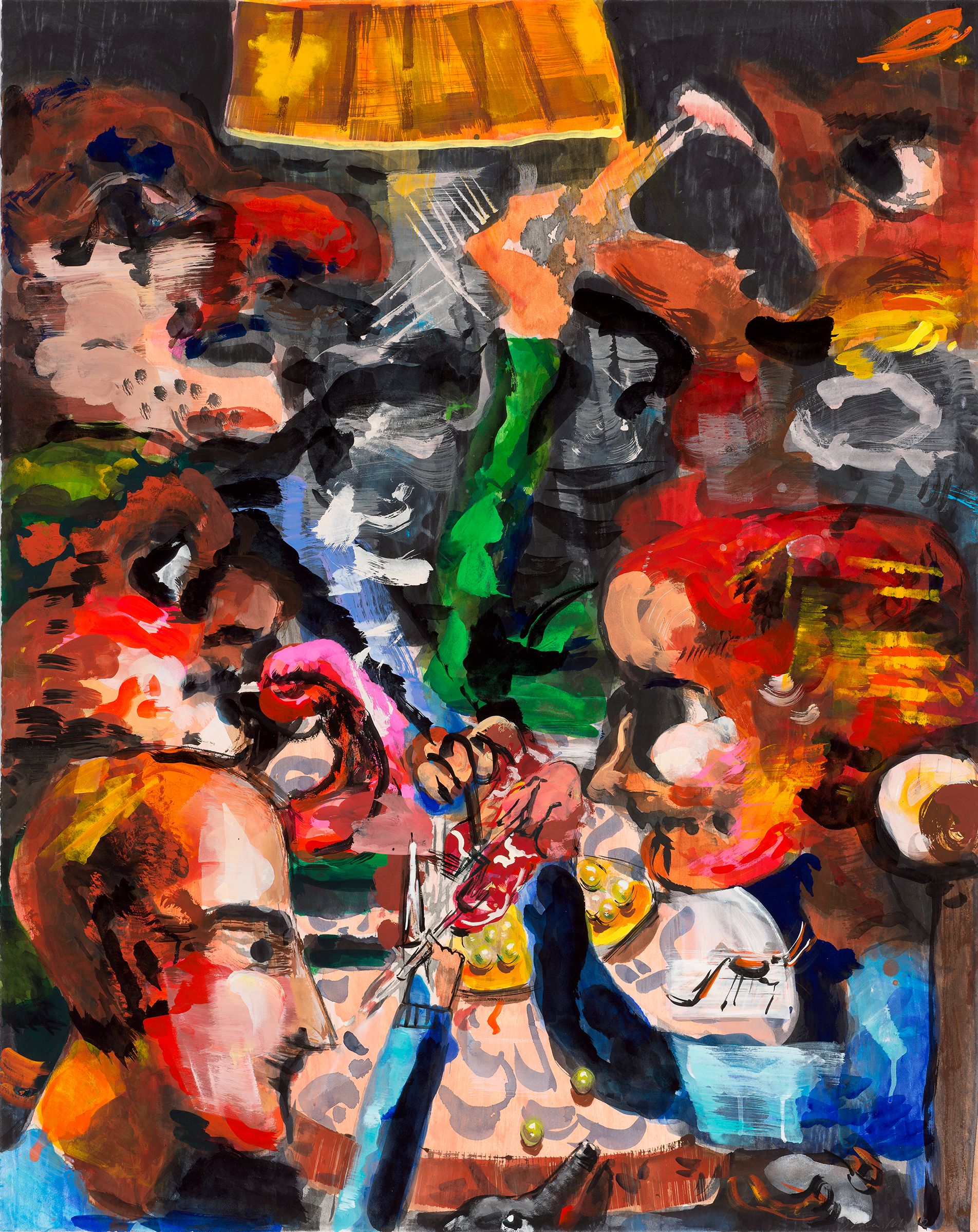
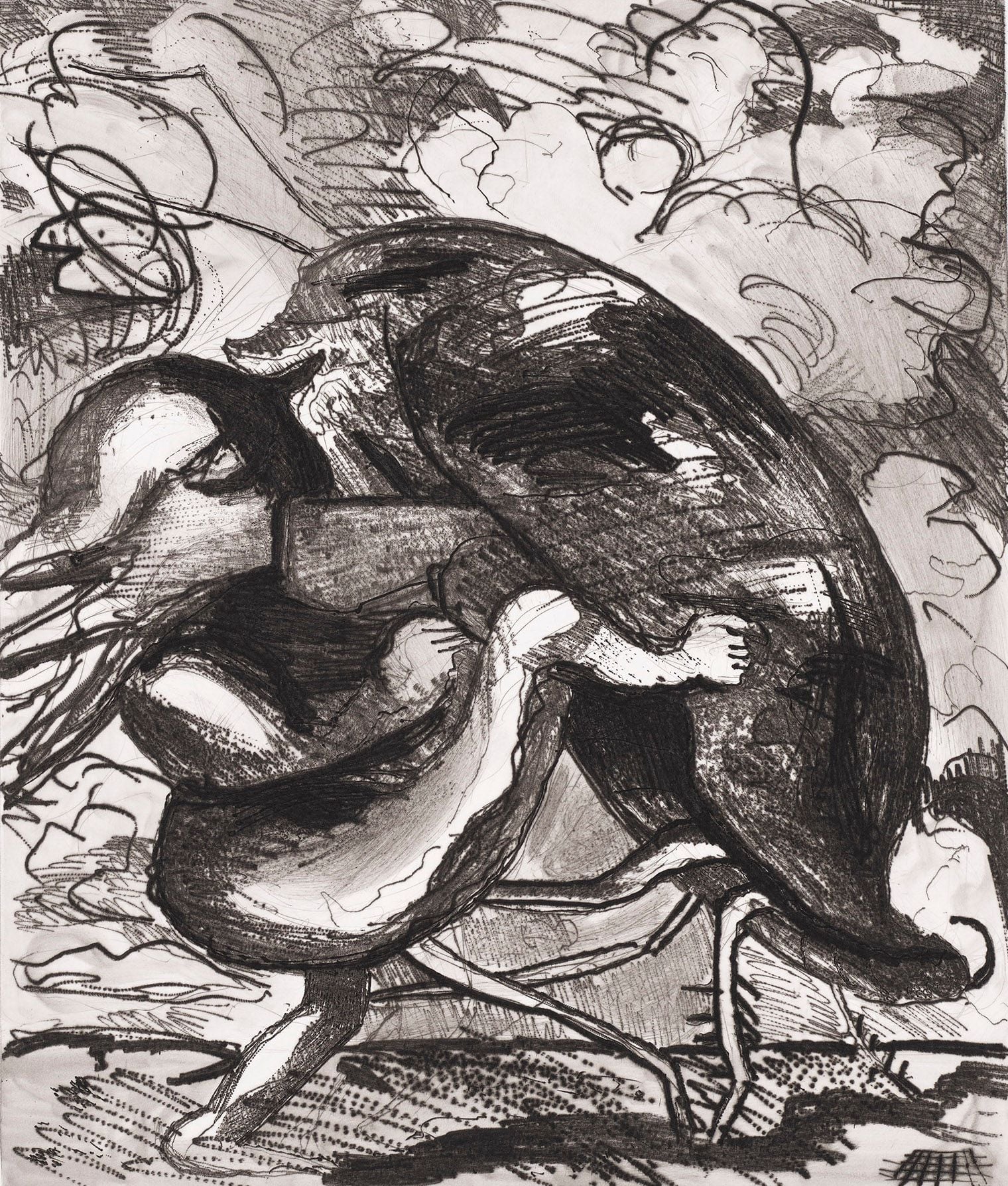
Dana Schutz knows how to paint a seductive bunch of grapes, perfectly round and pearlescent in the lamplight. In Eaters (2026), a crowd of indistinct buoyant faces huddles around a small round table as green grapes roll alarmingly towards one edge from a central plate. Forks collide and dig into nearby cold meats and ham, dodging recently extinguished candles, as if the birthday celebration has just entered full swing. The work is part of Schutz’s latest exhibition, Trouble and Appearance at the Pinakothek in Munich, in which her distinctive modern myth-making—where the frivolous meets the grotesque—will be on full display. A new series of large-scale charcoal wall drawings is accompanied by examples of the artist’s lesser-known drawing practice, including previously unseen sketches for some of her best-known paintings. There is a timeless quality to Schutz’s work, which swerves comfortably from references to American Abstract Expressionism to the Italian Renaissance and German Expressionism, evading categorisation in a world that feels entirely her own. —Louise Benson —[O]
Main image: Carlos Idun-Tawiah, Many Reasons to Live Again, (2022). Courtesy of the artist and Galería Alta.




A respected voice in contemporary art discourse.
Focusing on ambitious storytelling and insightful art-world commentary. Ocula Magazine publishes in-depth interviews, critical essays and timely analysis on the artists, exhibitions and ideas driving the global art world.
Learn more about Ocula Magazine
Showcasing the best of the art world.
Ocula partners with galleries from around the world to highlight their artists, artworks and exhibitions. Gallery membership is by application and invitation, with each member vetted by an independent panel.
Learn more about Ocula Membership
Specialises in the sale of major artworks.
Led by a team with deep ties to the world’s leading auction houses, galleries and collectors. Ocula’s advisory team offers bespoke services to high-net-worth clients from around the world who are looking to acquire the best of contemporary and modern art.
Learn more about our team and services