





No Place Like Home
At this year’s Venice Biennale, Sung Tieu re‑covered the exterior of the German Pavilion to emulate government‑issue housing offered to 1980s contract workers in Berlin. It’s part of a work which seeks to empower those hidden from mainstream East German life. Save to My OculaOn the north-eastern edge of Berlin stand the remains of the Gehrenseestraße housing complex, a six-storey residential block separated from the city by a highway. It was built by the Soviet-backed German Democratic Republic during the 1970s and was later repurposed to house skilled workers invited to the country for fixed-term employment roles from socialist “brother states”. The agreement was part of a series of bilateral labour treaties designed to support an East Germany suffering from a shortage of workers after many citizens had fled to the relative freedom and stability of West Germany after the Second World War. By the end of 1989, approximately 60,000 workers had come over from Vietnam. Significantly, the peripheral location of Gehrenseestraße rendered its inhabitants not “visible in the city centre”, German-Vietnamese artist Sung Tieu says. The building is now being demolished.
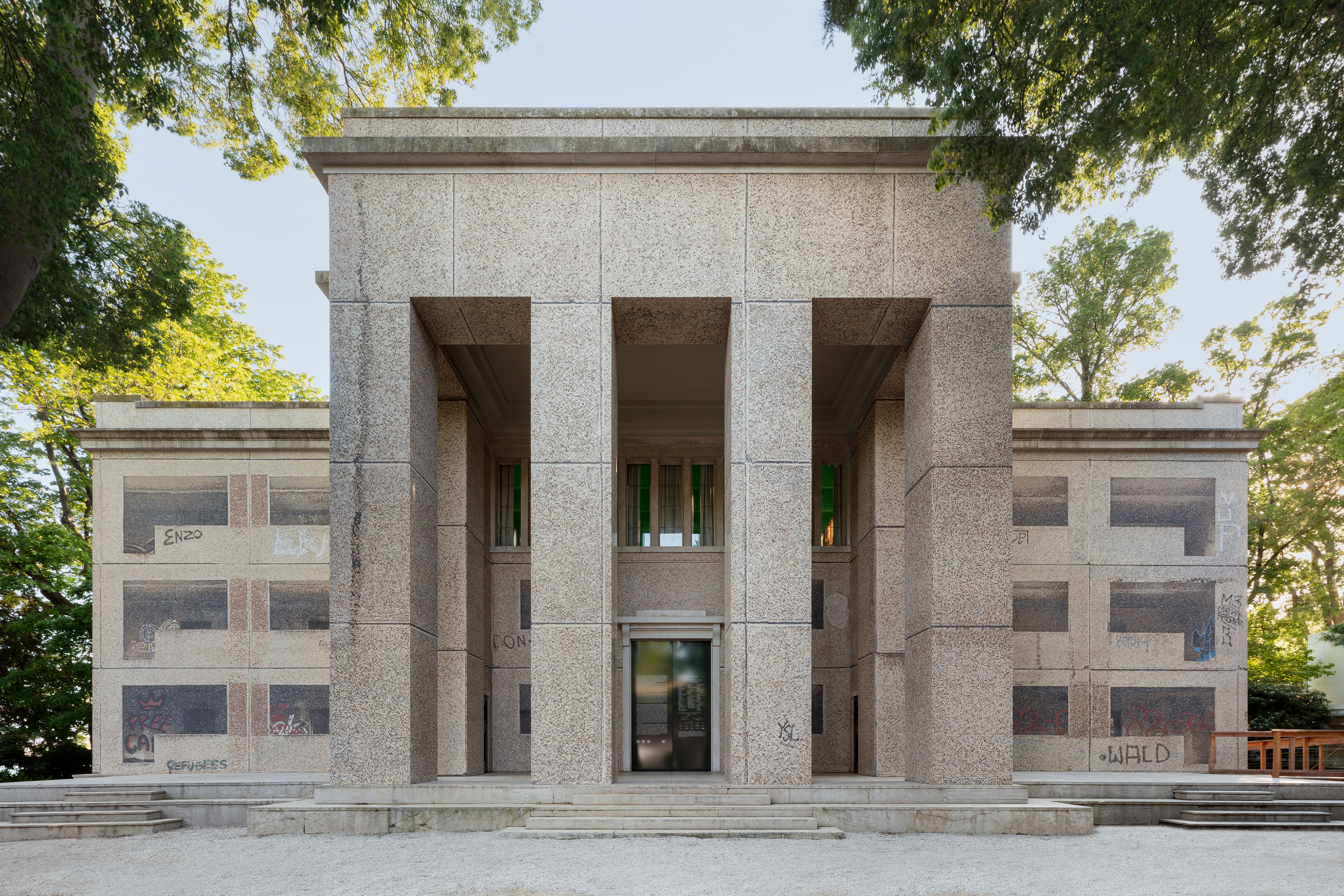
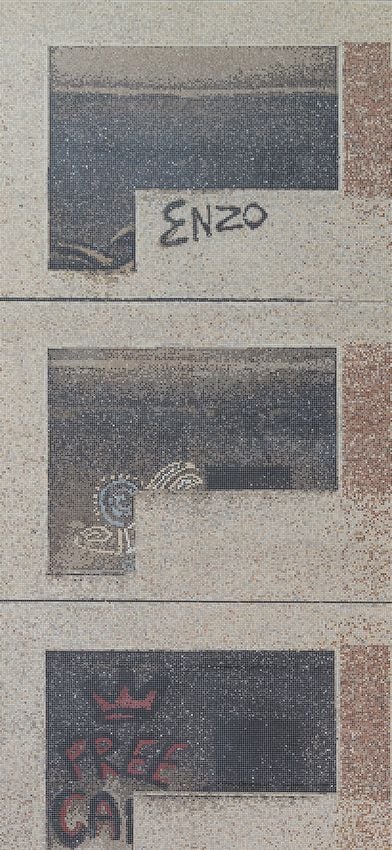
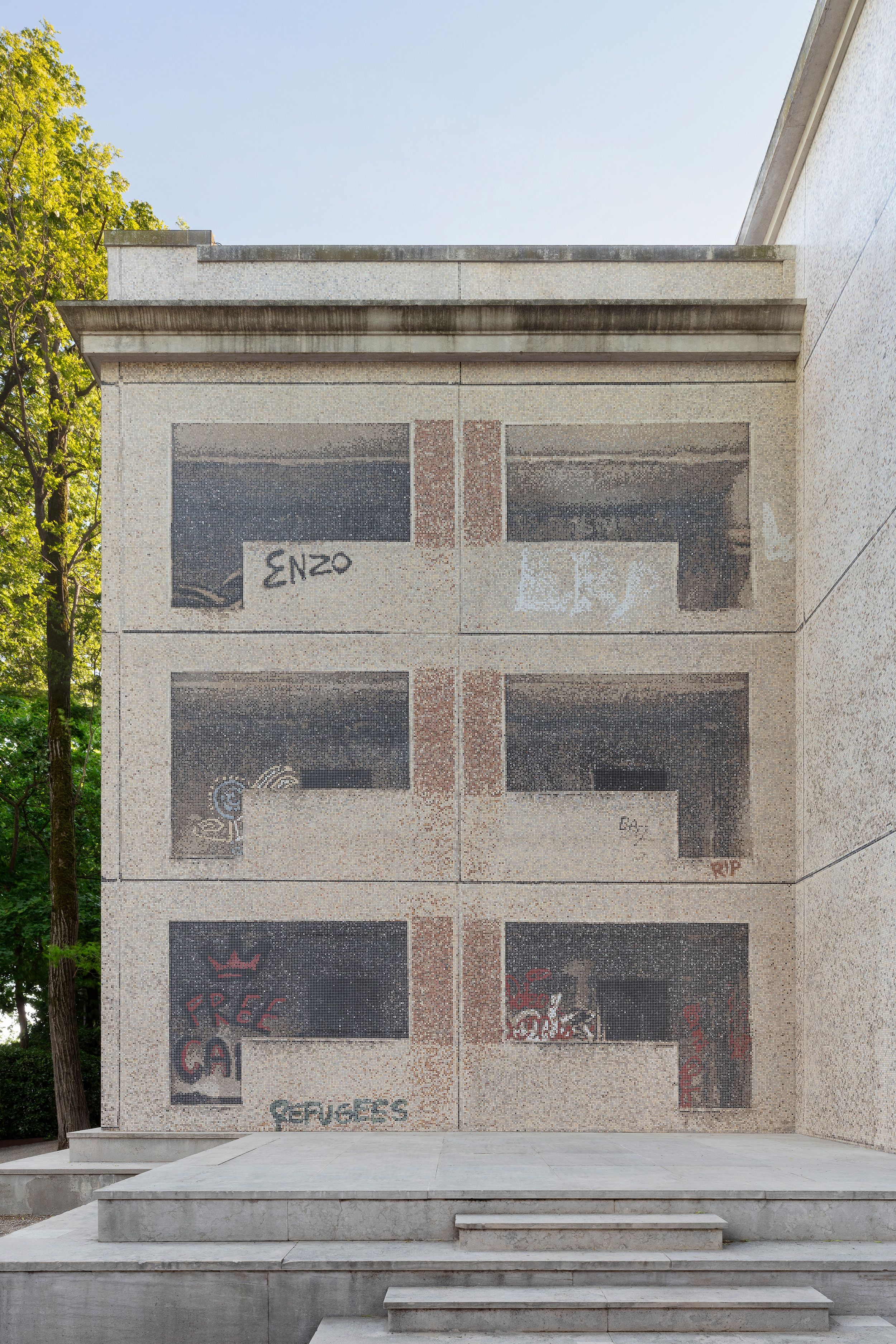
At this year’s Venice Biennale, Tieu has covered the German Pavilion with around three million mosaic pieces depicting the facade of Gehrenseestraße. Rows of large, angular windows, and an exterior marked with graffiti and stains give the one-storey building the appearance of being a dilapidated three-storey social housing complex. Tieu’s mosaic gives the Venice building a shimmering mirage-like effect, as if it’s dissolving. “The further away you are, the more the image approaches you, but the closer you get, the less fixated it becomes,” Tieu says. “It’s an unstable monument to a specific history, and a ruin of what has been neglected [for] 20 years”. Tieu worked on the pavilion, which is titled Ruin, with the late artist Henrike Naumann, who died of cancer shortly before the biennale opened. Her installation in the central room comprises household objects, a socialist realist mural and weapons to form what she described as an “archaeological prehistory of the present”.
Tieu was born in the industrial Vietnamese city of Hai Duong, and arrived in Germany in 1992, when she was aged five, with her mother. They were following her father, who had moved earlier as a contract worker brought over to work in a steel factory. The Wall had fallen in 1989, the bilateral treaties had lost their credibility, and the residents of Gehrenseestraße, suddenly unemployed, struggled to find ways to stay in the country legally. The GDR “housed those migrant workers who were so valuable for the economy”, Tieu says, then “the administrative system that brought them to Germany left them behind”. It was in this atmosphere, in 1994, that Tieu moved into the complex with her mother. She recalls extremely cramped conditions. “You have individual rooms, but not your own bathroom or kitchen. You are given only a cube.”
“It’s an unstable monument to a specific history, and a ruin of what has been neglected”
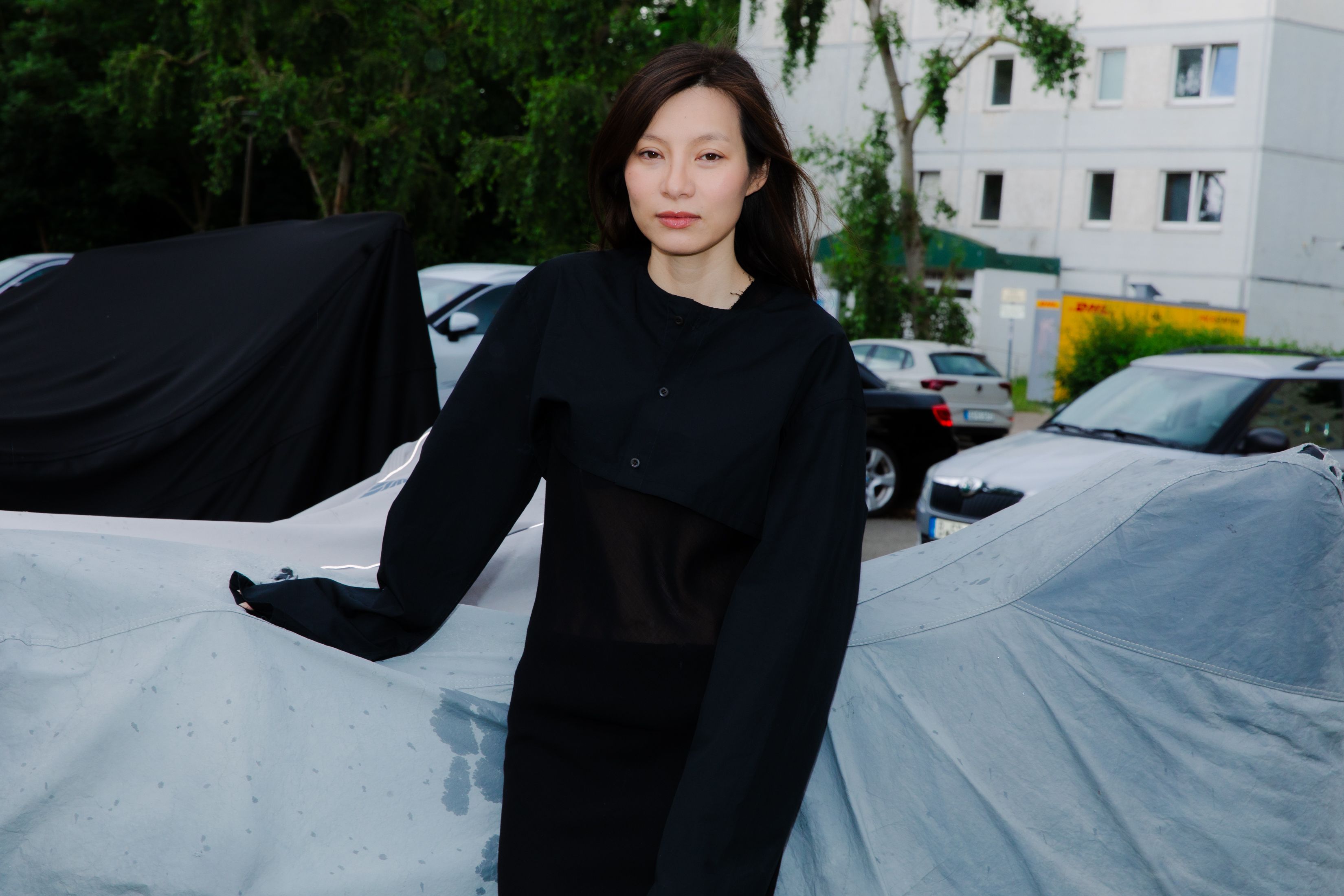
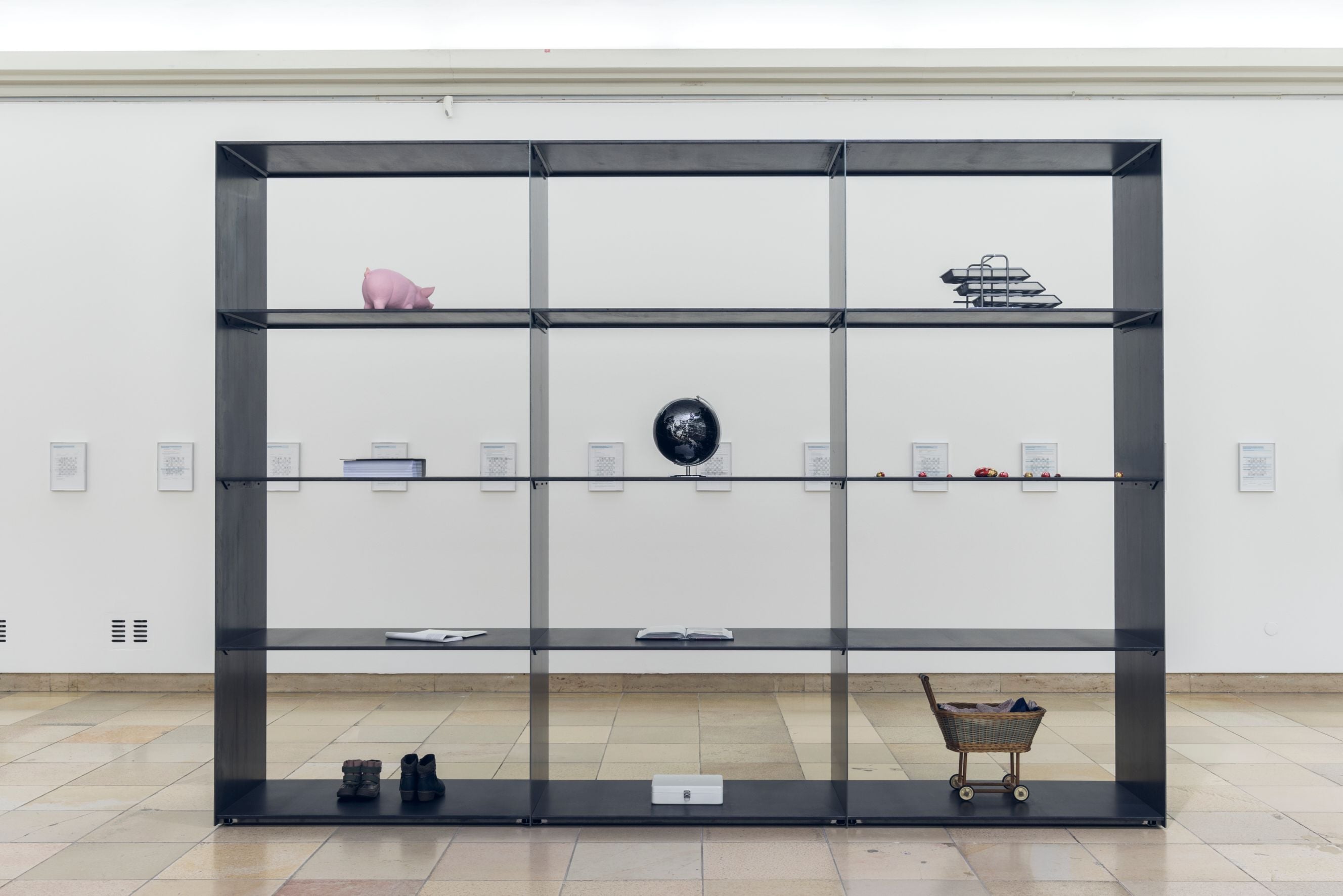
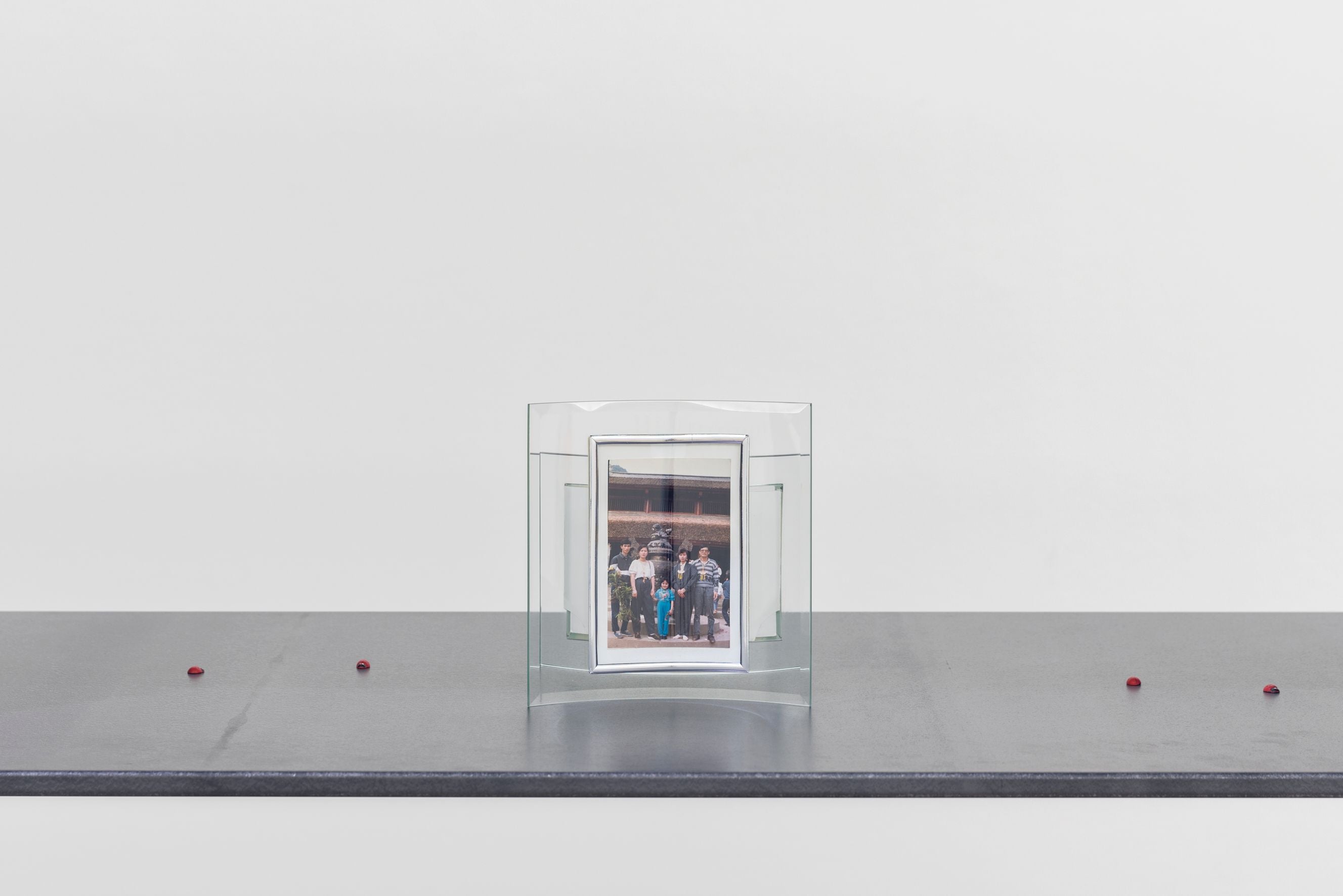
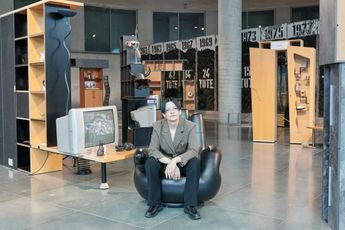
She studied in Hamburg and later at the Royal Academy of Art in London, developing her practice in installation before returning to Germany, where her interest in administration and migration, and “the various structures that have facilitated a certain situation or outcome” deepened. Many of Tieu’s projects explore the experience of being stuck in institutional and state systems. One of her first major institutional exhibitions, Zugzwang (2020) at Munich’s Haus der Kunst, transformed the galleries into a bureaucratic office. Like the German Pavilion in Venice, which was renovated in the Fascist architecture style by the ruling Nazi party in 1938, Haus der Kunst “is also a Nazi architecture with a very similar marble floor and high ceilings to make human body feel small”, Tieu says. In Zugzwang, she placed family photographs featuring Tieu and her mother alongside black shelves containing a piggy bank, a bamboo trolley and a red plastic stool from Vietnam, as well as fictional newspaper reports and forms for asylum application arranged within the logic of an office environment. “It’s a strange convolution of the German state apparatus and my own migration history,” Tieu says. “I submitted to the architecture.”
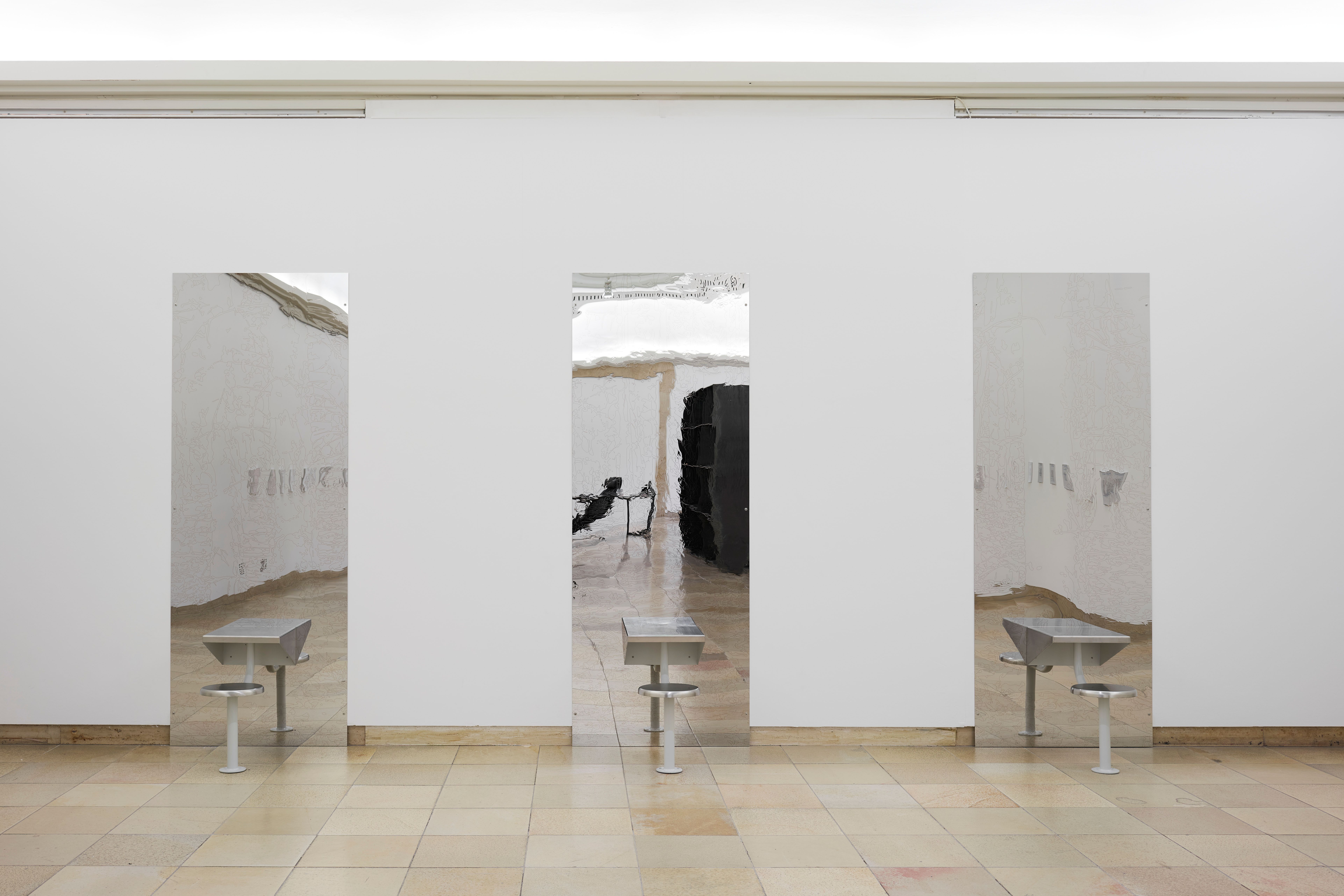
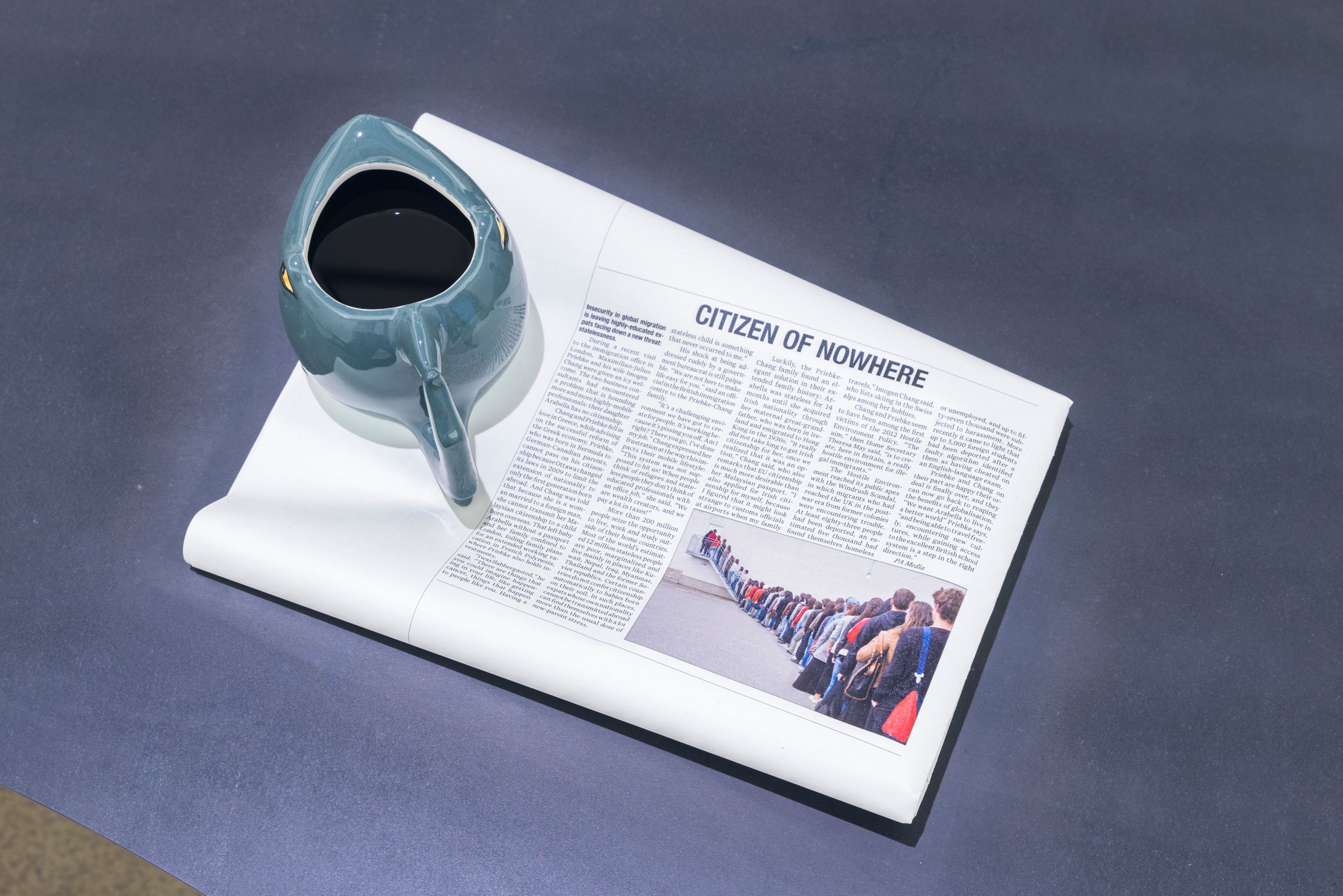
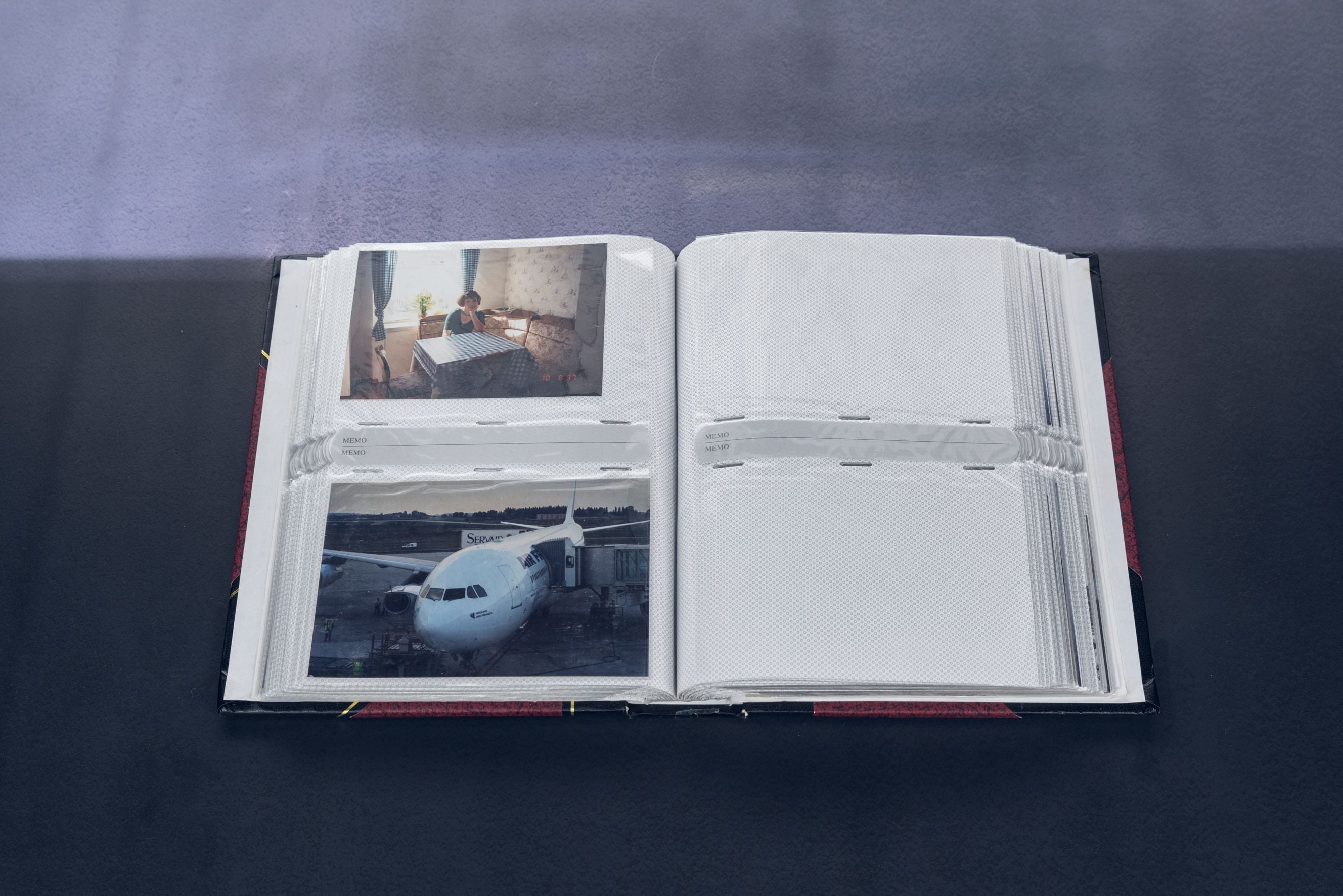
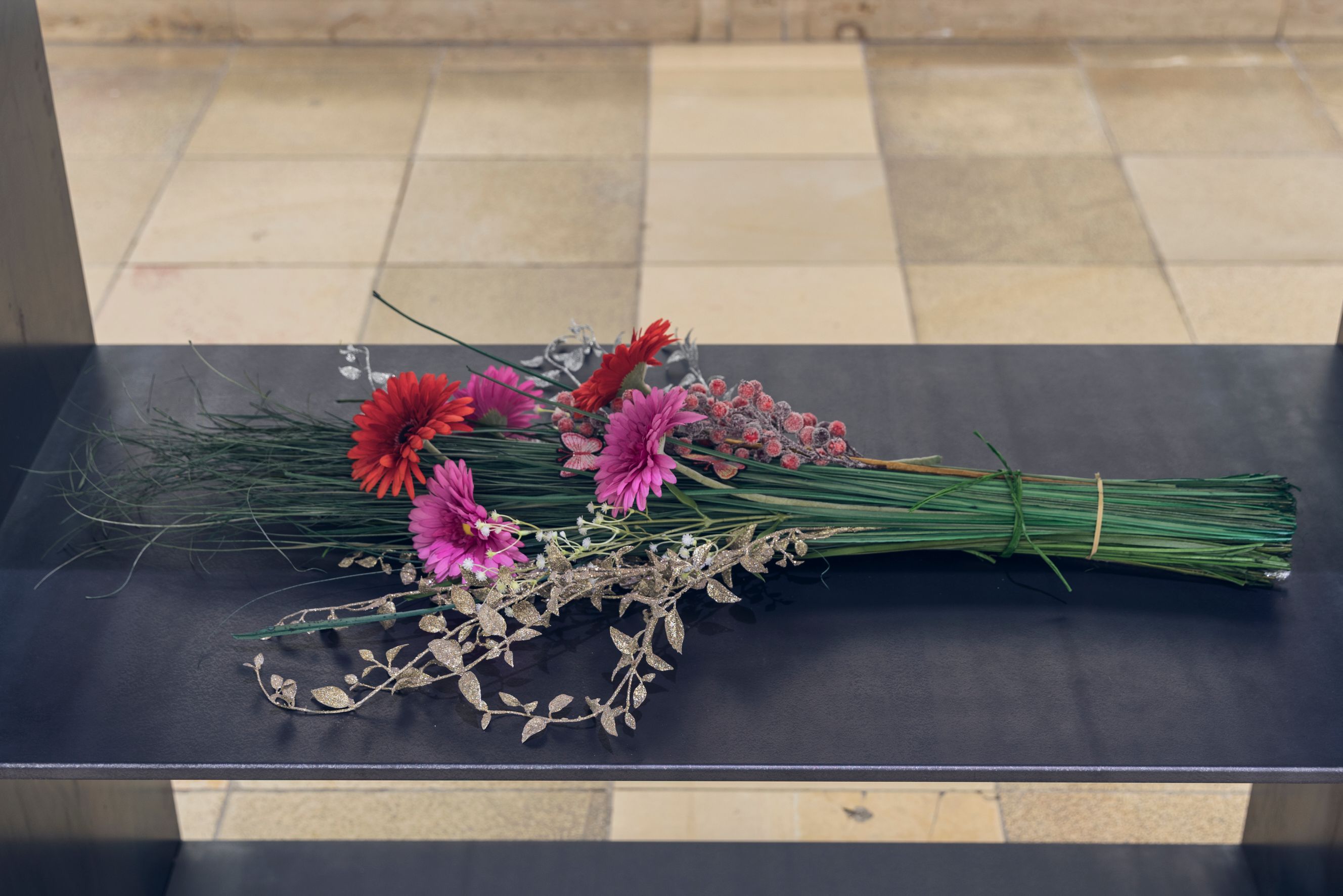
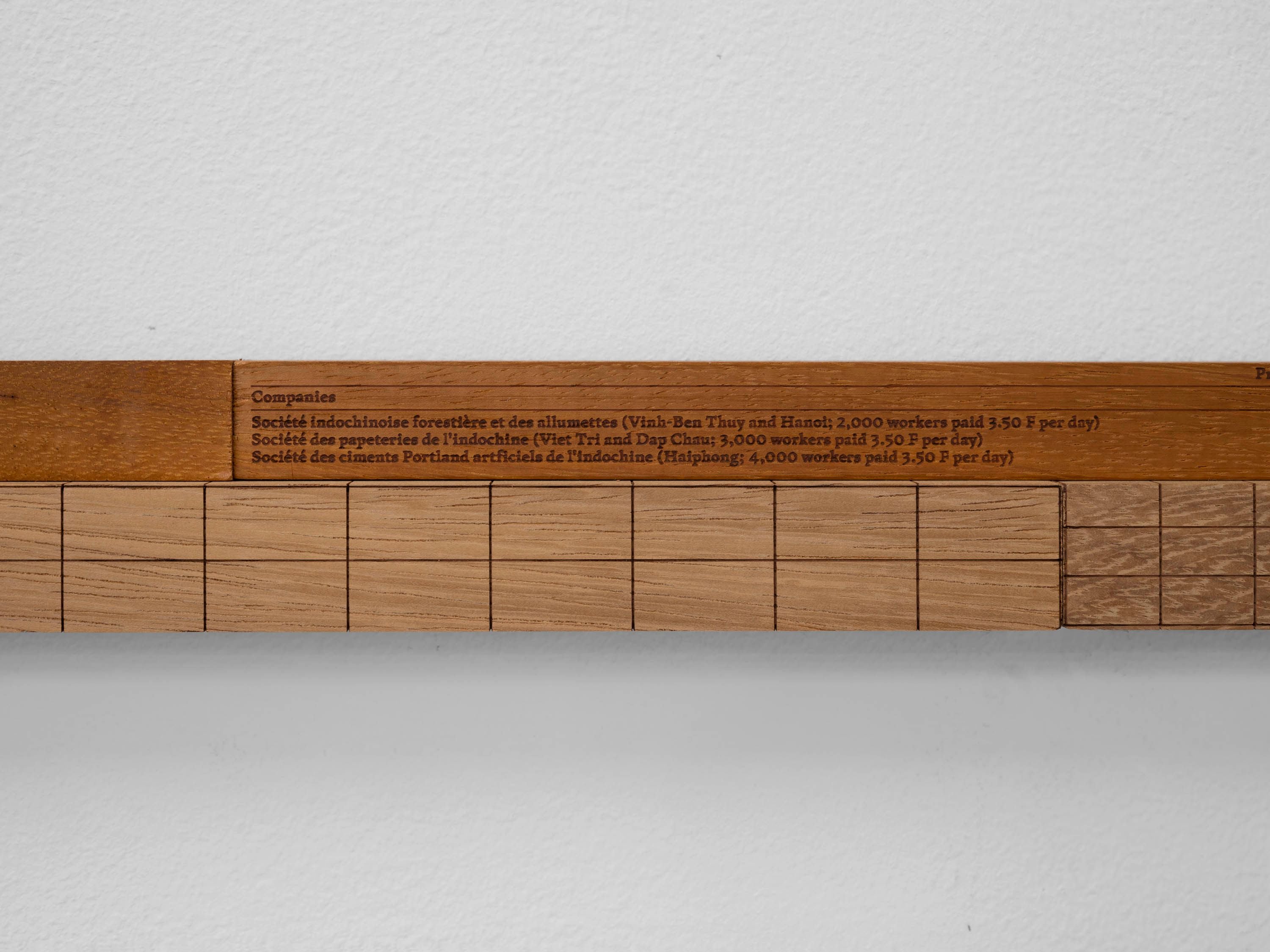
Another of her best-known bodies of work, The Ruling (2023), examined how pre-colonial systems of measurement in French Indochina were transformed through colonial standardisation. Rulers engraved with the traditional Vietnamese unit xích were placed against the modified measurements introduced by the Governor-General of French Indochina at the turn of the 20th century, tracing how seemingly technical systems became instruments of governance.
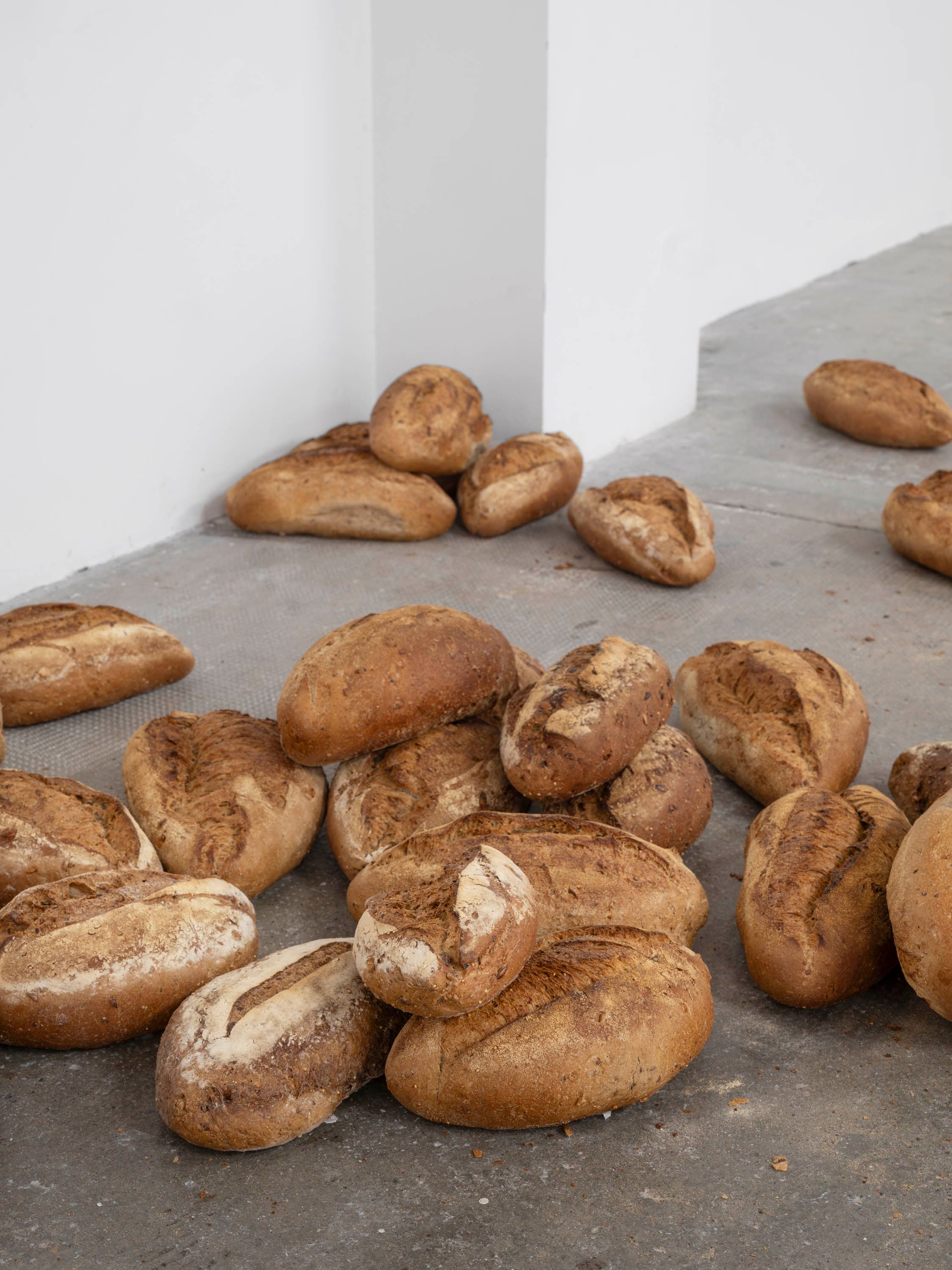
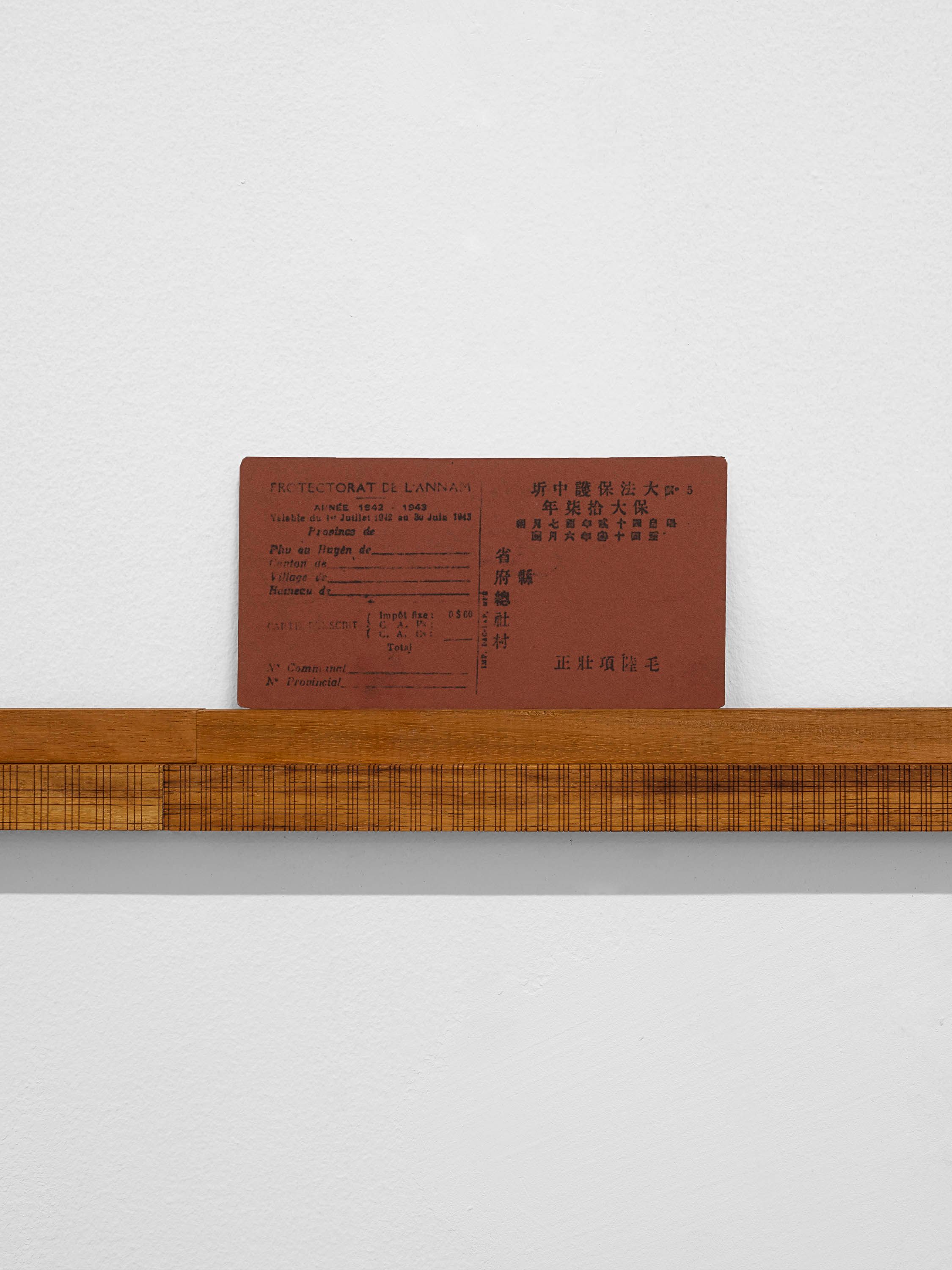
Tieu’s work on Gehrenseestraße is her most monumental in scale and ambition. Her engagement with the site began by conducting tours of the building, collecting oral histories from former residents and gathering people to revisit the dormitories, with their cramped living quarters and shared facilities. The final work, which developed from that research, further traces the building’s planning in the 1970s—reportedly based on the layout of military barracks—through to its ongoing demolition. It is “about the empowerment of the people who have lived in that building, and a sign of self-empowerment, because it’s my home, which I associated with a lot of shame living in such precarious conditions. And to understand that it’s not something you need to feel shameful about—because it’s just the conditions you’ve been given, and you try to live under a certain legal structure.” The project is the result of her years of research into Gehrenseestraße, “but it’s also an opening for the specific subject matter of the racism and the far-right violence in the 1990s against Vietnamese contract workers and migrants”.
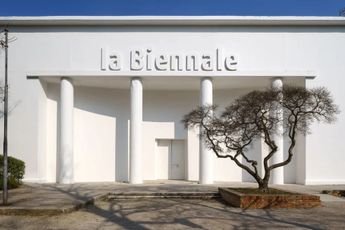
By re-wrapping the pavilion’s exterior in mosaic, Tieu is participating in a long lineage of interventions into the German Pavilion itself. Hans Haacke shattered its Nazi-era floor in 1993. Maria Eichhorn excavated the foundations and removed layers of plaster from the walls in 2022. Gregor Schneider won the Golden Lion in 2001 by recreating a claustrophobic residential house throughout its interior.
Tieu’s exhibit evokes none of the romantic, crumbling nostalgia associated with the idea of a ruin. For her, it points to the ways histories persist within structures long after the systems that produced them have disappeared. Walter Benjamin’s reading of Paul Klee’s Angelus Novus, in which the angel becomes a witness to history, comes to mind: “Where we perceive a chain of events, he sees one single catastrophe, which keeps piling wreckage upon wreckage.” The pavilion, the housing complex, reunification, migration, demolition.
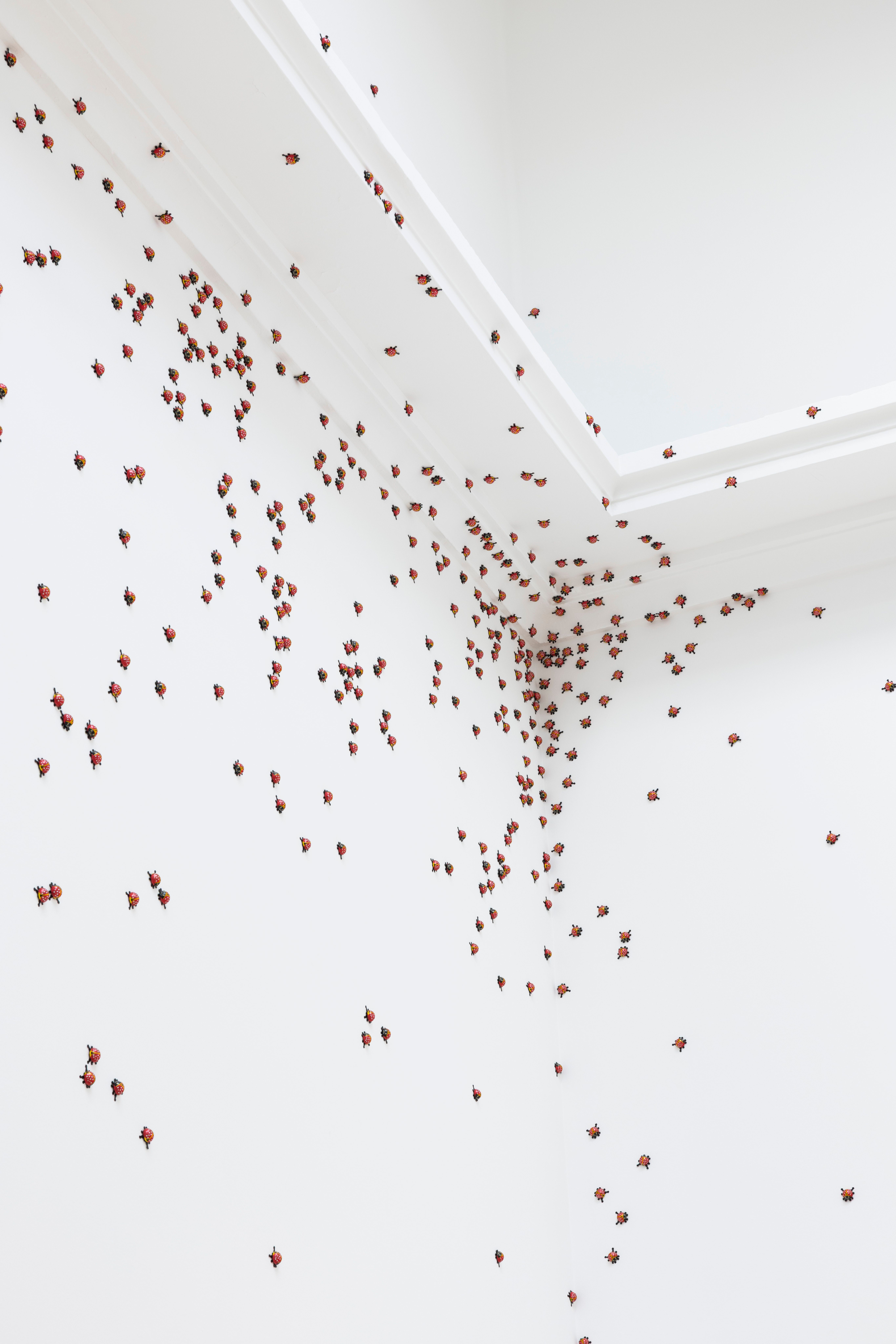
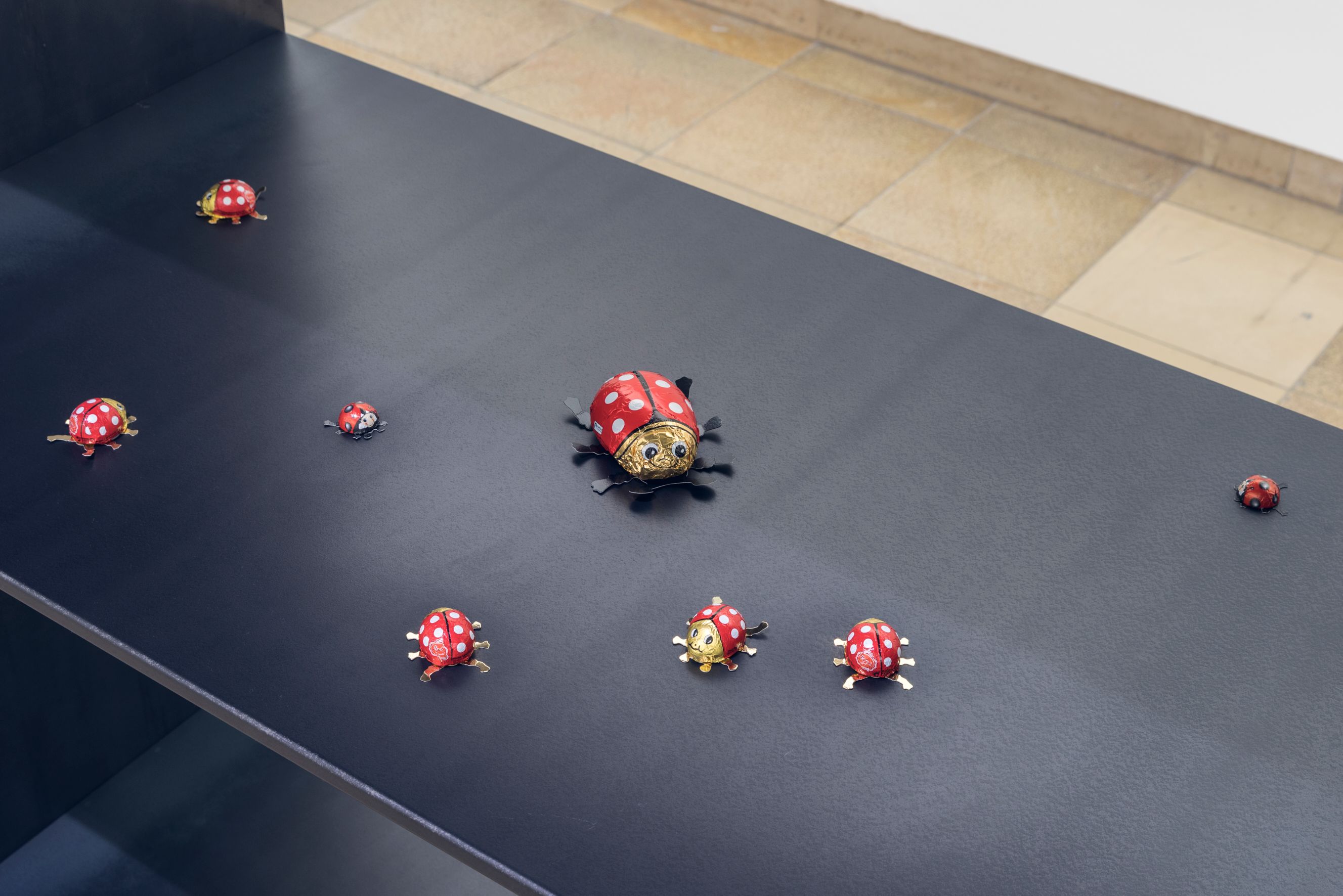
One of Tieu’s indoor exhibits, They Have Eyes, But They See Not, They Have Ears, But They Hear Not, sees a swarm of wooden ladybirds spreading across the walls. “To me, there’s also the connotation of immigrants being described as a plague, an infestation,” Tieu says. The motif carries a private history, too: her mother used to give her chocolate ladybirds on special occasions, a small ritual of celebration now folded into a symbol of hostility. Tieu lets the two meanings, tenderness and threat, go unresolved.
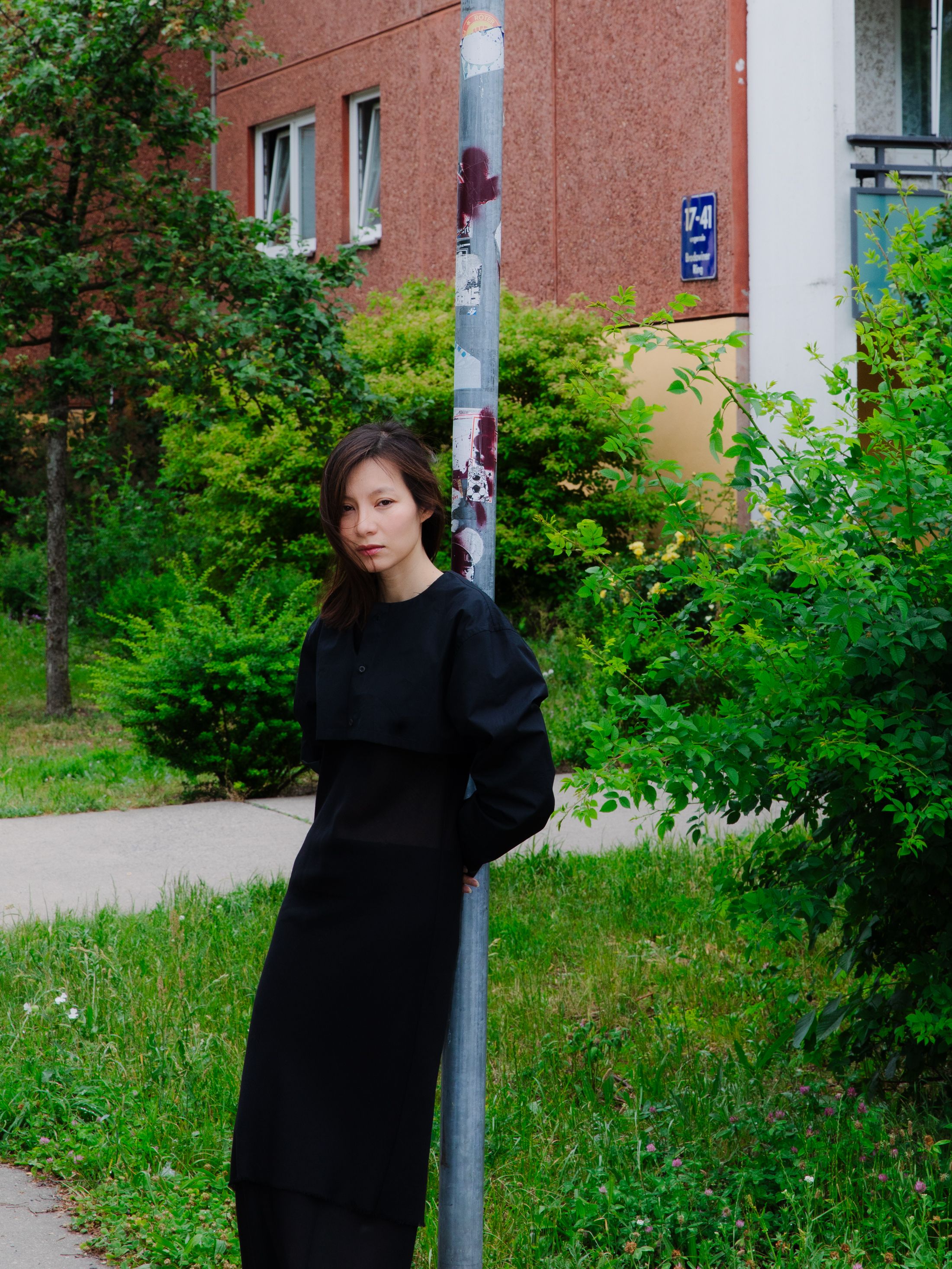
“She is quite superstitious,” Tieu says of her mother, who struggled in the years after reunification, when roughly half the Vietnamese women in East Germany lost their jobs. “When you feel like you don’t have a lot of influence on your environment, you’ll be back to hope or faith in a strange way. I asked myself: for who am I actually doing this pavilion? And I think that maternal love is inscribed into the interior of the space.”
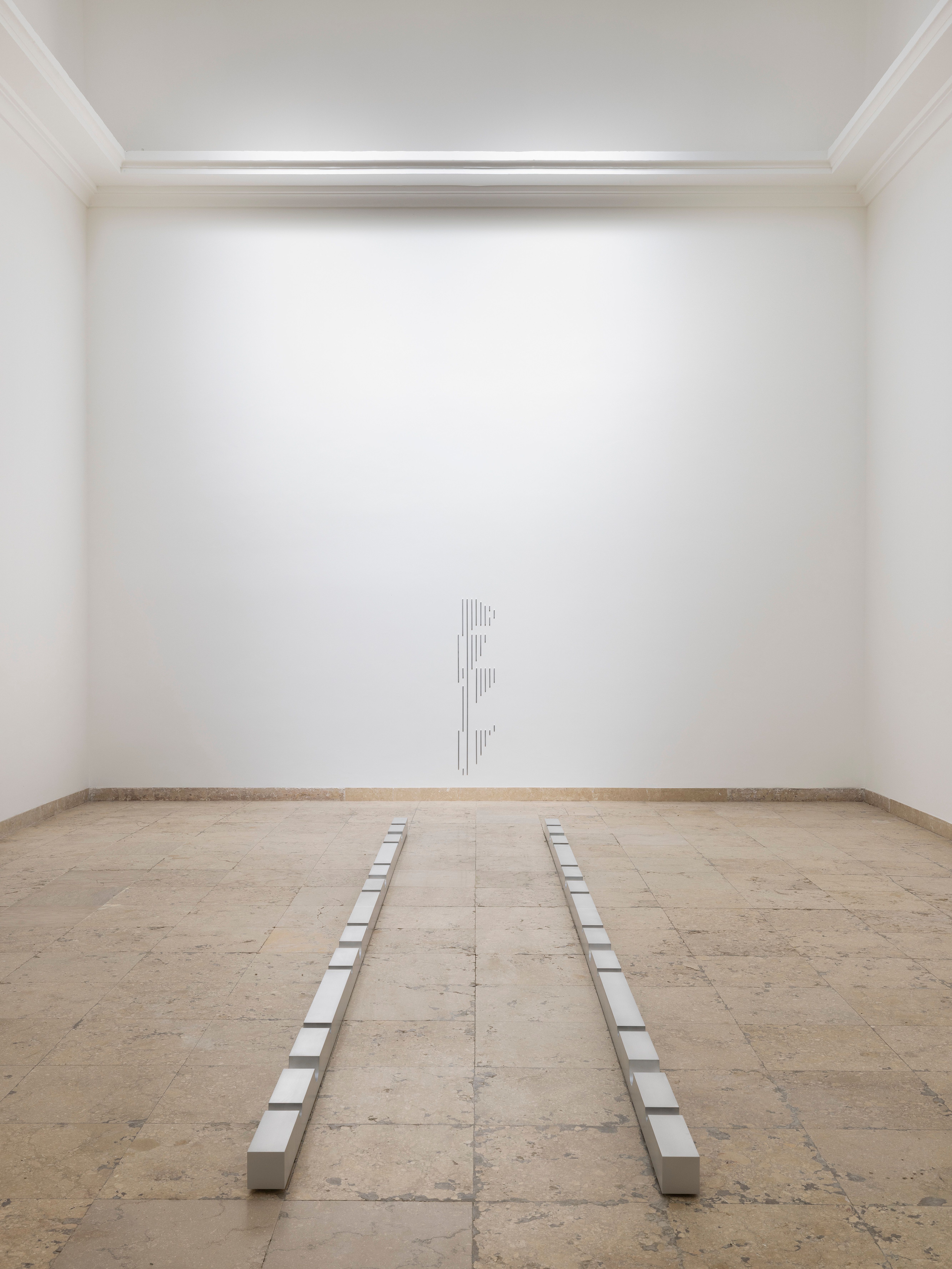
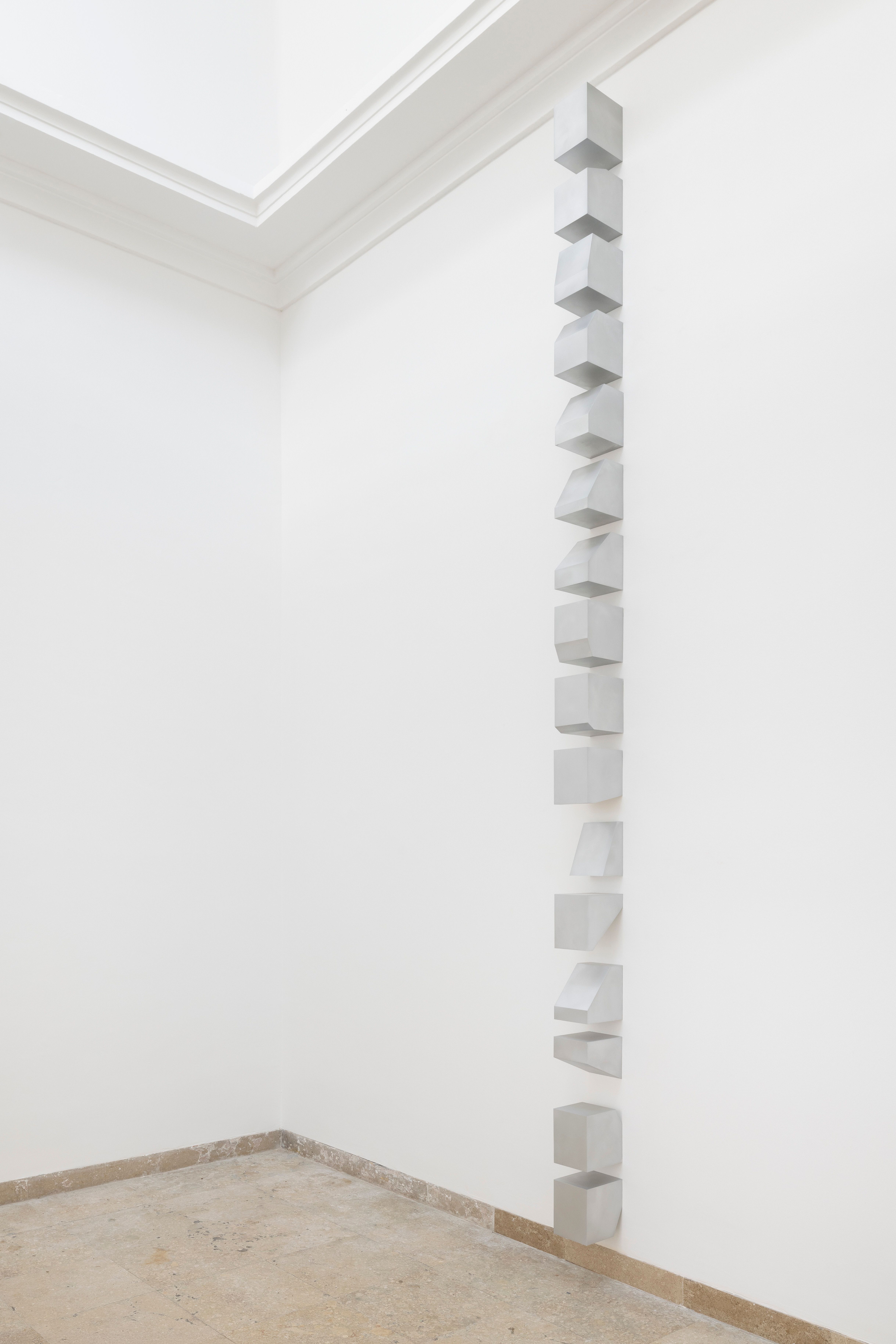
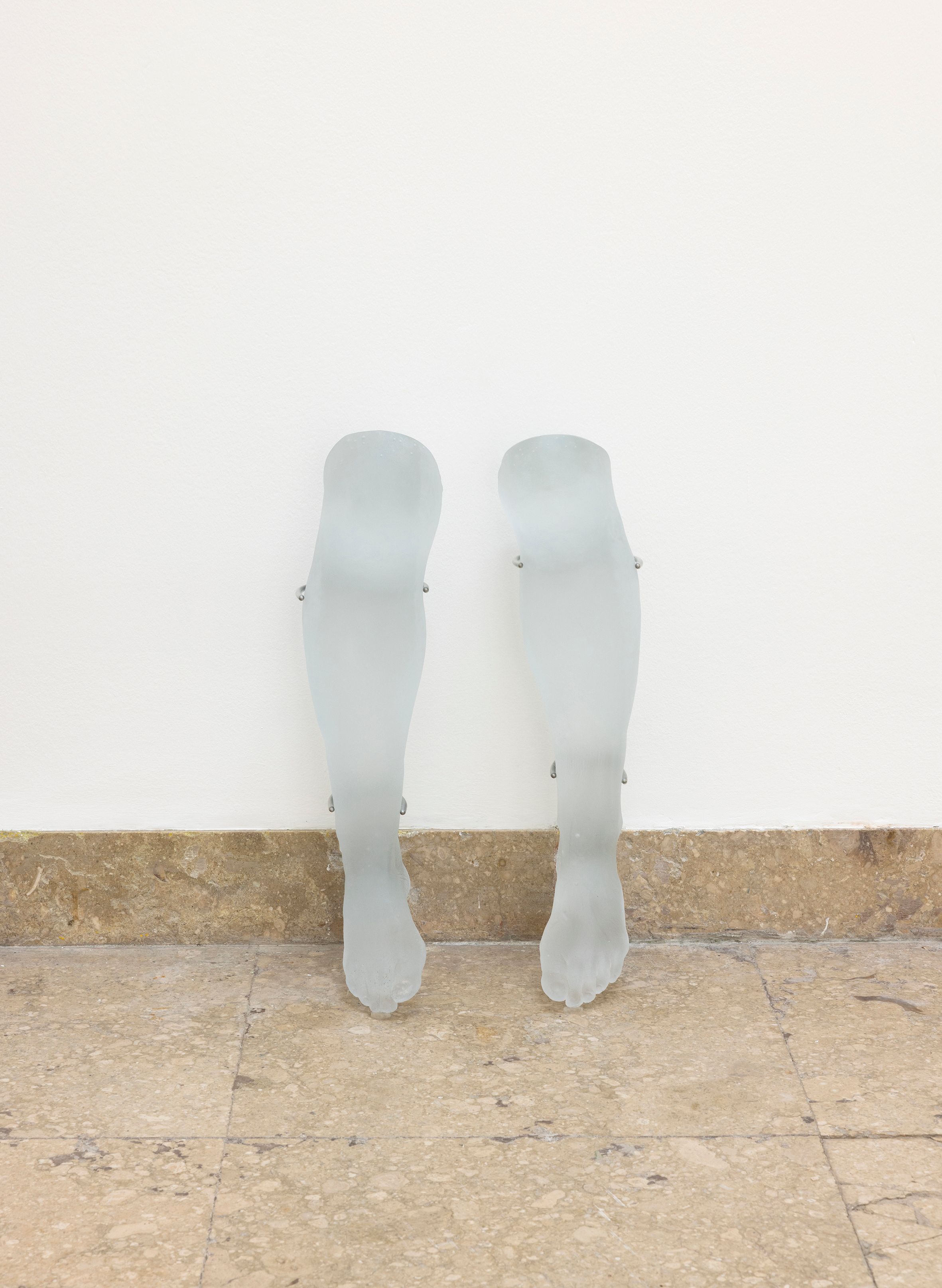
Tieu’s mother appears again in a series of body studies, glass casts of her hands and feet, metal bars scaled to her measurements, which were modelled on Albrecht Dürer’s Vier Bücher von menschlicher Proportion (Four Books on Human Proportion) (1528), a Renaissance treatise that codified the human body into measurable ideal types. By placing her mother’s body within that same system of classification, Tieu makes visible how ordinary people get sorted and measured by structures, the body reduced to data.
“She’s somebody who doesn’t even want to have a voice. All she wants is to live a quiet life, have a job, take care of me,” Tieu says. In speaking of her mother, she is also speaking of a generation that helped build lives in Germany while remaining largely absent from its public narratives. —[O]
Main image: Detail view: Sung Tieu, Human Dignity Shall Be Inviolable, (2026). Marble tesserae, grout on view in Ruin, German Pavilion, with Henrike Naumann, 61st International Art Exhibition, La Biennale di Venezia, Venice, 2026. Image © Sung Tieu, 2026. Courtesy the artist; Emalin, London; Galerie Sfeir Semler Hamburg/Beirut; Trautwein Herleth, Berlin; and ifa – Institut für Auslandsbeziehungen. Photo: Andrea Rossetti.








A respected voice in contemporary art discourse.
Focusing on ambitious storytelling and insightful art-world commentary. Ocula Magazine publishes in-depth interviews, critical essays and timely analysis on the artists, exhibitions and ideas driving the global art world.
Learn more about Ocula Magazine
Showcasing the best of the art world.
Ocula partners with galleries from around the world to highlight their artists, artworks and exhibitions. Gallery membership is by application and invitation, with each member vetted by an independent panel.
Learn more about Ocula Membership
Specialises in the sale of major artworks.
Led by a team with deep ties to the world’s leading auction houses, galleries and collectors. Ocula’s advisory team offers bespoke services to high-net-worth clients from around the world who are looking to acquire the best of contemporary and modern art.
Learn more about our team and services