



Last December, while looking for a birthday present for a friend at Dashwood Books, I stumbled on a copy of Bruce Weber’s 1989 Schirmer/Mosel monograph. Wrapped in opaque plastic and exquisitely printed in black and white, it surveys Weber’s work from the mid-1980s: tender portraits of Robert Mitchum, Chet Baker and Chris Isaak mix with photographs of college wrestlers and boxers, the Harvard freshman crew team, and men and dogs cavorting in an Adirondack lake - all interspersed with short personal reminiscences. It was too good for a birthday present and instead I bought it for myself.
A week or so later, at a holiday party in New York, I ran into Heji Shin. I don’t remember how the conversation started, but Heji was saying how boring she finds most fashion photography today, and I mentioned the Bruce Weber book I had just purchased. We ended up in a long reverie about Weber’s work. Why aren’t any galleries showing his photographs, we wondered? Especially now, when images and archetypes of masculinity are so contested—and have become the subject of so much artmaking—shouldn’t we be looking at these foundational photographs, which have shaped the way we look at men and men’s bodies over the past four decades?
Having grown up in suburban America in the 1990s, I cannot imagine my adolescence without Weber’s photographs, above all the black-and-white shots of chiseled abs and dimpled cheeks that adorned the Abercrombie & Fitch shopping bags. Weber’s images defined what teenage boys wanted to look like, and, by extension, how we saw ourselves.
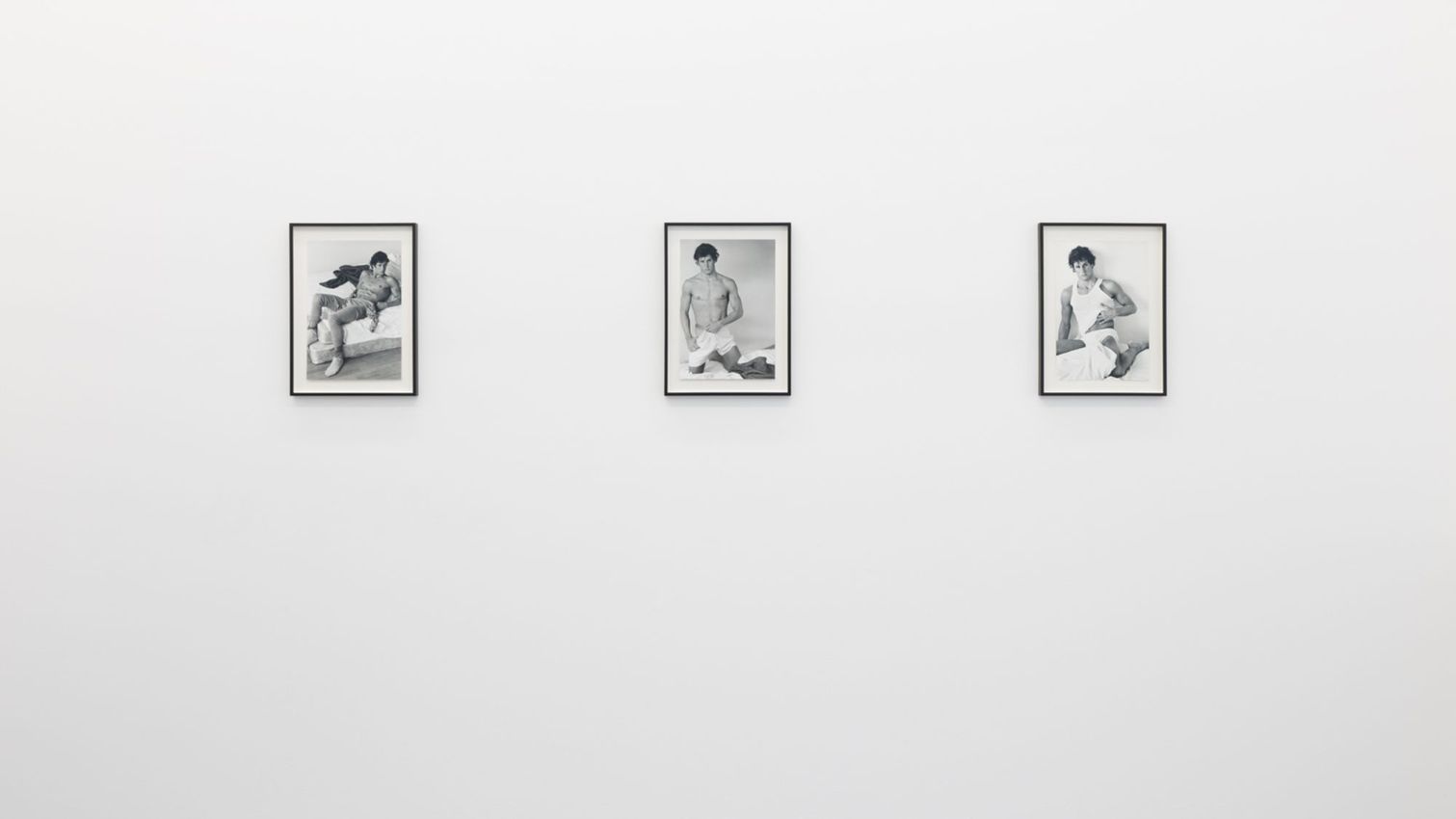
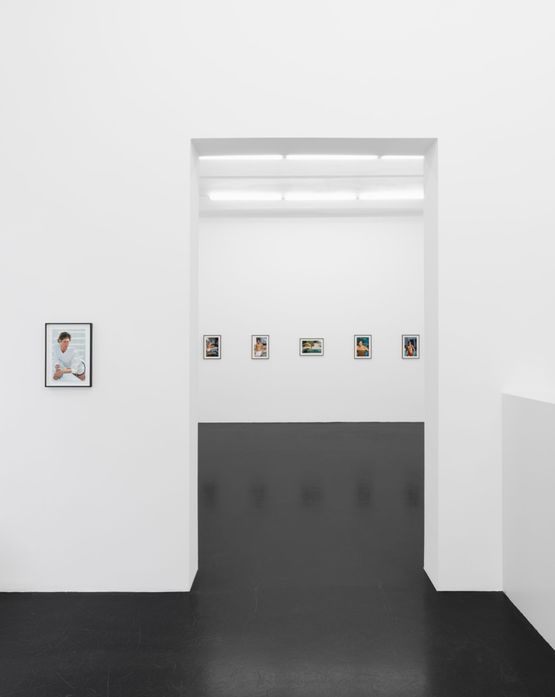
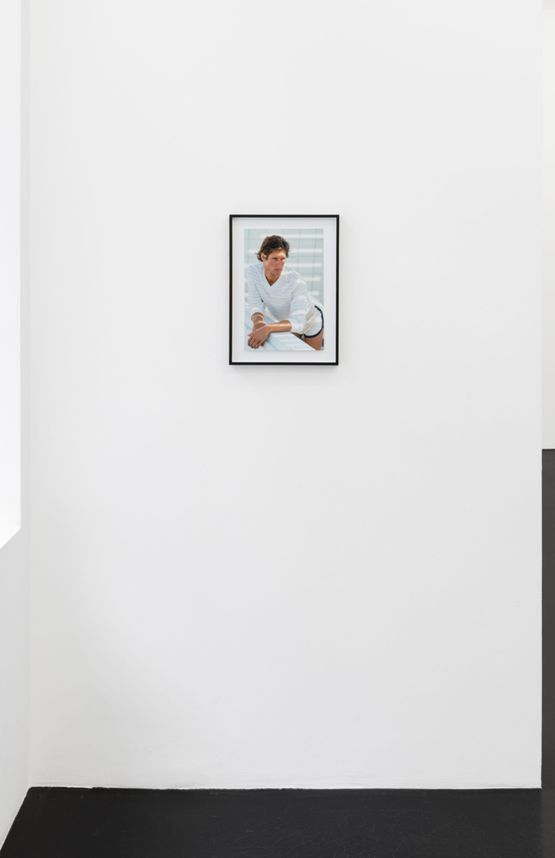
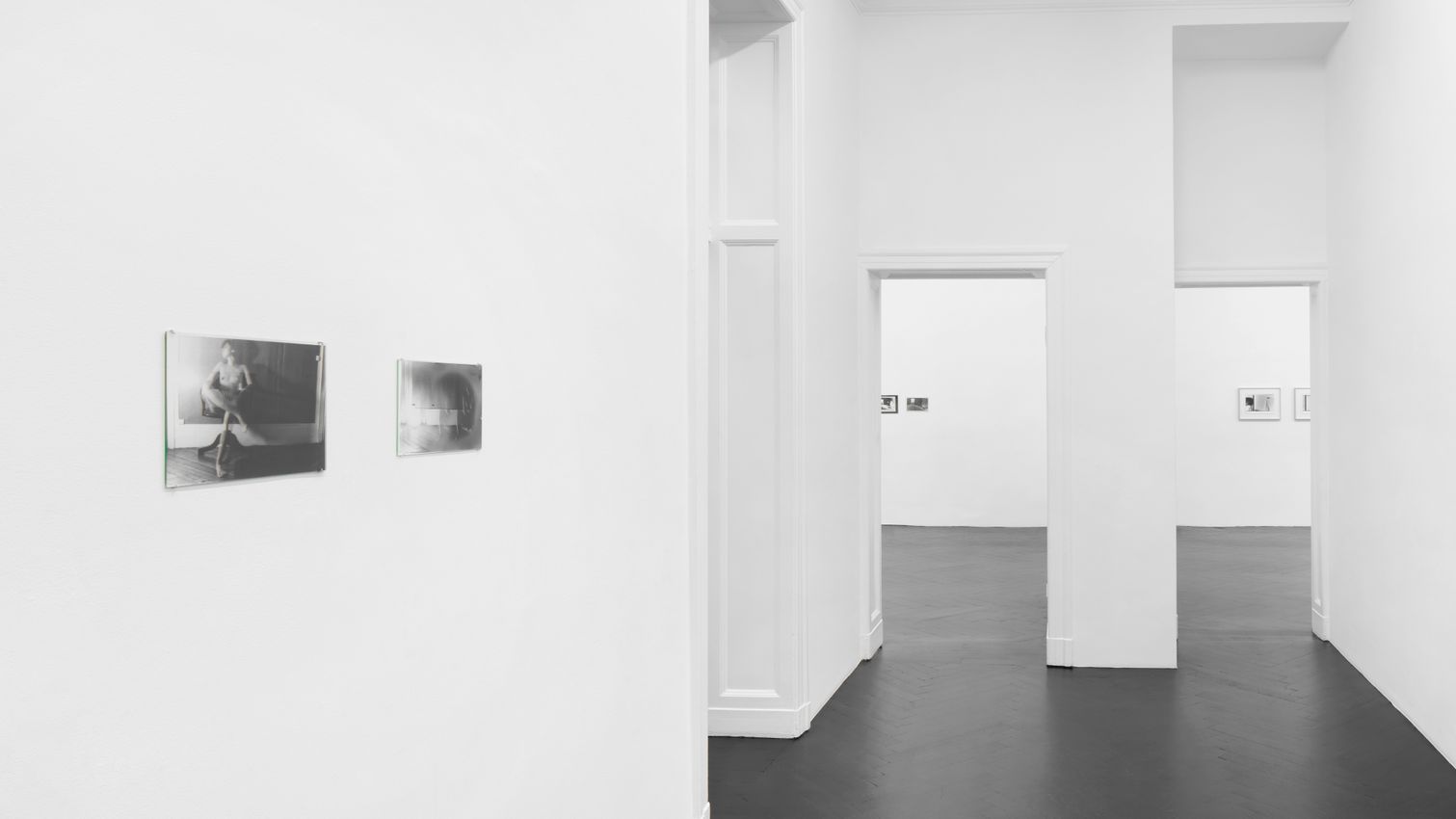
Heji mentioned that Daniel Buchholz and Christopher Müller shared her enthusiasm for Weber’s work, and, as I later learned, had made some efforts to show him in the 1990s. We somewhat brazenly decided that we wanted to organize an exhibition of his work at their gallery. This fantasy became a reality thanks to Jeff Preiss (Weber’s collaborator on many of his films), who introduced us to Nathaniel Kilcer, Weber’s longtime art director. But rather than exhibit the iconic images from the 1989 monograph or the fashion photographs that loomed over my adolescence, we decided, together with Daniel and Christopher and Nathan, that this show would focus on Weber’s formative photographs from the 1970s—works that make up a sort of prehistory of his better-known oeuvre, and which are, astonishingly, largely unknown today.
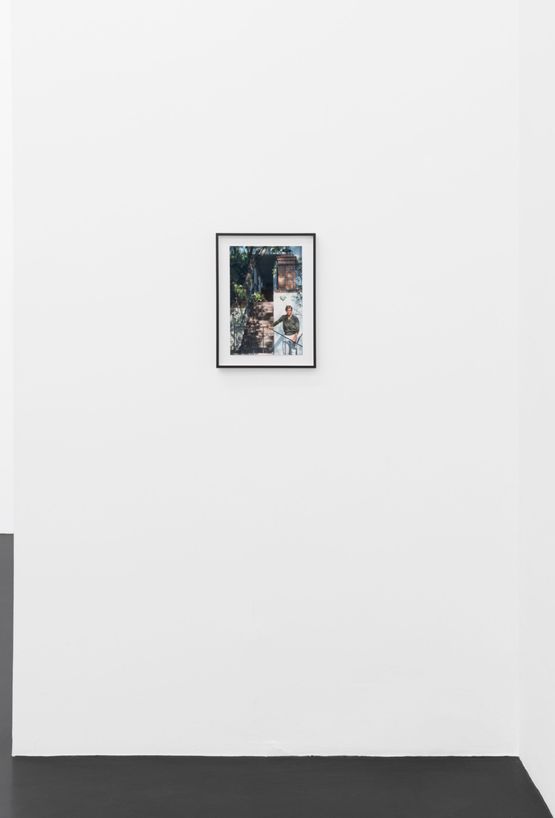
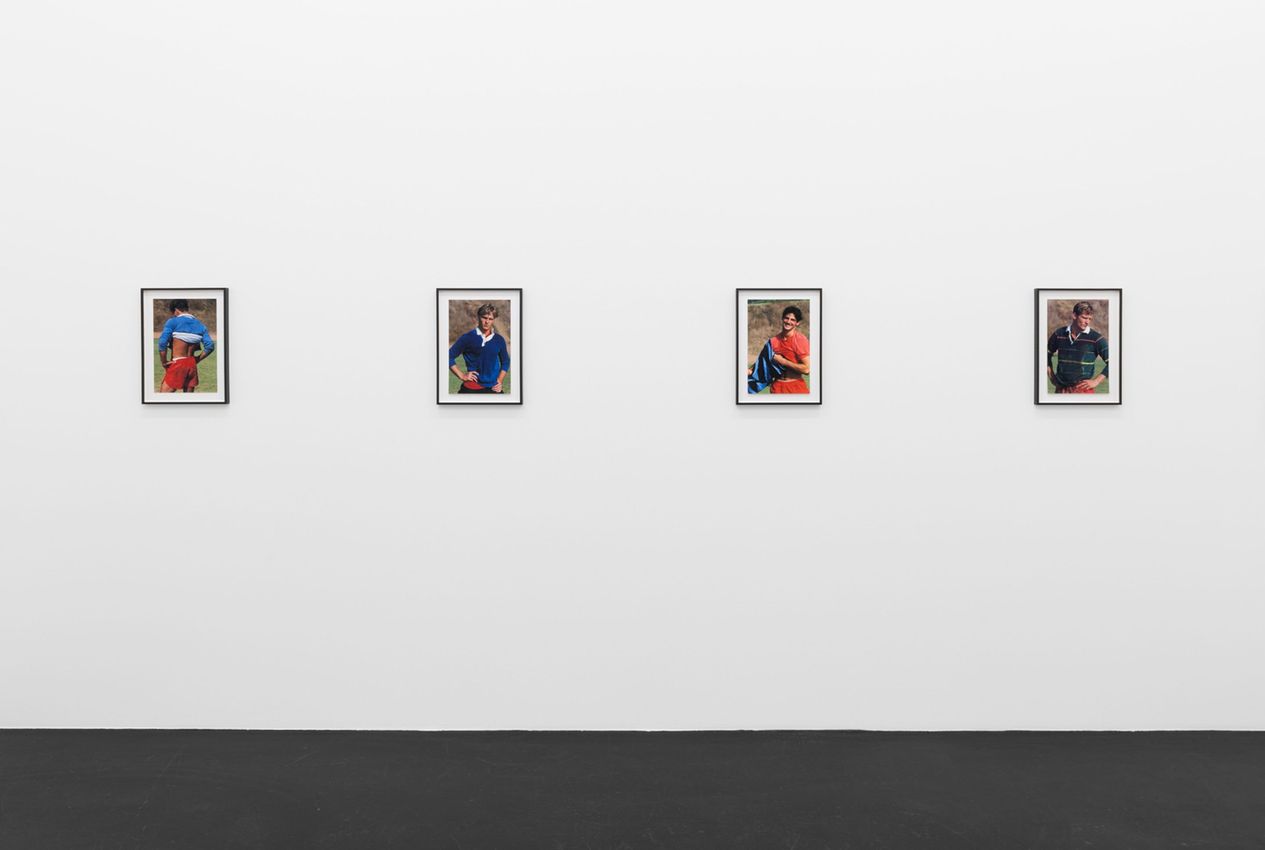
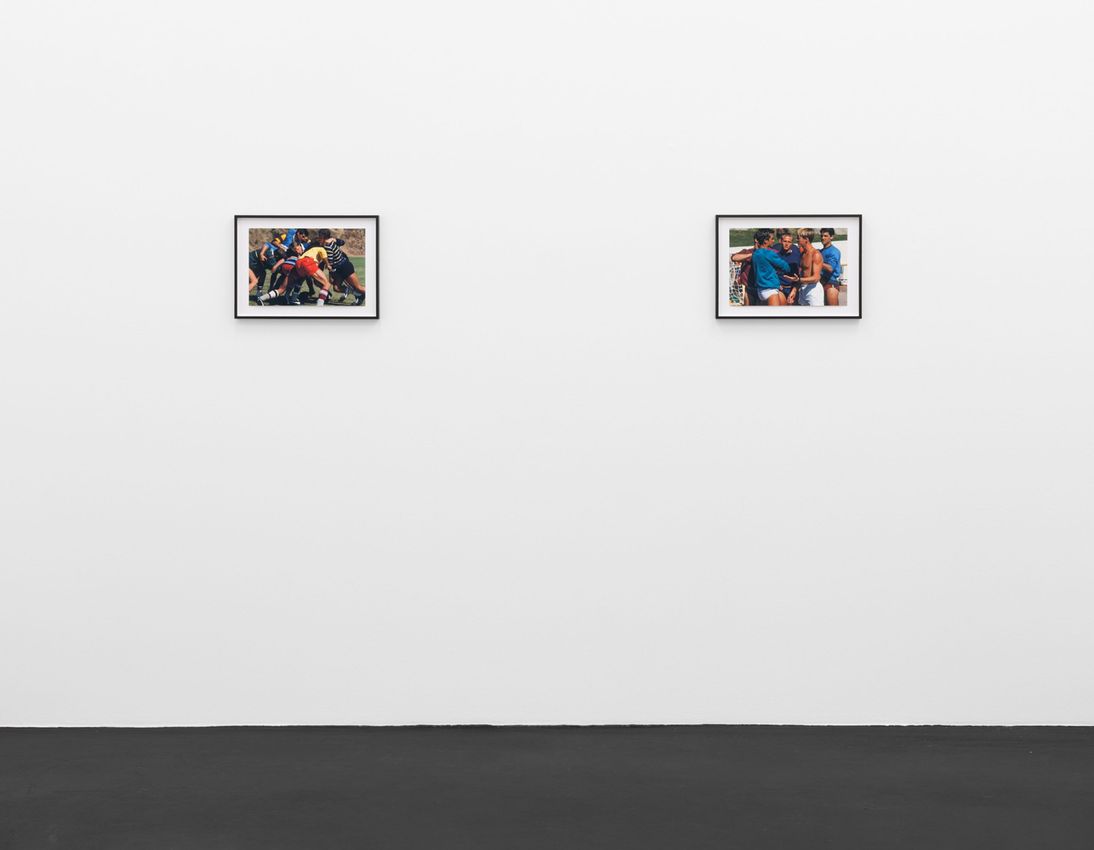
When Weber started out as a photographer in the 1970s, there was a general unease around images of men’s bodies in the media. Shooting for alternative publications such as After Dark and the Soho Weekly News and for the men’s grooming guide Looking Good, and photographing for GQ magazine with the art director Donald Sterzin, Weber crafted a new iconography of unabashedly muscular, athletic male figures: playing rugby, sailing, wrestling, showering outdoors, lounging on the beach, or horsing around before a swim meet. Underpinning these new images were the men that Weber chose to photograph; rather than professional models, he cast figures he met in bars or discovered on college campuses, such as Michael Ives, a blond 6-foot-2 Yale rower, and Jeff Aquilon, the squarejawed captain of the Pepperdine University water polo team.
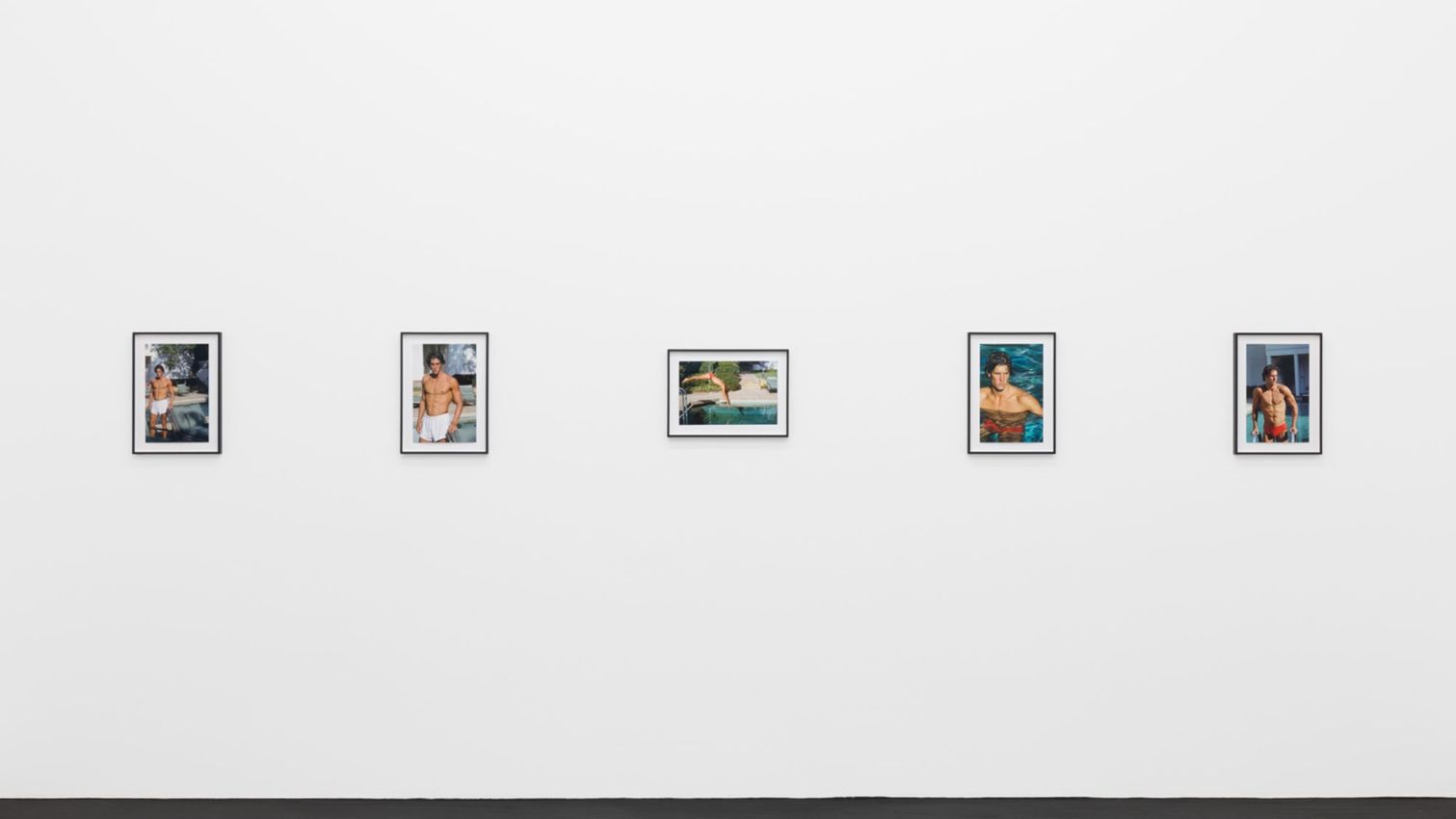
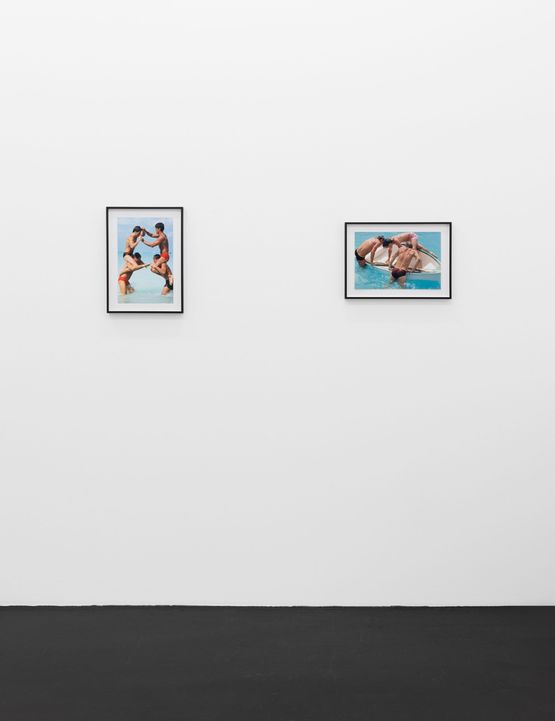
Weber’s photographs from this period have a looseness about them—a sense of play and experimentation—that belies how shocking they must have been at a time when it was largely taboo to present men’s bodies as objects of sexual desire. In one of the GQ photographs, four muscular guys in skin-tight bathing suits balance on each other’s shoulders in the surf, embracing and trying to knock each other down; in a photo from After Dark, Weber shows us Dave Kopay (the first openly gay former NFL player) posing in his underwear, contrapposto, like a Greek statue. And then there are his iconic images of Aquilon sprawled on a bed in various stages of undress, which ran in Soho Weekly News in 1978 and caught the eye of Calvin Klein, who invited Weber to shoot his first jeans campaign, which led to the explosive Times Square billboard that launched his underwear line in 1982.
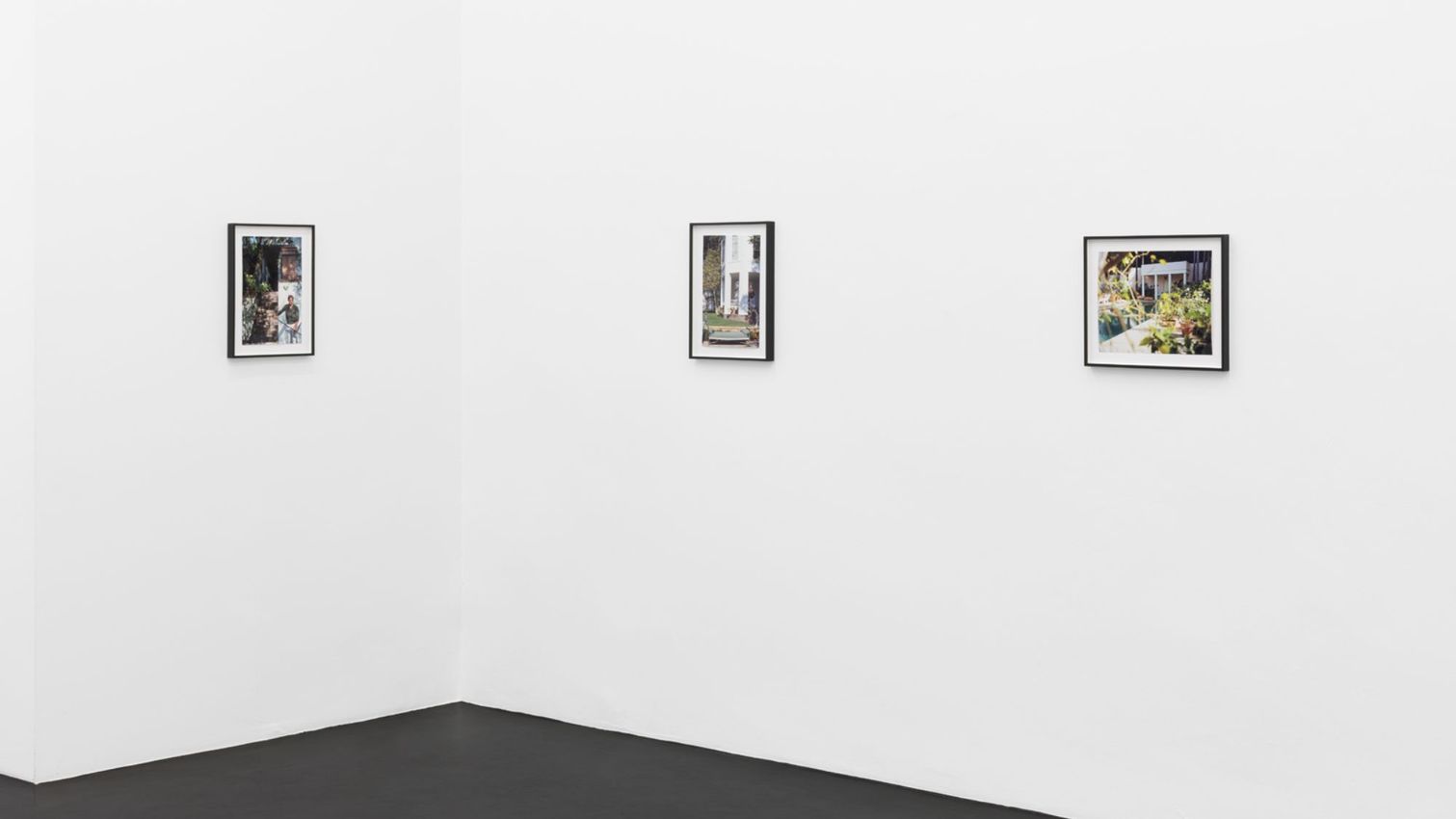
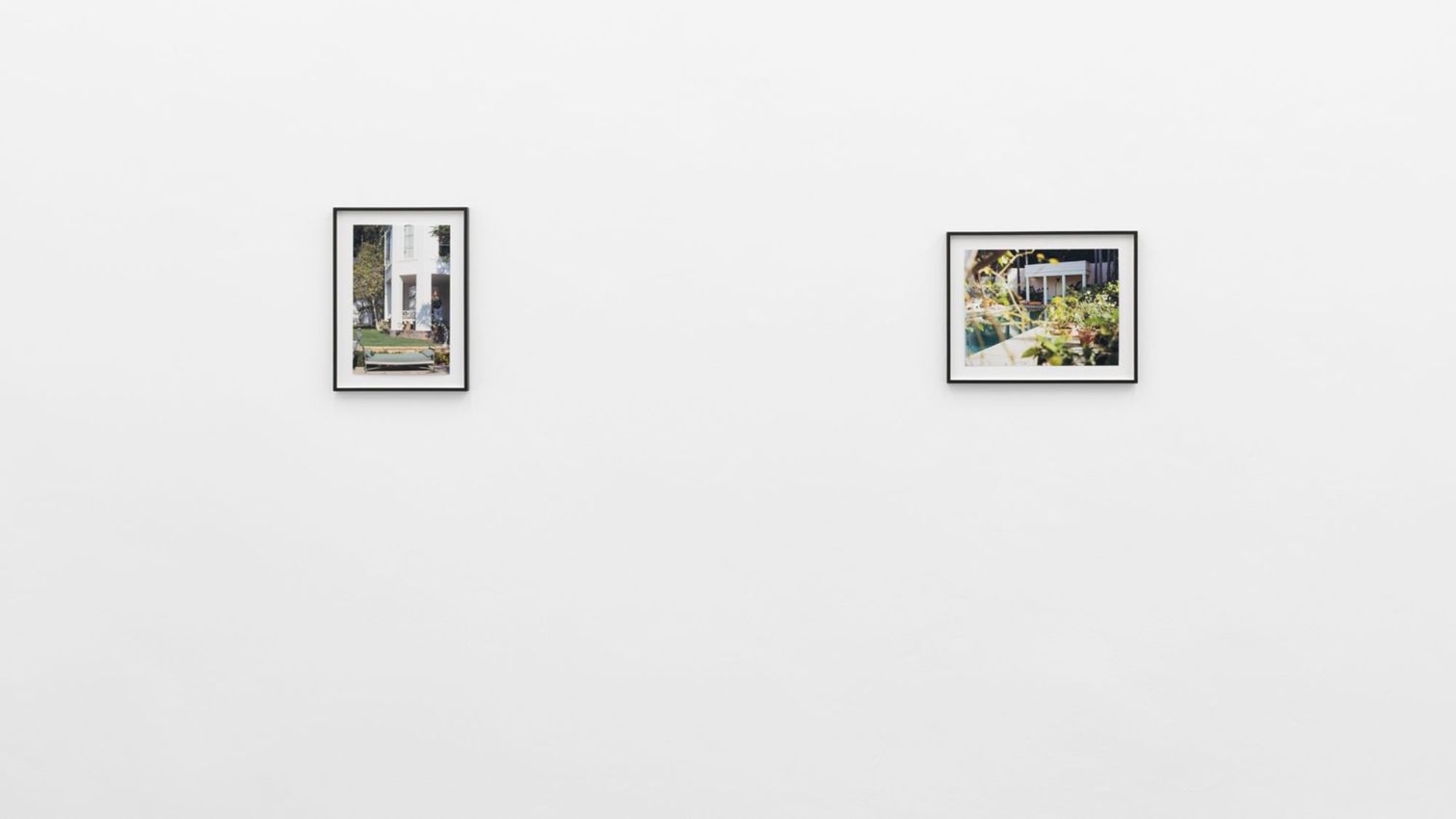
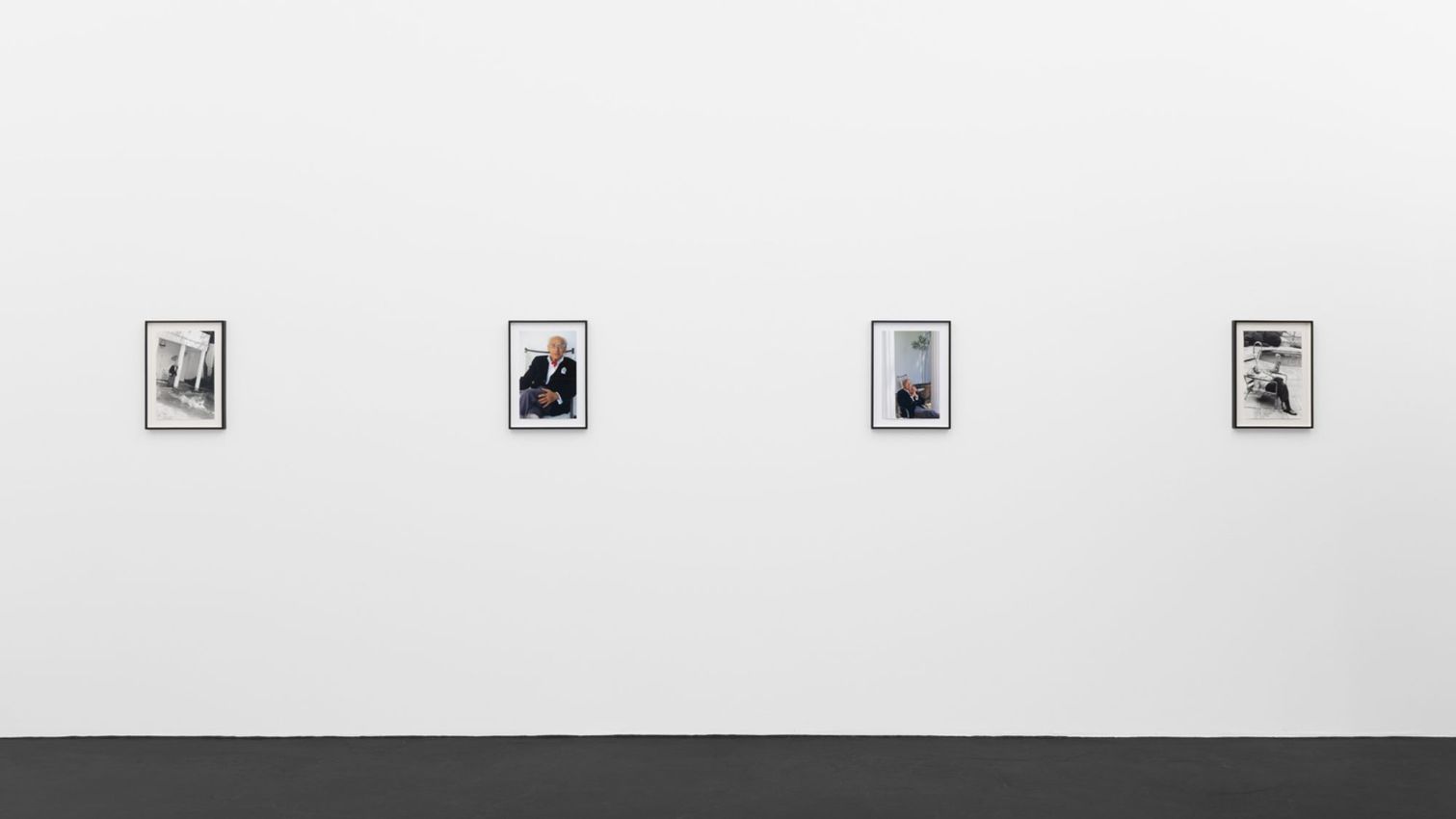
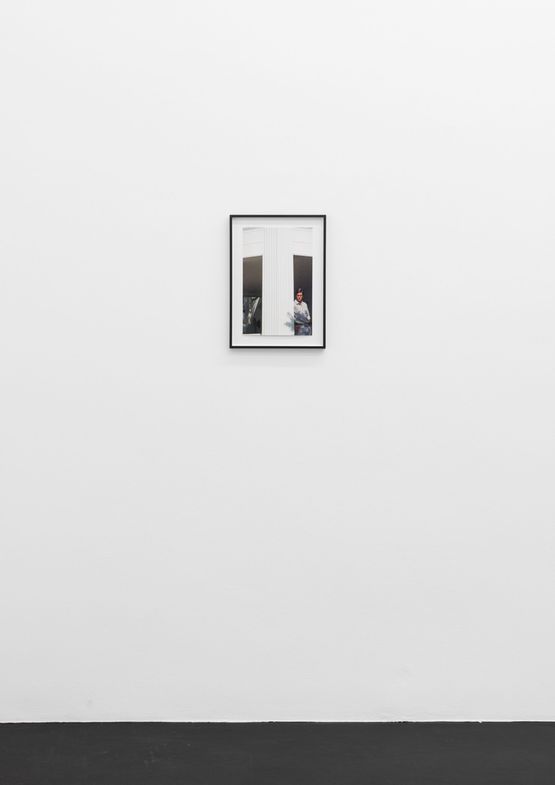
But perhaps Weber’s most poignant photographs from this time are those he shot of Aquilon at the Hollywood home of George Cukor. In these images we see the model, in a tight red Speedo, diving into the swimming pool and then climbing out, water dripping off his bulging muscles, while the legendary director, 79 years-old and meticulously dressed in a blazer and a pocket square with a red scarf tied around his neck, seemingly observes from his veranda. Aquilon’s brazen hunkiness could make you blush in any context, but it’s all the more wondrous here, set against this paragon of the golden age of Hollywood and the discreet, closeted world of midcentury America that he embodies. The tension is paradigmatic of Weber’s larger artistic project, and the key to the shoot, I think, is the image where Cukor breaks character: sprawling on his back in a lounge chair by the pool, he smiles and cackles with delight. And just like that, so do we.
Text by Jacob King, 2025.


Galerie Buchholz is an art gallery specializing in international contemporary art, with exhibition spaces in Cologne, Berlin and New York City. The gallery was founded in Cologne in 1986 by Daniel Buchholz, and today is run jointly with Christopher Müller.

A respected voice in contemporary art discourse.
Focusing on ambitious storytelling and insightful art-world commentary. Ocula Magazine publishes in-depth interviews, critical essays and timely analysis on the artists, exhibitions and ideas driving the global art world.
Learn more about Ocula Magazine
Showcasing the best of the art world.
Ocula partners with galleries from around the world to highlight their artists, artworks and exhibitions. Gallery membership is by application and invitation, with each member vetted by an independent panel.
Learn more about Ocula Membership

Specialises in the sale of major artworks.
Led by a team with deep ties to the world’s leading auction houses, galleries and collectors. Ocula’s advisory team offers bespoke services to high-net-worth clients from around the world who are looking to acquire the best of contemporary and modern art.
Learn more about our team and services