Press Release

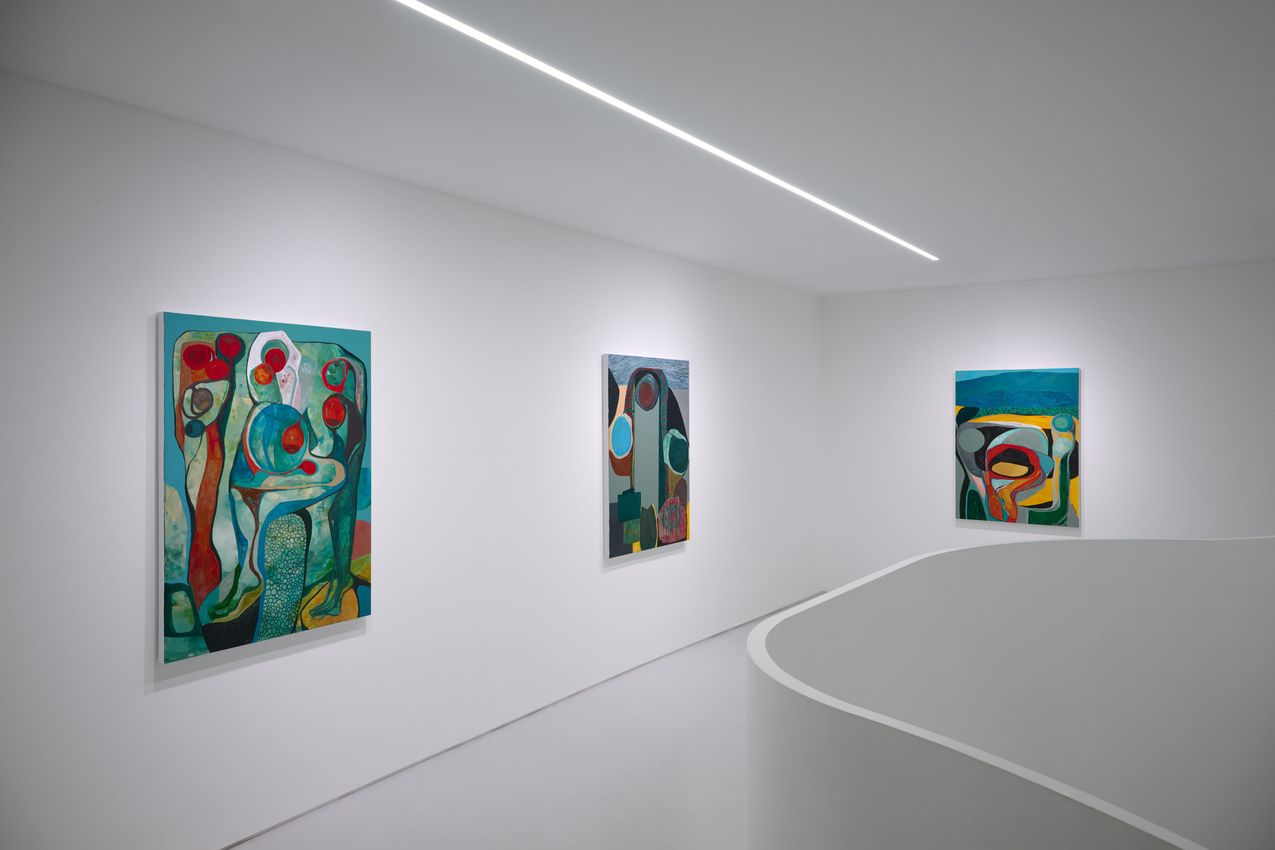
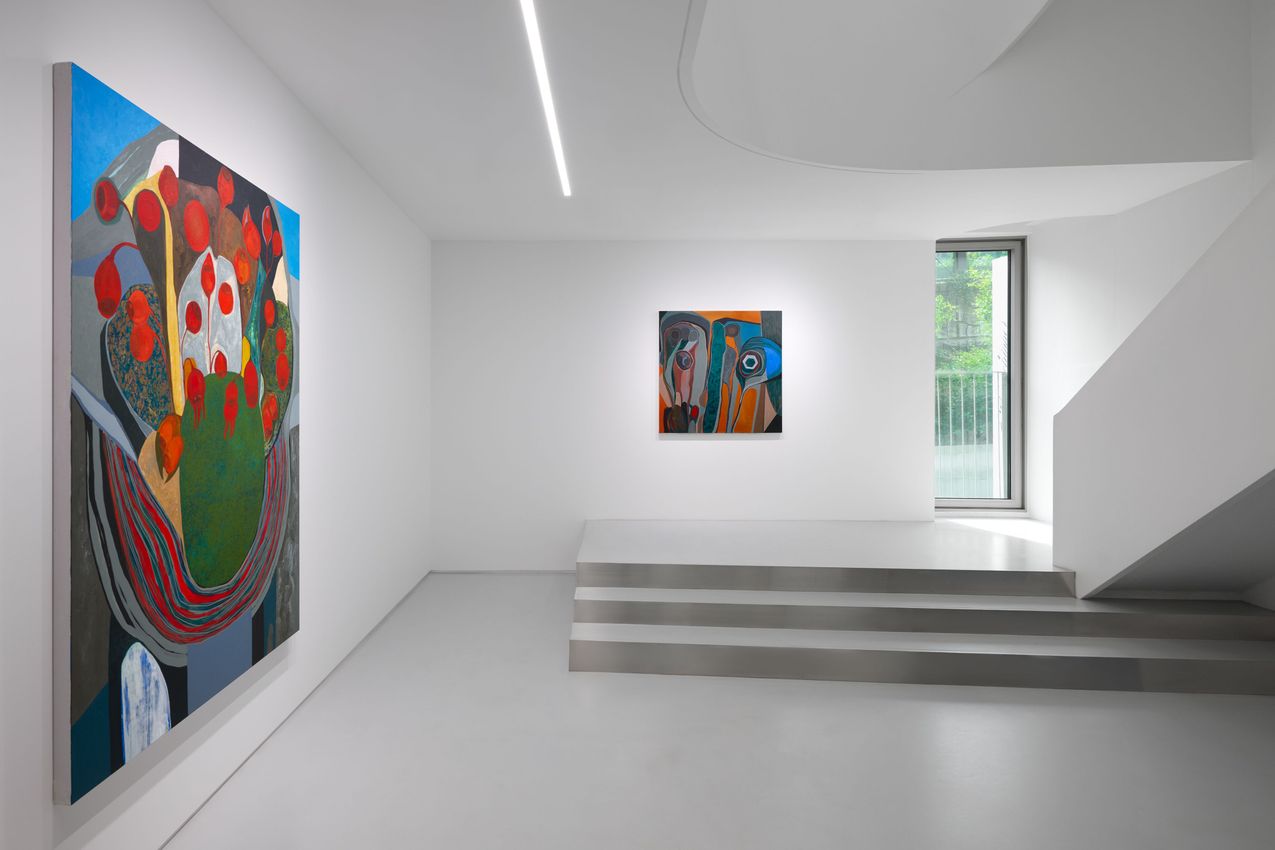
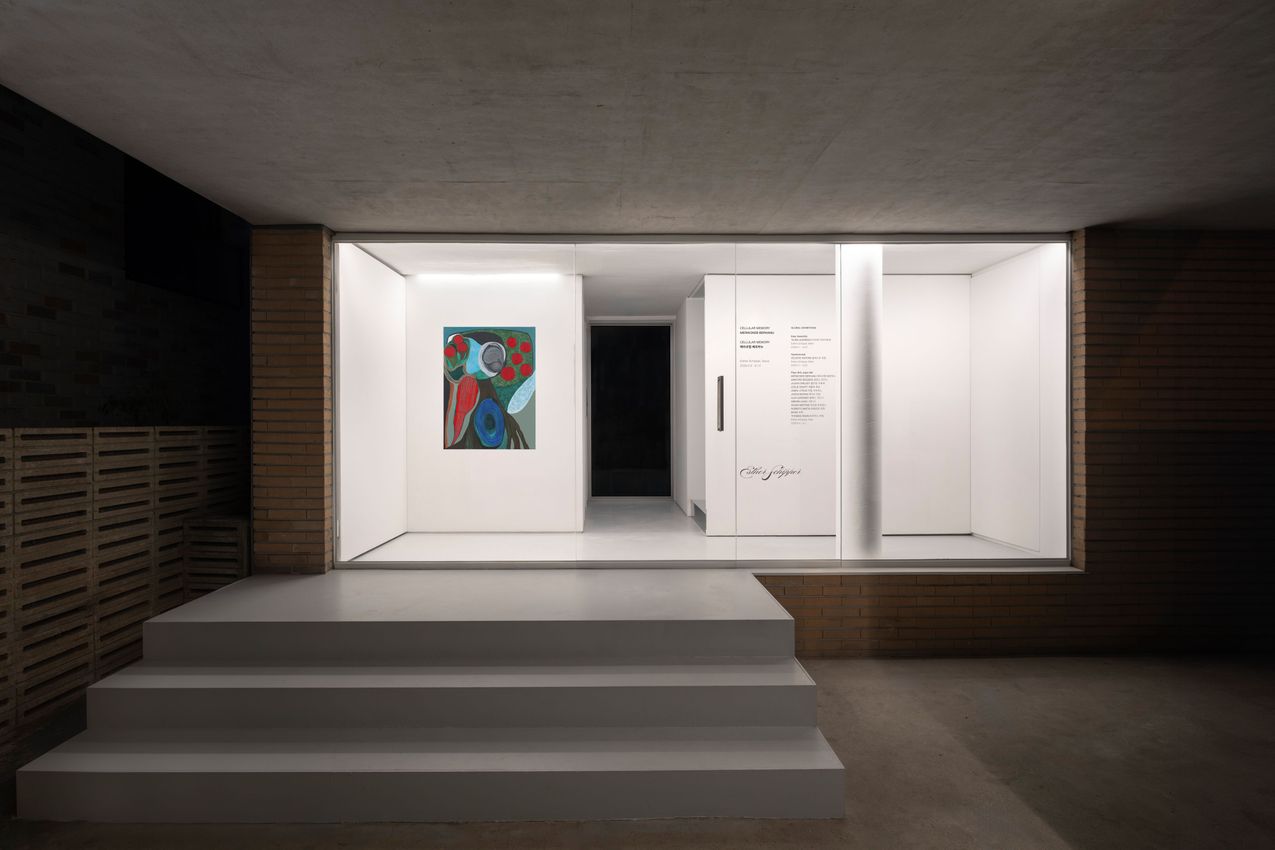
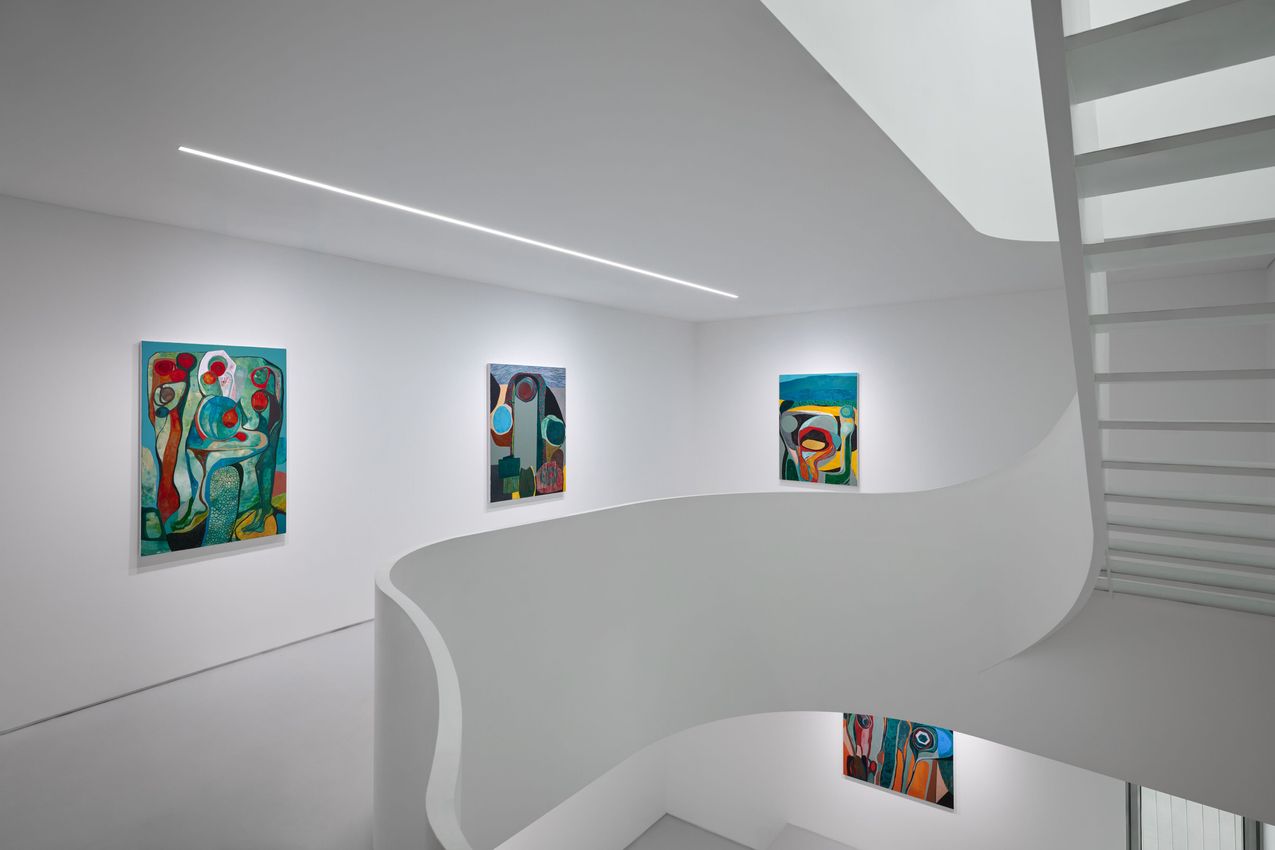
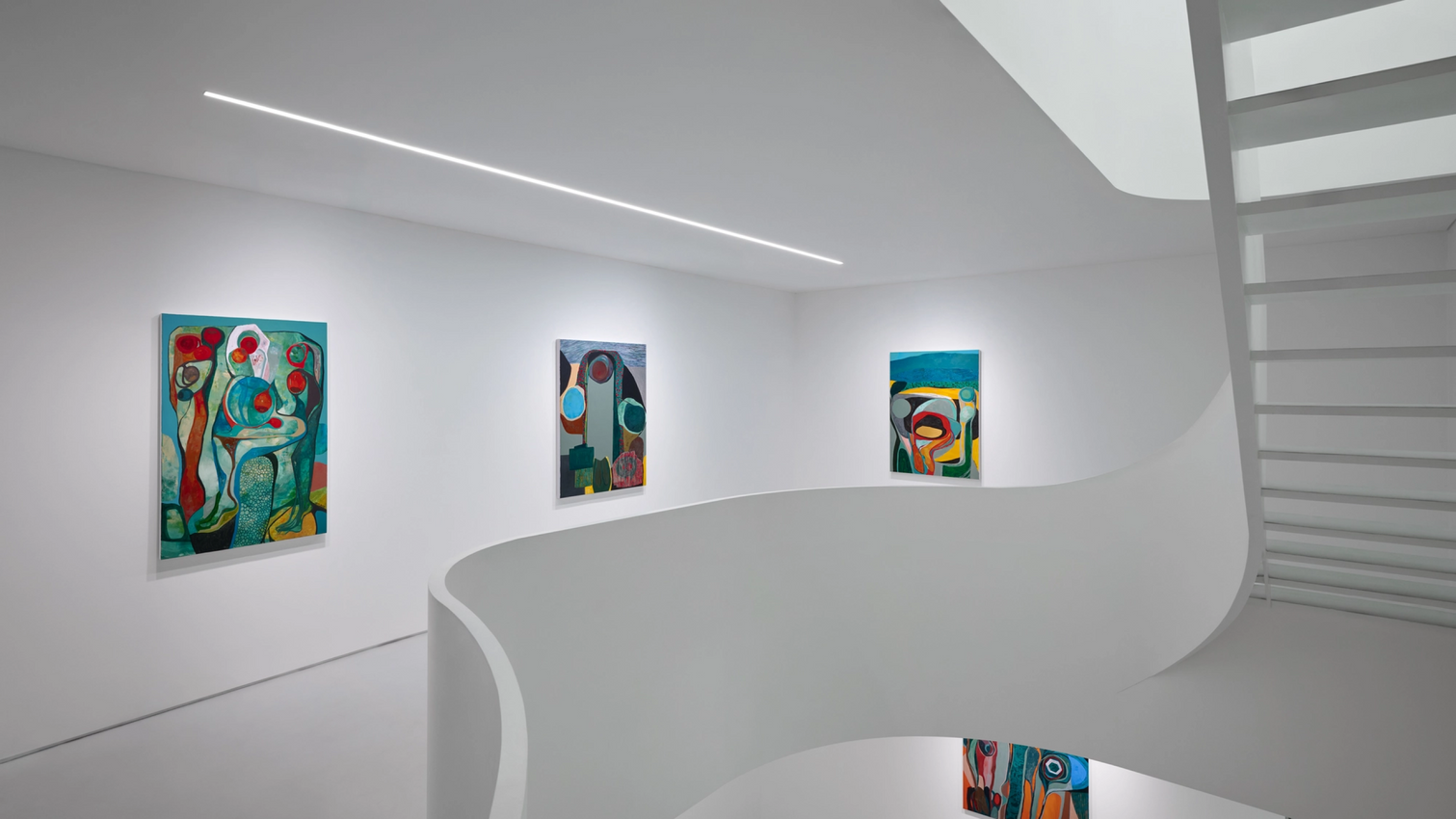
Esther Schipper Seoul is pleased to announce Merikokeb Berhanu’s exhibition Cellular Memory. This is the artist’s first solo presentation in Asia and her second with the gallery. On view will be seven new paintings.

Born in Addis Ababa, Ethiopia, Merikokeb Berhanu’s formal language, color palette, and recurring motifs fuse elements from the history of Ethiopian art and its absorption and transformation of modernist influences, while also reflecting her experience in the United States, where she has been based for nearly a decade. Merikokeb received her Bachelor of Fine Arts from Addis Ababa University in 2002, where she studied painting under Tadesse Mesfin. Tadesse belonged to Ethiopian modernist painting’s second generation, whose artists in the 1970s–1990s expanded upon the work of pioneers such as Skunder Boghossian* through greater abstraction and engagement with social realities. Merikokeb’s development of a distinct hybrid visual vocabulary reflects broader themes of diasporic experience.

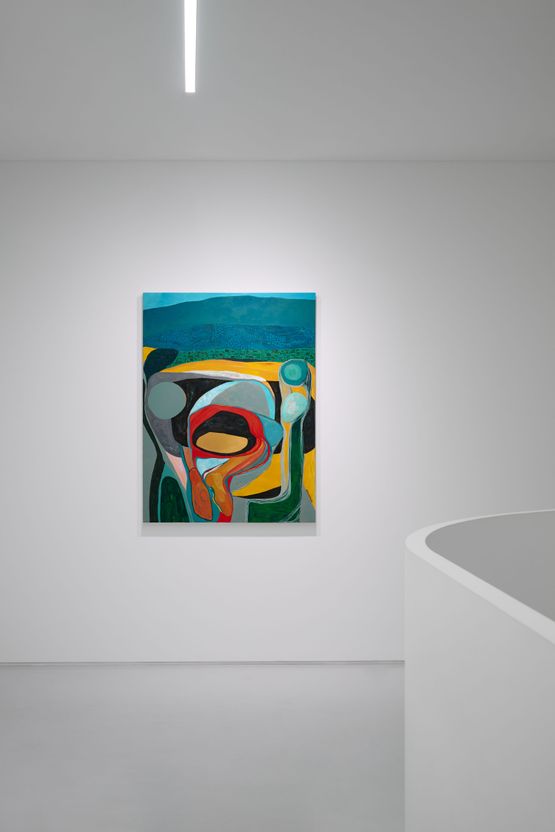
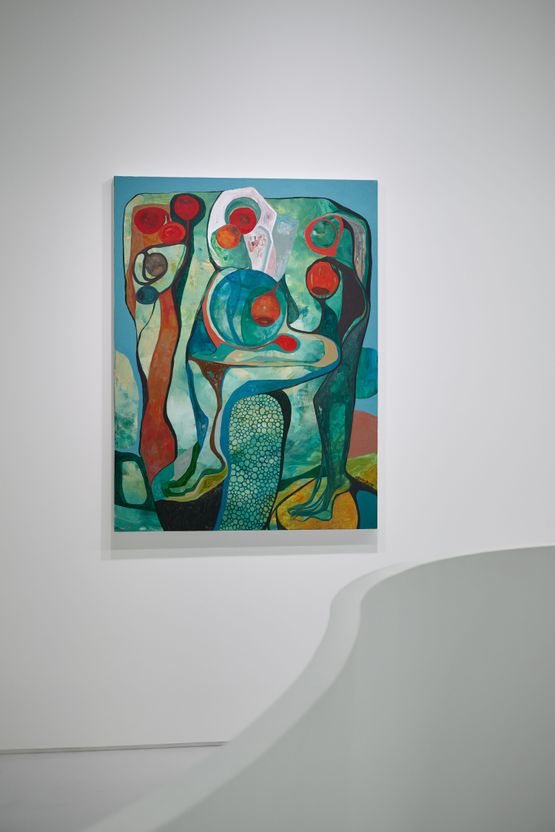
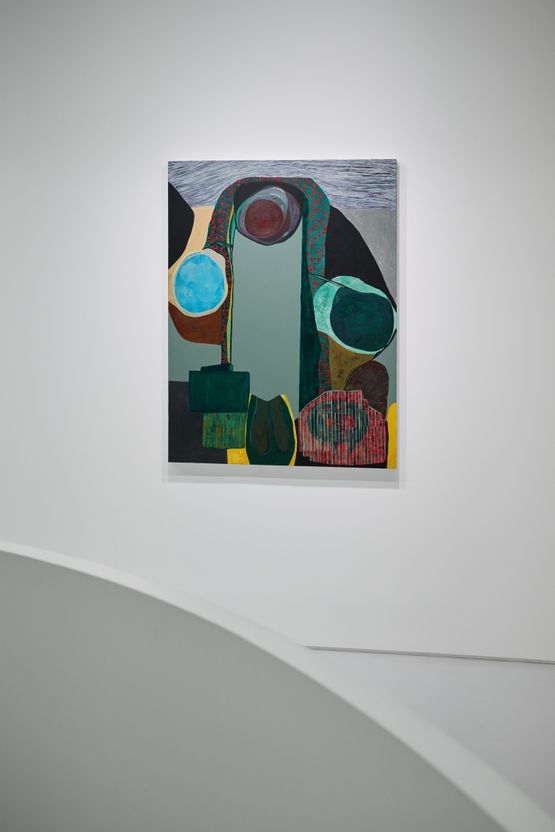
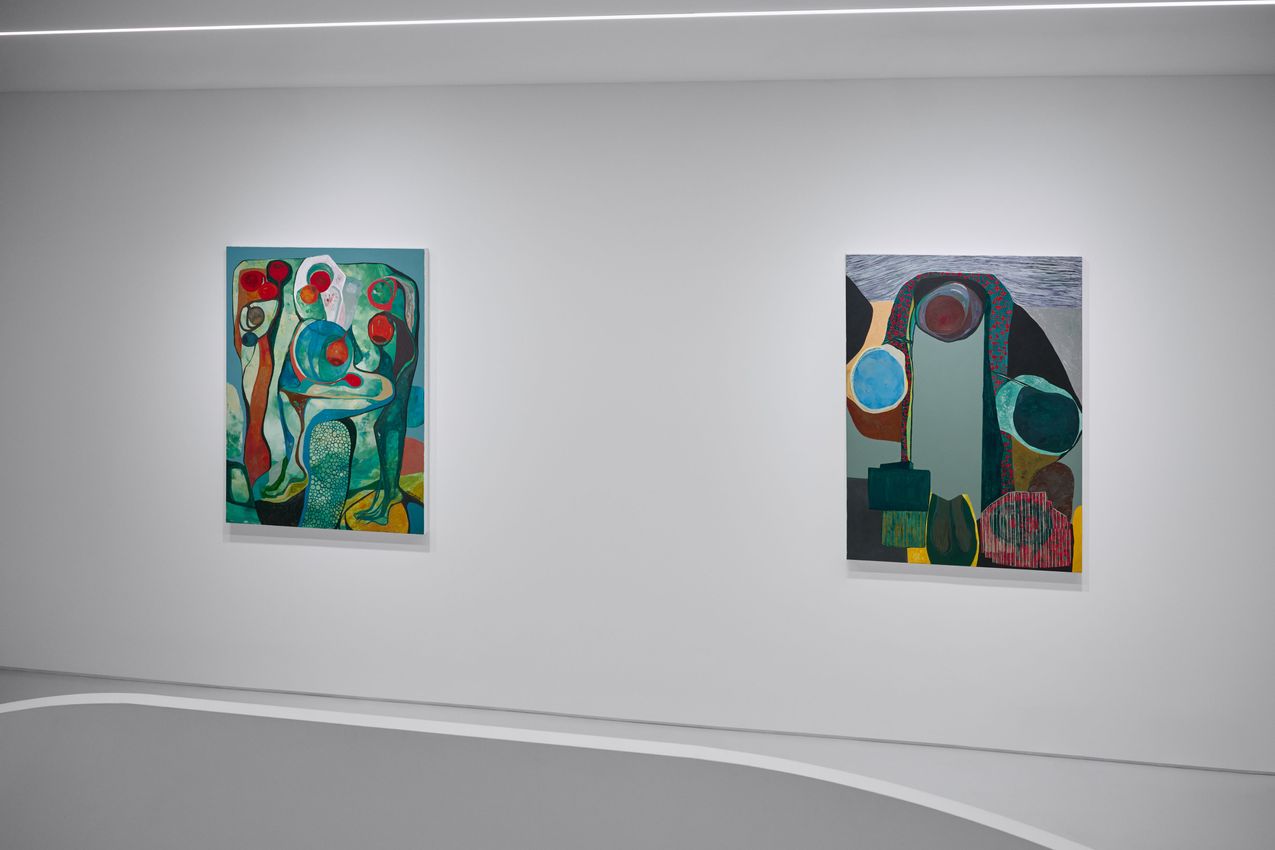
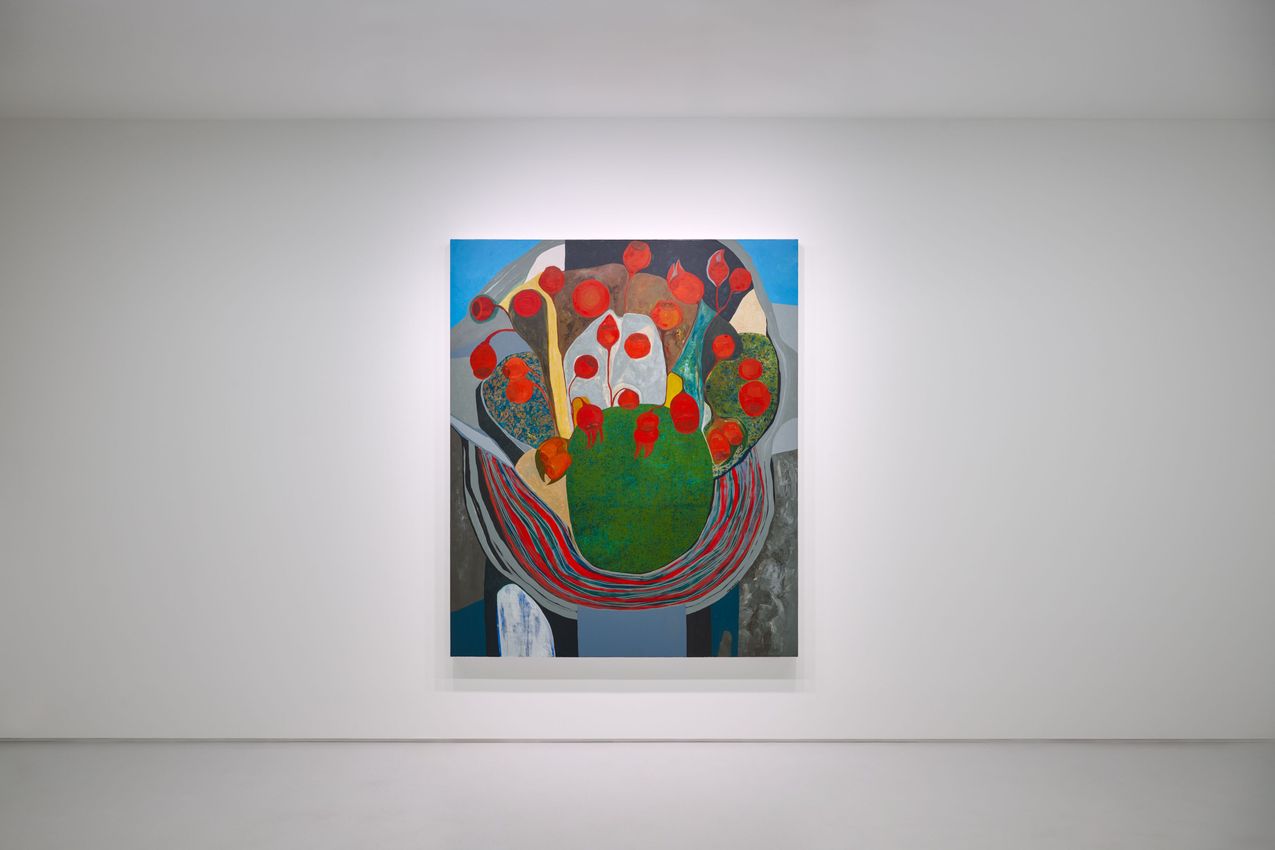
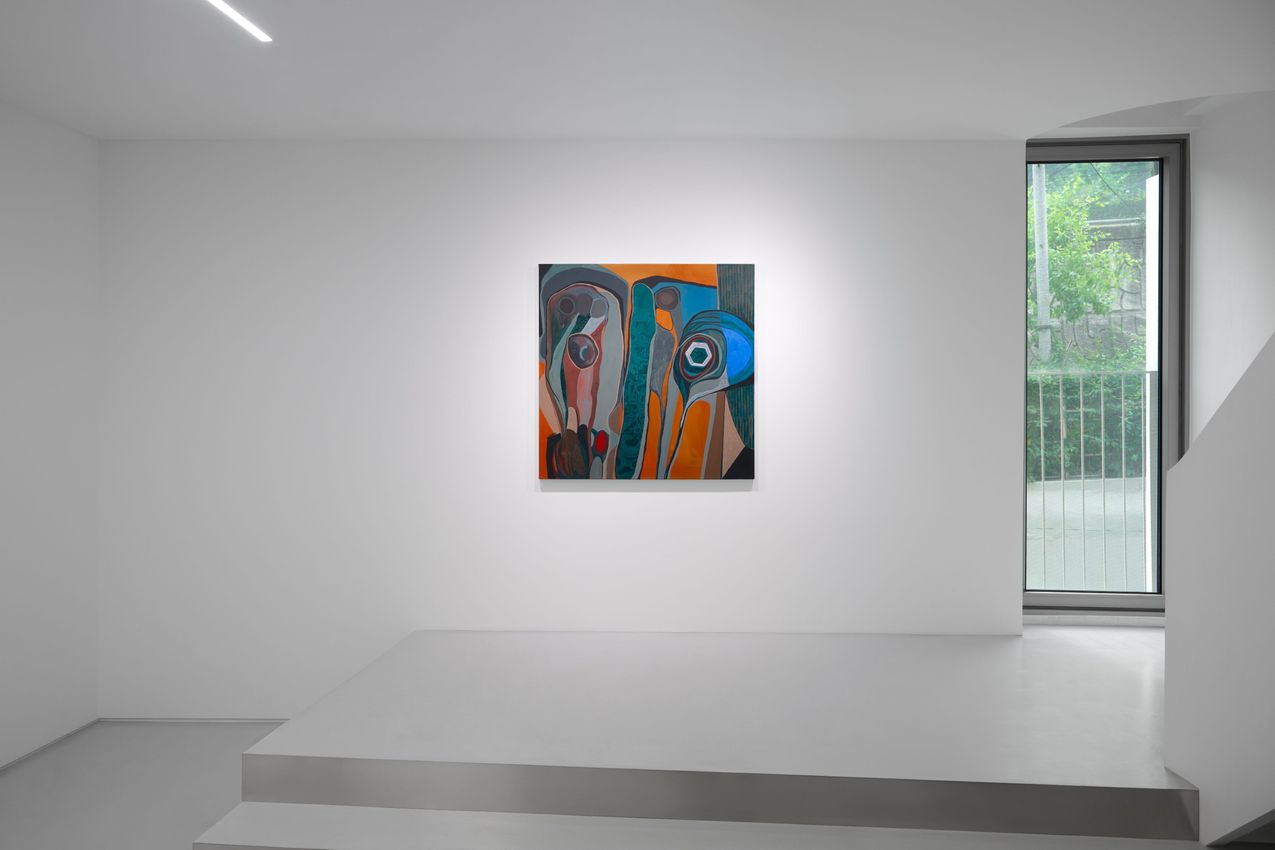
Merikokeb’s new paintings, produced in 2026 for this exhibition, represent a significant development in her practice. Working across a range of scales, from the large format Untitled CXIV and Untitled CXV to smaller, more concentrated compositions like Untitled CXX, Merikokeb continues to explore the semi-abstracted figurative language she has developed over the past decade, while pushing it into new chromatic and compositional territory. The works share a recurring visual vocabulary: interlocking organic forms that suggest bodies, landscapes, and cellular structures simultaneously, without resolving into any one of them. Equally fluid in their meaning are Merikokeb’s representations of the human body: individual feet or hands become visible but embody a more generalized human presence; elongated shapes with rounded heads could represent a group of flowers just as much as a community of men and women. Fragments of the human body are woven into a conflation of vegetal, organic, and perhaps even mineral form.

Running through this new group is an evident tension between the natural and the technological. The inclusion of technological elements has been linked to the artist’s move to the United States in 2017, where she confronted the realities of mass consumption, environmental pollution, and climate change. In Untitled CXX, budding red forms on the left find their mirror in what read as crimson circuit-board orbs on the right, root-like structures branching down below as if to anchor both worlds in the same soil. Untitled CXVIII operates like a geological cross-section, its layered strata teeming with organic life, while a circuit-board tracery sits just beneath the surface, close enough to feel like a second nervous system growing through the earth. The fantasy circuitry, sometimes rendered in a matrix-green and reminiscent of representations of cyberspace in early sci-fi, signals a modern, industrial and digital realm.

This is fertile ground, literally and conceptually. Merikokeb has long engaged with the friction between nature and technology, but in these paintings that relationship feels less like conflict and more like coexistence, two systems finding their way toward something shared.

* The work of Alexander “Skunder” Boghossian (1937–2003) is currently included in the exhibition New Humans: Memories of the Future at the New Museum, New York; see the exhibition catalogue (Phaidon, 2026), pp. 234, 396.

Courtesy Esther Schipper.

Read More

Also Exhibiting

Address
6, Noksapyeong-daero 46ga-gil
Yongsan-gu
Seoul
South Korea
Opening Hours
Tues – Sat,
12 pm – 6pm
(1)
Seoul 6, Noksapyeong-daero 46ga-gil, Yongsan-gu
Esther Schipper
6, Noksapyeong-daero 46ga-gil, Yongsan-gu, Seoul, South Korea

Opening hours
Tues – Sat,
12 pm – 6pm
The art world in focus