




AYAN FARAH
b. 1978, United Arab EmiratesAyan Farah is a Somali-Swedish artist working across painting, textiles and materials-driven research and focusing on the way materials carry traces of time, place and movement. She is one of three artists selected to represent Somalia at the country’s inaugural pavilion at the 2026 Venice Biennale.
Early Years
Ayan Farah was born in 1978 in Sharjah, United Arab Emirates, to Somali parents. She spent her childhood in Sweden then studied in London, including a postgraduate degree at Central Saint Martins and MA in painting from the Royal College of Art. She lives and works in Stockholm.
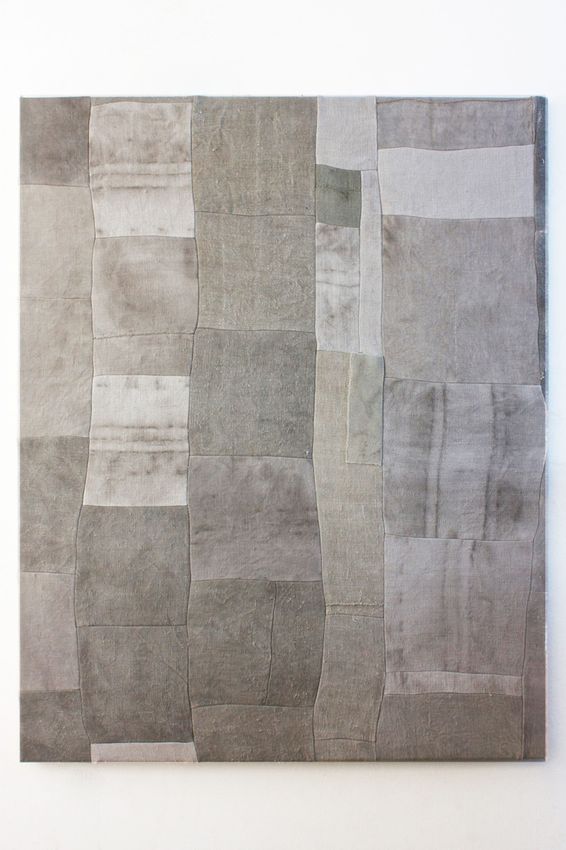
Her work often uses historic or found textiles, which she dyes and then sews together—this draws in part on the significance of textiles in her Somalian heritage. Ayan Farah’s focus on natural resources has also been linked to her nomadic ancestry.
Ayan Farah: Artworks
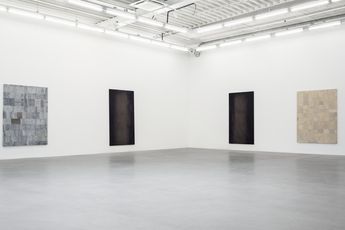
Ayan Farah takes an interest in the geography and geopolitics of the places where she spends time, collecting minerals, soil and plants which she uses to produce pigments for dyeing. She sees these elements as storytellers—for example, rust recording the actions of salt and air. Farah gathers and brews raw materials including clay, marigold, indigo and forest ash, which she uses to dye her textiles. The dyeing process is deliberately slow, reflecting natural rhythms rather than self-imposed deadlines, and the textiles transform into representatives of the dyes they are taking on. By extending the life of the textiles, Ayan Farah considers both origin and future, as well as the environmental impact of sourcing and using found, historical and natural materials.
- Sky Stone (2026) is a strikingly large piece in Indigo and other blues, painted on French linen, a surface that creates space for place, sediment and colour to meet
- Adularia (2022) brings together a patchwork of re-sewn hemp and linen textiles dyed with pigments including rust, India ink, marigold and indigo
- In Infinite (Jade) (2024), Ayan Farah creates a large, light linen panel using pigments derived from marigold and carob
Ayan Farah: Exhibitions
- Ghost River, Kadel Willborn, Düsseldorf (2026)
- Seeds, Galerie Nordhake, Berlin (2024)
- Peradam, Galerie Nordhake, Stockholm (2022)
- Maps, Pippy Houldsworth Gallery, London (2016)
Select Group Exhibitions
- SADDEXLEEY, Somalia Pavilion, 61st Venice Biennale (2026)
- We Grown-Ups Can Also Be Afraid: Creativity in Times of Crisis, Attenborough Arts Centre, Leicester (2025)
- Black Rock Sénégal /Dak’art Biennale, Dakar, Senegal (2024)
Further Reading
- Ayan Farah’s Instagram
- ‘Critic’s Picks’, Natasha Marie Llorens, Artforum (2022)
- Ayan Farah’s artist page, Kadel Willborn
- Interview with Ayan Farah, Odalisque Magazine (2025)
- Ayan Farah’s artist page, Pippy Houldsworth
Ayan Farah FAQs
What are Ayan Farah’s influences?
In a 2025 interview, Ayan Farah cited the writer Édouard Glissant as an influence—particularly his ideas around opacity and relation. She also discussed the American artists Walter De Maria and Roni Horn, and French writer René Daumal’s concept of the “ascent towards the unknown”.
What techniques and materials does Ayan Farah use?
Ayan Farah researches and gathers textiles and natural pigments from around the world. These pigments include rust, sea salt, clay, soil, marigold and indigo, which she brews into dyes in a process that is deliberately slow.
What are the main themes in Ayan Farah’s work?
Ayan Farah examines geography and geopolitics in her work, travelling the world to source natural materials and found textiles. The pigments allow the textiles to tell stories of the environments in which she found them (for example, through the sediment in soil). She sees her work as extending the history of the textiles, but also asking us to question the environmental and geopolitical implications of sourcing and using these materials.
Ocula




Explore and Follow Artists Shaping Contemporary Art
A respected voice in contemporary art discourse.
Focusing on ambitious storytelling and insightful art-world commentary. Ocula Magazine publishes in-depth interviews, critical essays and timely analysis on the artists, exhibitions and ideas driving the global art world.
Learn more about Ocula Magazine
Showcasing the best of the art world.
Ocula partners with galleries from around the world to highlight their artists, artworks and exhibitions. Gallery membership is by application and invitation, with each member vetted by an independent panel.
Learn more about Ocula Membership
Specialises in the sale of major artworks.
Led by a team with deep ties to the world’s leading auction houses, galleries and collectors. Ocula’s advisory team offers bespoke services to high-net-worth clients from around the world who are looking to acquire the best of contemporary and modern art.
Learn more about our team and services