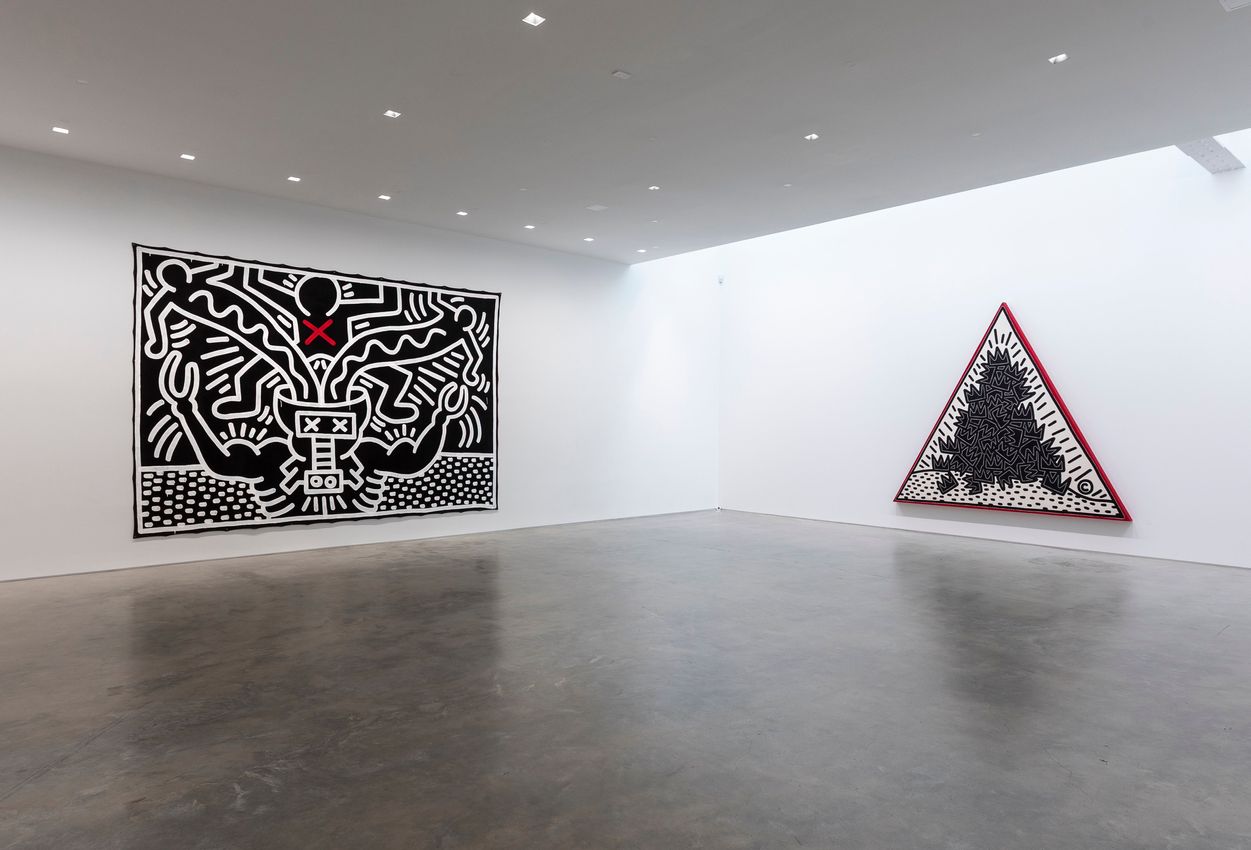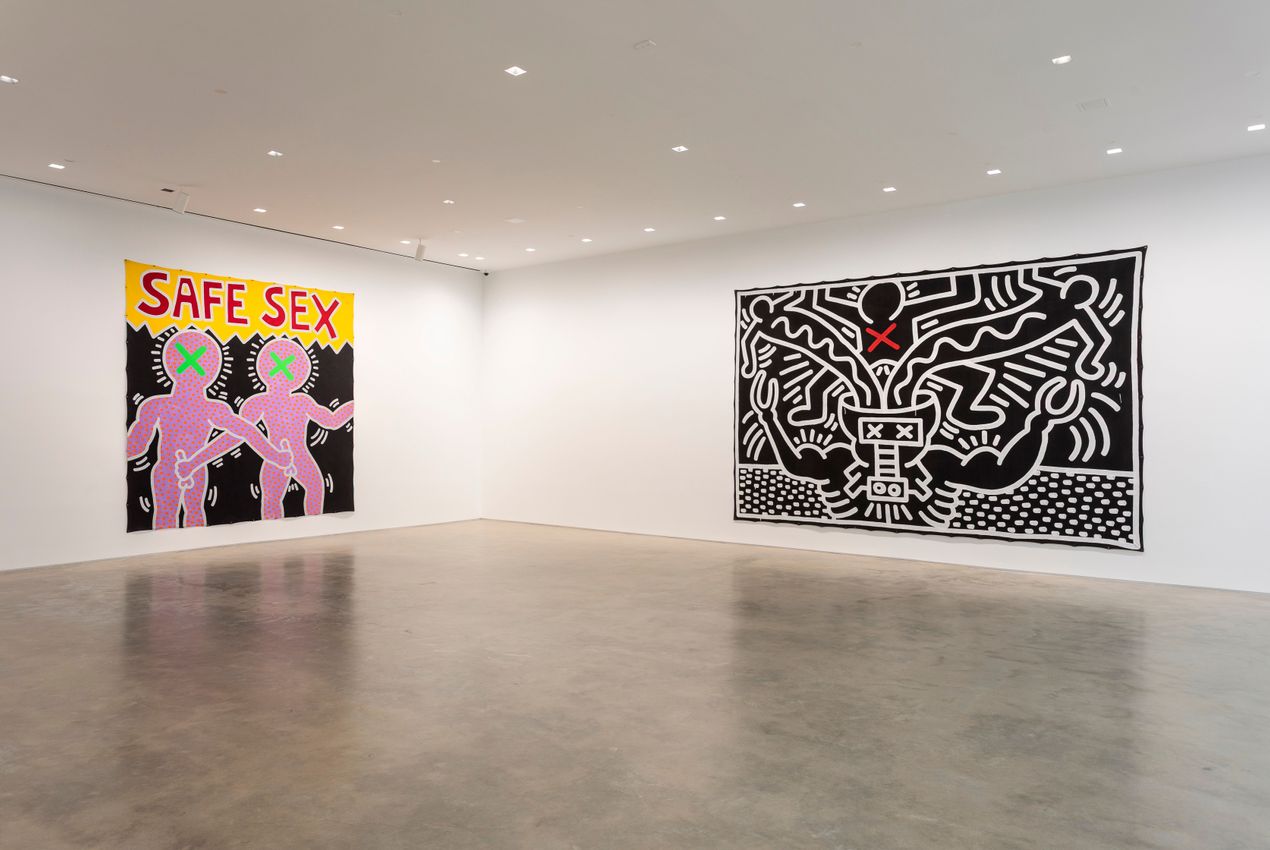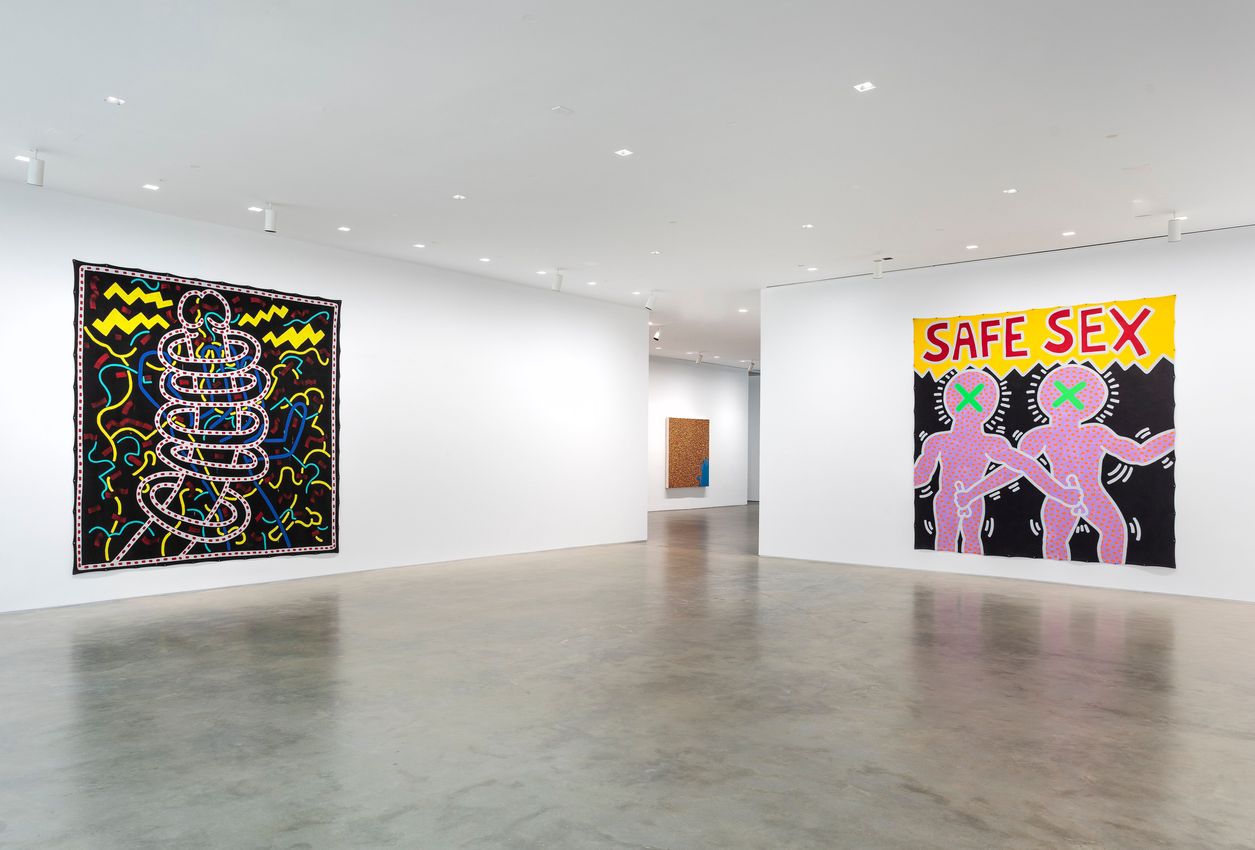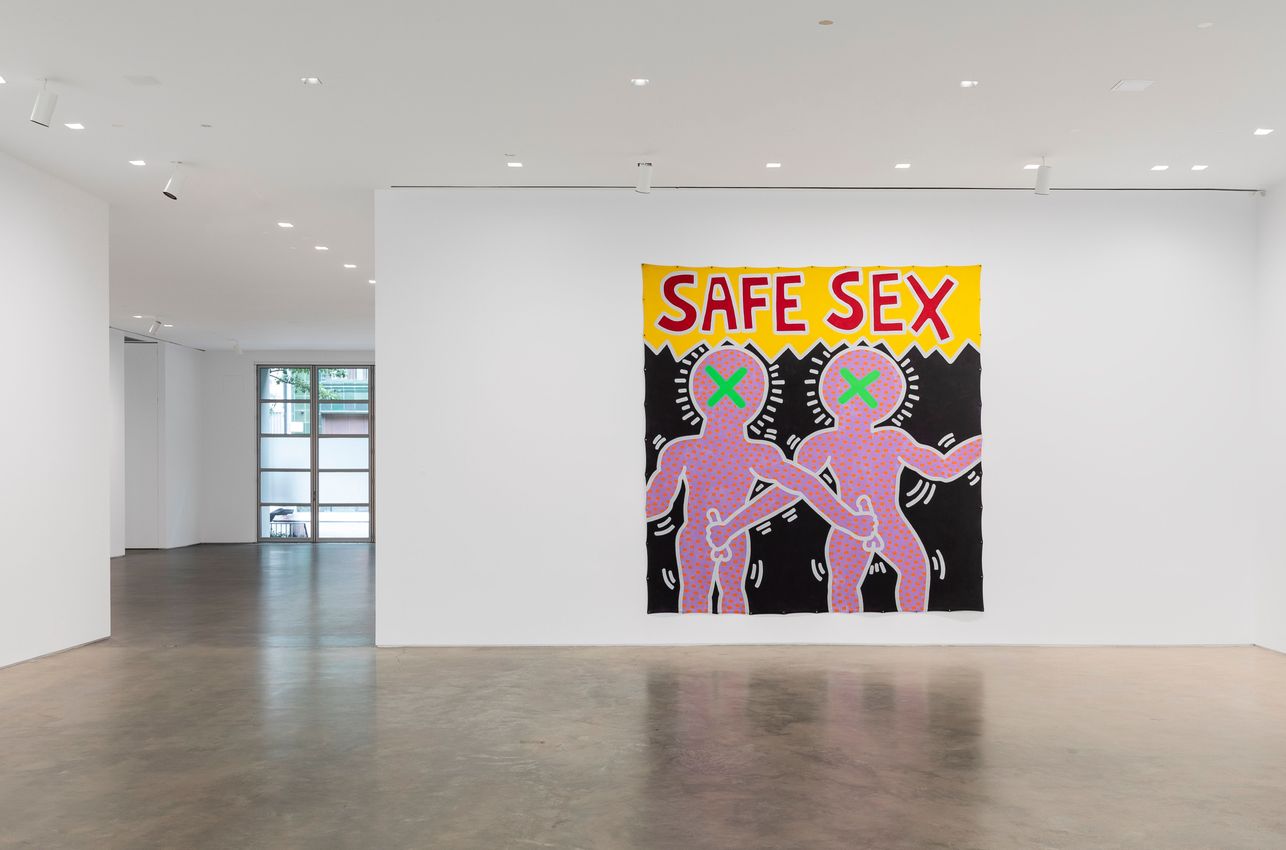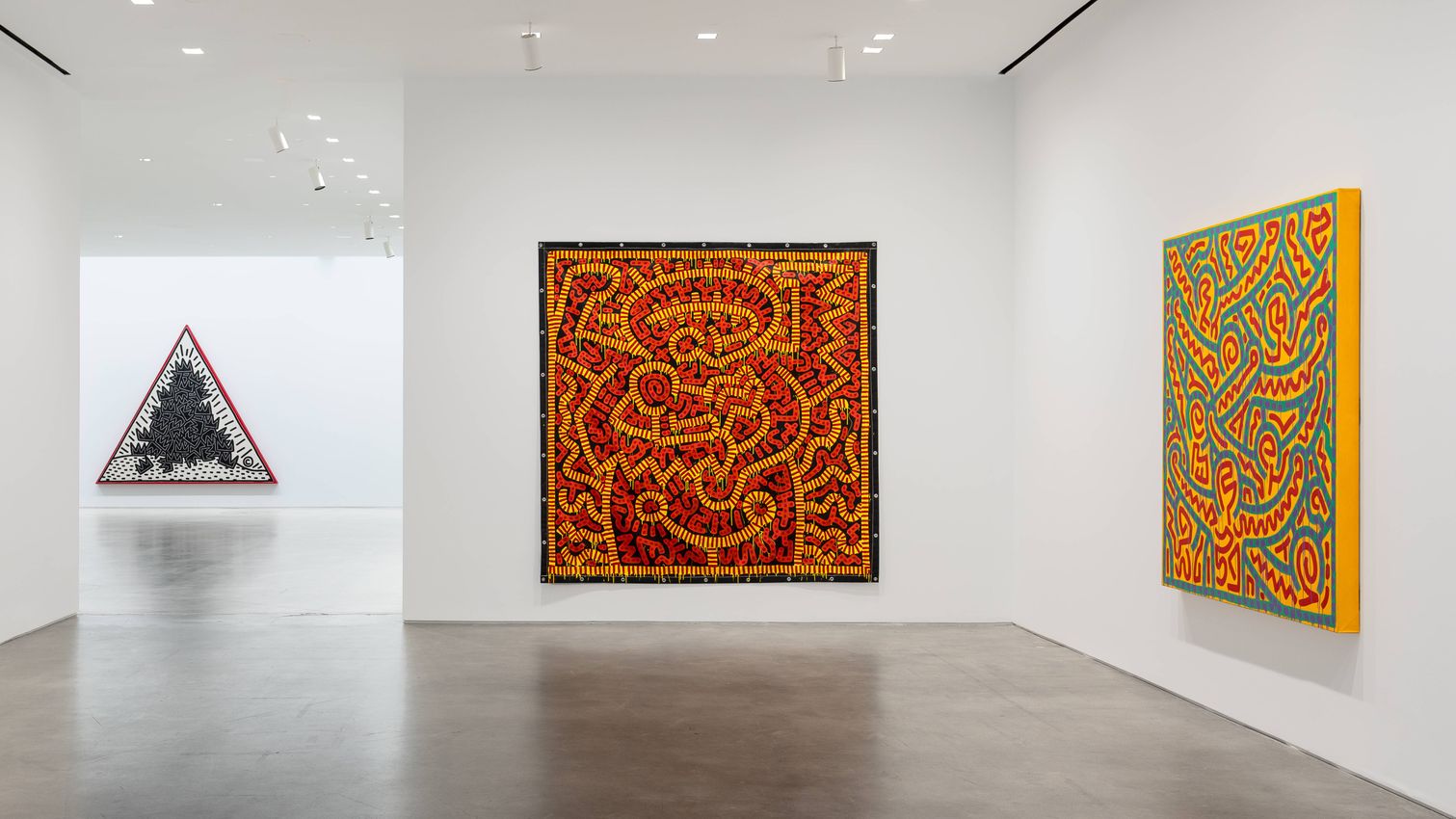
The presentation highlights emotionally charged works underscoring Haring’s enduring commitment to unity, healthcare equity, and the expressive power of art
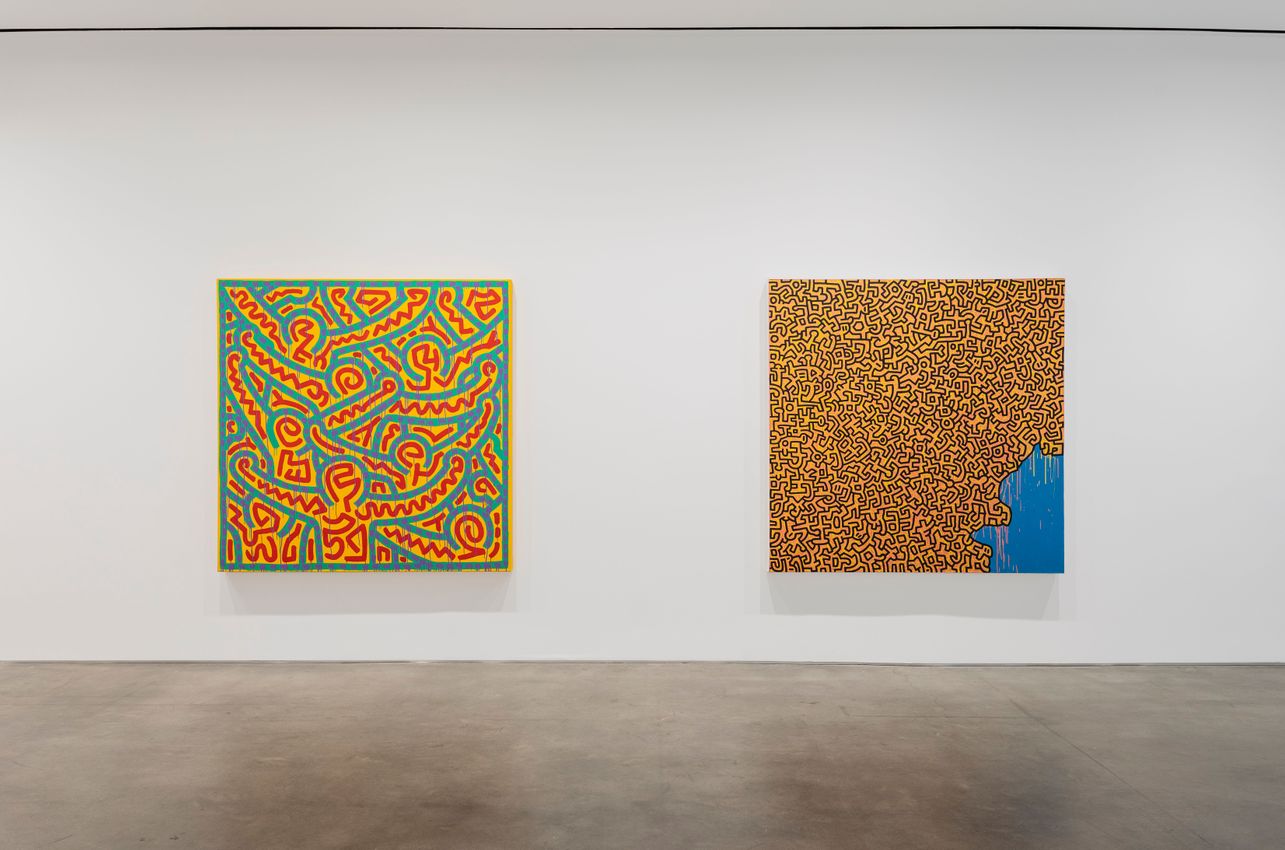
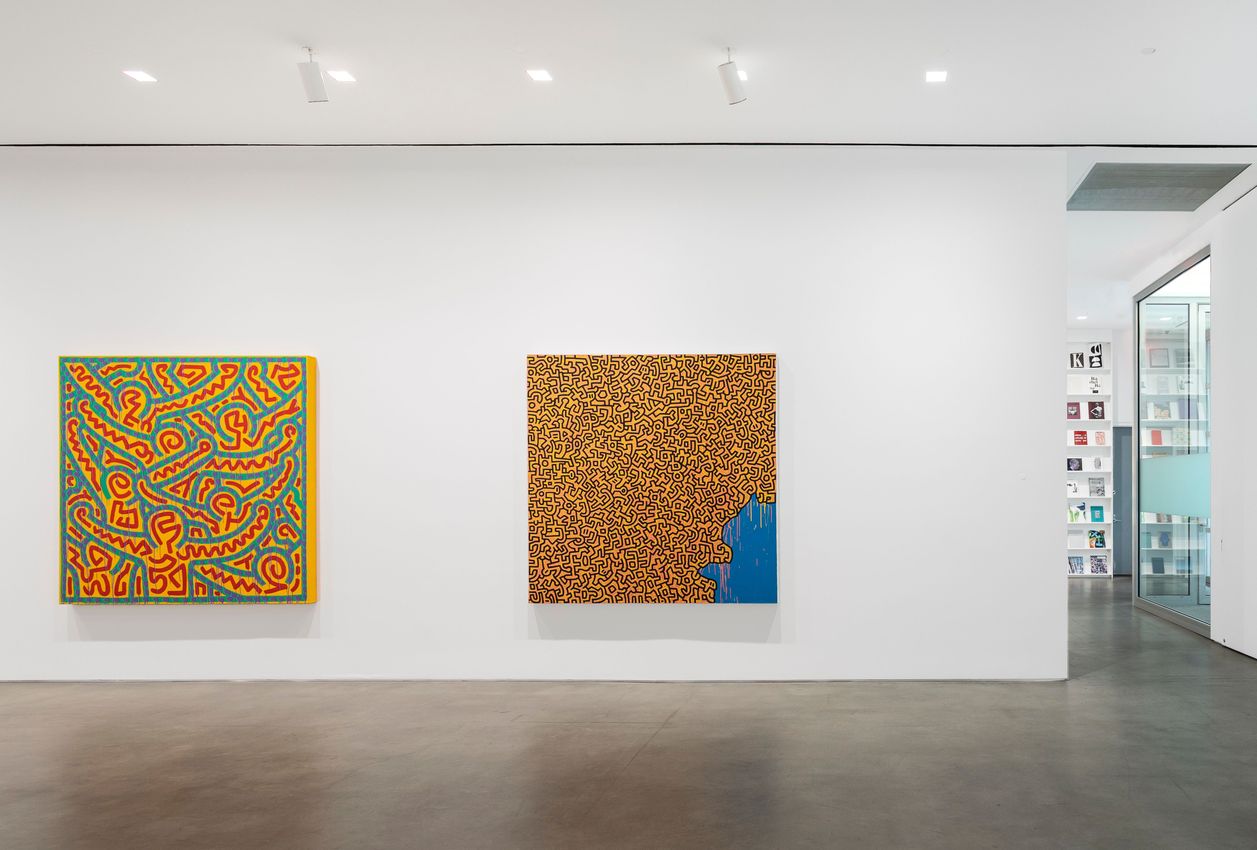
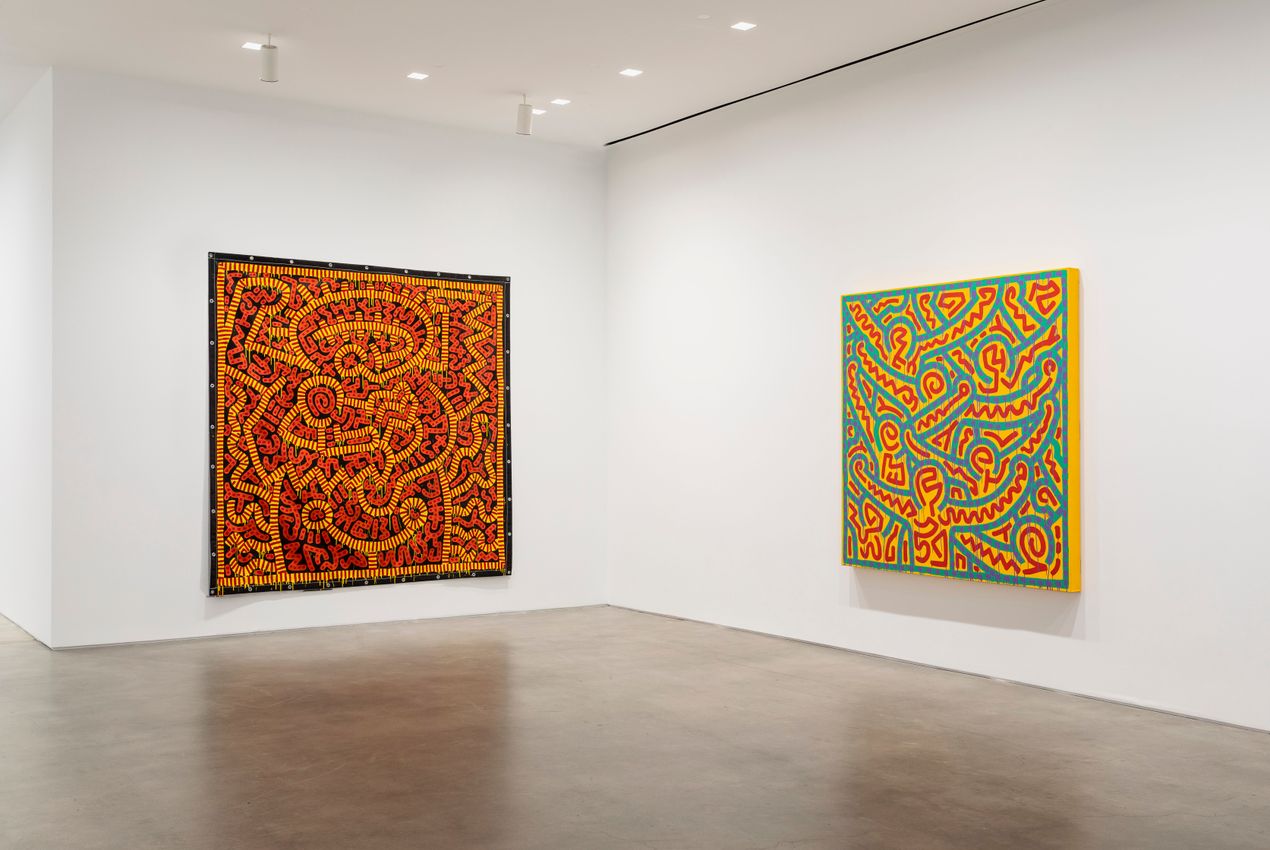
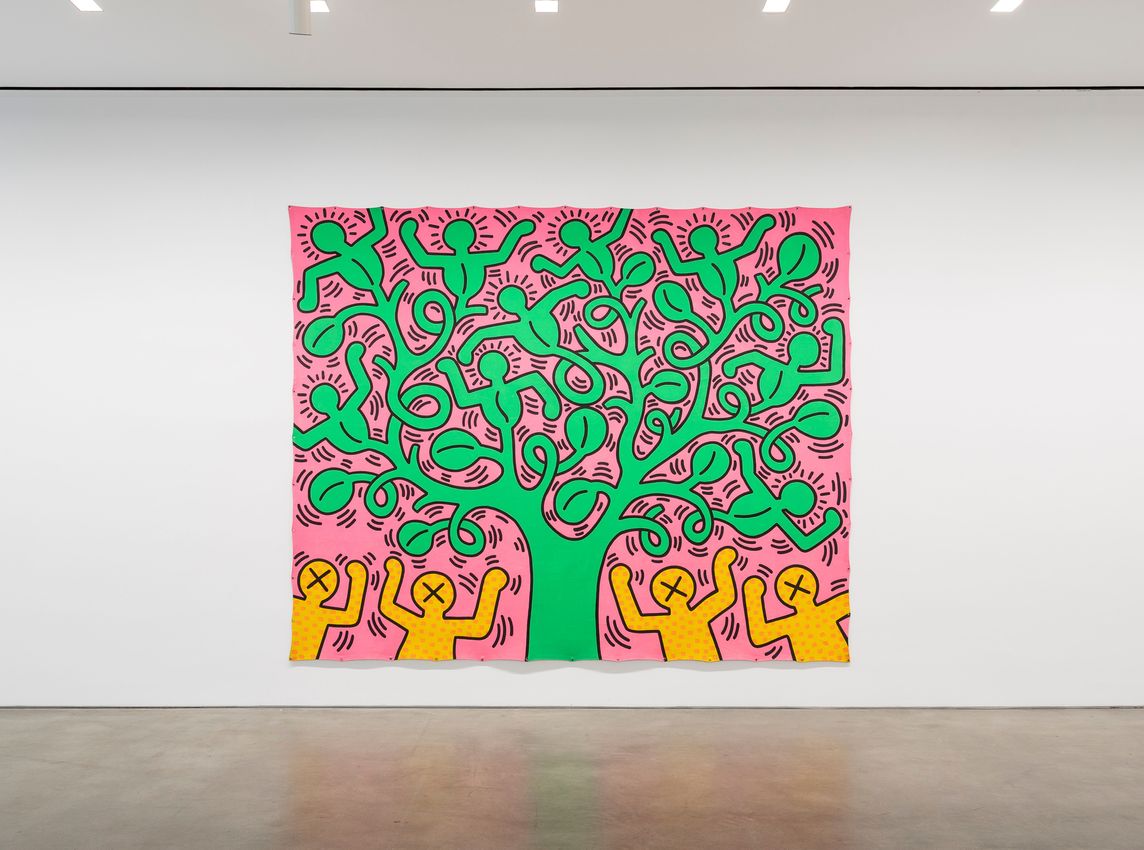
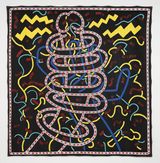
Capturing Haring’s enduring concerns for global harmony, accessible healthcare amid the AIDS crisis, and the role of art as an expression of joy and communion, the exhibition marks the first time in ten years that Gladstone has dedicated a show exclusively to Haring’s canvases and painted tarps. Liberating the Soul: Keith Haring’s Paintings will be on view September DE through November D at the gallery’s GHth Street location in New York.
Haring is renowned for his pop-inflected subway drawings and public art projects based on an enduring conviction that art should be accessible to everyone. He is also recognised as a painter of powerful, emotionally charged canvases, which vibrate with evocations of joy and humour, but in other instances, critique the world’s injustices. An avid student of art history and keen interlocuter with his artistic peers, Haring cultivated a rich, formal painting practice in addition to his more outward-facing activities.
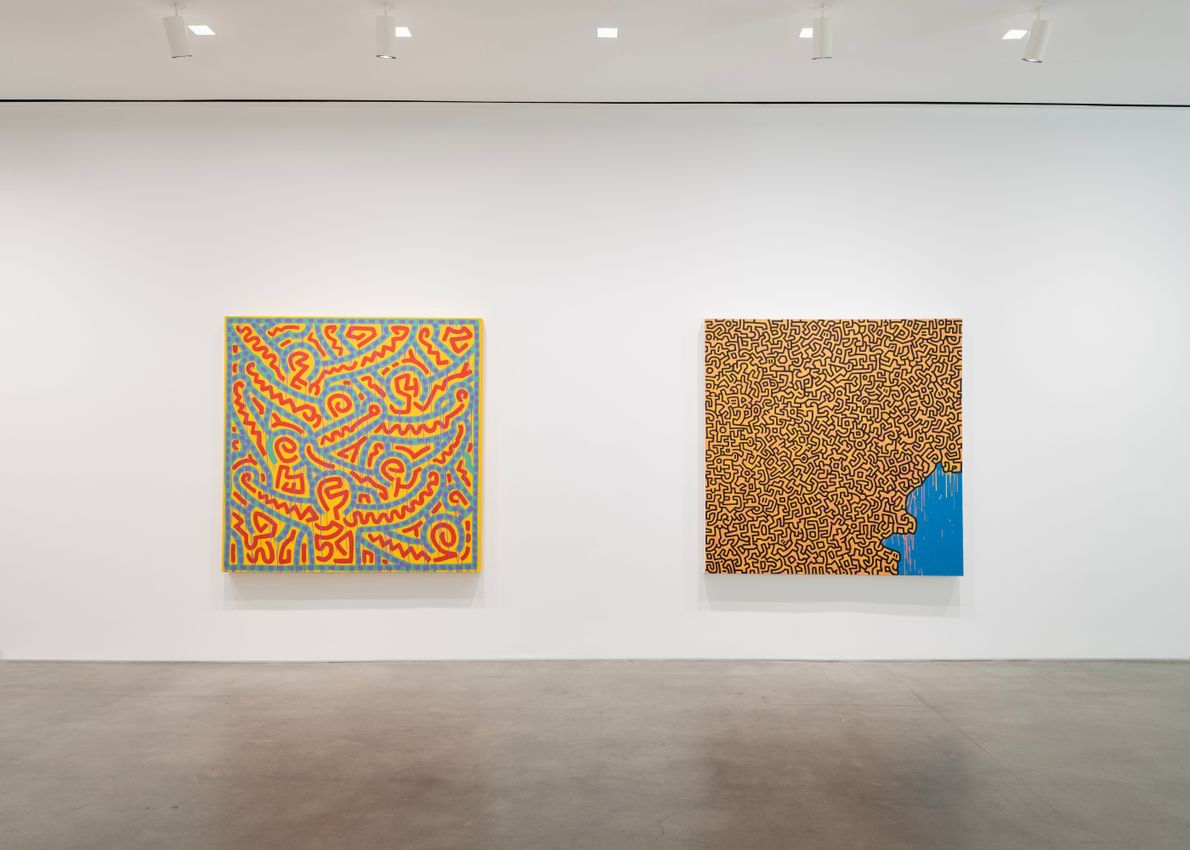
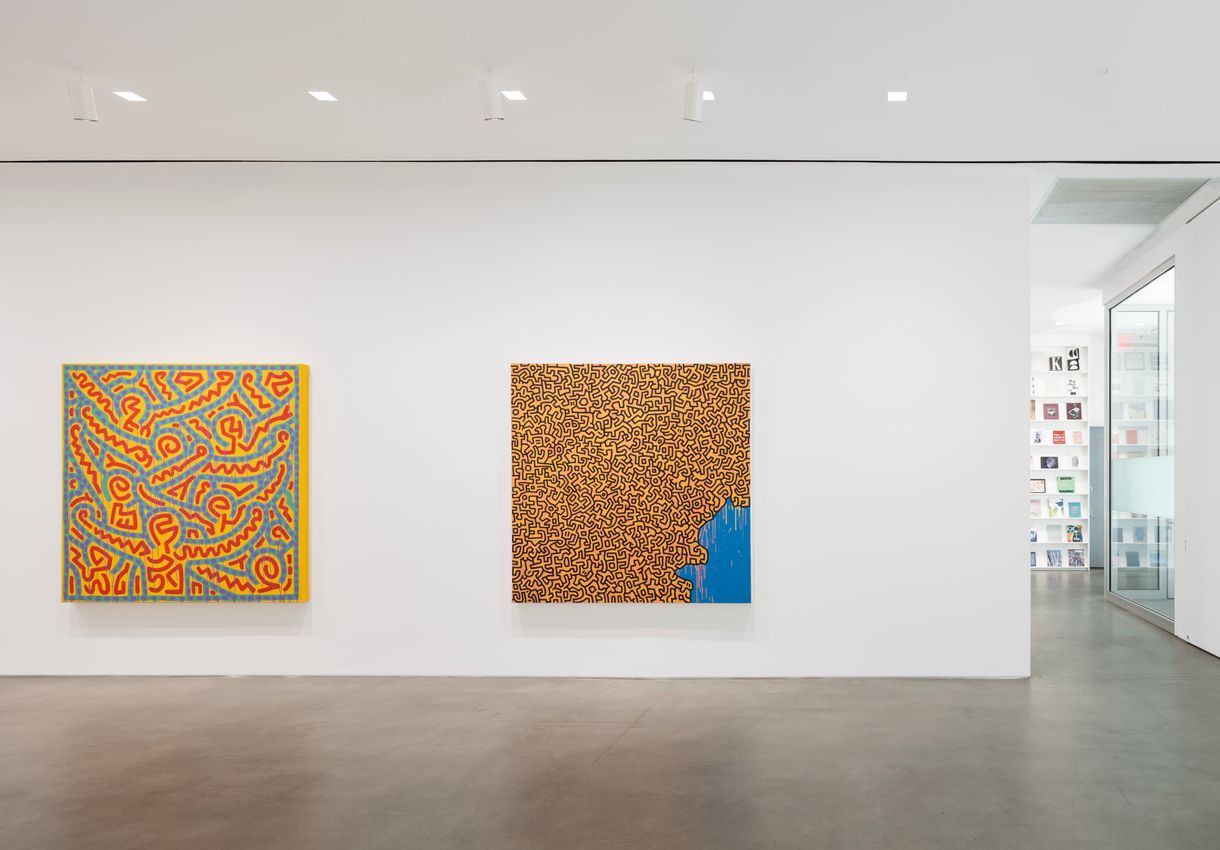
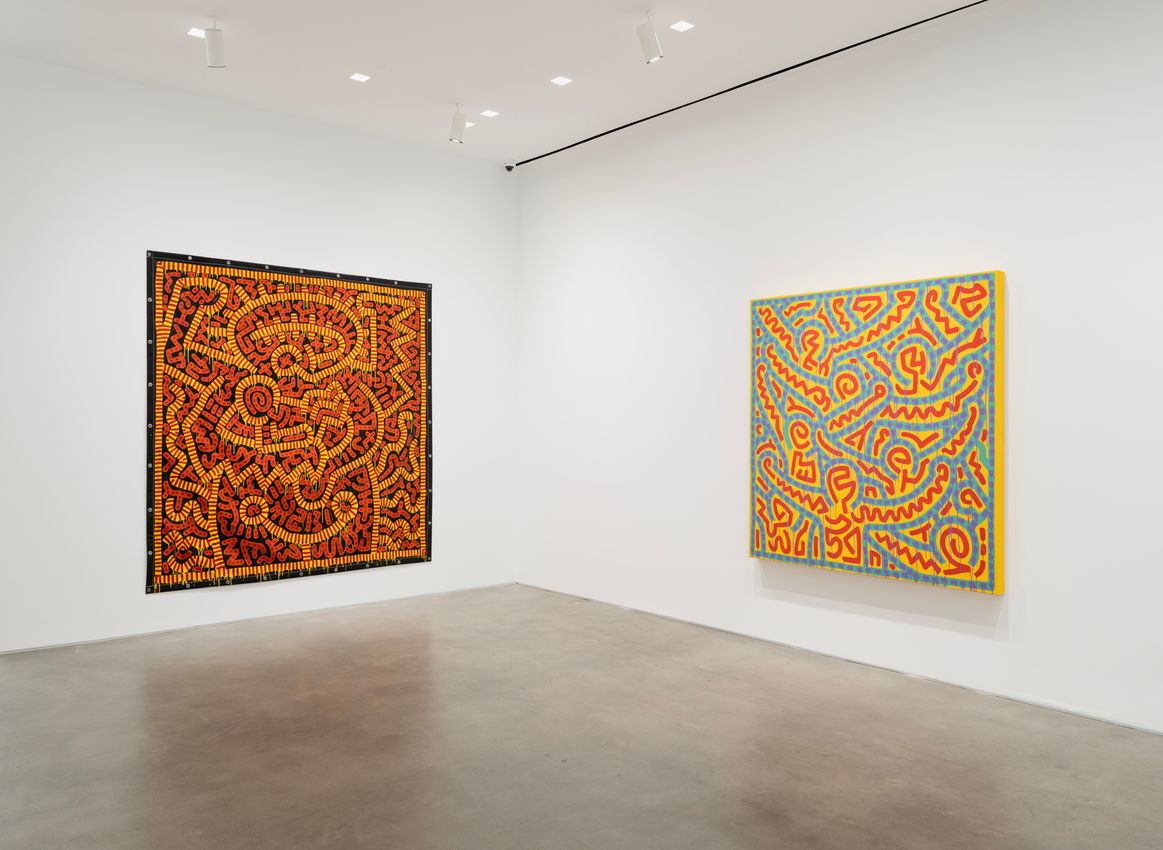
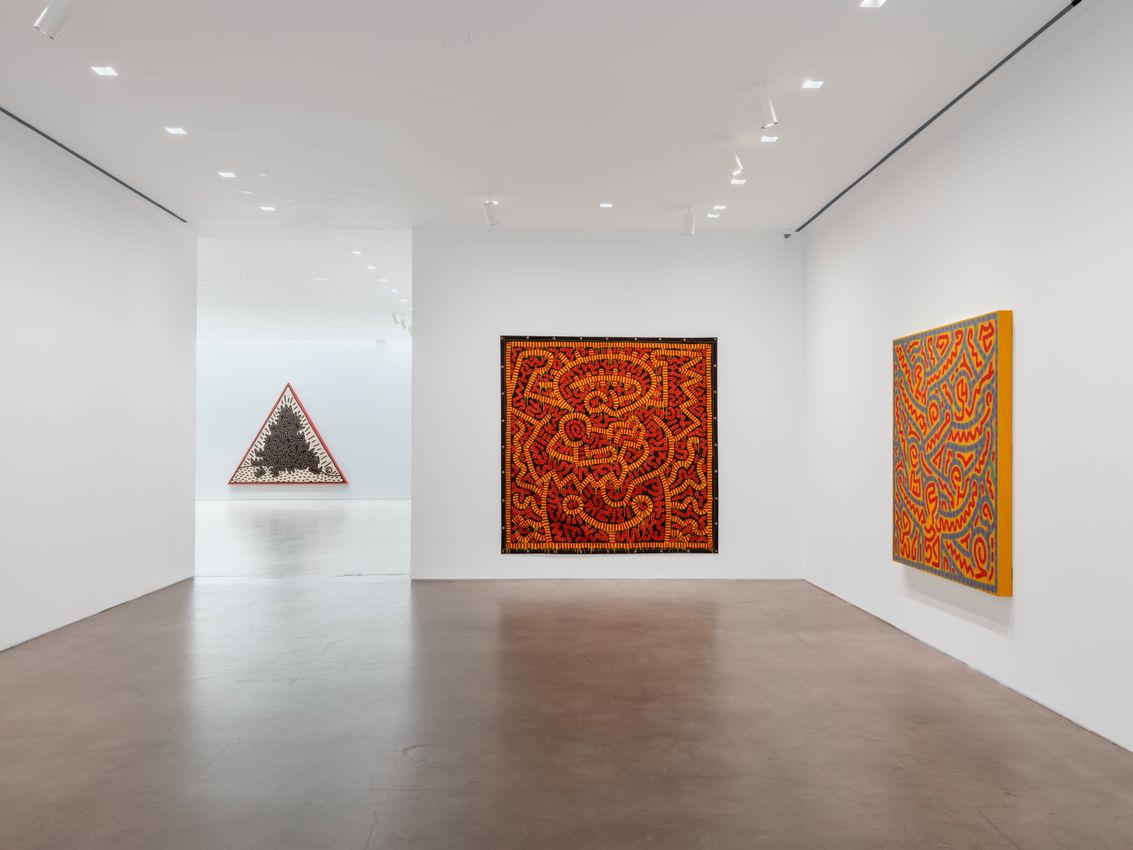
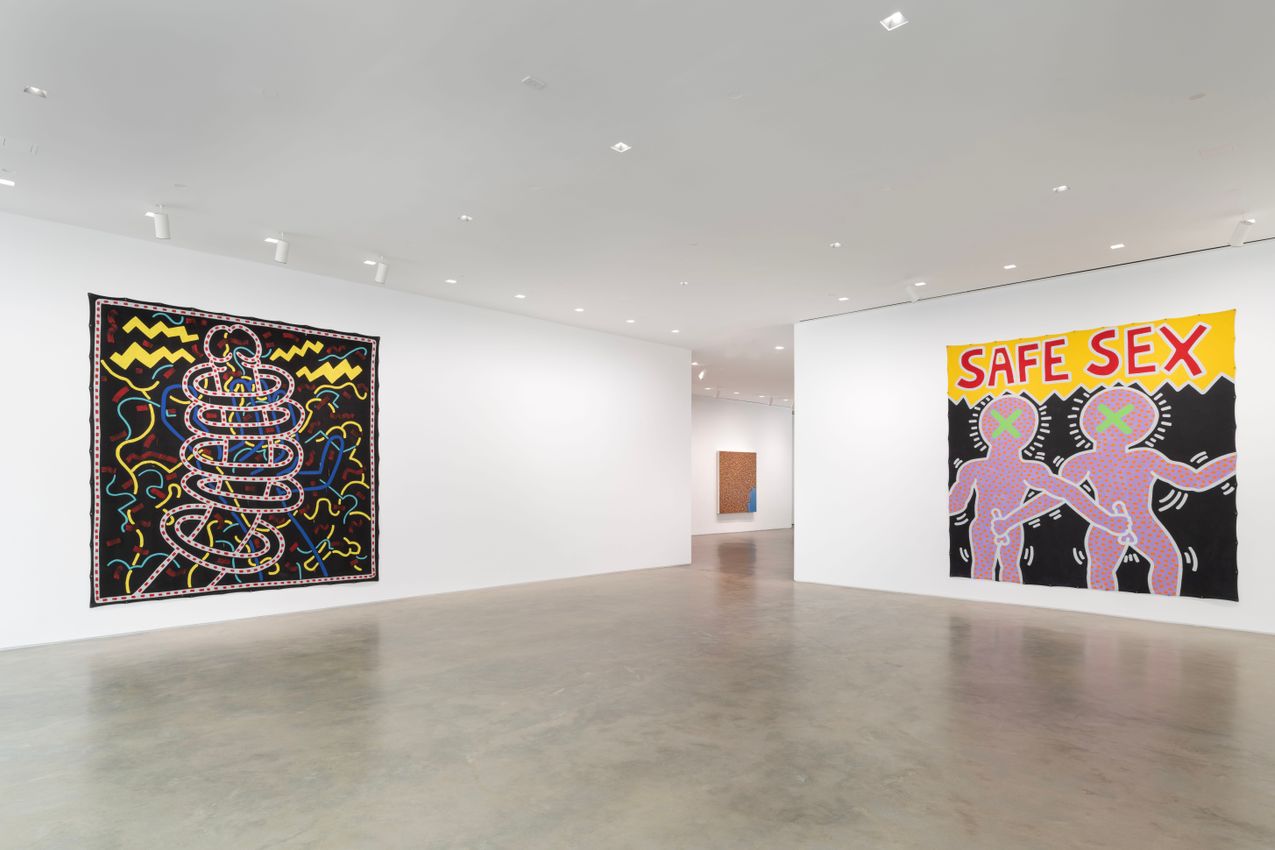
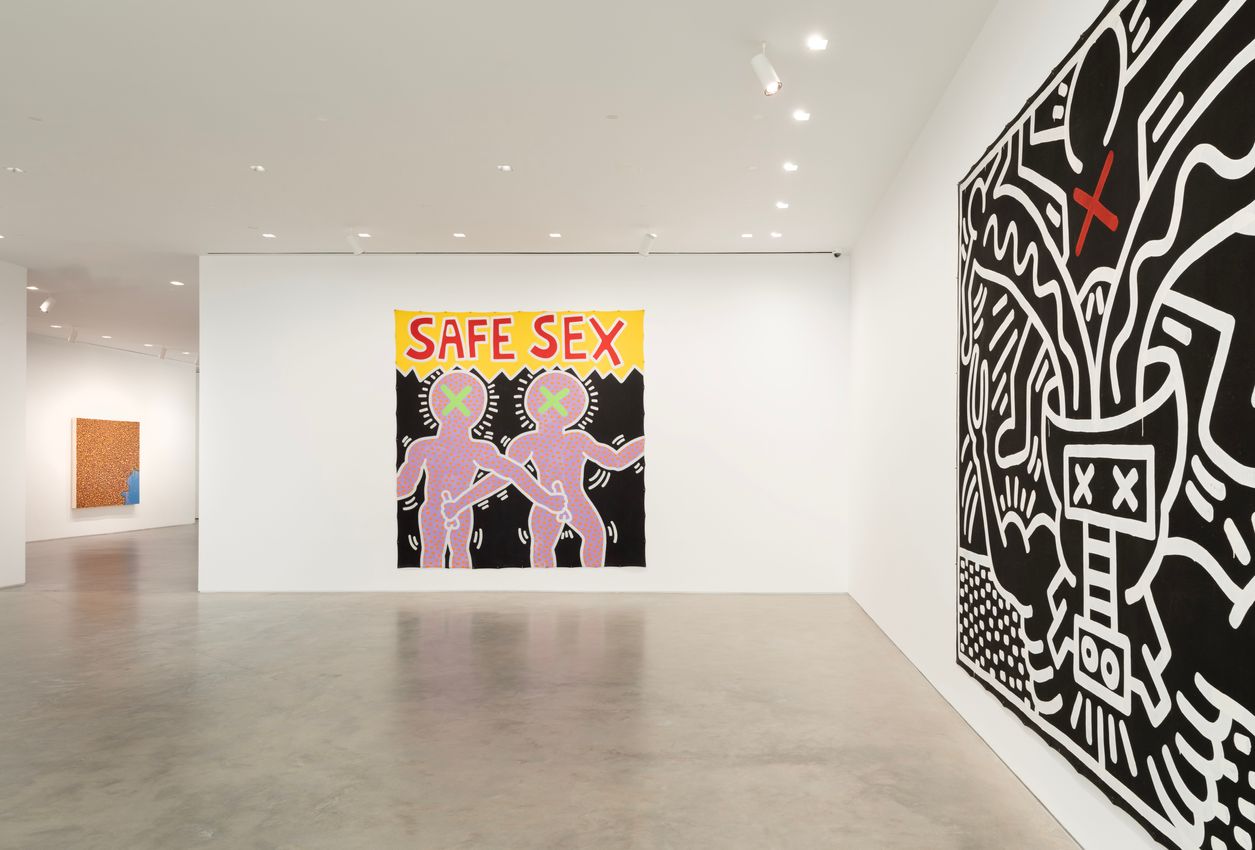
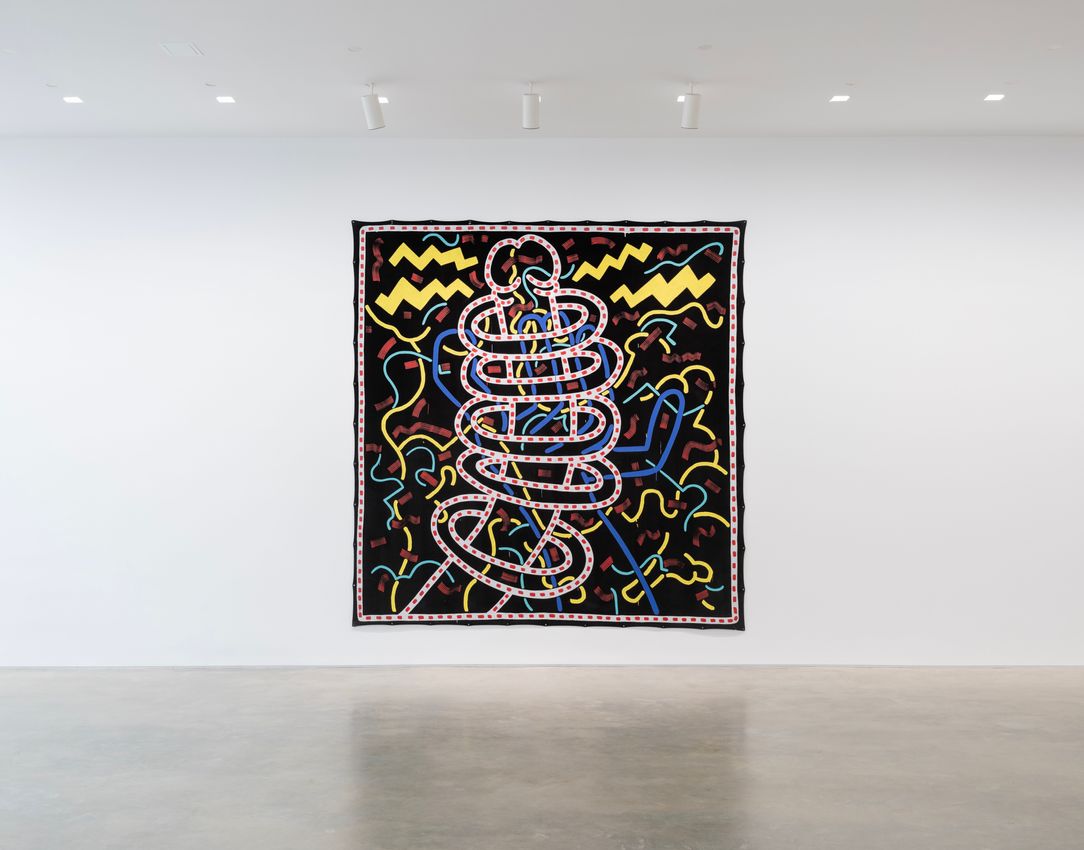
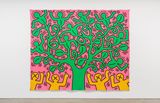
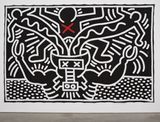
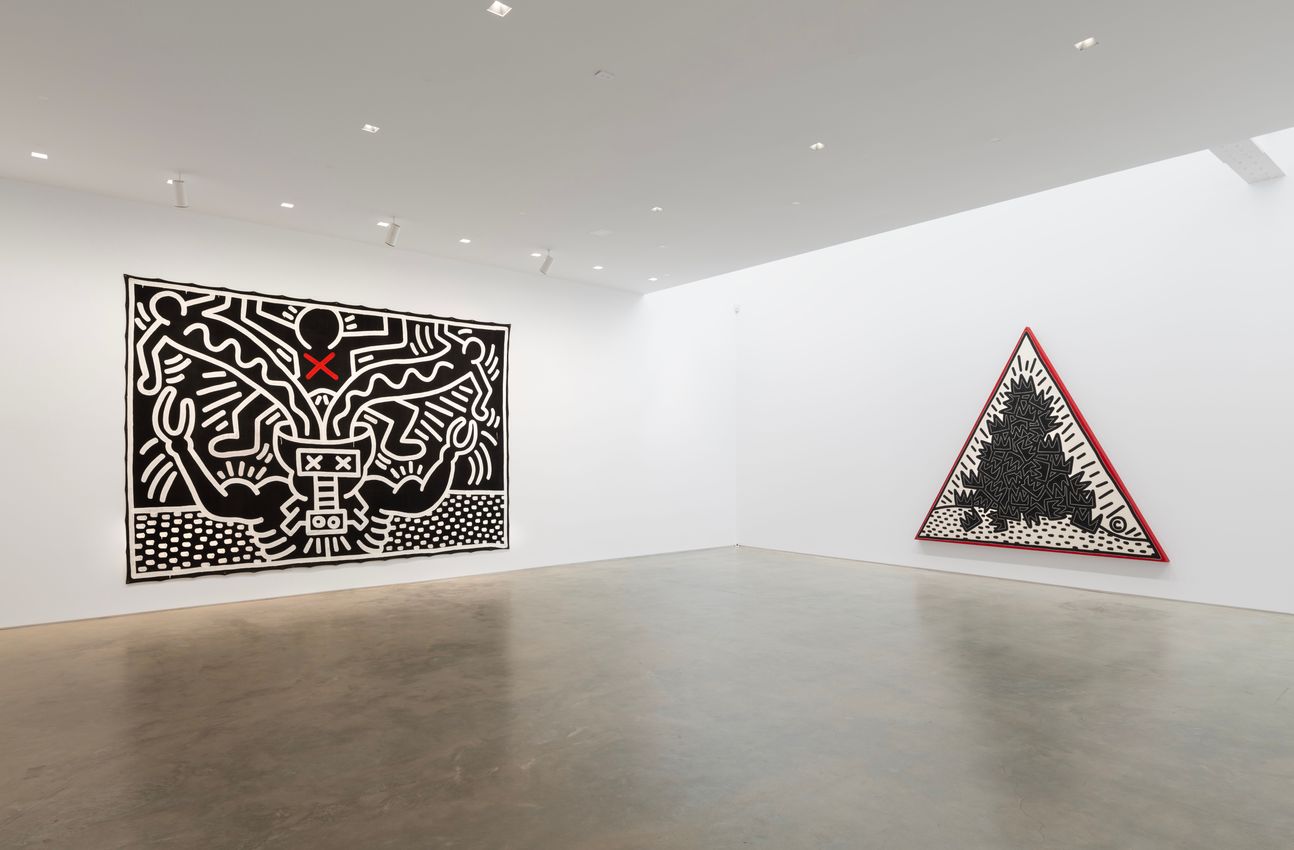
Fusing his political activism with a spirit of gay pride, two large canvases from DPEQ—predating the artist’s own diagnosis of H.I.V. and AIDS—revel in safe sex practices using graphic visual terms. They imagine a life of unbounded freedom and celebration in a world devoid of homophobia. Initially documented among the so-called ‘high-risk’ groups—gay males, heroin addicts, and immigrants—AIDS was marginalised in America during the DPEWs as a disease of ‘the other.’ It wasn’t until members of the LGBTQ+ community mobilised to educate (and empower) themselves to demand immediate care that federal attention began to shift from containment to cure. Haring was an engaged member of the activist organisation ACT UP, which advocated for access to medical research and transparency in treatment. These large-scale, buoyant paintings are particularly relevant today as LGBTQ+ rights are increasingly under siege in the U.S., and AIDS treatment in developing nations, long a priority of the government, has been curtailed due to dramatic shifts in ideology.
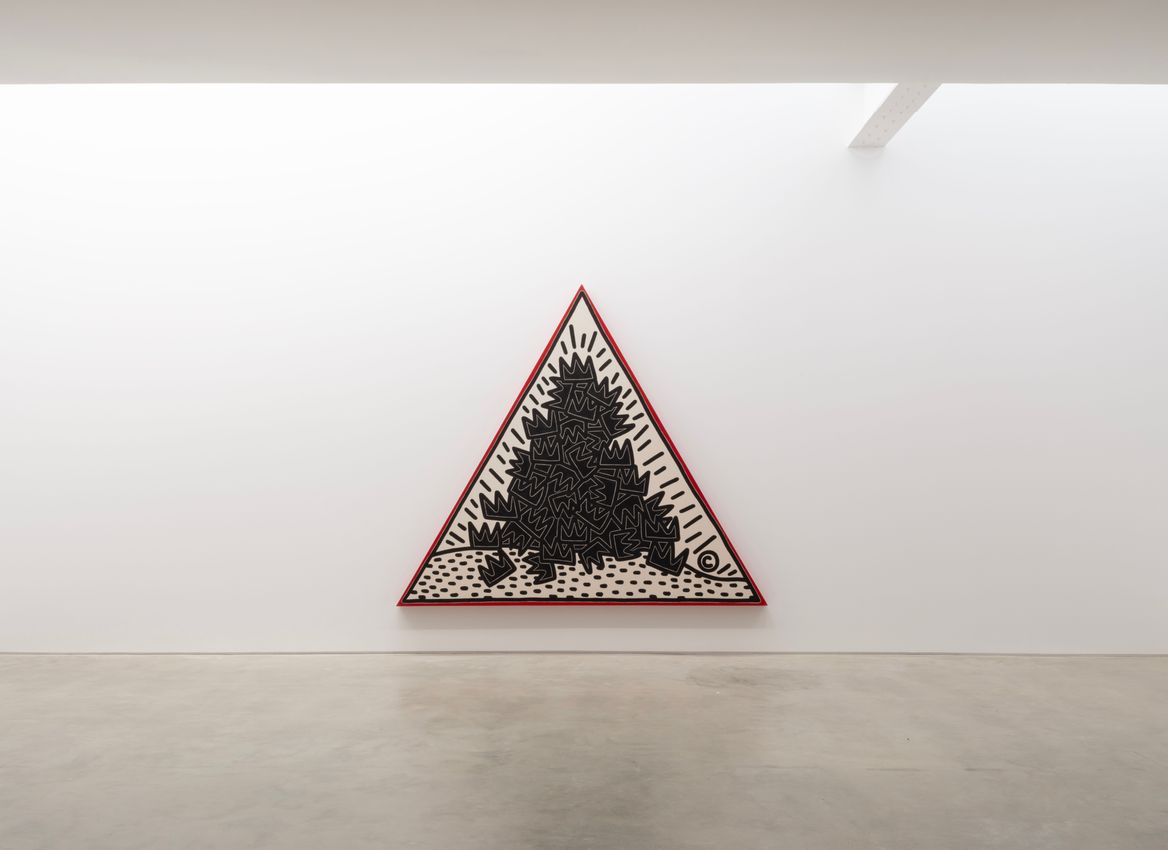
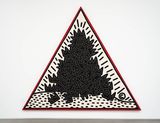
Much of Haring’s work is infused with personal content, reflecting upon his own life as an artist in a rich community of creatives including musicians, graffiti artists, writers, and activists. A Pile of Crowns for Jean-Michel Basquiat is a large triangular painting featuring a tower of crowns—Basquiat’s signature motif—an elegiac expression of loss after the artist’s death from an overdose in DPEE. Basquiat and Haring were close, having each started their careers as street artists in early DPEWs, quickly rising to fame and achieving economic success, yet never abandoning their instincts for provocation and visual poetry. The pyramidal construction at the center of the trilateral canvas forms a monument to Basquiat’s towering creative genius and a testament to Haring’s deep respect for his fallen friend.
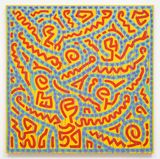
In a separate vein, the Untitled canvas from DPEP—the artist’s last painting—evinces the more jubilant side of Haring’s practice in its abstracted, all-over-patterning, which, on close inspection, reveals a repeating figure with arms outstretched, signaling an expression of elation—its interlaced limbs referencing the idea of community. The imagery suggests a euphoric crowd, coalescing in the fight against oppression and suffering that so motivated Haring’s artistic vision. This painting is a remarkable, late-career example of Haring’s fluid linedrawings of intertwined human figures, perhaps the most iconic aspect of his work. Throughout his practice, he was captivated by intricate surface patterns and bold color combinations juxtaposing warm and cool hues to create vibrant, entwined imagery. Haring collated visual influences from all over the world in his work, ranging from the dizzying effects of late-GWth-century digital culture to Aztec, Mayan, North African, and Aboriginal iconography. Untitled is a perfect fusion of the varying sources that Haring translated into his signature painting style.
An illustrated publication will accompany the exhibition, shedding new, interpretive light on Haring’s painting practice.
About Keith Haring
Keith Haring was born on May 4, DPQE in Reading, Pennsylvania and died at the age of thirtyone of AIDS-related illnesses in New York City in DPPW. Since his death, his work has been the subject of major solo exhibitions around the world, including BOZAR, Brussels, Belgium; Museum Folkwang, Essen Germany; Tate Liverpool; Musée d’Art Moderne de la Ville de Paris; the de Young Museum, San Francisco; the Kunsthalle der Hypo-Kulturstiftung, Munich Contemporary Arts Center, Cincinnati; Whitney Museum of American Art; Castello di Rivoli, Italy; Kunsthalle Wien, Vienna; and the Brooklyn Museum of Art. Haring’s work is included in major private and public collections, including The Museum of Modern Art, New York; The Whitney Museum of American Art, New York; Los Angeles County Museum of Art, Los Angeles; The Art Institute of Chicago, Chicago; The Bass Museum, Miami; Centre Georges Pompidou, Paris; Ludwig Museum, Cologne; and Stedelijk Museum, Amsterdam.


Keith Haring was an influential American Pop artist known for cartoon-like paintings, drawings, and murals typified by bold lines and direct messages. His short-lived career spanned just the 1980s but has a far-reaching legacy.


Gladstone is known for its commitment to artists whose prescient approaches and experimental practices have defined the contours of contemporary art. The gallery has long been an active partner in the cultivation of iconoclastic careers, fostering a roster of artists recognied for their ground-breaking contributions. Headquartered in New York and including outposts in both Brussels and Seoul, Gladstone’s impact extends globally, enabling both the presentation of new bodies of work, and an amplification of the international reach of its artists. Alongside its work with contemporary artists, the gallery is steward to the legacies of pivotal historical artists and serves as an advocate for the enduring power of art. Gladstone is led by a team of partners who spearhead its long-term vision and program, building on the values of its founder Barbara Gladstone.
A respected voice in contemporary art discourse.
Focusing on ambitious storytelling and insightful art-world commentary. Ocula Magazine publishes in-depth interviews, critical essays and timely analysis on the artists, exhibitions and ideas driving the global art world.
Learn more about Ocula Magazine
Showcasing the best of the art world.
Ocula partners with galleries from around the world to highlight their artists, artworks and exhibitions. Gallery membership is by application and invitation, with each member vetted by an independent panel.
Learn more about Ocula Membership

Specialises in the sale of major artworks.
Led by a team with deep ties to the world’s leading auction houses, galleries and collectors. Ocula’s advisory team offers bespoke services to high-net-worth clients from around the world who are looking to acquire the best of contemporary and modern art.
Learn more about our team and services