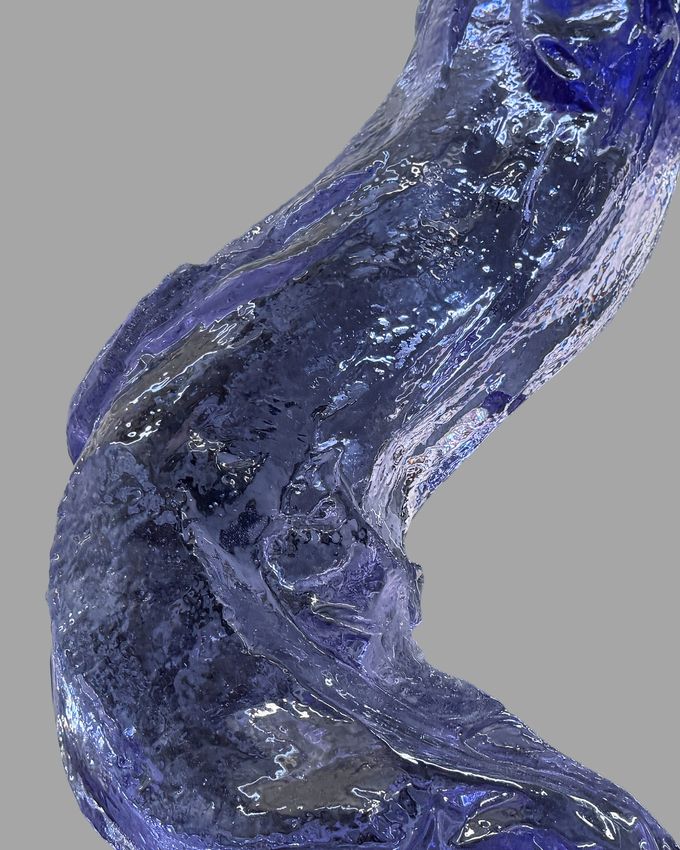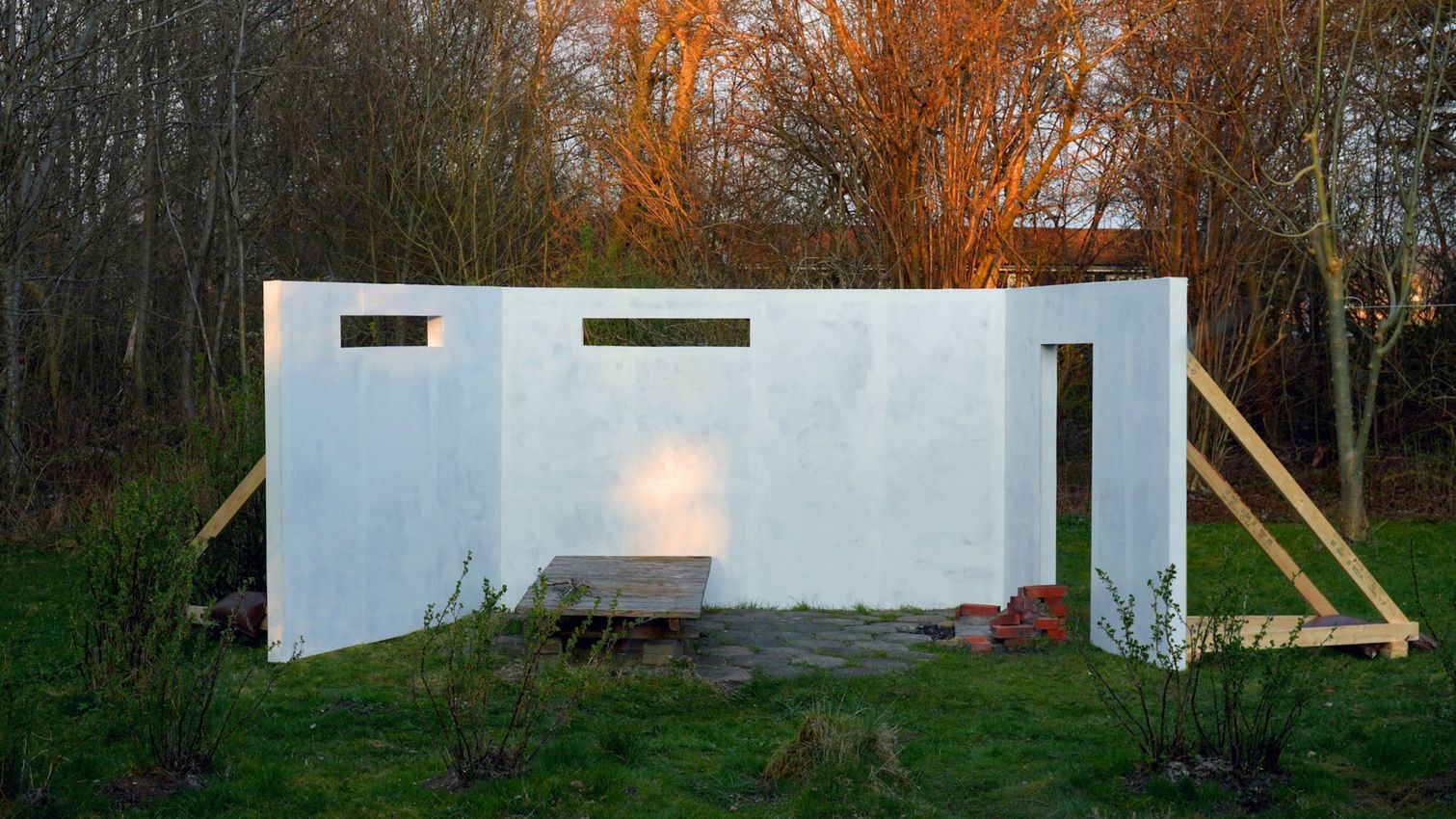
Gladstone is pleased to present 1 day in space, an exhibition by acclaimed British artist Ed Atkins in the gallery’s new Seoul location. Known for a multi-disciplinary practice in which the technological surrogate is posited as a mitigating tool with which we might address issues of time, loss, and the tension between the permanent and the ephemeral, Atkins here pivots to analog strategies that both reiterate and reframe the questions that have long circulated throughout his oeuvre. Presenting a major new moving image piece alongside a series of expanded photographic works, sculptures, and frottages, 1 day in space offers not only a visual allegory of the family, but a series of questions that ponder what it means to excavate and reconstitute the real. Examining how images of domestic life tacitly endeavor to capture the melancholic banality stirred by the passage of time, the artist turns his eye away from the alienation central to the virtual and instead grapples with the sentimental logic of the camera.
Central to the exhibition is Passive Mech, a timelapse film that documents the gradual deterioration of a cardboard sculpture suggestive of a rudimentary stage set. Installed outside the artist’s summerhouse in Zealand, Denmark and shot through his young daughter’s bedroom window at a rate of one frame per minute over the course of a month, Passive Mech comprises 43,200 exposures and innumerable collaged audio clips that capture both the turn of winter to spring and the central structure’s eventual failure. Though the set remains largely unpopulated, its inevitable decay functions as an apt proxy for timelapse’s most common subject: growth and death in the natural world. Dramatizing Roland Barthes’ assertion that every photograph depicts something posthumous, Passive Mech grants the camera authority of vision, examining with both mechanical precision and painful intimacy how images simultaneously preserve and succumb to the moments they depict. Rear projected onto the far end of a black boxlike structure, the installation doubles the dramaturgical precepts of the film — an inversion of the cardboard stage set, to conjure cinema, theatre, cockpit, bedroom: spaces of voyeurism, passivity and fantasy.
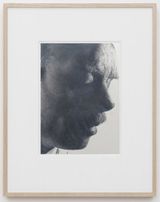
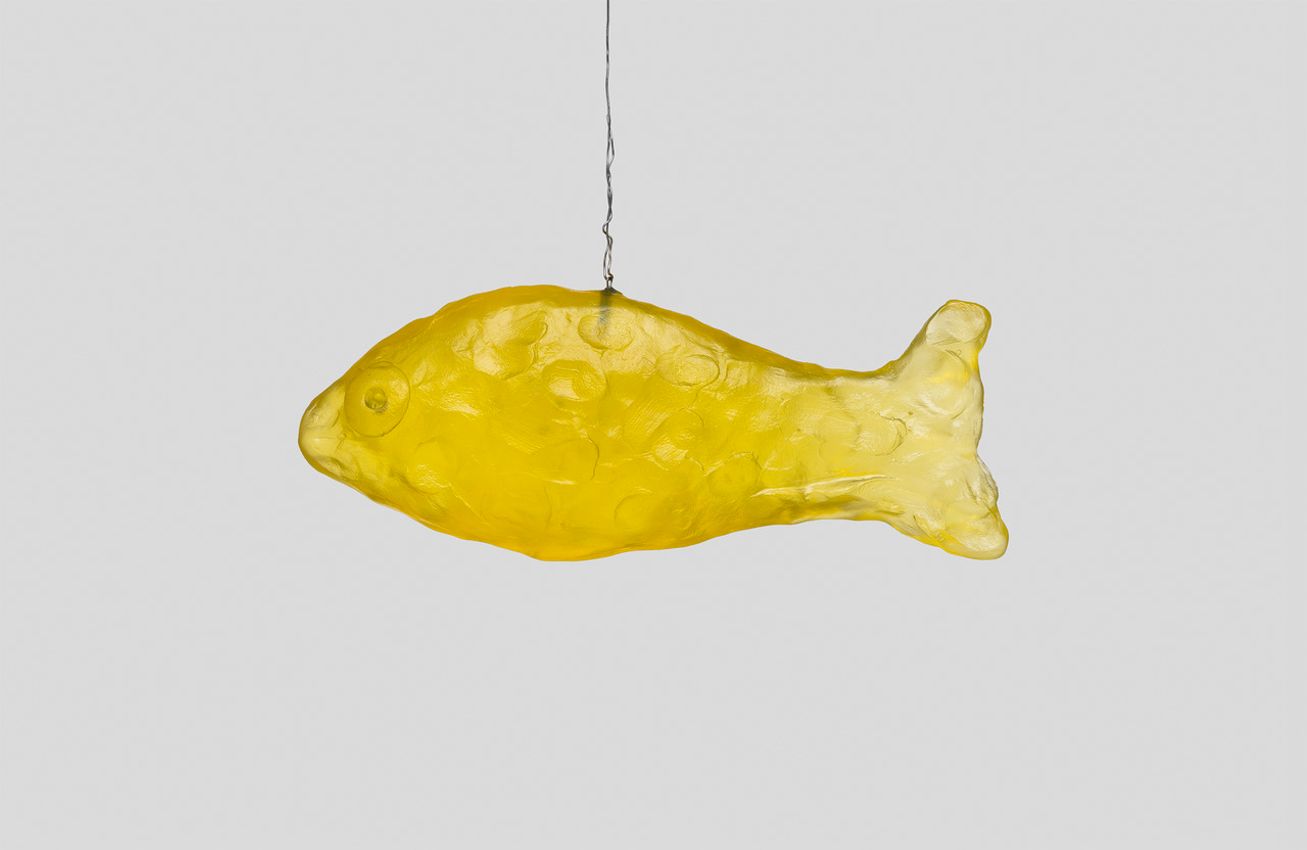
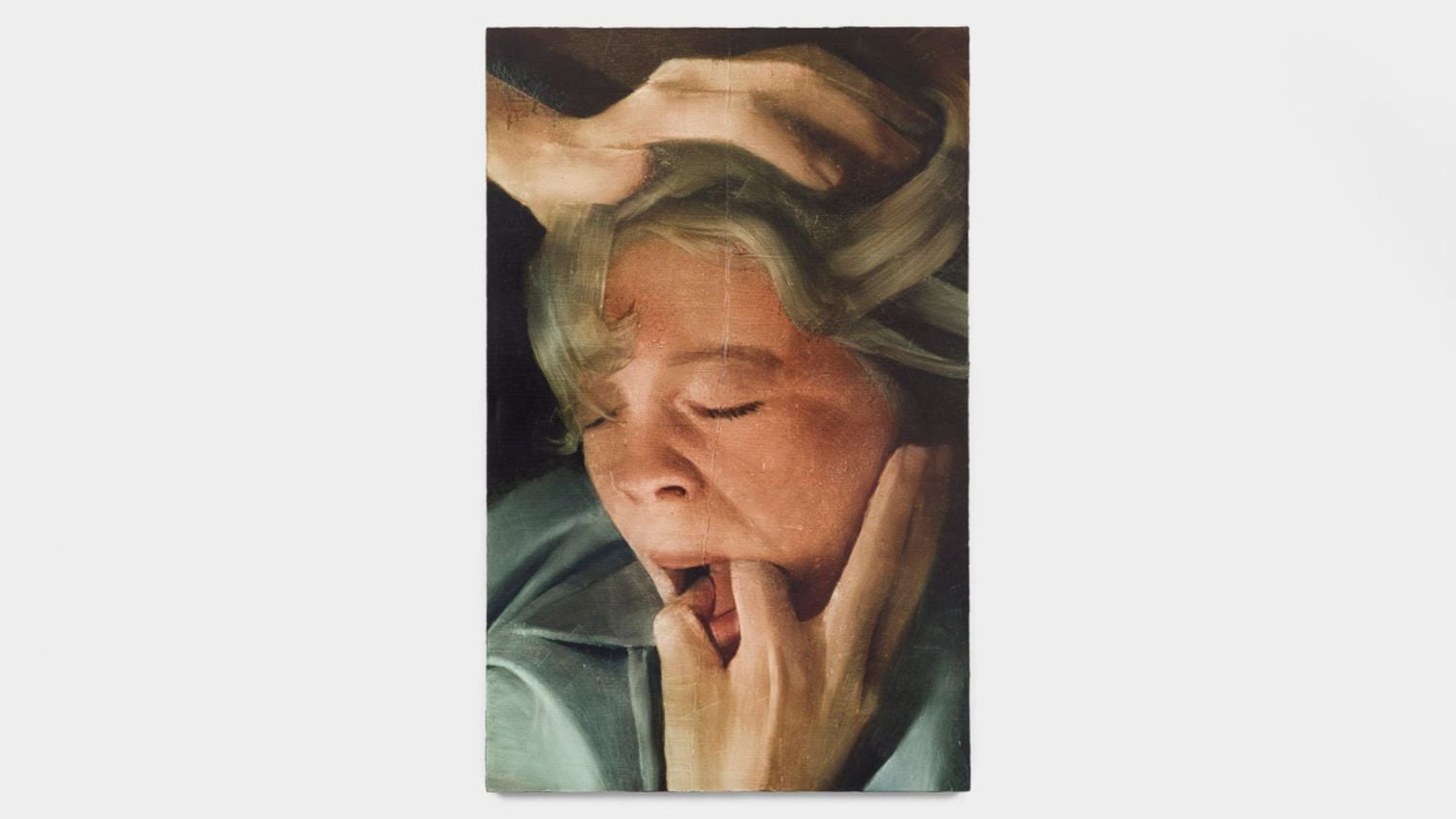
Literalizing the conceptual concerns central to Passive Mech is a series of unique photographs gleaned from the film’s vast constituency of stills. Printed and mounted in a range of scales and styles to quietly reference photography’s various modalities, these images straddle the strangely imperceptible distance between vernacular photography and its art-world cousin, slipping across the barricades meant to quarantine the quotidian from the canonical. Atkins also presents a series of reliefs, in which domestic debris like cardboard breakfast cereal boxes and animal flashcards are stripped from the realm of industrial ubiquity and turned into assemblages that capture quietly shared moments between the artist and his children. Mirroring Passive Mech’s interest in the confines and functions of timelapse photography, these objects are presented as records that mark the period of their collaborative making. Framing a series of images whose import is otherwise unavailable, these objects remind us once again of the complications implicit to photography and its cascade of ambivalent promises. The reliefs are shown alongside a group of frottages that trade photography’s light for the unmediated contact of touch. The resulting 1:1 scaled images of family bed linens rendered in graphite offer themselves as a perfect photonegative record of both the objects they duplicate and the sleeping bodies their subjects obscurely index.
Ed Atkins is a British contemporary artist renowned for his groundbreaking work in video art, poetry, and writing. In 2025, the Tate Britain opened a major retrospective dedicated to his work. Influential curator Han-Ulrich Obrist has referred to Aitkins as ‘one of the greatest artists of our time’.


A respected voice in contemporary art discourse.
Focusing on ambitious storytelling and insightful art-world commentary. Ocula Magazine publishes in-depth interviews, critical essays and timely analysis on the artists, exhibitions and ideas driving the global art world.
Learn more about Ocula Magazine
Showcasing the best of the art world.
Ocula partners with galleries from around the world to highlight their artists, artworks and exhibitions. Gallery membership is by application and invitation, with each member vetted by an independent panel.
Learn more about Ocula Membership

Specialises in the sale of major artworks.
Led by a team with deep ties to the world’s leading auction houses, galleries and collectors. Ocula’s advisory team offers bespoke services to high-net-worth clients from around the world who are looking to acquire the best of contemporary and modern art.
Learn more about our team and services