





‘I Like That Memory Is Slightly Dishonest’: Rafik Greiss’ In-Between States
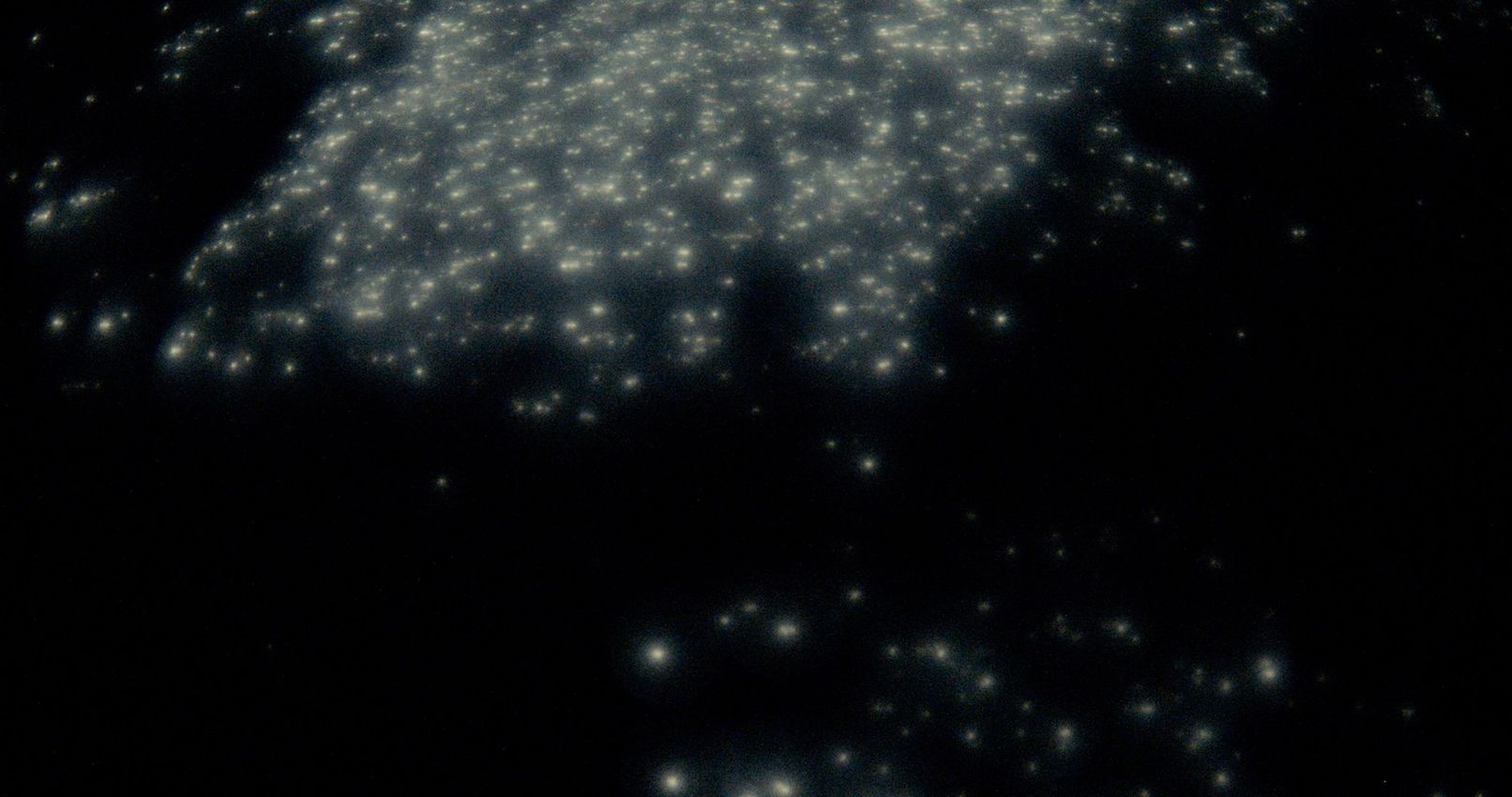
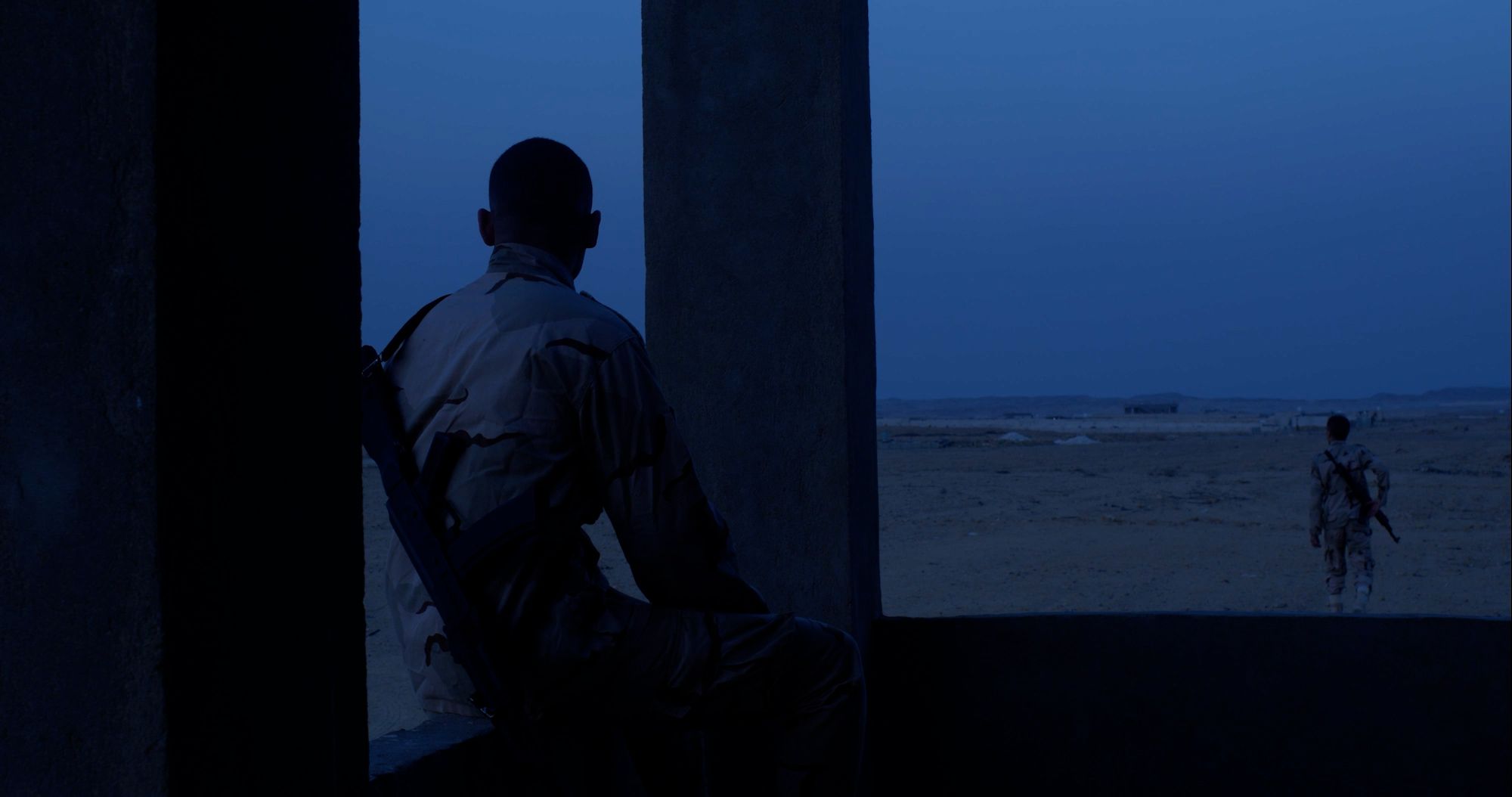
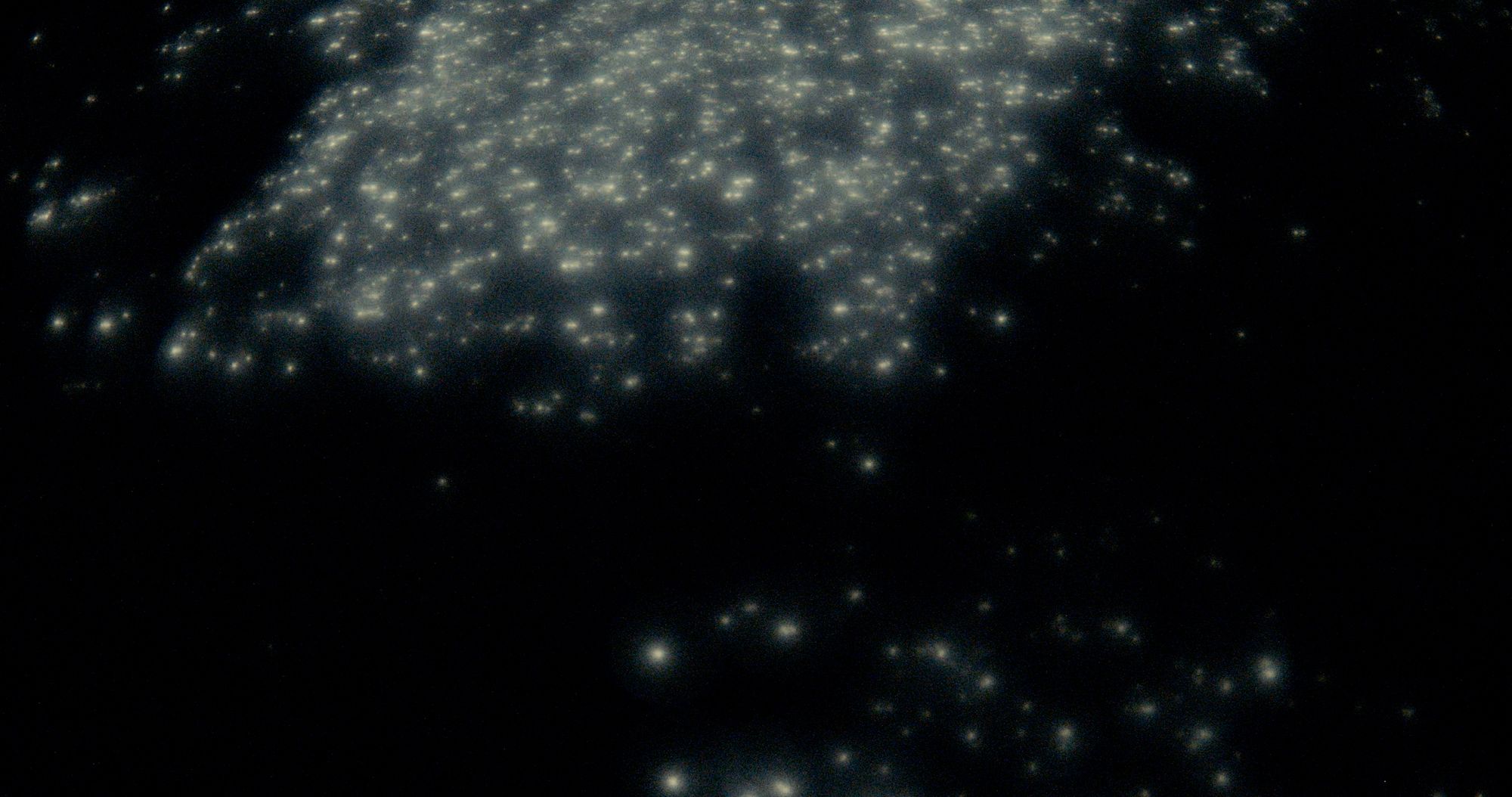
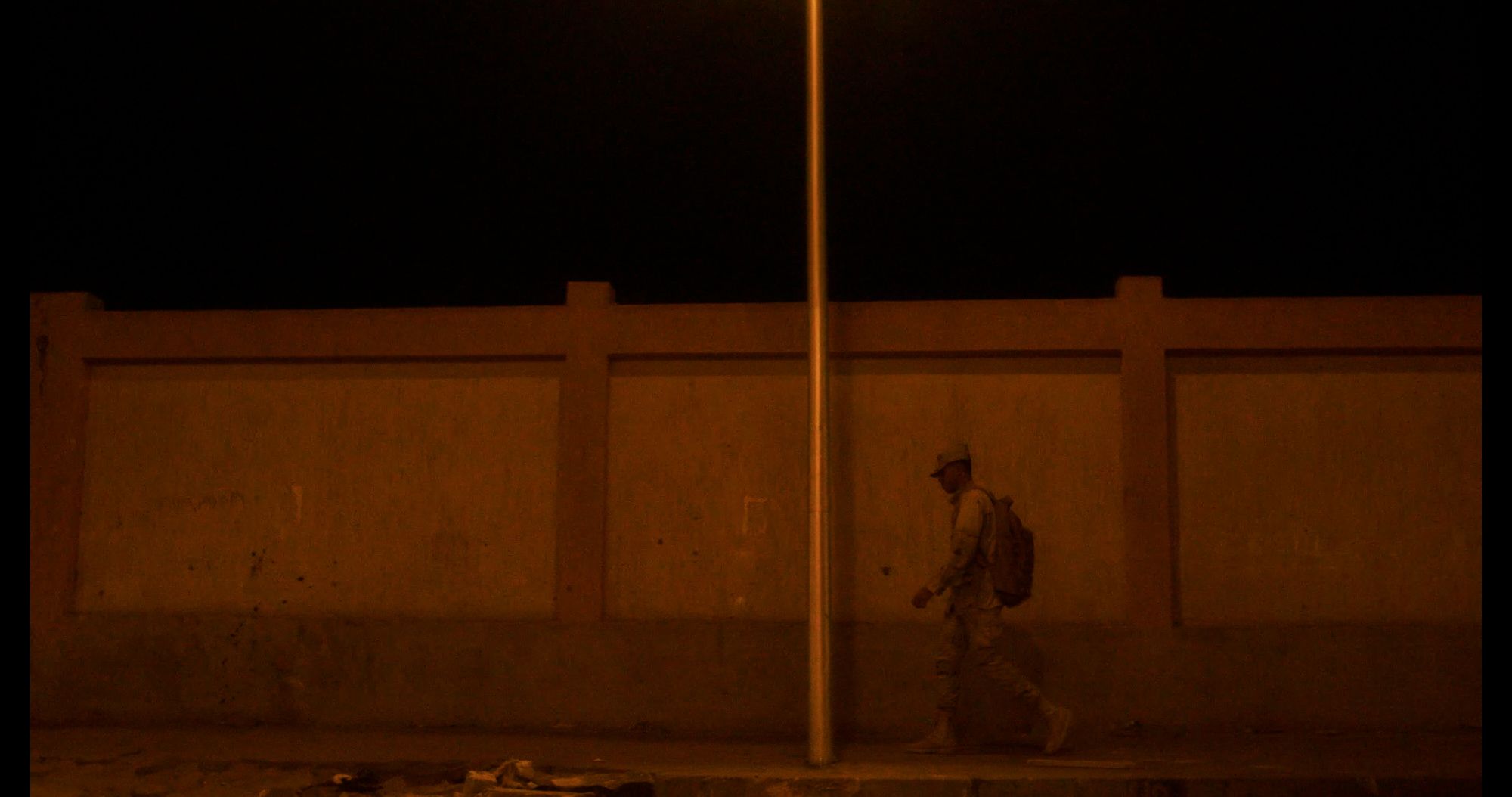
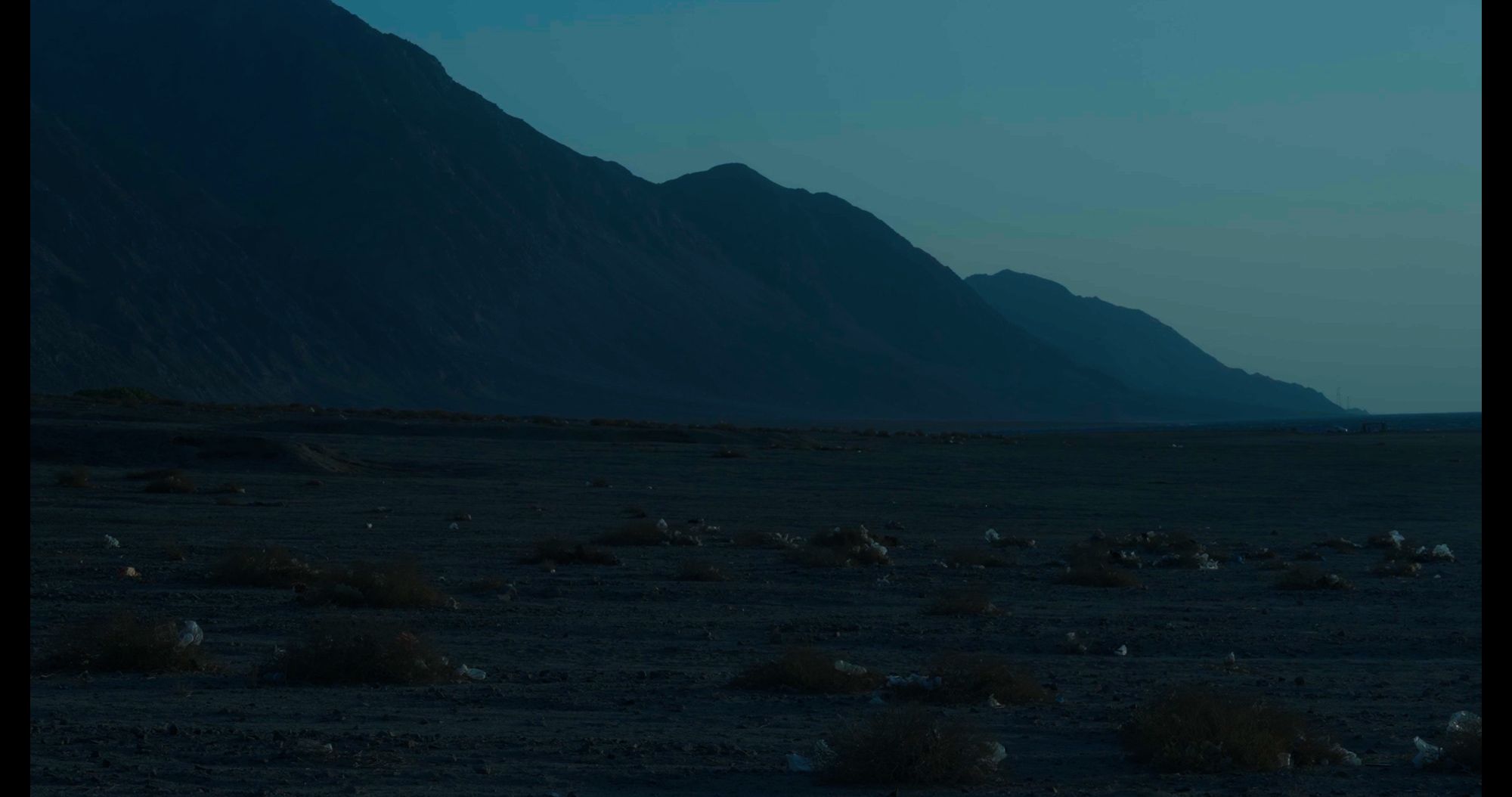
The Egyptian artist on childhood memory, the importance of delay and the China Miéville novel behind his newest film. Save to My OculaBackpacks and rifles slung over their shoulders, elusive figures wander the desert, occasionally gazing into the distance in anticipation, their movements imbued with a purpose unknown to the viewer. Their surroundings are vast and somehow always out of focus: something like a dark ocean scattered with glints from the sun, slowly swallowing the blurred outline of the person walking alongside it.
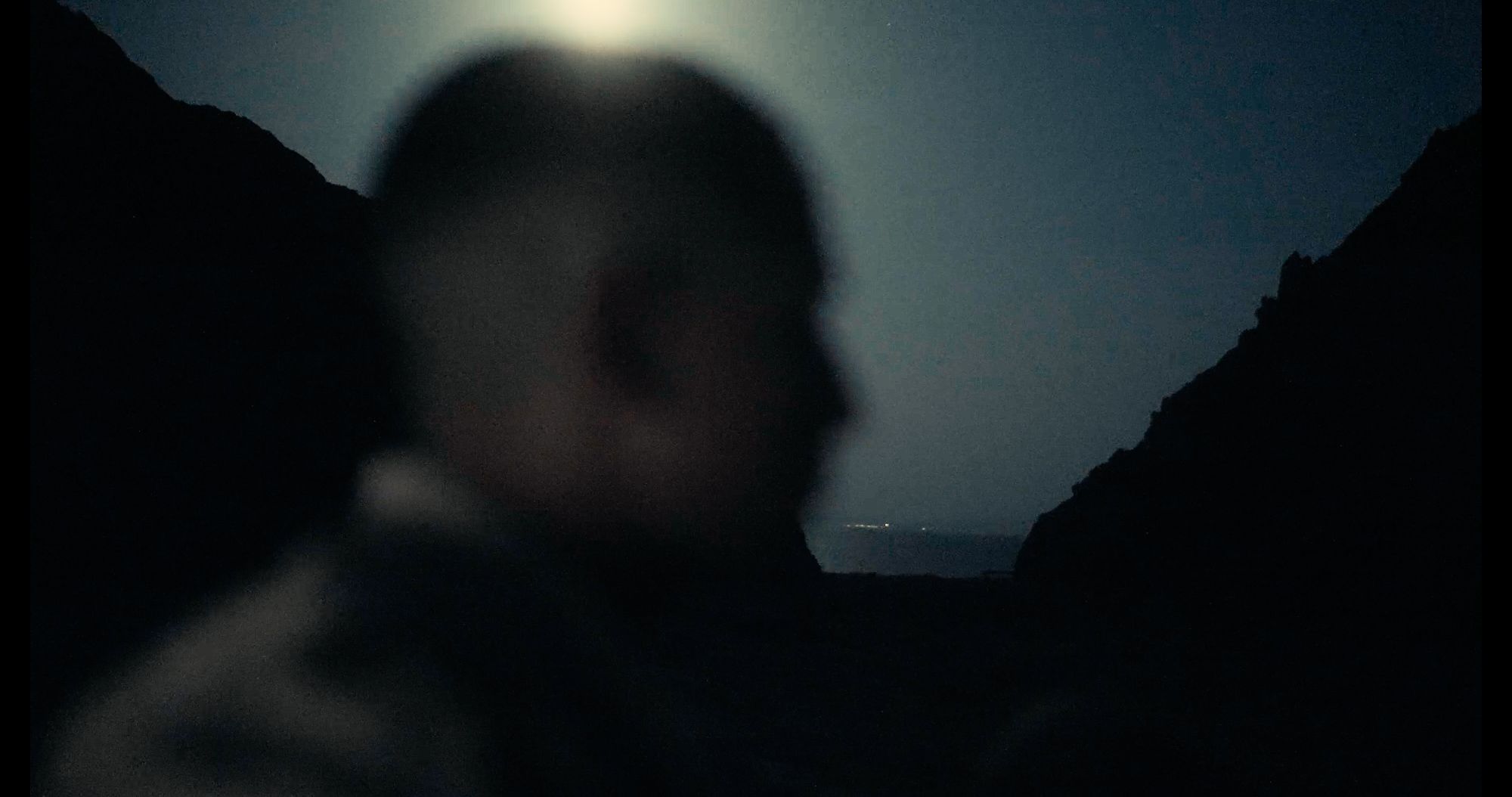
Watching Rafik Greiss’s newly commissioned film, The City and the City (2026), feels a bit like lucid dreaming. You have the sense of an incessant search for a revelation that will explain what everything means. Yet, as with most dreams, Greiss’ cinematic essay is charged with expectation but ultimately steers clear of resolution. What comes to carry significance instead is the laborious feeling of waiting: traversing and surveilling the landscape.
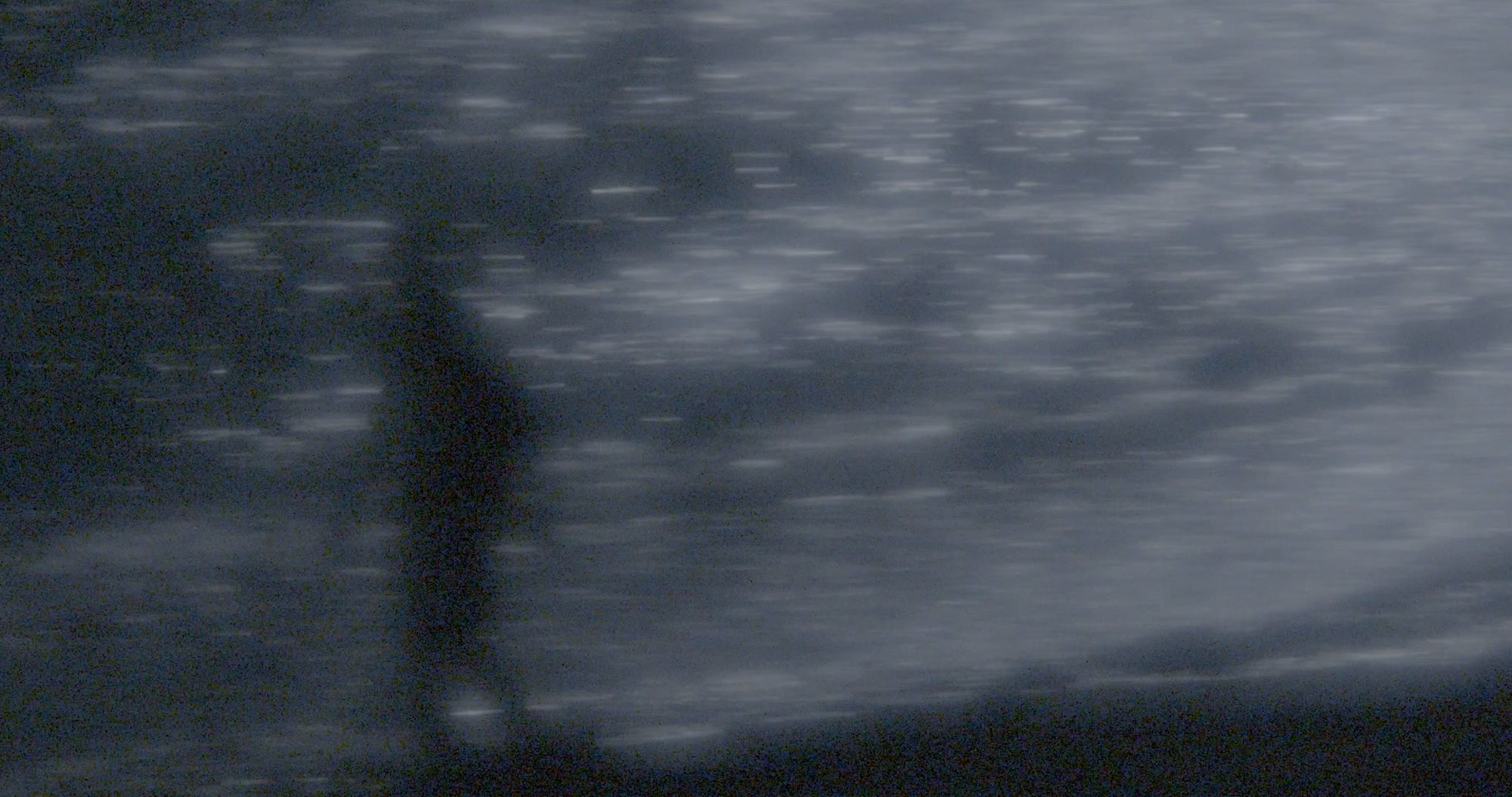
Much of Greiss’ work takes place in this in-between state. Having grown up in Egypt, studied in the UK and the US, and then settled between Paris and Cairo, Greiss, perhaps unsurprisingly, keeps returning to states of transition. At the 16th Gwangju Biennale, on view until 15 November, his three-channel video installation The Longest Sleep (2024) documents a mawlid, a Sufi ritual commemorating the life and death of a saint. Showing masses of people in a hallucinatory, spiritual state, swirling, praying and chanting, the film captures the hypnotic, liminal atmosphere of the celebration. A 2021 show at Balice Hertling in Paris, titled Closer, was prompted by an experience on a train: as the artist explained, he “sat on somebody’s train seat that was still warm, and it inspired the entire show”.
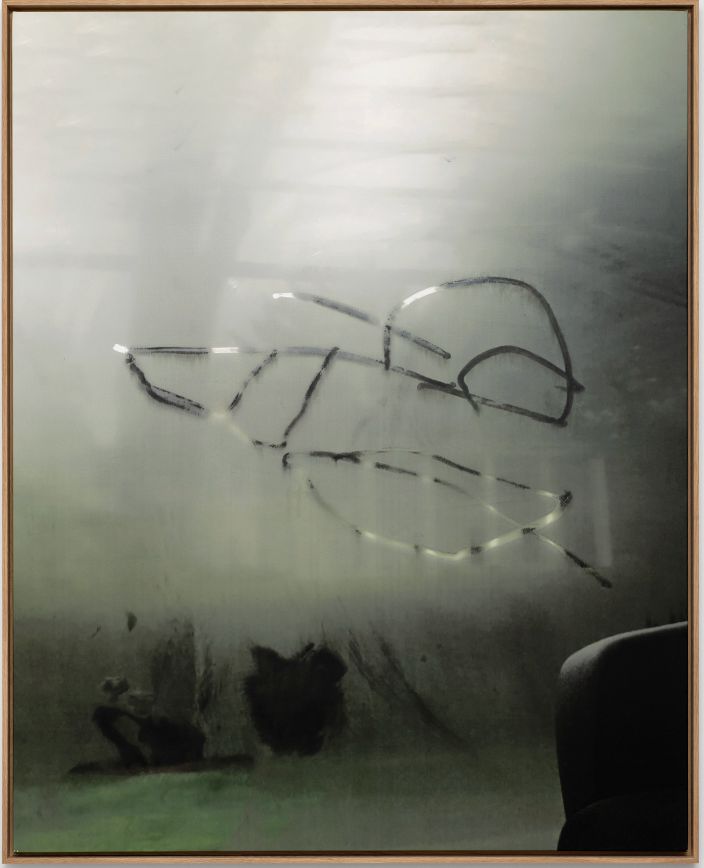
For Greiss’ institutional solo exhibition at KW Institute for Contemporary Art in Berlin, the new film sits alongside a series of black-and-white photographs whose subjects are also highly enigmatic. He photographed storage boxes, glass vitrines and leg braces which, like the train seat, seem to carry a residual warmth, their contents and purpose left to be deciphered from the traces left behind.
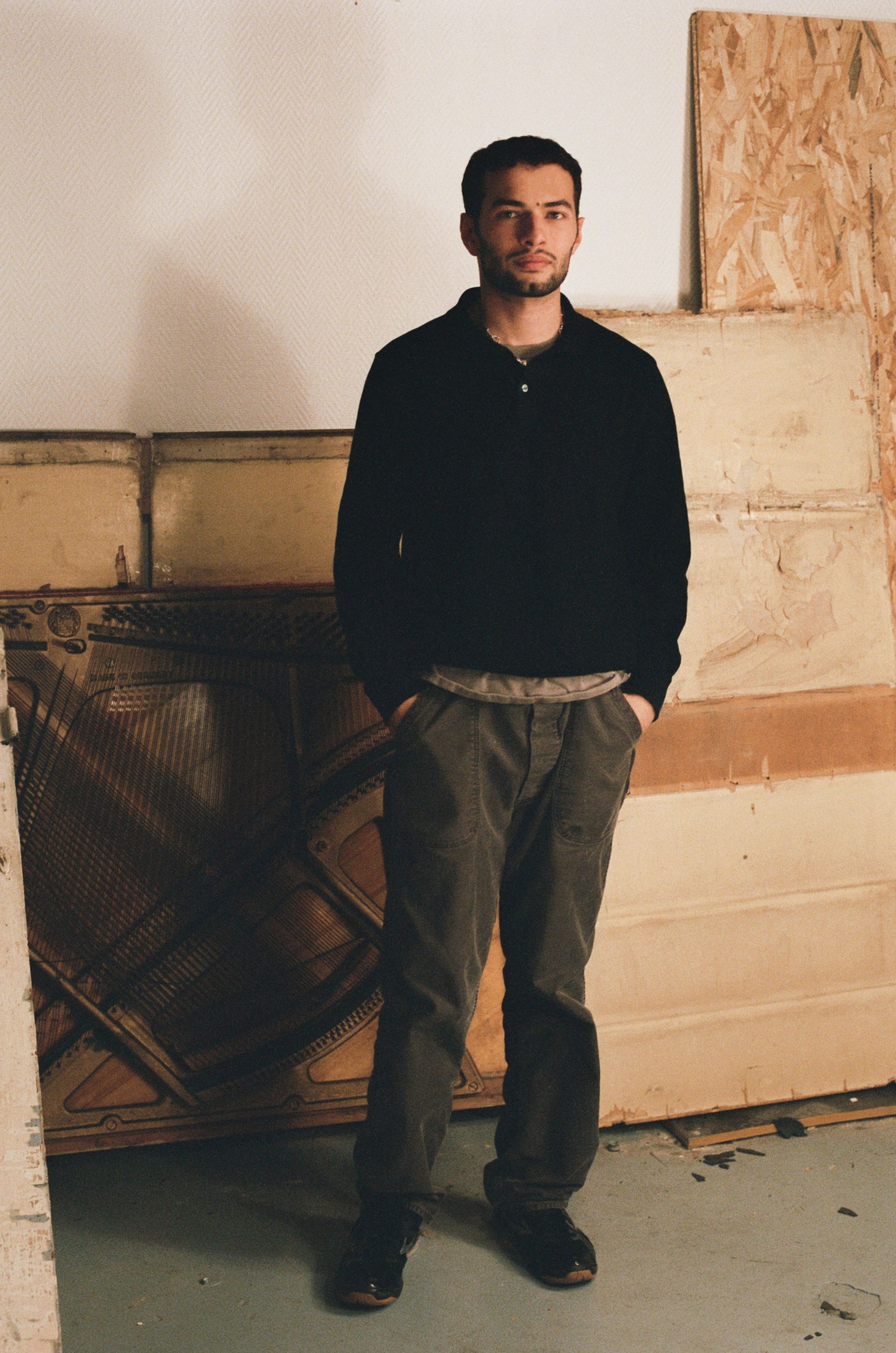
Maja Renfer: Tell me about the title, The City and the City.
Rafik Greiss: It comes from China Miéville’s novel The City and The City, where two cities occupy the same physical space, but the inhabitants of each are conditioned to see one and “unsee” the other. I really liked that idea of two realities existing in the same place depending on what is seen or ignored. It relates to the film quite loosely. There’s the landscape that is physically there, but there’s also another version of it created by what the soldiers are looking for or waiting for. The longer they look, the more that apparently empty landscape starts to feel like it contains something.
MR: What draws you to these in-between states?
RG: I think I’m drawn to moments where I’m not really sure if something is beginning or ending. There’s something about suspension that changes my experience of time. Waiting is strange because technically nothing is happening, but I can become completely consumed by it. Time stretches, and sometimes the anticipation of something becomes more intense than the thing itself. It leaves things unresolved, which I’m very drawn to. A state that I can’t quite define seems to hold several possibilities at once.
“I’m interested in repetition and recurrence, and in things coming back in slightly different forms”
MR: The notion of memory runs through your practice. What’s your earliest memory from childhood?
RG: I have a few very early memories, but I don’t completely trust them. Some might be photographs I’ve looked at too many times, others are stories I’ve been told so often that I think I’ve eventually turned them into my own memories. I like that memory is slightly dishonest in that way. It keeps rewriting things without really telling me, and somehow I’m still completely convinced by it.
MR: Staying with memory: Your exhibition at KW pairs a film shot digitally with a series of analogue photographs. Do you see a tension between digital and analogue memory?
RG: I actually don’t think so much about it. What matters more to me is having some distance between making an image and seeing it again. Whenever I take photographs or collect materials, I tend to not look at them for a few weeks. By then, I’ve partly forgotten what I was looking for when I took them, so I can encounter the images/objects differently. I think that delay is important to me. It allows the work to separate itself from the intention I had when I made it. When I return to it, both the image and my relationship to it have changed. In that sense, I think it starts to resemble memory itself.
MR: You have lived in many different countries. How has this made you think about the relationship between time and space?
RG: I think I became aware of how differently people perceive time. In New York, time feels very linear. There’s always this question of what comes next, what I’m working towards, what I’m supposed to achieve. I’ve always been interested in how different that is from cyclical ideas of time. In pre-modern societies, where life changed much less between generations, people lived quite similarly to their grandparents and great-grandparents. So time was much more connected to repetition, the seasons, rituals, birth and death. Meaning came from playing a part in that cycle. I think that idea has stayed with me. I’m interested in repetition and recurrence, and in things coming back in slightly different forms. Maybe that’s also why I’m drawn to situations where the usual sense of time seems to disappear for a while.
“Sometimes the anticipation of something becomes more intense than the thing itself”
MR: If you could choose any artist, living or dead, to work with, who would it be?
RG: Maybe Rosemarie Trockel. I really admire the sense of refusal in her work, and how that refusal can almost become the content itself. Sometimes there’s so little to hold on to, the material or the object doesn’t seem to offer an obvious way in, but it still feels incredibly precise. I like that the work doesn’t necessarily reward interpretation or resolve into something I can explain.
Rafik Greiss, The City and the City (17 October 2026–10 January 2027) at KW Institute of Contemporary Art, Berlin.





A respected voice in contemporary art discourse.
Focusing on ambitious storytelling and insightful art-world commentary. Ocula Magazine publishes in-depth interviews, critical essays and timely analysis on the artists, exhibitions and ideas driving the global art world.
Learn more about Ocula Magazine
Showcasing the best of the art world.
Ocula partners with galleries from around the world to highlight their artists, artworks and exhibitions. Gallery membership is by application and invitation, with each member vetted by an independent panel.
Learn more about Ocula Membership
Specialises in the sale of major artworks.
Led by a team with deep ties to the world’s leading auction houses, galleries and collectors. Ocula’s advisory team offers bespoke services to high-net-worth clients from around the world who are looking to acquire the best of contemporary and modern art.
Learn more about our team and services