



Press Release

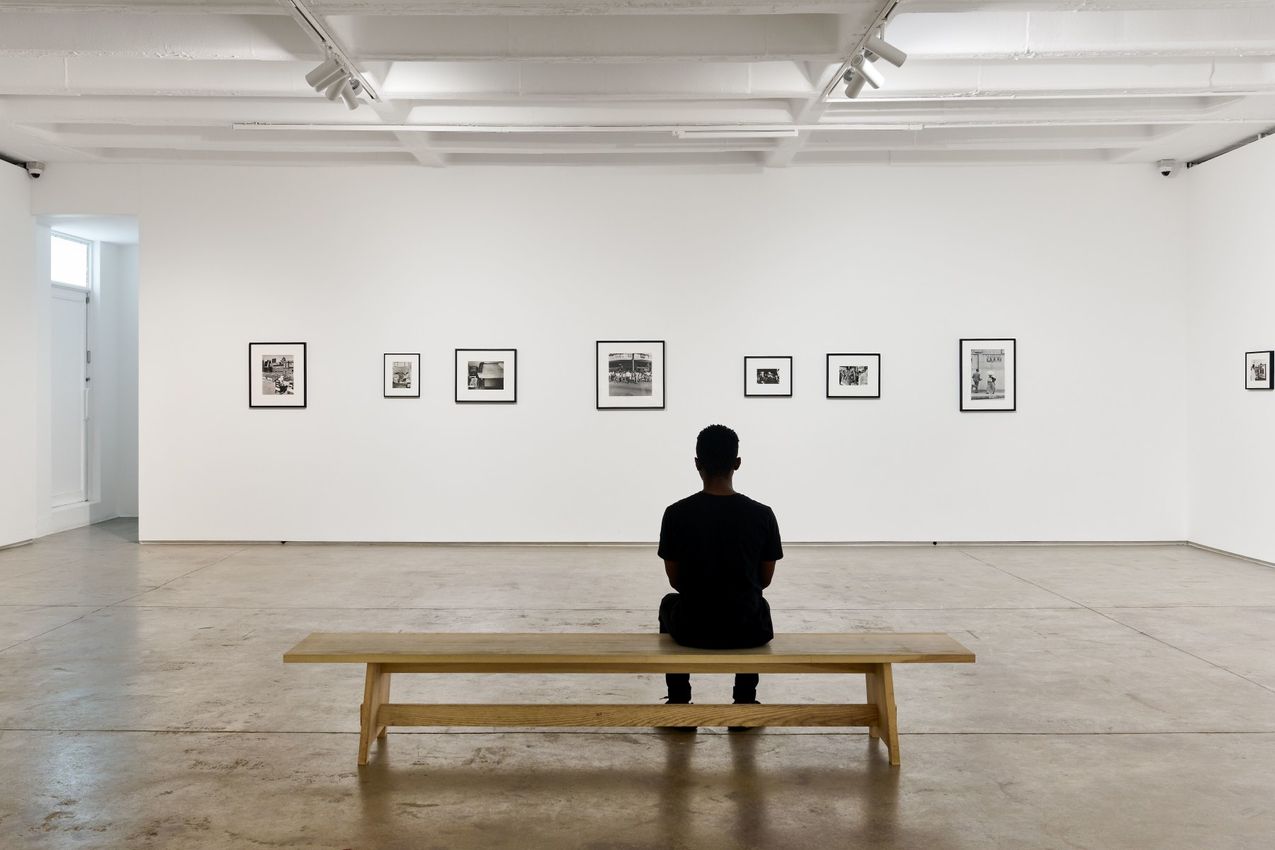
Goodman Gallery is pleased to present Against the Grain, an exhibition of photographic works by Ernest Cole, David Goldblatt, Ruth Motau, Ming Smith and Lindokuhle Sobekwa. Across three generations, the exhibition explores how each photographer has used the medium to expose, question and reflect on their social and political contexts. From the 1960s to the present, the works convey an explicitly South African narrative, whilst revealing some historical parallels with the United States. From the segregation and disenfranchisement laws of Apartheid to the era emerging from the liberation struggle and US civil rights movement, the exhibition is framed by Black life under those conditions. Often working against the grain of dominant culture, the photographers demonstrate varying degrees of resistance.

Ernest Cole

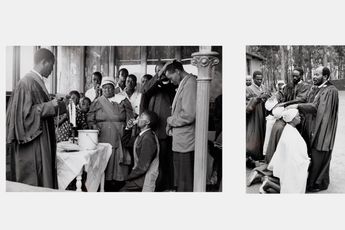
House of Bondage, Ernest Cole’s iconic photo essay, was the first book to visually expose the extreme injustices of the Apartheid regime. First published in 1967, the book documents the daily experience of Black citizens during a period dominated by racial inequality and trauma. It was a courageous attempt to seek help from the global community, setting a precedent over time for future South African photojournalists. Making himself invisible as a photographer, Cole concealed his identity and camera to place himself at the centre of oppressive social structures: passbook arrests, destitute hospitals and schools, spaces of servitude, mining compounds and more. In his words, “three-hundred years of white supremacy in South Africa has placed us in bondage, stripped us of our dignity, robbed us of our self-esteem and surrounded us with hate.”

David Goldblatt

Concurrently, David Goldblatt was engaged in the implicit conditions of South African society - the values by which people lived - rather than the climactic outcomes of those conditions. Goldblatt says in his last interview, “I was drawn not to the events of the time but to the quiet and commonplace where nothing ‘happened’ and yet all was contained and immanent.” (The Last Interview, Steidl, 2019, Alexandra Dodd). Subtle in his approach, Goldblatt’s photographs uncovered the same pervasive and traumatic realities of South African society- by grouping rare vintage prints by Goldblatt and Cole, the exhibition opens a dialogue between their distinct approaches while offering moments where perspectives coexist.

Ming Smith

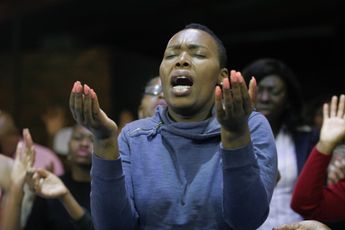
Detroit-born, Harlem-based photographer Ming Smith started working with photography when she moved to New York in the early 1970s. Smith was the first female member to join the Kamoinge Workshop - a collective of Black photographers who came together in 1963 to discuss the presence and visibility of African American photography. Supporting the development of their practices, the collective sought to photograph Black life from a Black perspective. Smith has often described her work as ‘celebrating the struggle, the survival and to find grace in it.’

Ruth Motau

Ruth Motau came to photography in the early 1990s while studying at the Market Photo Workshop in Johannesburg. Motau was the first Black female photographer employed by a newspaper at the dawn of a new democracy. The exhibition celebrates her images of women across ages, ranging from intimate scenes inside The Alexandra Women’s hostel in 1991 to a personal photograph of her mother.

Lindokuhle Sobekwa

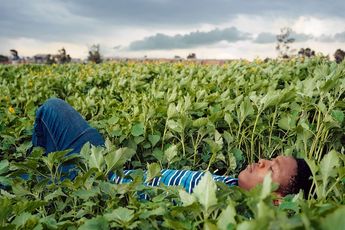
A photographer’s responsibility, says Lindokuhle Sobekwa, is to be true to the people they are photographing and be transparent in their interactions. He continues “I want to see my work opening conversations that result in solutions.” Personal stories sit at the heart of Sobekwa’s practice – from his life experiences or other lived realities in present-day South Africa. Like Cole, Sobekwa intends to create awareness with his photographs, reflecting on local issues and public discourse across geographies. An image such as Death of George Floyd (2020), which shows Sobekwa’s family and friends absorbed by the devastating news of George Floyd’s murder at the hands of the Minneapolis police, draws on a global discussion around racial injustice, at the same time echoing Black South Africans’ encounters with police brutality.

Read More

Artists Exhibiting

Also Exhibiting at Goodman Gallery

About the Gallery

Goodman Gallery is an international contemporary art gallery with locations in Johannesburg, Cape Town and London. The gallery represents artists whose work confronts entrenched power structures and inspires social change.

View Gallery Profile
Address
163 Jan Smuts Avenue
Parkwood
Johannesburg
South Africa
Opening Hours
Tuesday - Friday
9am - 5pm

Saturday
9am - 2pm
(1)
Johannesburg 163 Jan Smuts Avenue, Parkwood
Goodman Gallery
163 Jan Smuts Avenue, Parkwood, Johannesburg, South Africa

Opening hours
Tuesday - Friday
9am - 5pm

Saturday
9am - 2pm
The art world in focus