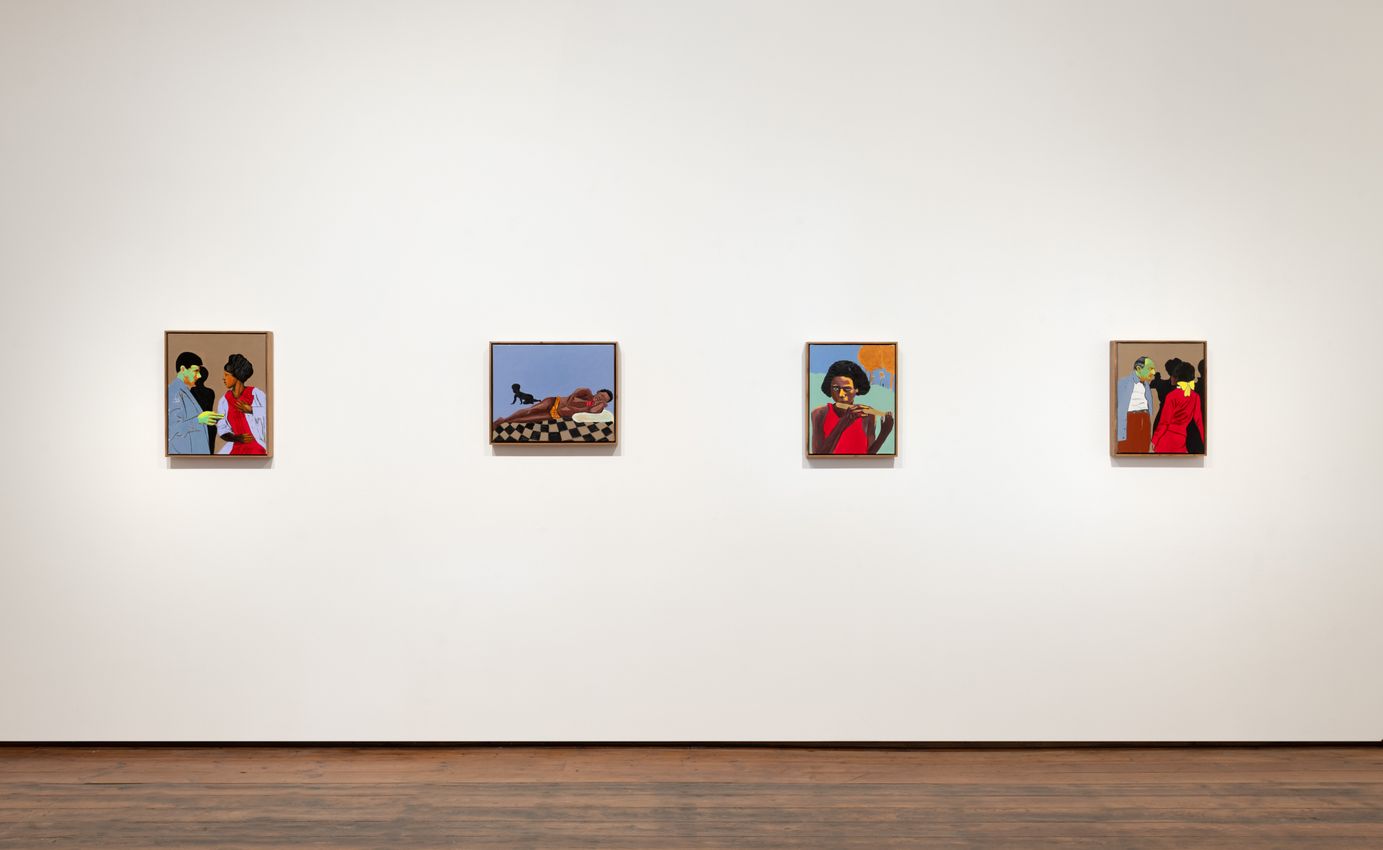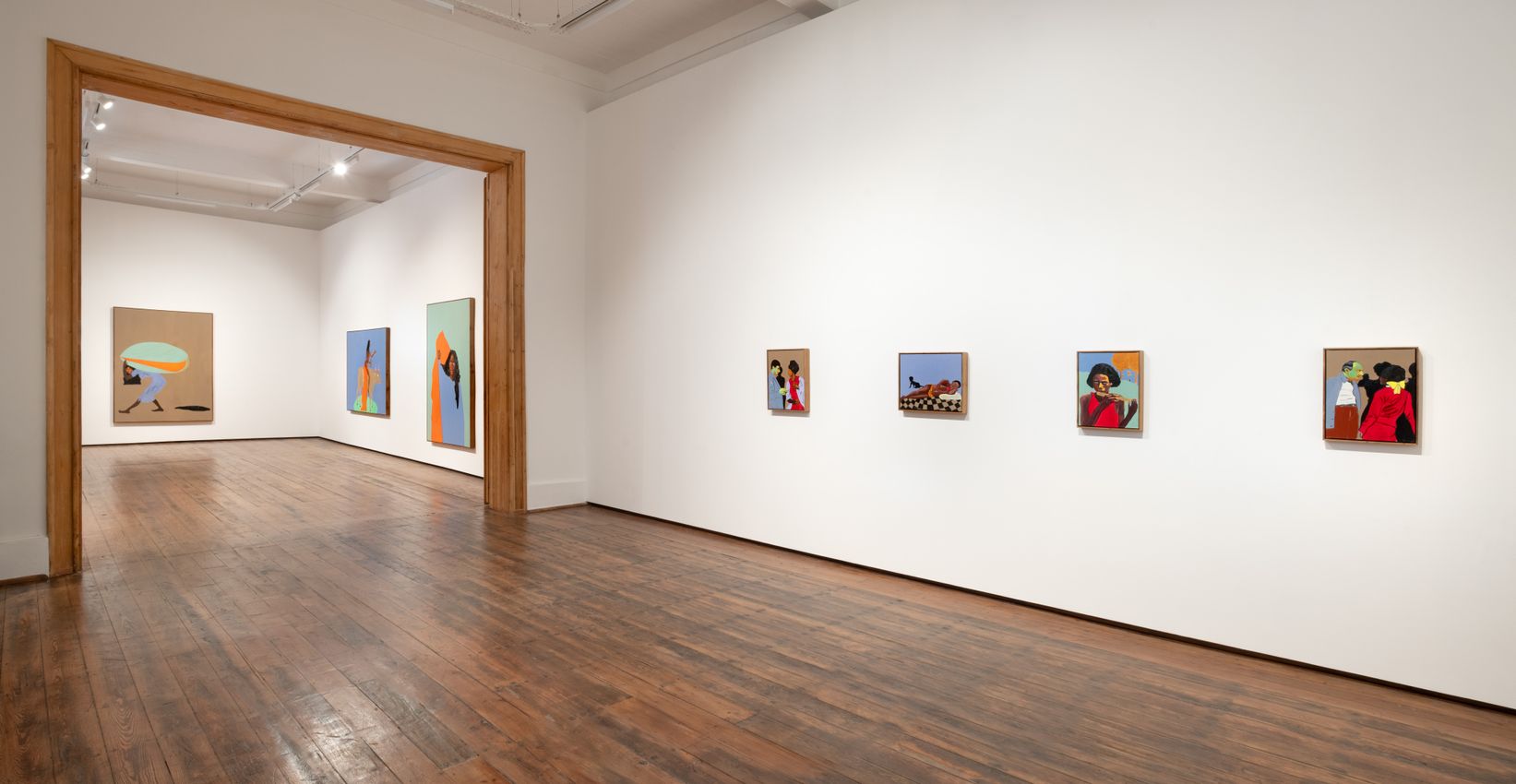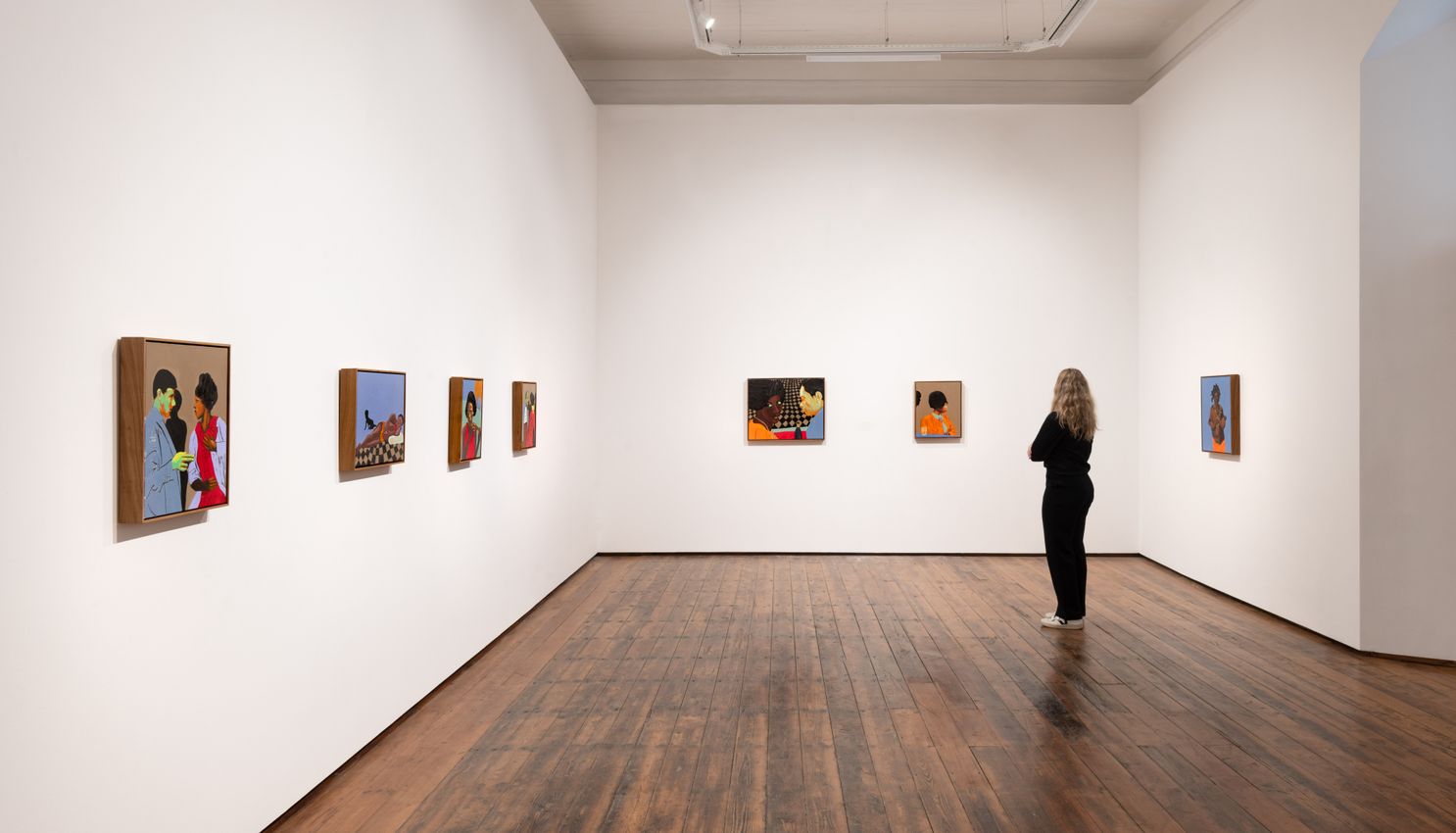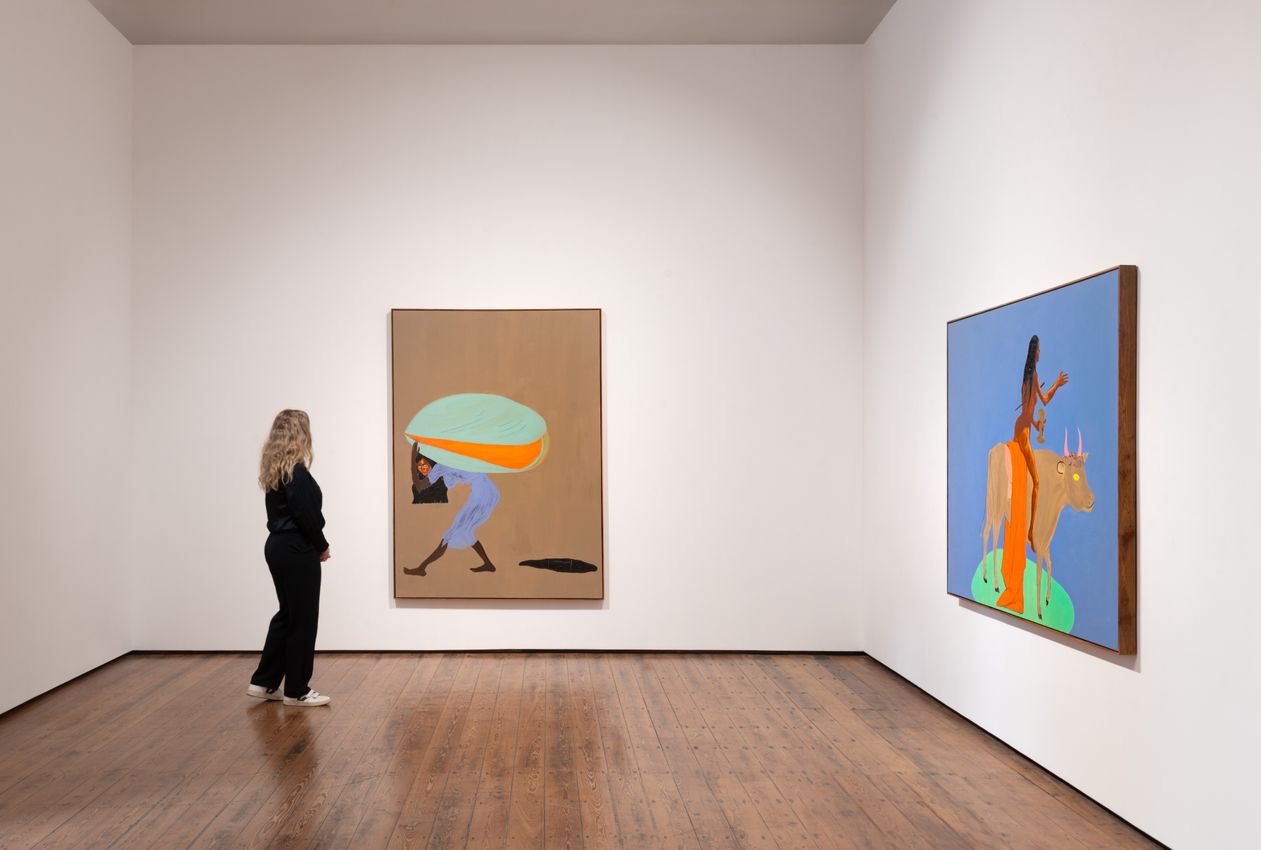
Goodman Gallery presents Life has become a foreign language–Cassi Namoda’s first exhibition in Cape Town, featuring new paintings produced by the artist during a residency in the city earlier this year. The exhibition follows Namoda’s second solo exhibition on the African continent and her debut exhibition at Goodman Gallery Johannesburg in 2020.
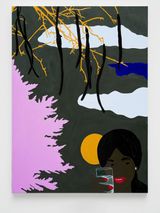
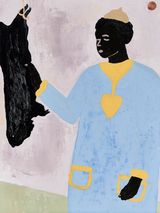
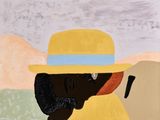
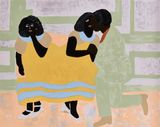
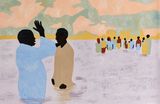
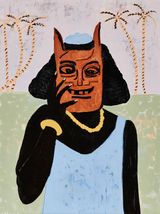
Life has become a foreign language pulls at familiar thematic threads in Namoda’s practice: imagination, feeling, archive, memories and regional context. These new paintings also meditate on the history of painting itself and consider the significance of photography in the African continent, stitched together with Namoda’s personal experiences. Namoda experiments with shadows for the first time, moving between representations of haunting memories or visions within surrealist landscapes.
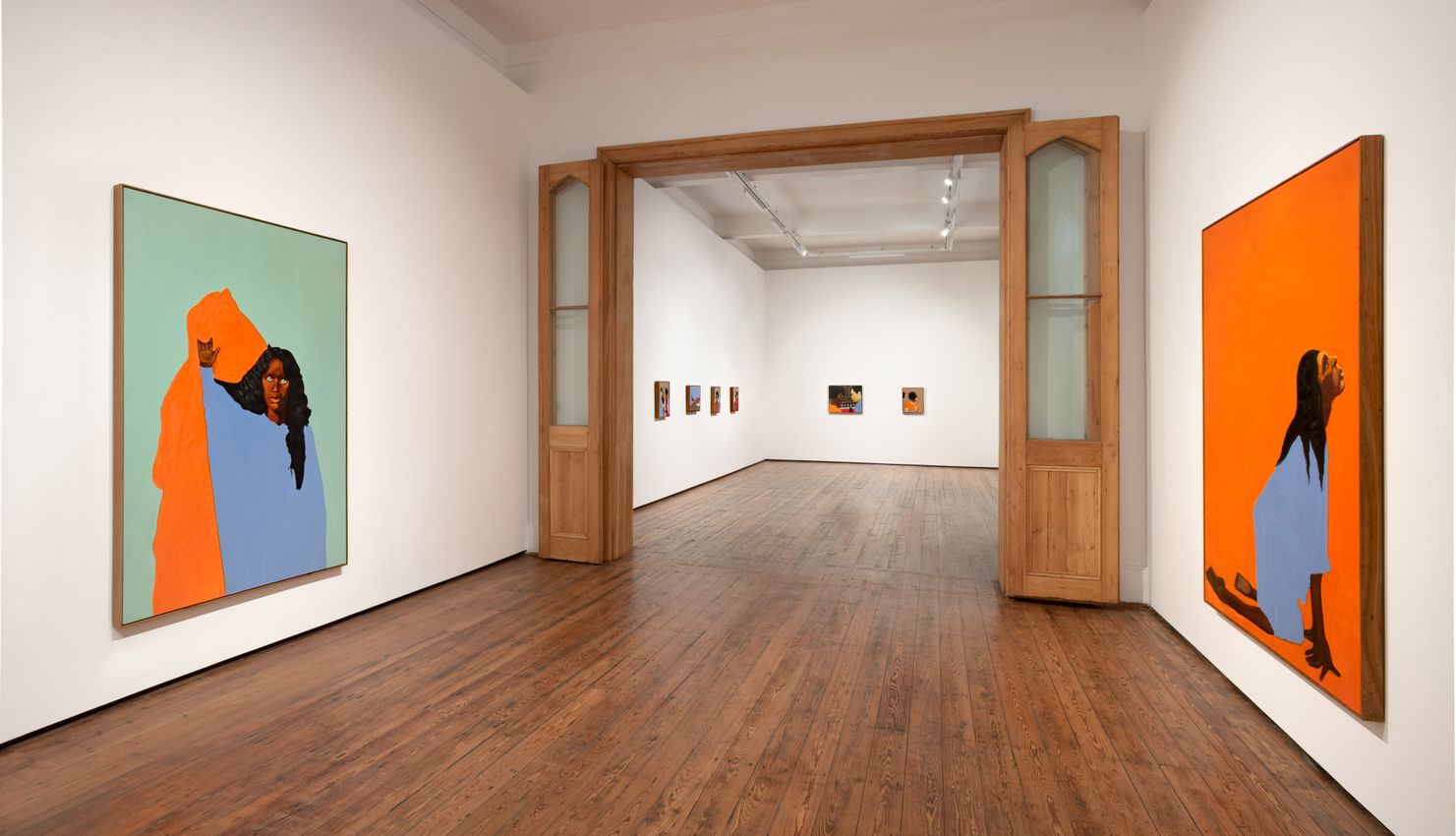
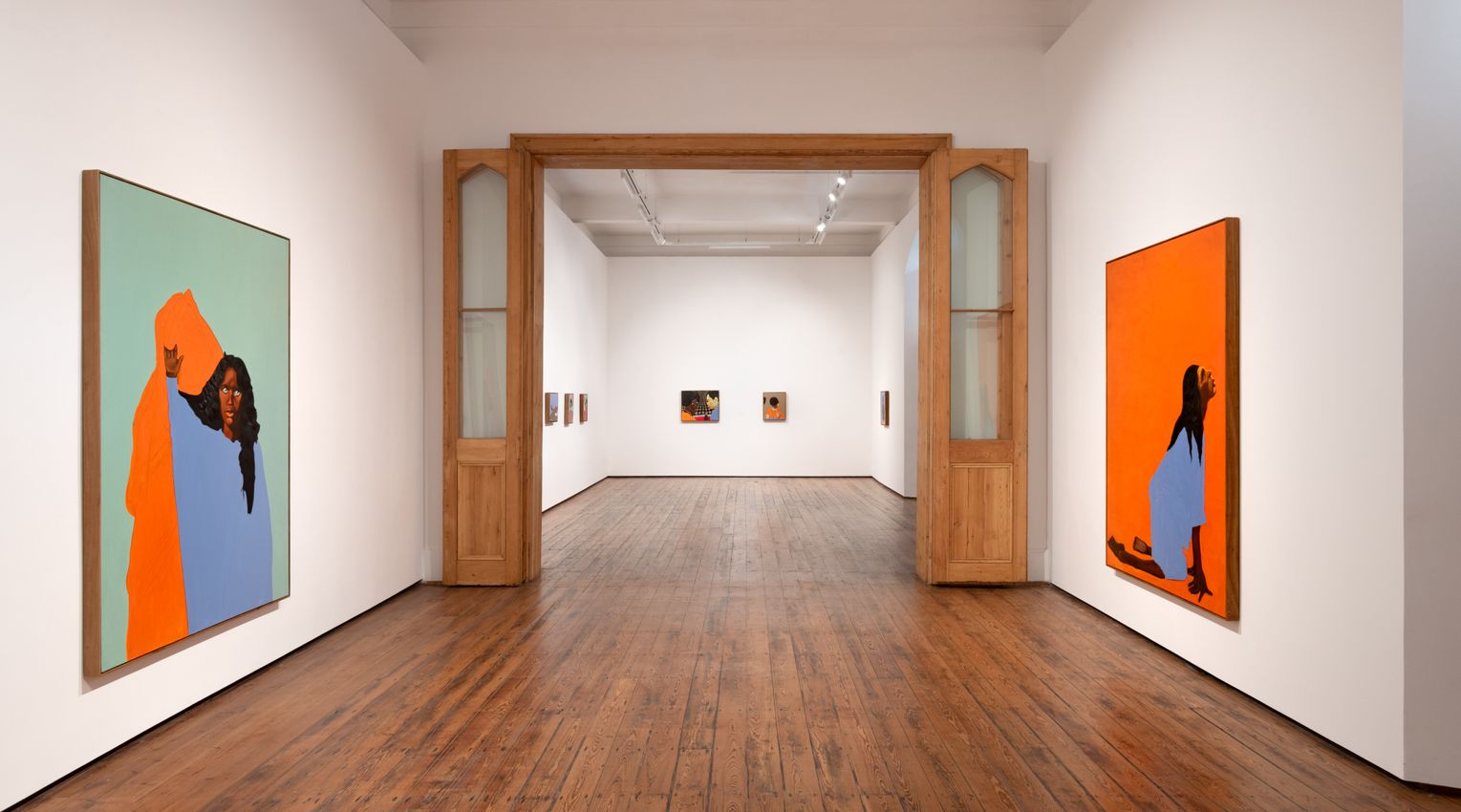
The exhibition is divided into two series defined by differing scales and approaches to addressing the complex realities experienced by Black women, reflecting specifically on pain, vulnerability and alienation. There is prominent experimentation with painting methods as well as a focused palette with a recurring use of the colour orange across both series.
The large-scale works anchor the show, presenting powerful portraits of a Malagasy woman and mark the artist’s largest portraits to date. Referencing the intensity of Francisco Goya’s Black Paintings and embracing surrealist visual cues, these works offer feminine remakes of Namoda’s masculine figures from her recent solo exhibition The sun has not yet burnt off the dew in São Paulo last year.
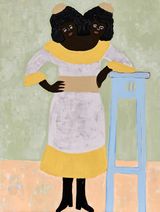
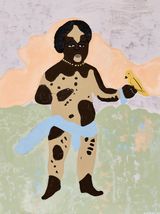
Life has become a foreign language expands on Namoda’s impulse to revisit historic scenes,adding layers of complexity rooted in a desire to recontextualise. By referencing archival images, such as Emperor Negus’ wet nurse and Mozambican photographer Ricardo Rangel’s reflections on life in Mozambique, Namoda marks moments of celebration and highlights the historic residue on Black women’s lives, offering new readings that interrogate the context that informed the original images.
Namoda uses distinct visual strategies to push against exoticising readings of her work: recurring figures possess piercing green eyes which stare definitely back at the viewer and the flat colour backgrounds remove context and sense of place. The artist applies elements of photorealism to parts of the body to insert layers and reinforce surrealist sentiments. For example, the skin of the figures is illuminated, presenting an essence of light entry but without indication of its source. The impression of self-illumined figures suggests a divine otherworldly presence.
Cassi Namoda (b. Maputo, Mozambique, 1988) has lived between Kenya, Haiti, Benin, Indonesia and currently resides between New York and Los Angeles in the United States.
Namoda’s painting practice transfigures the cultural mythologies and historical narratives of life in post- colonial Africa, particularly in relation to the artist’s native Mozambique. Her elusive paintings draw on literary, cinematic and architectural influences specific to the Luso-African vantage point. The figures who reappear in Namoda’s paintings also convey this hybridity: they emerge from African indigenous religions just as much as they spring from Western mythologies.
Across her practice, Namoda references the art historical canon and vernacular photography in equal measure. While appearing straightforward, her images are conceptually rigorous and portray figures with complex narratives. Namoda is also attentive to landscape, creating scenes that depict both the rural and the urban through a surreal lens. Her landscapesresound with the features of equatorial life – blazing suns, palm trees – but they are mythic in their impeccable representation, mirroring the subjects that populate them.
Key solo exhibitions: Bar Texas , 1971, (2018), Library Street Collective, Detroit, USA; We Killed Mangy Dog (2018), Harper’s Books, Hamptons, USA; To live long is to see much(2020), Goodman Gallery, Johannesburg; You’ll be old too one day. Life isn’t always young and sweet . (2020), François Ghebaly, Los Angeles, USA; and Tropical Depression (2021) Xavier Hufkens, Brussels, Belgium.
Public collections: Pérez Art Museum Miami, Miami, USA; Baltimore Museum of Art, Baltimore, USA; MACAAL, Marrakesh, Morocco; The Studio Museum in Harlem, New York, USA. Namoda studied cinematography at the Academy of Arts in San Francisco, USA. In addition to her degree, travel has had a profound influence on her thematic reflections and mechanisms for storytelling in her work.
Cassi Namoda (b. 1988 Maputo, Mozambique) is a painter and performance artist who explores the intricacies of social dynamics and mixed cultural and racial identity. Capturing scenes of everyday life, from mundane moments to life-changing events, Namoda paints a vibrant and nuanced portrait of post-colonial Mozambique within an increasingly globalised world.


Goodman Gallery is an international contemporary art gallery with locations in Johannesburg, Cape Town and London. The gallery represents artists whose work confronts entrenched power structures and inspires social change.

A respected voice in contemporary art discourse.
Focusing on ambitious storytelling and insightful art-world commentary. Ocula Magazine publishes in-depth interviews, critical essays and timely analysis on the artists, exhibitions and ideas driving the global art world.
Learn more about Ocula Magazine
Showcasing the best of the art world.
Ocula partners with galleries from around the world to highlight their artists, artworks and exhibitions. Gallery membership is by application and invitation, with each member vetted by an independent panel.
Learn more about Ocula Membership

Specialises in the sale of major artworks.
Led by a team with deep ties to the world’s leading auction houses, galleries and collectors. Ocula’s advisory team offers bespoke services to high-net-worth clients from around the world who are looking to acquire the best of contemporary and modern art.
Learn more about our team and services