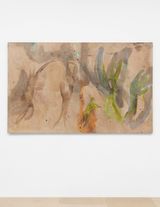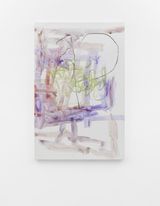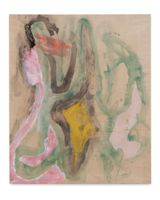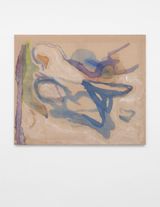
Cohen’s work...is expansive, challenging and feisty; engaged with impurity, with challenges of aesthetic choice and the robust surprises that dripped, flung pigment can produce on the canvas.
— Linda Nochlin
From the 1970s until her death in 2023, Cora Cohen widened the net of gestural abstraction’s possibilities. A highly regarded painter’s painter who lived and worked between New York and Cologne, Cohen remained dedicated to the medium despite errant (but oft-repeated) claims of its demise. Alongside peers such as Louise Fishman, Joan Snyder, Pat Steir, and Stanley Whitney, Cohen found new outlets for abstraction, inventing forms to assert that “modernism has the possibility to be about beginnings and not endings.”
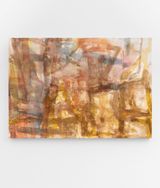
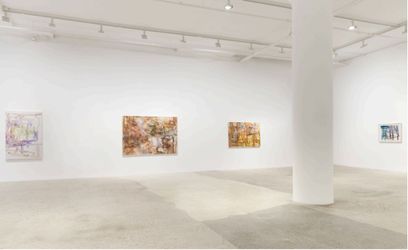
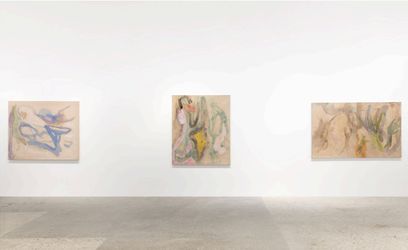
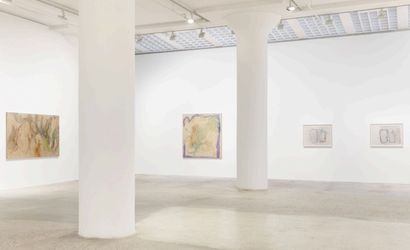
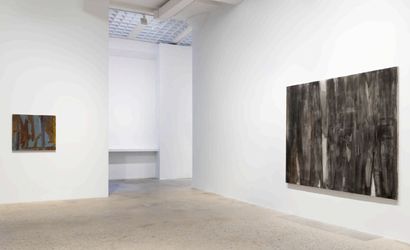
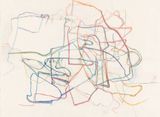
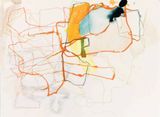
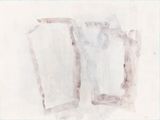
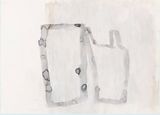
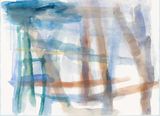
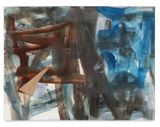
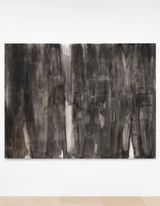
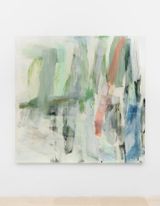
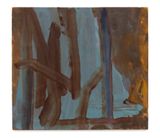
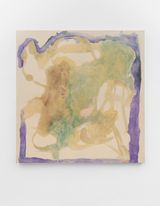
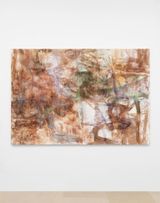
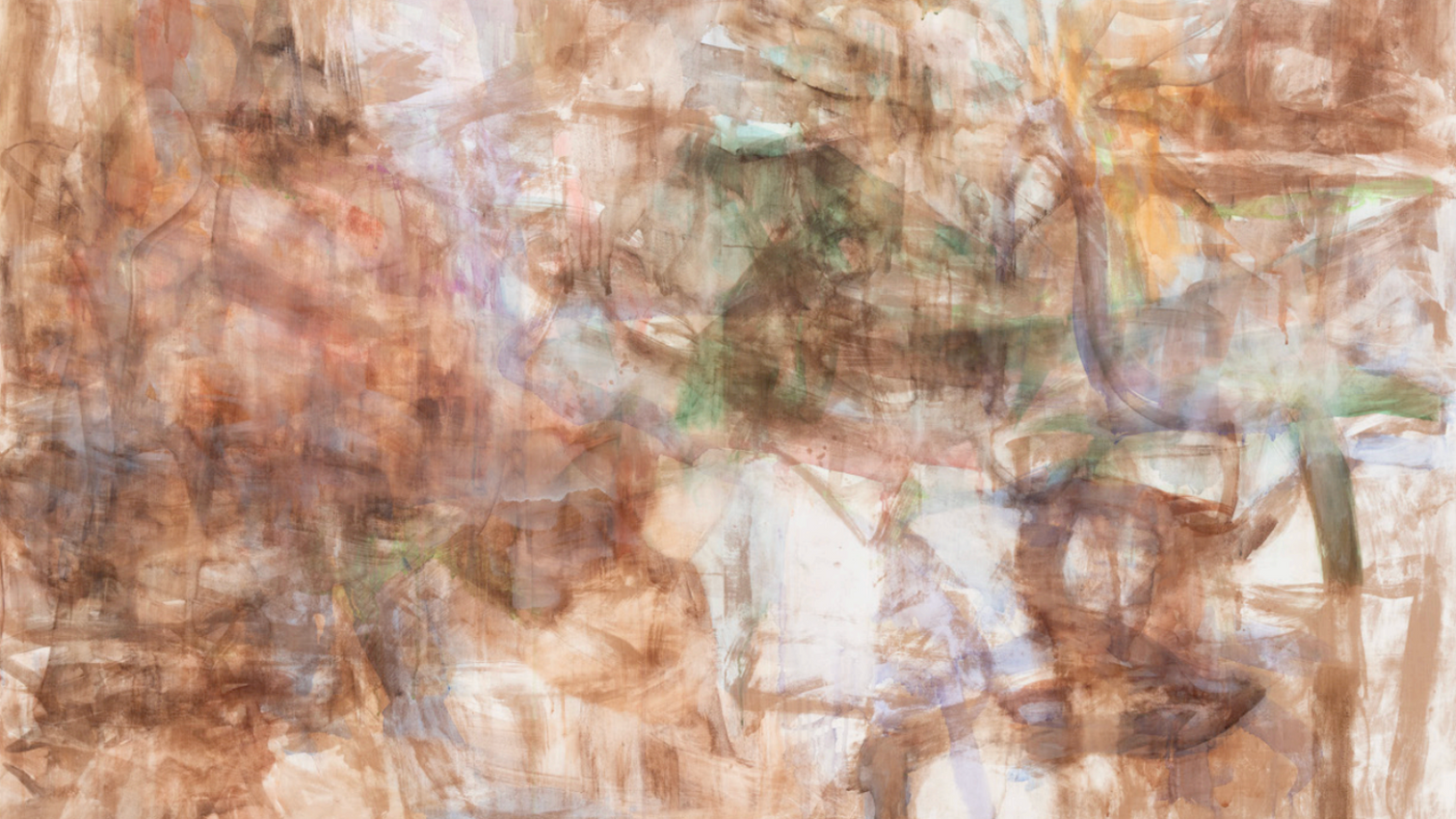
This focused survey-Cohen’s first at Greene Naftali-centers on the final decade of her career, juxtaposing the chance operations unleashed in her late paintings with the layered deliberations of her works on paper. “The beautiful and the sublime are not uninteresting,” she once remarked, “but my urgency is for a different experience,” and her calibrated play of control and abandon allows for such complexities. Opposition becomes a mobilizing force in her barely corralled tensions between figure and ground: the near-transparent washes offset by thickets of rough impasto, the licks of a loaded brush against the skittering drag of a dry one. Rejecting the histrionics of the expressive mark-its penchant for angst and personal disclosureCohen opted for a loose, pulsing visual rhythm that implies a tacit structure: what one critic likened to “an alien calligraphy dilated in water.” The resulting works have a tactile grit and exert their own kind of emotional weather, cued to natural cycles but with a city-dweller’s respect for the built and made over the purely found.
Highly attuned to the gravitational pull of pigment as it absorbs into or sits atop the canvas, Cohen relished the action of thebroadest range of materials put to experimental use. Atmospheric scrims seep into the weave of raw linen; scraps of woodveneer cling to the surface; paint vies with colored pencil, ink, pastel, and graphite in a push-pull of productive conflict. Thevariety of Cohen’s touch affirms that, as her friend Joan Mitchell liked to say, “abstraction is not a style,” but rather a fiercecommitment to capturing the material world as seen from a particular point of view.


A respected voice in contemporary art discourse.
Focusing on ambitious storytelling and insightful art-world commentary. Ocula Magazine publishes in-depth interviews, critical essays and timely analysis on the artists, exhibitions and ideas driving the global art world.
Learn more about Ocula Magazine
Showcasing the best of the art world.
Ocula partners with galleries from around the world to highlight their artists, artworks and exhibitions. Gallery membership is by application and invitation, with each member vetted by an independent panel.
Learn more about Ocula Membership

Specialises in the sale of major artworks.
Led by a team with deep ties to the world’s leading auction houses, galleries and collectors. Ocula’s advisory team offers bespoke services to high-net-worth clients from around the world who are looking to acquire the best of contemporary and modern art.
Learn more about our team and services