Press Release

Working across sculpture, photography and drawing, Anders Krisár (b. 1973, Sweden) has developed a practice in which formal exactitude meets psychological intensity. His works often begin with gestures or intuitions of disarming simplicity, then open onto questions of fate, vulnerability and the forces that shape life. His process is notably slow. Ideas can remain dormant for years; only those that persist, returning with enough insistence, are eventually allowed to take form. Krisár is largely self-taught and a perfectionist. Meticulous masks, polished bronze and steel surfaces speak to a keen sense of aesthetics, which manages to balance his need to metabolise deep-rooted traumas with stringent conceptualism. The unbearable lightness of being against durable metal alloy. Much of this terrain is autobiographical, tied to family history and psychic instability. Hollow Matter, Krisár’s first show with JARILAGER Gallery in Cologne, starts at home: a father with schizophrenia, a mother with bipolar disorder.

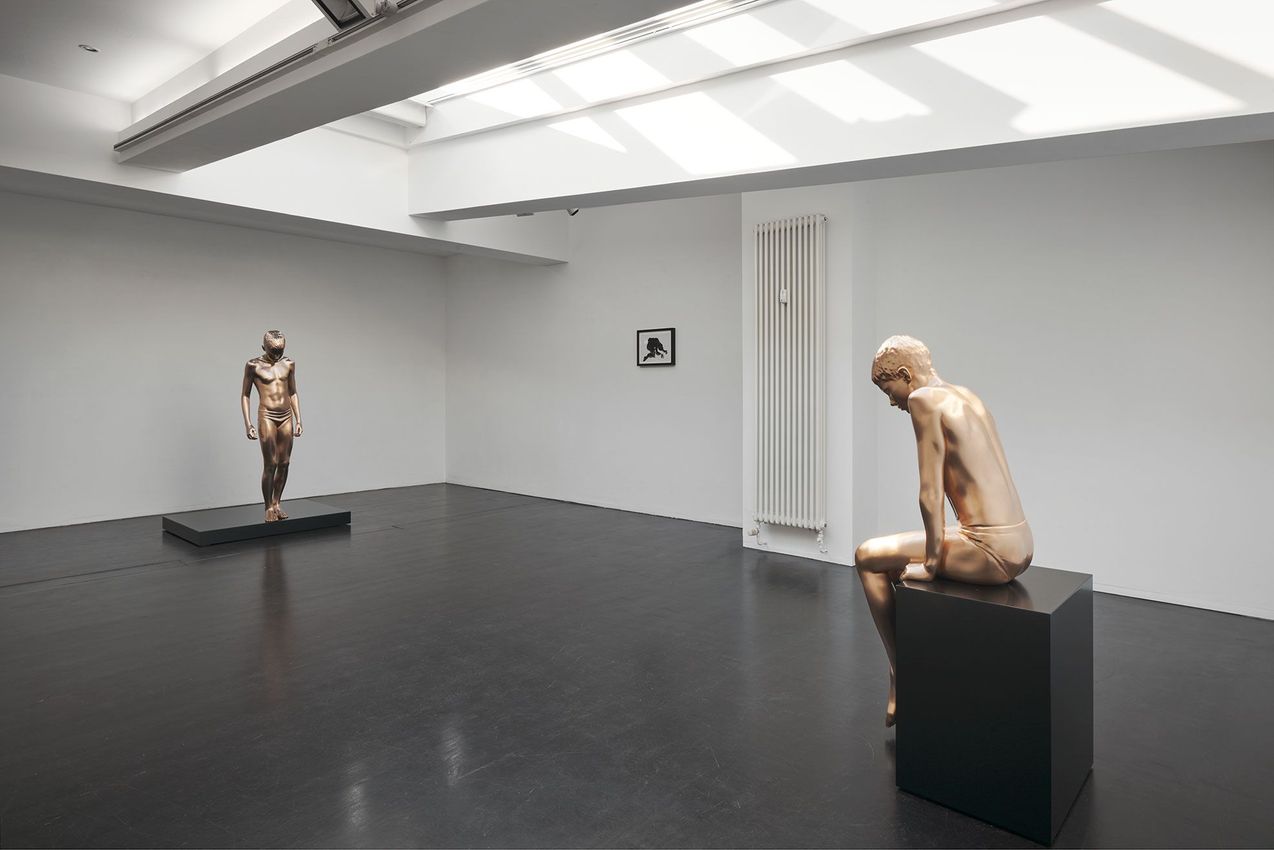
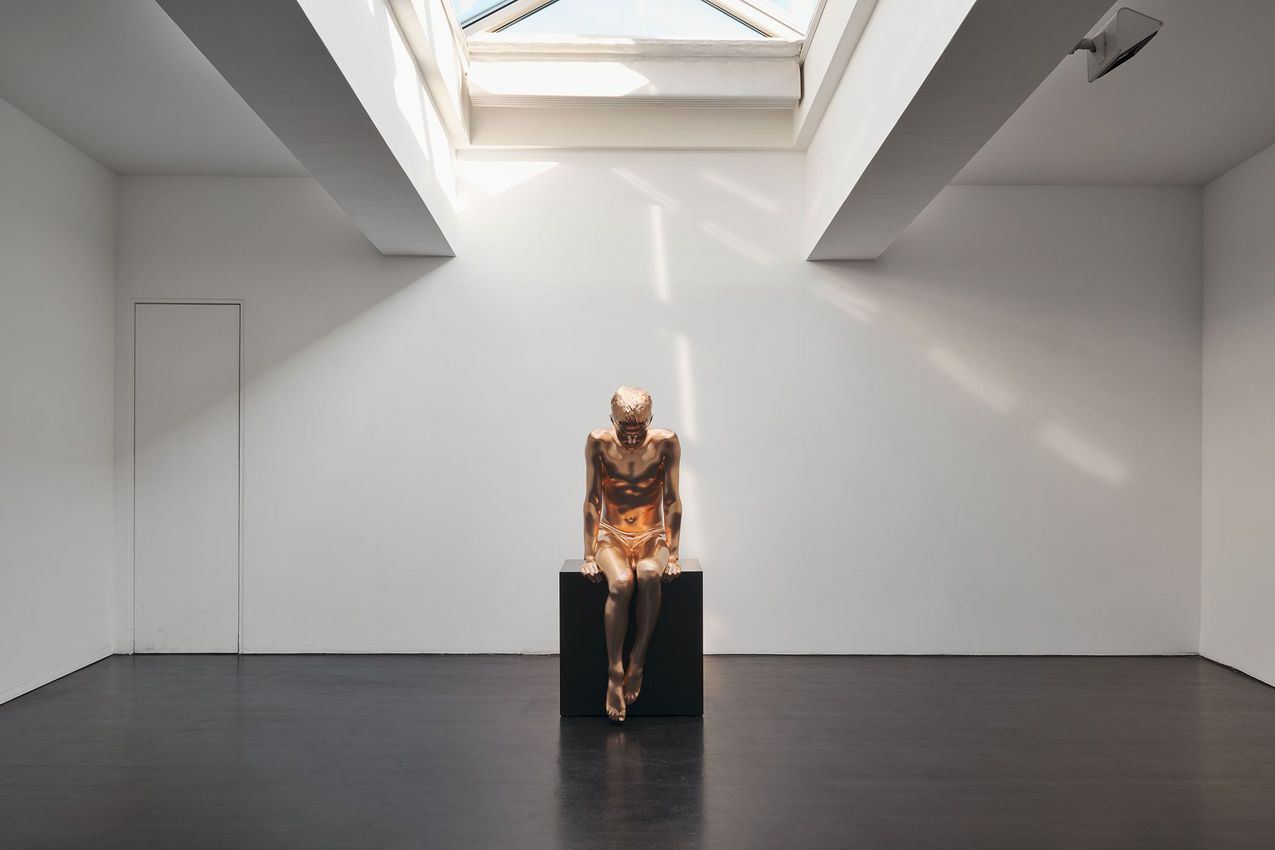
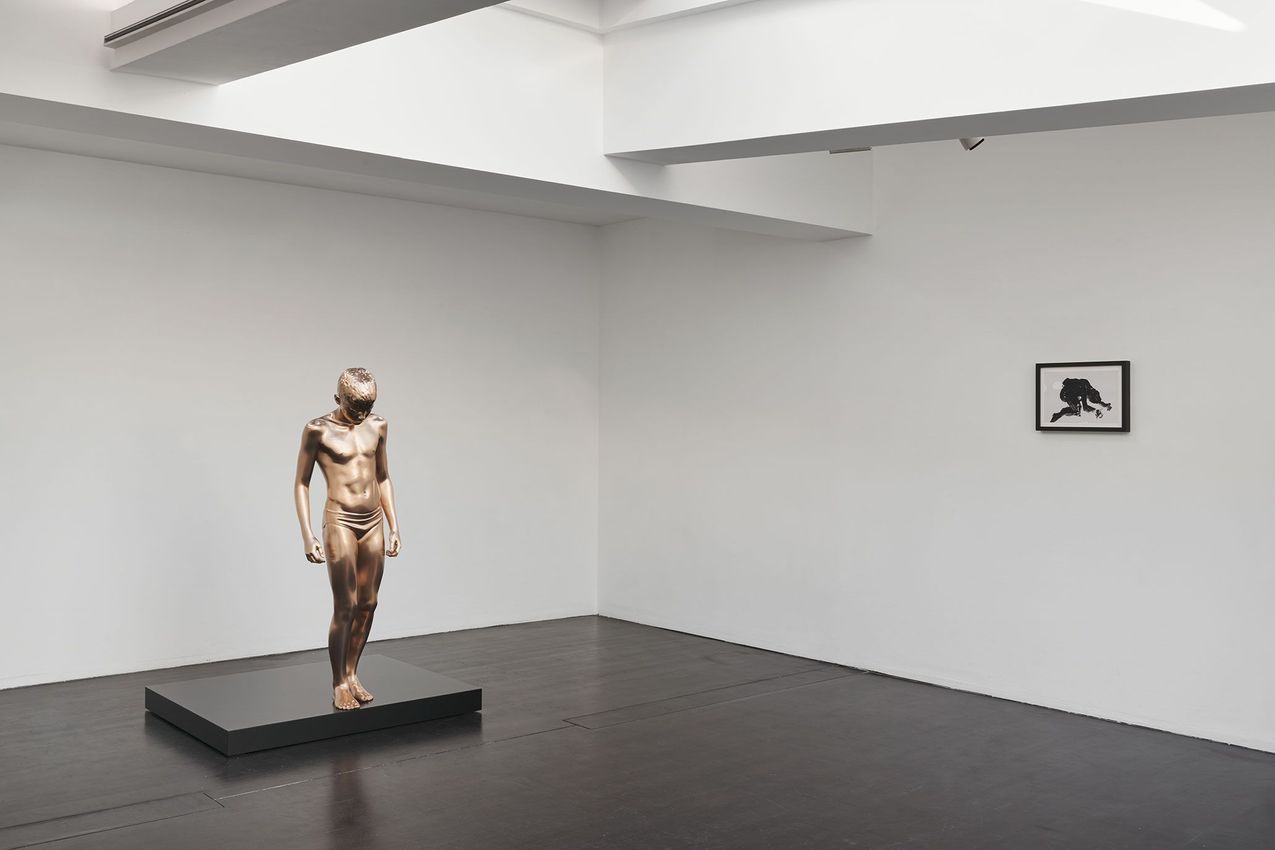
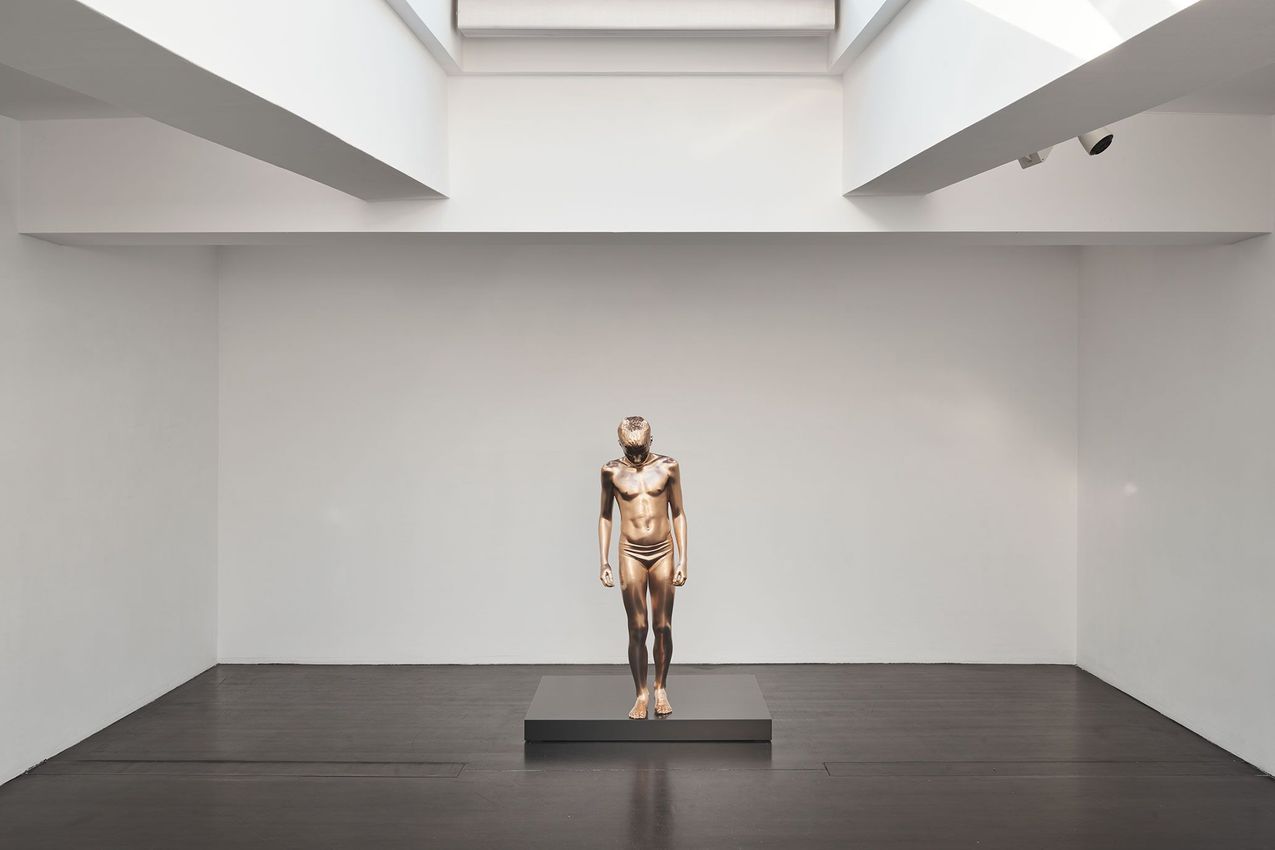
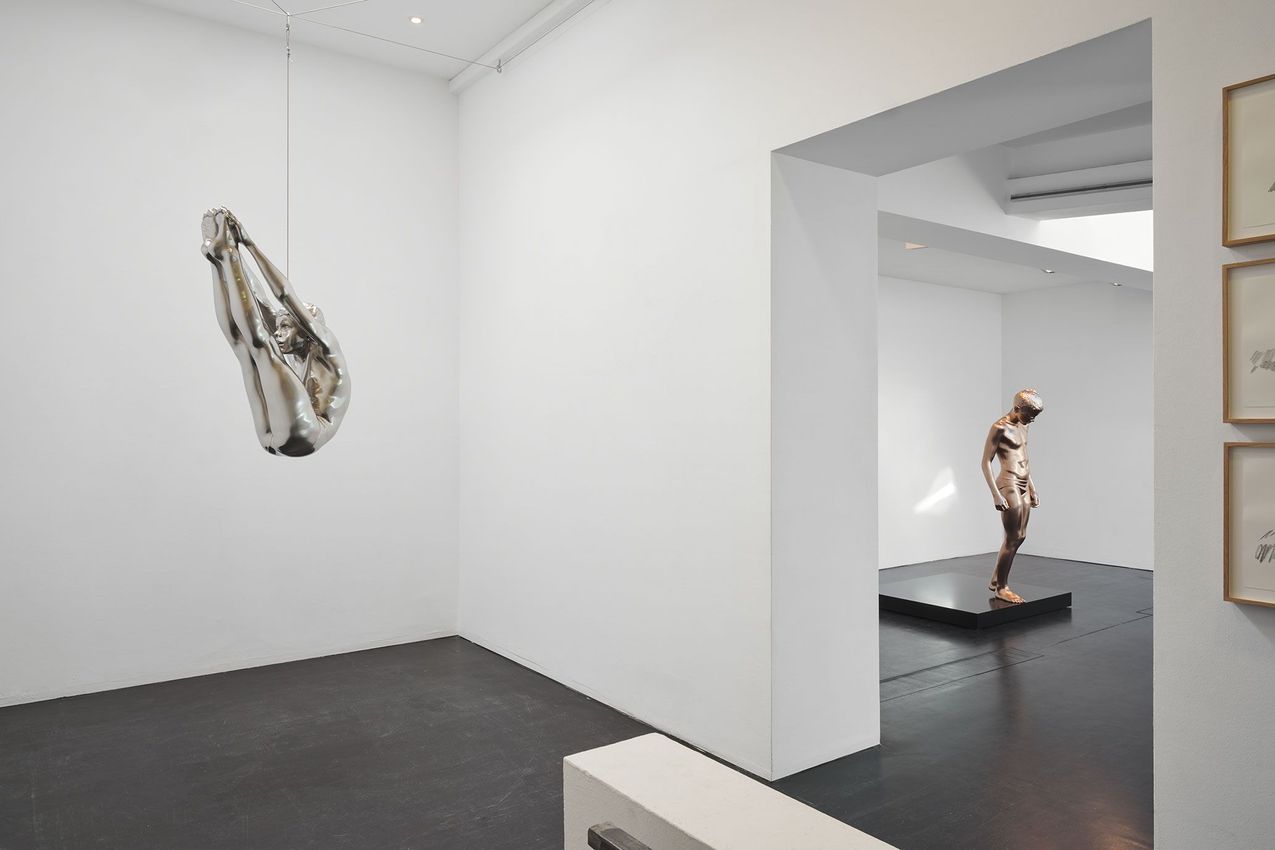
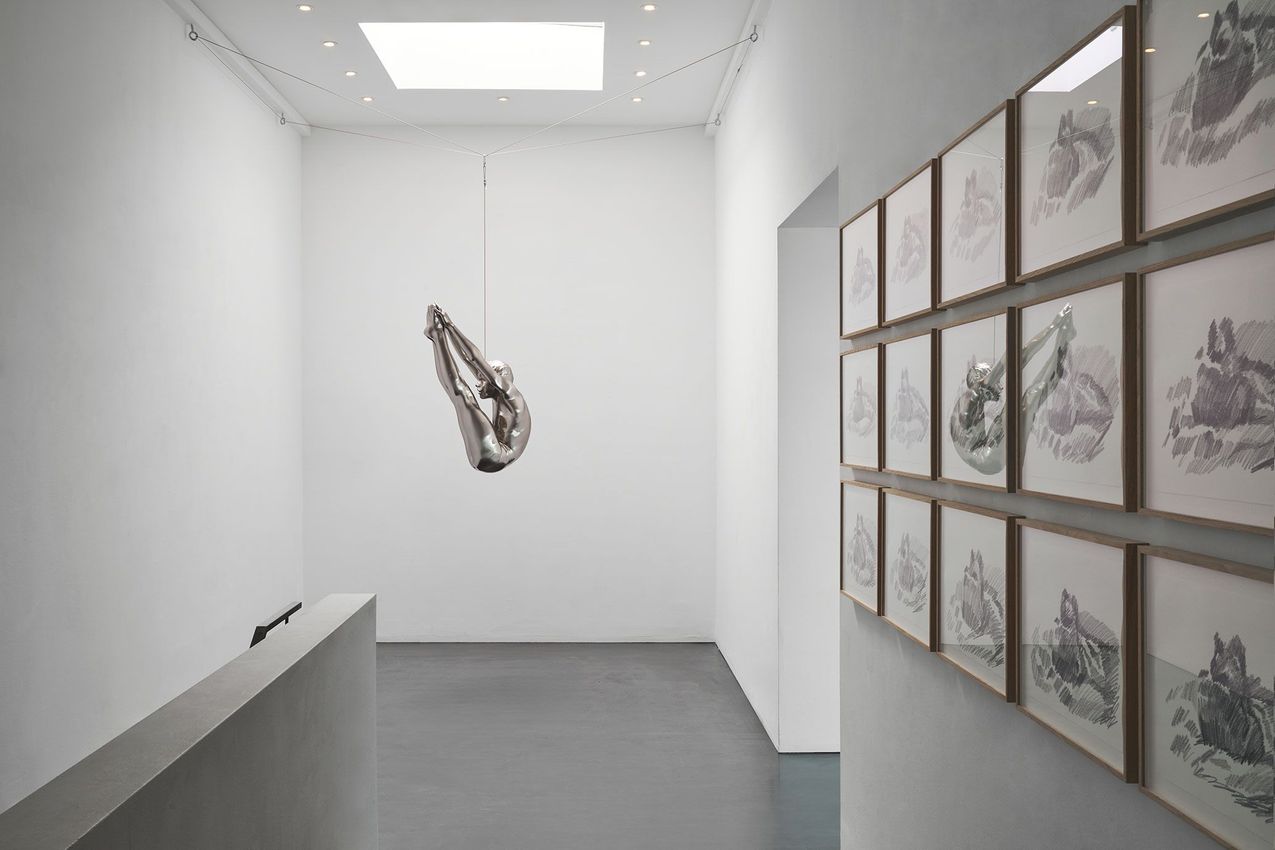
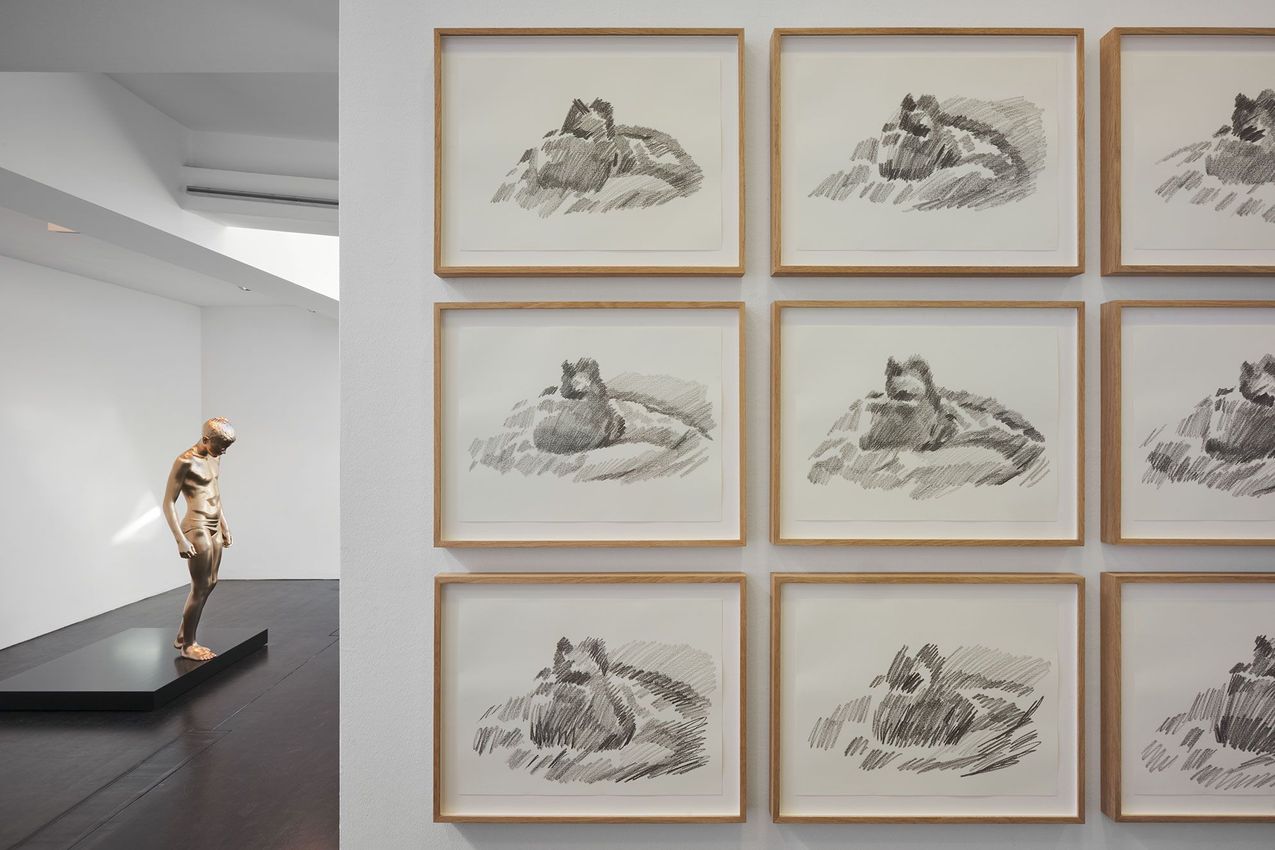
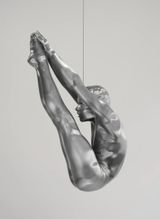
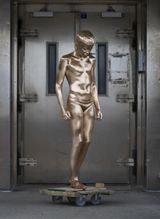
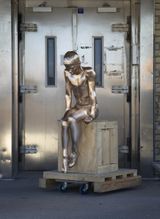
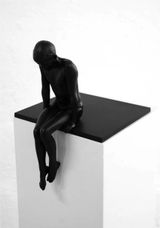
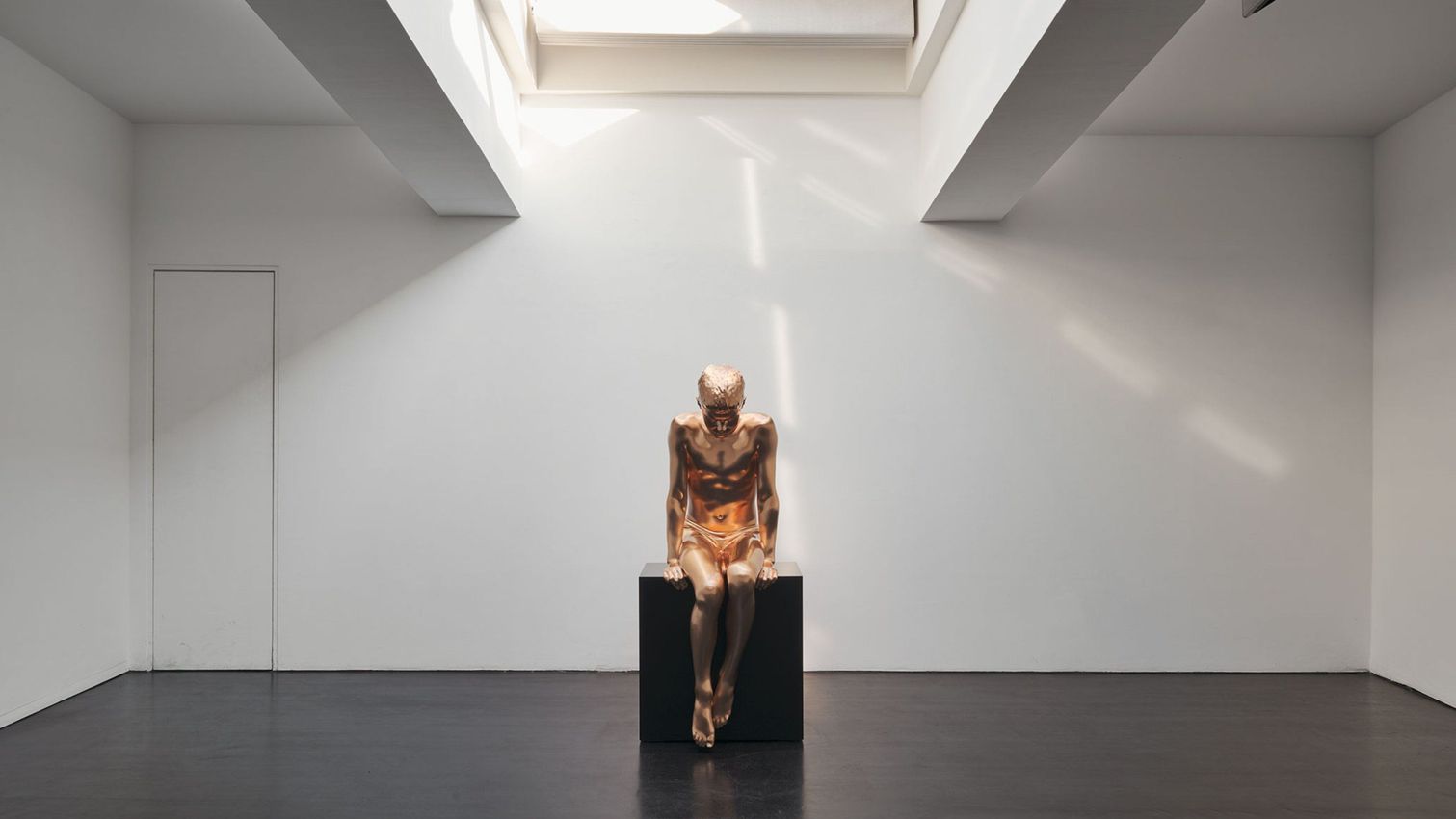
Father. High Diver (2022-2026): three life-size sculptures of an athlete, caught at three points in the arc of a dive – standing on the board, looking down; suspended mid-air, the body folded tightly in on itself, hands reaching the tops of the feet; sitting at the pool’s edge, feet dangling in the water. The diver is based on a young model Krisár met through his own involvement with the sport, but the figure is ultimately a portrait of his father, Mårten Havalai (born Bertalan Krisár), as a boy. A Hungarian youth champion who placed highly at national level, Mårten might have reached the Olympics had the political situation not forced him to flee to Sweden. Sport had offered him discipline, order and control in response to a tragic childhood, before schizophrenia later took hold. By bringing his father back to youth, Krisár stages a temporal paradox, as if the son could hold the young father in his own hands and protect him from everything still to come.

That wish to hold, fix and preserve is embedded in the making of the sculptures themselves. The body is first captured through photogrammetry, using around 150 cameras to record the poses from every angle, then translated into a 3D model, printed, reworked by hand and cast. Once the works return from the foundry, Krisár embarks on a monumental process of polishing that pushes the surface toward an obsessive degree of finish. Young body cared for, purified, made precious. Form to be achieved against the possibility of collapse.

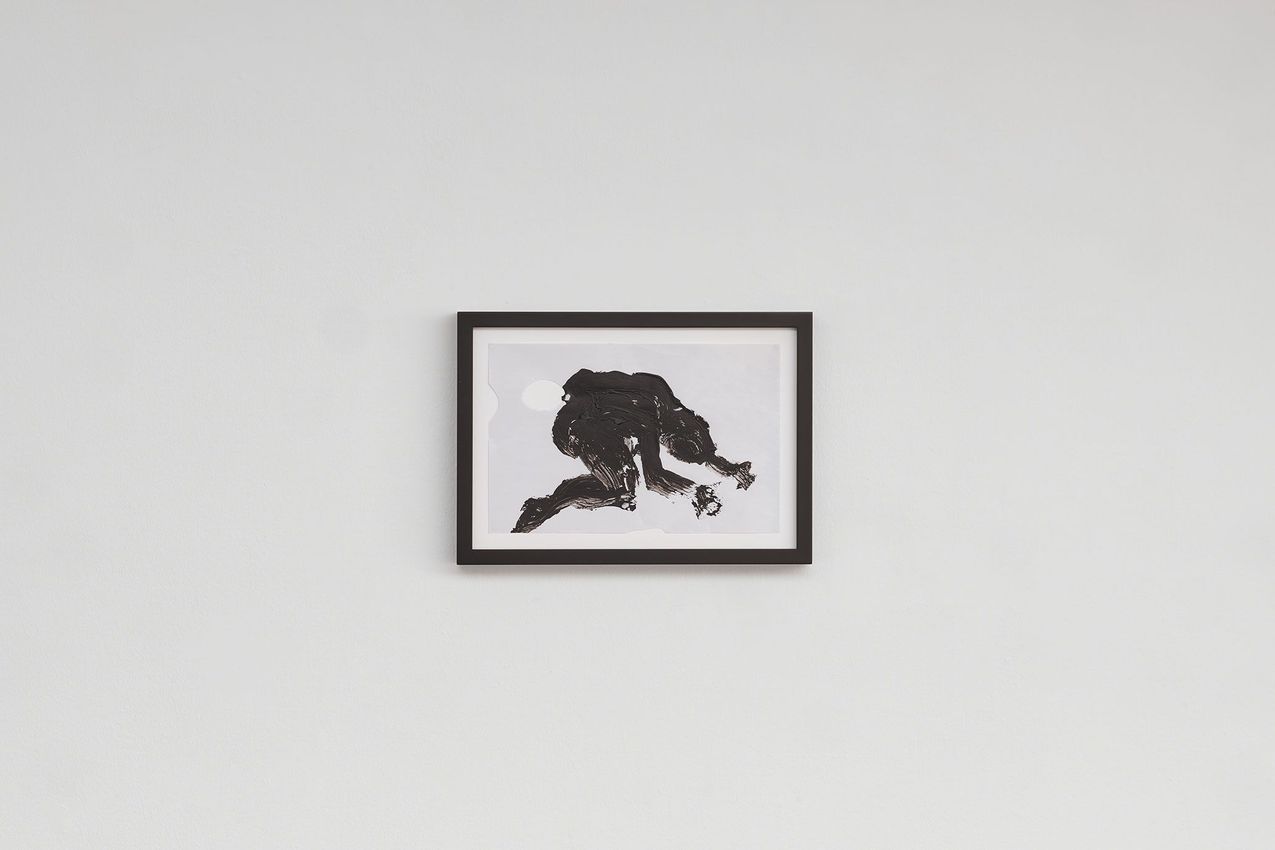
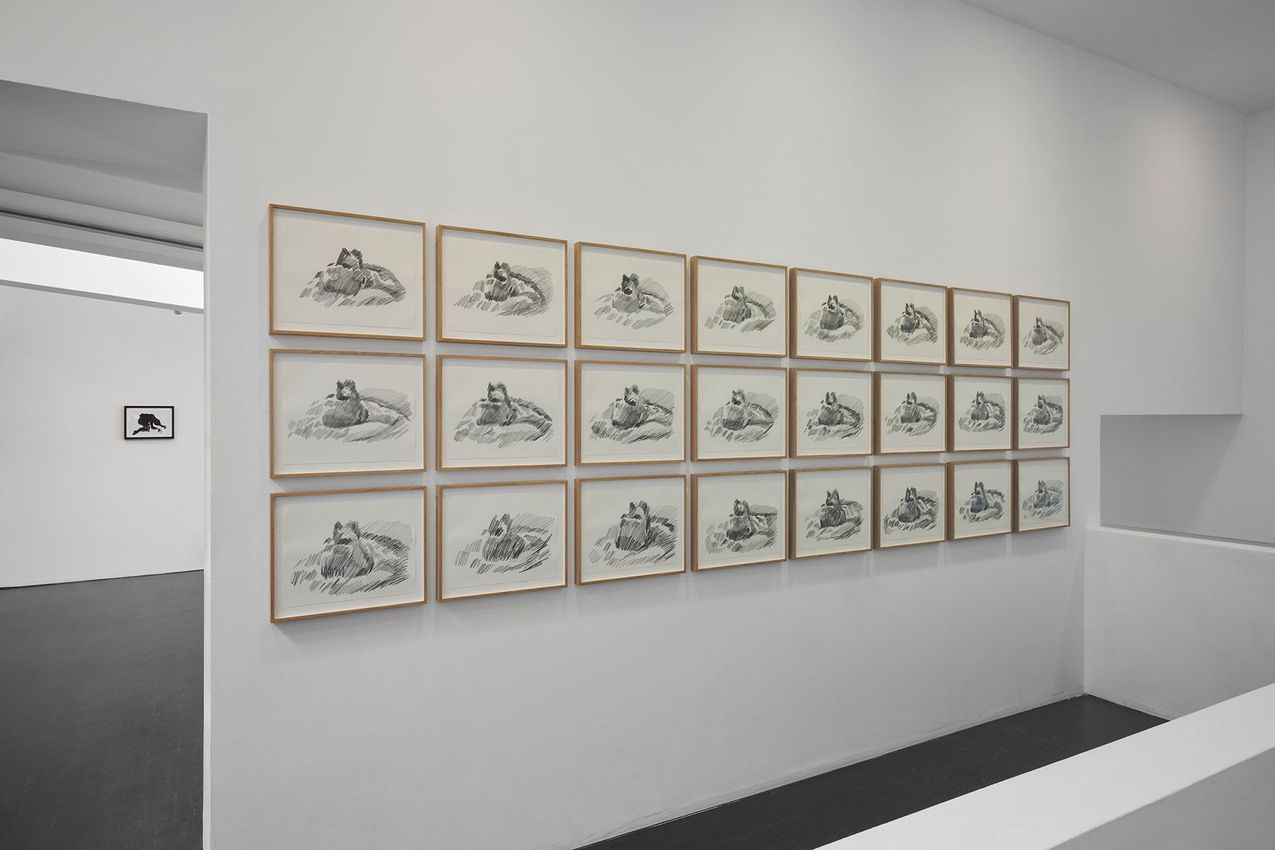
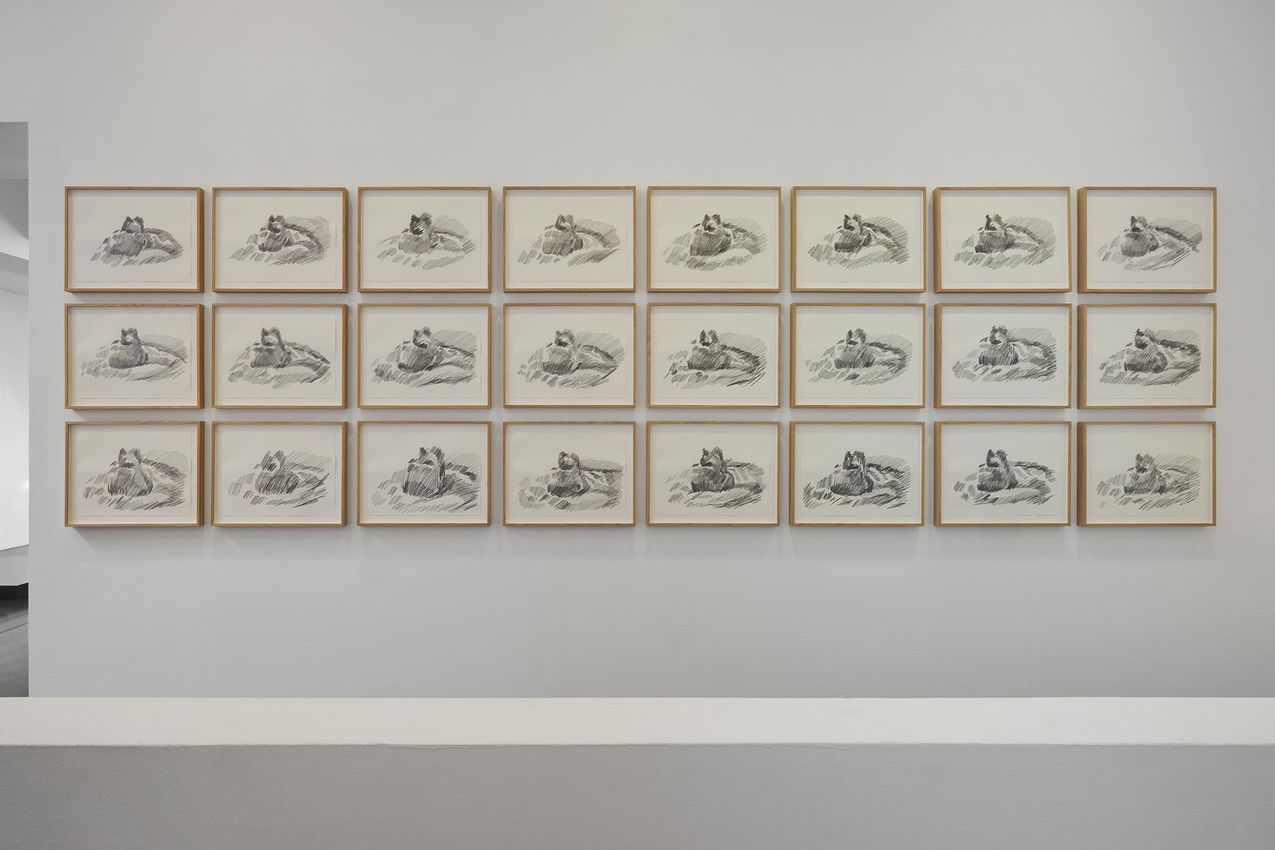
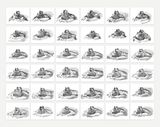
If High Diver rewinds, Rum för avsked (2024) confronts the point of no return. In 36 works, Krisár draws his father’s body in the morgue, repeatedly and at close range. There is no symbolic memento mori here, no skull standing in for death; the dead body itself is the image. Rendered in a loose, impressionistic language, the figure seems to hover between appearance and disappearance, as if the act of looking could briefly delay its fading. “The death of a loved one is a heavy responsibility”, says Krisár, “you are now solely responsible for maintaining the traces they left behind and the imprints of the time you inhabited together.”

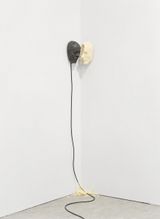
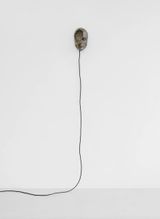
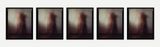
Mother. The iconic photographic series Mist Mother Studies (2006) portrays Krisár’s mother, Eva Turlock, in various states of becoming: visibility and invisibility, vapour and flesh. The rubbing out of the body through long camera exposures works in tandem with the void of the domestic space. A painful absence settles into the room. A similar emotional logic plays out in the double sculpture Bronze/Wax #1 (2005-2006). Here, Krisár translates the experience of living alongside mental illness into a problem of matter. A bronze cast of his mother’s face emits heat towards a wax cast of Krisár’s own; under that radiation, his features slowly melt away, hollowed out by proximity. Only across the room, at a safe distance, does his face recover its solidity, reappearing in Bronze/Wax #2 (2008). Detachment restores identity, at a cost. How far must a son move away from his mother in order not to disappear with her?

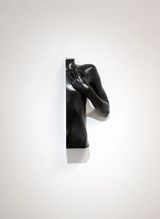
Detachment, and the incompleteness it leaves behind, returns in Krisár’s Half sculptures. In Half Torso (2017), a black-patinated bronze body is sliced cleanly along its vertical axis, the violence of the cut counterpointing the tenderness of the hand’s gesture. The work points towards several possible readings: one indicates Krisár’s mother, who is perpetually halved due to her bipolar disorder; another a son halved in his attempts to reconnect with her. In broader terms, the halved torso might also be an allegory of the human being as something never quite whole – an existential split given anatomical form. Krisár’s work is often charged with this particular sense that parts of the self may essentially remain missing, deferred, estranged.

Anders. In professional diving, “hollow” describes a posture of extreme contraction and alignment, used to keep the body controlled through rotation and into the water. The body forms a slight concave line, shoulders and arms locked overhead into a compact unit. An image of discipline and athletic will that Krisár, not incidentally, rehearses throughout his practice. Like his High Diver, he keeps negotiating gravity, training matter, and perhaps himself, into form.

Read More

Installation Views

About the Gallery

The beginning of the JARILAGER Gallery traces back to 1998 when Jari Lager first opened his artist run space VTO in the East End of London, while also working at the LISSON Gallery, this was followed with the opening of UNION Gallery in 2003 on Union Street at Bankside near the Tate Gallery.

View Gallery Profile
Address
Wormserstrasse 23
Cologne
Germany
Opening Hours
Wednesday–Friday
1pm–6pm

Sunday
11am–2pm
And by appointment
(1)
Cologne Wormserstrasse 23
JARILAGER Gallery
Wormserstrasse 23, Cologne, Germany
+49 221 169 925 40
http://www.jarilagergallery.com

Opening hours
Wednesday–Friday
1pm–6pm

Sunday
11am–2pm
And by appointment
The art world in focus