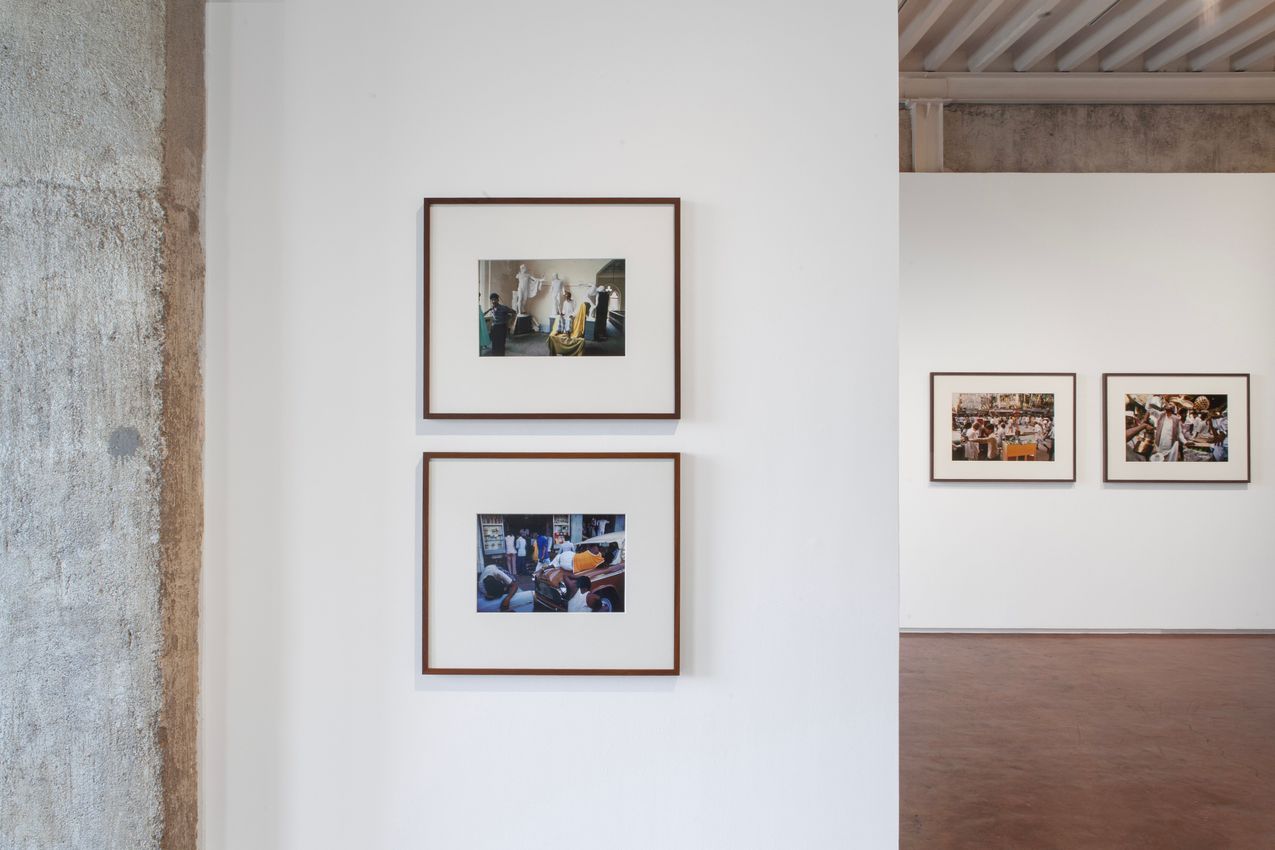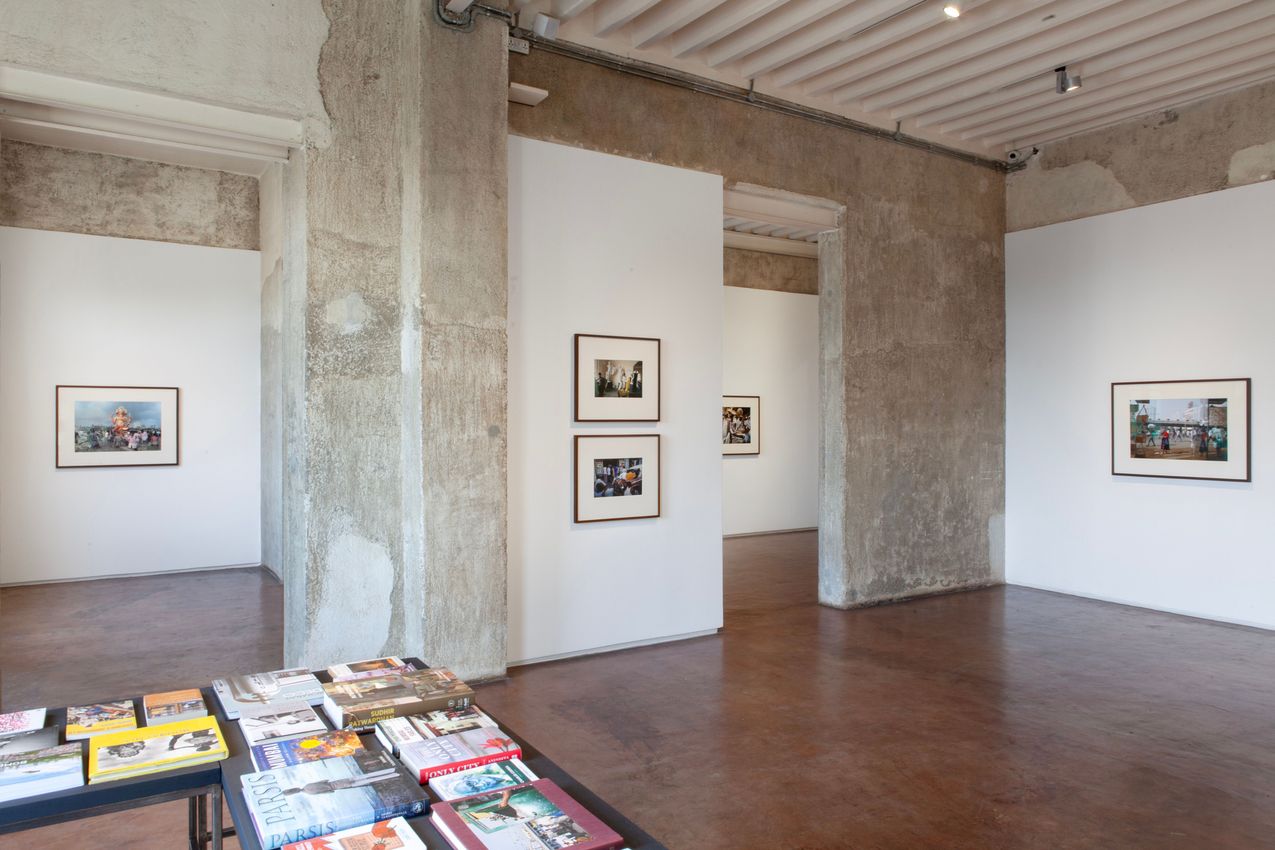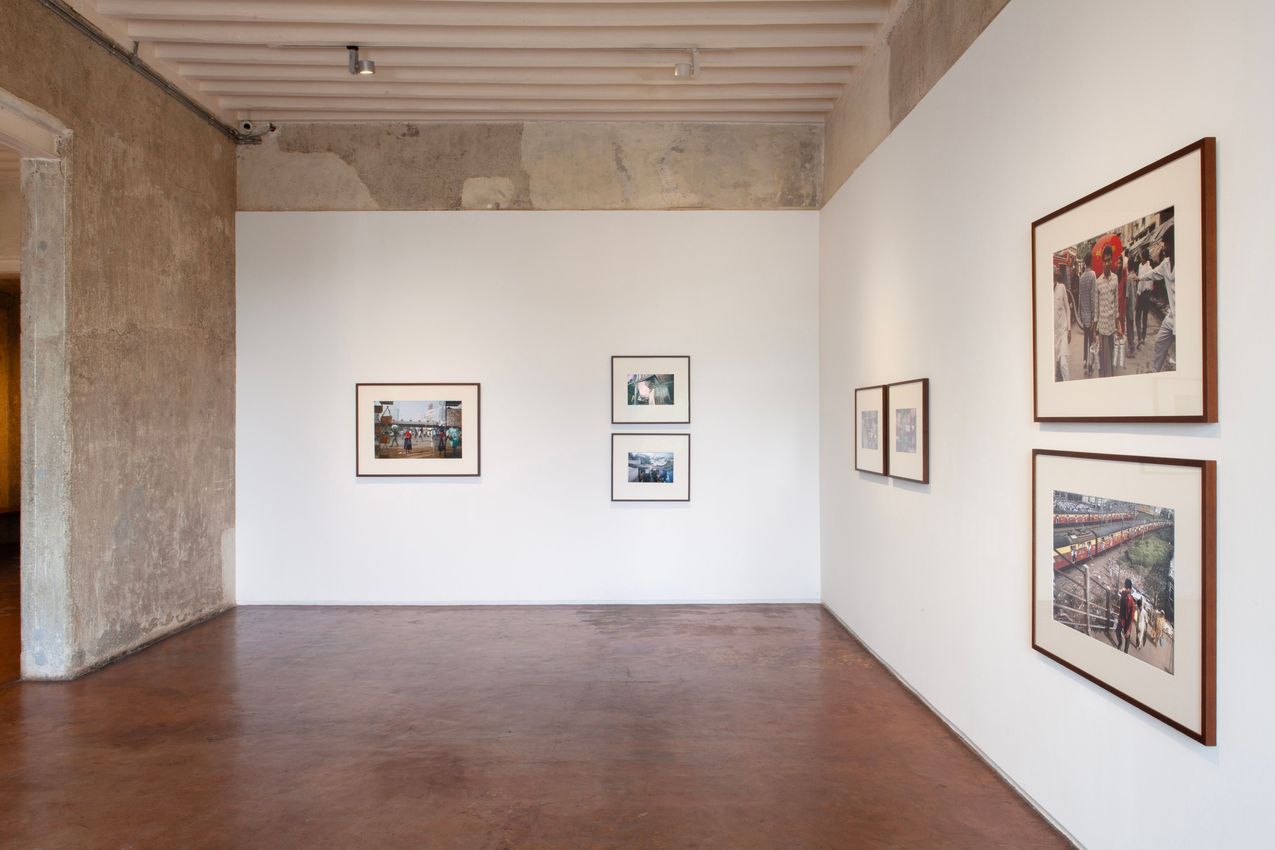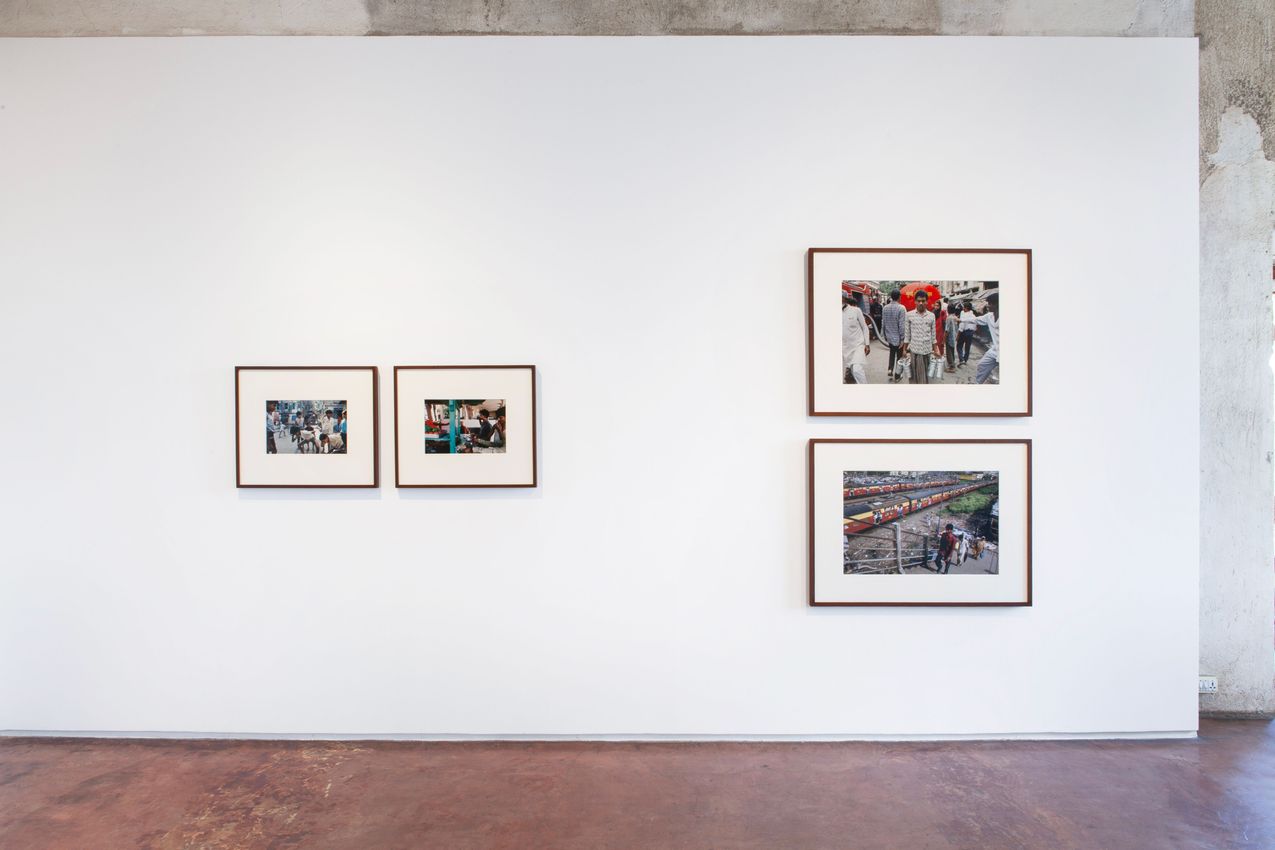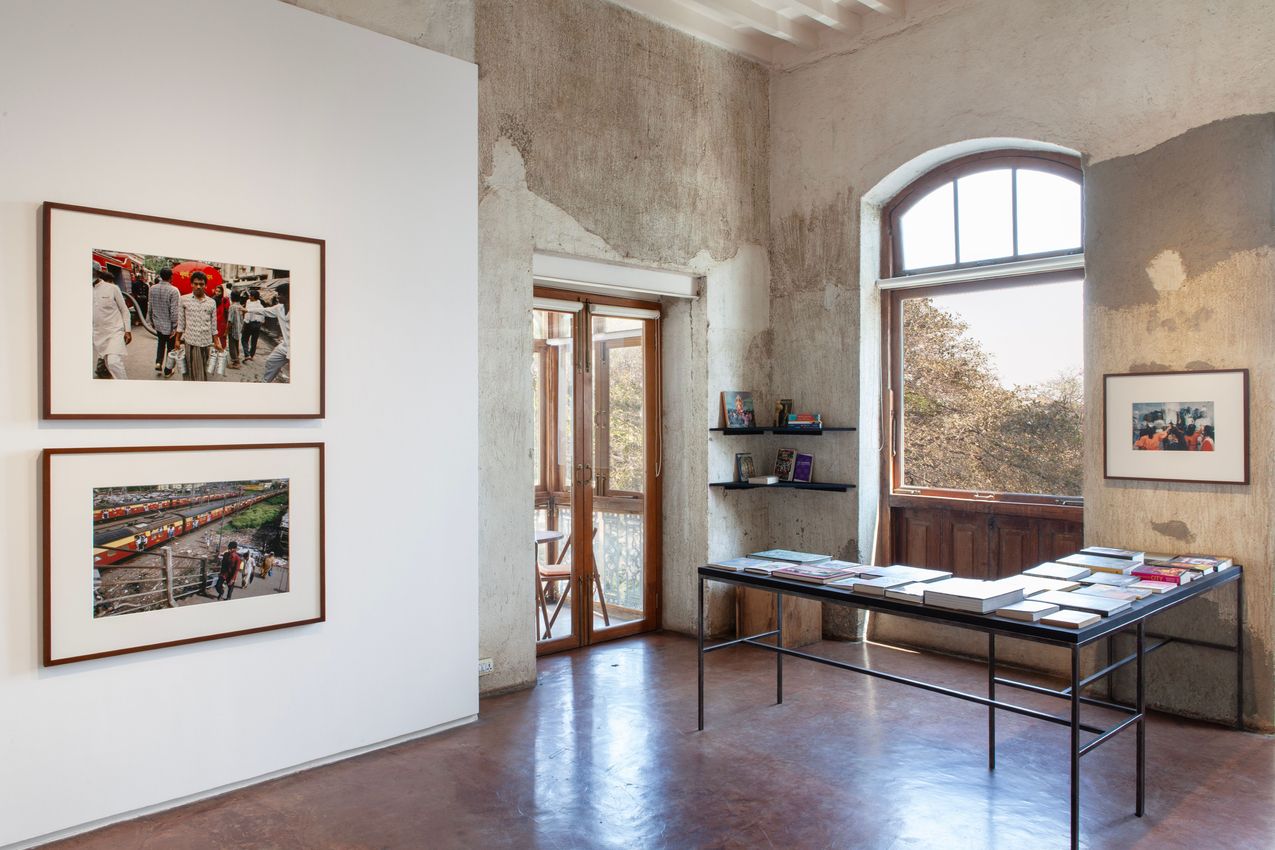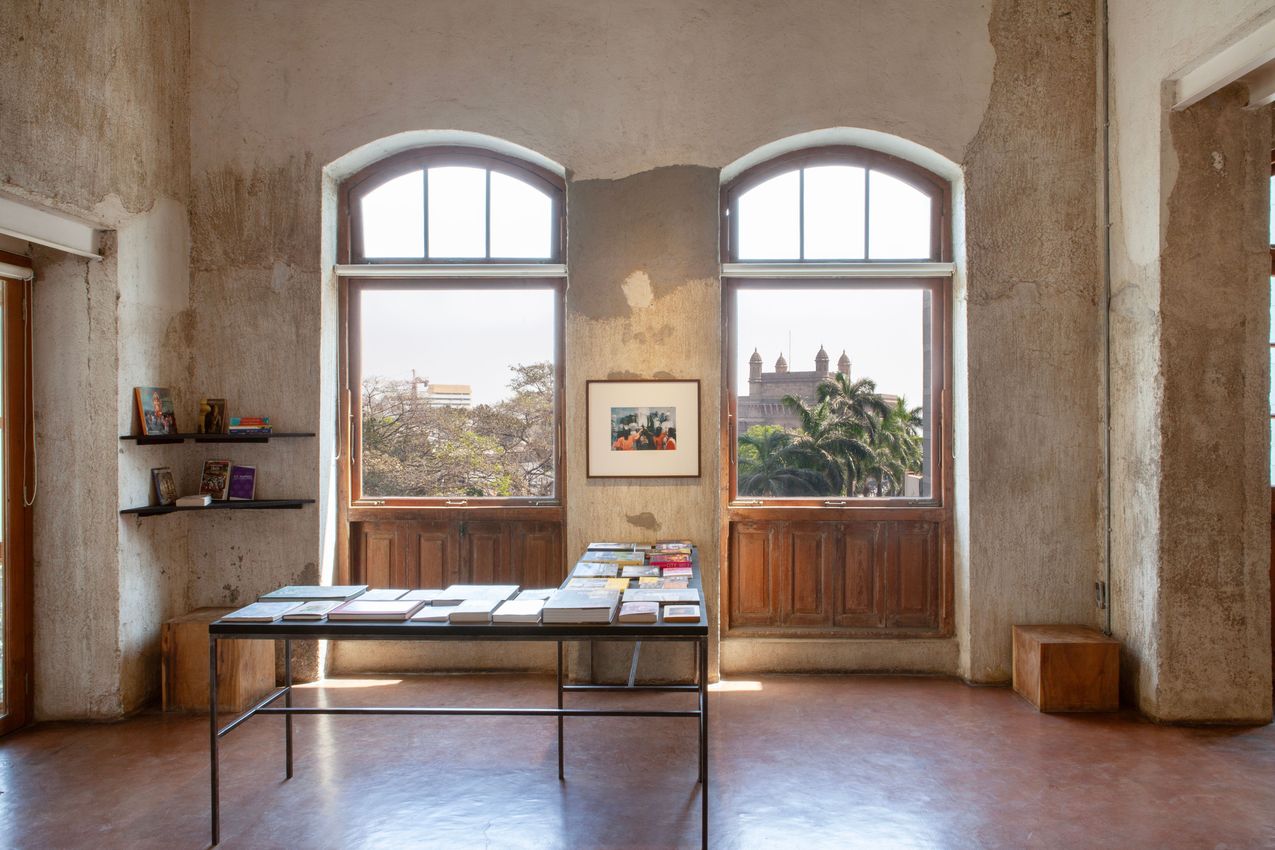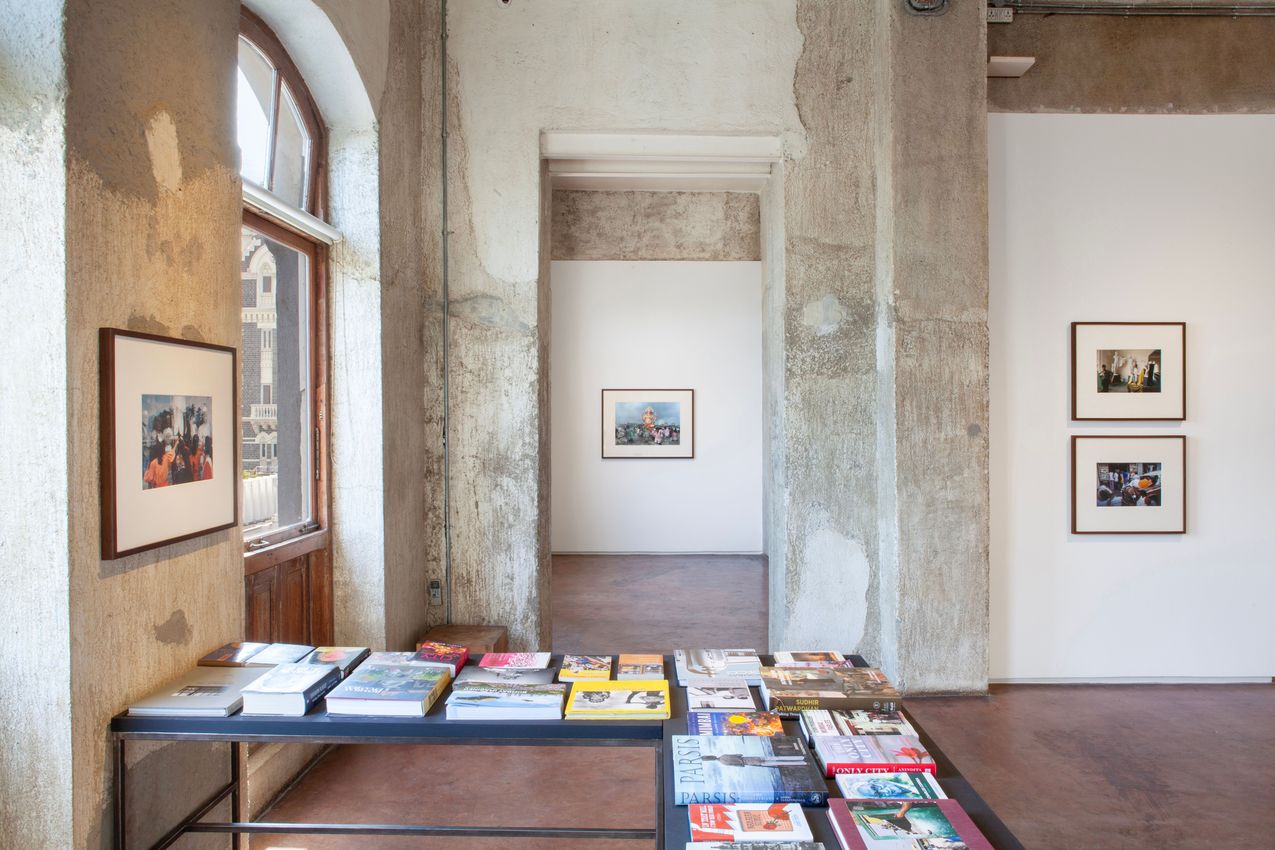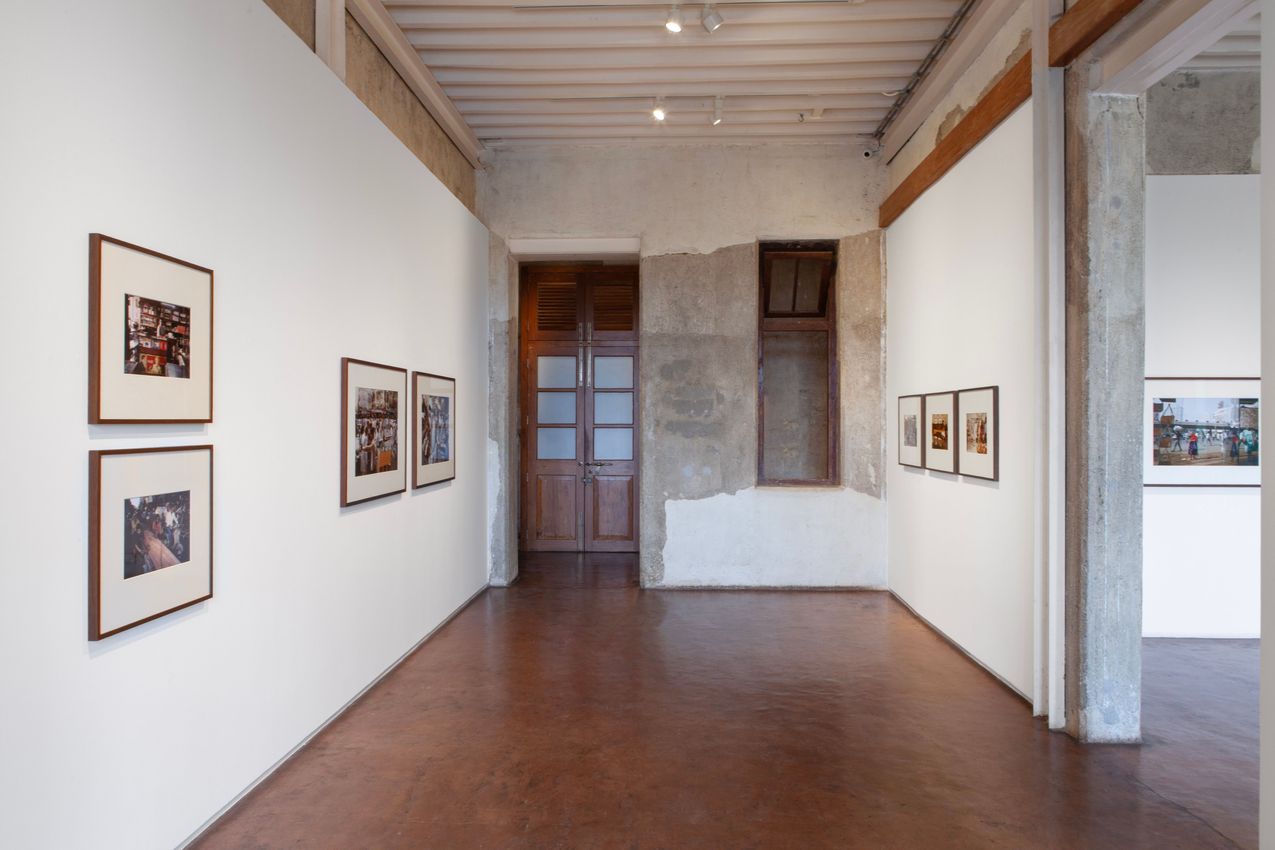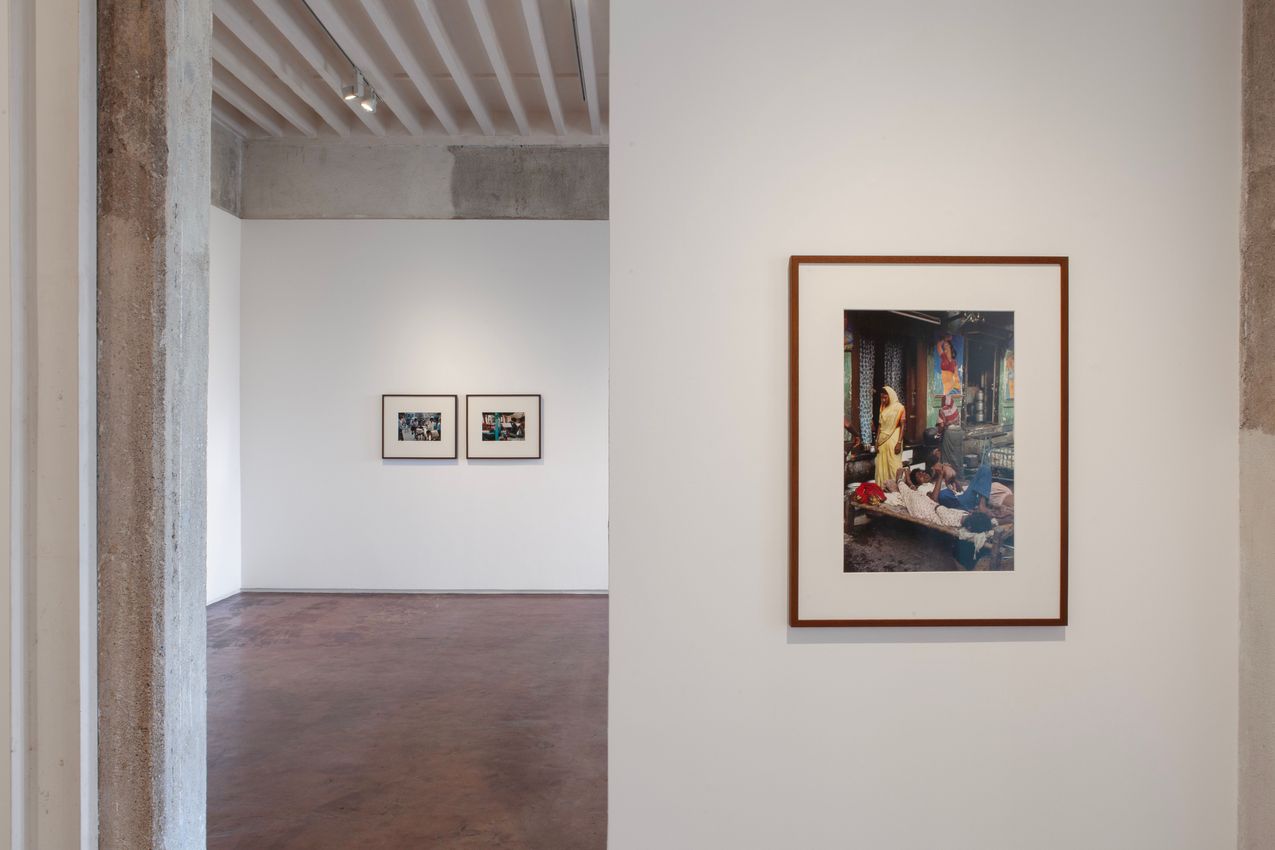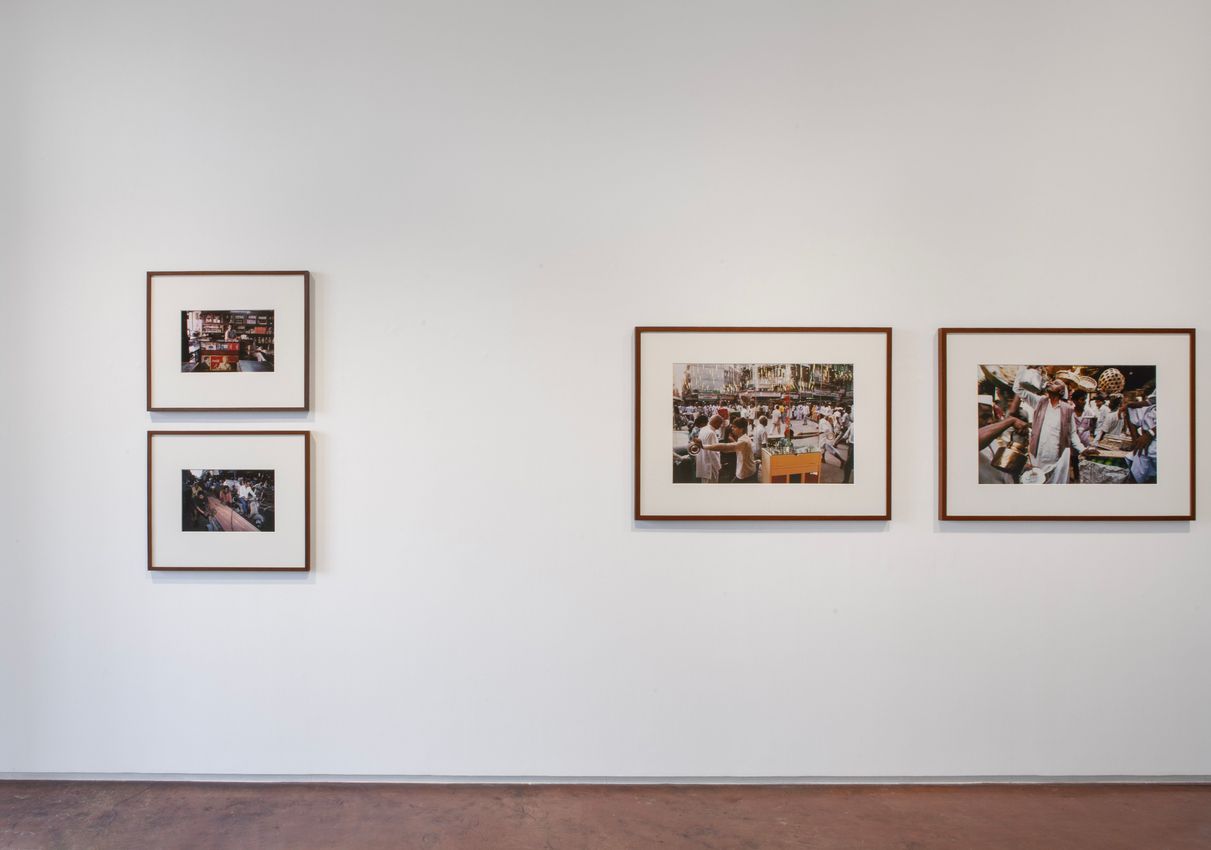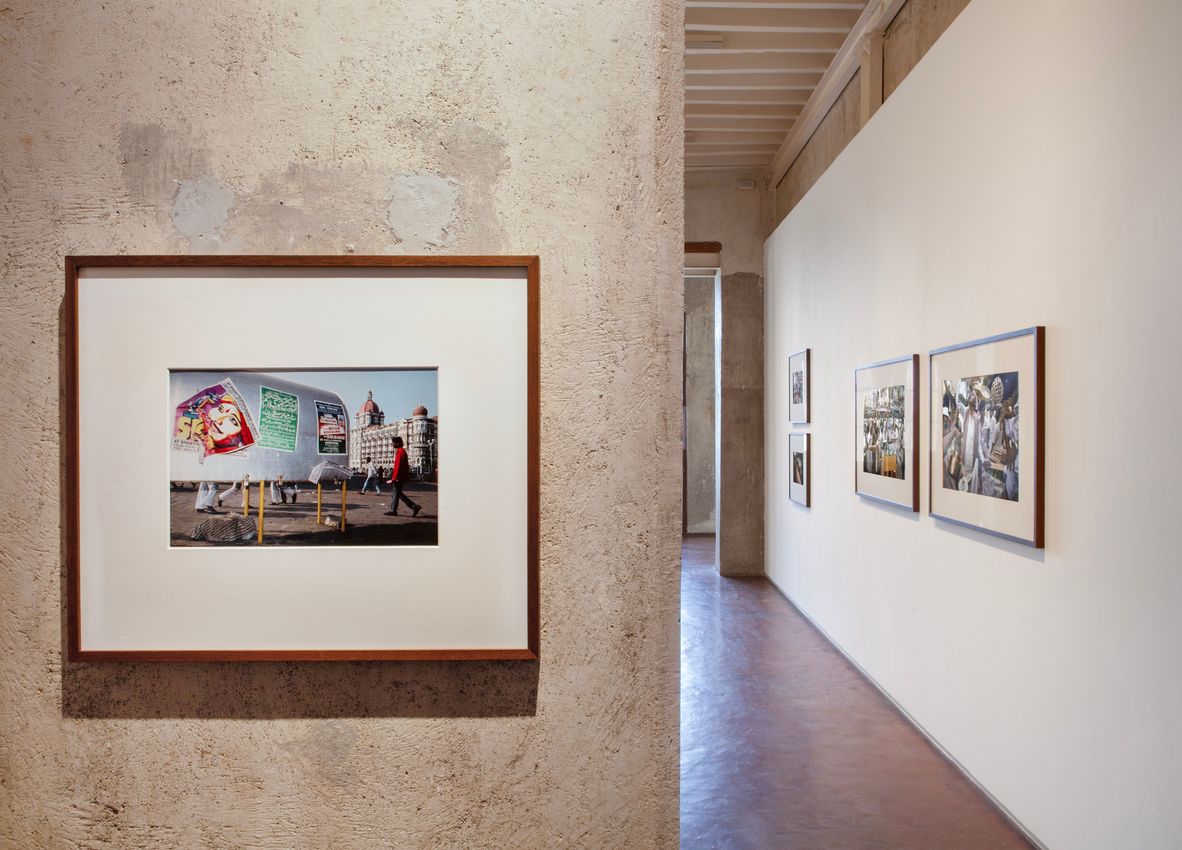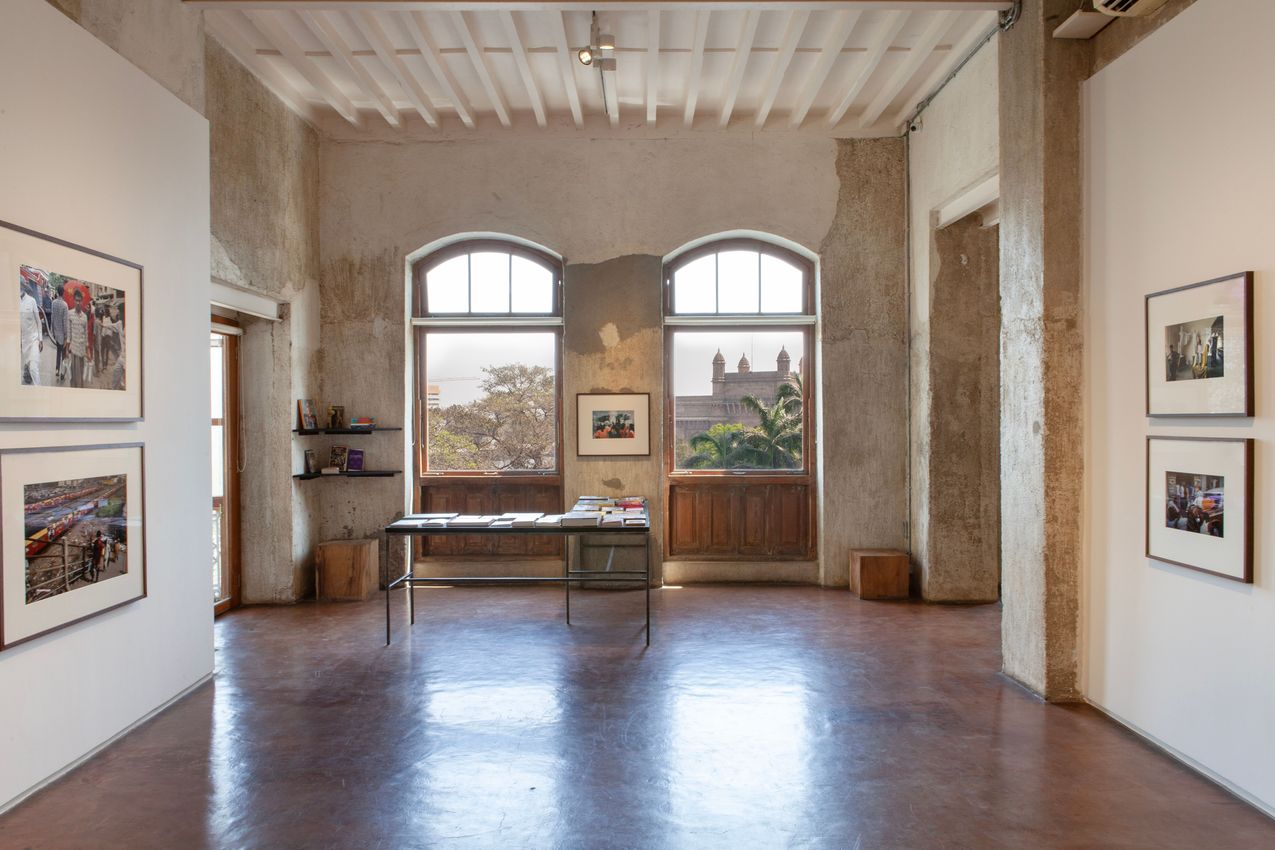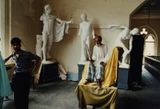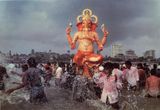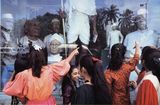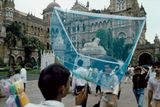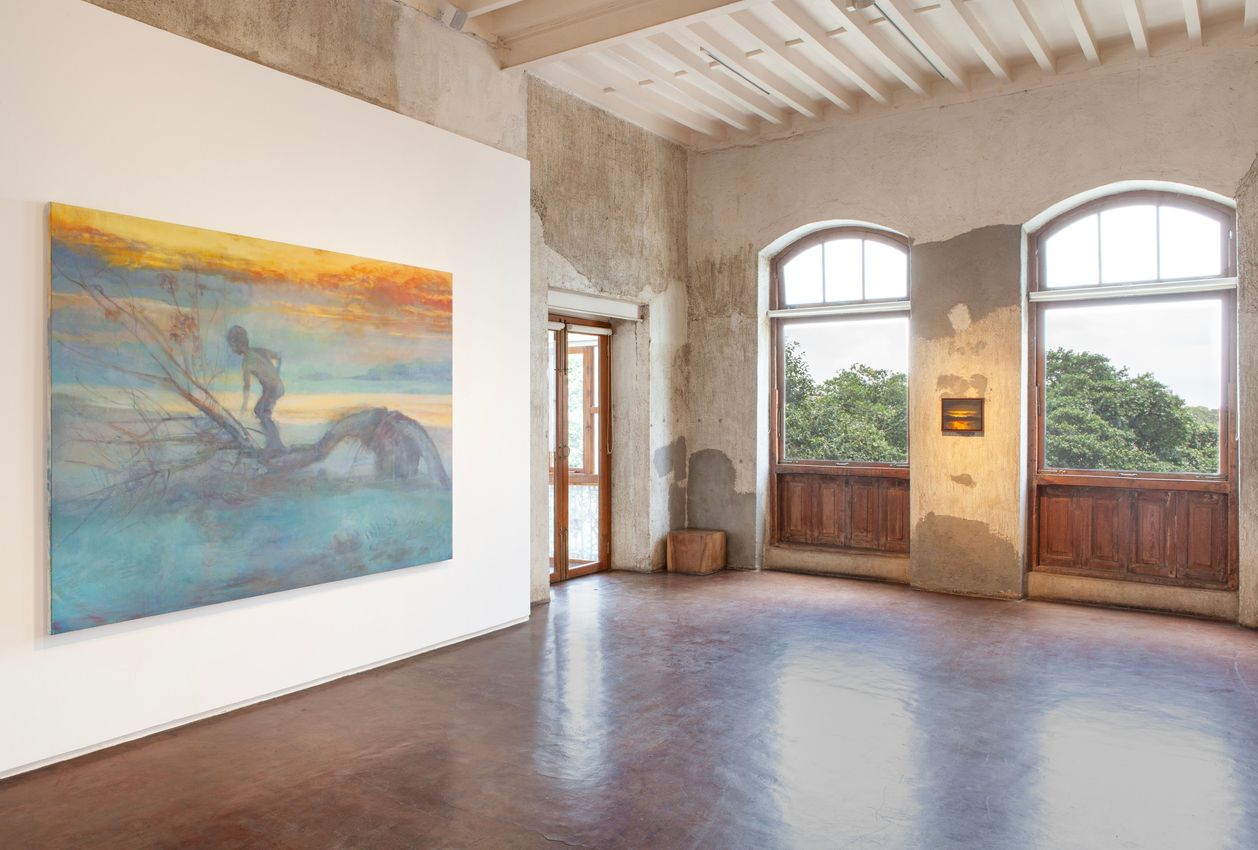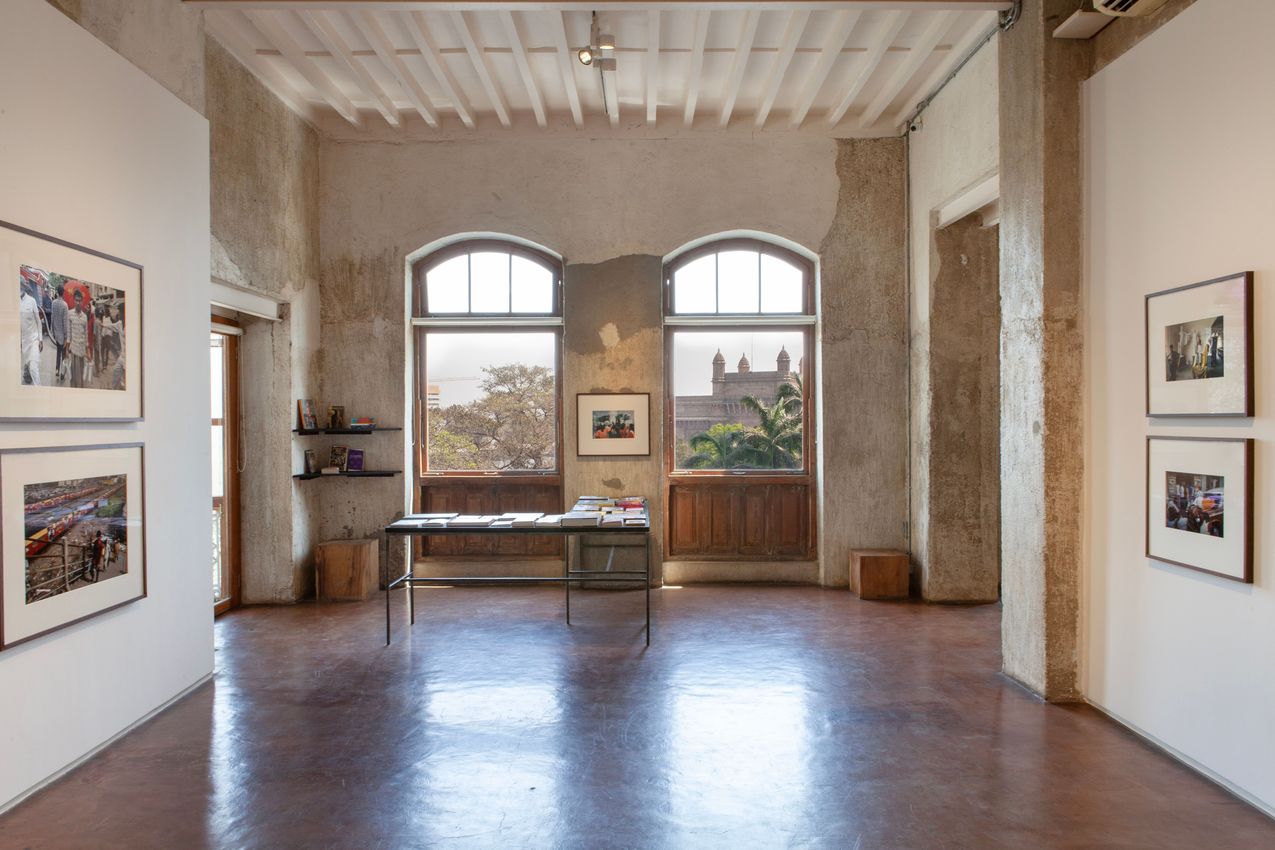
Jhaveri Contemporary is proud to present Raghubir Singh: Bombay, a solo presentation of photographs by the late Raghubir Singh. A pioneer of analogue colour street photography, the exhibition chronicles the city between the late 70s to mid 90s. The vibrant, dynamic and occasionally surreal photographs capture the city’s character and, as Singh said, ‘the several forces working in Bombay.’ From market crowds to the J.J. School of Art, from the sky-high towers filled with lavish homes to the slum of Dharavi, Singh captures a city of extremes. As Mumbai now undergoes intense infrastructural transformation, the images provide an opportunity to be reminded of and to savour the city’s unmatched charm and tenacity.
Bombay, during the period captured by Singh, was equally metamorphosing. Textile mill closures in central Mumbai heralded a new epicentre for an economy based on services, including financial, retail and entertainment. Along with economic liberalisation in 1991 and the ensuing rocketing real-estate prices, the city endured riots, bombings and a plague scare. This series of images was seminal for Singh. He considered them the first time he had dealt with contemporary aspects of Indian life. As he reflected, the work faced the city and its inhabitants head-on, it was ‘direct. There is more confrontation and tension.’ he explains in the conversation with V.S. Naipaul reproduced in Bombay: Gateway to India (Aperture and The Perennial Press, 1994).

While Singh’s camera can be piercing, he also creates ambiguity by playing with mirrors and other forms of light reflections, including through the day-time use of flash. Zaveri Bazaar and jeweller’s __showroom, Bombay (1989) is a mesmerising view from inside to the outside street of shops upon shops of jewellers. Shooting in Bombay Singh had to, ‘trap the movement on the street, in relationship to...static elements.’ His book on Bombay was the result of meticulous editing. Singh saw this process as crucial, as much so as the shooting. While his street photography was bound by an element of chance and accident, often demanding a quick response, editing was a way to dwell.
Time too was spent studying colour, contrasts and form. Before the era of digital enhancement, Singh produced images, like Victoria ****Terminus, Bombay (1991), that pop and stay on the mind. His masterly use of colour was essential to expressing India and constructing a world of images. As Singh put it, ultimately, while focused on Bombay, this body of work is ‘about the transformation of India’.


Jhaveri Contemporary was formed in 2010 by sisters Amrita and Priya with an eye towards representing artists, across generations and nationalities, whose work is informed by South Asian connections and traditions. The gallery’s dedication to original scholarship, engendered through its carefully crafted shows, is one of the many ways it distinguishes itself. Entwined with this philosophy is another guiding principle: showcasing the heterogeneous practices of long-celebrated luminaries as well as emerging talents, often in generously interrogative conversations. With a focus on mining lesser-known art histories, Jhaveri Contemporary facilitates dialogue between artists, curators and historians to add to the wider field of art. Estates served by the gallery include Mrinalini Mukherjee and Anwar Jalal Shemza.

A respected voice in contemporary art discourse.
Focusing on ambitious storytelling and insightful art-world commentary. Ocula Magazine publishes in-depth interviews, critical essays and timely analysis on the artists, exhibitions and ideas driving the global art world.
Learn more about Ocula Magazine
Showcasing the best of the art world.
Ocula partners with galleries from around the world to highlight their artists, artworks and exhibitions. Gallery membership is by application and invitation, with each member vetted by an independent panel.
Learn more about Ocula Membership

Specialises in the sale of major artworks.
Led by a team with deep ties to the world’s leading auction houses, galleries and collectors. Ocula’s advisory team offers bespoke services to high-net-worth clients from around the world who are looking to acquire the best of contemporary and modern art.
Learn more about our team and services