





John Galliano, from Sinner to Saint?
As the Met announces a John Galliano retrospective for 2027, Rosalind Jana asks whether, and why, the fashion industry has fallen back in love with the designer. Save to My Ocula

When Jonathan Anderson was readying his womenswear debut for Dior last year, he knew who he wanted to be the first to see the collection: John Galliano. The man who had run the label from 1996 to 2011, transforming it from an elegant society maison into a radically cool fashion house, turned up with two cyclamen posies tied with black ribbons and a Tesco bag full of sweets for Anderson’s team. The flowers communicated “couturier”, sensitive to beauty’s fragility and extravagance; the carrier bag said “storyteller”, of the candid, unshowy kind. He came to the house that had dismissed him, 14 years and three successors later, with his hands full of gifts for its new leader. It was not clear who was seeking a blessing from whom.
It was an intriguing moment, expressive of Galliano’s strange place in fashion. In 2011, Dior sacked the designer after footage emerged of him drunk, in a Paris bar, telling strangers he loved Hitler. It was not the only incident. A French court convicted him of making multiple public insults based on race, religion and ethnicity. But he wasn’t out in the cold for long: in 2013, Anna Wintour brokered an Oscar de la Renta residency for him. The following year, he was given the top job at Maison Margiela. Last week, news of the ultimate anointment came. The Costume Institute at The Metropolitan Museum of Art in New York City announced John Galliano: Horizons, his first major retrospective, spanning 40 years of work. He will follow just two designers who have had standalone Met shows while still alive: Yves Saint Laurent and Rei Kawakubo.
The ensuing debate over whether Galliano is worthy of the honour has been conducted in the language of cancel culture, its beats now familiar. Has he changed? How do we engage with the work of men who have done indefensible things? Is this evidence of a continuing pendulum swing, whether part of a wider retreat from consequence, or a culture that is learning to hold complexity? All these questions work on the assumption that the fashion industry has been sitting in judgement, carefully deliberating whether, and when, to let him back in. This is mistaken. You cannot readmit someone who was never fully expelled. A father might fall from grace, but he is seldom struck from the family.
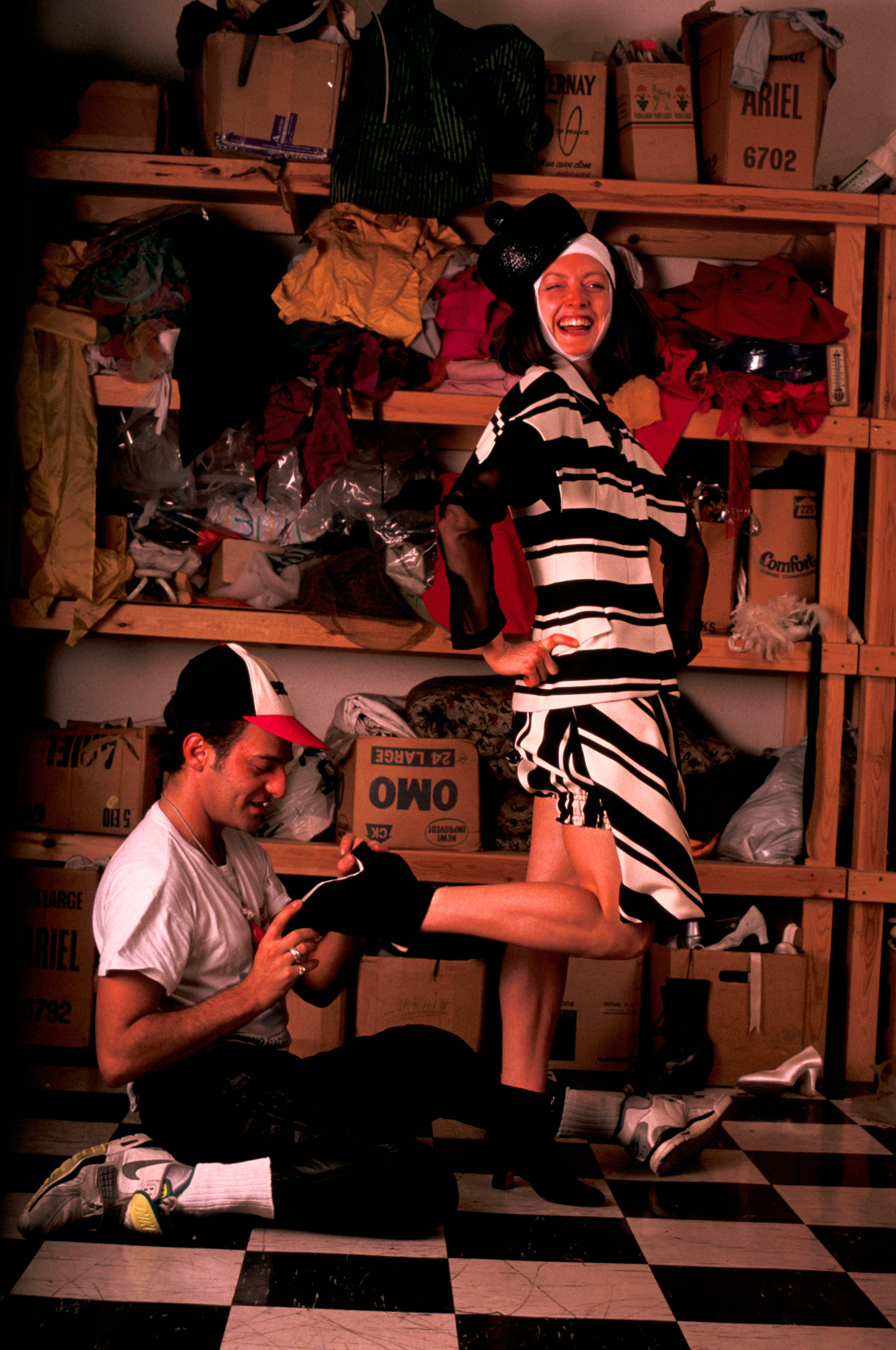
The Met’s announcement did not shy away from mentioning Galliano’s offences. The exhibition, a Met press release said, will directly address the rupture caused by his antisemitic, racist and anti-Asian conduct, as well as his subsequent treatment for addiction and later public acknowledgement of what he did. The exhibition, curator Andrew Bolton said in a statement announcing the launch, will explore “both how Galliano has remapped the world through fashion and how his conduct, its consequences, and changing cultural values have reshaped our understanding of his work”. It is a big promise, giving rise to a bigger question: what, exactly, has reshaped our understanding, and who did the reshaping?
“How do we engage with the work of men who have done indefensible things?”
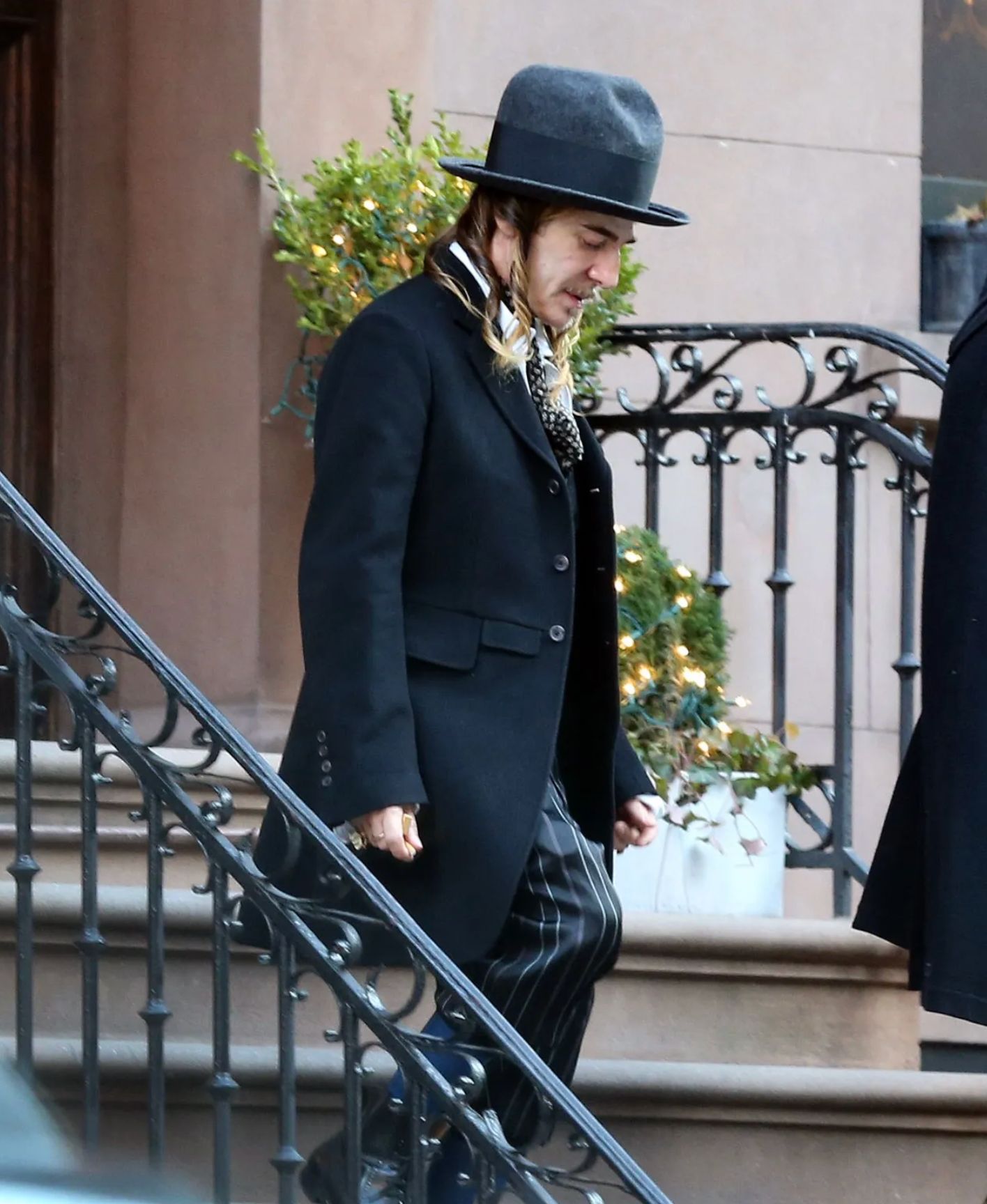
At the time of his offences, the French court heard the evidence and decided on an appropriate penalty. The designer himself, as detailed in Kevin Macdonald’s 2024 documentary High & Low, embarked on an eccentric approach to atonement: treatment, meetings with community leaders, a course of study in Jewish history. But his wardrobe undermined the public redemption arc. In 2013, during his Oscar de la Renta residency, he was pictured wearing a long jacket, tall hat and sidelocks resembling the peyos worn by some Orthodox Jewish men. The New York Post described it as Hasidic costume; his publicist Liz Rosenberg issued a rebuttal, including the surreal line “John has worn big hats… for many, many years.” Ruling out both homage and mockery, she added that there was no intent to “insult the Jewish culture or pay tribute to people in 17th century Poland… consciously or unconsciously”.
This final word was, and is, telling. People might say they love Galliano for his ideas, his sense of theatre and romance, the scale of his imagination and drama of his silhouettes. But what they really love, I think, is the sense that he represents fashion at its most unbidden: clothes as something to be sold, yes, but also a kind of psychic holding pen, the place where dreams and fears and appetites got worked out in public. “Consciously or unconsciously.” Here was an enfant terrible well into middle age, the embodiment of pure id dredging and splicing references, regardless of their meaning or origin, in a wunderkammer of history and culture. Rosenberg was not defending Galliano against a misreading. Rather, she was pre-empting an inference anyone familiar with his work might make: that a man who spent 30 years as a fashion magpie had simply carried on as usual. It isn’t an argument you head off unless you expect to hear it.
This is the same pattern performed ever since, by him and on his behalf: the actions and reactions are all there, exhaustively documented and acknowledged, but nobody wants to go digging for the why. In Macdonald’s documentary, Galliano is clear on the external forces (the pressure of 30-odd shows a year, the death in 2007 of his right-hand man Steven Robinson, drugs and alcohol) but remarkably incurious about the internal ones. He has always been able to discuss how a collection surfaced: the research, the sources, the childhood memory. On where the words came from, he has nothing. In court, he claimed to have no relationship to what he said: “They are not views that I hold or believe in.” It is unclear whether he actually wanted to know. The outward inventory is complete. The inward one, if it exists, has never been displayed.
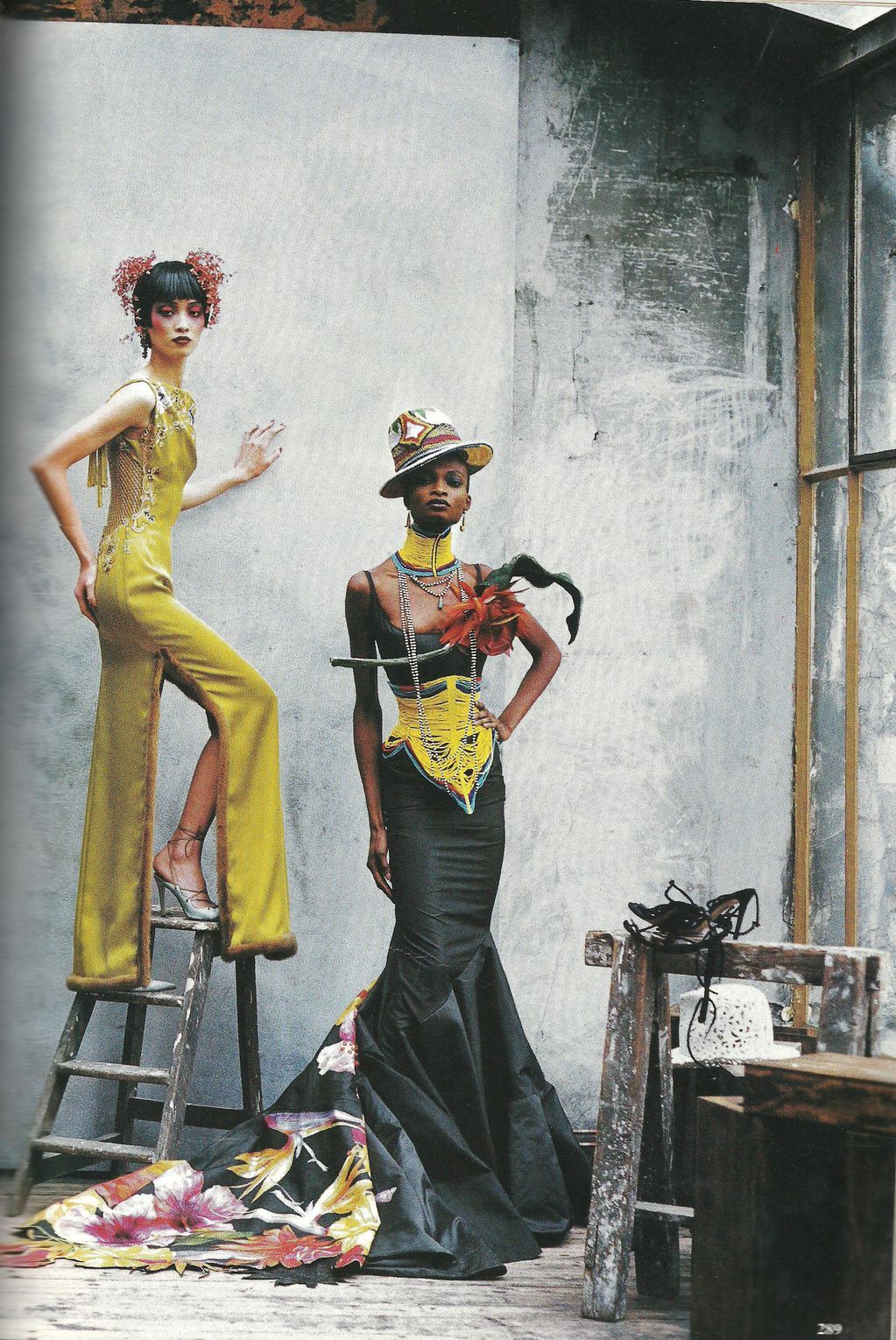
“Changing cultural values,” as Bolton put it, refers to a climate rather than an internal shift: something that has moved around Galliano. At the Met, “values” are, presumably, being used as a lens through which also to reappraise some of his earlier work: the Les Incroyables (1984) coats and exquisite bias-cuts sitting alongside the Maasai collars and Orientalist fantasias; the history of Galliano is also a history of fashion’s long inability to separate inspiration from extraction.
But there is a convenient second reading. A man stands still, waiting for the weather to change. And it finally did in January 2024, with Galliano’s couture show for Margiela. Atmospherically, fashion was ready for it: the rising value of Galliano’s archival designs both on the red carpet and in auction houses, the longing for that vanished era of fashion-as-spectacle, fashion-as-omen, fashion-as-feeling. The ecstatic reception to that Margiela show, which featured models made up as porcelain dolls swaying through the shadows, a mash-up of Brassaï and Van Dongen complete with crazy corsets and merkins half-visible through tulle, was earned.
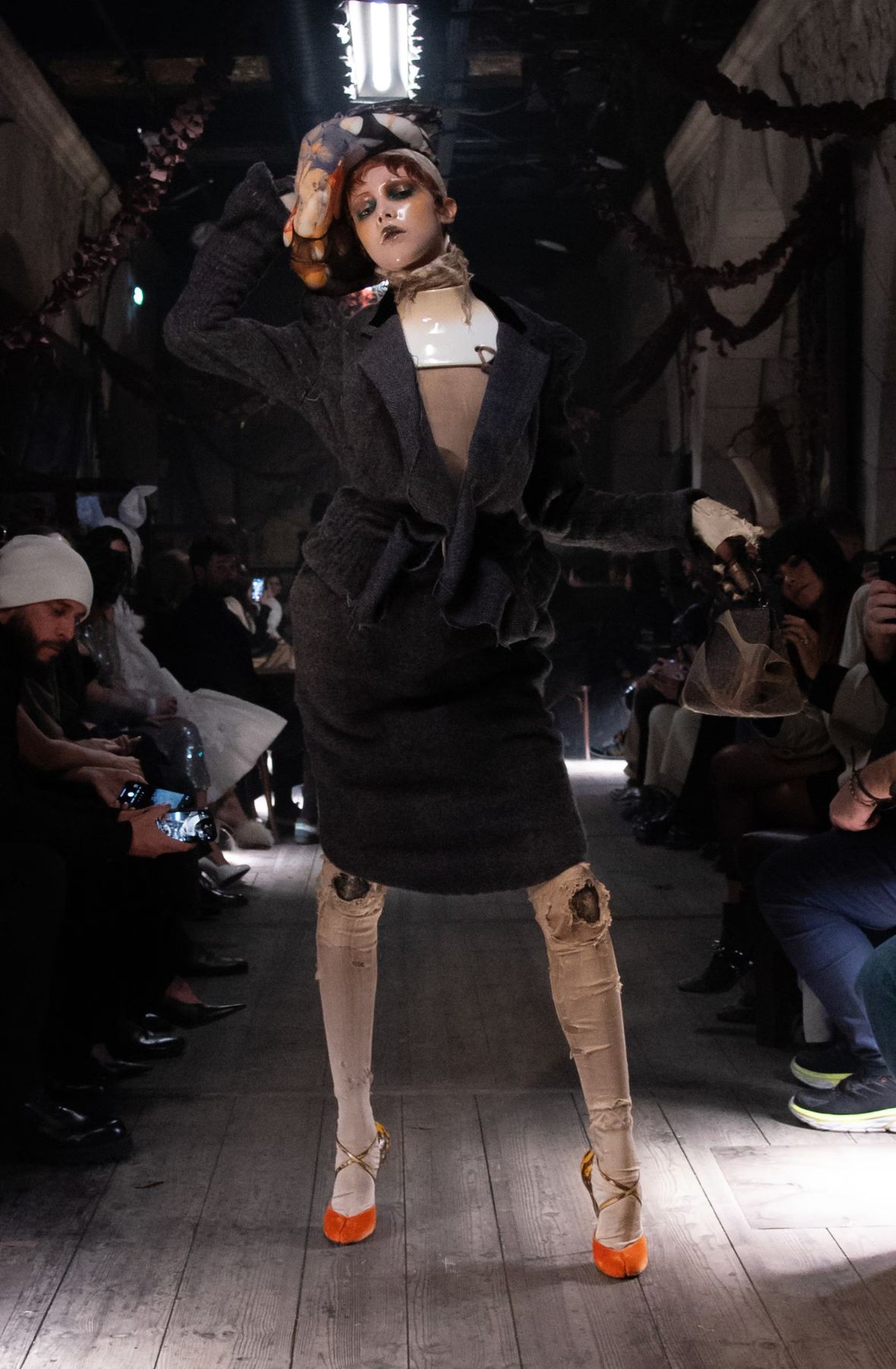
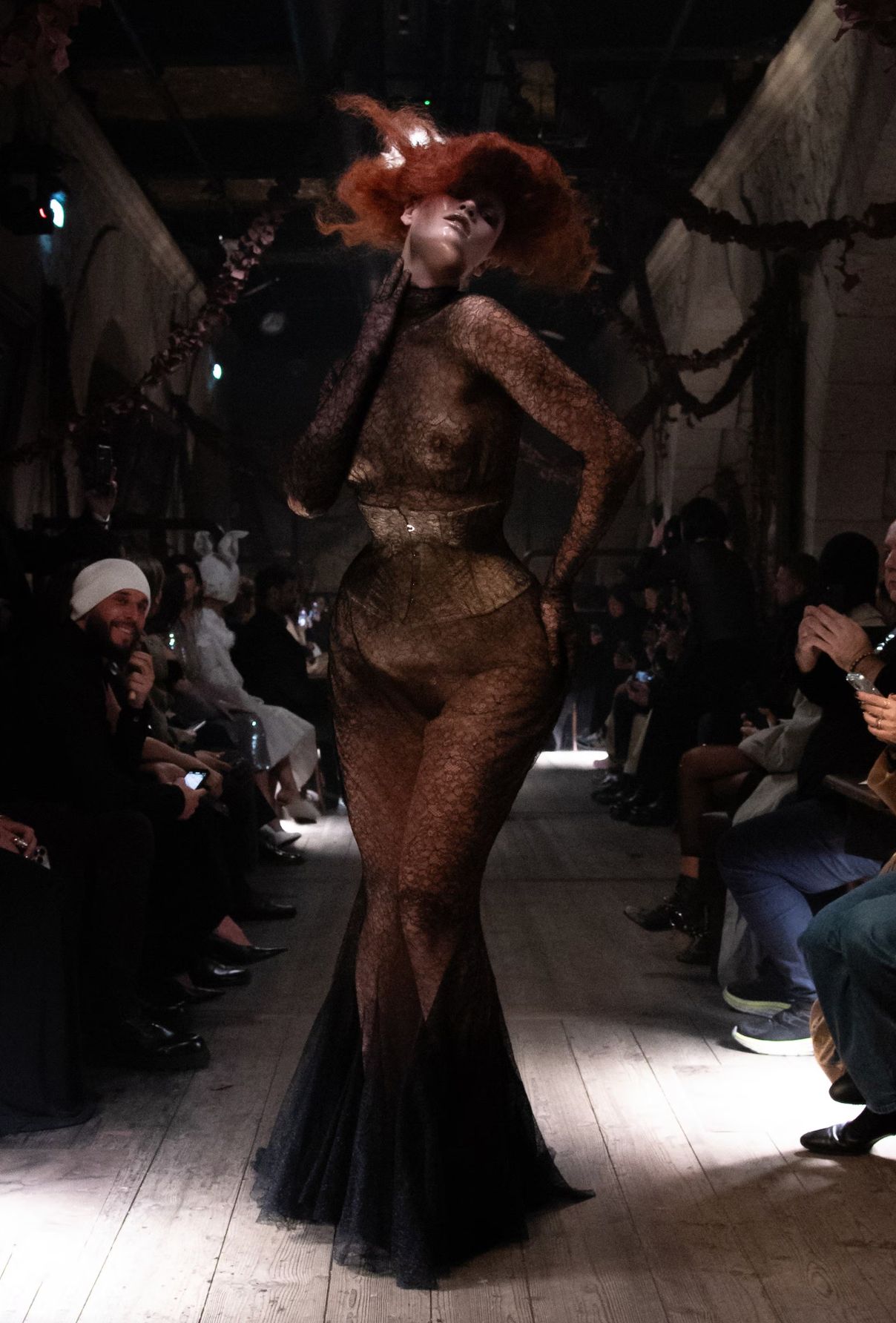
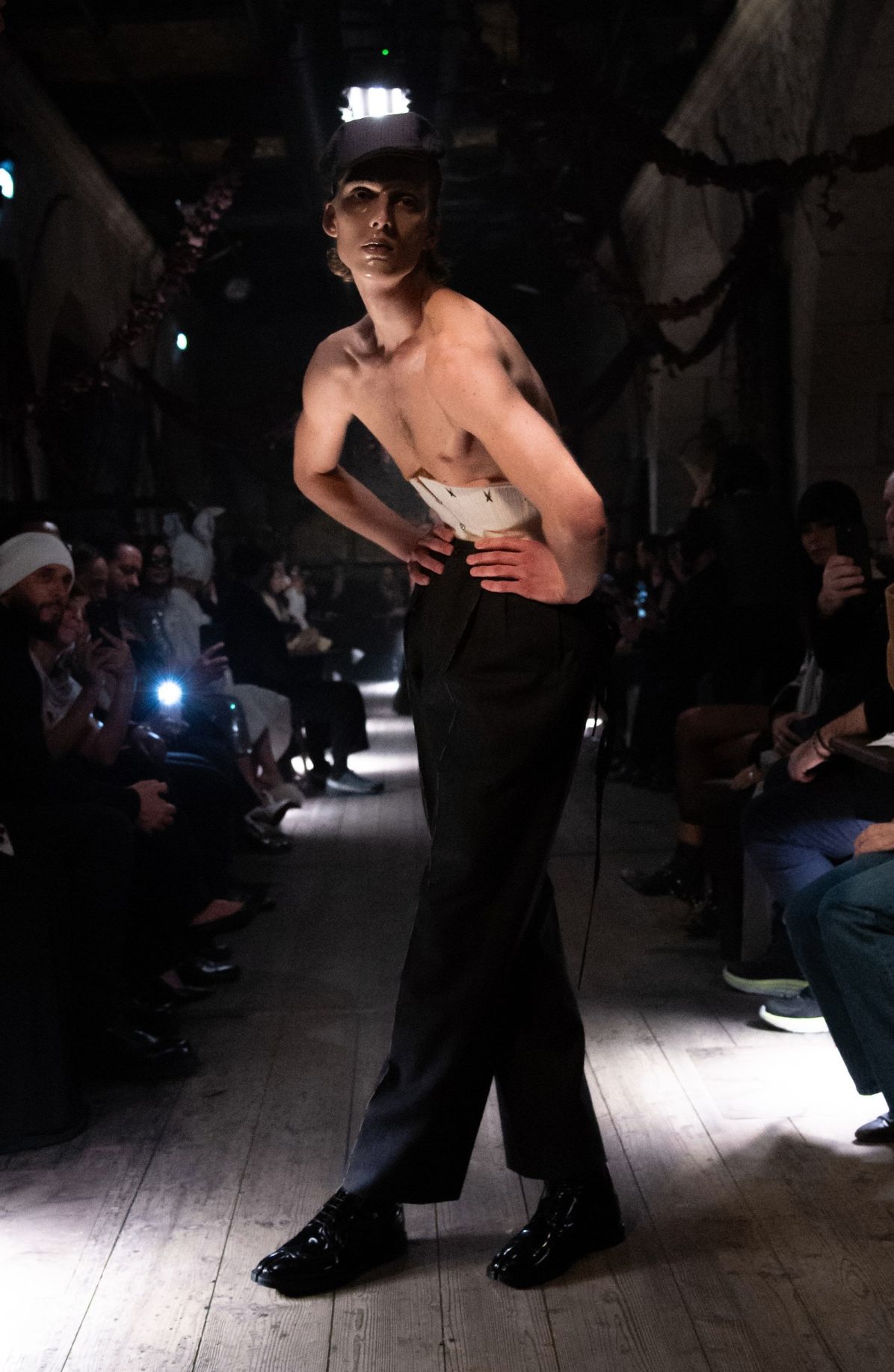
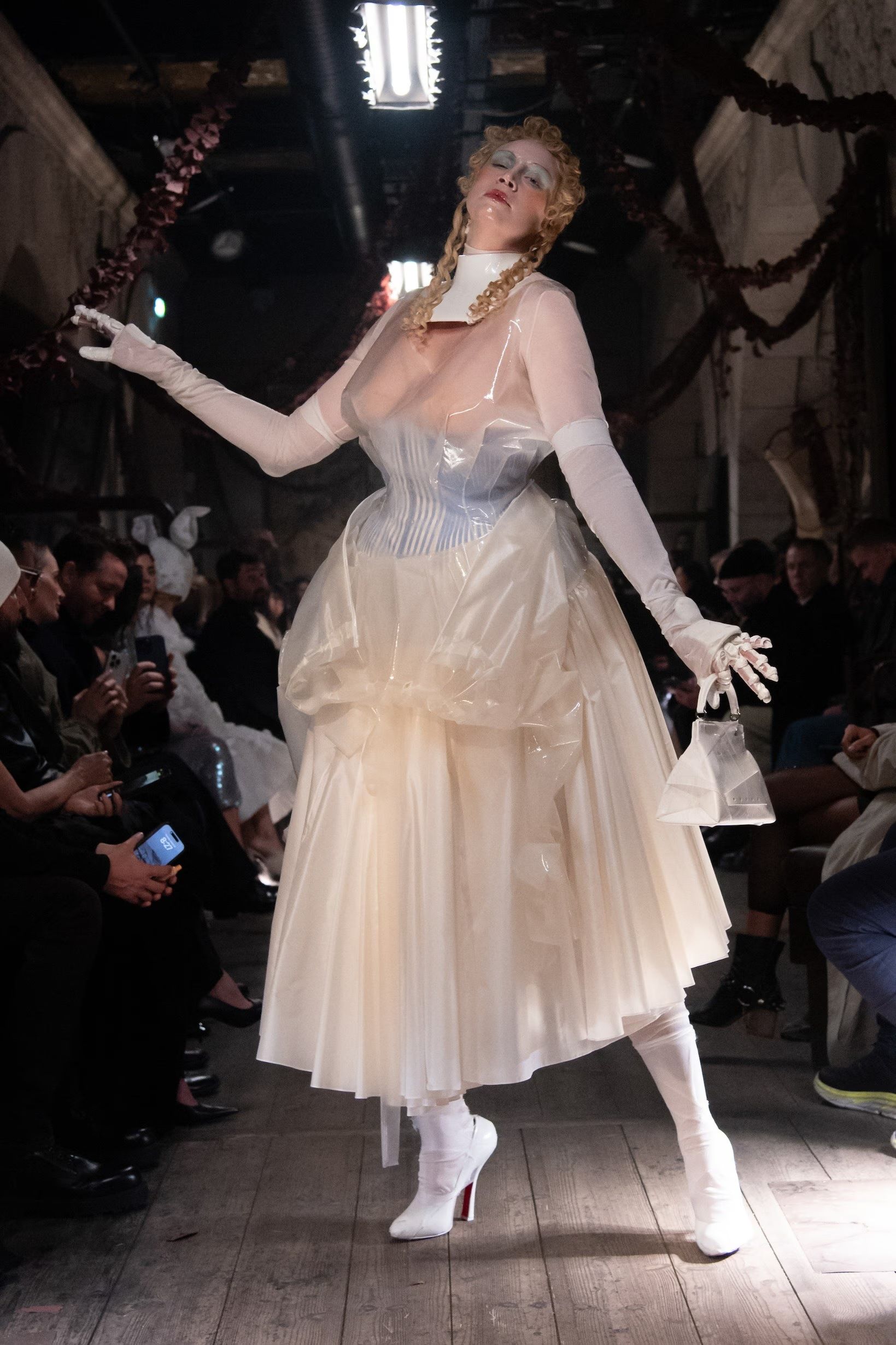
Two years on, it remains to be seen just how sensitive or beautiful or searching the exhibition will be, or what can really be achieved by placing the video alongside the sketchbooks, toiles and staggering gowns, or however Bolton chooses to acknowledge what was said and done. But, regardless, there is something else in the timing. The Margiela show wasn’t merely mournful thanks to its gloomy theatrics. It was also the gorgeous ghost of fashion past, returning for an evening to remind people what they’d lost and what they long for. The loss is structural. Fashion has lost its taste for the maverick: houses cautious, profits under pressure, archives cannibalised because looking ahead feels hazardous.
In that respect, it is perhaps ironic that Galliano’s Met show has been titled Horizons. Galliano’s influence is everywhere, on repeat archival-wearers Kim Kardashian and Charli XCX and the legions of girls in silk slips. His status as one of fashion’s great imaginations is uncontested (with McQueen, Westwood, Lagerfeld and Mugler dead, Jean-Paul Gaultier is the only comparable living showman). But the era that produced and enabled him has vanished. Even if Galliano goes to another LVMH house, he will be hired more for the name and the archive than what lies ahead.
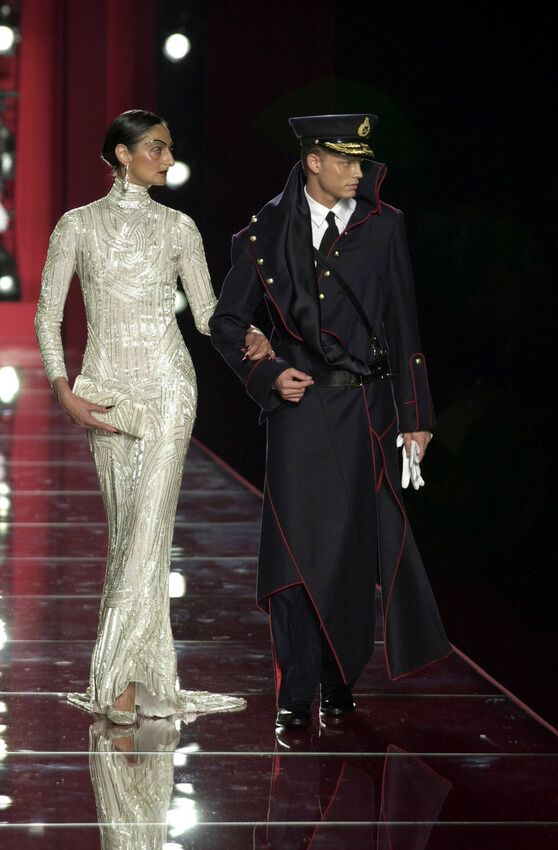
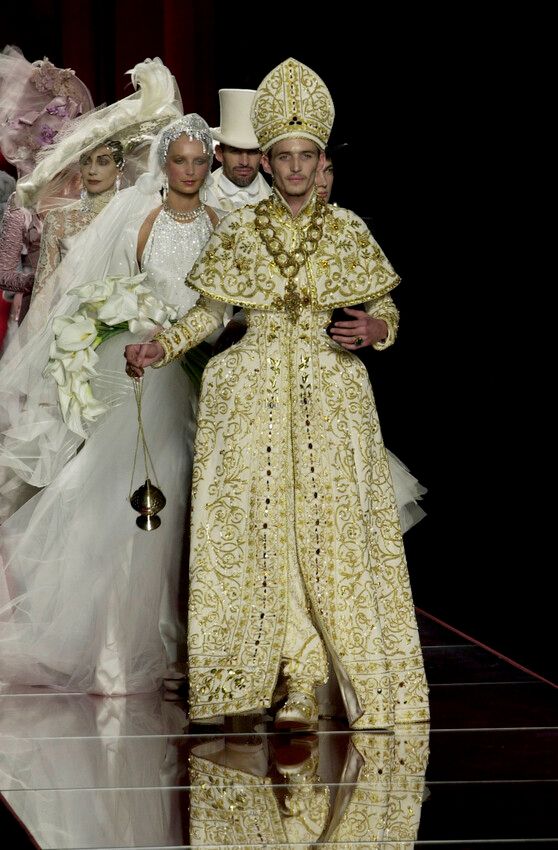
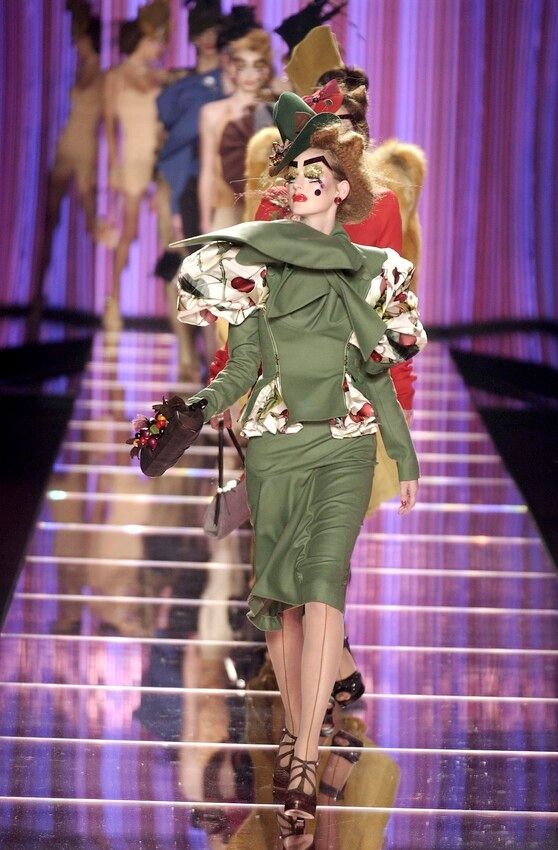
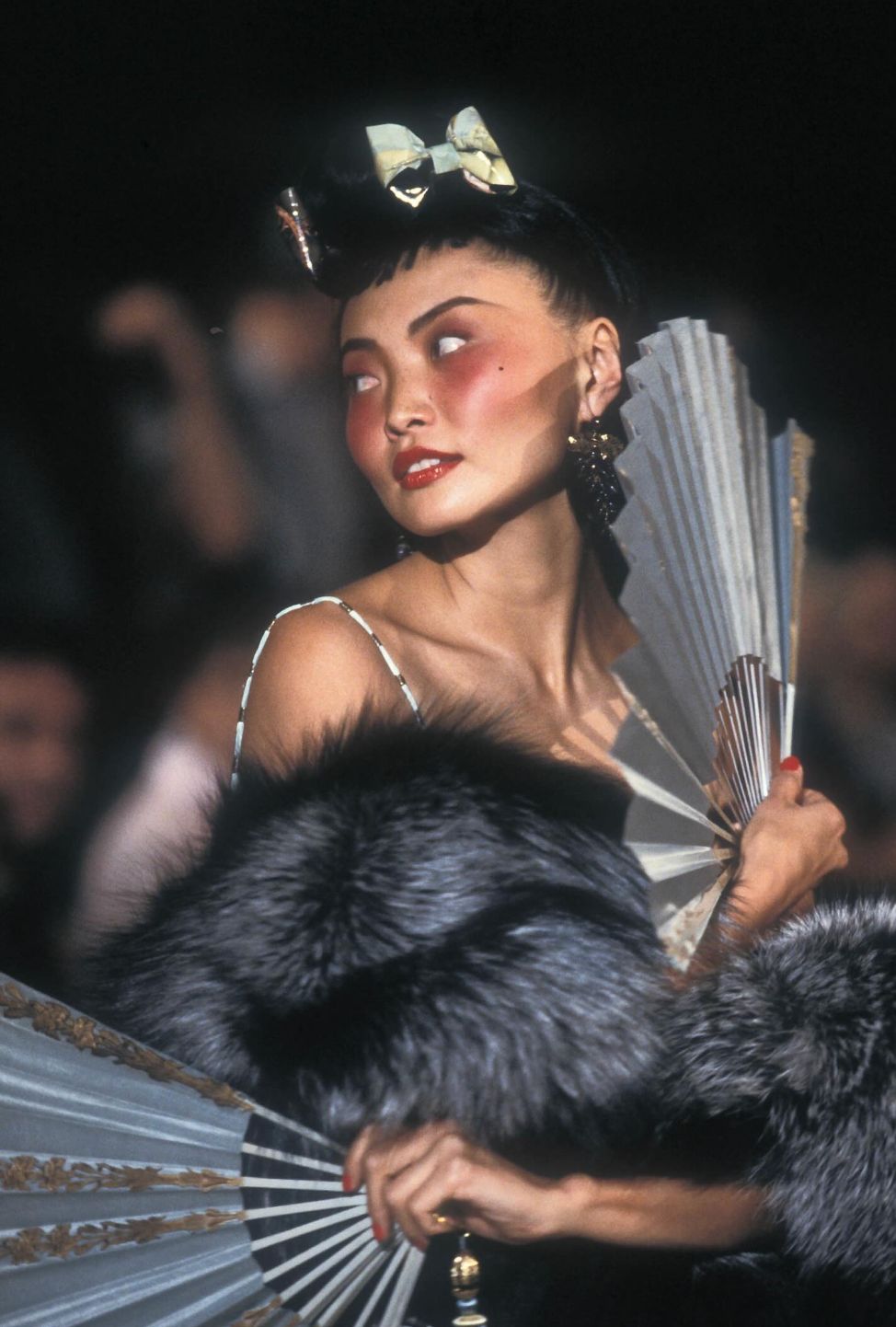
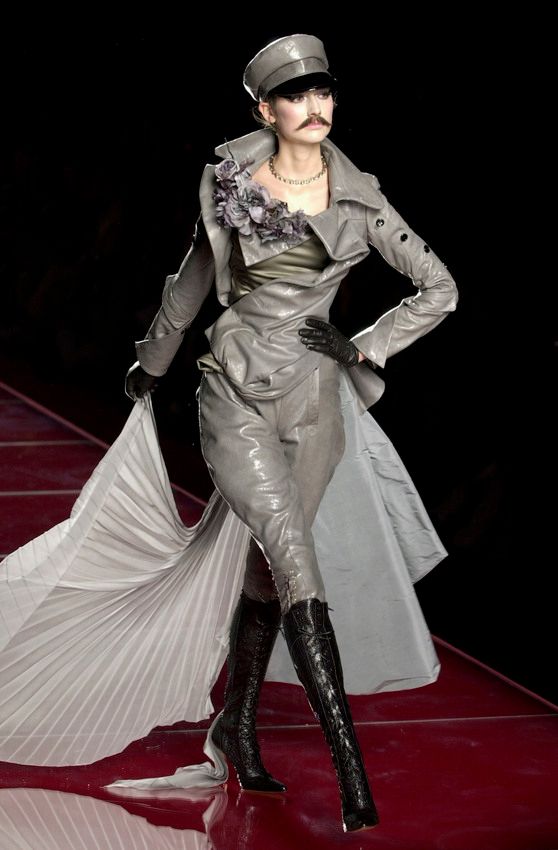
For what it’s worth, I think the exhibition is inevitable; his impact has been so profound, and the fashion world has long wanted him to have a second chance. I also think the museum has set itself an impossible task. It can display what he did, and do so thoughtfully. But it will still be a display, and a room full of beautiful things, even set beside ugly facts, is not just persuasive, but potentially redemptive. In issuing the definitive version of events, it will, one way or another, close the chapter. It will also, in May, open just after a party, the commercial value of which to the industry exceeds what it raises for the museum, staged in a wing named after Galliano’s most powerful advocate.
There will be many reasons why Anderson, who has the Dior job, went to the man who no longer does, and asked him to look at what he’d produced. It was a courtly thing to do, and we can imagine that it was sincerely meant, given the sheer extent of Galliano’s impact. It may even have been a genuine bid for approval. But it was also the whole arrangement in miniature, a rehearsal, even, for the Gala: a family occasion at which symbol stands in for conversation, and the old man is given the seat at the top of the table because he no longer has the throne. —[O]
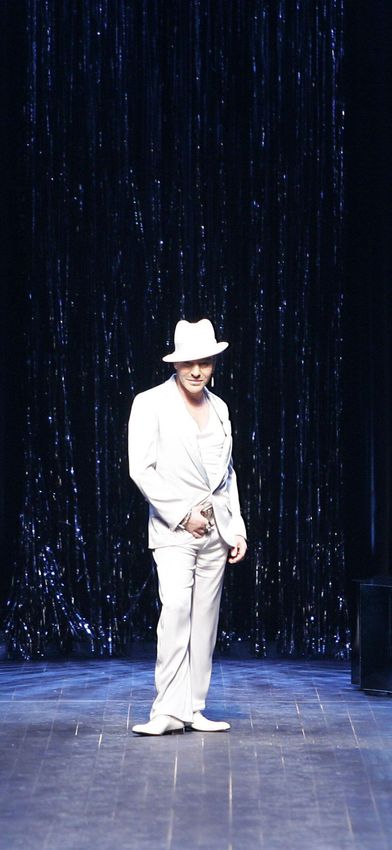
Main image: John Galliano at the end of Christian Dior’s Fall-Winter ready-to-wear collection 2005/2006. Photo by Java/ABACA.










A respected voice in contemporary art discourse.
Focusing on ambitious storytelling and insightful art-world commentary. Ocula Magazine publishes in-depth interviews, critical essays and timely analysis on the artists, exhibitions and ideas driving the global art world.
Learn more about Ocula Magazine
Showcasing the best of the art world.
Ocula partners with galleries from around the world to highlight their artists, artworks and exhibitions. Gallery membership is by application and invitation, with each member vetted by an independent panel.
Learn more about Ocula Membership
Specialises in the sale of major artworks.
Led by a team with deep ties to the world’s leading auction houses, galleries and collectors. Ocula’s advisory team offers bespoke services to high-net-worth clients from around the world who are looking to acquire the best of contemporary and modern art.
Learn more about our team and services