



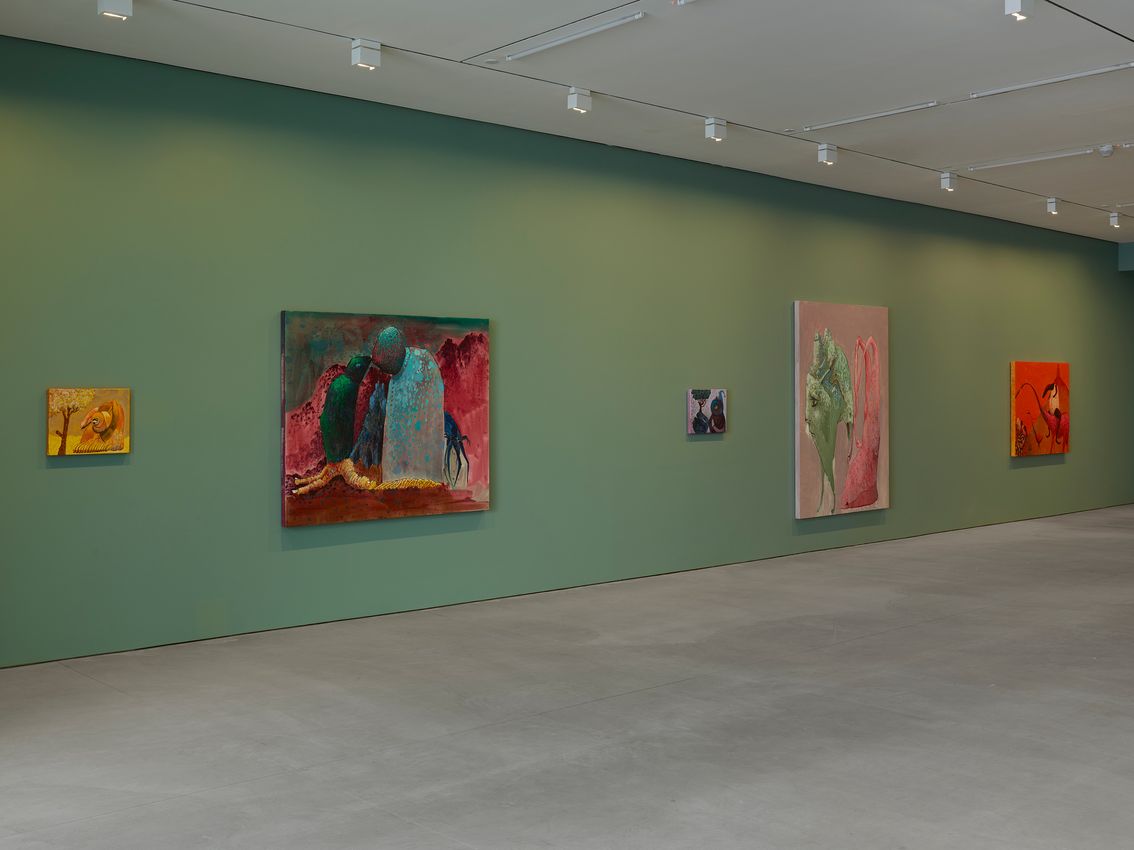
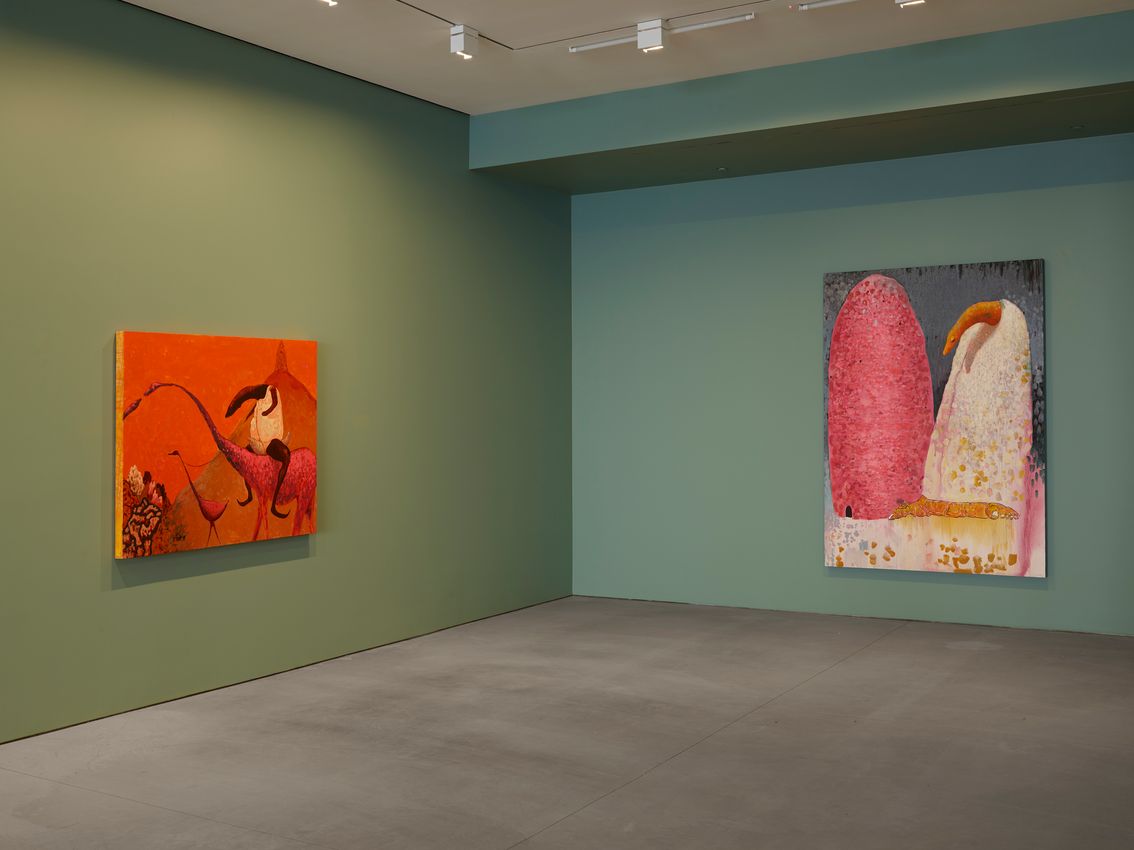
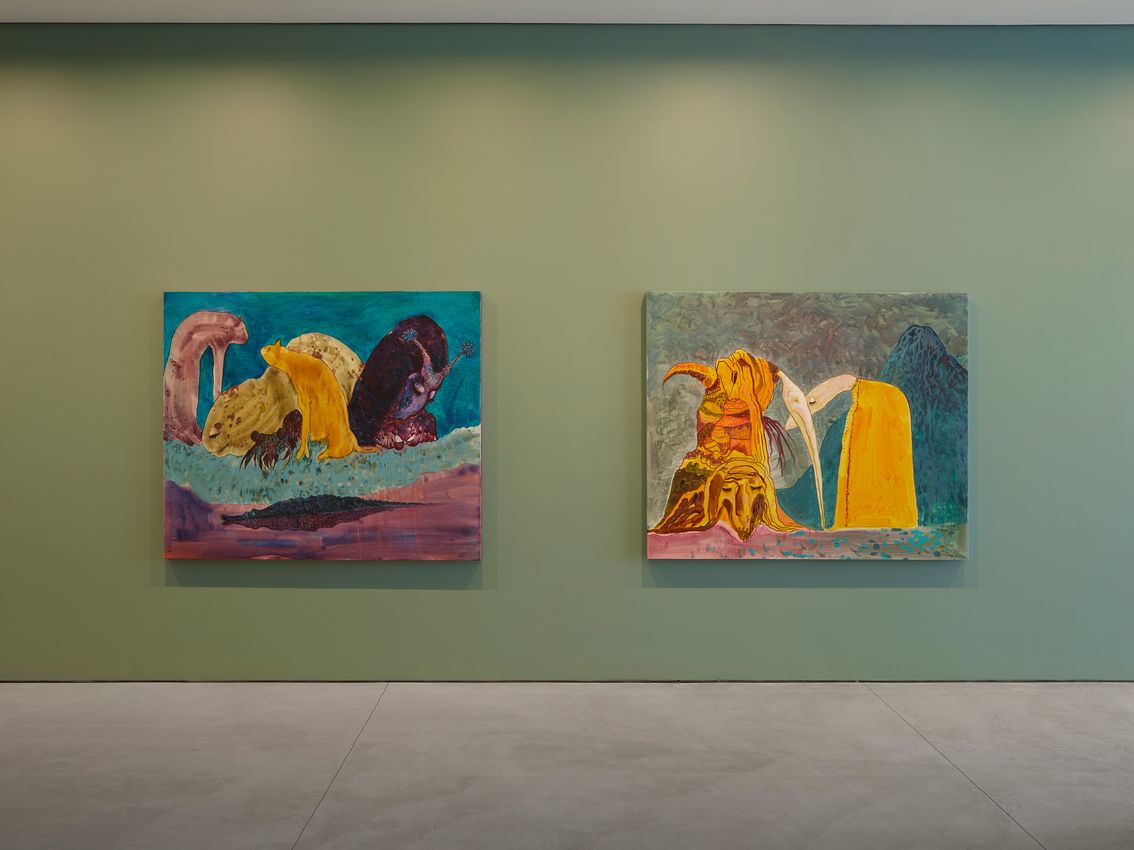
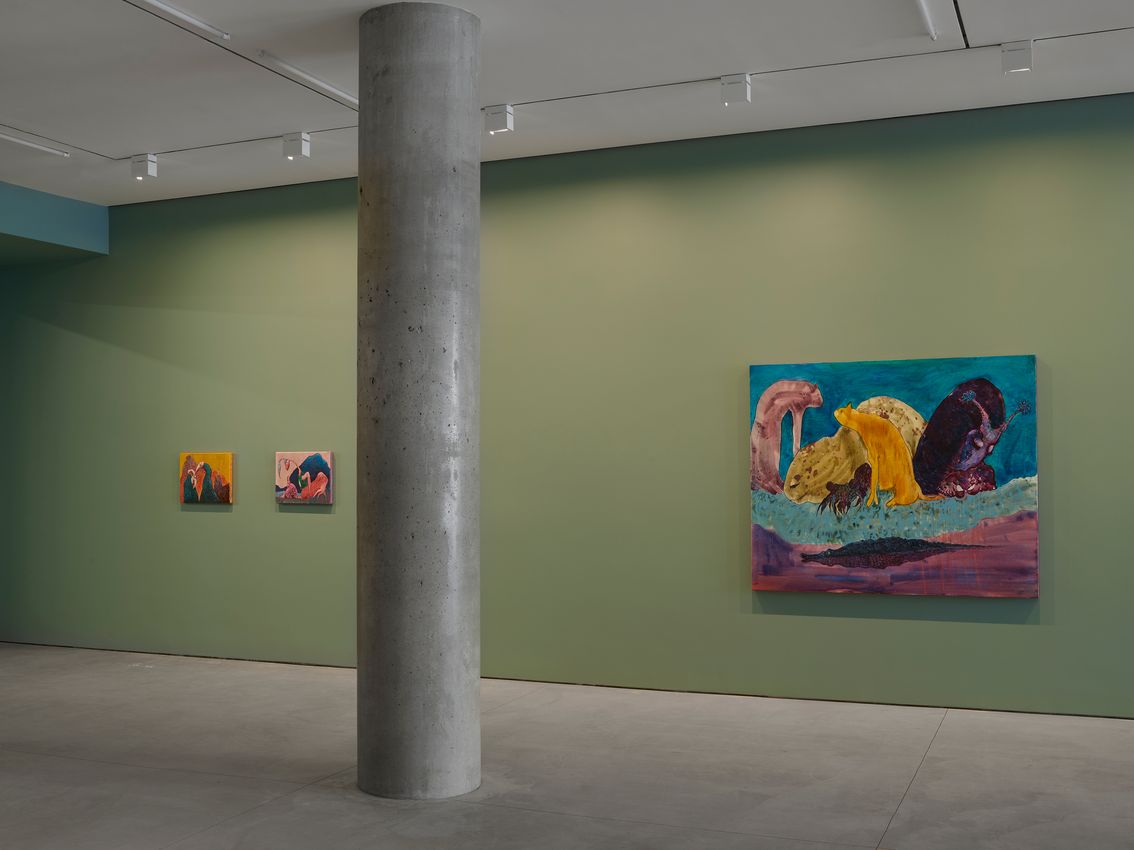
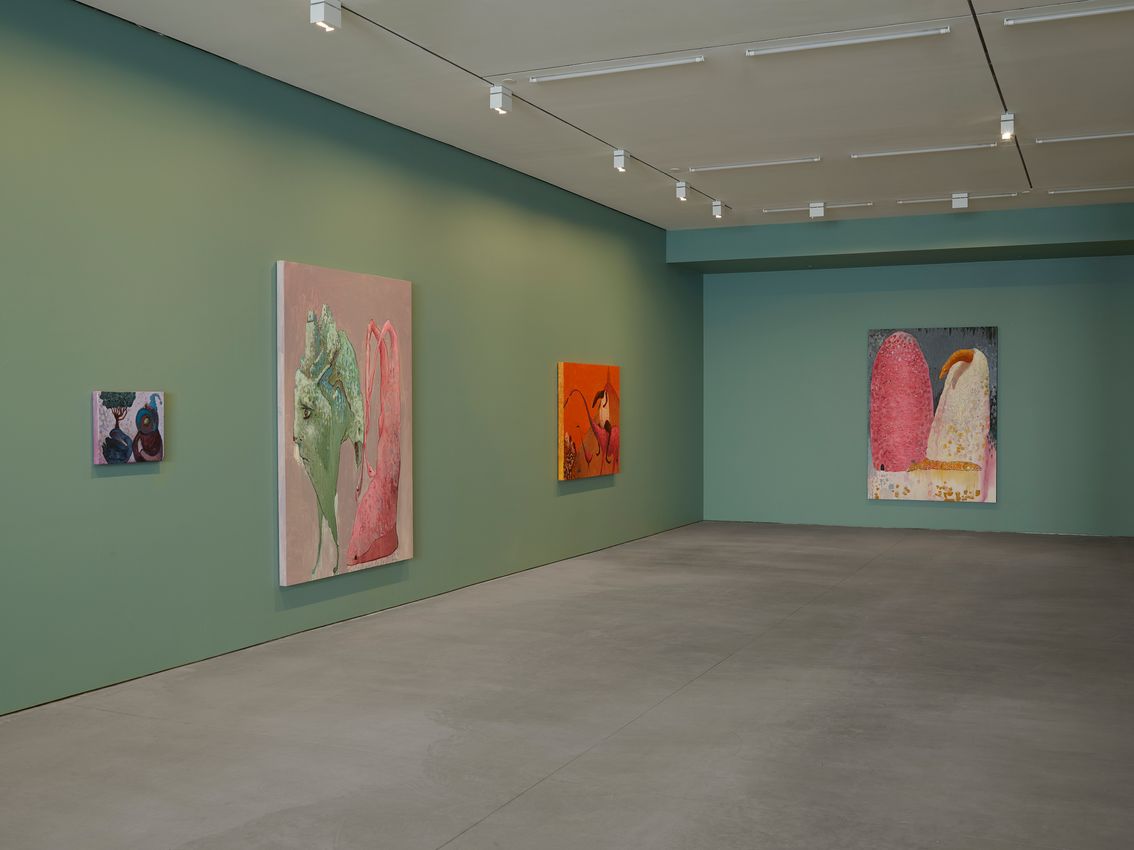
Wael Shawky’s sixth solo exhibition with Lisson Gallery, and second in New York, continues the artist’s ongoing investigation into how multiple accounts of history have been conceived, recorded and disseminated. Featuring a recent single-channel film along with a number of new paintings, the presentation explores how myths often become belief. A natural storyteller, Shawky takes historiographical and literary references as starting points for his concentrated narratives, in which he interweaves fable, fact and fiction.
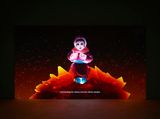
At the heart of the exhibition is Isles of the Blessed (Oops!...I forgot Europe), 2022, presented in the United States for the first time after debuting at Bozar – Centre for Fine Arts in Brussels earlier this year. Featuring a new clay variation of Shawky’s archetypal marionette, the film is a recitation of a pivotal lore in the founding of Europe. The figurine narrates the classical Greek mythological story of Isles of the Blessed in Arabic, Shawky’s first language. The apologue follows Cadmus and Harmonia to the island, sent at the request of Zeus who seduces Europa, Cadmus’ sister, and brings her to Crete where legend explains she offered her name to the continent.
Previous works by Wael Shawky have re-interpreted the complex history of the artist’s native region of Alexandria, Egypt, inviting analysis into collective belief systems, from faith to the recording of history. Having previously explored the stories and traditions of the Middle East, Shawky turns here to the European fantasy. Through Isles of the Blessed (Oops!...I forgot Europe) he draws parallels between Greek mythology and Islamic and Judeo-Christian theology. Bearing in mind a shared tradition of oral storytelling, the Arabic narration indicates the historical alignment. Beyond themes of flood, clay, sacrifice, deity, the work alludes to the enduring tension between fiction and history and the perseverance of myths across eras and origins. Religiously and geographically antagonistic, the work interrogates the prevalence of Alexandria in Eurocentric parables and adds an alternative perspective on the traditionally Western historiography.
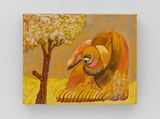
Presented alongside the film are new paintings that offer an apparatus for storytelling. Originally trained as a painter, Shawky employs the canvas as a space “where fictions become realities”. The paintings delve further into the realms of the magical, layering mythological scenes onto historical narratives. Shawky points to history as a construct and the paintings explore the fantastical facets of the stories echoed in the film.
The works in the exhibition point to myths that once became beliefs, only to eventually dwindle once more as fantastical fiction. Weaving predominant western denominations into the mythological drama, Shawky invites the viewer to navigate today’s truths, myths and stereotypes.
Based on extensive periods of research and enquiry, Wael Shawky’s work tackles notions of national, religious and artistic identity through film, performance and storytelling. Whether instructing Bedouin children to act out the construction of an airport runway in the desert or organizing a heavy metal concert in a remote Egyptian village, Shawky frames contemporary culture through the lens of historical tradition and vice versa. Mixing truth and fiction, childlike wonder and spiritual doctrine, Shawky has staged epic recreations of the medieval clashes between Muslims and Christians in his trilogy of puppet animations – titled Cabaret Crusades: The Horror Show Files, 2010, The Path to Cairo, 2012, and The Secrets of Karbala, 2014, – while his two-part film, Al Araba Al Madfuna, 2013, uses child actors to recount poetic myths, paying homage, rather than mere lip-service, to the important narratives of yesteryear.


Established in 1967 in London, Lisson Gallery is one of the most well-known galleries operating globally. Boasting an influential and continuing legacy, including playing a pivotal role in the careers of many pioneers of historically important art movements, the gallery works with some of the most significant contemporary artists today.

A respected voice in contemporary art discourse.
Focusing on ambitious storytelling and insightful art-world commentary. Ocula Magazine publishes in-depth interviews, critical essays and timely analysis on the artists, exhibitions and ideas driving the global art world.
Learn more about Ocula Magazine
Showcasing the best of the art world.
Ocula partners with galleries from around the world to highlight their artists, artworks and exhibitions. Gallery membership is by application and invitation, with each member vetted by an independent panel.
Learn more about Ocula Membership

Specialises in the sale of major artworks.
Led by a team with deep ties to the world’s leading auction houses, galleries and collectors. Ocula’s advisory team offers bespoke services to high-net-worth clients from around the world who are looking to acquire the best of contemporary and modern art.
Learn more about our team and services