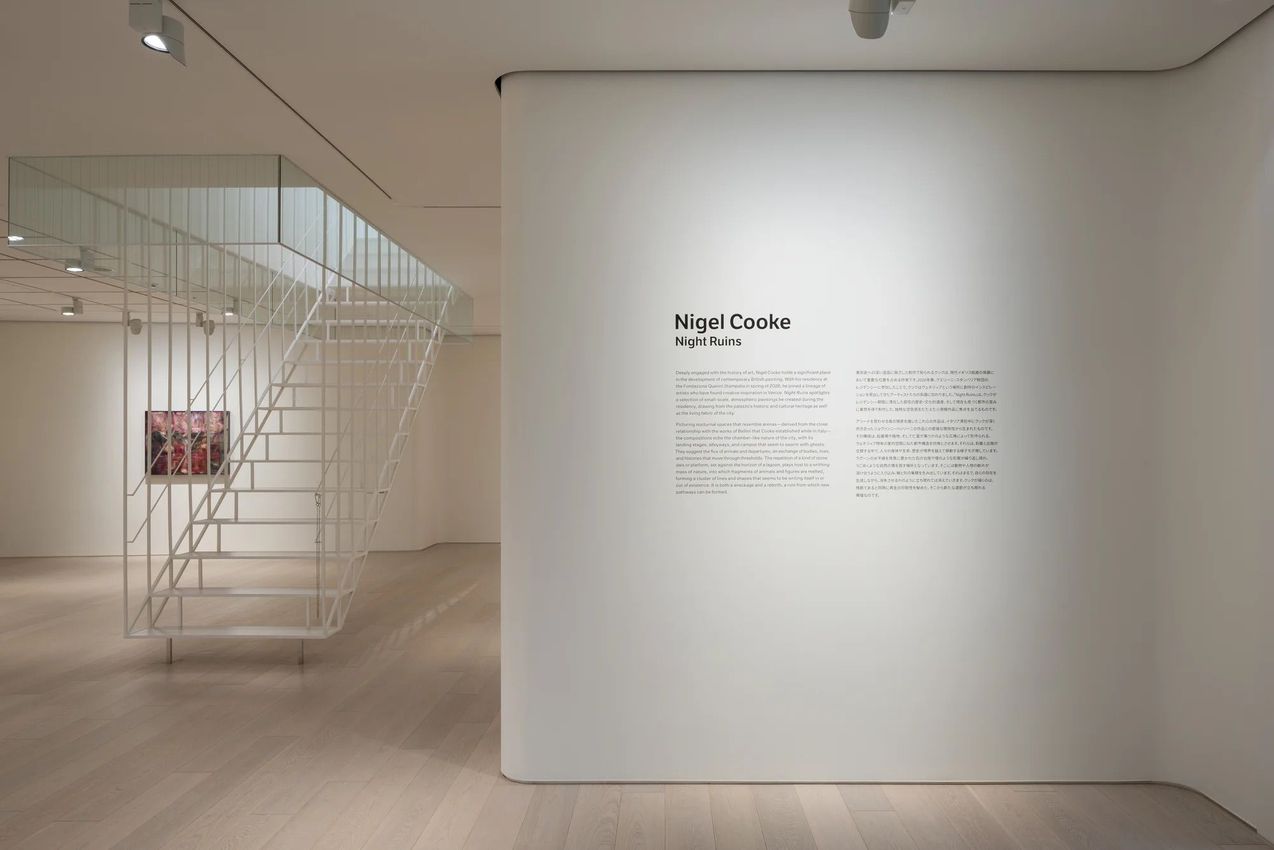
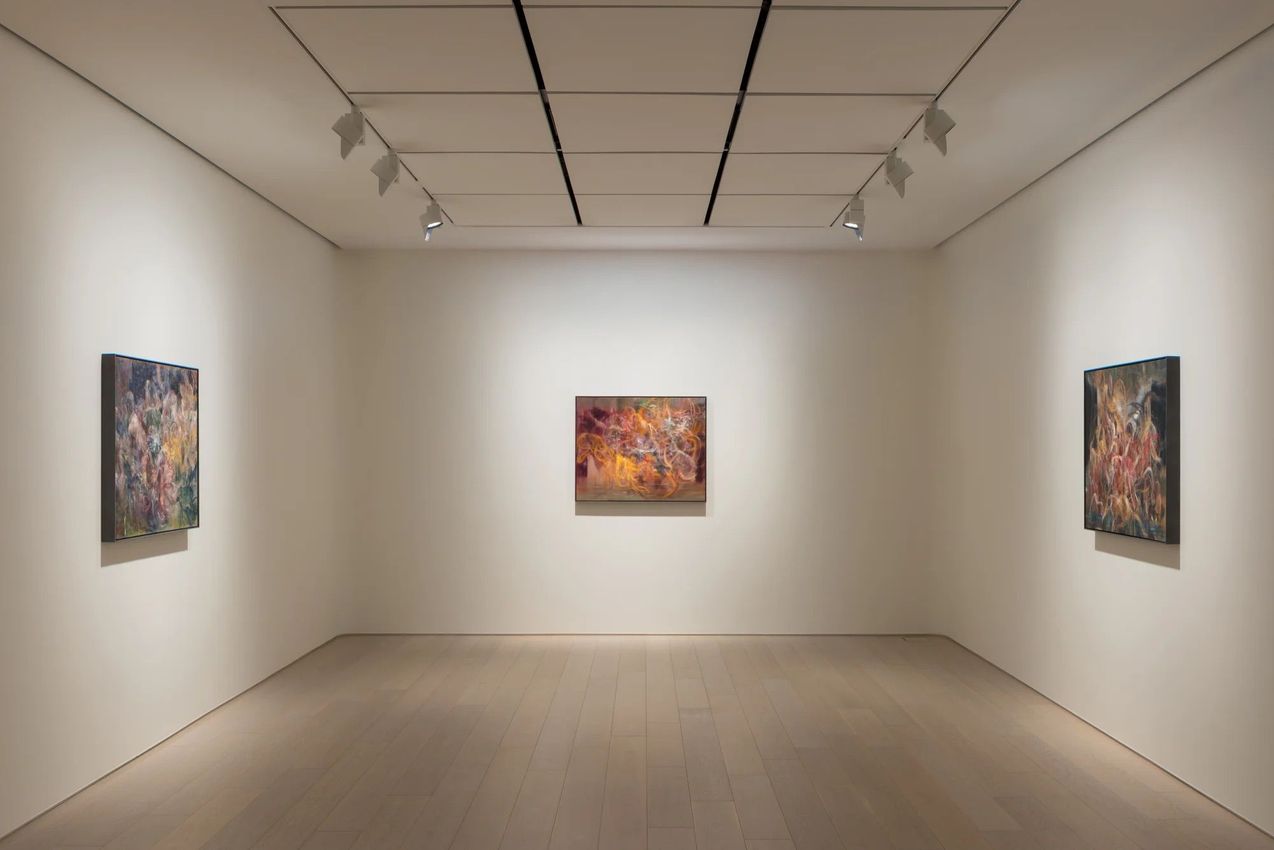
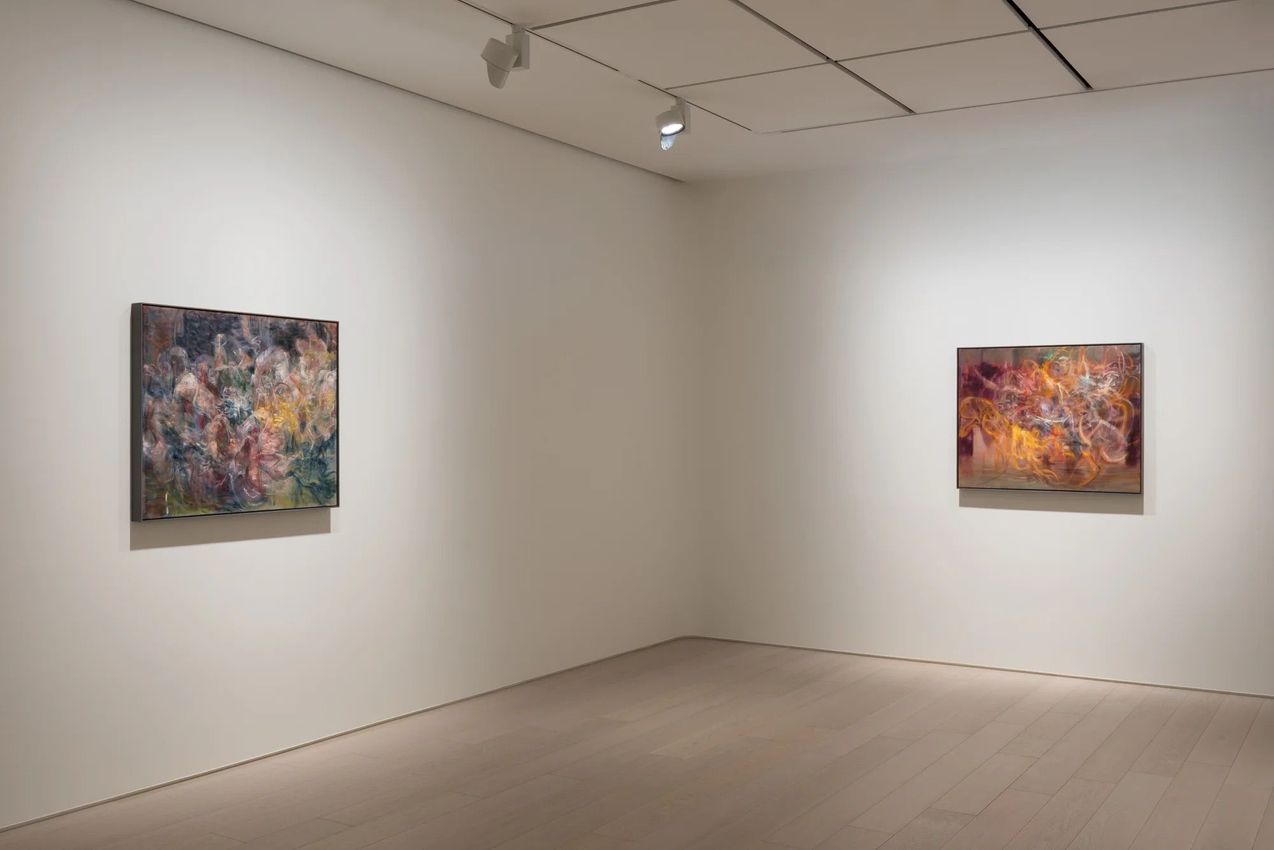
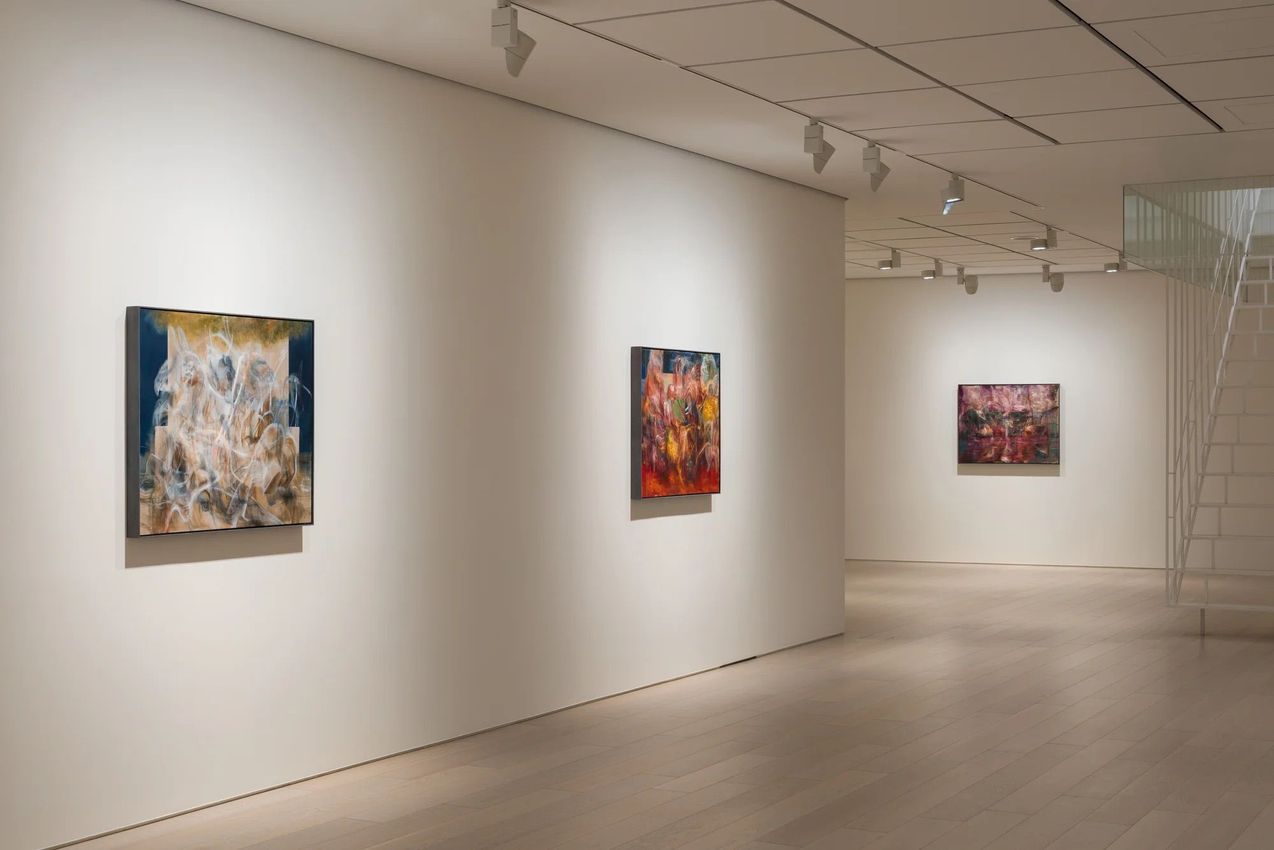
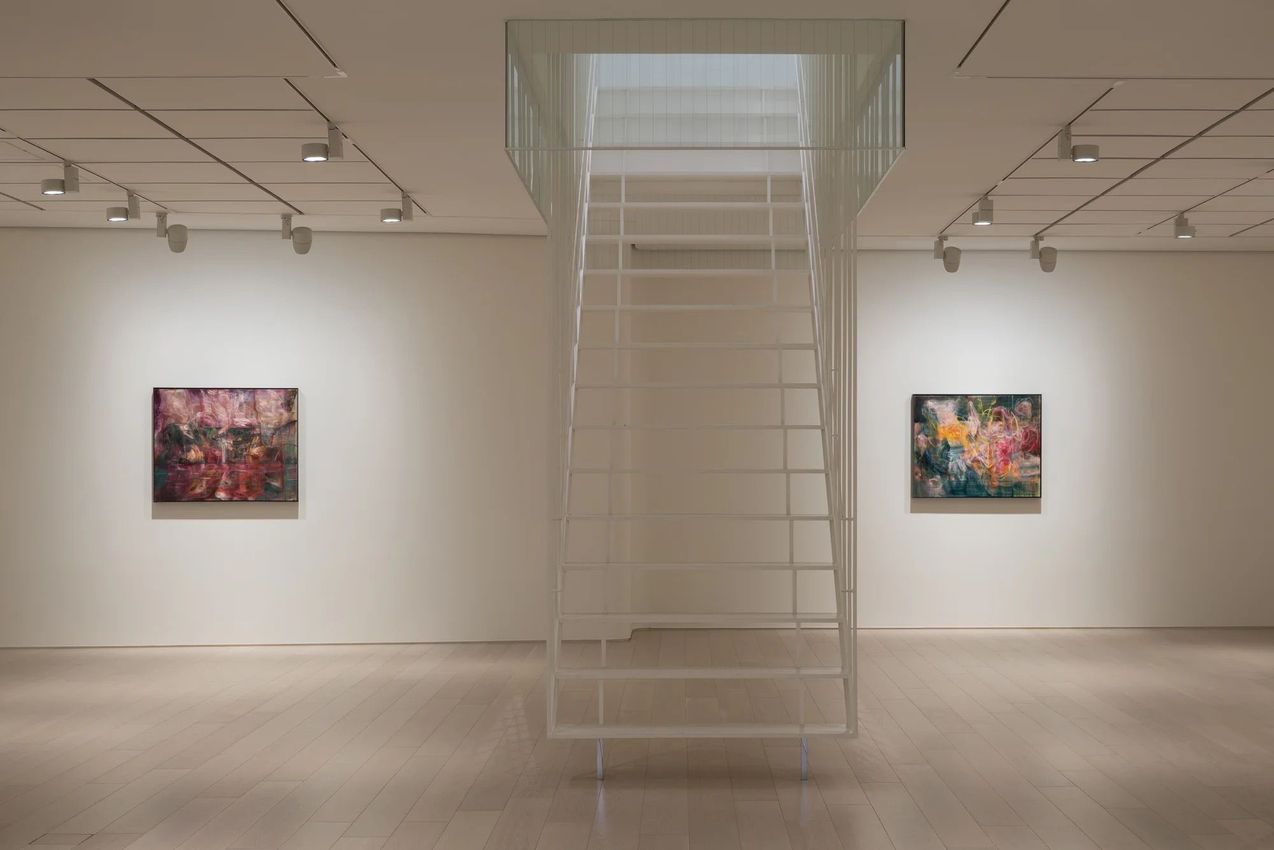
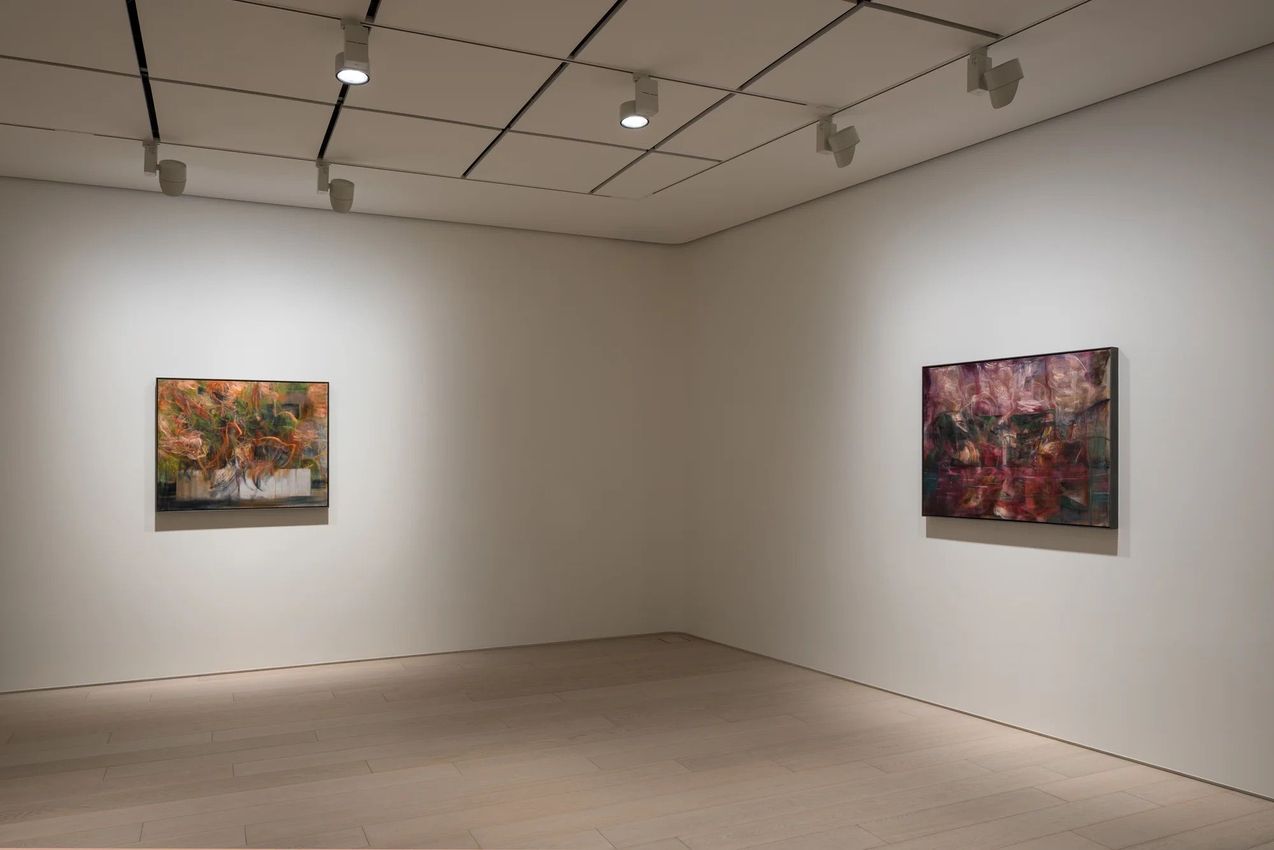
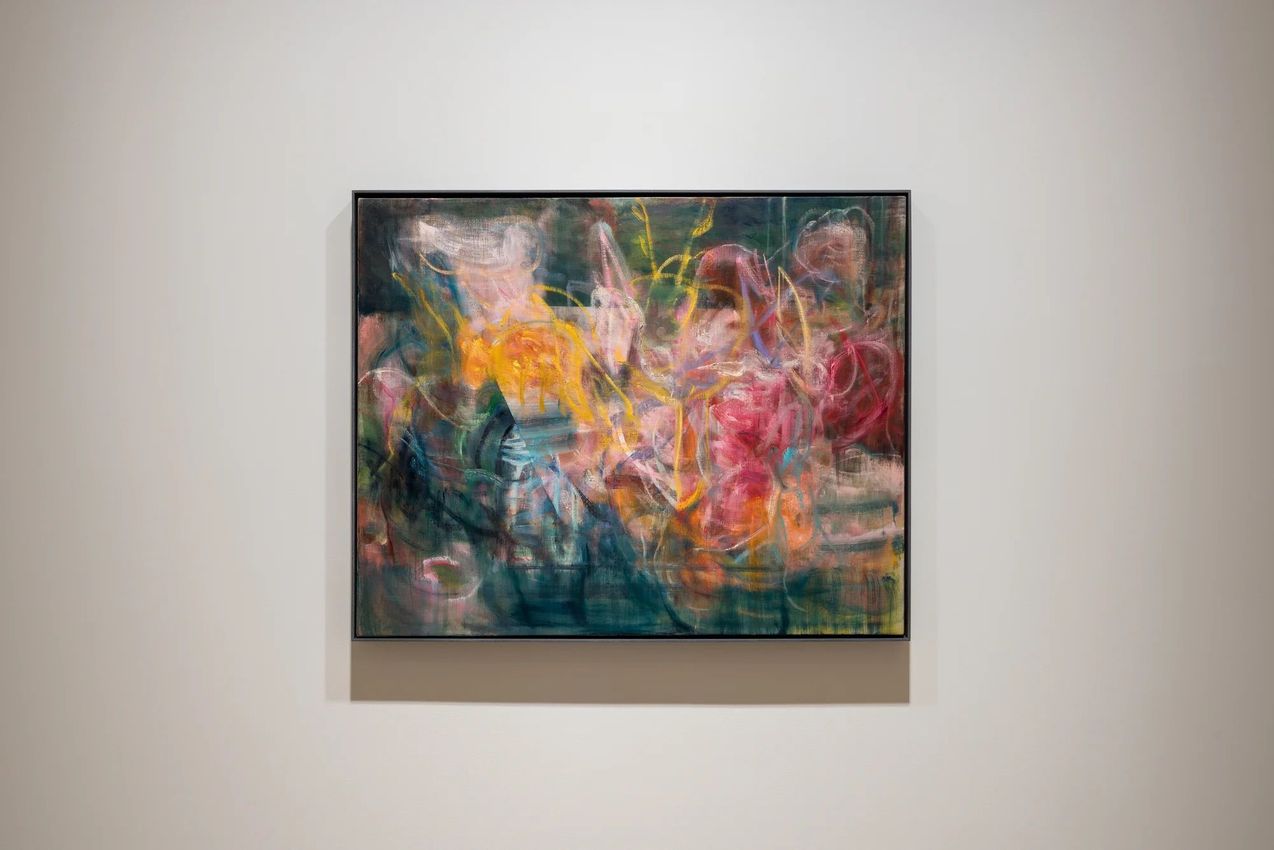
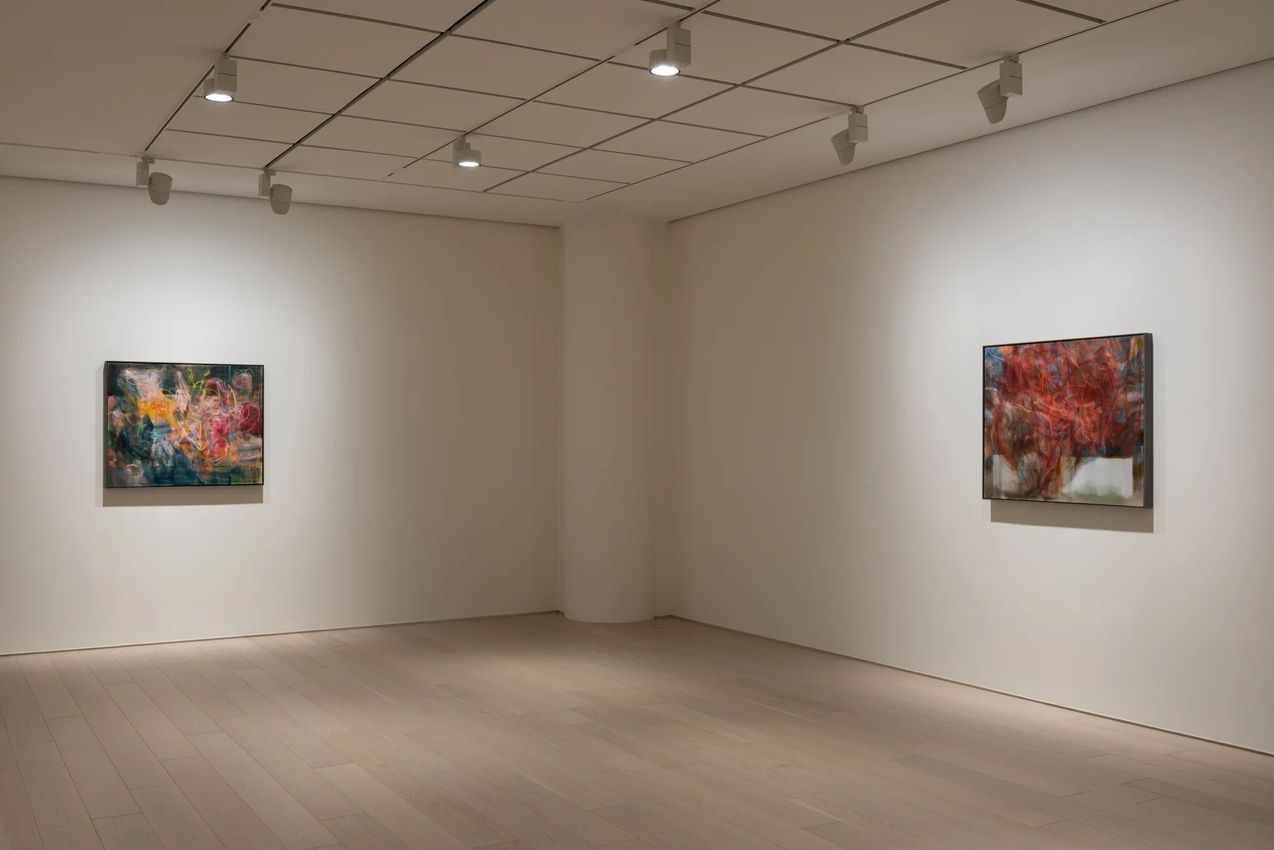
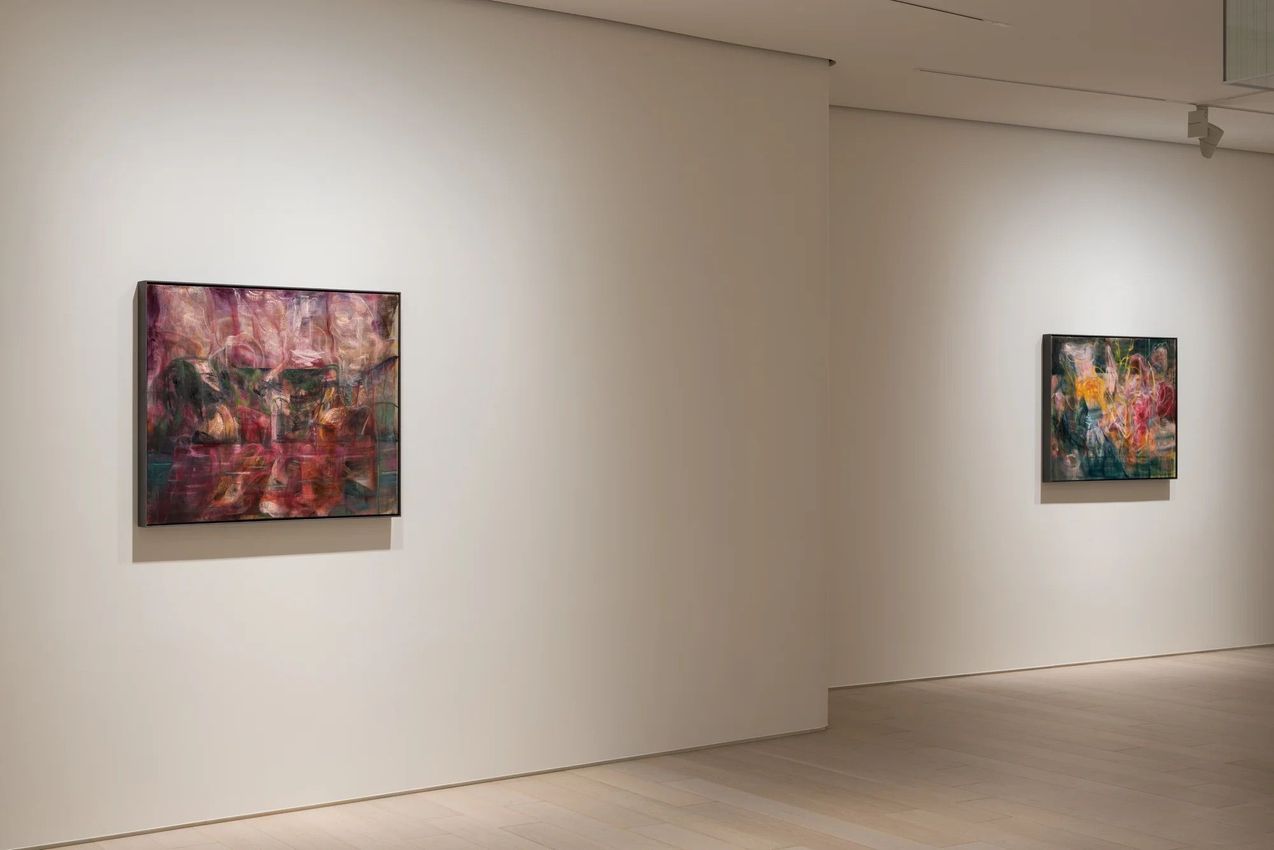
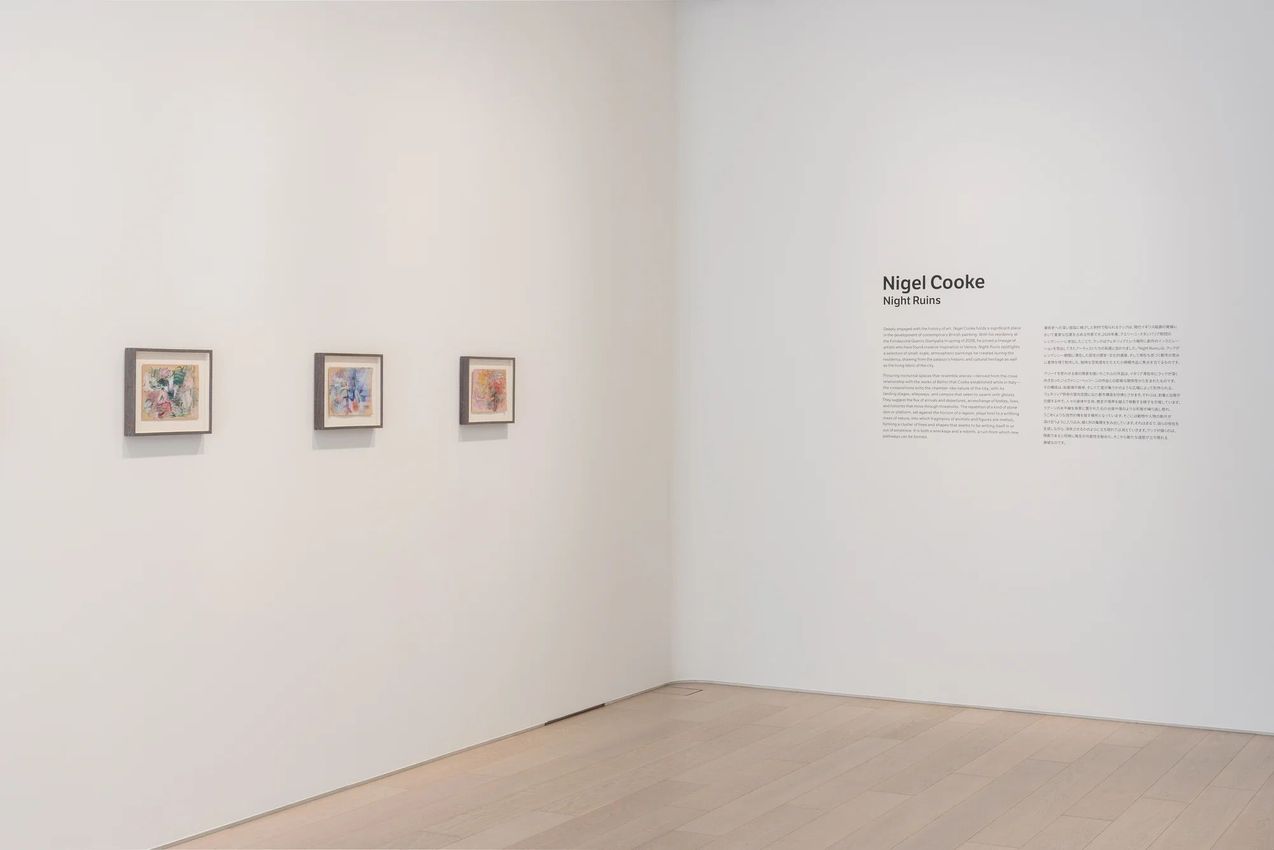
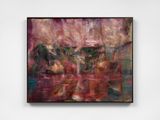
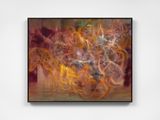
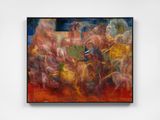
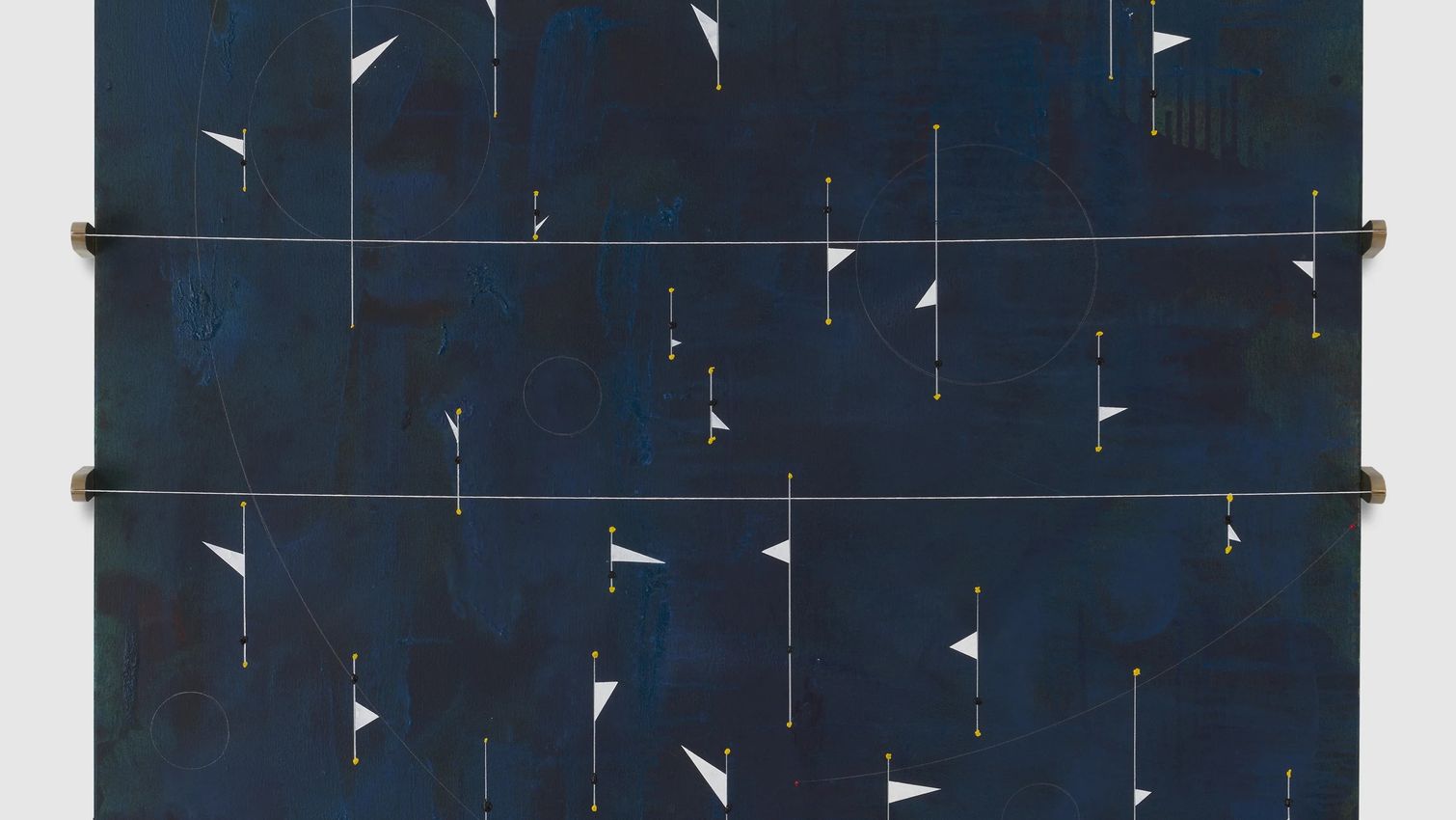
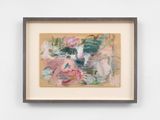
Pace will present Night Ruins, an exhibition of new paintings by Nigel Cooke, at its gallery in Tokyo from August 28 through October 10. Cooke’s first solo presentation in Tokyo, Night Ruins will feature a selection of small-scale, atmospheric paintings he created during his tenure at the Fondazione Querini Stampalia’s first-ever artist residency in Venice, Italy.
Deeply engaged with the history of art, Cooke holds a significant place in the development of contemporary British painting. With his residency at the Fondazione Querini Stampalia in spring of 2026, he joined a lineage of artists who have found creative inspiration in Venice. Conceived as a period of immersion in the floating city and its storied lagoon, canals, and singular conditions of light, the residency afforded Cooke the opportunity to create a series of nuanced, richly hued paintings that draw from the palazzo’s historic and cultural heritage, as well as the living fabric of the city.
Night Ruins builds on Cooke’s ongoing exhibition Bad Habits—organized on the occasion of the 61st International Art Exhibition - La Biennale di Venezia and curated by Evelyn C. Hankins—which spotlights a group of these works in the building in which they were conceived. His exhibition in Japan will present an expanded range of paintings from the same series, highlighting their multi-layered connection with time and powerfully enigmatic spirit in the context of the modern city of Tokyo.
In Cooke’s words, “This sequence of works offer alternatives on a core set of my concerns, but also of the spaces created in the larger paintings in Bad Habits—tributaries that run from a source, fragments that break from a whole.” The paintings follow each other in a diaristic conversation with Venice, establishing closely related compositions in which forms repeat and fade over time. “No matter how abstract they may appear,” writes Hankins, they “are always grounded in figuration, which, while often latent or fleeting in the final canvas, is never fully expunged.”
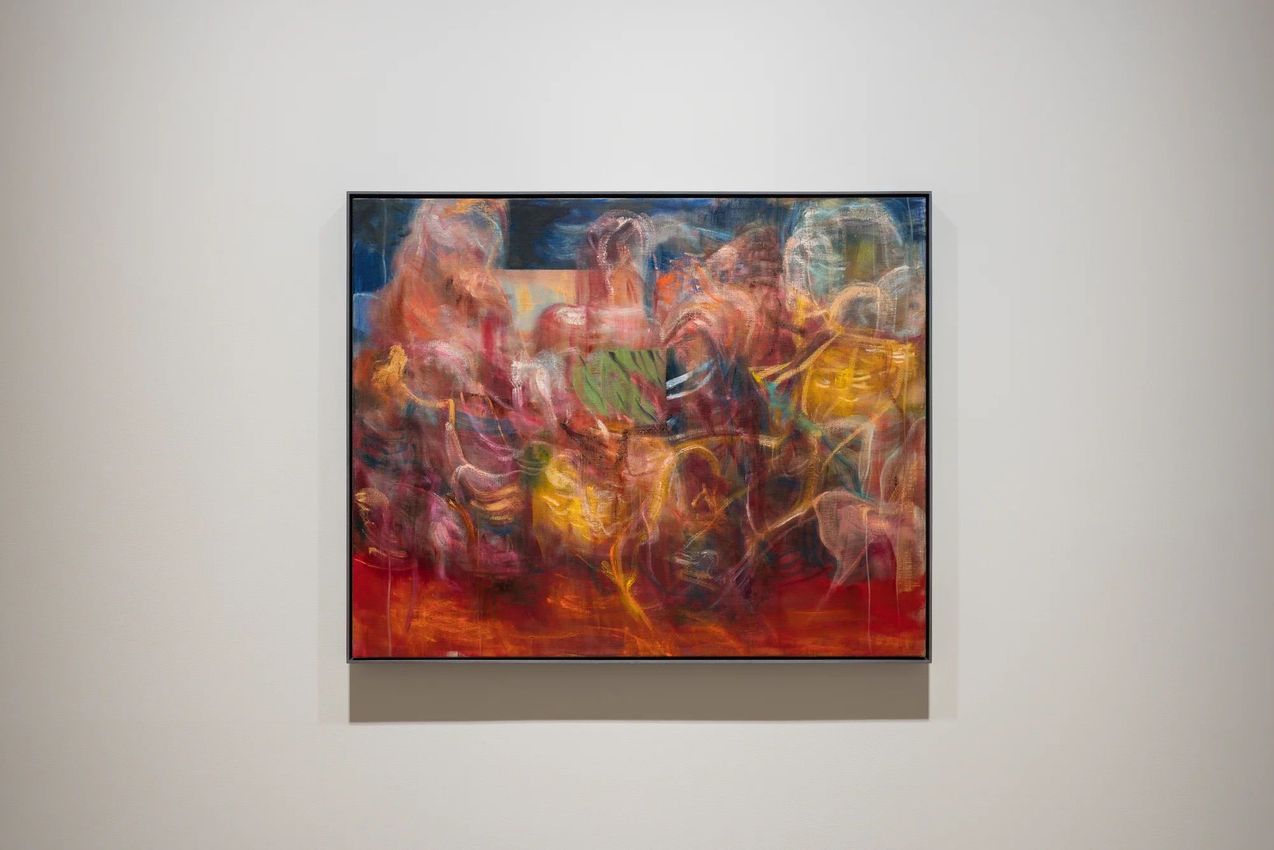
Picturing nocturnal spaces that resemble arenas—derived from the close relationship with the works of Bellini that Cooke established while in Italy—the compositions echo the chamber-like nature of the city, with its landing stages, alleyways, and campos that seem to swarm with ghosts. They suggest the flux of arrivals and departures, an exchange of bodies, lives, and histories that move through thresholds. The repetition of a kind of stone dais or platform, set against the horizon of a lagoon, plays host to a writhing mass of nature, into which fragments of animals and figures are melted, forming a cluster of lines and shapes that seems to be writing itself in or out of existence. It is both a wreckage and a rebirth, a ruin from which new pathways can be formed.
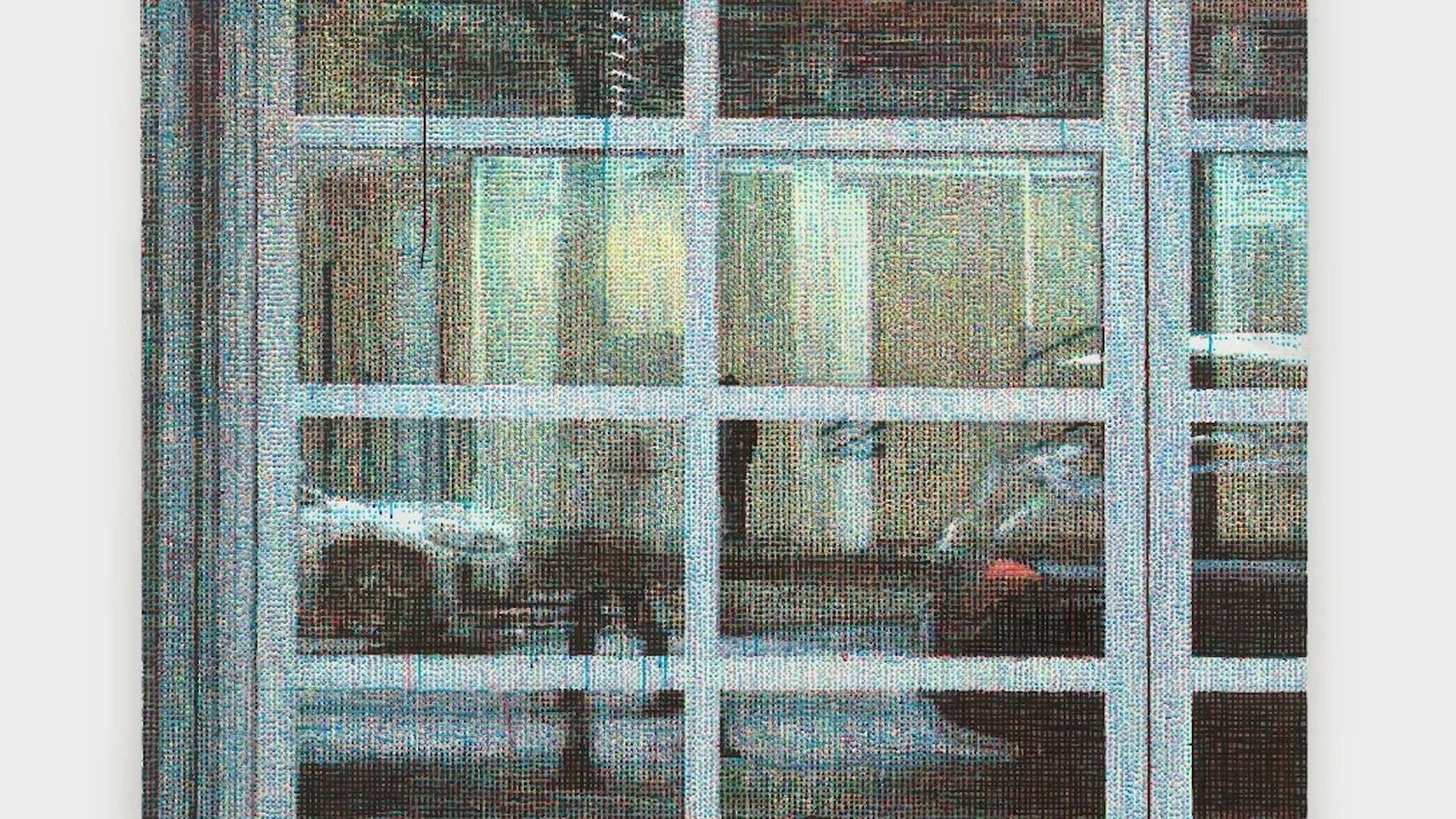
While in Venice, Cooke was also drawn to its prominent stone labyrinths and windows. “In their consistent size,” he says, “these paintings are like windows onto my painting process in Venice as it unfolded. They detail my changing preoccupations and unfolding ideas, capturing these moments as they arise and trapping them for future reference, while maintaining a distinct openness of execution.” The sense of freshness and immediacy in these works is partly inspired by the newly restored Tintoretto paintings in the Gallerie dell’Accademia, loosely executed works on biblical themes, including The Creation of Animals (c. 1551–1552), in which a host of creatures crawls from the sea in a scene that preempts Darwin. The immediacy and visual delight of this work was the emotional driving force of Cooke’s small paintings, informing their execution while spotlighting the idea of nature emerging from myth—not unlike the making of paintings in general.
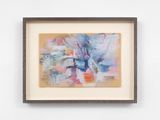
To accompany these paintings, Night Ruins will also feature a suite of gouaches on paper from the artist’s Sea Mirror series. Created on the Spanish island of Formentera, these works incorporate seawater as a material in their production, imbuing each work with the spirit and rhythm of the Mediterranean Sea. Deeply tied to place, like the Venice paintings, they speak to Cooke’s enduring practice of distilling his impressions of specific geographies into a personal vocabulary of forms that evolves and repeats through time.
A related painting by Cooke, Nemesis (2026)—exhibited at Art Basel earlier this year—will feature in a upcoming group exhibition at Ueshima Museum in Tokyo beginning September 1.
Nigel Cooke (b. 1973, Manchester, U.K.) is known for his unique and complex paintings which thematically explore the meeting point between creative labour, individual consciousness, art history, consumer culture and the natural world.


A respected voice in contemporary art discourse.
Focusing on ambitious storytelling and insightful art-world commentary. Ocula Magazine publishes in-depth interviews, critical essays and timely analysis on the artists, exhibitions and ideas driving the global art world.
Learn more about Ocula Magazine
Showcasing the best of the art world.
Ocula partners with galleries from around the world to highlight their artists, artworks and exhibitions. Gallery membership is by application and invitation, with each member vetted by an independent panel.
Learn more about Ocula Membership

Specialises in the sale of major artworks.
Led by a team with deep ties to the world’s leading auction houses, galleries and collectors. Ocula’s advisory team offers bespoke services to high-net-worth clients from around the world who are looking to acquire the best of contemporary and modern art.
Learn more about our team and services