Press Release

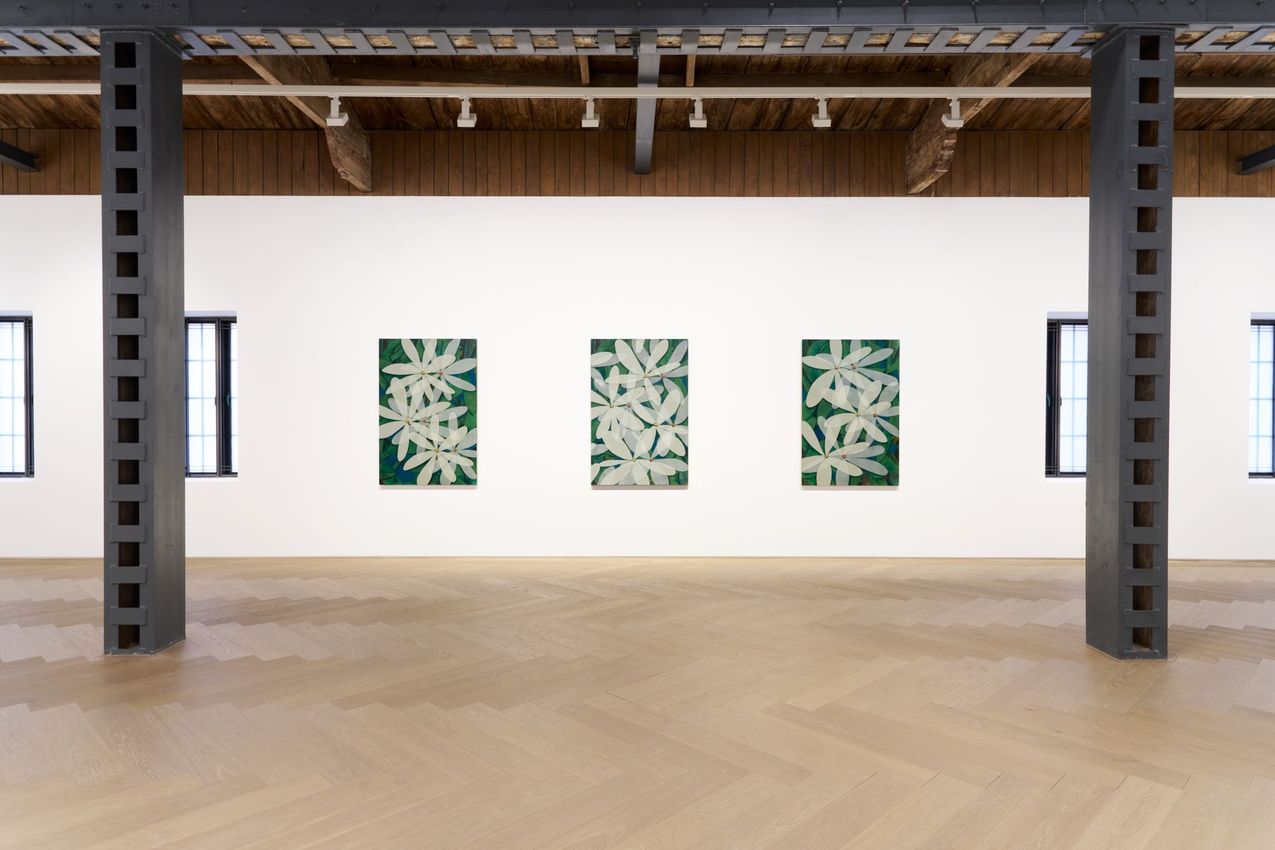
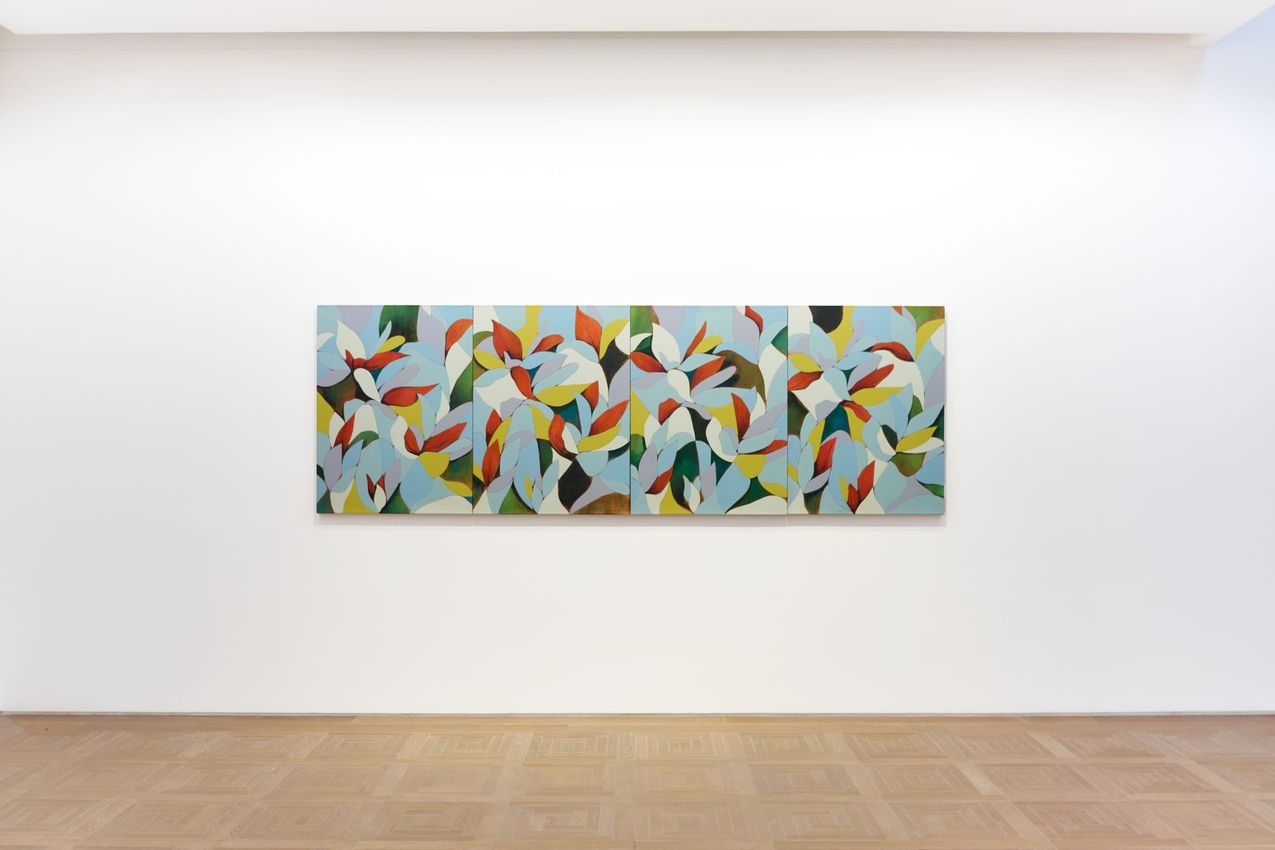
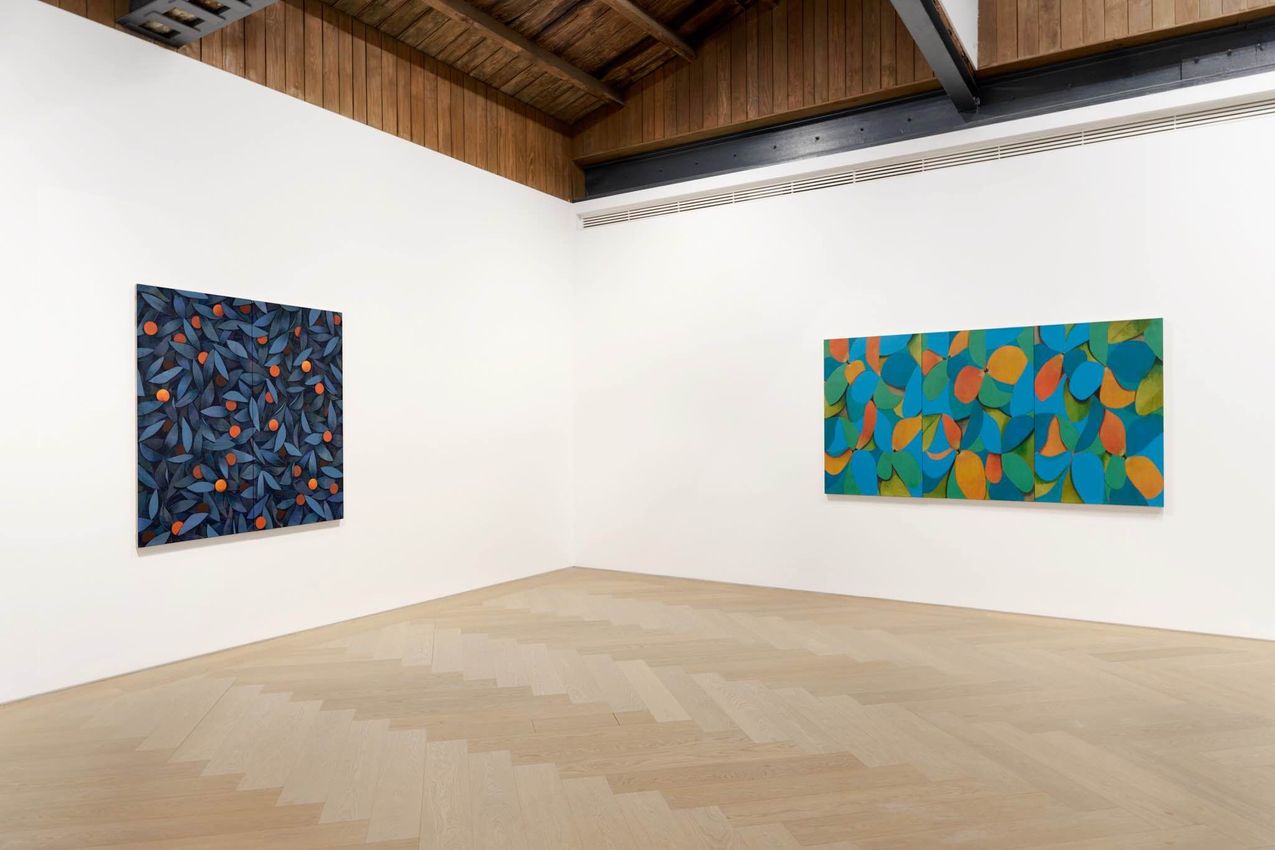
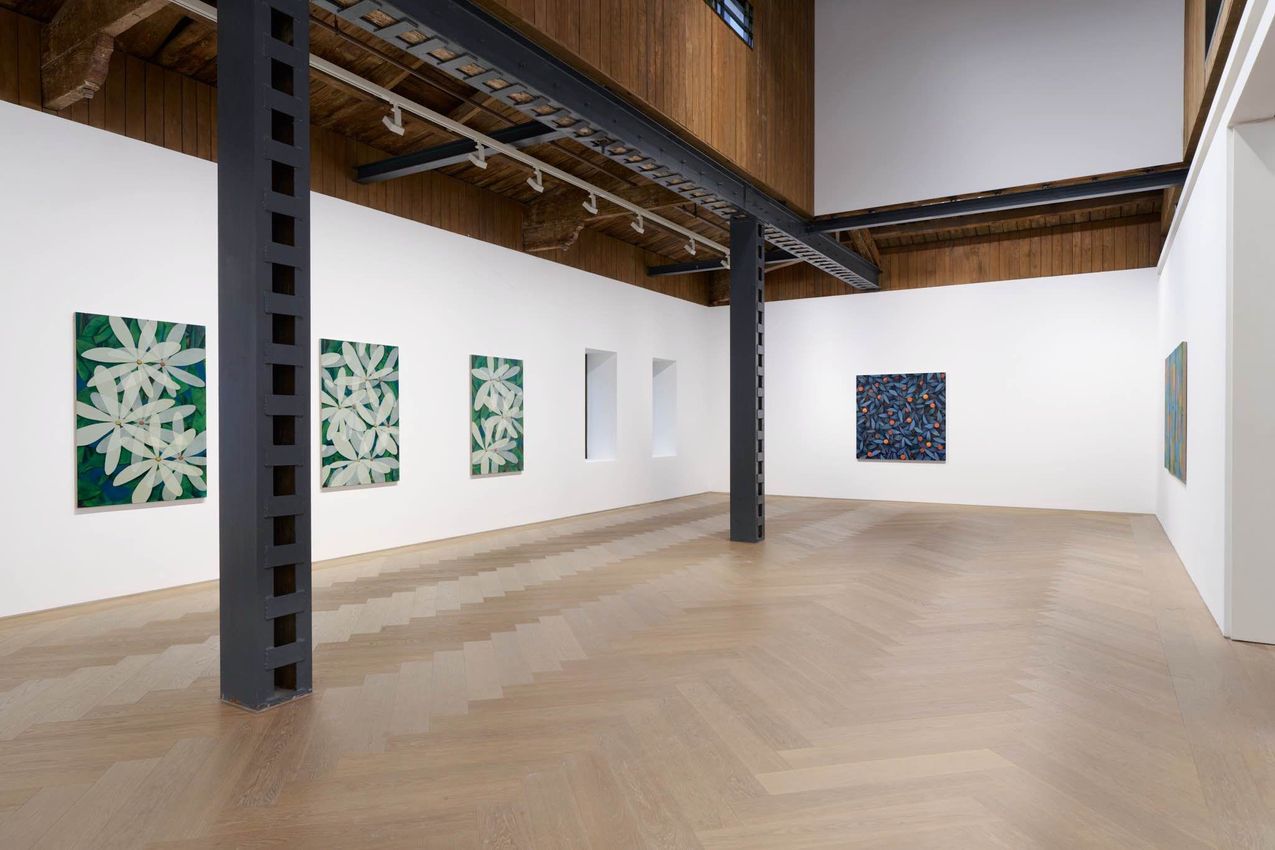
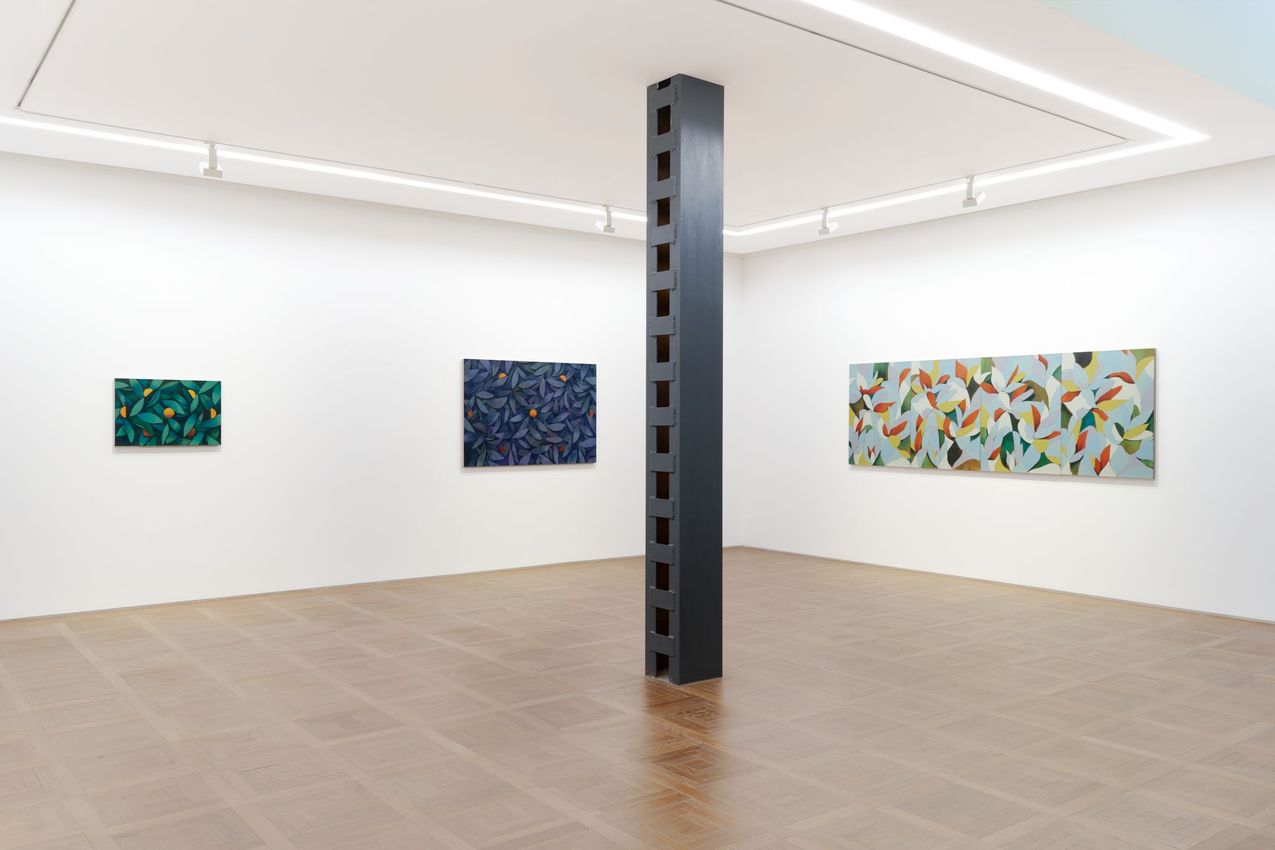
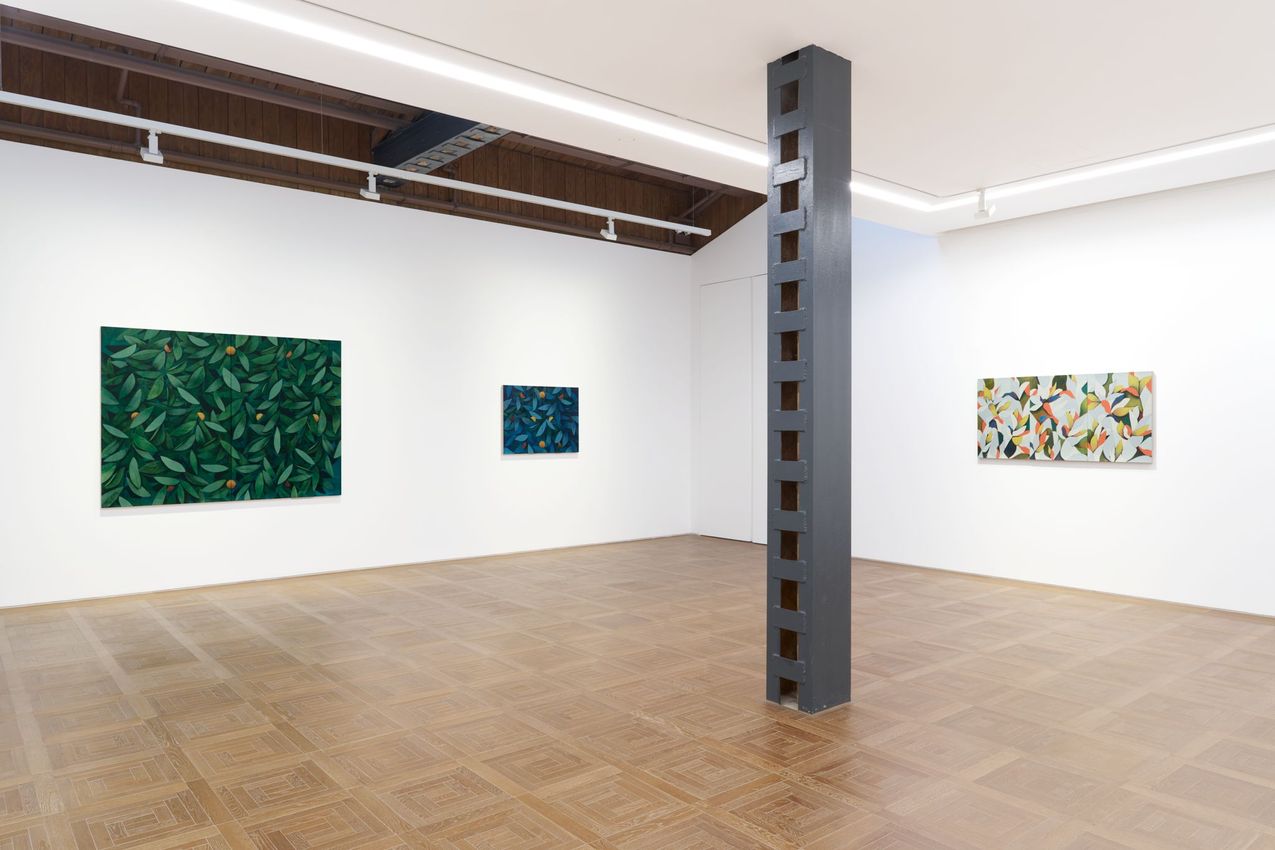
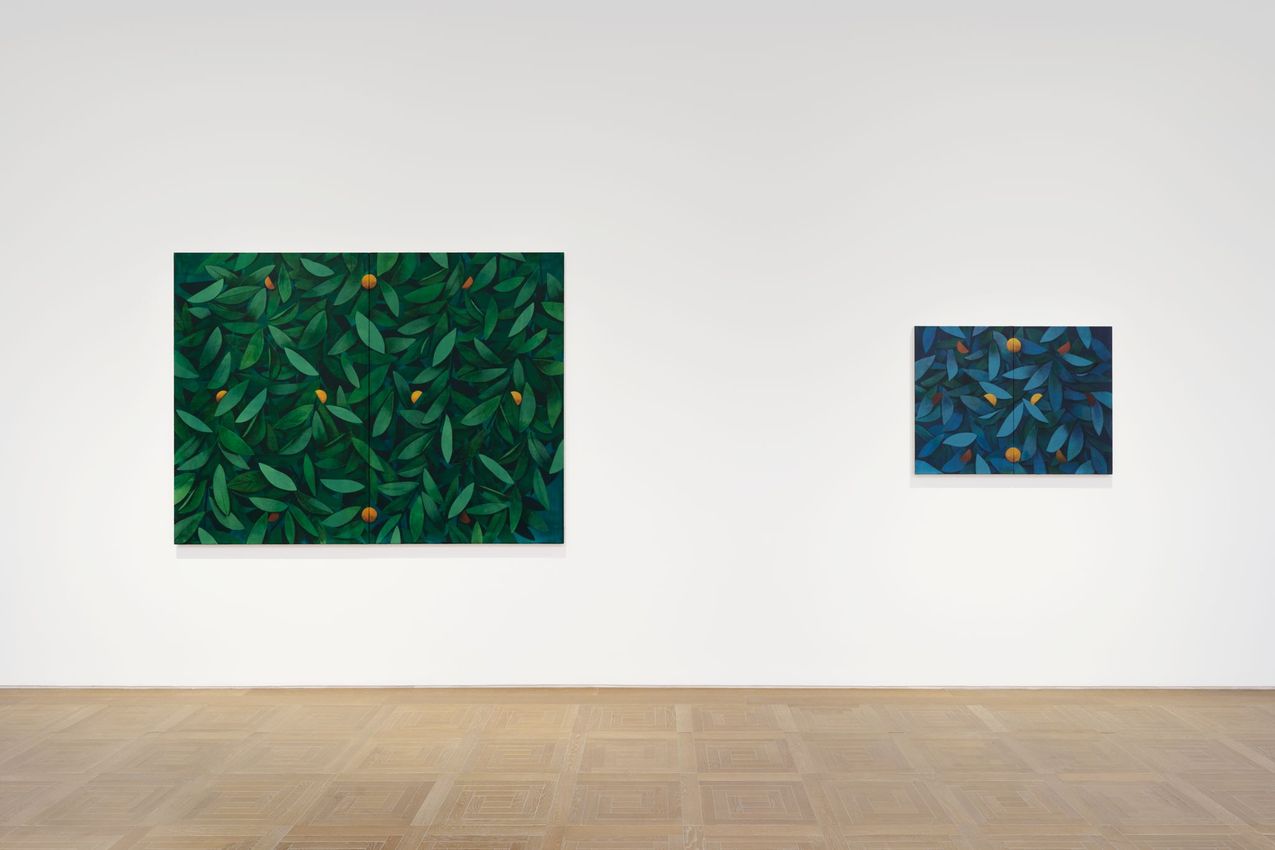
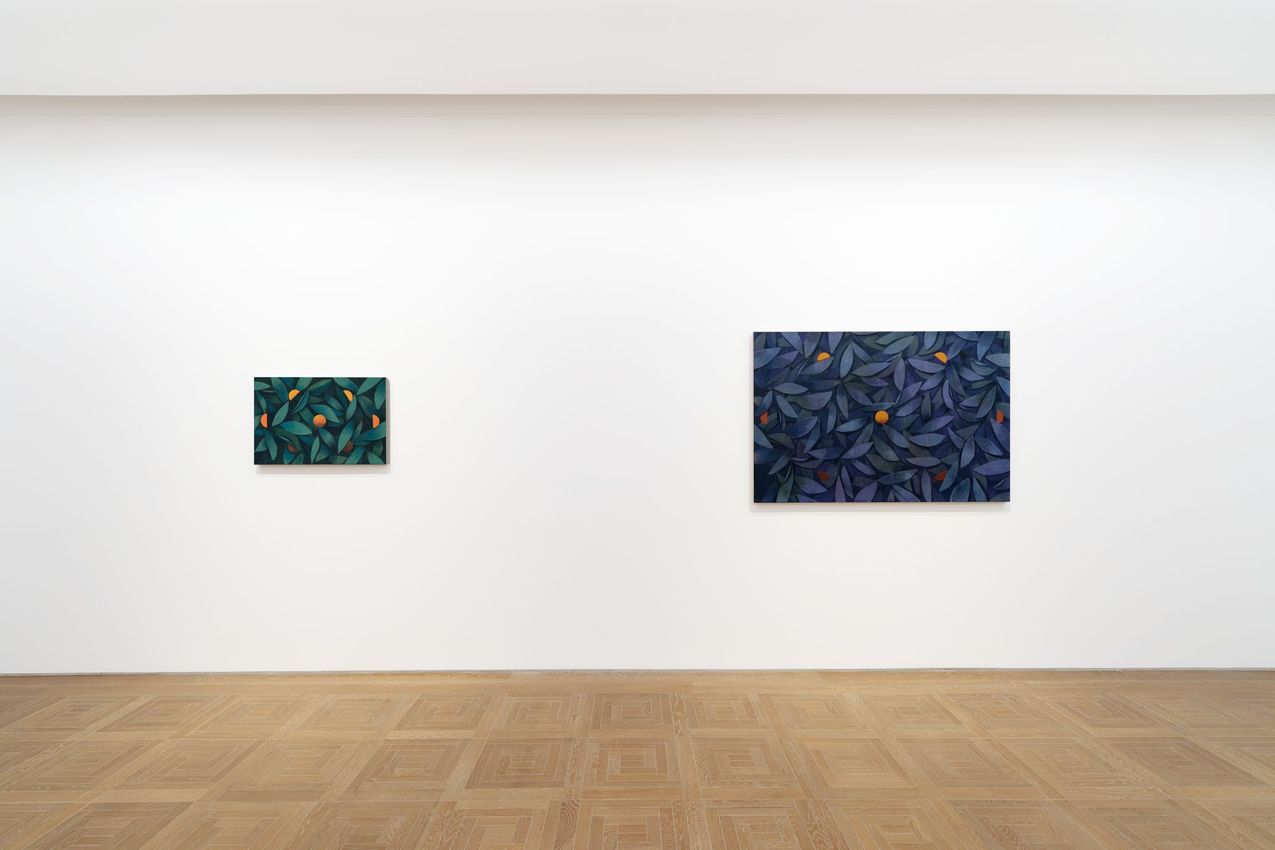
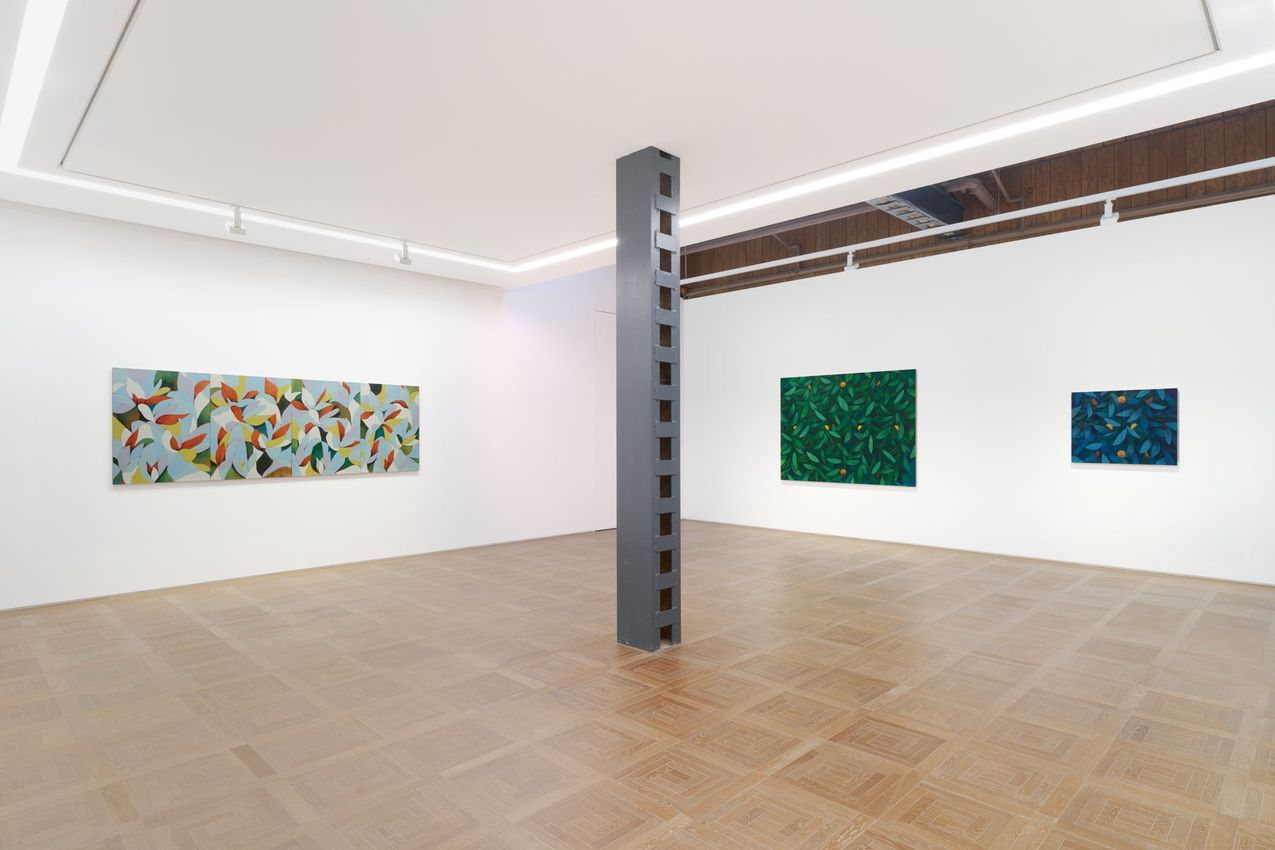
Perrotin is pleased to present Stereo Field, Ryan Mrozowski’s first solo exhibition with the gallery. Comprised of 15 new paintings, the exhibition engages repetition, deconstruction, and defamiliarization to disrupt the viewer’s automatic habits of perception.

Ryan Mrozowski and Cezanne both depict oranges beautifully, but neither of them make paintings about oranges. Just as the modern master used the fruit as a foundational building block to create new methods of representation, so too does Mrozowski’s approach to rendering the fruit (as well as flowers and other natural objects) produce fertile ends. Mrozowski playfully uses abstraction to represent form, and his precisely painted technical effects help us explore the sensory experiences that make us distinctively human. As an artist uniquely informed and interested in the science of cognition, he uses painting’s nuances to reflect upon binocular vision. His art activates the left and right sides of the brain, highlighting our capacity to understand complex spatial relationships innately.

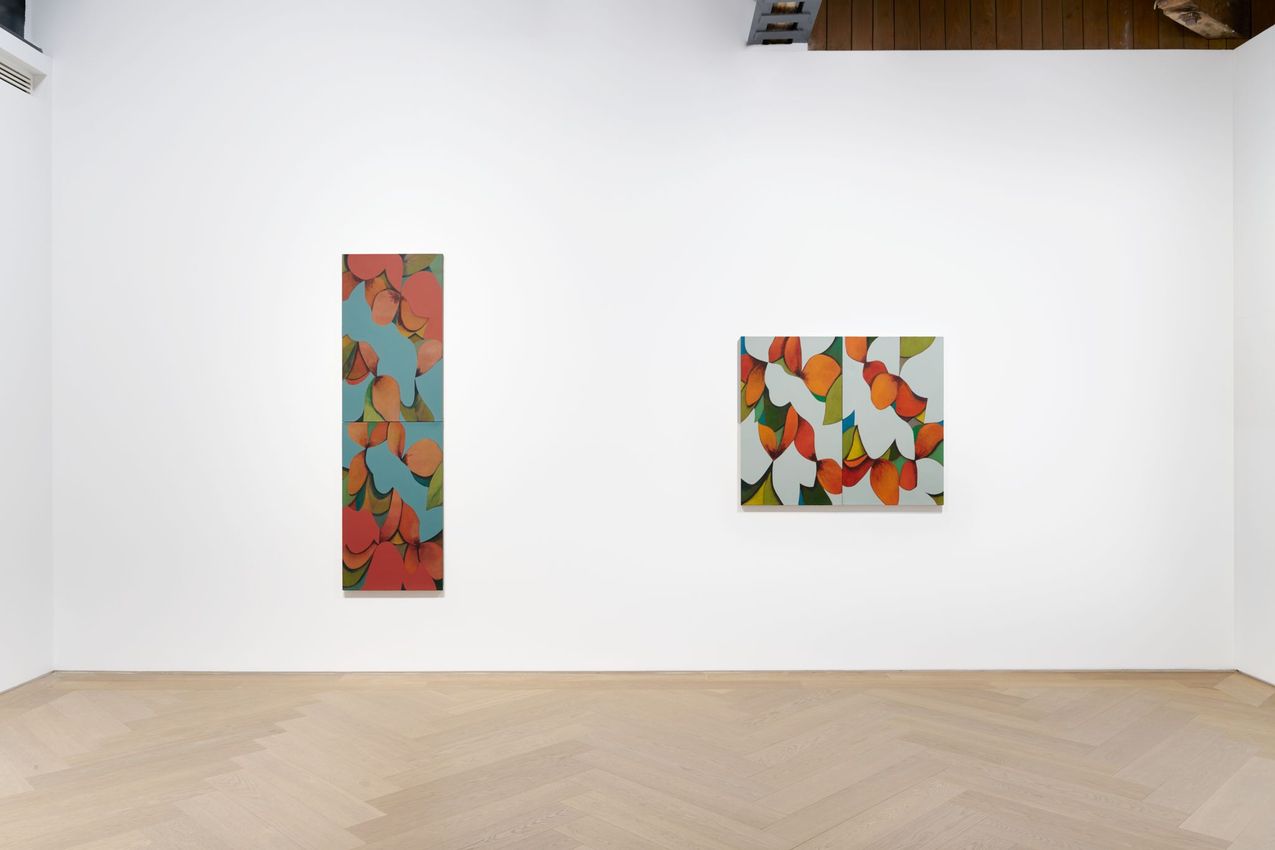
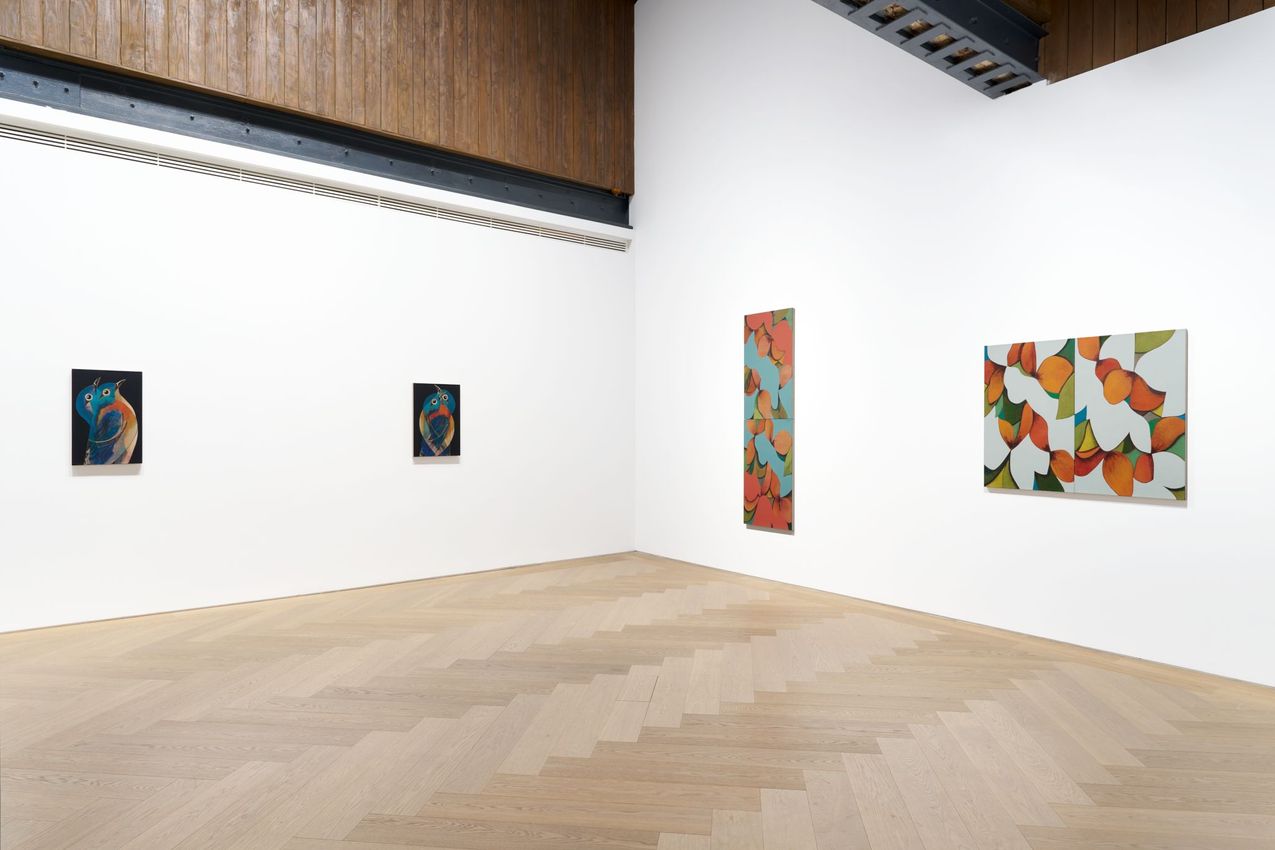
In particular, we see this effect in his use of doubling, whether in his paintings of birds (multiplied, flipped, etc.) or flowers and fruit diptychs where elements in the left and right panels combine to create a cohesive image of the whole picture. The methods that he uses are formally intricate, but almost deceptively simple. These mundane subjects act almost like a trojan horse for productive confusion. His paintings might appear to be straightforward and easily read, but they actually invite us to observe more closely and to consider the act of seeing itself. Cognitive processes are enigmatic, and Mrosowski demonstrates that perception is an especially complicated phenomenon – just like art always is too. Why should a still-life not contain the richness of actual life? The brain is infinitely unknowable, and accordingly its experience of art should be slippery and challenging, if not downright confounding.

Most notably, Mrozowski’s orange paintings demonstrate our inherent human ability to recognize structure. Since the dawn of history, scribbling always turns into legible words. Likewise, signs and symbols begin to emerge when we look closely enough at our surroundings. This tendency must be a unique survival mechanism, and is one of the primary attributes that distinguishes us from other species. The paintings in this series might first appear like innocent scenes of round fruit randomly placed in trees, but eventually create a dramatic moment of recognition that rewards close looking — the pattern of a grid of oranges reveals itself! We almost cannot unsee it once we find the key. Frequently, there are also additional complexities and variations to the arrangements too, such as oranges partially obscured by leaves or chopped in half by the diptych’s distinct panels. These pseudo-magic tricks aren’t meant to be lighthearted, though. The work Mrozowski creates is something more closely akin to the findings of a psychological research laboratory or an illustration of a perceptual phenomenon by twentieth century Dutch graphic artist M.C. Escher. Each highlights and reveals the fascinating workings of our profoundly labyrinthine minds.

All of the artworks included in this exhibition are meant to challenge us as viewers to put equal effort into the act of viewing as Mrozowski has put into creating the paintings in the first place. Art is never static and inert if you really know how to examine it. That is a skill that we all have, but which benefits from being honed and sharpened through practice and patience. Mostly, in this day and age, it requires slowing down and reconnecting to the pleasures of being present with the gifts everywhere in our midst. Ultimately, Mrozowski’s artworks are about the glories of human experience that are freely available for those willing to seek and perceive them. Life — it’s confusing and hard, but also fascinating, inspiring, and truly beautiful if you know where and how to look.

Text by Daniel S. Palmer, chief curator at the SCAD Museum of Art, U.S.

Courtesy Perrotin.

Read More

Installation Views

Also Exhibiting

About the Gallery
Emmanuel Perrotin founded his first gallery in 1989 at the age of 21. He has opened since then over 17 different spaces, with the aim of continuing to offer increasingly vibrant and creative environments to experience artists work. He has worked closely with his roster of artists, some since more than 25 years, to help fulfil their ambitious dreams and projects. The gallery is now based in New York, Paris, Hong Kong, Seoul, Tokyo, and participates in all the significant worldwide art fairs each year (Art Basel (Hong Kong, Miami, Basel), Frieze (London, New York), FIAC (Paris), Dallas Art Fair, Art Cologne, Art Stage Jakarta, Expo Chicago, Art021 & West Bund Art & Design, Shanghai, Zona Maco Mexico, amongst others).
View Gallery Profile
Address
3/F, 27 Huqiu Road
Huangpu District
Shanghai
China
Opening Hours
Tuesday – Saturday
11am – 7pm
(1)
Shanghai 3/F, 27 Huqiu Road, Huangpu District
Perrotin
3/F, 27 Huqiu Road, Huangpu District, Shanghai, China
+86 216 321 1234
http://www.perrotin.com

Opening hours
Tuesday – Saturday
11am – 7pm
The art world in focus