






How the Art World Feels Ten Years After the Brexit Vote
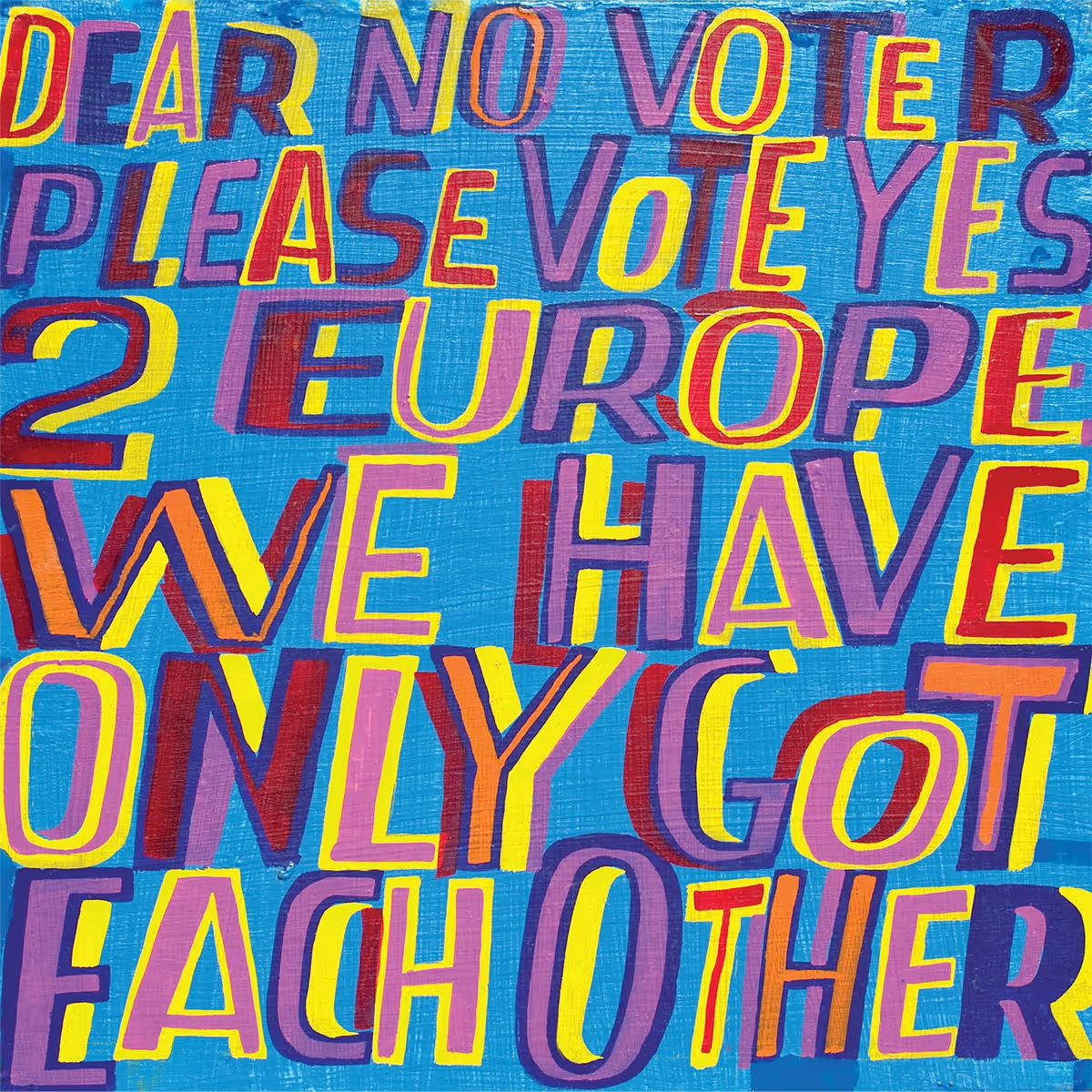
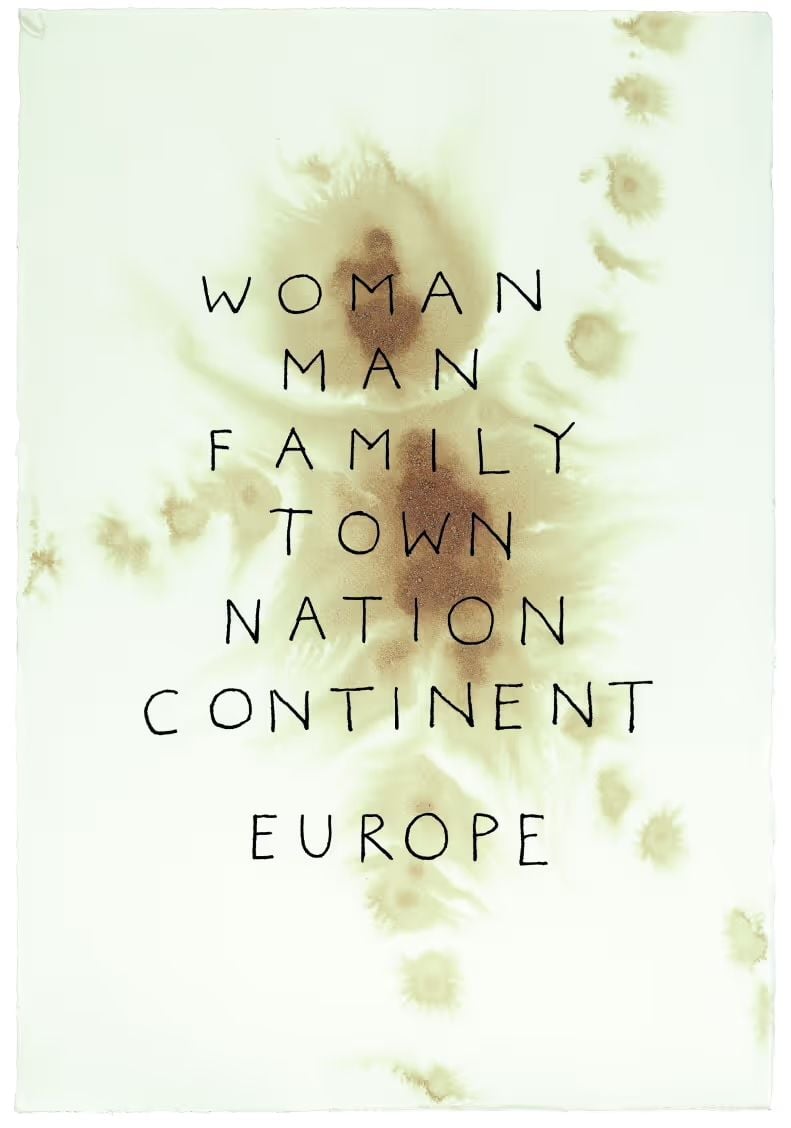
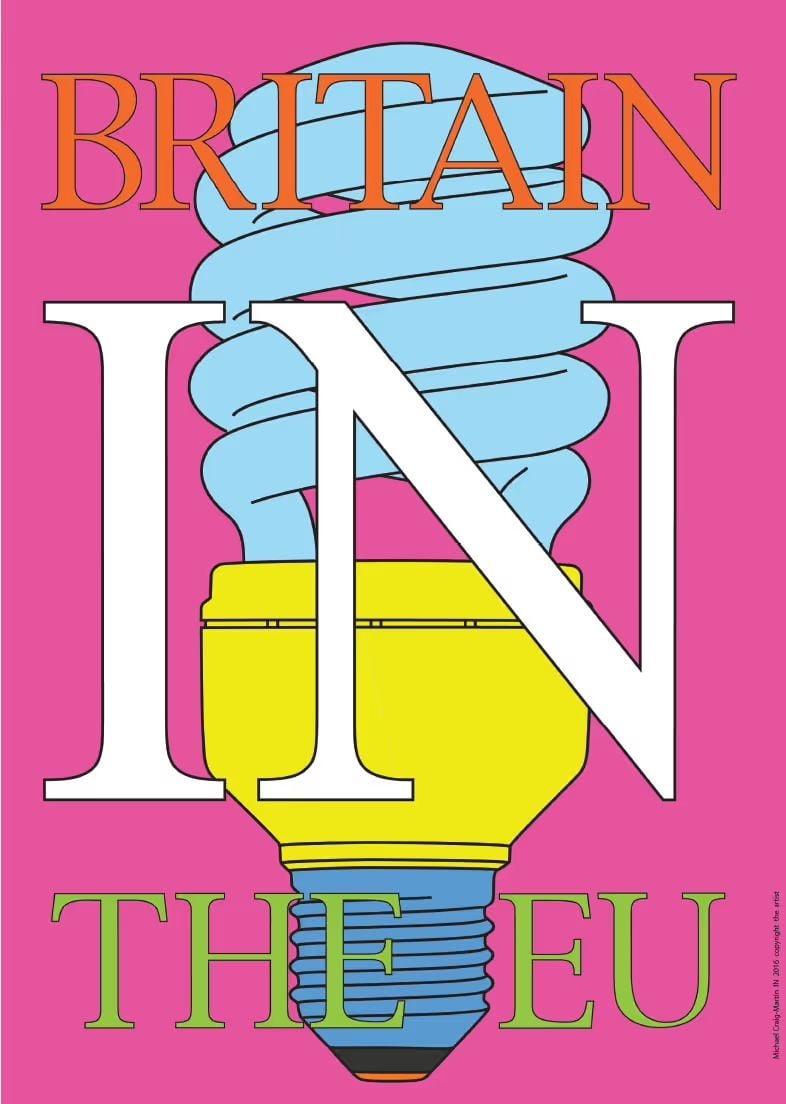
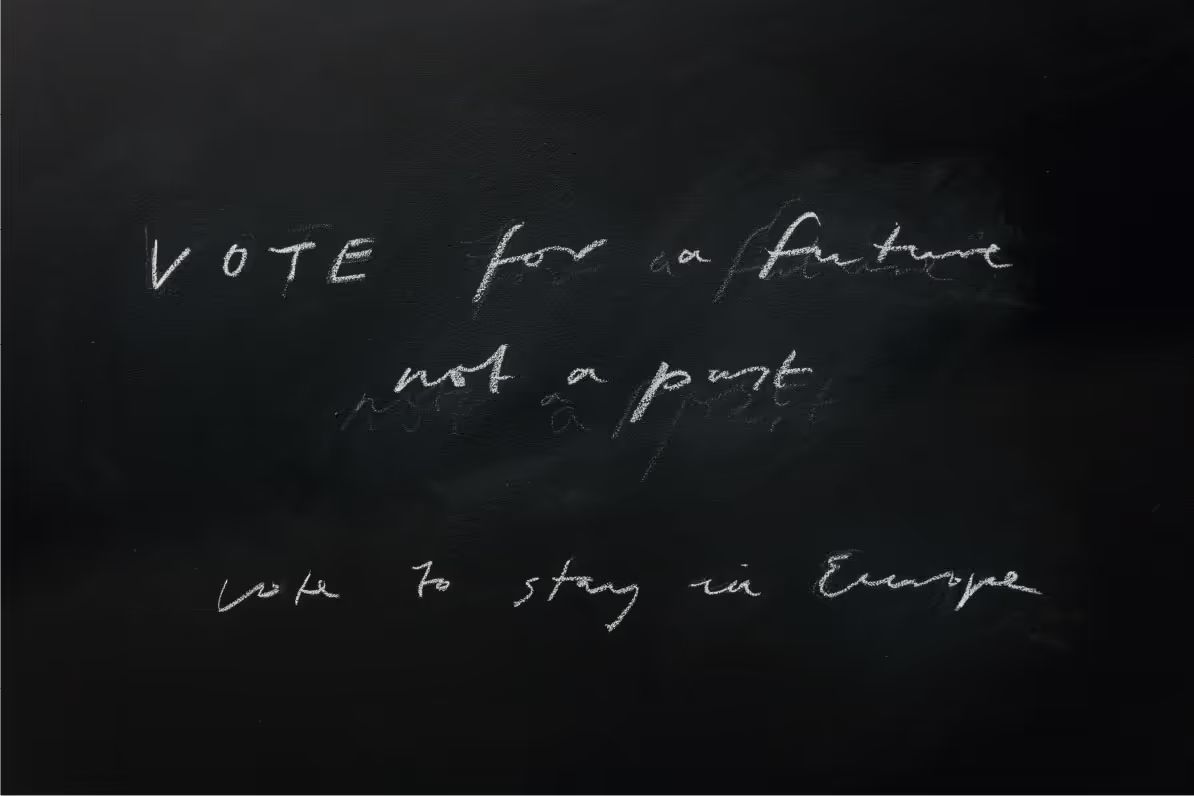
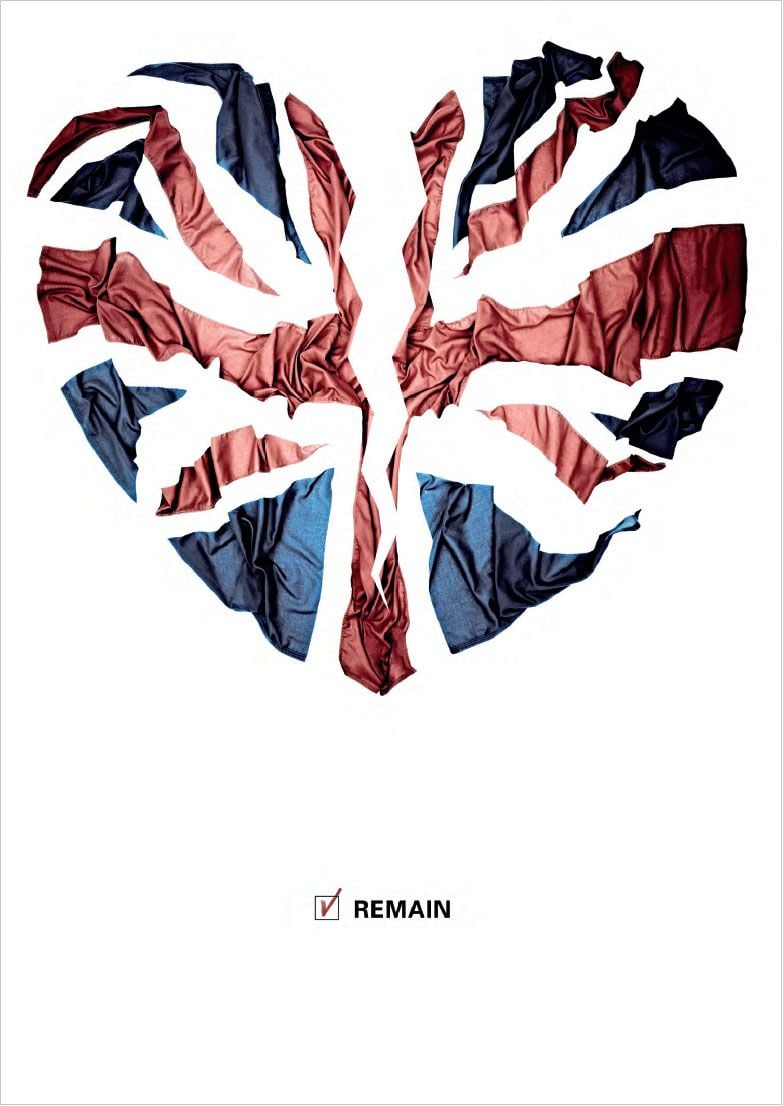
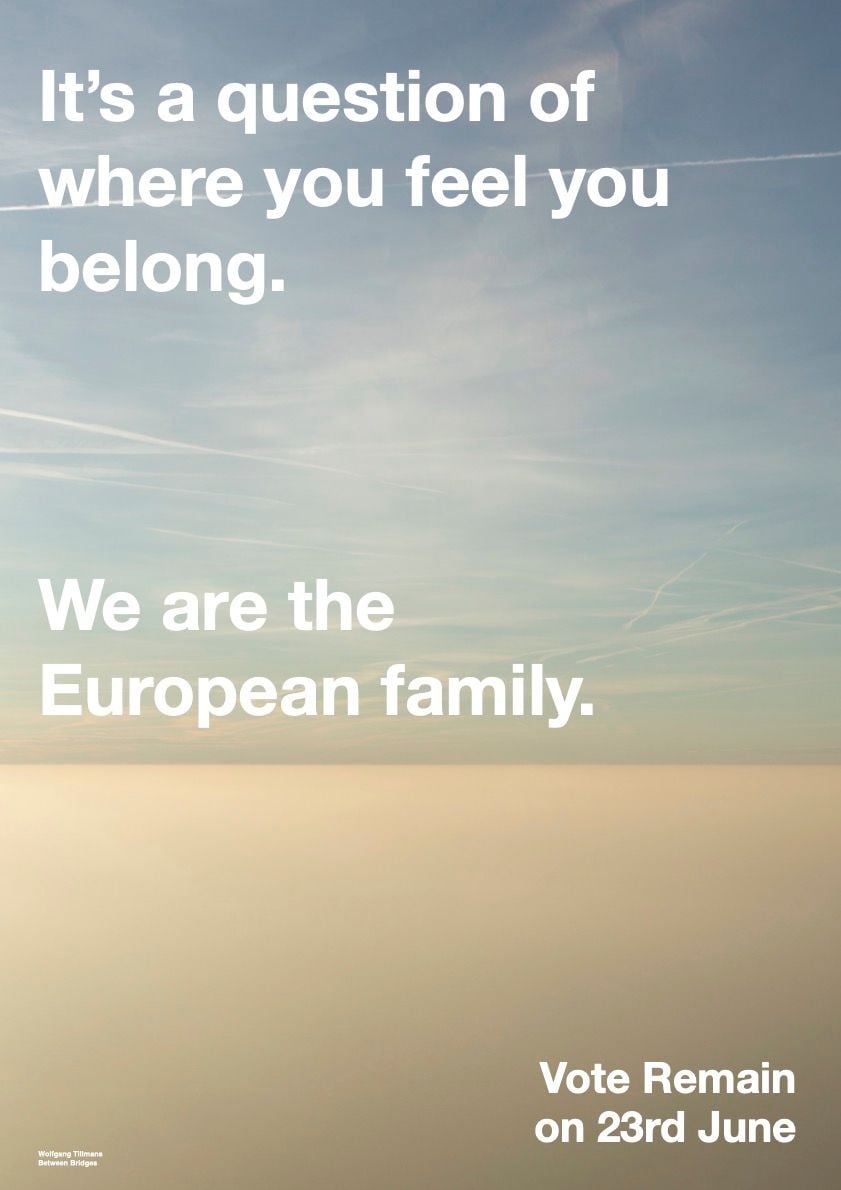
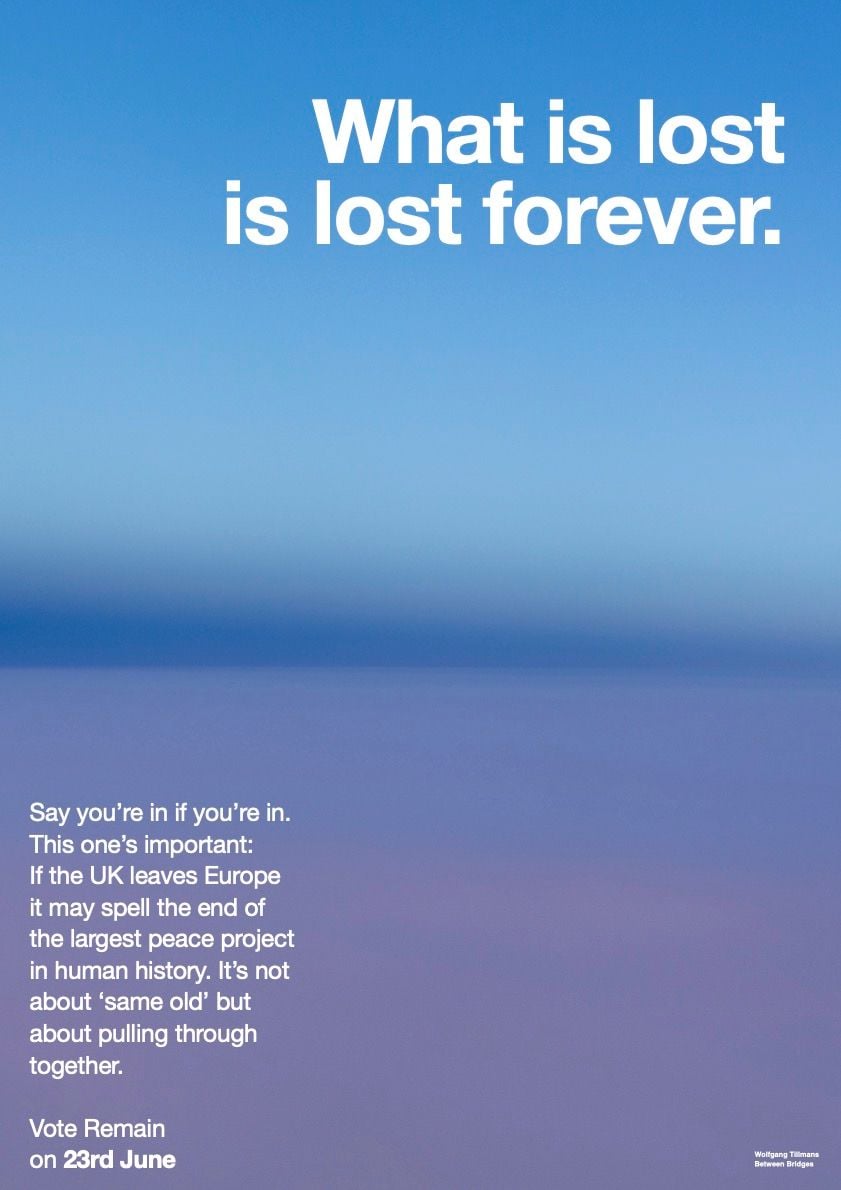
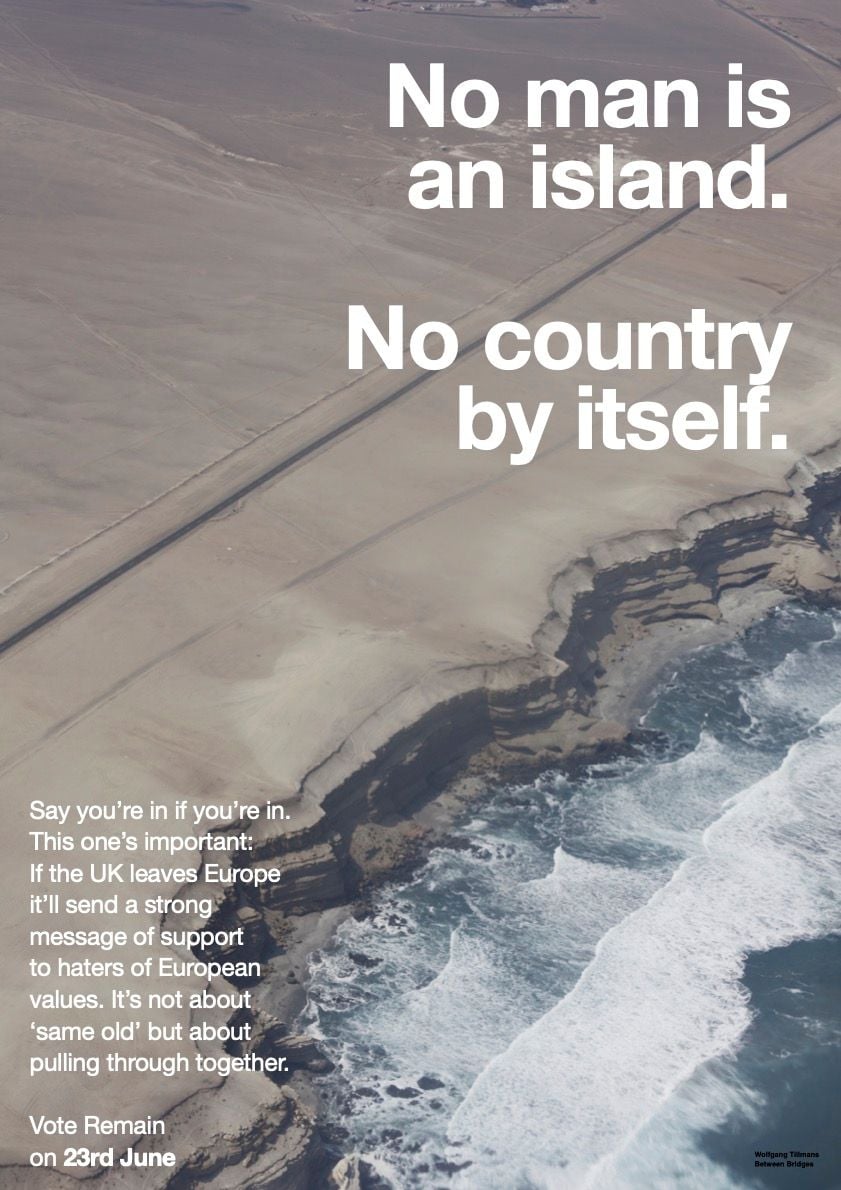
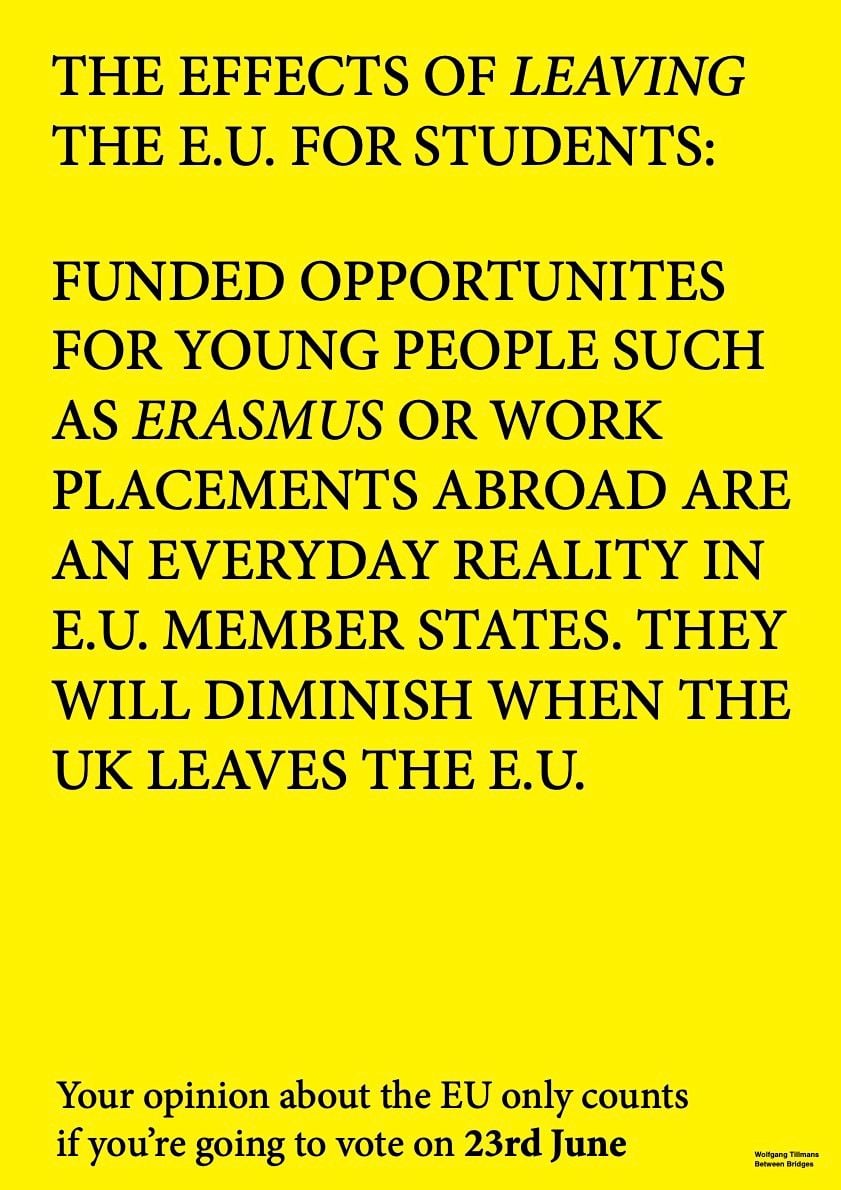
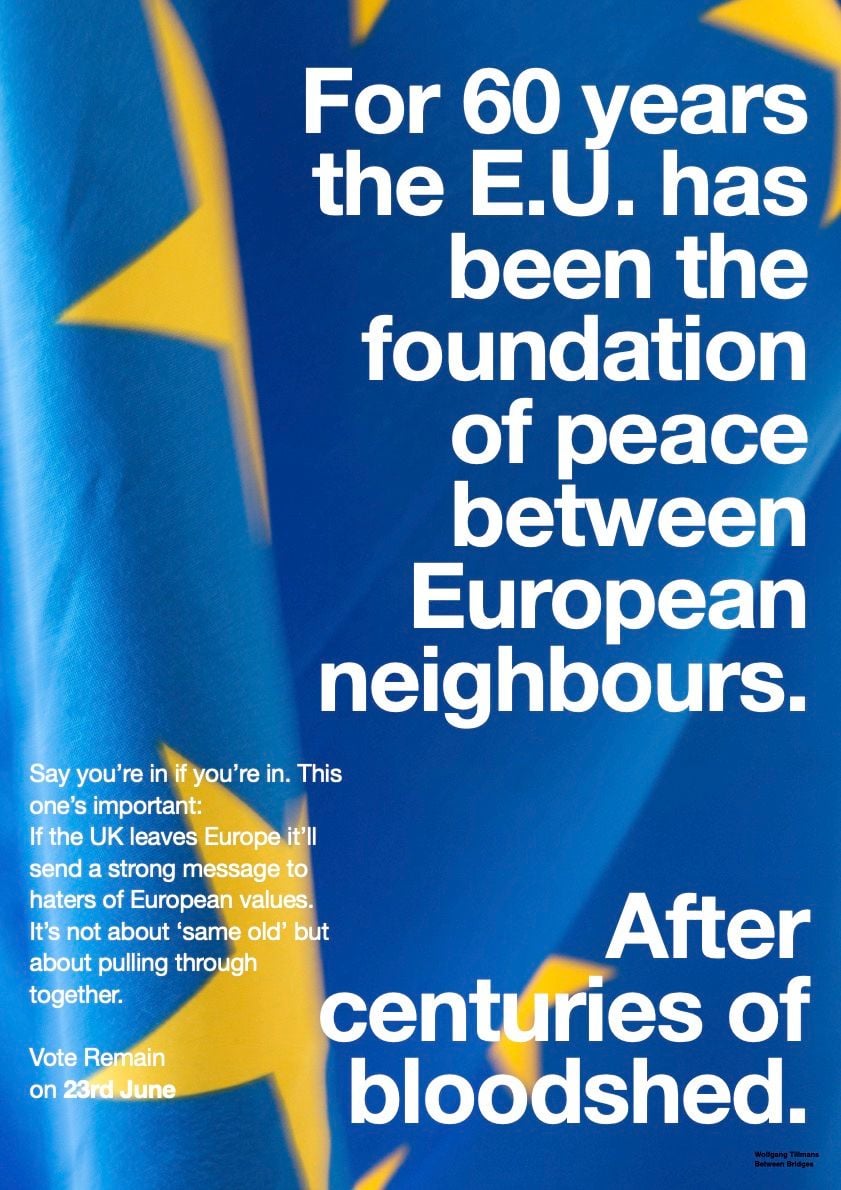
It’s been a decade since the UK voted by a small but significant margin to leave the European Union. How has the ongoing impact of this decision affected the art world? Save to My OculaIn early June 2016, just three weeks before the Brexit referendum, the Royal Academy of Arts convened a huddle of artists to make posters in support of the “Remain” campaign. For Antony Gormley, the European Union posed “an opportunity to exercise imagination”. To leave the EU, for Tacita Dean, was to give in to an insularity without virtue. As painter Michael Tierney put it: “Why on earth would you vote to go backwards?”
The UK culture secretary at the time, John Whittingdale, appeared, by contrast, completely serene: “We have nothing to fear from leaving the EU,” he said. To his mind, the robustness of Britain’s arts and cultural scene meant that once freed from “the shackles of EU law”, as he put it, the country would only thrive.
In the event, 51.9 percent of the electorate voted to leave. As anyone who has lived through the treacle-heavy decade that followed can attest to, nothing about the process of Britain leaving the EU has been expedient. It has, however, wrought immense change. To gauge quite how this has impacted the UK’s art scene, Ocula contacted 25 art world insiders. Several declined outright to speak, with one gallerist citing their sadness and heartbreak. What emerges from the conversations with the 12 who were happy to talk is the sense of an unwieldy contradiction and an inequality of outcomes.
“The ‘Brexit gloom’ narrative always missed the point about how deeply entrenched the London market actually is”
For those galleries, auction houses and artists whose operations were already global in scope, dealing with post-Brexit red tape and costs has not hampered business. As Leila Alexander, global director at White Cube, puts it, “The ‘Brexit gloom’ narrative always missed the point about how deeply entrenched the London market actually is. Watching the UK maintain its position as the world’s second-largest art market—hitting $10.5 billion USD in sales and holding an 18 percent global share in 2025—feels validating, but in reality, none of us on the ground are shocked.”
But for smaller outfits, the shockwaves that vote triggered continue to radiate. Artist Bob and Roberta Smith describes Brexit as an ongoing calamity: “We’ve really shot ourselves in the foot,” he reflects bluntly, “and made life unnecessarily difficult by separating from our closest partner.”
Remarkable resilience
According to the 2026 Art Basel and UBS Art Market Report, the UK has reclaimed its spot as second largest art market, globally, behind the US. Mayfair, meanwhile, is as vibrant a gallery district as it was during its 1990s heyday. “The real headline,” says Alexander, “is how London has risen to the occasion.”
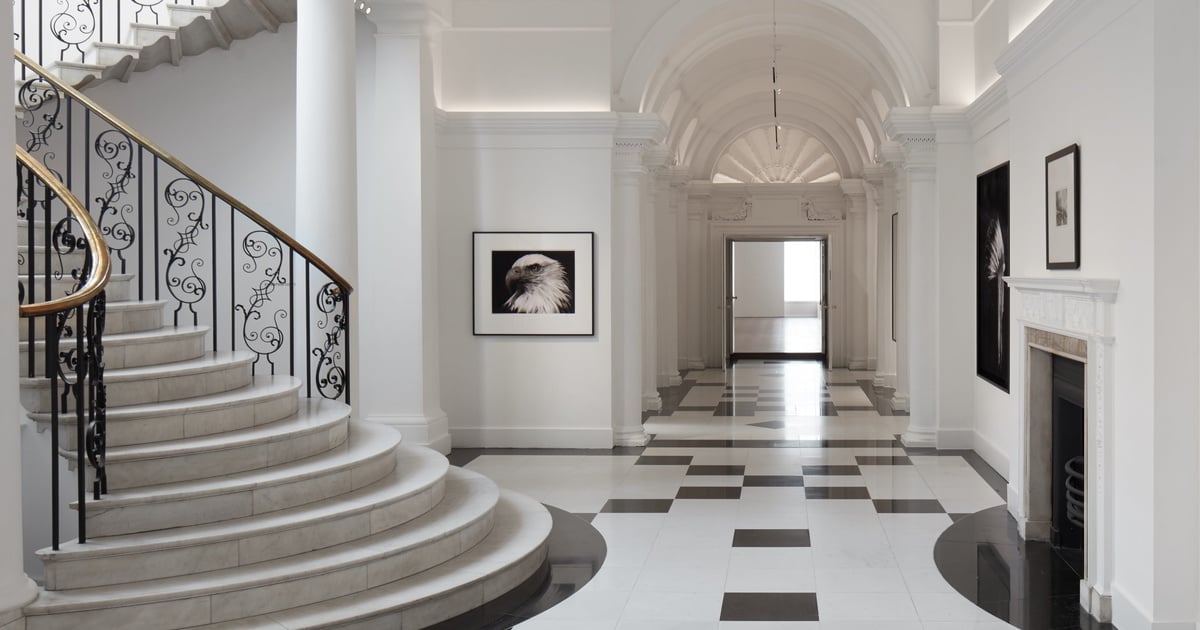
Austrian gallerist Thaddaeus Ropac opened a London space in the 18th-century Ely House, the former London residence of the Bishop of Ely, just months after the Brexit vote. He has continued to profess an unrelenting belief in the UK capital’s strength as one of the most exciting art scenes in Europe.
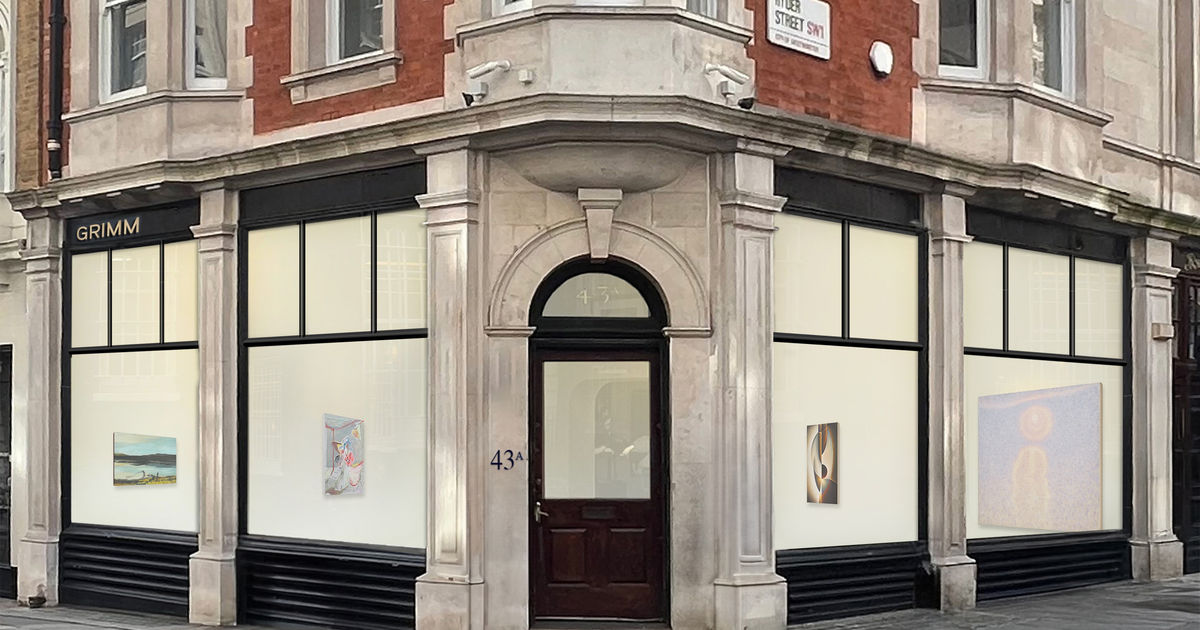
Dutch gallerist Jorg Grimm followed suit in 2022, setting up shop on Bourdon Street in Mayfair (the gallery has since moved to Duke Street). Though he describes the UK rejoining the EU as “the dream and ideal scenario to right a wrong,” he too is resolute that not just London but the country at large remains an art world force to be reckoned with: “The best education is there, the best museums, the best quality of life, whether it’s art or something as plain as just shopping or holidays.”
“We all thought it was a terrible thing that Brexit happened, but there was an upside to it”
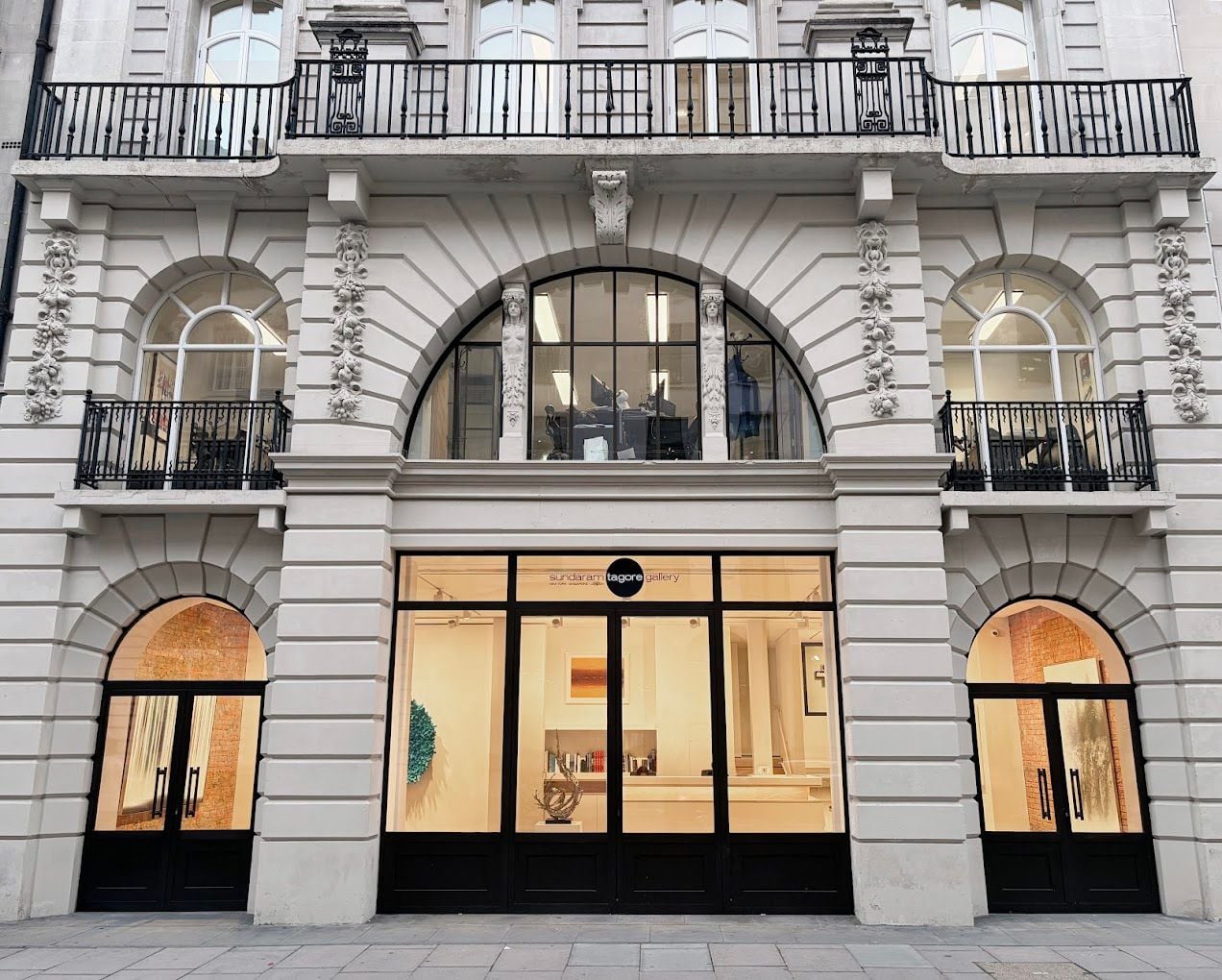
One of the capital’s newest arrivals is Indian gallerist Sundaram Tagore, who only opened his Mayfair space in May. After establishing locations in Hong Kong, Singapore and New York, Europe was next and “London,” as he puts it, “was the only option. Absolutely.” The city has lost none of the cosmopolitan sophistication and cultural depth for which he has always loved it: “People from across the world claim London as their city.”
Tagore doesn’t find post-Brexit taxes too high or logistics prohibitive; the collectors of the world still flock. For veteran London gallerist Alison Jacques, the change in tax regime—from charging British collectors 20 percent VAT on works by European artists to now only five percent in import duties—is in fact a win. “We all thought it was a terrible thing that Brexit happened, but there was an upside to it,” she says. “I’m almost loathe to say but from a tax point of view for buyers in the UK, it is much easier.”
Frictional costs
Alex Branczik, chairman and head of modern and contemporary art, Europe and Asia, at Sotheby’s London, describes the added logistical challenges that Brexit has ushered in as “frictional costs”: they’re an obstacle to overcome, not a stranglehold. “We all hope it will be reversed,” he says. “But you can’t just, overnight, switch the art capital of Europe to a different city. Paris, Milan… all these places have their own merits, and people love going there too, at different times of year, but to offer the full gamut of international contemporary art, I don’t think there’s a rival in Europe to threaten the hegemony that London holds on to.”
Of course, size and organisational structure dictate how able any given entity has been to withstand the complications Brexit has ushered in.
“I don’t think there’s a rival in Europe to threaten the hegemony that London holds on to”
Paul Hewitt, director general of the Society of London Art Dealers (SLAD), says restrictions on the free movement of artworks, as well as labour, have made business more complex and expensive. In 2016, SLAD counted 140 members, of which eight (just under six percent) were UK branches of European galleries. Ten years on, SLAD’s membership has risen to 177, but since 2021–2022, all those European dealers have left the UK and resigned from the society.
Within the UK, the biggest impact has been on smaller galleries, which do not have locations in different global centres to use as a means of bypassing complicated admin or onerous taxation.
Works being shipped from the UK to the EU for exhibition only now require an ATA Carnet, effectively a passport for goods, to avoid paying import duties (and the ATA Carnet is only valid for 12 months). Staff attending fairs or exhibitions need temporary Schengen Area work visas. And UK truckers can only spend a limited amount of time in the EU. All of this costs money and piles on the red tape.
The shock of the out
Gary Waterston, managing director of Lisson Gallery, highlights a second big shift: the exhilaratingly rich pool of “young, talented, ambitious people” from which the creative sector drew its staffing pre-Brexit has massively reduced.
Free movement came to an end on 1 January 2021 and the number of EU students has dropped accordingly. They no longer have access to home fees, and the length of stay they’re permitted upon graduating is only getting shorter: for anyone applying for a graduate visa after 1 January 2027, it will be 18 months.
Under this ever-stricter immigration system, as researchers at the Migration Observatory at the University of Oxford have found, fewer and fewer EU nationals are immigrating to the UK for work, too: 25,000 people per year applied for work visas, on average, between 2021–2024, compared with the estimated 75,000 who moved here for work in the year ending March 2020.
Grimm rightly highlights that the art world’s strength starts with artists. Right now, he doesn’t see the UK having lost its riches on that front, though he does concede it might still be too early to tell. Artists themselves, however—particularly those who achieved early success in pre-Brexit times—are concerned. When the referendum results were announced, British sculptor Jyll Bradley says her great sense of loss came from the feeling that what her parents’ generation had fought for in terms of unity had just been trashed. “I was incredibly sad, and I’m still very, very sad.” She points to projects including Sculpture Projects Münster, documenta and the European capitals of culture (in which she took part when it was Liverpool’s turn in 2008) as exemplifying that post-Second World War imperative to, as she puts it, “do better”.
“London’s vitality has always come from its ability to attract artists, students, curators and ideas from elsewhere”
Jane and Louise Wilson concur. “Europe has played a huge part in our development as artists,” they say, citing a foundational German exchange residency they completed in Berlin in 1996–1997. That’s where they first met German conceptual artist Thomas Schütte, who founded the Skulpturenhalle in Dusseldorf where they’re currently exhibiting. If that continuity of friendship, conversation and artistic exchange across Europe has been vital to their career, what they now feel most keenly, they say, is “a subtle change” in the sense of openness that long characterised the pre-Brexit British art world. “London’s vitality has always come from its ability to attract artists, students, curators and ideas from elsewhere,” they add.
So too, Bob and Roberta Smith, whose career is rooted in all the European exhibitions in which he took part as a young artist with easy access to a Transit van and no border forces to impede passage. The relationships forged during that time were critical to the longevity of not just individual art careers but an entire ecosystem: everyone rose together, he says, doing more marginal, avant-garde things, before going on to run museums and Kunsthalles. “That won’t exist for my daughter and my son’s generation,” he says. “The seeds haven’t been sown.” —[O]
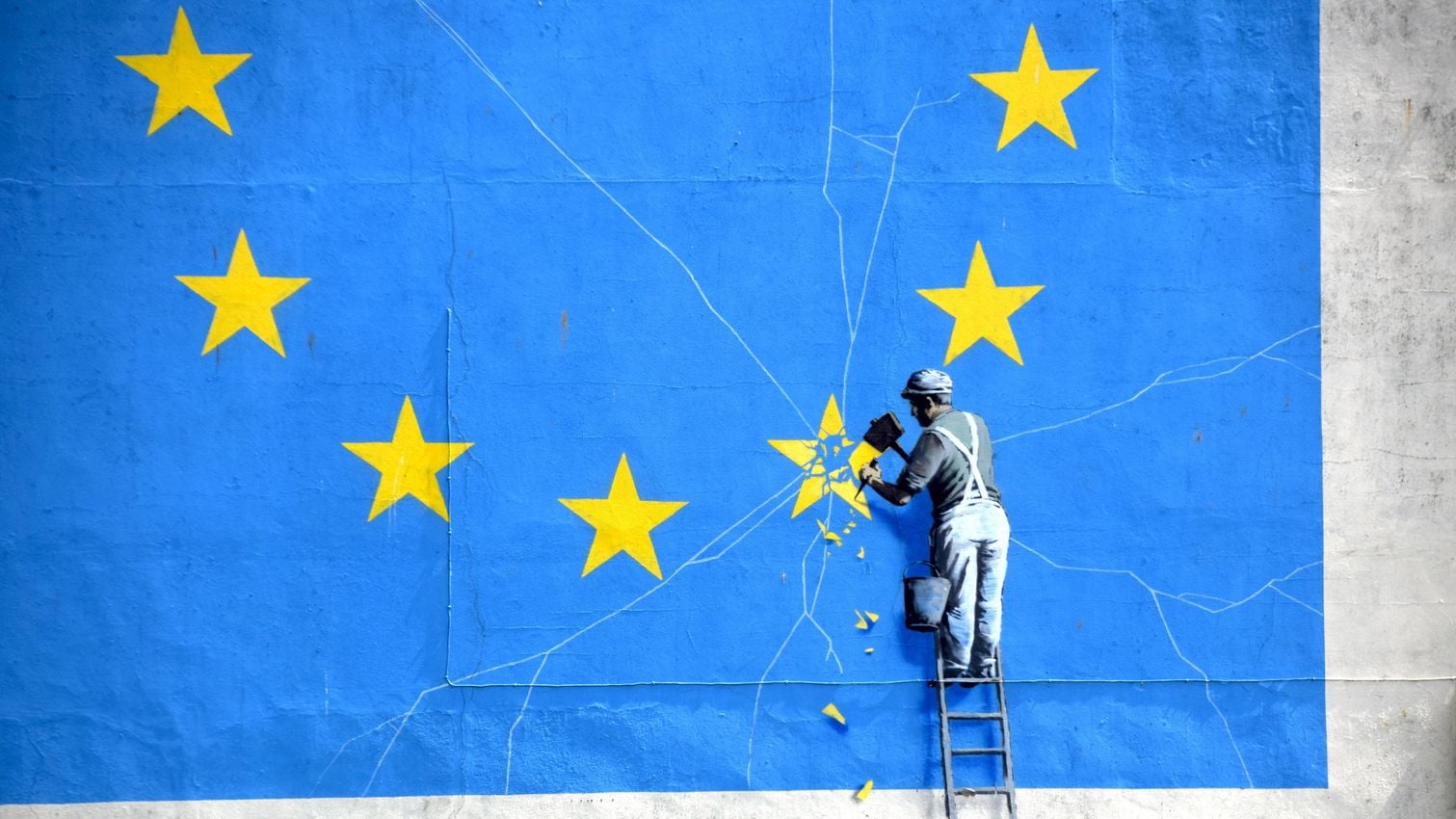
Main image: Banky mural, commenting on Brexit, on a derelict building on the Dover coast (2017). Photo: Fraser Gray/Alamy





A respected voice in contemporary art discourse.
Focusing on ambitious storytelling and insightful art-world commentary. Ocula Magazine publishes in-depth interviews, critical essays and timely analysis on the artists, exhibitions and ideas driving the global art world.
Learn more about Ocula Magazine
Showcasing the best of the art world.
Ocula partners with galleries from around the world to highlight their artists, artworks and exhibitions. Gallery membership is by application and invitation, with each member vetted by an independent panel.
Learn more about Ocula Membership
Specialises in the sale of major artworks.
Led by a team with deep ties to the world’s leading auction houses, galleries and collectors. Ocula’s advisory team offers bespoke services to high-net-worth clients from around the world who are looking to acquire the best of contemporary and modern art.
Learn more about our team and services