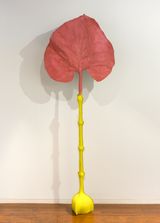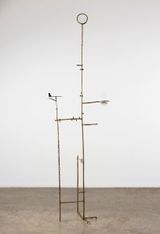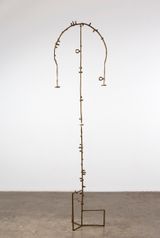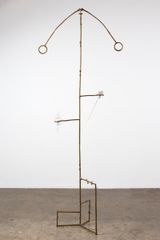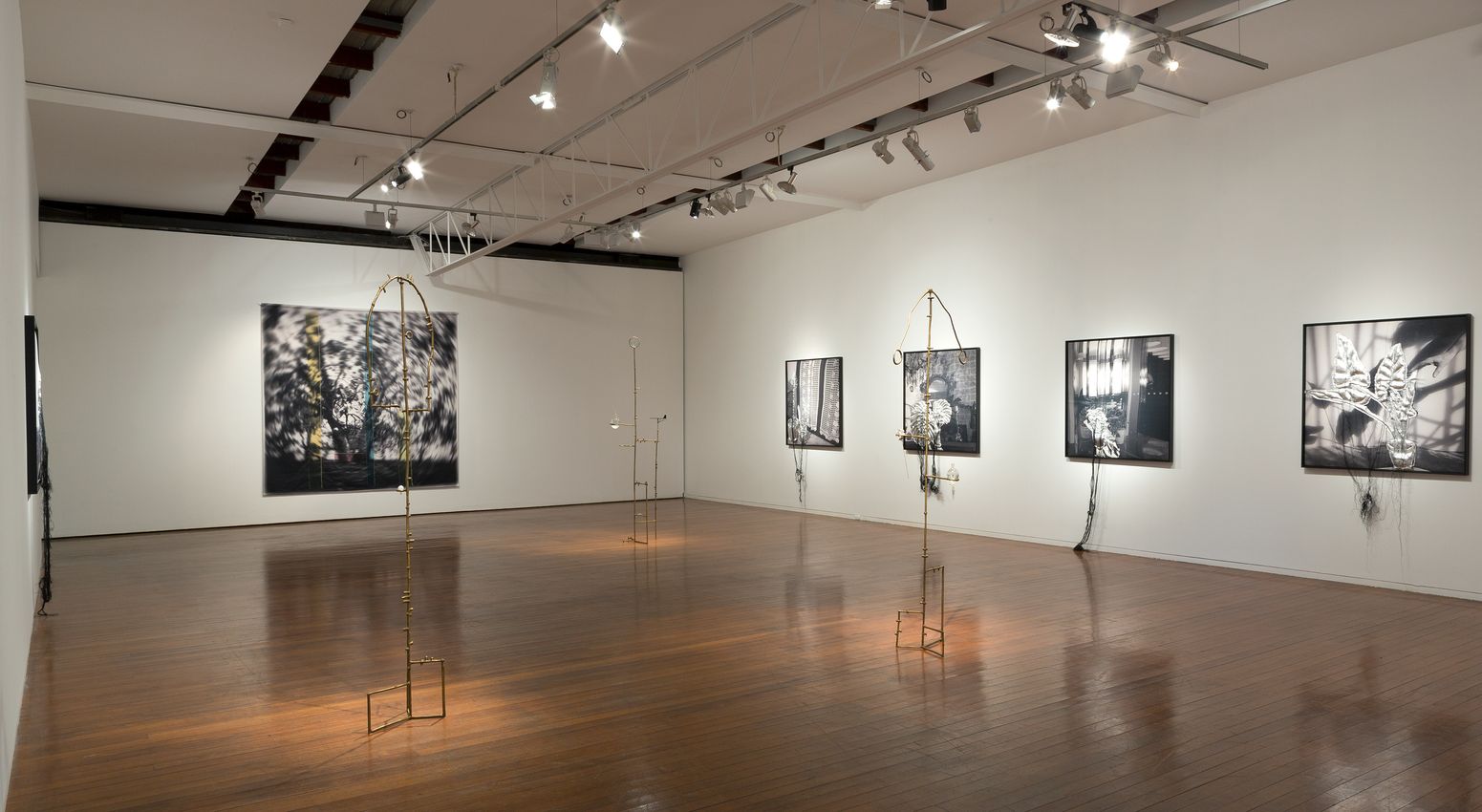
Caroline Rothwell has an abiding interest in humankind’s interaction with the natural world. Her uncanny and sometimes precariously balanced sculptures hybridise human and non-human elements, appearing as either anthropomorphic flora or, like the much-loved bronze Youngsters in Sydney’s CBD, plant or mineral-infested figures.
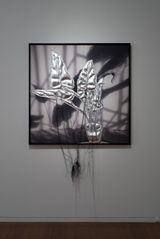
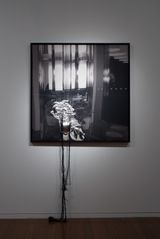
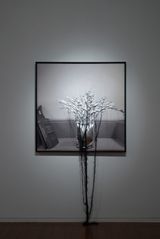
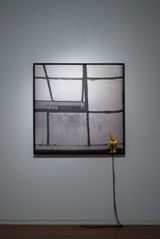
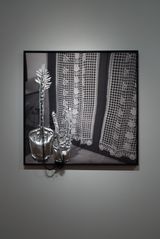
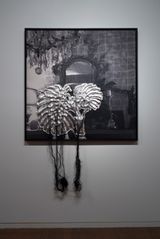
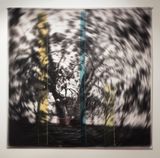
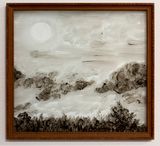
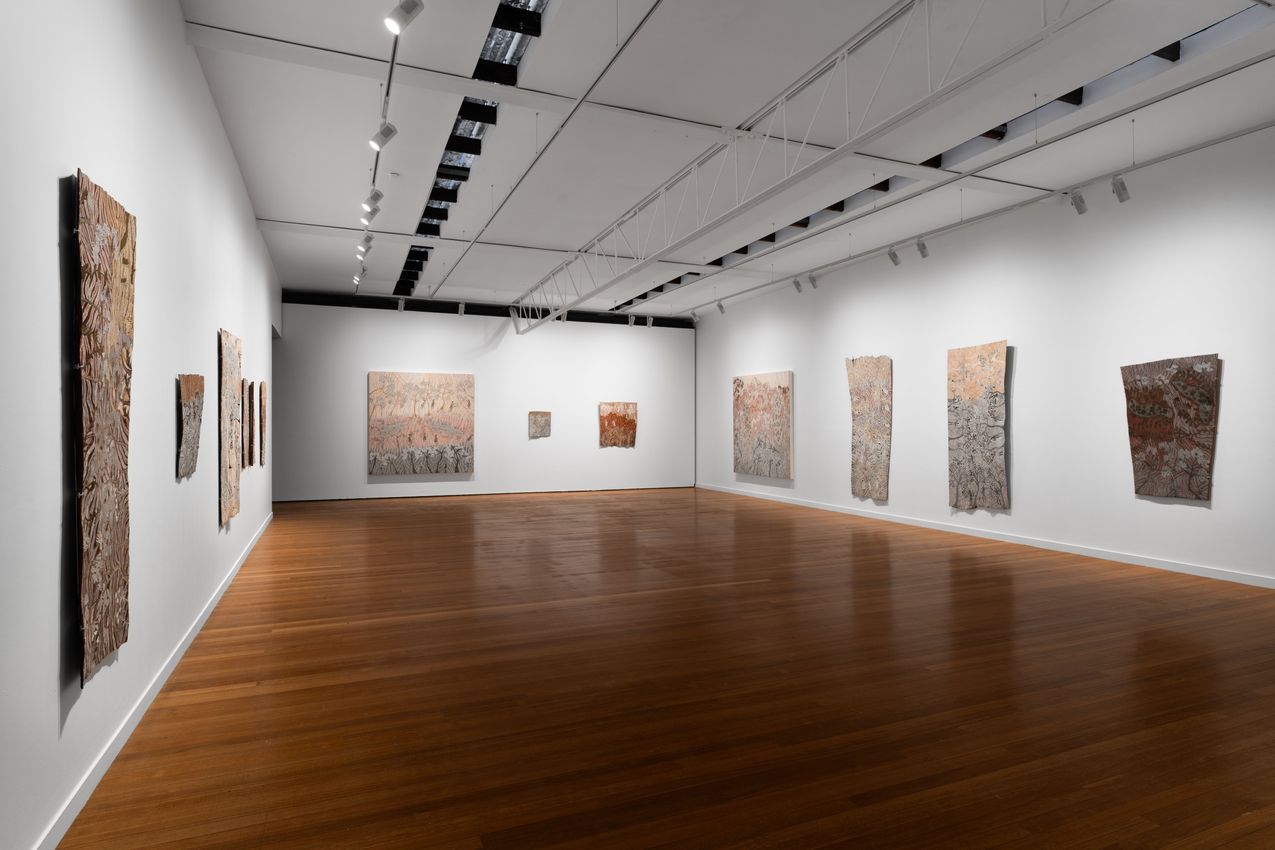
In her new photo-based paintings of indoor plants, Rothwell continues her critique of our attempts to colonise, tame and control nature. The #rothwellofficeplants are based on Instagram photos of office plants posted from around Australia and the world. Despite the international reach of the artist’s callout, the plants are similar to each other and familiar to us all: specimens of palm and Monstera that are native to tropical climates and were once considered exotic, but in the Modern era have become the go-to plant for office buildings globally. Rothwell reanimates these often drab and dusty indoor plants by fleshing them out, literally giving them body that’s contained within a tactile skin of hand-sewn metal or gold leaf. The tangled thread of the black stitching is left to fall out of the picture frame, encroaching into our space like abandoned spider webbing or long and unbrushed hair.
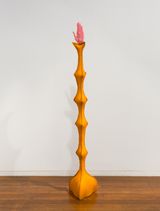
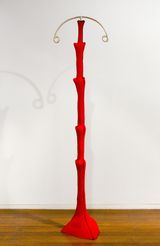
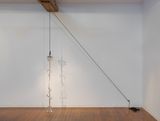
The artist’s ongoing research into recent geoengineering experiments and initiatives is brought to bear in three new spindly bronze sculptures that resemble scientific retort stands but also winter trees, bereft of foliage. In a recent trip to the Galápagos Islands, the artist learnt of storm glasses used during Charles Darwin’s survey of the archipelago in 1835 to predict the weather. In the tallest of the three Retort sculptures, a storm glass is balanced on its opposite side by a marine weather vane, perhaps referencing the Beagle and its scientific surveys.
More broadly, however, this delicately balanced Giacometti-like sculpture with a magnifying glass for a head, proposes - with Rothwell’s typically wry and nuanced understatement - that the colonising imperative of recent centuries is today replaced by a compulsion to gain mastery over nature and the climate itself, as if we have the power to avert the imminent and inevitable ecological catastrophe that defines the Anthropocene.
-Felicity Fenner
Caroline Rothwell’s artworks explore the effects of human intervention on nature, often delving into ideas surrounding consumption and the legacy of colonisation.
Established in Sydney by influential Australian art dealer and gallerist Roslyn Oxley and her husband Tony Oxley in 1982, Roslyn Oxley9 Gallery is one of Australia’s leading commercial galleries.
A respected voice in contemporary art discourse.
Focusing on ambitious storytelling and insightful art-world commentary. Ocula Magazine publishes in-depth interviews, critical essays and timely analysis on the artists, exhibitions and ideas driving the global art world.
Learn more about Ocula Magazine
Showcasing the best of the art world.
Ocula partners with galleries from around the world to highlight their artists, artworks and exhibitions. Gallery membership is by application and invitation, with each member vetted by an independent panel.
Learn more about Ocula Membership

Specialises in the sale of major artworks.
Led by a team with deep ties to the world’s leading auction houses, galleries and collectors. Ocula’s advisory team offers bespoke services to high-net-worth clients from around the world who are looking to acquire the best of contemporary and modern art.
Learn more about our team and services