Press Release

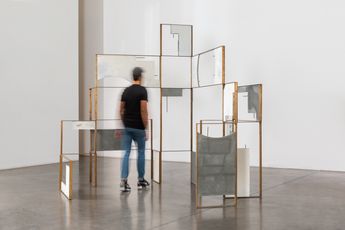
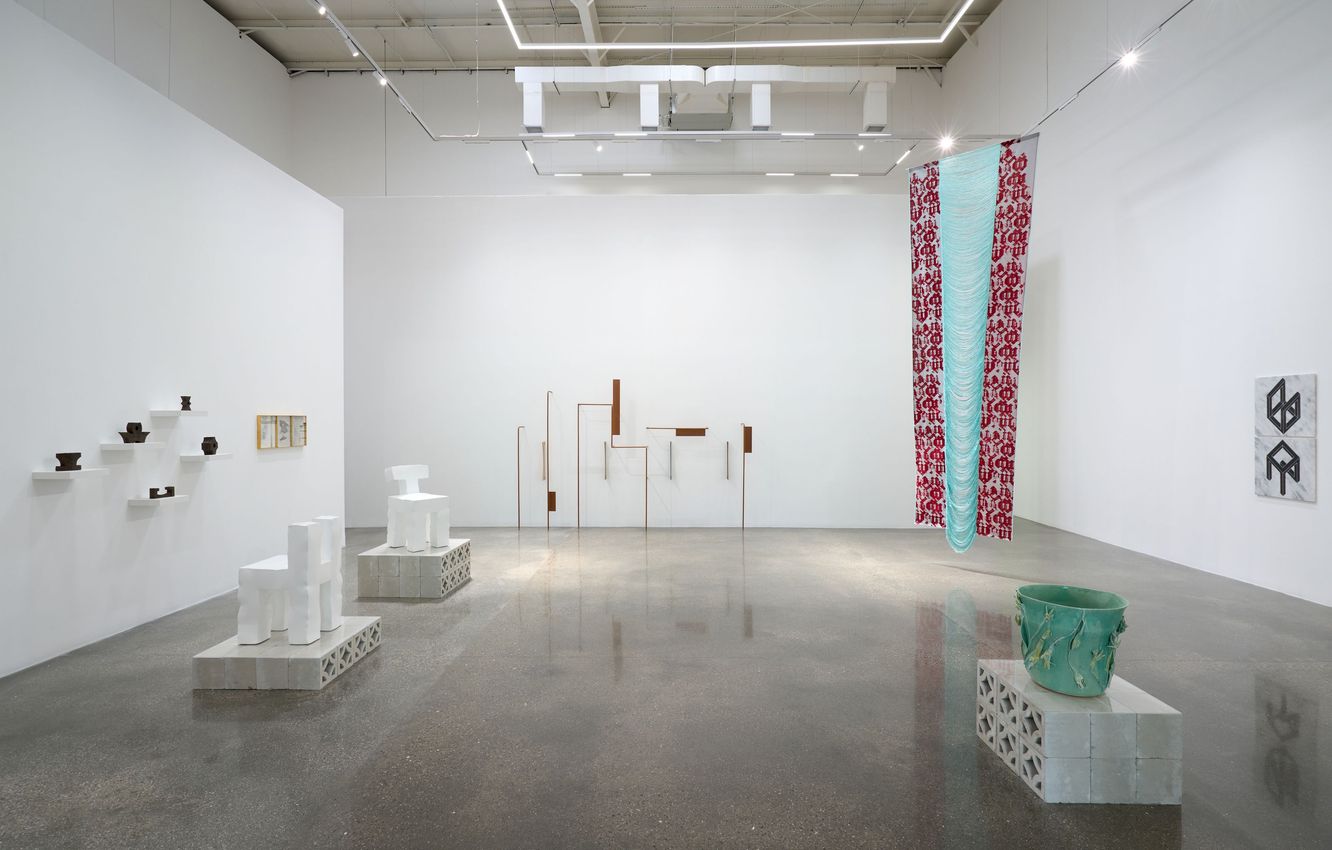
Cross Scripts, our summer exhibition, brings together creatives whose practices move fluidly between categories, resisting the distinctions that have traditionally separated art, design, architecture, and craft. Across painting, sculpture, furniture, craft, and jewellery, the exhibition considers how objects carry meaning beyond function, and how making itself becomes a shared language. These exchanges feel particularly resonant within the context of the region, where the boundaries between art and design have long been more porous than the categories through which they are often understood.

Geometry becomes ornament. Utility becomes sculpture. Traditional techniques are reimagined through contemporary forms. Throughout the exhibition, historical references, and material traditions are continually translated, adapted, and reconfigured, revealing unexpected connections between makers working across different generations and geographies. The exhibition invites us to look beyond categories and consider how objects shape the spaces we inhabit, the histories we inherit, and the ways we see the world around us.

The artists and designers include Hamra Abbas, MODU Method by Omar Al Gurg, Farhad Ahrarnia, Sarah Almehairi, Kamrooz Aram, Bernhard Buhmann, Nada Debs, Areen Hassan, KAMEH, Bil Arabi by Nadine Kanso, Mehdi Moutashar, Timo Nasseri, Driss Ouadahi, and Ishmael Randall-Weeks, alongside works by Zein Daouk, Carlo Massoud, Mary-Lynn Massoud, and Rasha Nawam, presented by Iwan Maktabi.

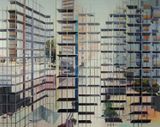
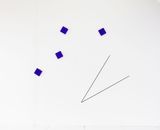
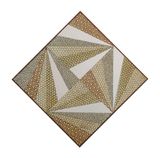
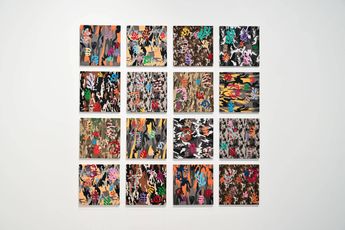
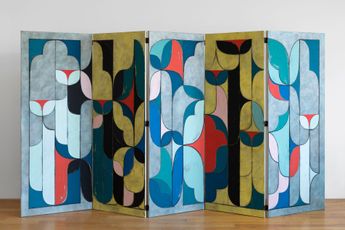
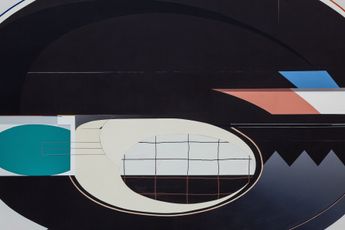
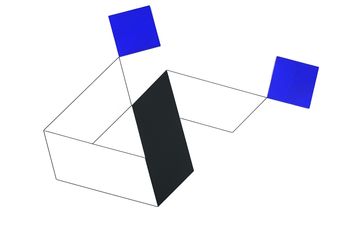
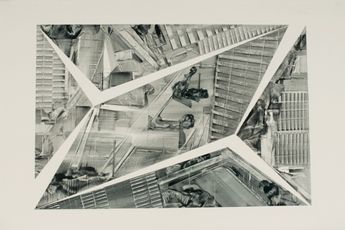
Systems of order and repetition emerge throughout the exhibition, though they take very different forms. Architecture, ornament, mathematics and modernist traditions all find expression in the works of Driss Ouadahi, Mehdi Moutashar, Sarah Almehairi and Bernhard Buhmann. Whether through grids, structures, colour or geometry, these artists reveal abstraction as something lived and inherited rather than universal. Kamrooz Aram extends this conversation through works that explore the ornamental potential of abstraction, allowing decorative forms to move beyond embellishment and into new fields of meaning.

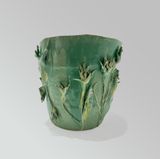
Nature and ornament form a parallel conversation. Hamra Abbas and Areen Hassan each draw upon flowers, gardens and landscapes, yet neither approaches nature as something to be represented literally. Through the language of pietra dura and Mughal garden imagery, Abbas revisits visions of paradise in which architecture, colour and nature exist in delicate balance. Hassan ’ s work similarly draws on the Islamic garden – a symbolic landscape shaped by symmetry, repetition and the flow of water. Presented by Iwan Maktabi, the works of Rasha Nawam, Carlo and Mary-Lynn Massoud, and Zein Daouk extend this dialogue into the realm of design, transforming organic forms into decorative objects rich in texture, colour and material experimentation.

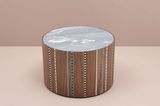
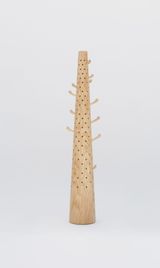
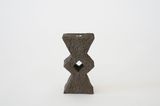
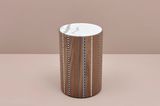
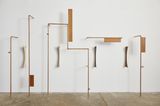
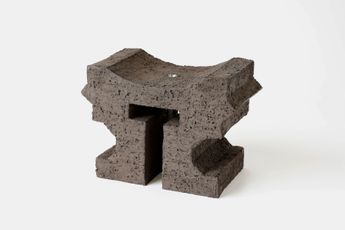
Elsewhere, the exhibition turns towards objects that occupy the space between sculpture and function. Drawing on influences that range from Russian Constructivism to Japanese and mid-century furniture design, Ishmael Randall-Weeks creates works that move fluidly between design object and sculpture. Farhad Ahrarnia similarly brings traditional craftsmanship into dialogue with modernist histories, translating Khatam marquetry into abstract compositions informed by the visual languages of Constructivism. Timo Nasseri’ s Teardrop Vessels likewise blur distinctions between artwork and object. Emerging from a recurring vocabulary of geometric forms, the vessels are conceived as self-contained sculptural bodies, each organised around a precise and deliberate symmetry. Omar Al Gurg and KAMEH extend this conversation through furniture and objects that transform utility into sculptural expression.

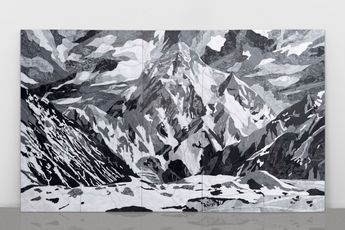
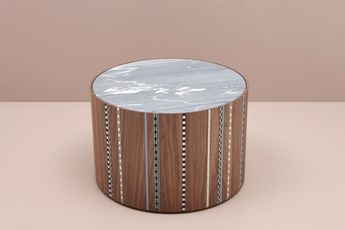
Questions of craftsmanship surface repeatedly throughout the exhibition. Abbas ’ s stone inlay works sit comfortably alongside Farhad Ahrarnia ’ s Khatam mosaics, Nada Debs marquetry furniture, and Nadine Kanso ’ s jewellery. Though working in very different mediums, each draws upon traditions shaped over generations while refusing to treat them as fixed or nostalgic. Historic techniques become vehicles for experimentation, carrying inherited knowledge into new contexts and contemporary forms.

What ultimately connects these practices is not a shared aesthetic but a shared approach to making. Across painting, sculpture, furniture, jewellery, textiles and installation, the artists and designers in Cross Scripts demonstrate an interest in how objects are made, how they are lived with, and how they accumulate meaning over time.

Read More

Selected Works

Loading...

Artists Exhibiting

About the Gallery

Lawrie Shabibi is a Dubai-based contemporary art gallery that presents work by international artists, with an emphasis on contemporary Middle Eastern, North African and diaspora art.

View Gallery Profile
Address
Unit 21, Alserkal Avenue
Al-Quoz 1
Dubai
United Arab Emirates
Opening Hours
Monday – Saturday
10am – 6pm
(1)
Dubai Unit 21, Alserkal Avenue, Al-Quoz 1
Lawrie Shabibi
Unit 21, Alserkal Avenue, Al-Quoz 1, Dubai, United Arab Emirates

Opening hours
Monday – Saturday
10am – 6pm
The art world in focus