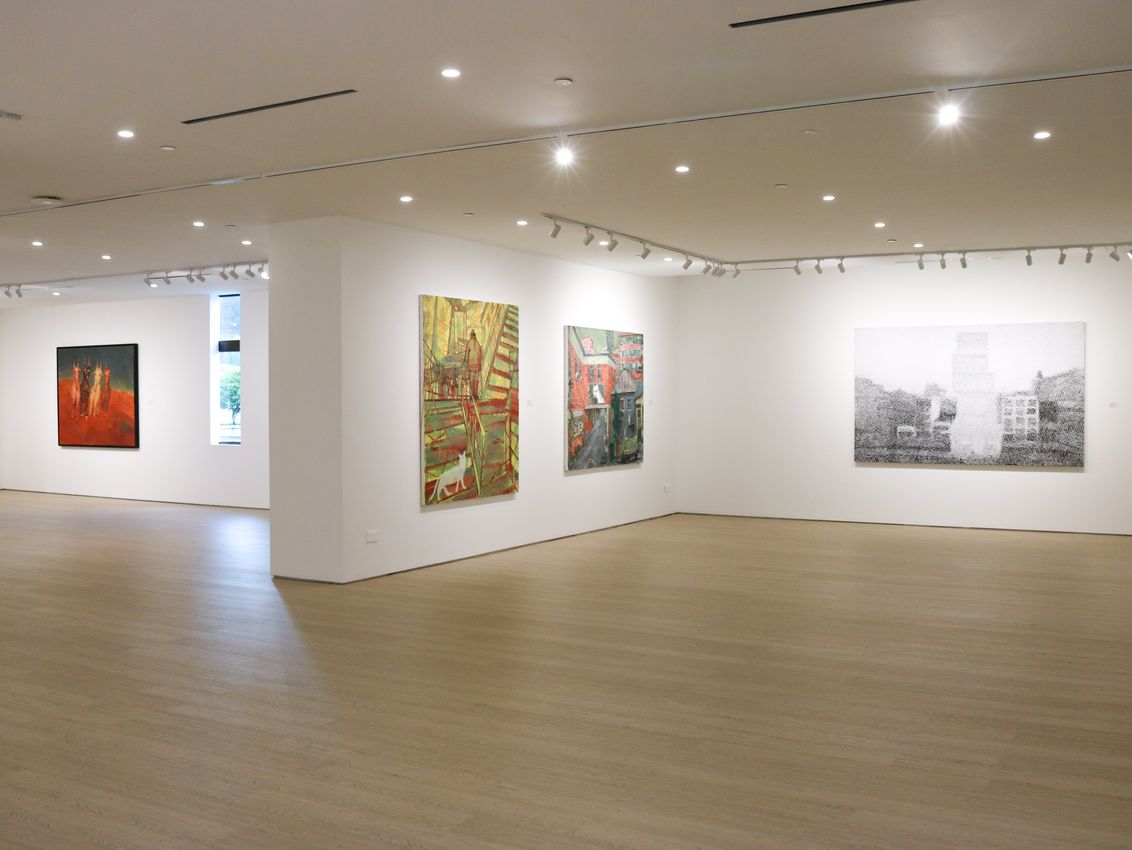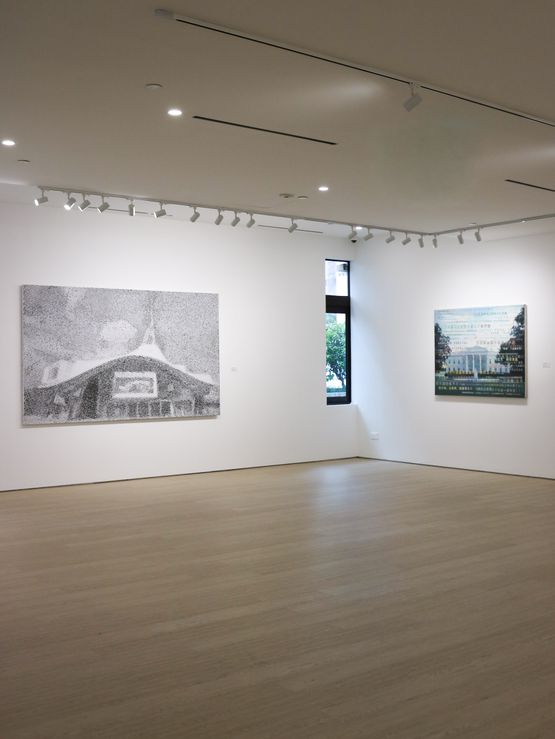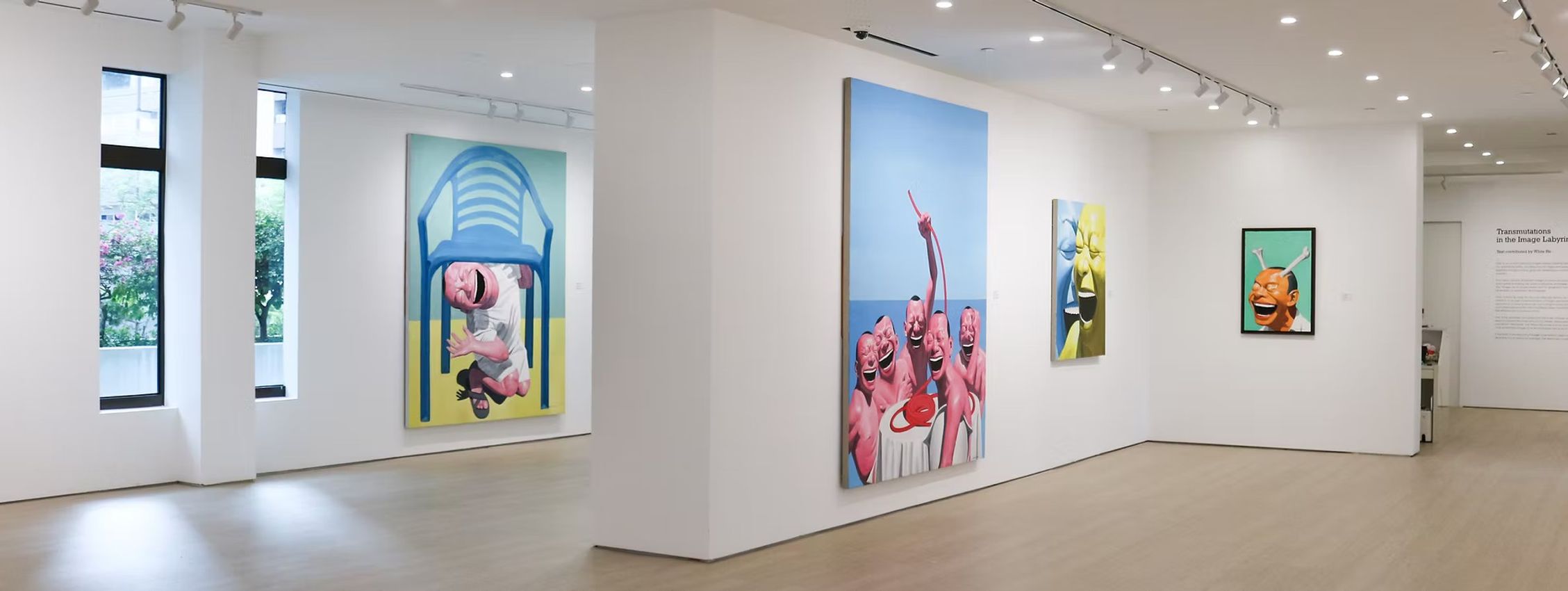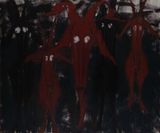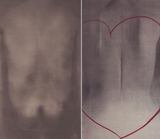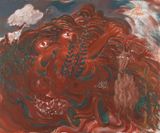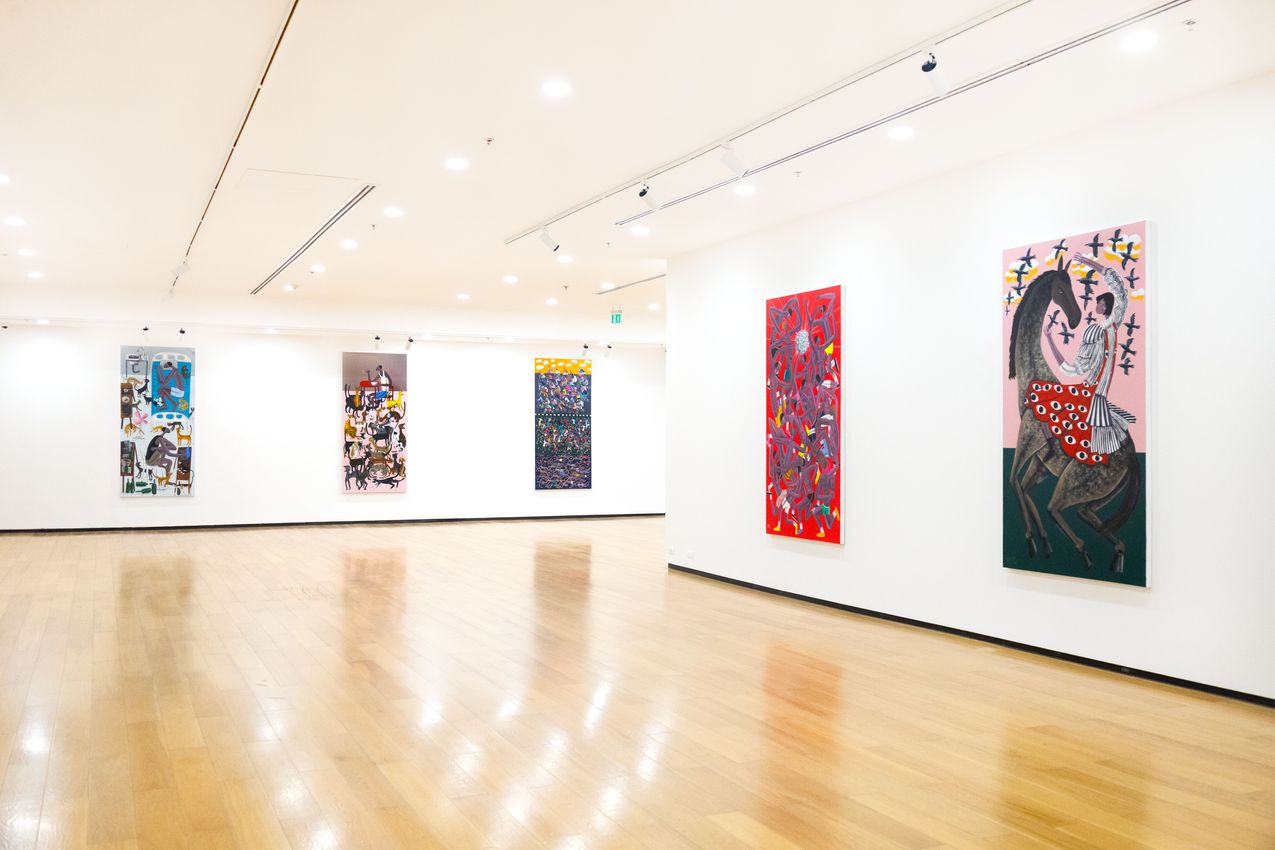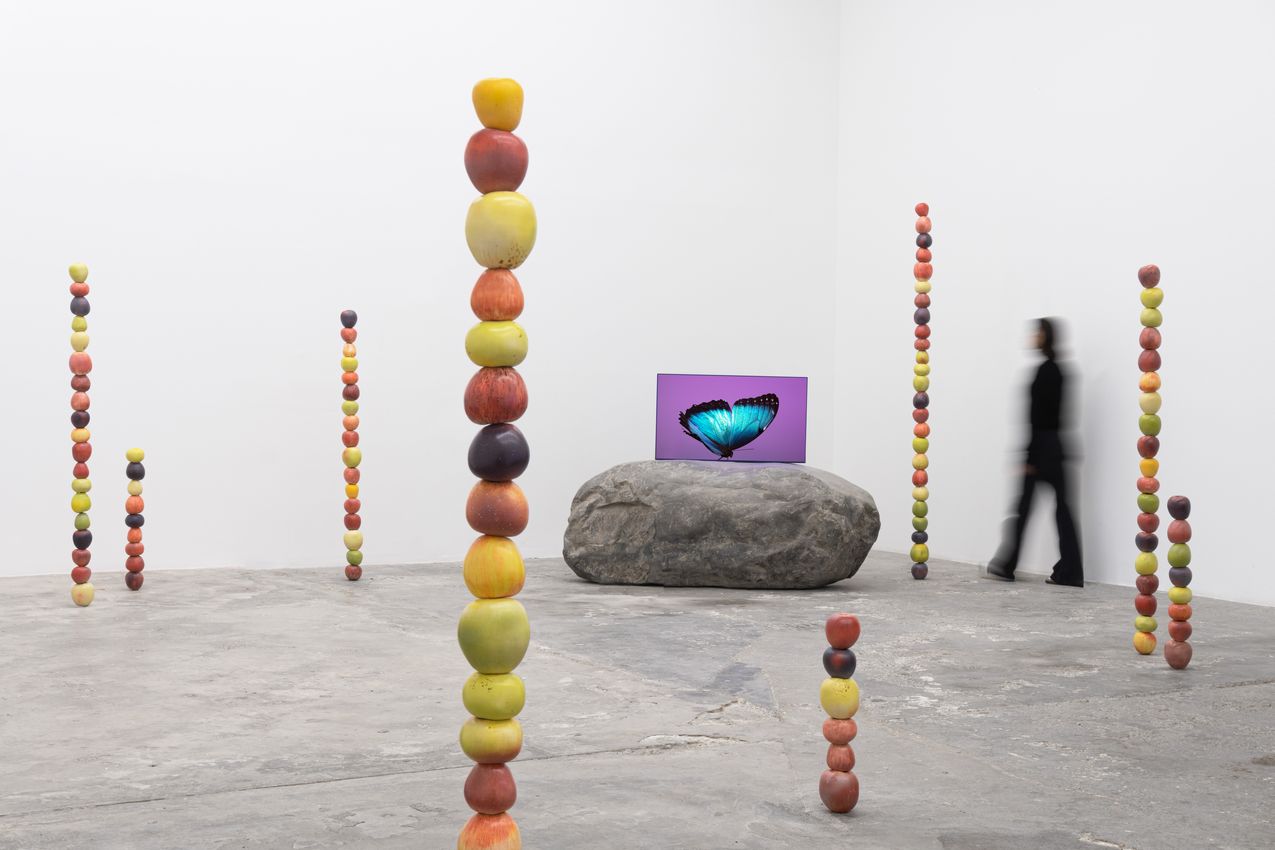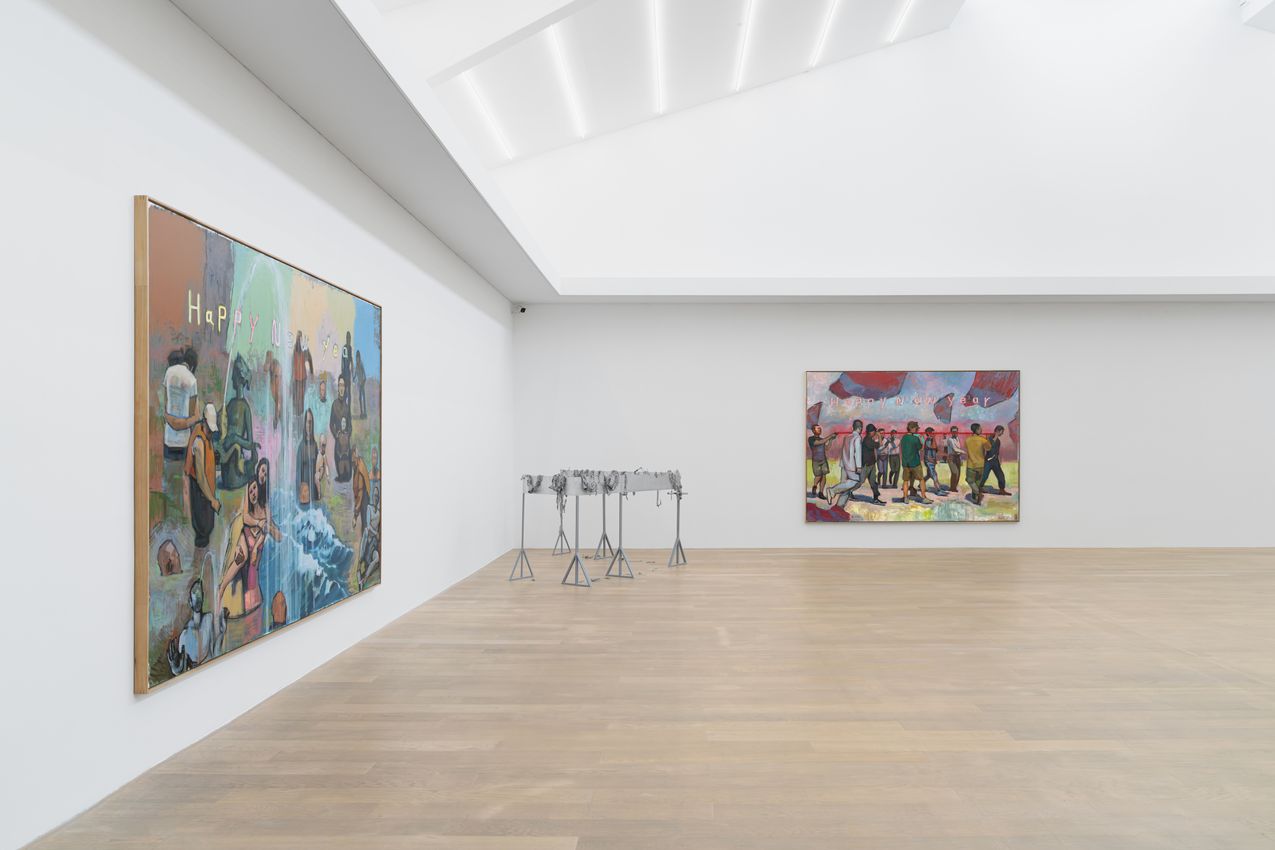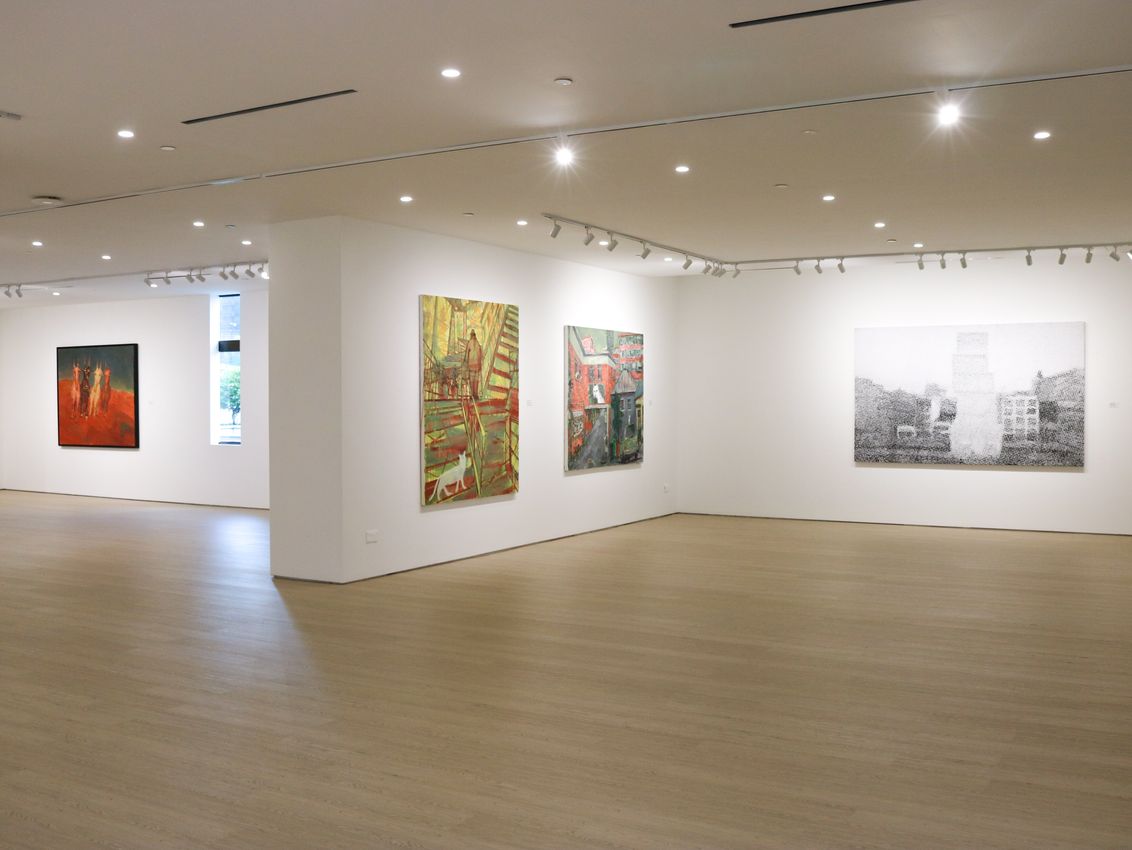
In Transmutations in the Image Labyrinth, how to move from capturing images to breaking the mold is the challenge facing these four artists. Contemporary art is fundamentally rooted in problem-posing. In their early careers, they all used painting to raise questions, thereby developing a multidimensional and all-encompassing capacity for perception and social empathy.
Chen Shaoxiong’s consistent focus on the city and his sense of humor run throughout his work. Since the Dawei Xiang period, his practice has been profoundly shaped by the rapid pace and constant changes of urban development. At the same time, he engages with this issue through different artistic media, approaching painting, photography, video, and installation with an almost equal passion. Centered on a rewritten natural language, and in an era of overproduction of images and materials, his creation no longer points toward endless generation. It turns instead toward the redistribution and reactivation of existing resources. In this sense, painting, photography, video, and installation are placed on equal terms.
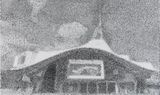
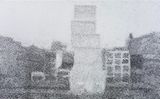
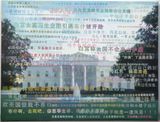
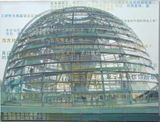
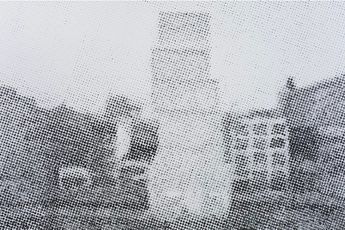
In Chen Shaoxiong’s two striking works, Collective Memory: Centre Pompidou-Metz and Collective Memory: Nanjing Presidential Palace, the artist invites the public to participate in creating images of the city through their fingerprints. Through this direct physical contact, urban memories are preserved again, and public participation becomes a way of evoking collective memory.
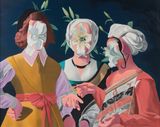
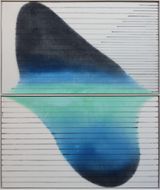
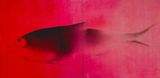
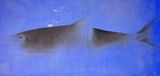
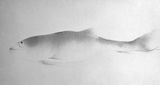
Similarly employing ink as an artistic language, Cai Guangbin demonstrates an extraordinary resolve in his departure from conventional imagery. From the images on mobile phone screens in his earlier practice to his current series Void Realm · 2025 · Reminiscing Bada Shanren, Cai continues to compress and flatten the image. Bada Shanren, as a Ming loyalist, remained dissatisfied and indignant toward Qing rule, and his “white eyes” represented a silent contempt for the murky currents of the secular world and the politics of power. A solitary fish swims through the void, its eyes turned askew in a sidelong glance. The fish becomes an embodiment of the self-spirit.
Zen Buddhism emphasizes the non-duality of form and emptiness, while Cai Guangbin’s reinterpretation of this traditional cultural symbol compresses and flattens the image into a monument. Tradition is ironed flat into speechless specimens. The artist has moved from a rebel against contemporary society to a metaphorical interpreter of Chinese traditional culture. The images once unfolding through faint and flickering ink washes have become more distilled. These secretive and voiceless images hover in an instant. The deeper we move into our own culture, the broader our reach into the world becomes.
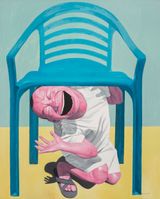
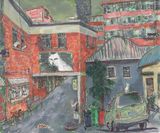
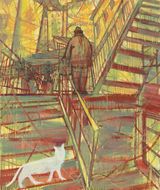
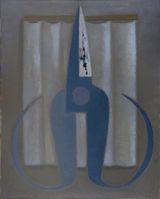
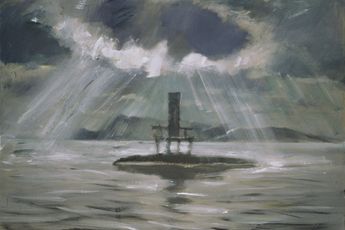
Mao Xuhui participated in the 1985 Art Movement in his early years with his incisive scissors imagery. His work has consistently resonated with the transformations of Chinese society. The critical symbols of power structures, once embodied in the sharpness of scissors and chairs, gradually shifted toward the warmth of sketching on Guishan Mountain, and more recently, toward the Clues series, which captures glimpses of old city streets. The artist has completed visual transmutation again and again, moving from Guishan to Kunming, over a hundred kilometers away.
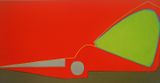
The unadorned stillness of this remote corner of Southwest China strikes the viewer with a deafening intensity. This comes from the long-term resonance between the grand sweep of the era and the intimate depths of the heart. Returning to simplicity, the artist perceives through bodily observation a more boundless expanse of fields and mountains. Centered on the purest gestural brushwork, images of memory appear by chance, entering the work like a fleeting glimpse. Mao Xuhui has found the eternity of Guishan. This permanence differs from Cézanne’s structured Mont Sainte-Victoire. It contains instead a mysterious poetic quality.
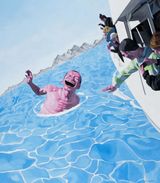
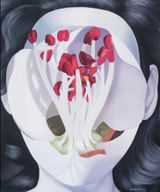
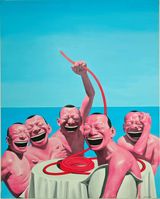
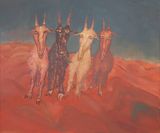
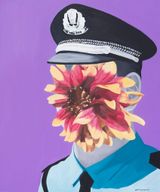
While continuing to use the smiling face symbol, Yue Minjun incorporates elements of parody, with flowers serving as the blade that deconstructs the original image. Behind the inevitability of creating the “Flowers” series lies the close connection between this symbol and everyday life. When a single flower fills the entire canvas, we can only perceive its beauty; yet the visual irony of these exaggerated grins remains potent in our era. Even as the artist’s own face ages and sags, these grins never show a single wrinkle. Aging is never a human flaw; it is a compromise made by genes for the optimal allocation of resources. Laughter is etched into our genes; it embodies joy and contentment, yet it can also be greed and mania. Yue Minjun says that because we do not know what happiness is, nor how to pursue it, in fact, everything is a state of bewilderment. If escape itself is a tedious act, and if the locks of the labyrinth of images have long been unlocked, then the labyrinth becomes a square with nowhere to hide, and those moments of enjoyment and recognition are about to become flaws exposed to the light of day.


A respected voice in contemporary art discourse.
Focusing on ambitious storytelling and insightful art-world commentary. Ocula Magazine publishes in-depth interviews, critical essays and timely analysis on the artists, exhibitions and ideas driving the global art world.
Learn more about Ocula Magazine
Showcasing the best of the art world.
Ocula partners with galleries from around the world to highlight their artists, artworks and exhibitions. Gallery membership is by application and invitation, with each member vetted by an independent panel.
Learn more about Ocula Membership

Specialises in the sale of major artworks.
Led by a team with deep ties to the world’s leading auction houses, galleries and collectors. Ocula’s advisory team offers bespoke services to high-net-worth clients from around the world who are looking to acquire the best of contemporary and modern art.
Learn more about our team and services