



Press Release

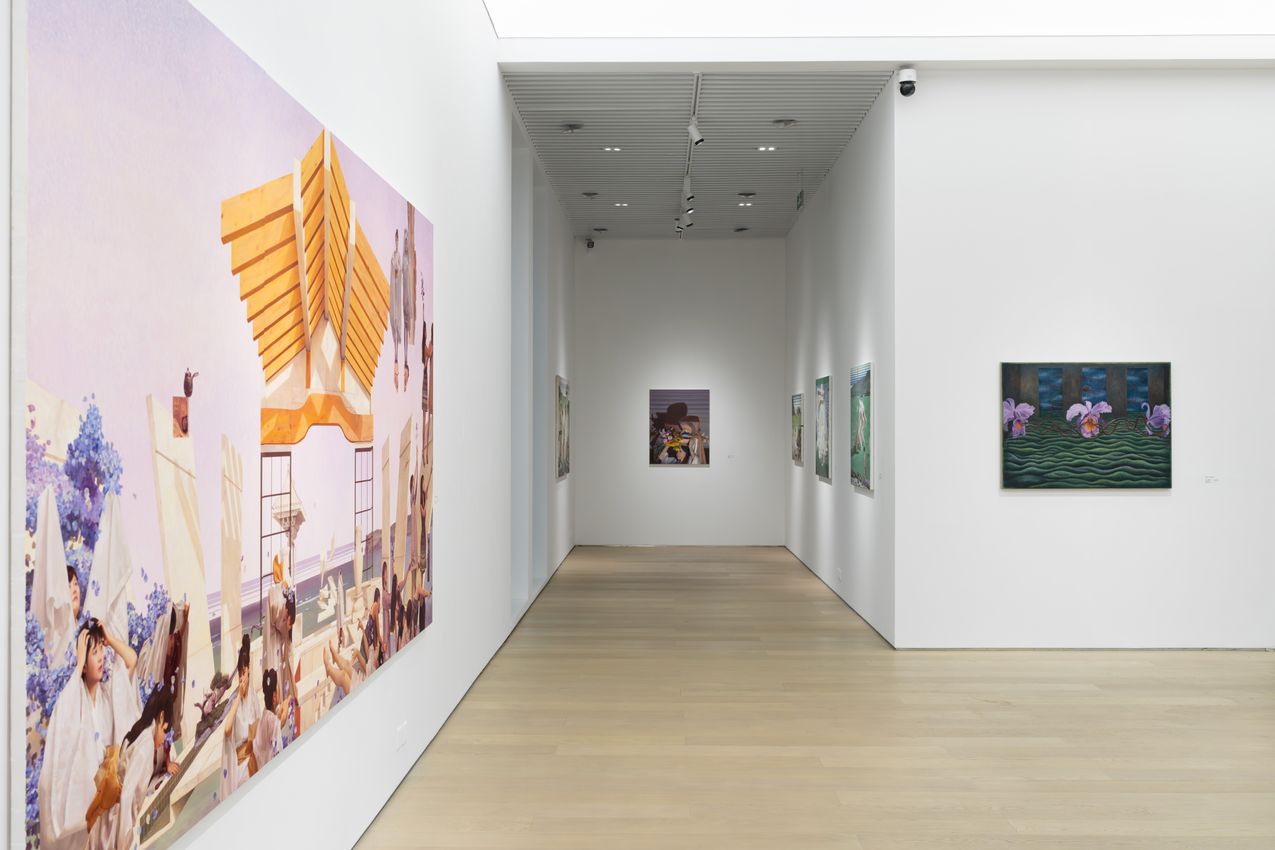
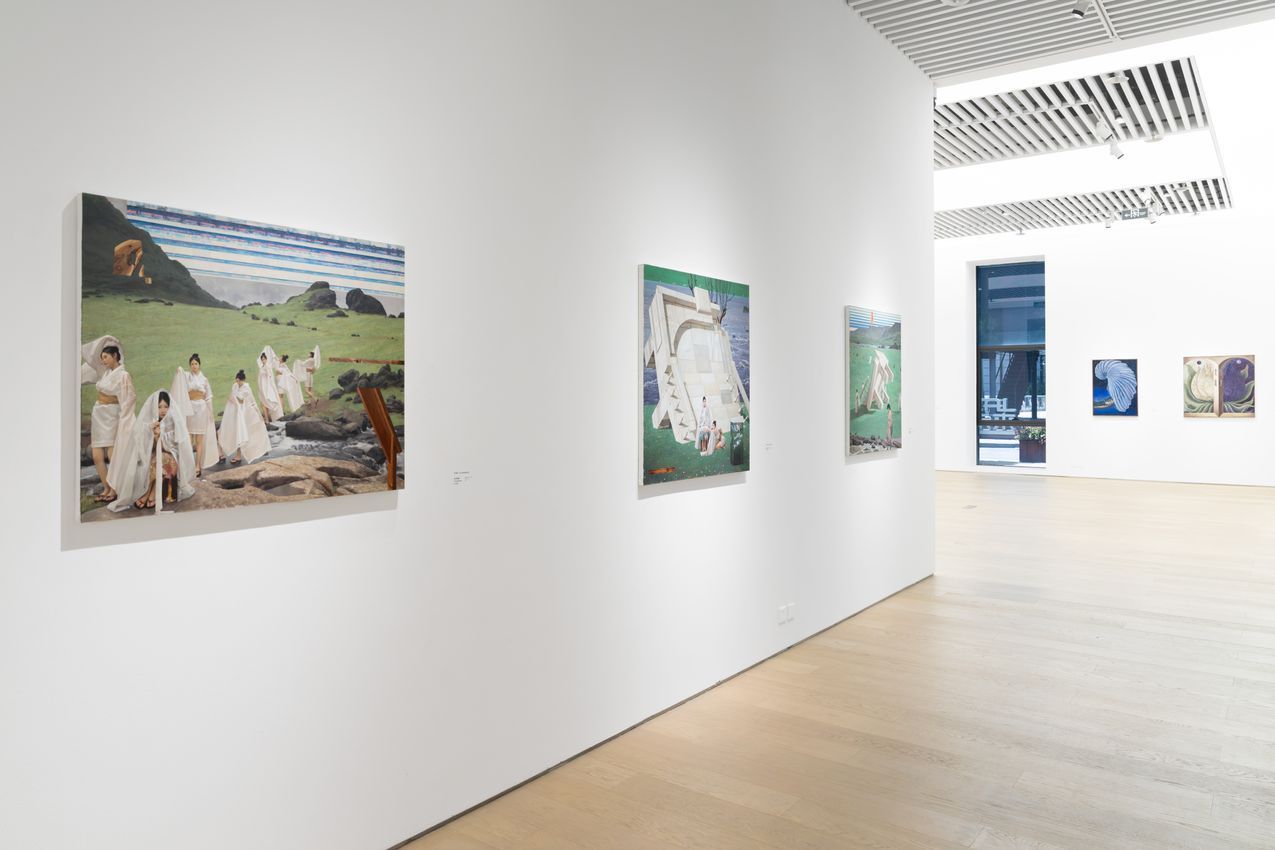
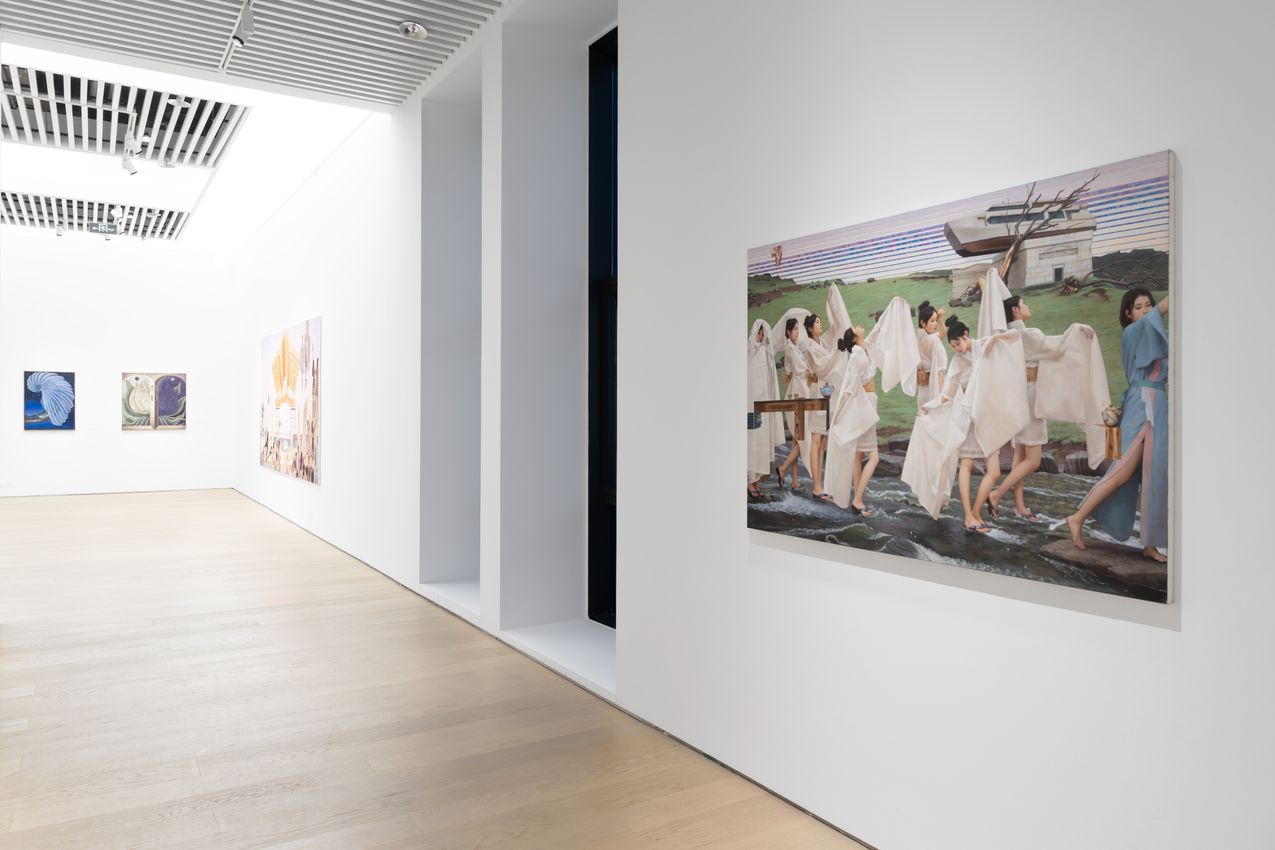
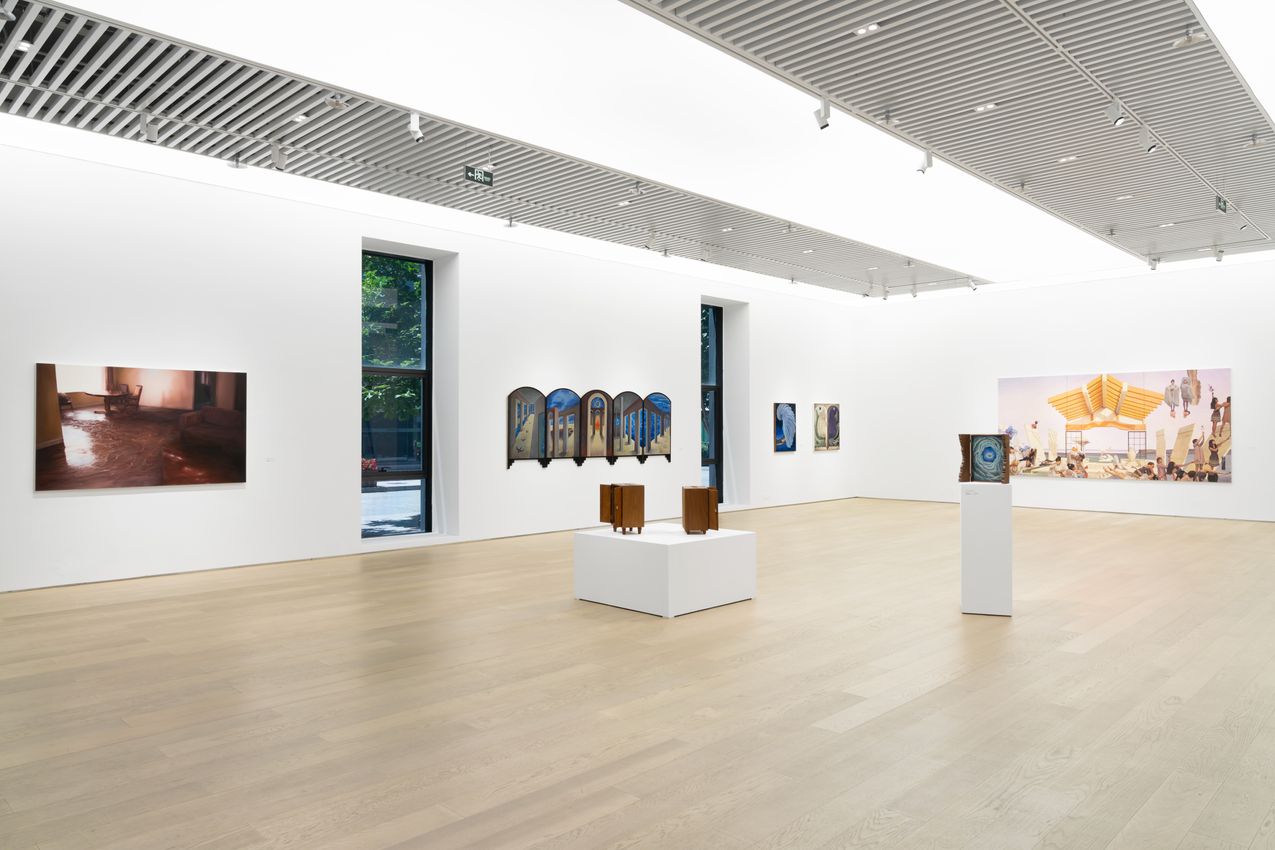
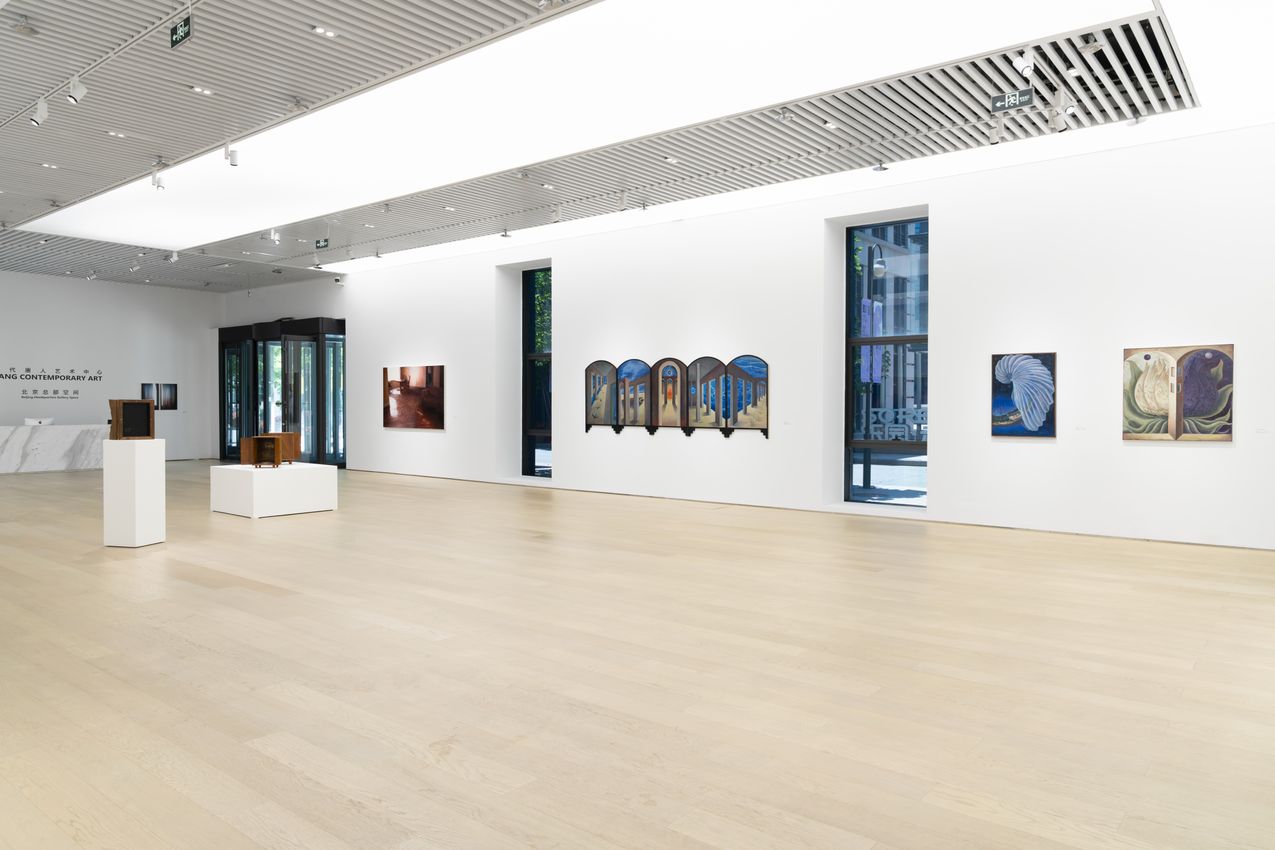
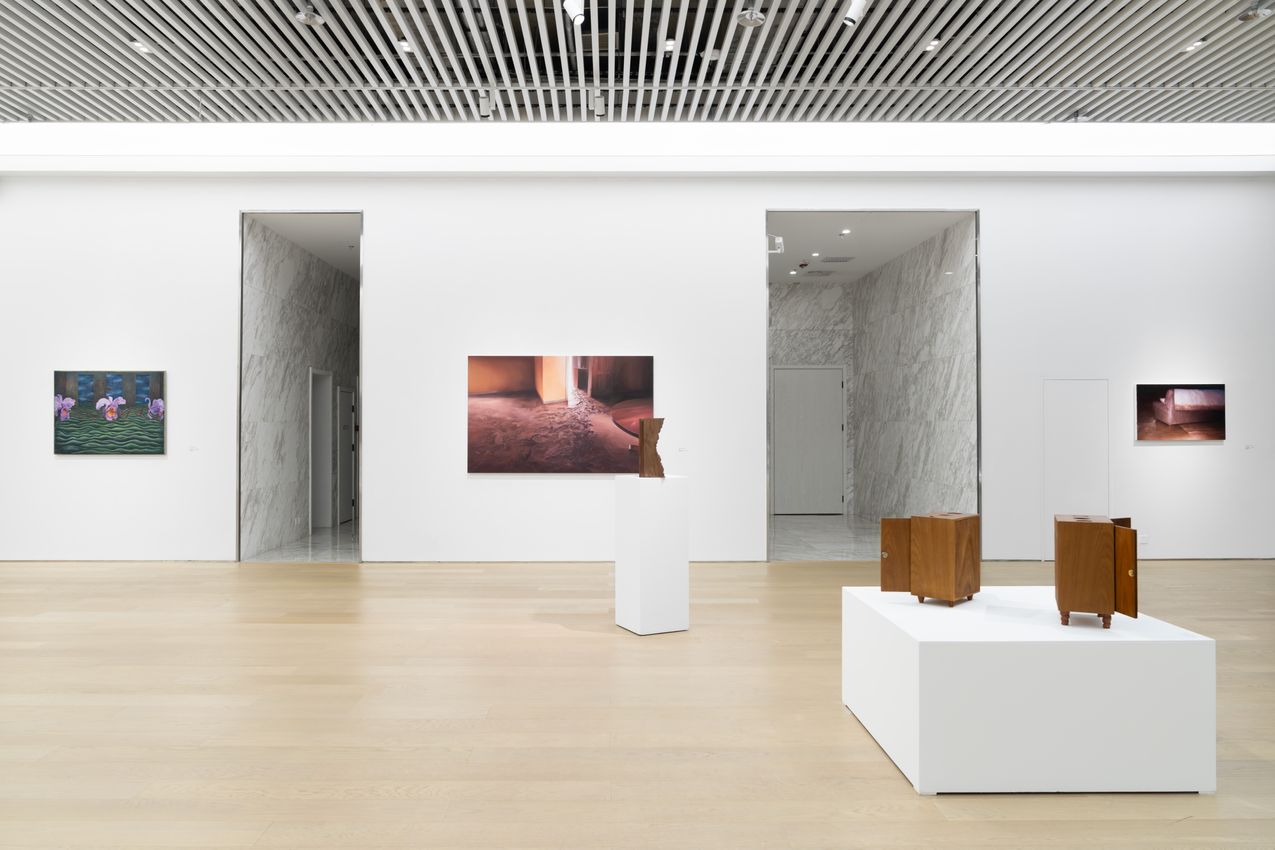
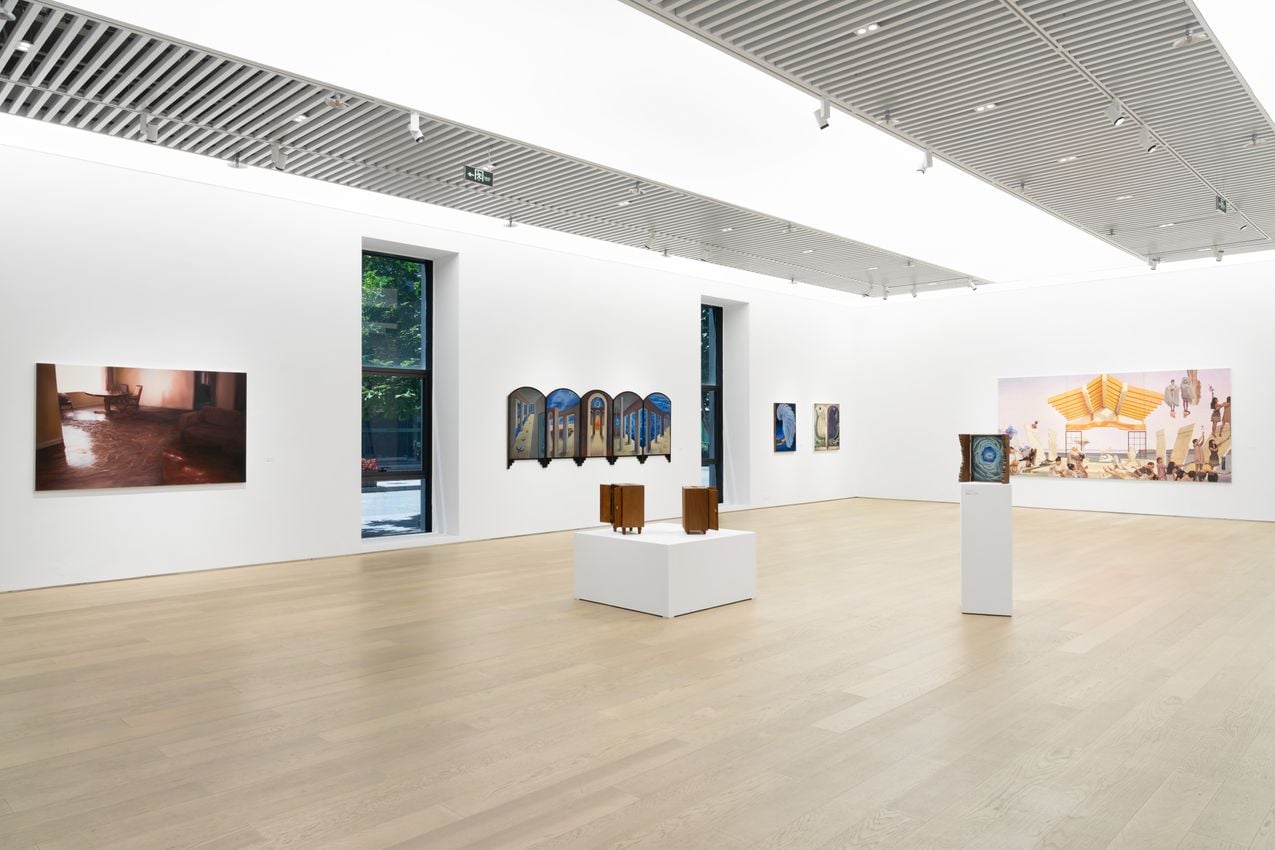
Tang Contemporary Art is pleased to present The Landscape of Infiltration, a summer group exhibition opening on July 17, 2026, at its Beijing Headquarters Space in Shunyi. Curated by Wang Shiying, the exhibition brings together recent works by six artists from China and abroad: Jesse Liu Jinghan, Sunkyung Baek, Lee Jeongwoong, Huang Tianyu, Li Yichen, and Opal Mae Ong.
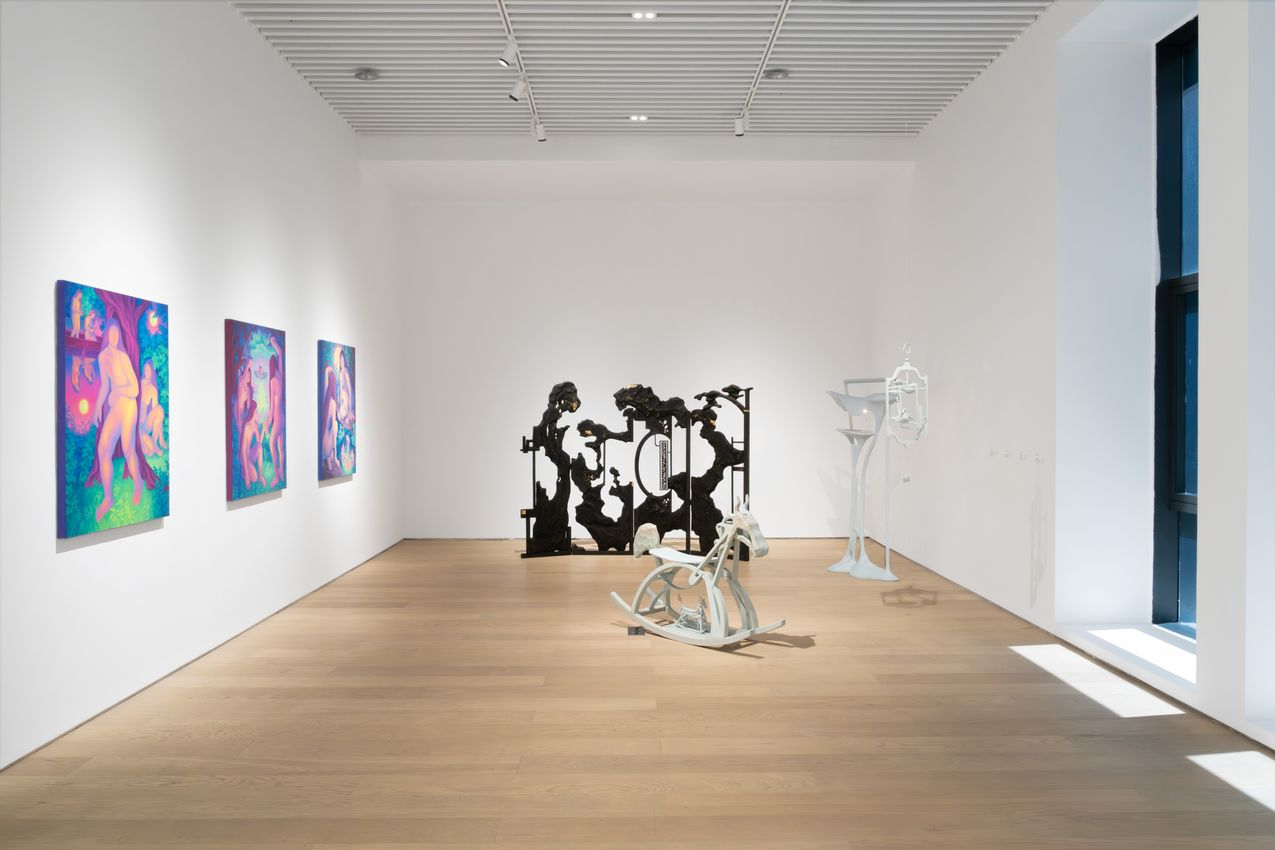
The world we inhabit is not composed of discrete, independent entities; rather, it is continually forged through contact, response, and exchange. Boundaries do not always dissolve through rupture—more often, they gradually loosen through the movement of time, matter, and perception. Light filters through a room; water reshapes the form of space; the body, too, engages in constant exchange with its surroundings through breath, touch, and environmental interaction. The once-fixed divisions between subject and object, nature and humanity, interior and exterior, are continuously reorganized through processes of permeation. Landscape, therefore, is no longer an object awaiting our gaze, but an ever-emerging relational mode of perception. It takes shape at the intersection of body, memory, and environment, and continually transforms itself as different experiences enter into it. Every act of looking carries the trace of the viewer, and every landscape reflects which experiences are permitted entry into the visible. It is simultaneously an organization of visibility—what is allowed into view and what is easily overlooked is never a neutral occurrence. Painting is not a representation of reality, but a means, through the interplay of material, body, and time, of preserving those experiences not yet fully fixed by language.

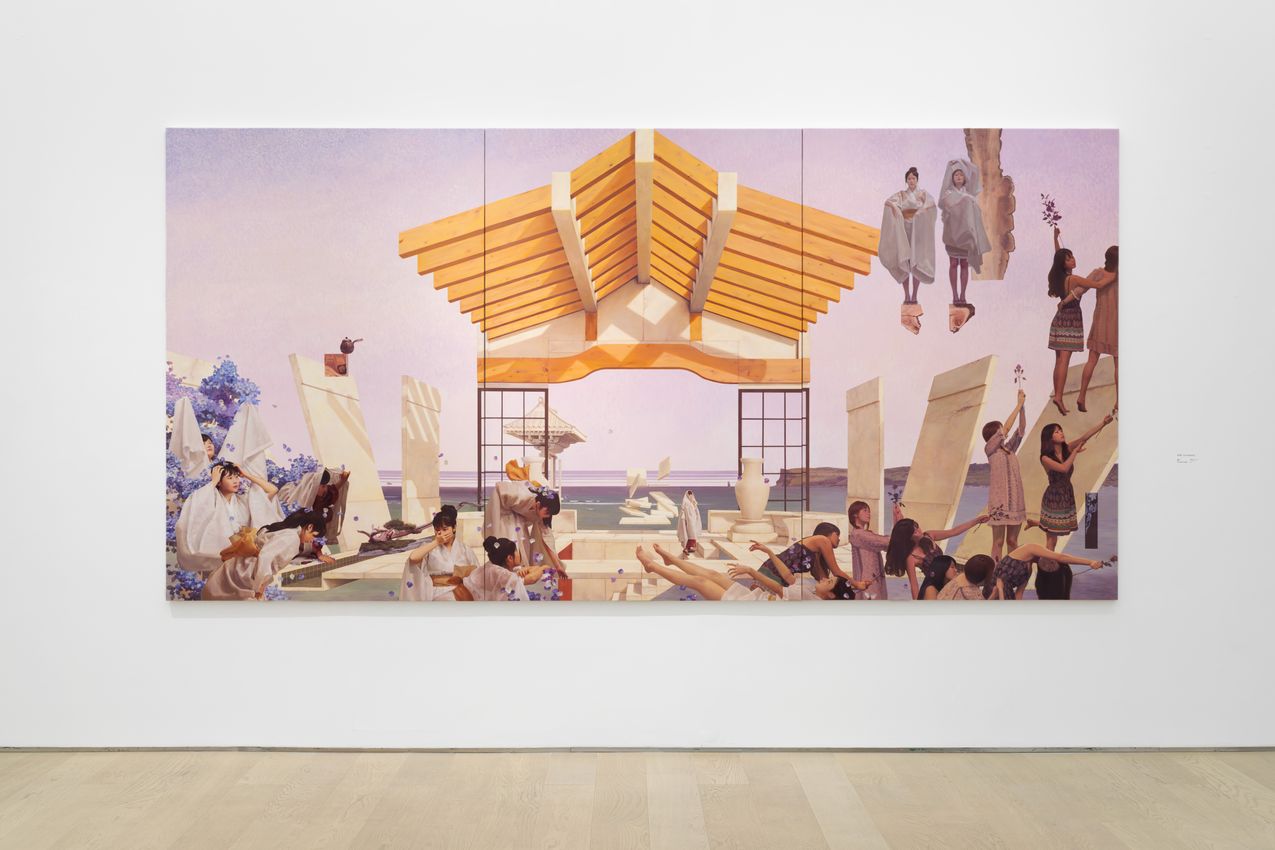
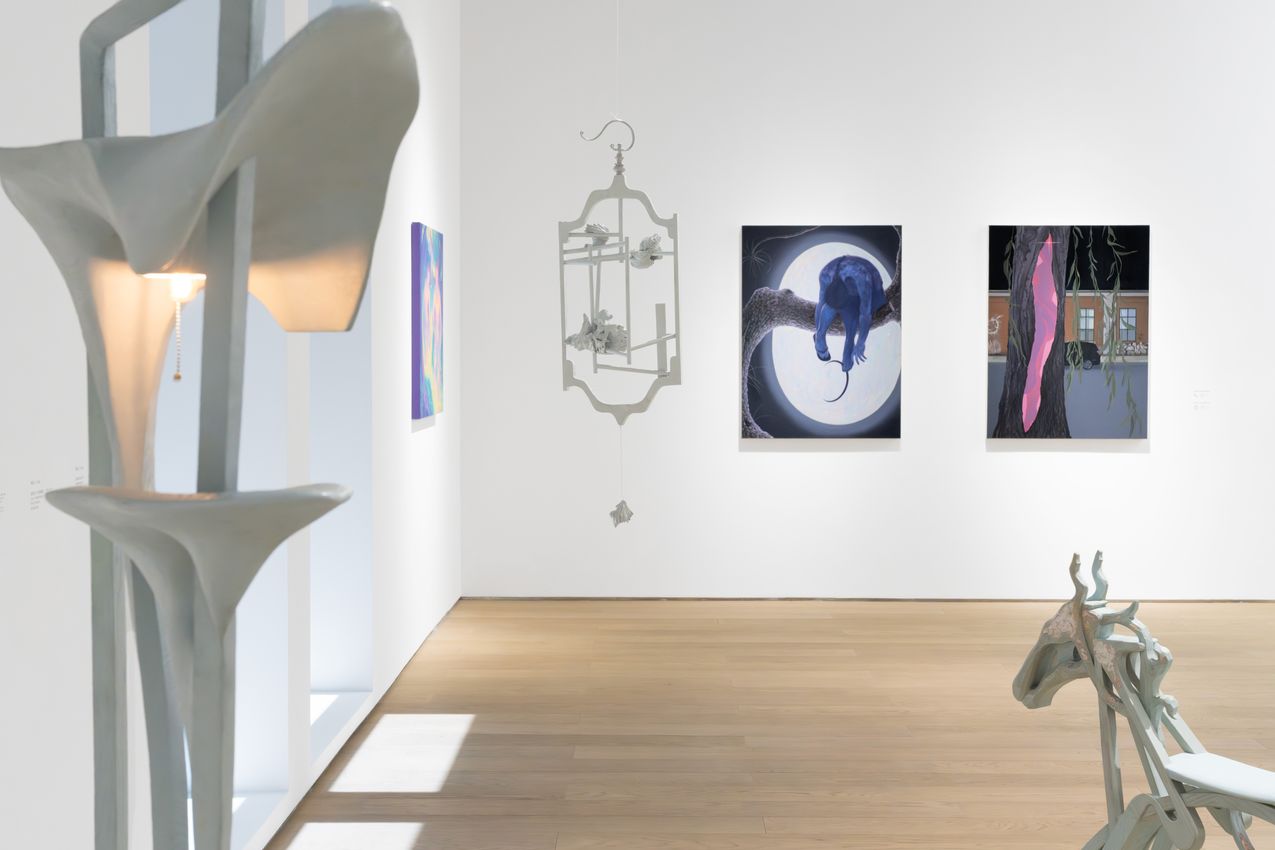
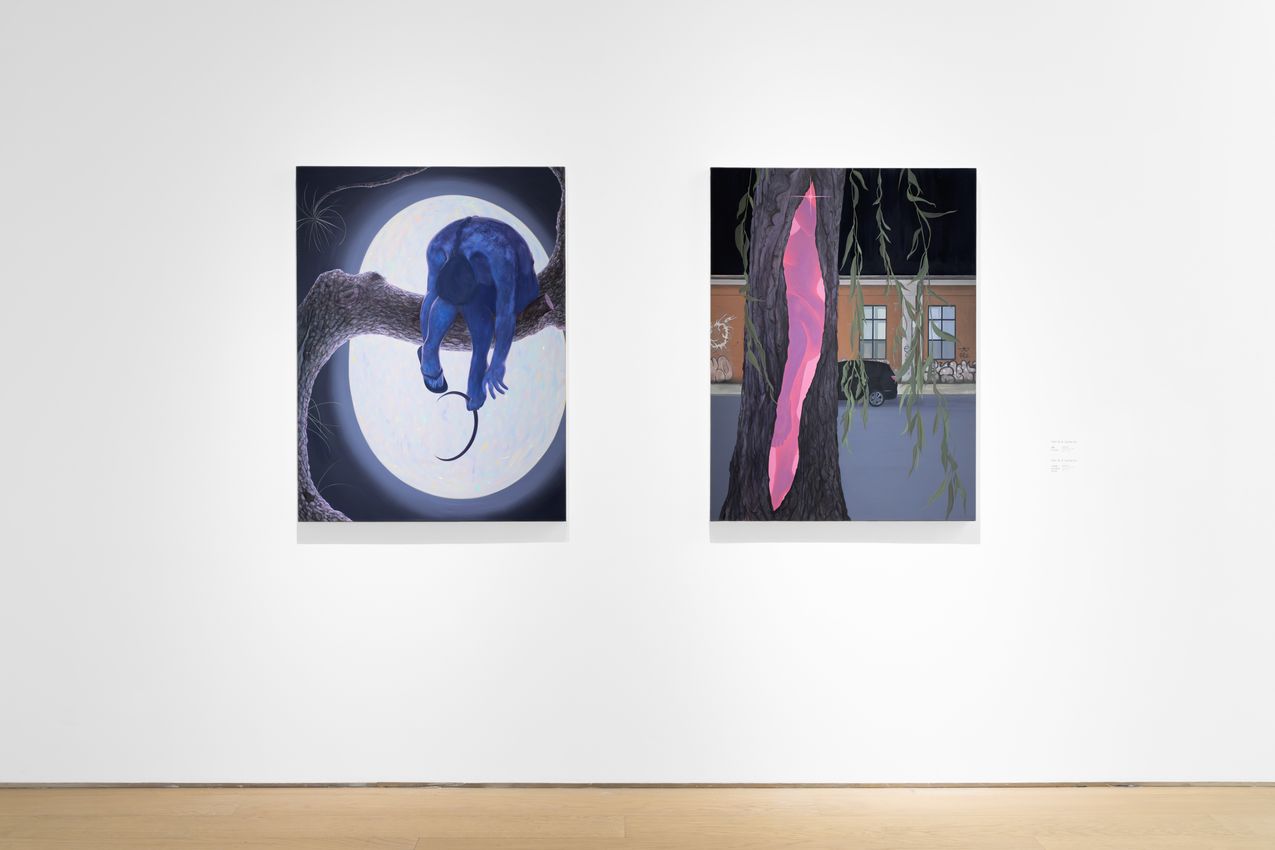
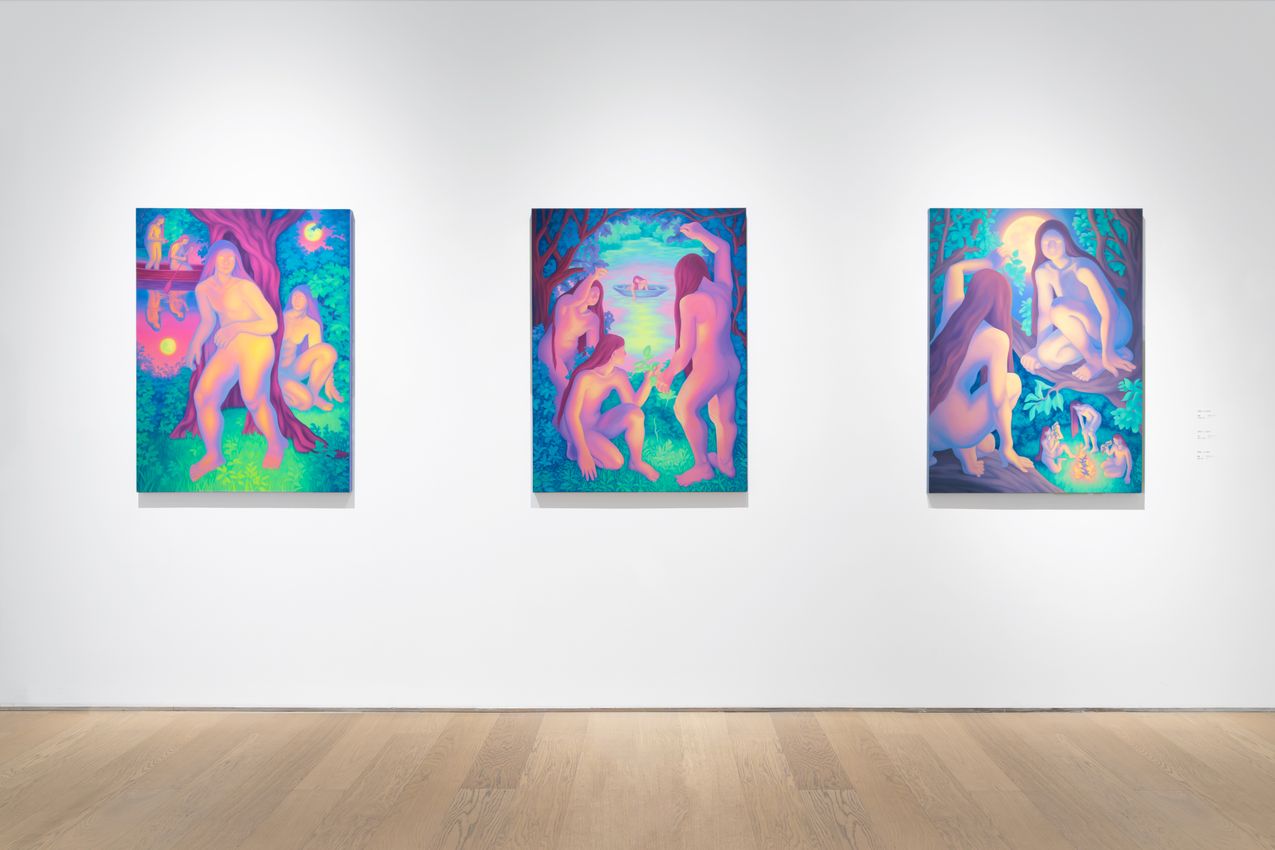
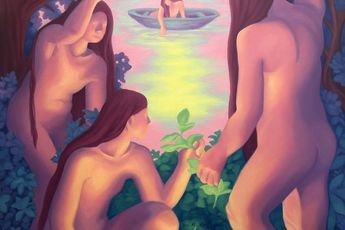
The paintings of Jesse Jinghan Liu offer our inquiry into this chain of logic. Her practice has remained bound to the mutual permeation of pigment, body, and the materiality of landscape. Within her canvases, sky, moist river water, and human skin permeate and shape one another through tonal harmony; the temperature of wind, the texture of light, and the sensation of touch share no fixed boundary, together forming a visual state perpetually in flux. The tree hollows in Jesse’s paintings function precisely as portals of this bidirectional permeation: they are not fixed symbols on the canvas, but passages between reality and psychological space, where hiding, seeking, and appearing occur simultaneously—different experiences entering the painting through this threshold, each leaving its own trace.

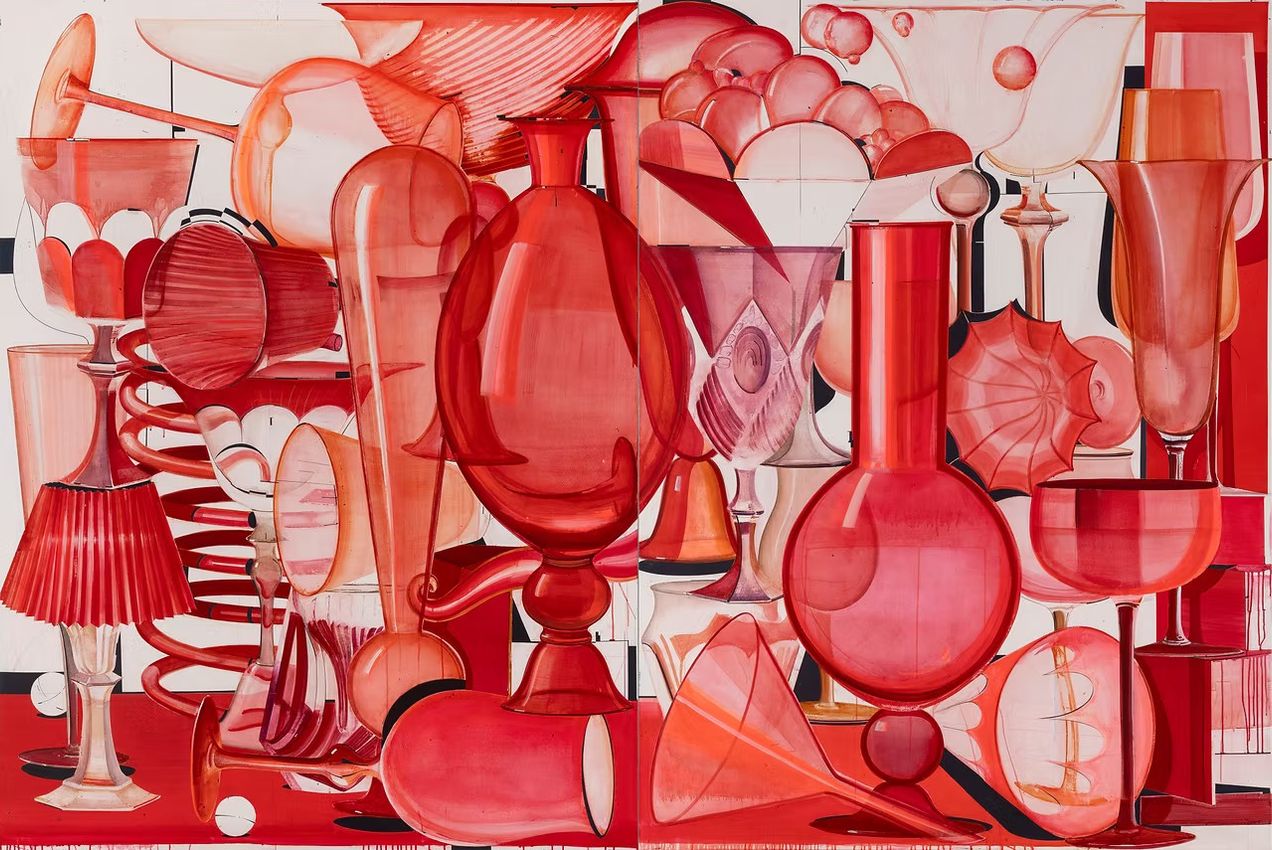
If Jesse’s work opens up permeation at the level of visual perception, then Sunkyung Baek’s Wet Room draws that permeation back into our most intimate everyday spaces, allowing water—the gentlest of permeating media—to slowly rewrite the inherent order of the domestic dwelling. In The Poetics of Space, Gaston Bachelard describes the house as a vessel for our inner world, a solid boundary protecting us from the intrusion of the external world; yet in Baek’s paintings, this boundary is gradually softened by slowly rising water: living room floors, still furniture, familiar corners—all slowly alter their original texture through the saturation of water. Water seeps into the fabric of space, blurs the edges of furniture, and leaves traces that cannot be immediately erased.

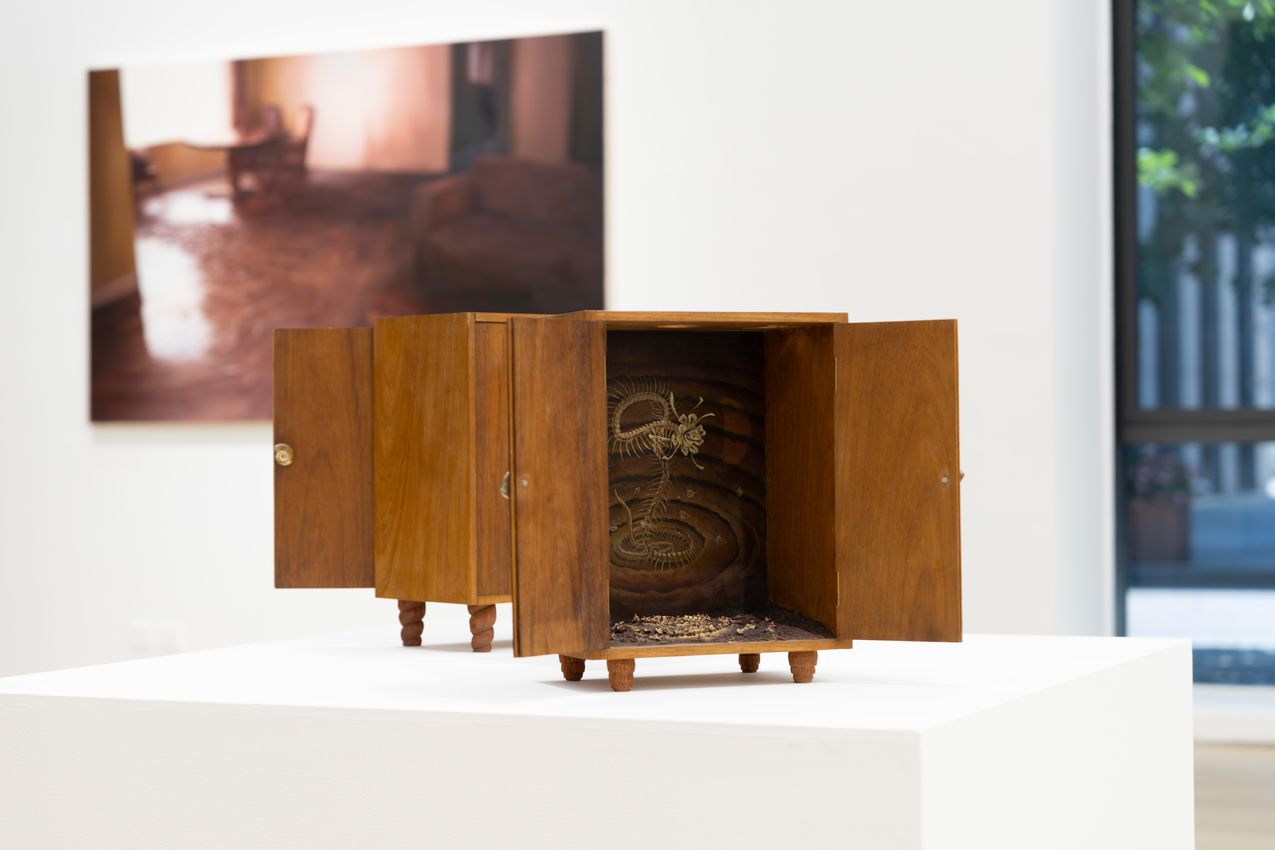
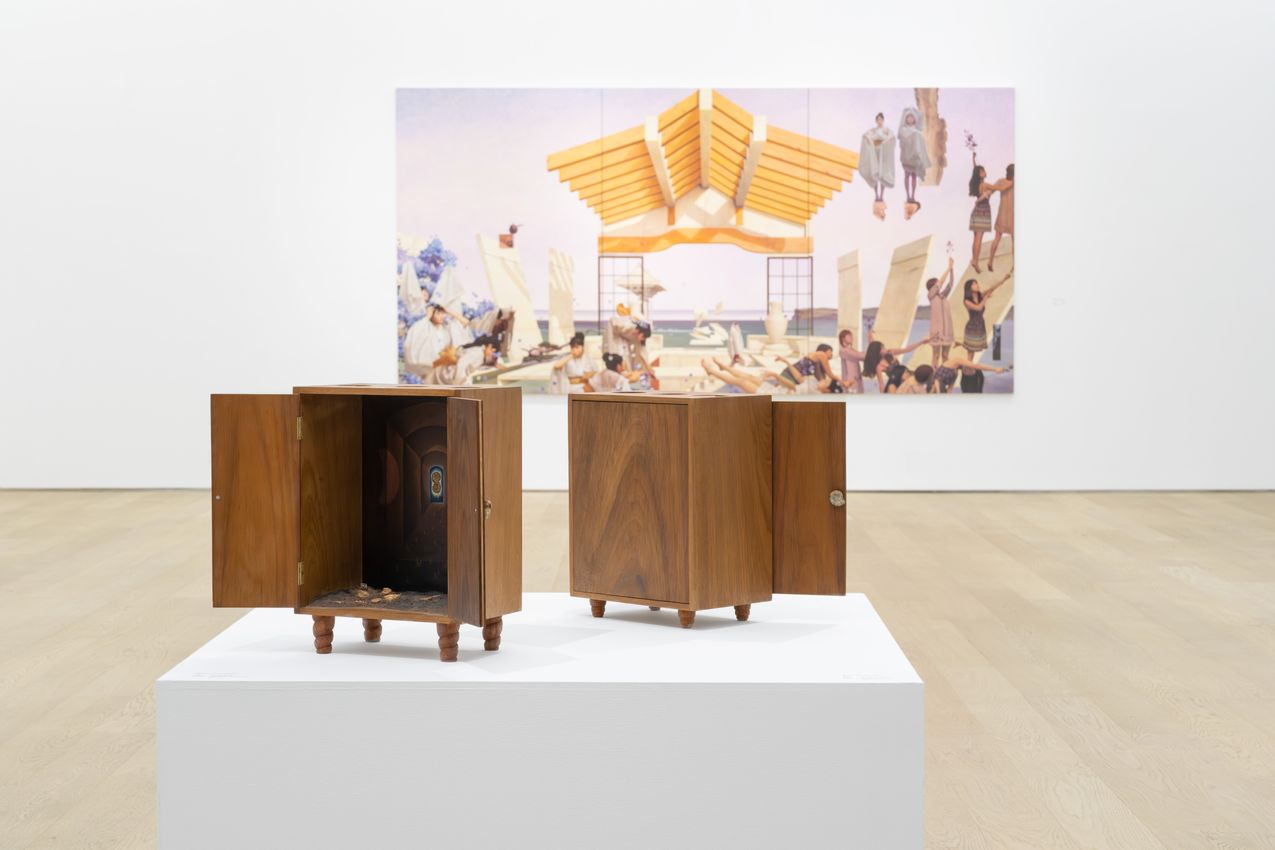
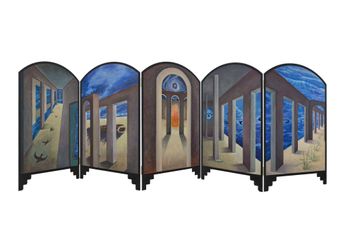
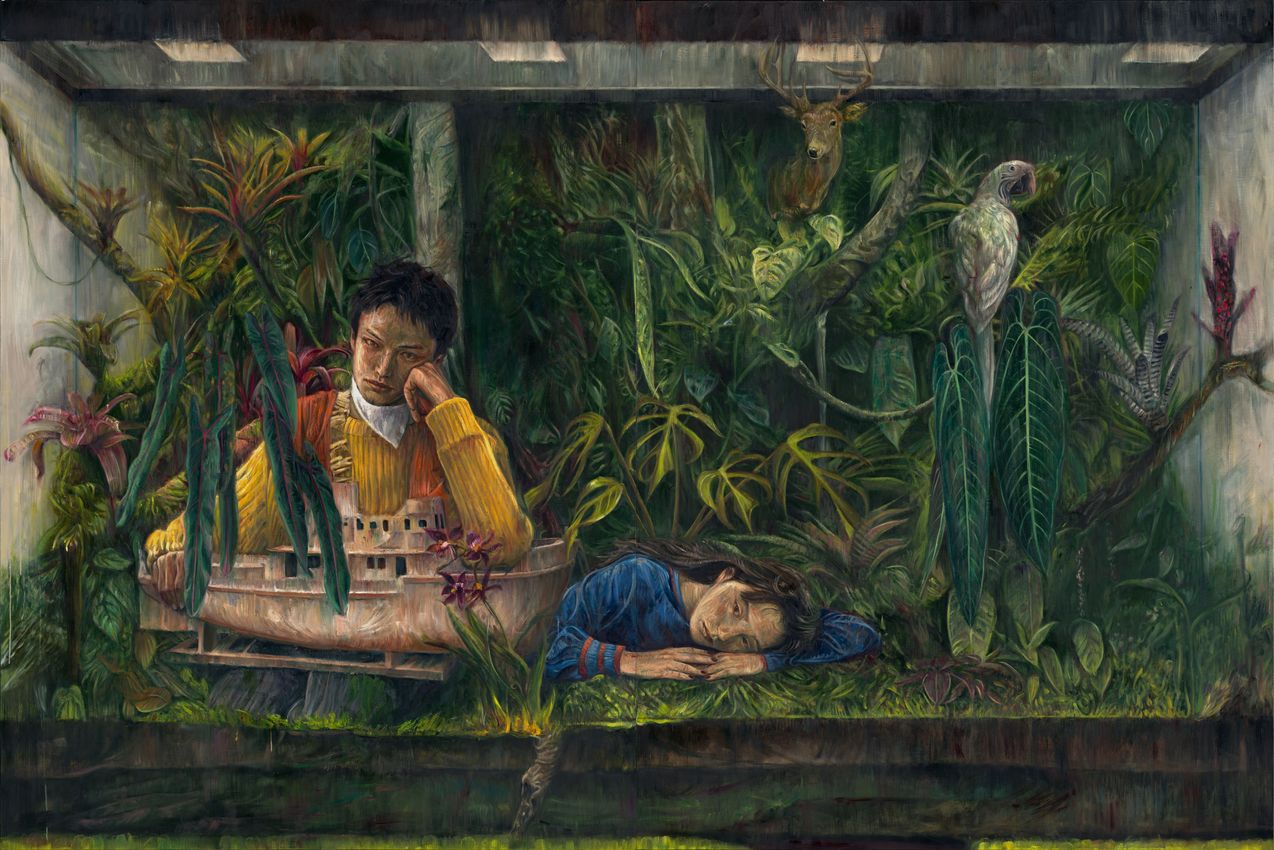
Opal Mae Ong’s paintings are built upon the continuously flowing relationship between nature, body, and intergenerational memory. Her landscapes depart from familiar natural scenes, yet they are not realistic depictions of nature: figures in her paintings lie prone at the horizon, their bodies merging with the contours of the land; or they accompany the moon, drawing mythological imagery into present perception. Within these shifting forms lie vulnerability and unease, as well as memories inherited from ancestors, etched into the body. Huang Tianyu’s work dismantles the anthropocentric viewing perspective, allowing the temporalities and experiences of different forms of life to permeate one another within the same space—channels through which different forms of experience enter one another. The growth of plants, the metamorphosis and flight of insects, the spiral and enclosure of shells—these traces of time and form from the non-human world are transformed into the structural rhythm within painting. Painting preserves these slowly occurring changes, making the work a site where different scales of life, temporal experiences, and modes of perception converge.

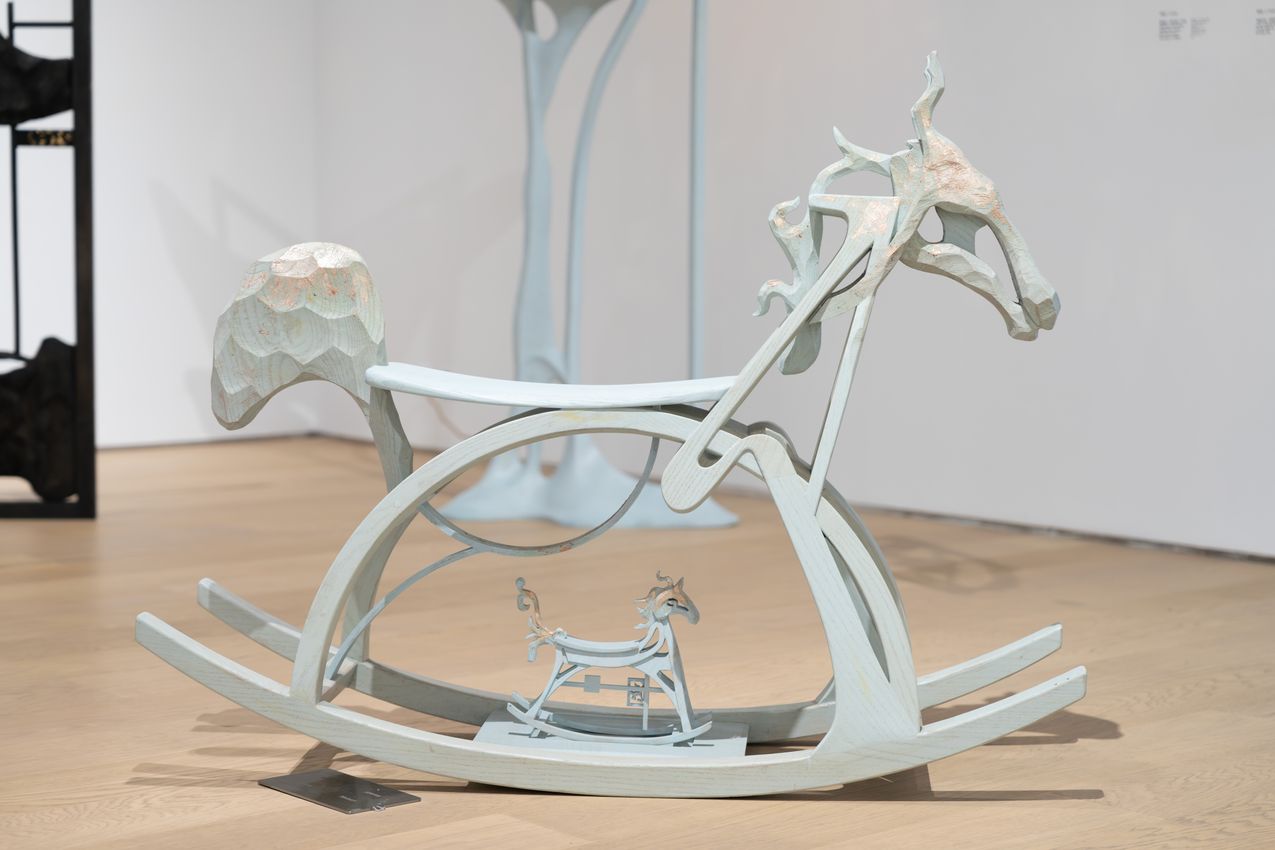
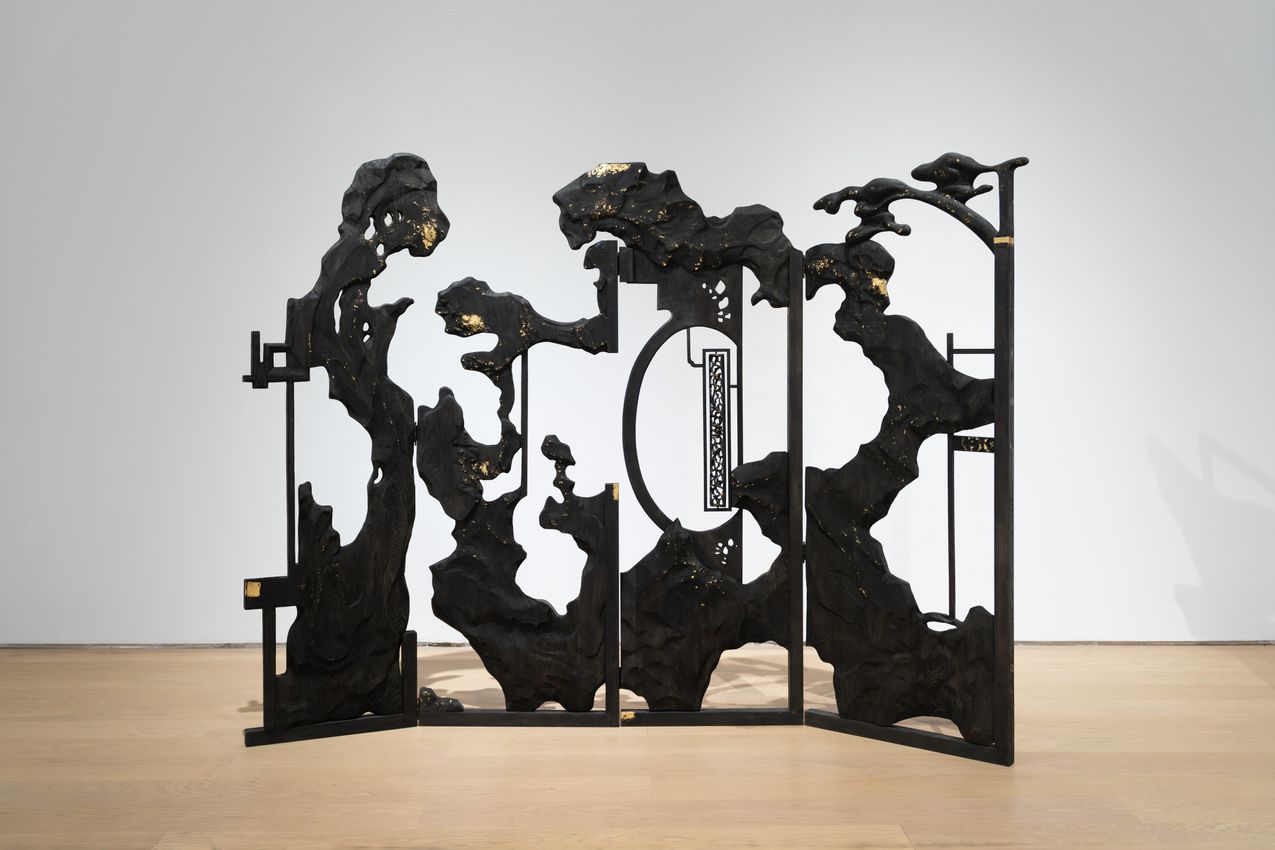
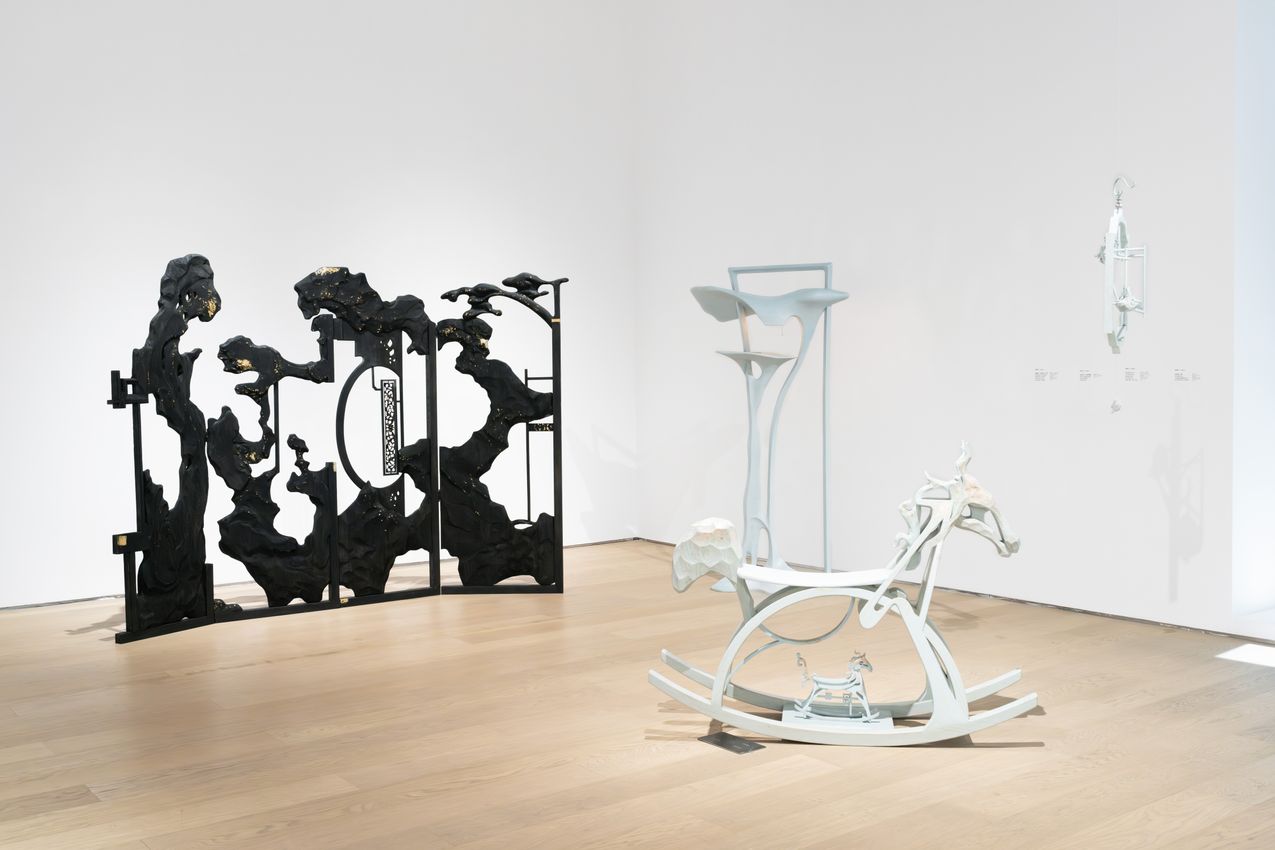
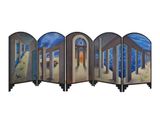
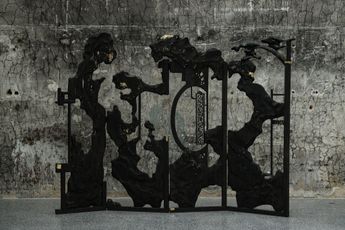
Beyond the mutual permeation among different forms of life, objects also participate in our spaces and relationships in their own way. Li Yichen’s screen departs from the most quotidian of Chinese objects to present the loosening of boundaries between human and thing. The screen retains this fluid quality: space is not a fixed container, but something that continuously transforms through everyday experience. The screen simultaneously provides protection in solitude and preserves the possibility of establishing connection with the outside world. When private feeling enters visible space, those emotions, needs, and relationships that resist direct description find a place to rest. What merits attention is not a determinate spatial state, but a relational position in constant flux between approach and retreat.

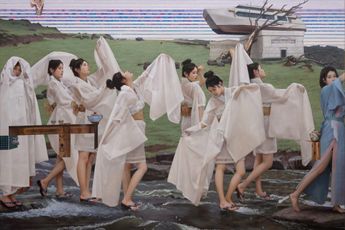
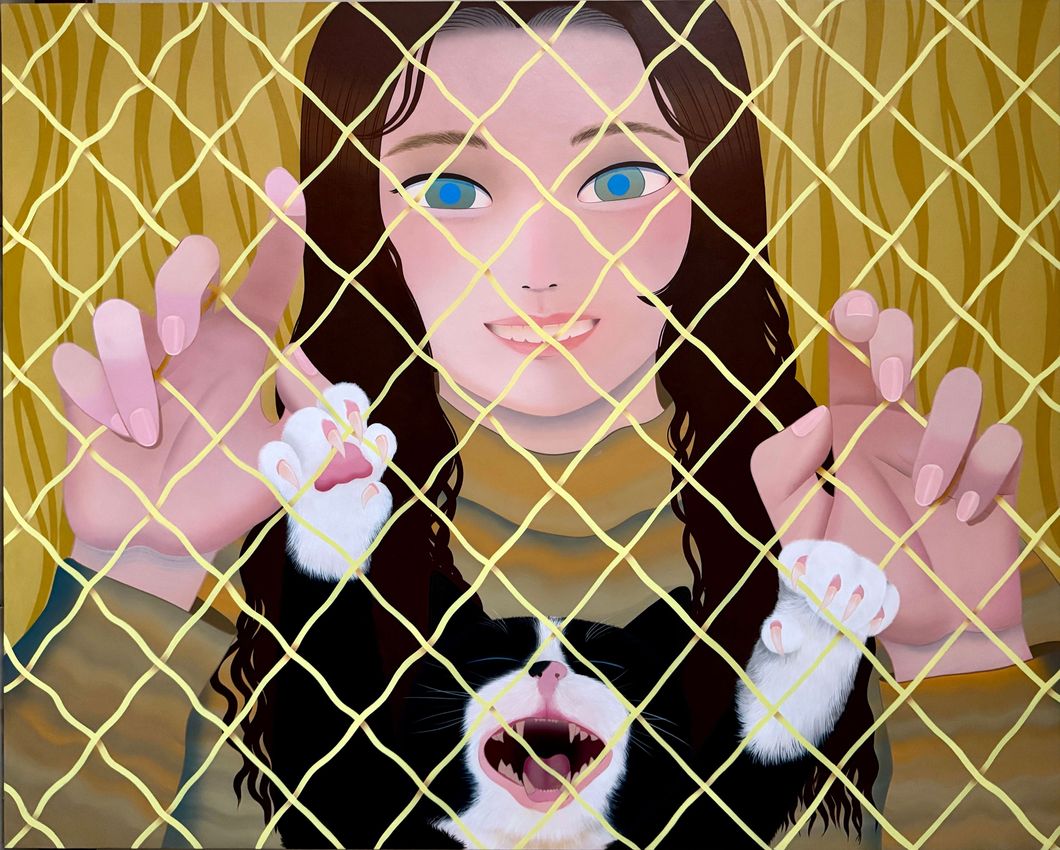
Lee Jeongwoong’s work interweaves Korean cultural symbols with the language of Western classical painting within a single canvas, presenting the complex state of temporal and cultural boundaries in permeation. His paintings bear the refined, ornate surface of Western classical painting, yet their imagery is deeply rooted in Korean cultural memory—traditional patterns, traces of history, the complex experiences left by the colonial era—all concealed beneath the ornate visual surface, forming a subtle tension with the Western painterly language. His paintings preserve those parts of experience that remain complex, contradictory, and unfinished; at the points where different relationships permeate one another, they leave space for looking, thinking, and perceiving to occur.

Astrida Neimanis has written of our existence in a watery world: data flows, capital flows, people, memory, and emotion all flow. Nothing solid stands forever, and no boundary remains forever unwetted. As we follow this thread through the practices of these six artists, the summer wind outside carries damp heat seeping into the room—just as we have felt so often these past months. All solid boundaries are slowly loosening; no one can stand outside the landscape as a pure observer. We are ourselves within the landscape; our breath, memory, emotion, and history continuously permeate the world around us, even as that world continuously permeates us. Reality always contains what cannot be immediately articulated: unfinished memory, vague sensation, changes that occur within the everyday yet resist language.

Read More

Installation Views

Artists Exhibiting

Also Exhibiting at Tang Contemporary Art

About the Gallery

Tang Contemporary Art was established in 1997 in Bangkok, later establishing galleries in Beijing and most recently Hong Kong. Tang Contemporary Art is fully committed to producing critical projects and exhibitions to promote Contemporary Chinese art regionally and worldwide and encourage a dynamic exchange between Chinese artists and those abroad.

View Gallery Profile
Address
D06, 798 Art District
No.2 Jiuxianqiao Road
Chaoyang District
Beijing
China
Opening Hours
November – April
Tuesday – Sunday
11am – 5:30pm

May – October
Tuesday – Sunday
11am – 6:30pm
(1)
Beijing D06, 798 Art District, No.2 Jiuxianqiao Road
Tang Contemporary Art
D06, 798 Art District, No.2 Jiuxianqiao Road, Chaoyang District, Beijing, China

Opening hours
November – April
Tuesday – Sunday
11am – 5:30pm

May – October
Tuesday – Sunday
11am – 6:30pm
The art world in focus