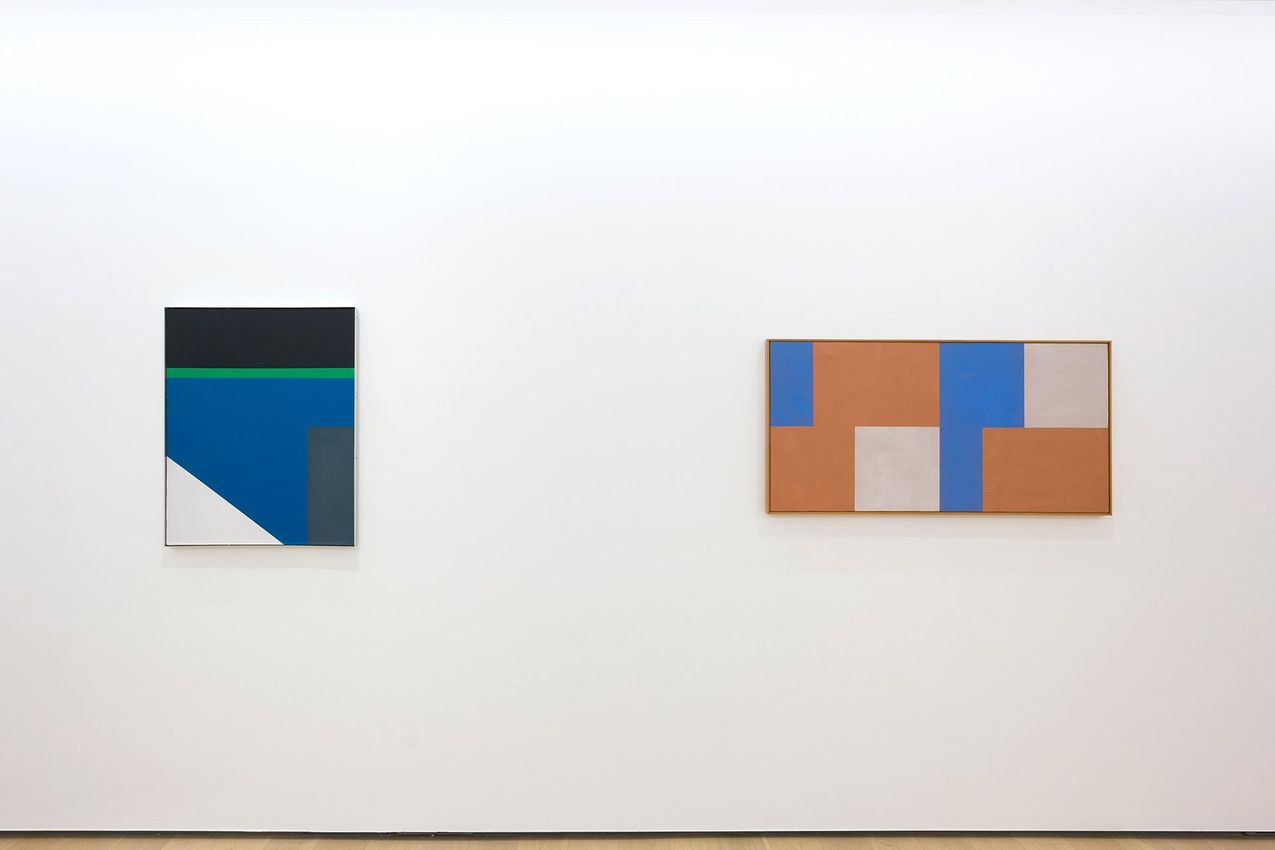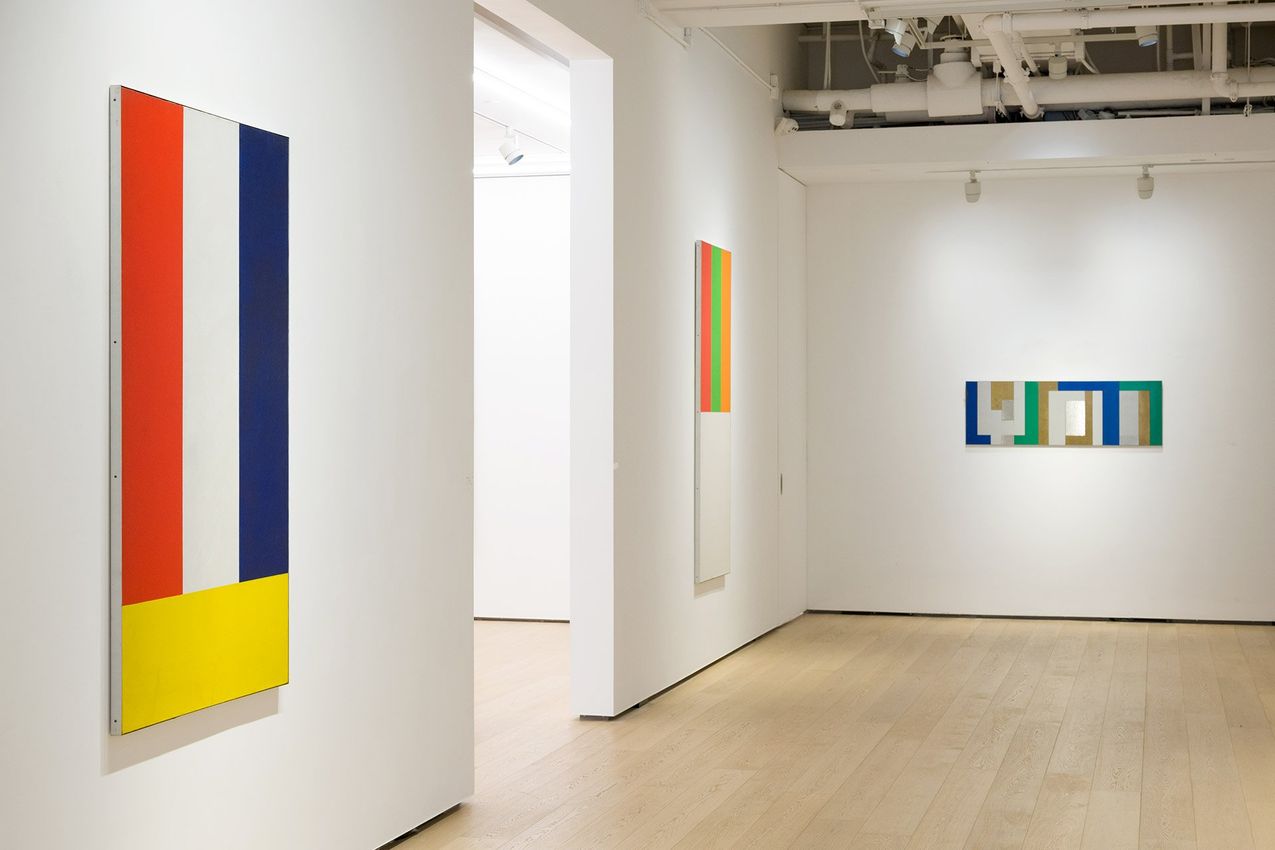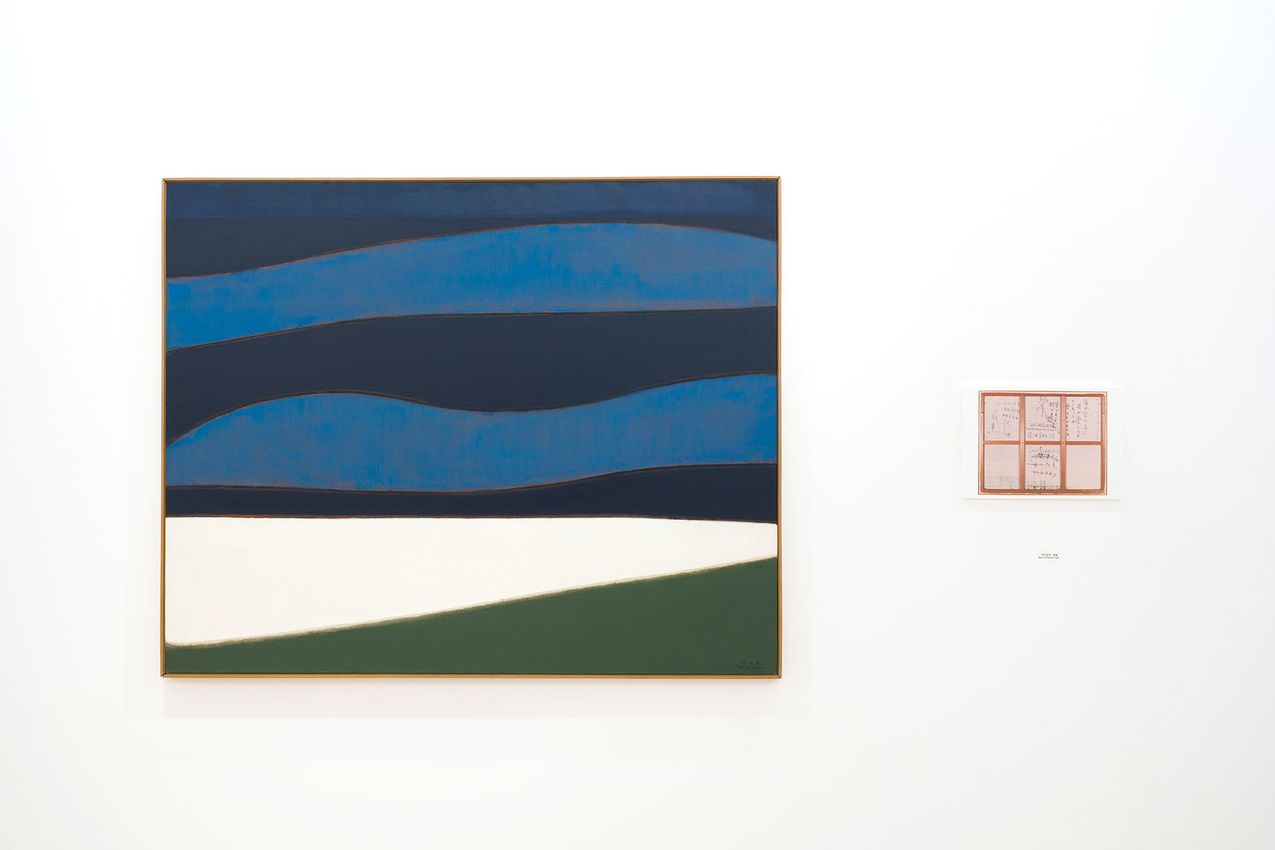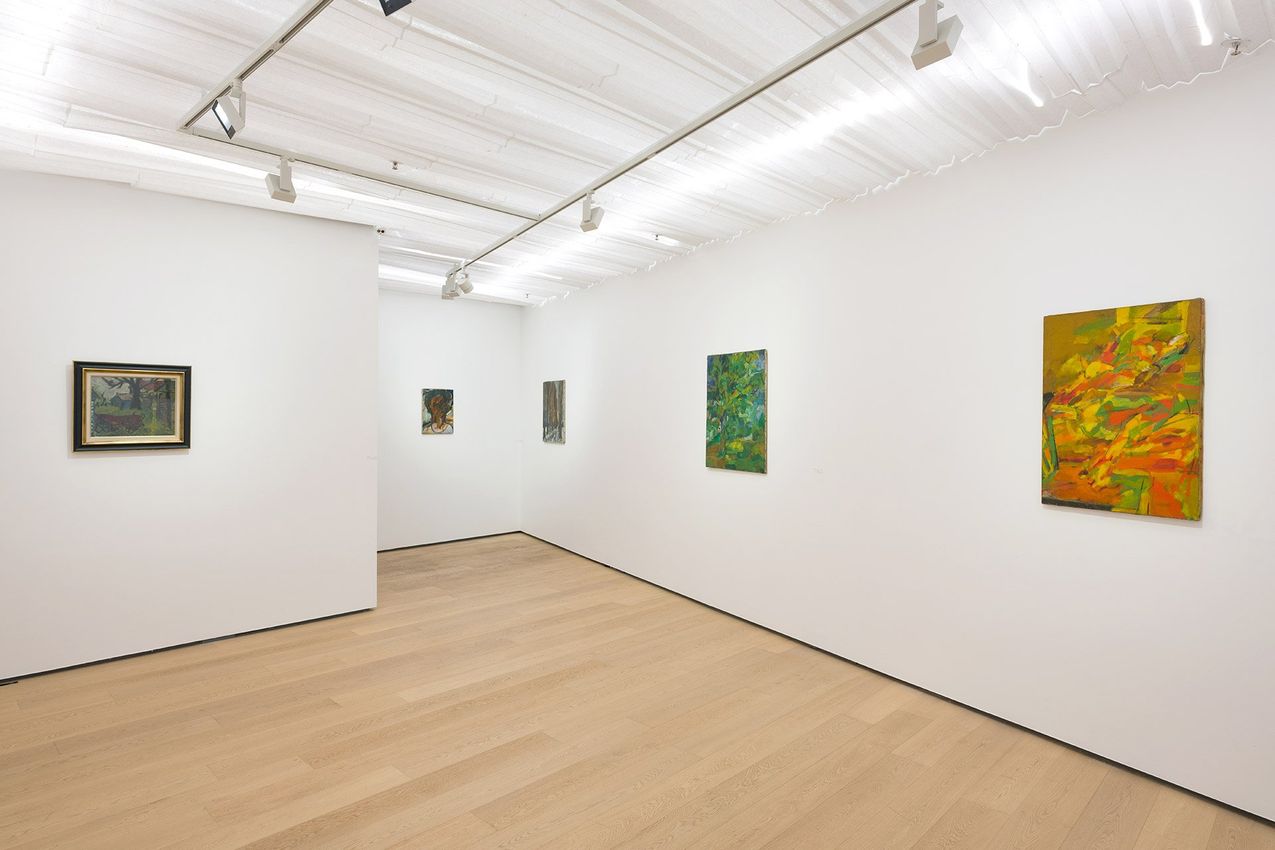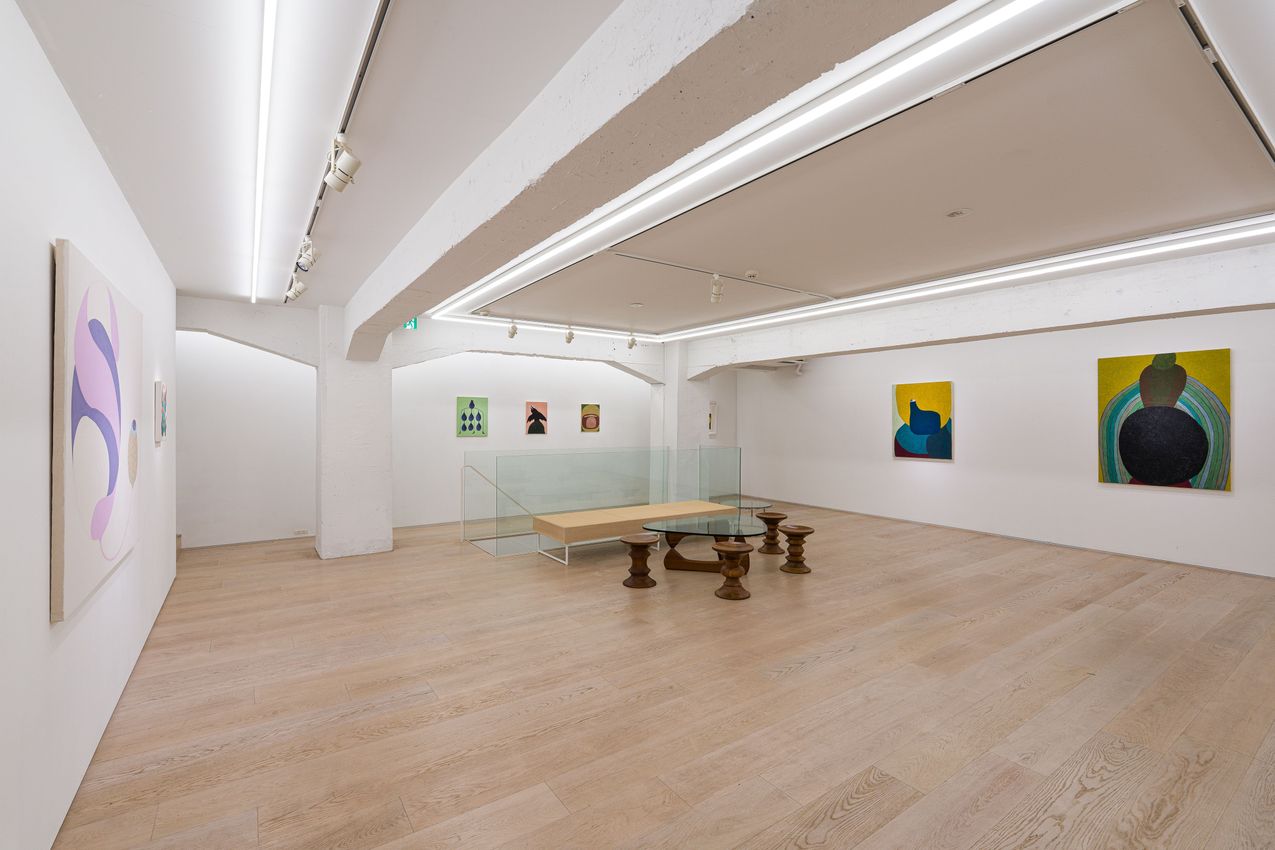




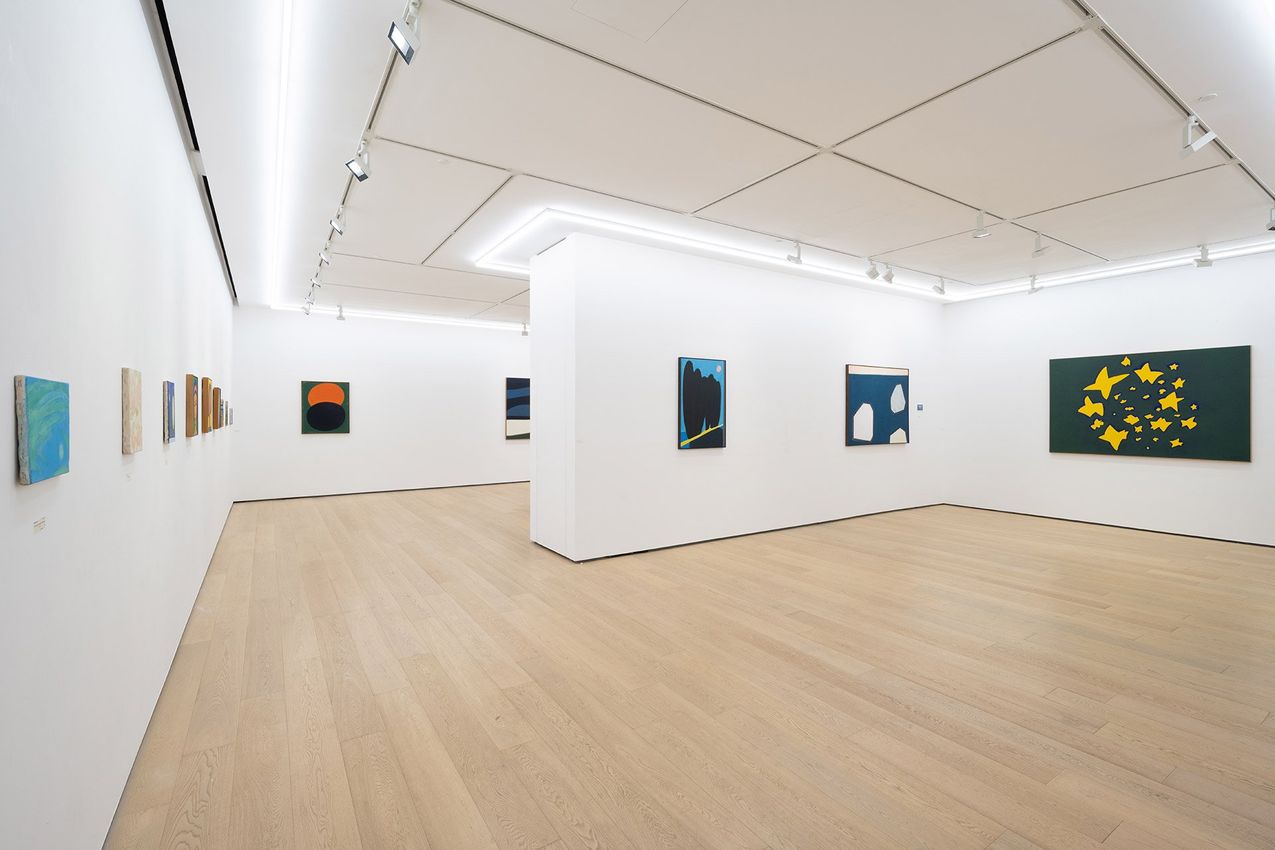
Whitestone Gallery H Queen’s is delighted to present Kazuharu Hanada: Pirka.Northland, a solo exhibition by Japanese abstract artist Kazuharu Hanada (1946-2017). Composed of geometric lines and figures, the artist’s first solo exhibition in Hong Kong brings not only rich lyricism and clear visual effect, but also the refreshing scenery of Hokkaido, the birthplace of Hanada.
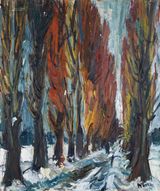
In Kazuharu Hanada’s words, ‘Paintings composed with a theme of relations between emotion and recognition, utilising geometric lines and shapes.’ In 1965 he entered the Oil Painting Department of the Tokyo University of the Arts, and began his academic activities in Tokyo. As a postgraduate student he pursued art further in a class taught by Ryohei Koiso, and observing his work from that time it is clear that he was experimenting in various forms of modern art. From pre-war styles such as Fauvism, Cubism and Surrealism, to post-war abstract expressionism, works from Row of Poplar Trees (1961-1964) to Untitled (1969) have shown the process of approach establishment on abstract scenery painting.
After completing his postgraduate studies in 1972 Hanada traveled to Europe, and upon his return in1974 moved back to his hometown, Sapporo. The 1970s is the period of the visual universe establishment and an inner exploration of his personal painting world. The series of work he produced were simpler than before. Socks I (1974) and Apron (1975) are composed of four squares or rectangles of vivid and beautiful colour like a puzzle, and this became the representative style of his early work.
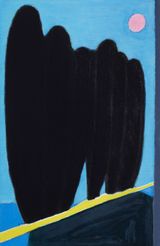
To Forest No.1 1981 - No.1 (1981) has remarked a great change in Hanada’s style. With its unstable shapes in black and other dark colours, the images are covered with rough, devilish brush strokes, as if they are trying to depict something writhing in the darkness of the night. After the series ‘To Forest’, he began the development of his unique landscape painting. The figures of the elements that makeup the landscapes are simplified, yet the unique shapes and colours are full of poetry, creating a dream world that at the same time communicates the artist’s love for the nature of Hokkaido so effectively. In this period, he produced many simple yet dynamic paintings, including wonderful large-scale pieces, such as Sea and Hill (1989) and Open Fields (1992).
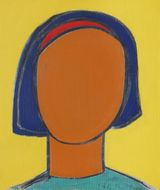
Following on from these landscapes, in the early 1990s a series of portraits such as Scolded (1991) and Twenty (1991) was produced. The models that he chose were people close to him, such as his daughters. His approach is figurative, but the forms are abbreviated and the colours vivid, developing tidy, icon-like images of the subjects. In addition, the techniques are not only those of oil painting but also incorporate approaches like charcoal and conté. However, what shows throughout the series is his love and respect towards the models, making the works small but excellent pieces that hold a certain sense of presence.
From the late 1990s to the mid 2000s, Hanada’s work reached its zenith and edged towards completion. The view on Snow Road (1992, 1998, 2000) is like tracing back to his early painting Row of Poplar Trees (1961-1964). Hanada began new work based on squares and rectangles. The colours and sizes of shapes in Sea and Rocks (1999) are more varied than in the early pieces, giving them a brighter surface and reminding viewers once again that Hanada’s work is, at root, but fun.
He further developed natural motifs from his existent work and, extending into a new field, introduced a world of fantasy, full of poetry. Mother’s Train (2005) has shown the natural beauty of the oceans and mountains of his beloved native land, Hokkaido. The various shapes and colours drawn from undefined elements are full of creativity, conveying a powerful sense of humour and poetry. There are many pieces that elicit fun and happiness in their viewers.
Kazuharu Hanada (1946-2017) was one of Hokkaido’s representative abstract painters. Born in Sapporo in 1946, he enrolled in the Department of Oil Painting at Tokyo University of the Arts in 1965. After graduating from graduate school, he returned to Sapporo in 1974, and had since been active as a principal member of the avant-garde movement in Hokkaido. Without joining any public associations, he displayed his work mainly in solo and group exhibitions until his death in 2017. His style was abstraction composed of nearly consistently clear-cut planes of colour, reminiscent of the hard-edge paintings of Ellsworth Kelly and others. From the mid-1980s in particular, Hanada developed a unique abstract world that gives feelings of friendliness and humour.


A respected voice in contemporary art discourse.
Focusing on ambitious storytelling and insightful art-world commentary. Ocula Magazine publishes in-depth interviews, critical essays and timely analysis on the artists, exhibitions and ideas driving the global art world.
Learn more about Ocula Magazine
Showcasing the best of the art world.
Ocula partners with galleries from around the world to highlight their artists, artworks and exhibitions. Gallery membership is by application and invitation, with each member vetted by an independent panel.
Learn more about Ocula Membership

Specialises in the sale of major artworks.
Led by a team with deep ties to the world’s leading auction houses, galleries and collectors. Ocula’s advisory team offers bespoke services to high-net-worth clients from around the world who are looking to acquire the best of contemporary and modern art.
Learn more about our team and services