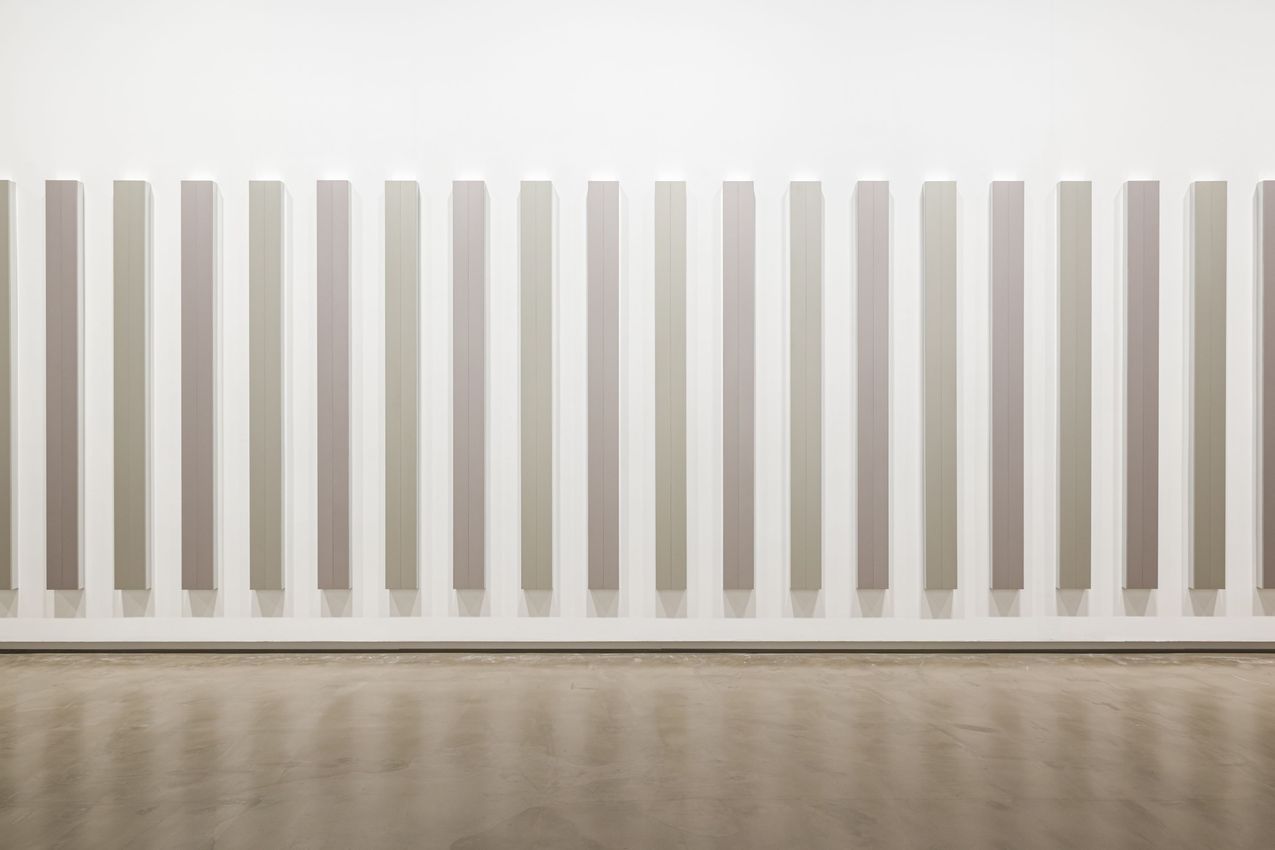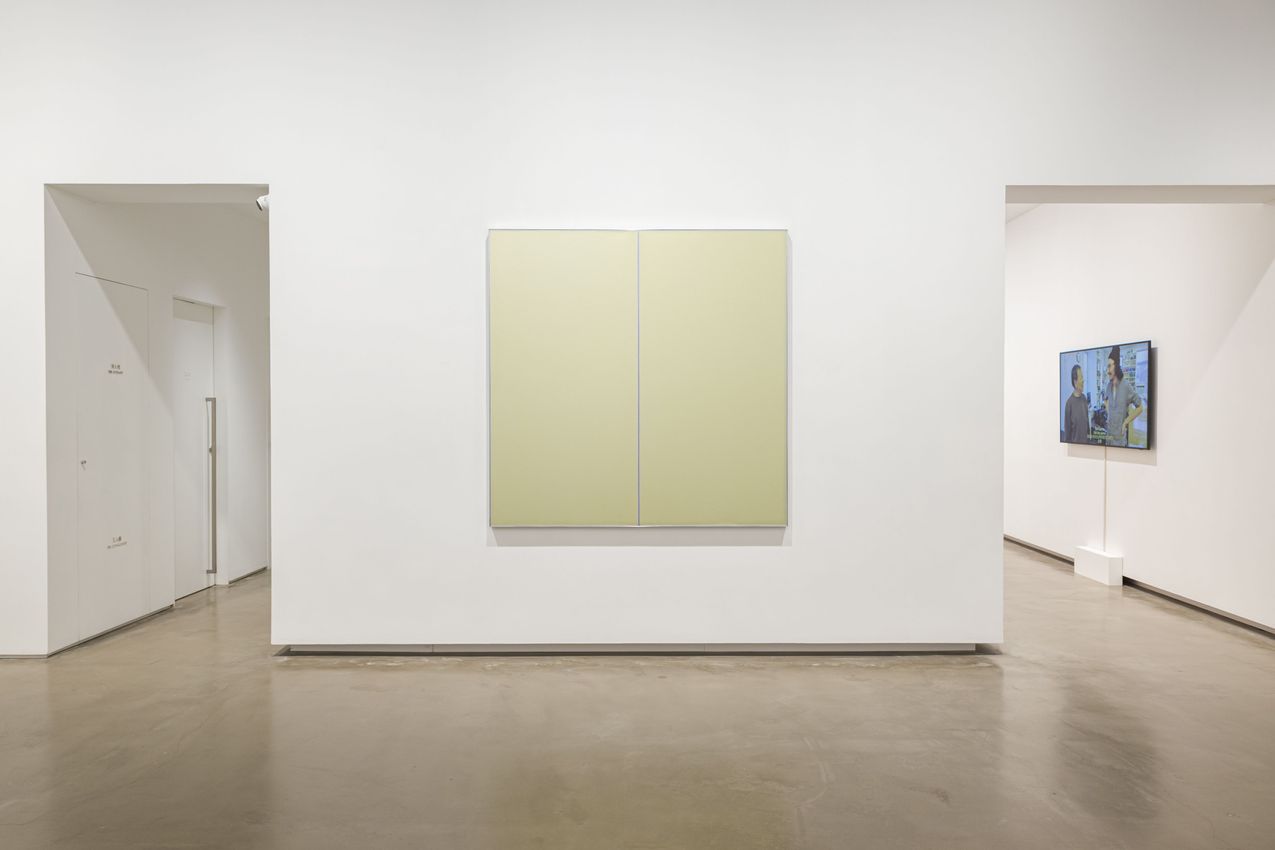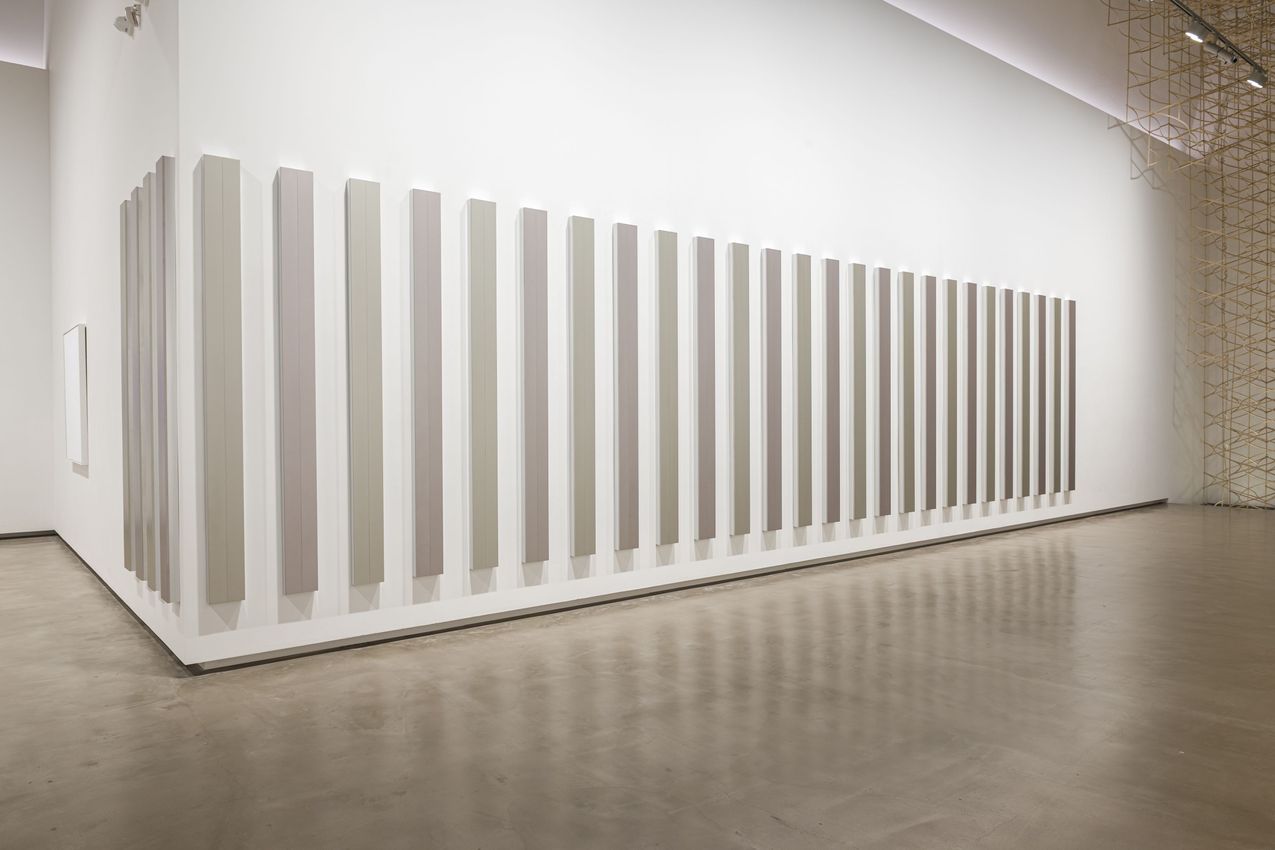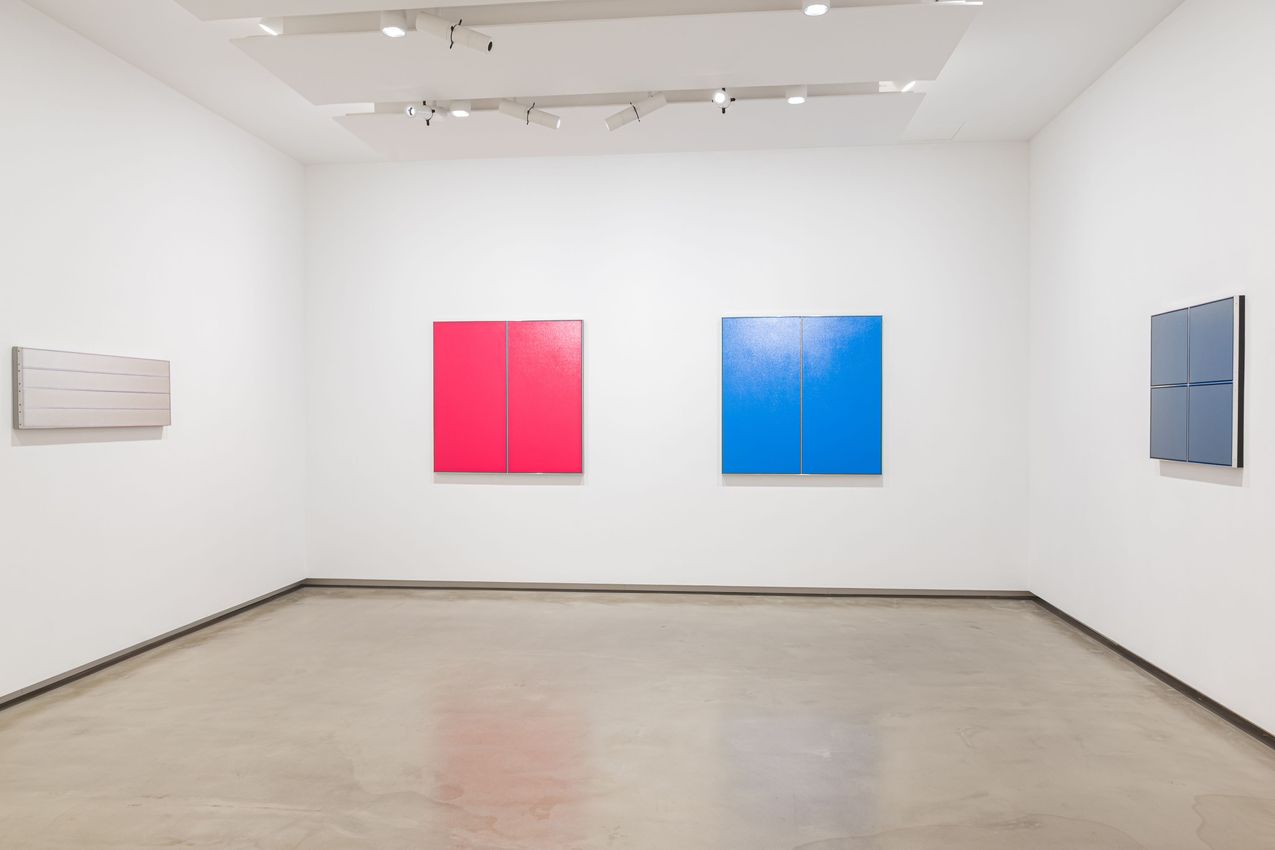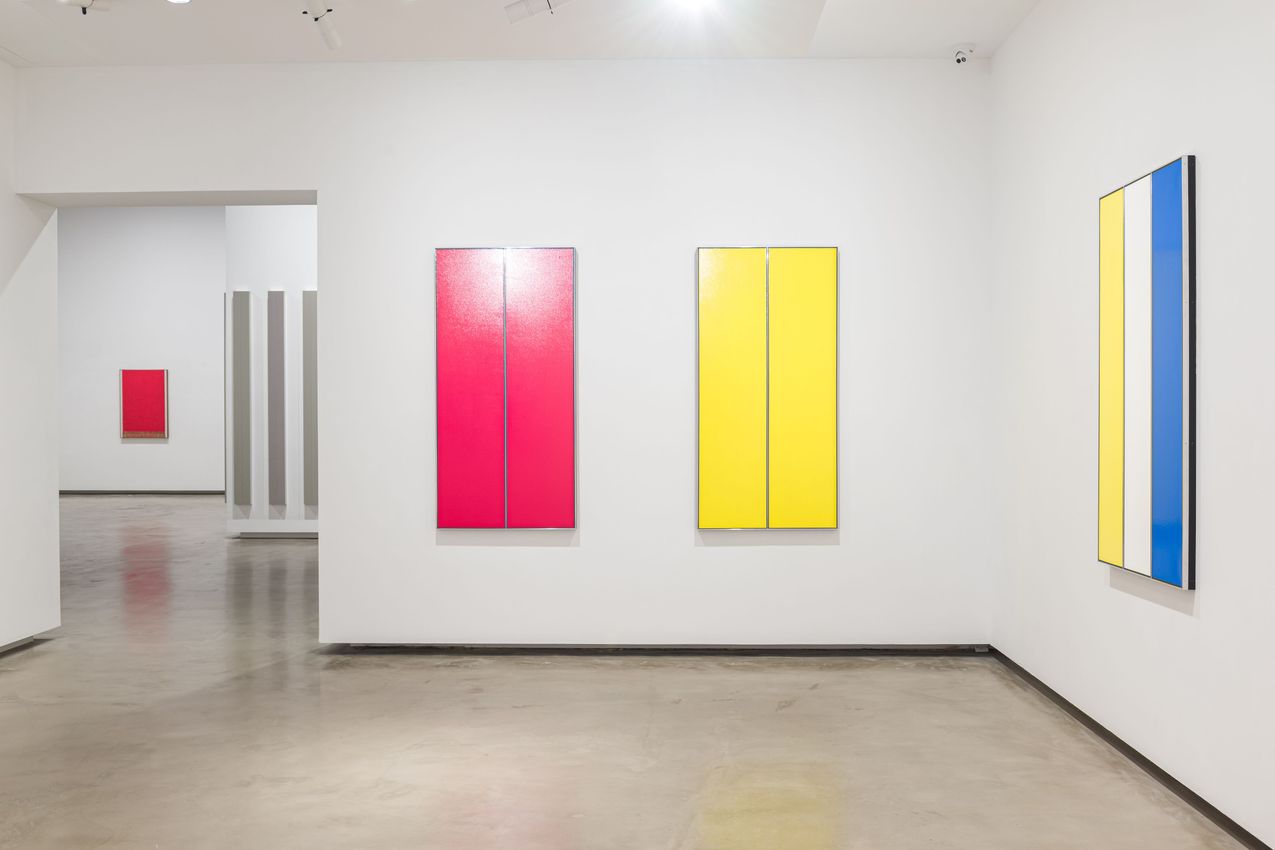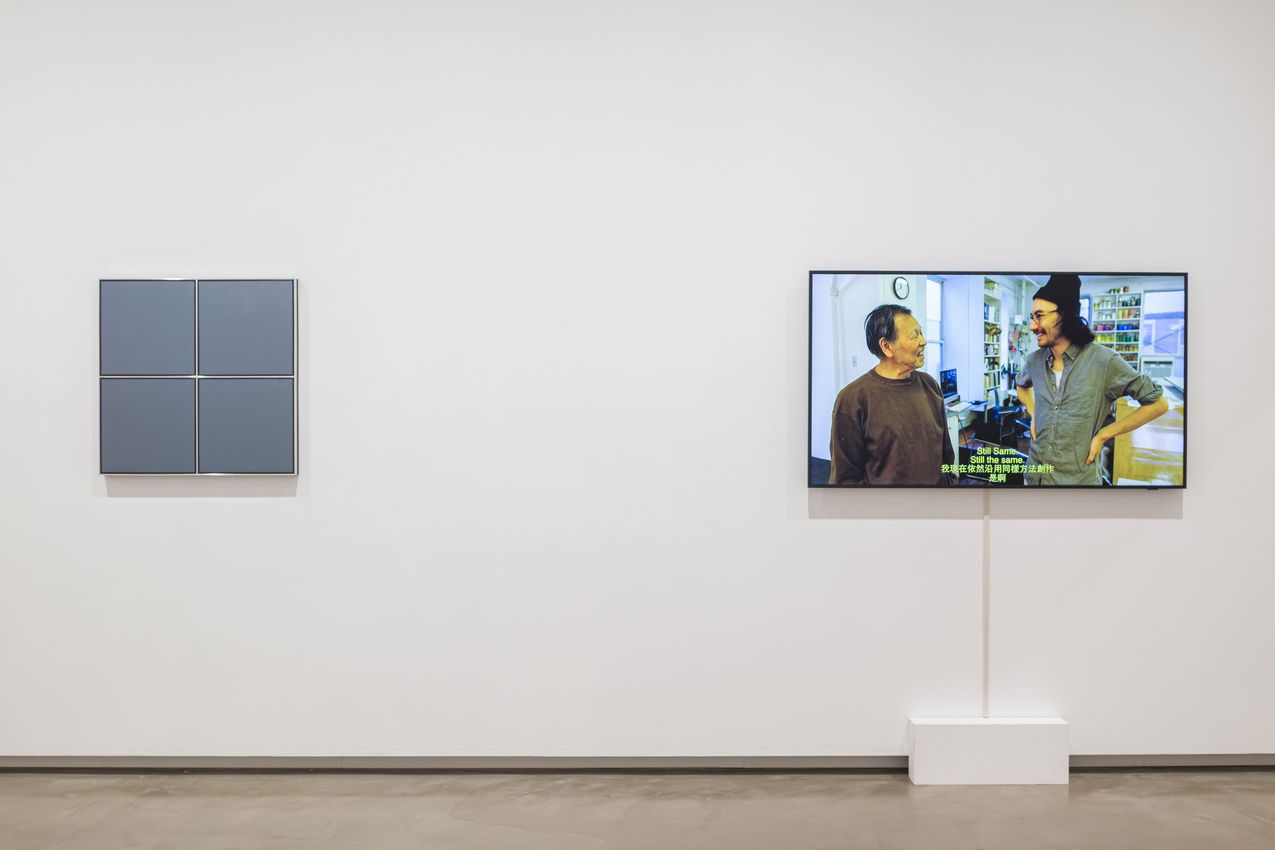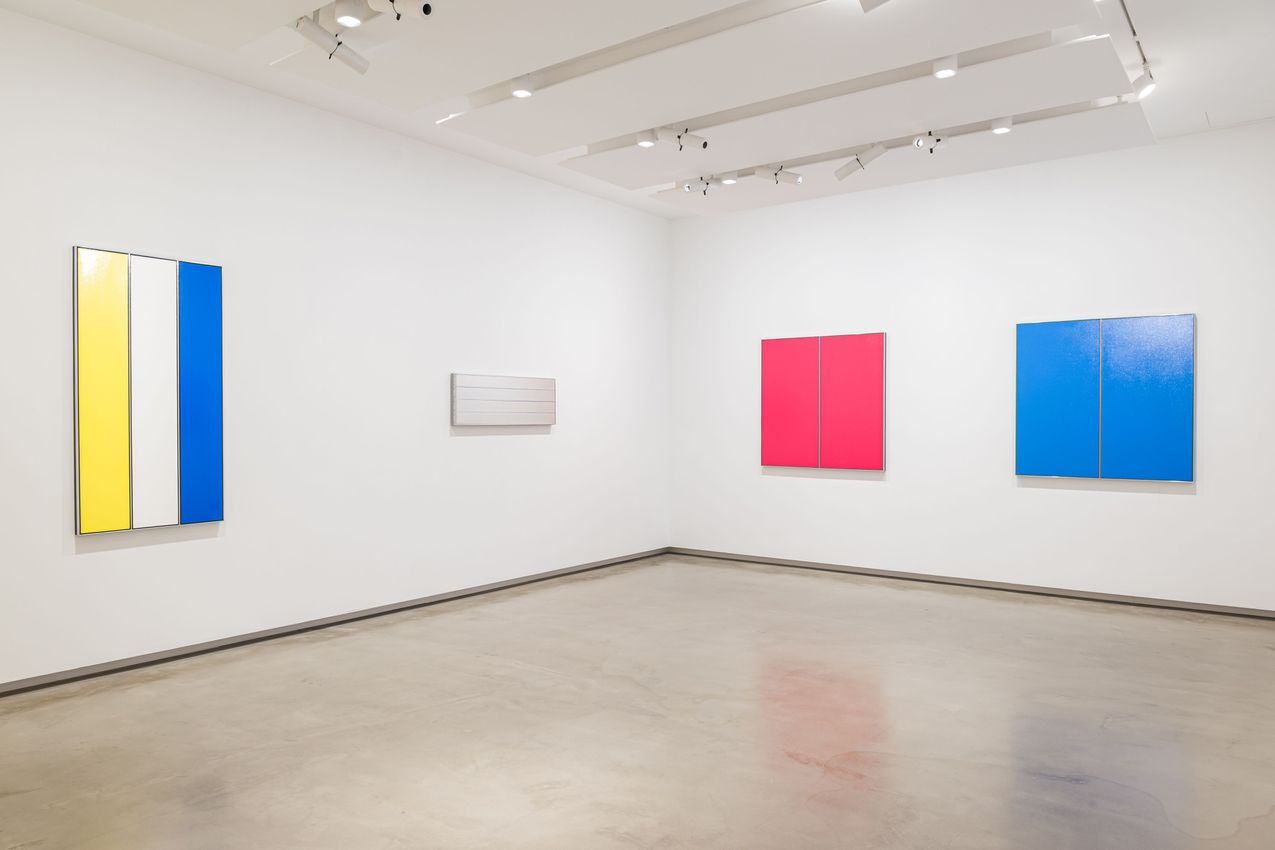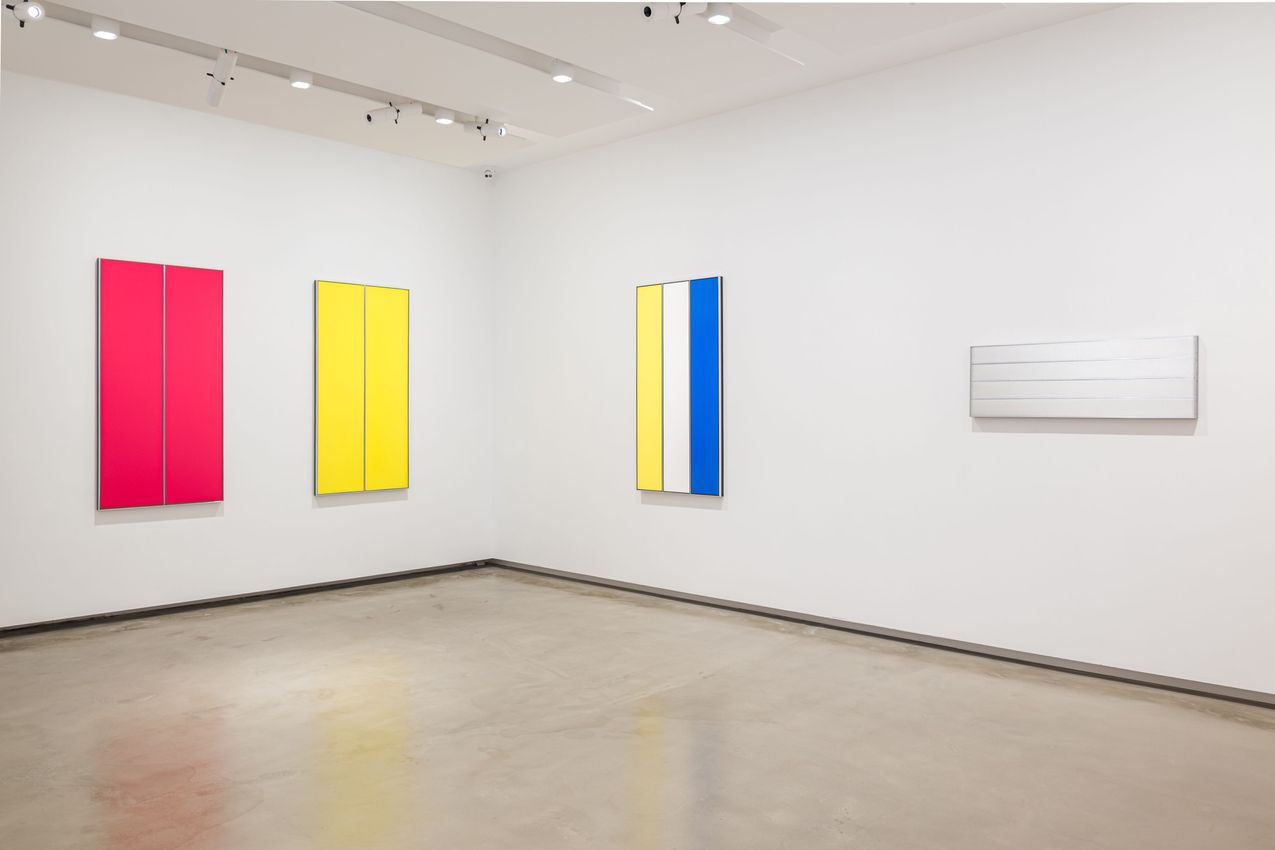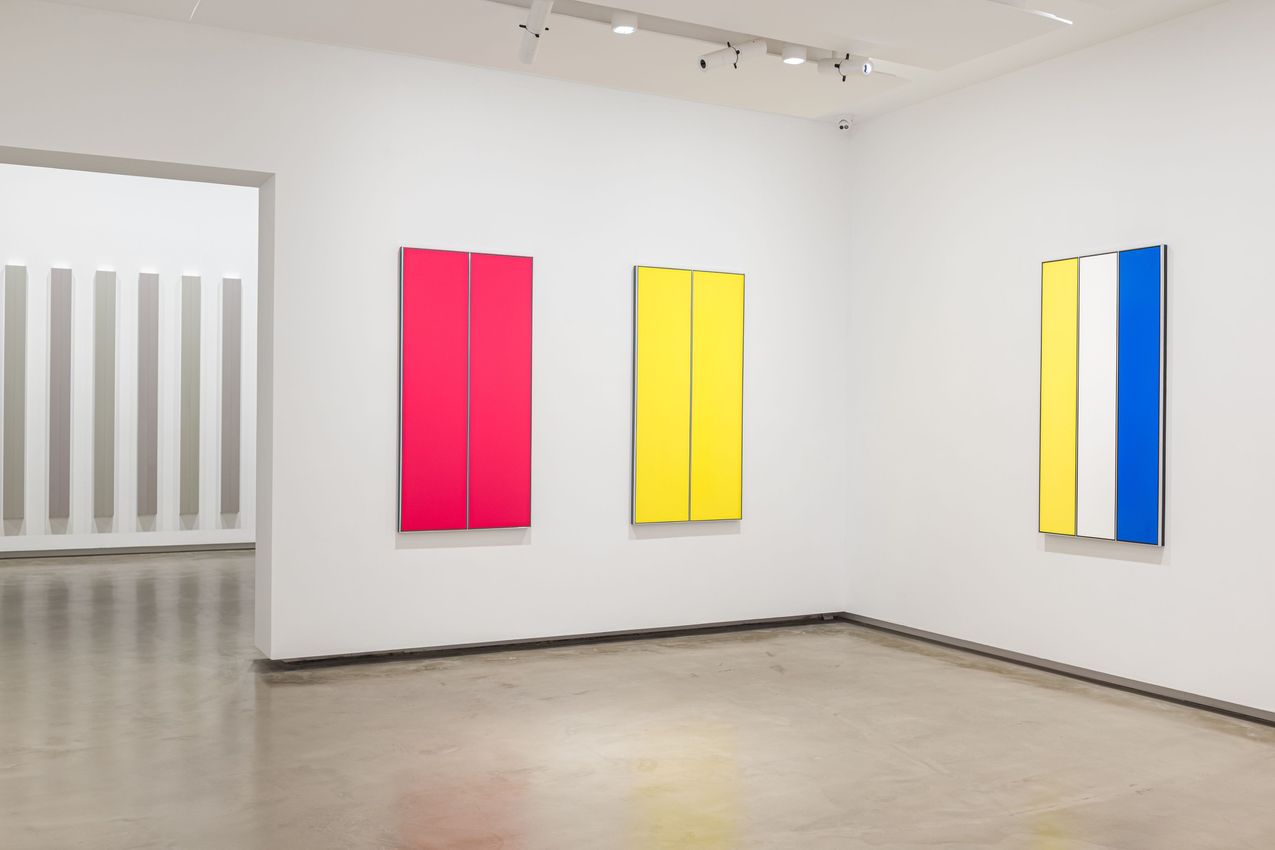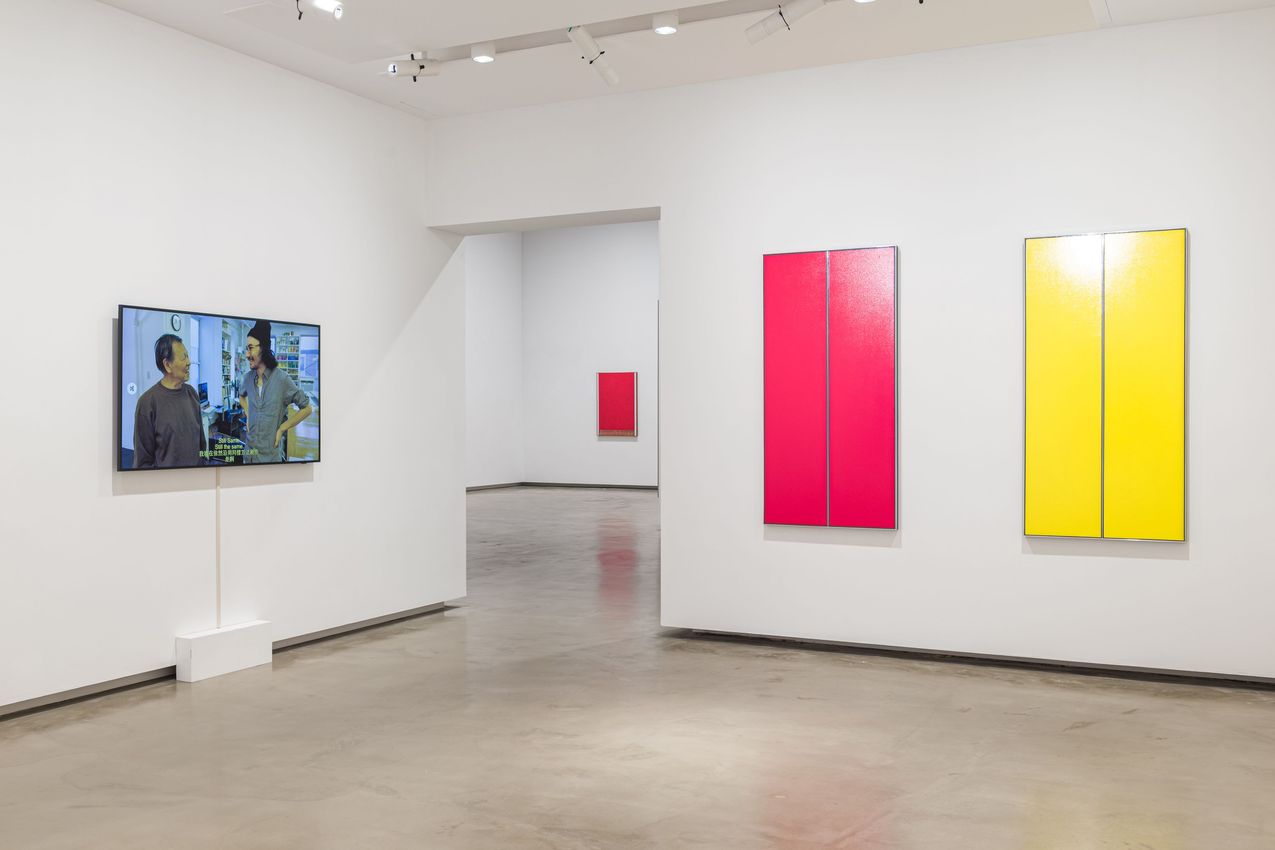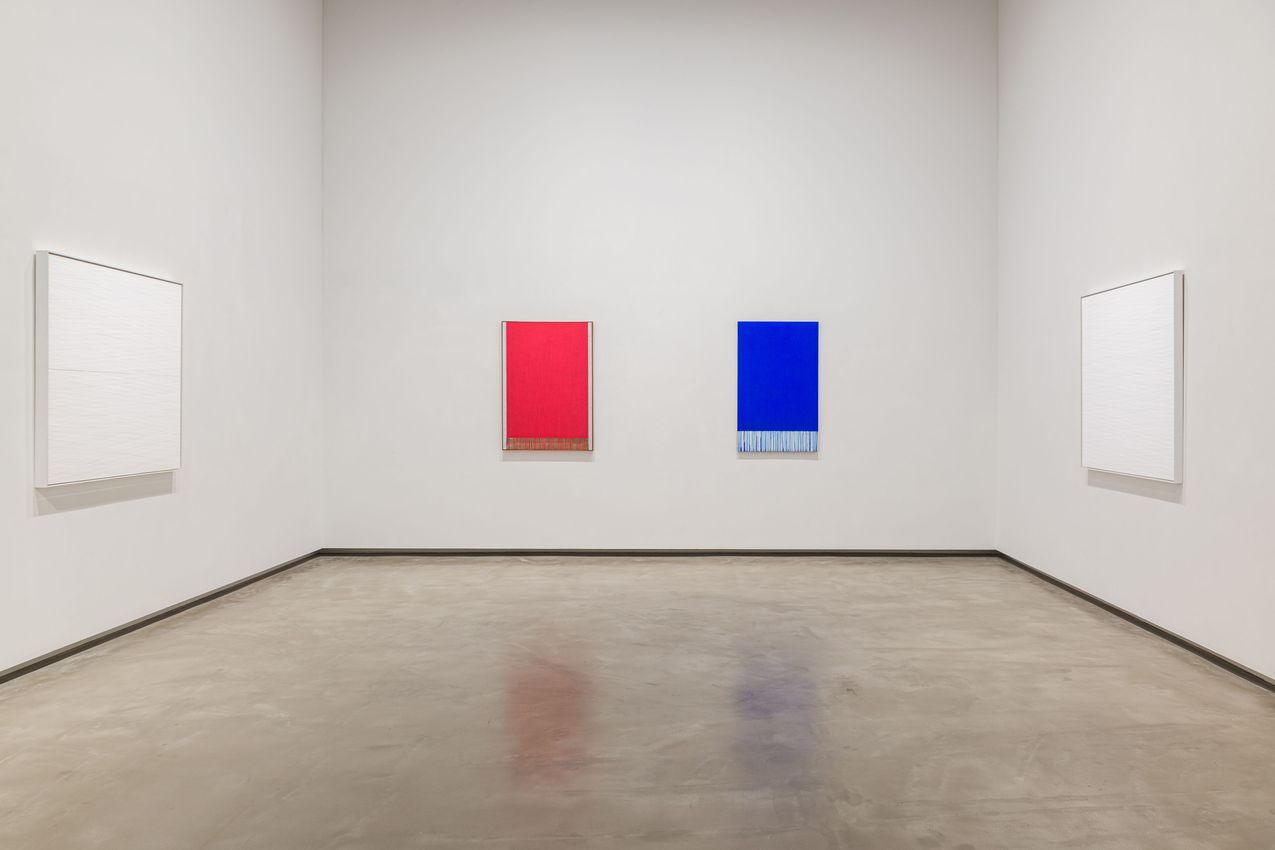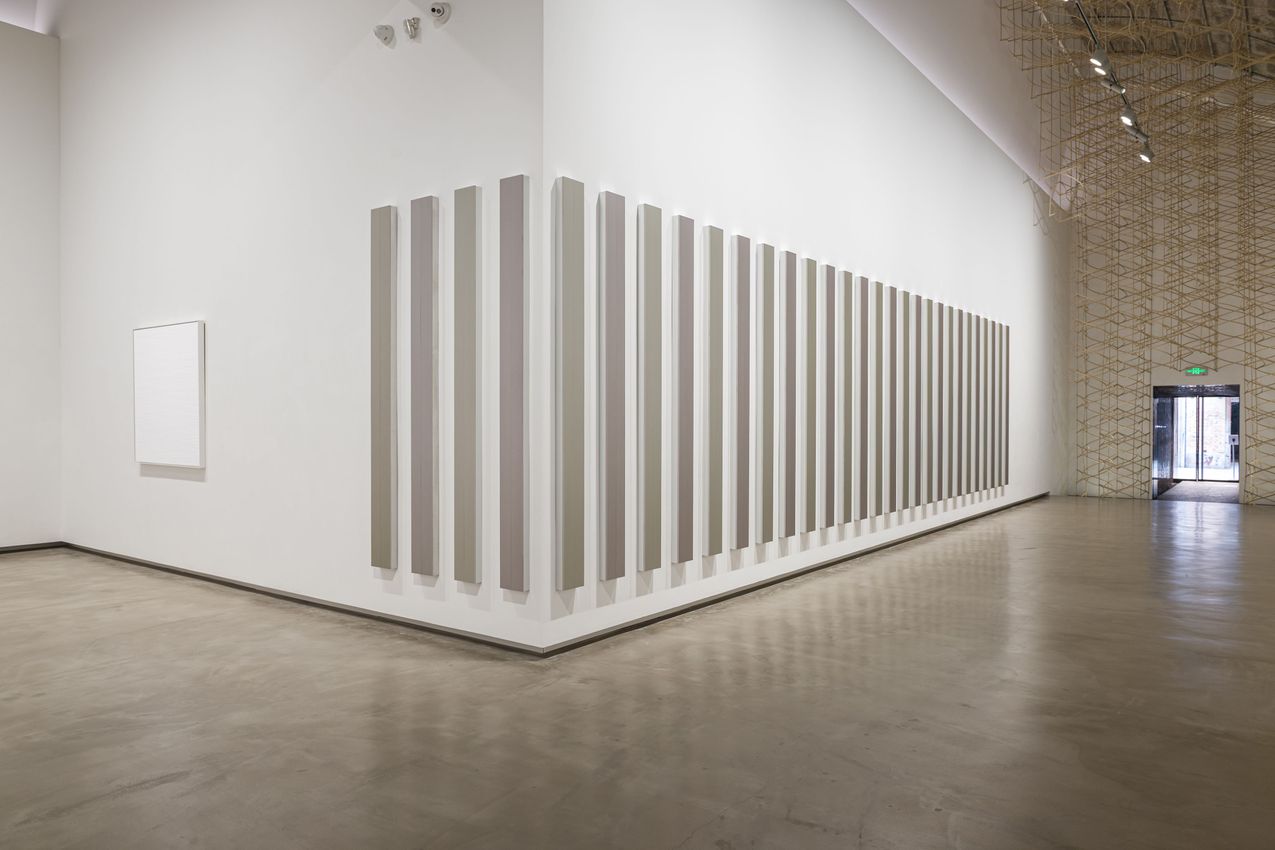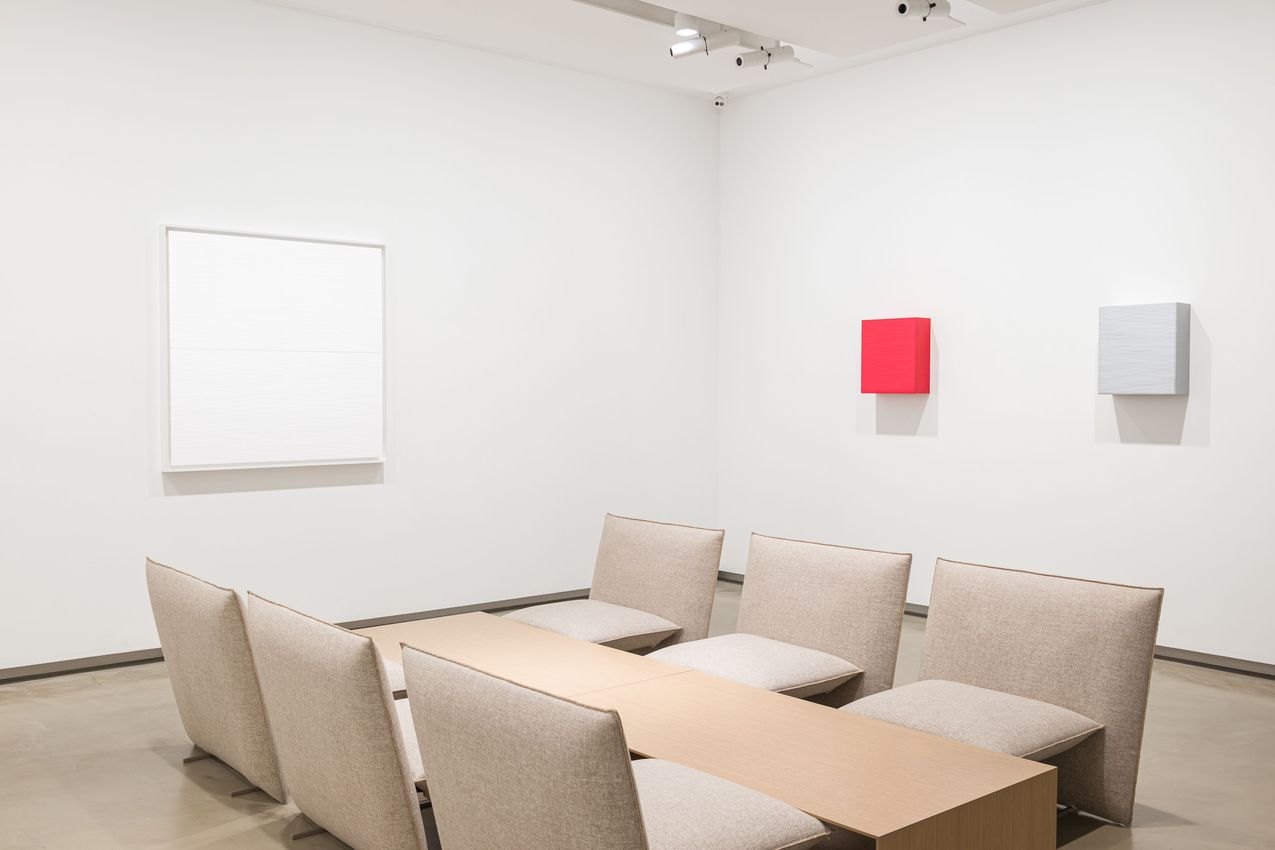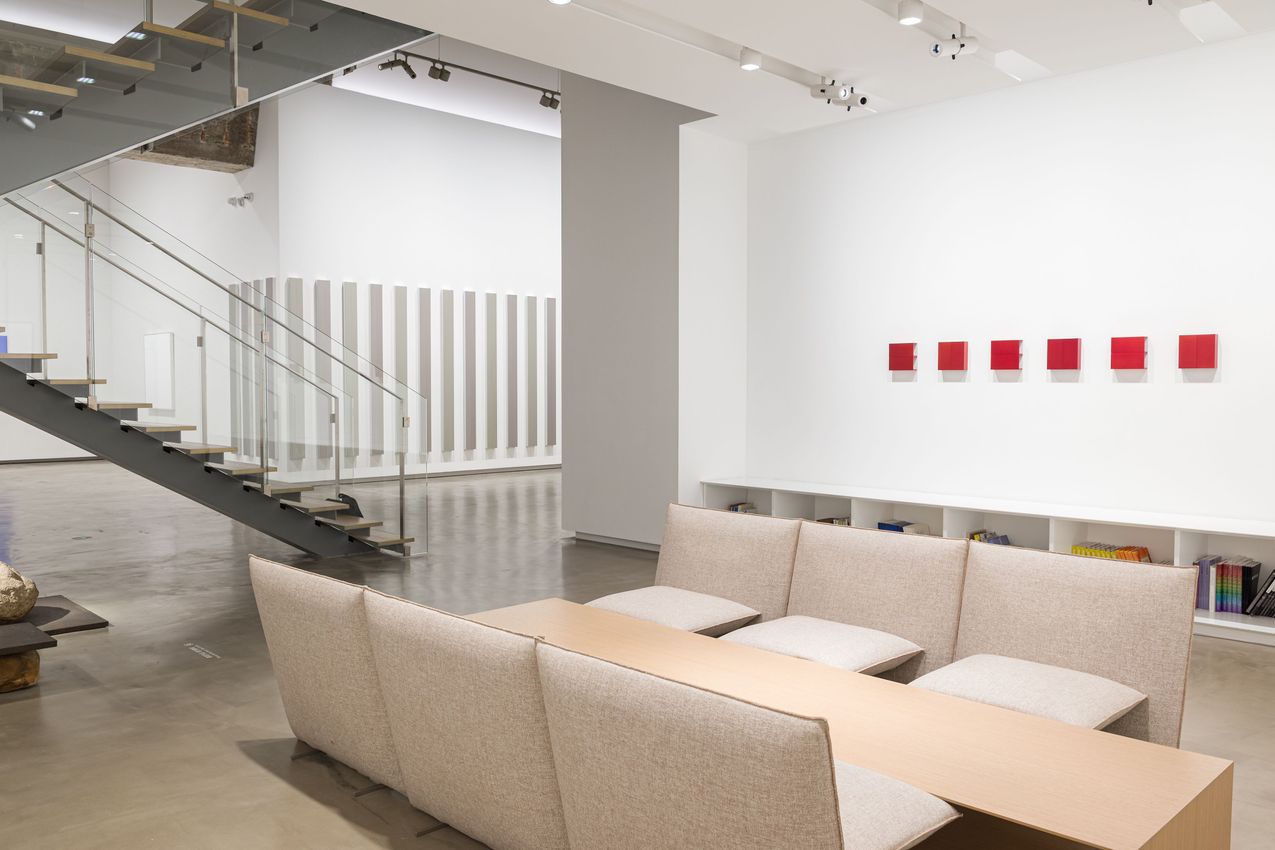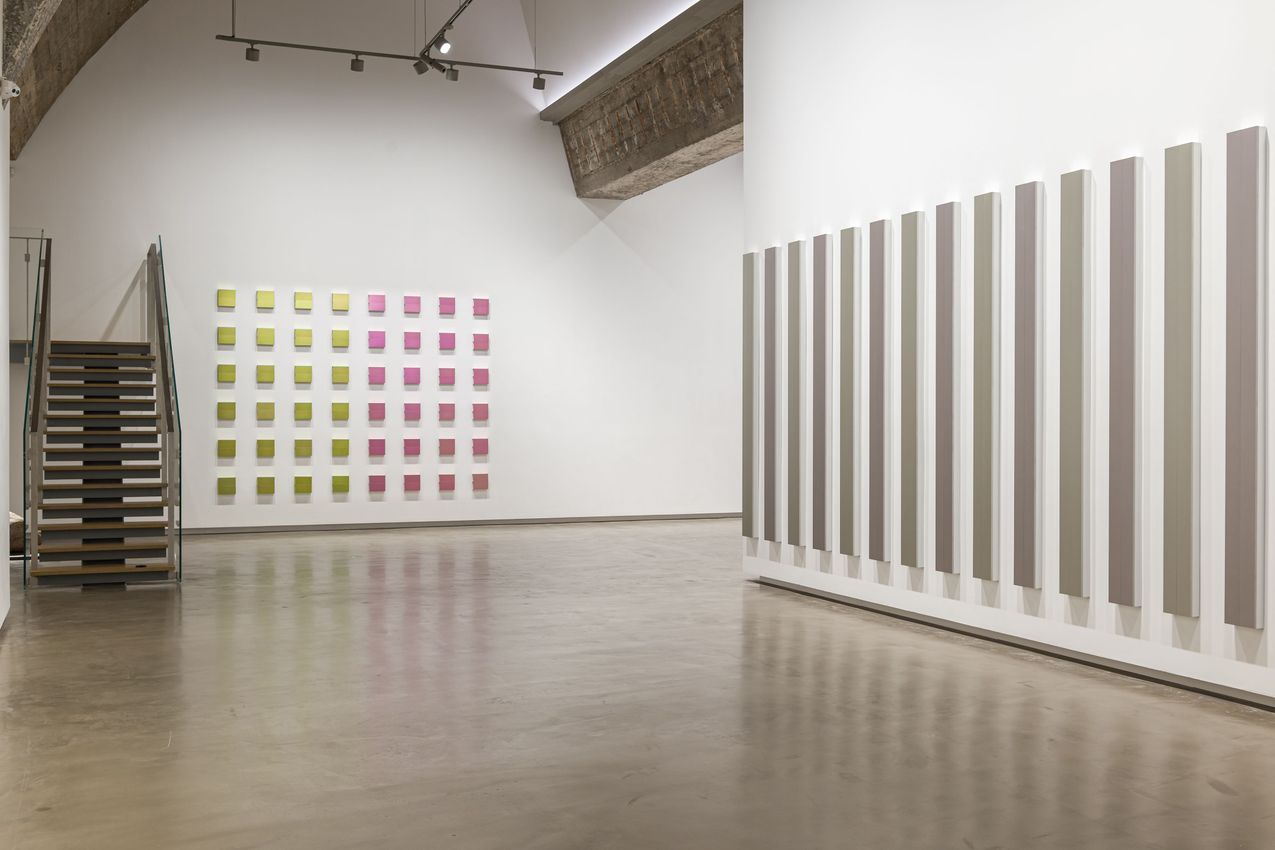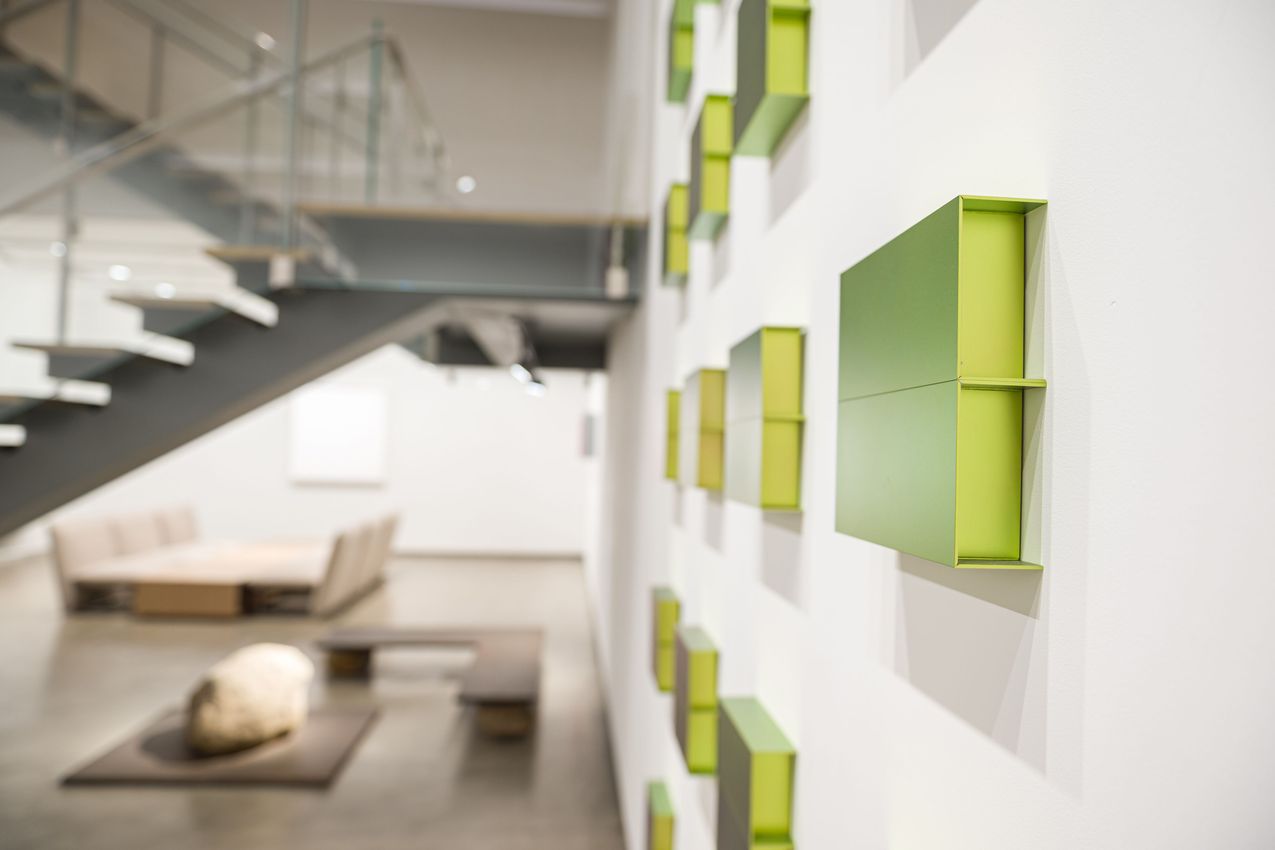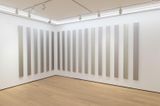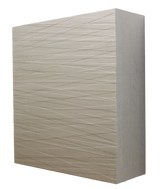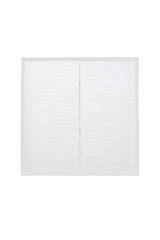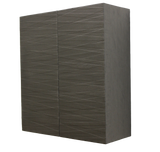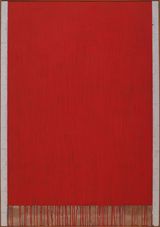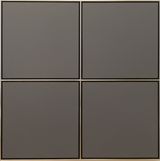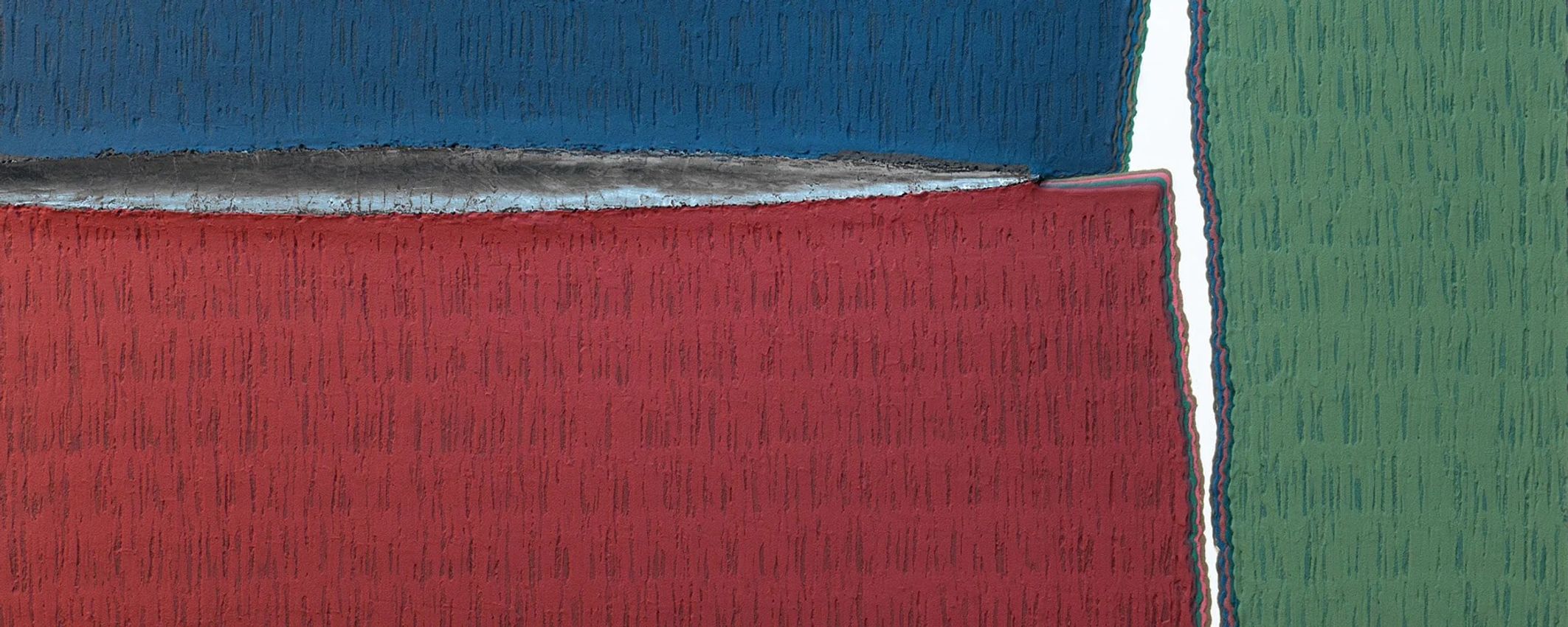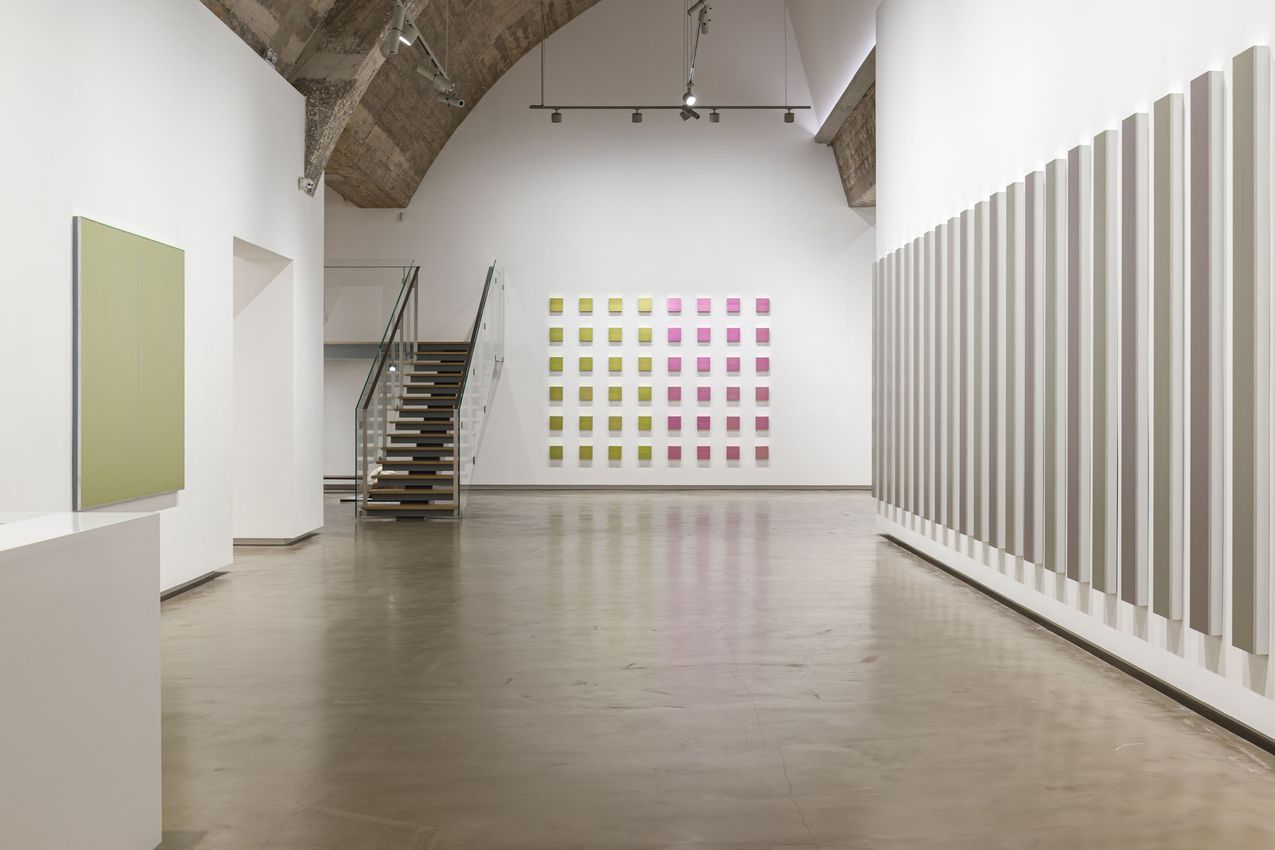
Whitestone Gallery Beijing is honoured to present Tadaaki Kuwayama: The Shape of Nothingness from August 23 to September 20, 2025. Marking the late artist’s (1932–2023) first solo exhibition in China, the show brings together 23 works created between 1961 and 2018, tracing key transformations across different stages of his artistic career. A special guided tour will be held at 13:30. on August 22nd, and the opening reception will take place from 15:00 to 17:00 on August 23rd.
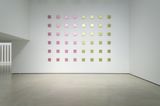
Tadaaki Kuwayama (1932–2023) studied Nihonga (Japanese-style painting) at Tokyo University of the Arts before moving to the United States in 1958. From then on, he remained based in New York, creating art throughout his life. His abstract works, composed of monochromatic colour fields, appear at first glance to be impersonal, industrial products, with no visible trace of the artist’s hand. Yet, Kuwayama sought a form of expression that transcended conventional notions of painting and sculpture, striving to create something that exists purely through its presence. While influenced by Minimalism that emerged in the U.S. during the 1960s, he refined it into a style uniquely his own.
This exhibition, his first solo show in China, brings together 23 works created between 1961 and 2018. Kuwayama left Japan for America in the fall of 1958. Within two years, he had already attracted the attention of key figures in the American contemporary art world, including Henry Geldzahler, a young curator at the Metropolitan Museum of Art; Peter Selz and his junior colleague William Seitz from the Museum of Modern Art; and Donald Judd, who was active as both an artist and critic. In 1961 Kuwayama was fortunate to have the opportunity to hold his first solo exhibition at Green Gallery on West 57th Street in Manhattan.
In ‘TK7847-61’, created that same year, he used traditional Nihonga materials such as silver leaf and pigments to compose an abstract surface. By intentionally leaving visible a red colour field with drips beneath it, the work carries a delicate expression. The following year, in ‘TK3924-62’, he pushed abstraction even further by utilising a new technique: he cut torinoko paper, commonly used for sliding door coverings, into thin tape-like strips, adhered them to canvas, and painted over them with white acrylic. Reflecting on this period, the artist later said, “I wanted to get away from the act of ‘painting’”1, showing that even while maintaining the format of painting, he was already engaged in experimental attempts to create something fundamentally unlike a traditional painting.
By the late 1960s, any remaining elements of painting-like gesture or nuance had disappeared entirely. Take ‘TK8029-3/4-18’, for instance. The square surface is divided into four equal sections, each uniformly painted in grey acrylic and outlined in black, then joined with an aluminium frame. With its industrial precision and emotional detachment, the work seems to coldly reject any attempt by the viewer to interpret its meaning. This reflects the artist’s deliberate intention to mechanically execute the piece according to a predetermined plan, without depicting any subject or considering compositional matters.
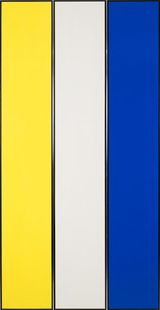
Kuwayama aimed to create something that had never existed anywhere in the world, distinct from what had previously been called painting or sculpture. Works such as ‘TK5318-5-1/2’ and ‘TK6715-89’ are each 14 cm thick—making them difficult to categorise as either painting or sculpture. His approach to colour followed the same logic: primary colours like red, blue, and yellow, as well as metallics, are used without symbolic meaning, evoking no easy associations—they are simply colours.
‘Untitled (TK194)’, exhibited simultaneously at the Kawamura Memorial DIC Museum of Art and the Chiba City Museum of Art in 1996, consists of vertically oriented panels painted in two subtly different metallic tones. The alternating arrangement of these muted, gleaming surfaces creates an effect of diffused reflection. In ‘TK17-7/8-12’, made from titanium, the colours shift endlessly with the changing light, never settling into a single tone.
Kuwayama’s pursuit of something that defied the conventions of painting seems to have gradually evolved into a search for something otherworldly. During his lifetime, he often used the term “pure art” in his ongoing search for a form of art that relies on nothing outside itself, represents nothing, and exists solely through its presence. Neutral and simple, his works seem to exist in another time and space that transcends the mundane world. While Kuwayama’s works share many characteristics with Minimal Art—such as the use of raw, unprocessed materials, repetition of single units, and a rejection of reproducibility in favour of a three-dimensional spatial orientation—they possess a certain ephemerality that contrasts with the solid presence of Minimal Art. Existing, yet elusive, even when right before your eyes, they seem as if they could vanish at any moment. They possess a unique lightness, as though freed from gravity. Their exceptionally pure existence is truly one of a kind.
— Sumi Hayashi (independent curator)


A respected voice in contemporary art discourse.
Focusing on ambitious storytelling and insightful art-world commentary. Ocula Magazine publishes in-depth interviews, critical essays and timely analysis on the artists, exhibitions and ideas driving the global art world.
Learn more about Ocula Magazine
Showcasing the best of the art world.
Ocula partners with galleries from around the world to highlight their artists, artworks and exhibitions. Gallery membership is by application and invitation, with each member vetted by an independent panel.
Learn more about Ocula Membership

Specialises in the sale of major artworks.
Led by a team with deep ties to the world’s leading auction houses, galleries and collectors. Ocula’s advisory team offers bespoke services to high-net-worth clients from around the world who are looking to acquire the best of contemporary and modern art.
Learn more about our team and services