Press Release

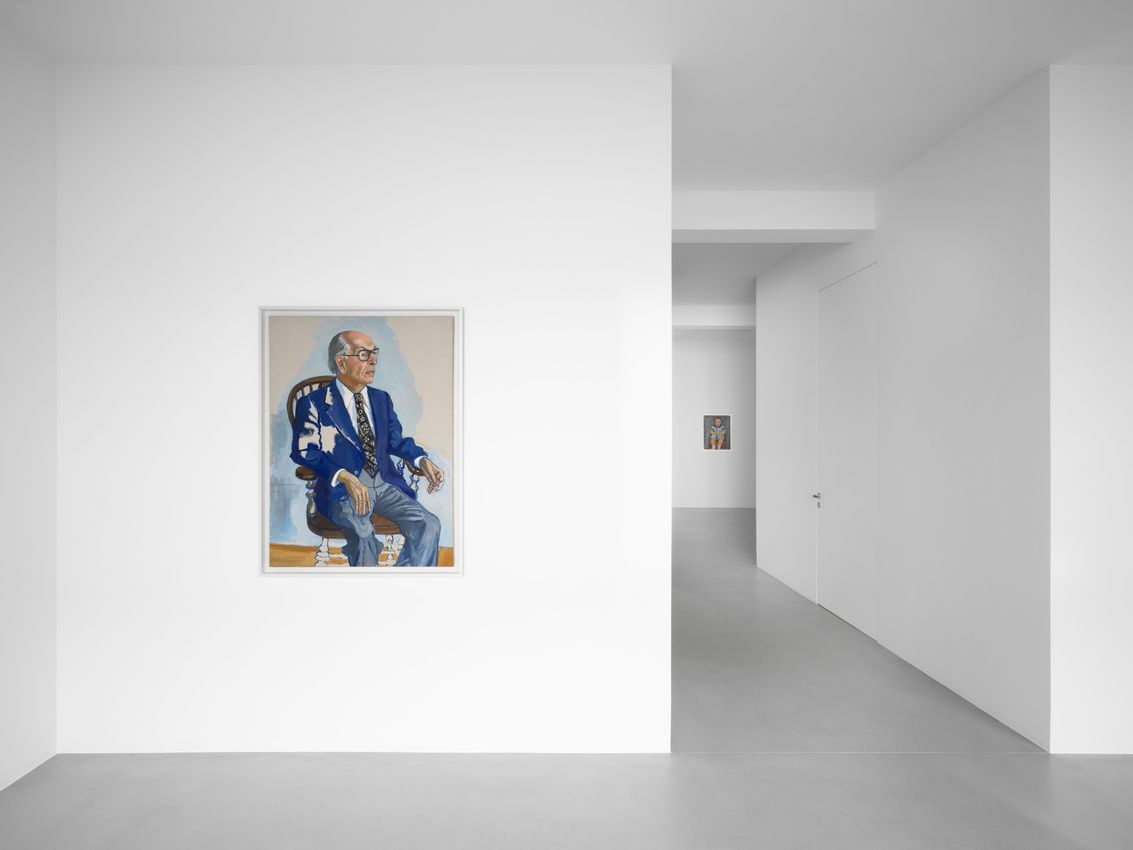
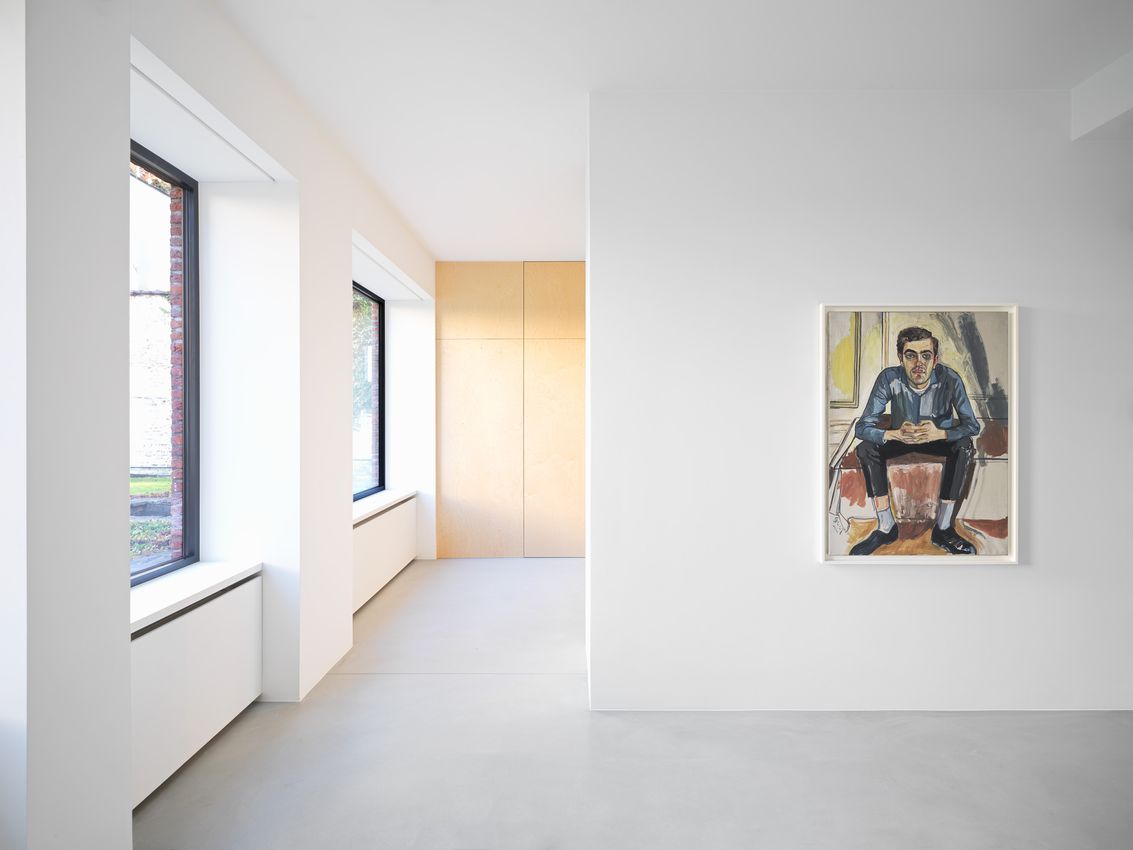
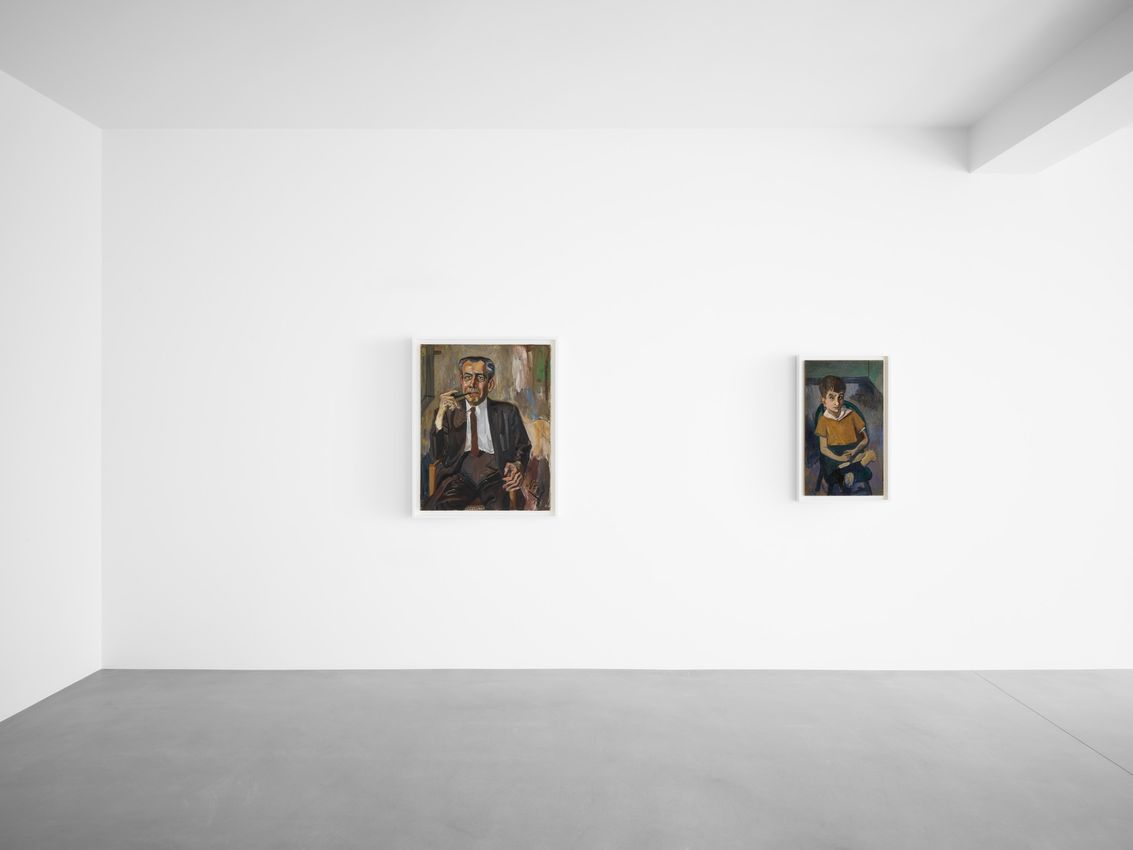
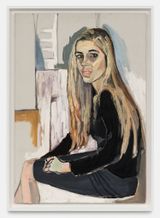
A new exhibition of portraits by Alice Neel (1900–1984) brings twentieth-century America to life through faces old and young. Painted over a fifty-year period, this thoughtfully selected group of paintings includes many never previously exhibited works, illuminating the creative evolution of her oeuvre across the decades. From babies, infants and teenagers to friends, lovers and patrons, and from the affluent to the poor, everyone was of equal interest and merit to Neel. By pairing portraits of youth with the elderly, we are led to reflect on life’s most meaningful questions: when do we become who we are? And how have we changed?

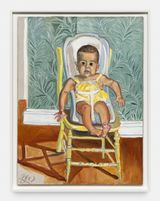
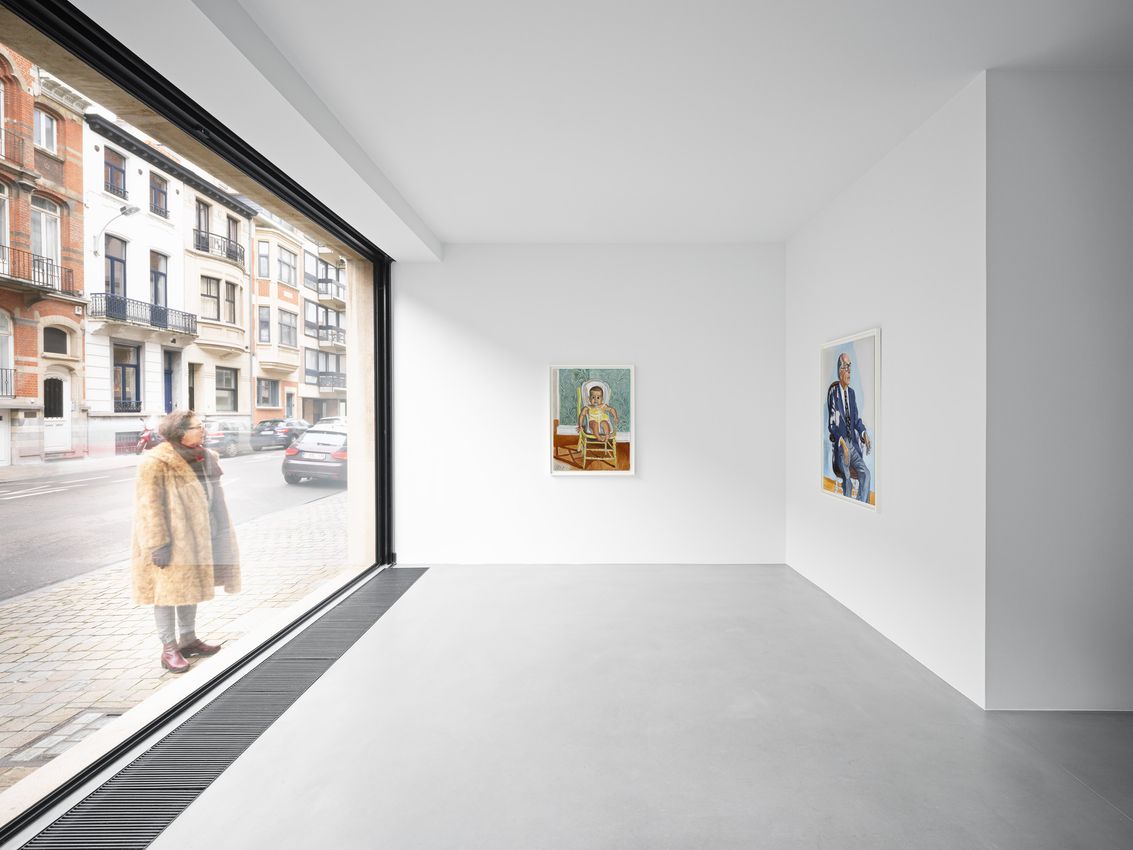
Seeing who we are includes striking examples of Neel’s ability to capture even the youngest sitters’ inner psyche. In Puerto Rican Mother and Child #2, Neel evokes an air of vulnerability and uncertainty with just a handful of colours and a simple composition. The work is at once an unflinching depiction of young motherhood and a reflection of the global diaspora of New York, Neel’s adopted hometown. The sitter is Margarita, sister-in-law to José Santiago Negron, a nightclub singer and guitarist who was Neel’s partner in the 1930s. In Sheila (1937), a rare early work depicting Negron’s daughter, Neel portrays the young child with a particularly mature expression. Was the artist foretelling the child’s adult character in this precocious portrait? Sam and David (1962) empathetically depicts filmmaker and photographer Sam Brody, with whom Neel was in a relationship for many years, holding his son David – the boy’s arresting blue eyes are echoed in the double portrait’s expressive background. Neel also painted her own family, from charged portraits of her children as babies and children to pictures of them in adulthood as they forged their own careers, married, and raised families of their own. In this exhibition we meet, for example, her son Richard as a young man and one of her granddaughters, Olivia. These works attest to the blending of art and life and how children were a perpetual and vital source of inspiration.

Neel’s intellectual and social milieu is shown through the portraits of people such as the cultural philanthropist Irma Seitz, the Austrian politician Joe Buttinger and his American wife Muriel (née Gardiner), a psychoanalyst and psychiatrist. The Buttingers had met in Vienna, where Muriel had trained as a doctor, and both were active in the Austrian anti-Fascist movement. Forced to leave Europe for the United States at the outbreak of the Second World War, they continued their activities throughout its duration and saved countless lives. In the United States, they continued to help those in need. The affluent Muriel was introduced to Neel in the 1960s and provided her with a lifelong annual stipend from 1964 onwards. This ushered in a period of financial stability and enabled Neel to concentrate on her work. It was also around this time that she started to enjoy greater professional success.

The friendship between Muriel Gardiner and Alice Neel brings the subject of psychology to the fore and points to a mutual affinity between the two women. What Gardiner examined from a medical perspective – the human psyche – Neel explored in paint. A self-proclaimed ‘collector of souls’, the artist was uniquely able to capture the innate characteristics of her sitters, free of artifice and irrespective of age. She was highly attuned to the human condition and profoundly empathetic to the lives of those on the margins of society, a trait that was intensified by her own struggle for survival as a young artist and single mother. Yet despite the hardships she endured, Neel never relinquished her artistic vocation, remarking towards the end of her life: ‘You know what it takes to be an artist? Hypersensitivity and the will of the devil. To never give up.’

Alice Neel (b. 1900, Pennsylvania; d. 1984, New York) has recently been honoured with a major retrospective titled Alice Neel: People Come First at the Metropolitan Museum of Art, New York (2021); Guggenheim Museum, Bilbao (2021); and the de Young Museum, San Francisco (2022). Un Regard Engagé, a monographic exhibition organised by the Centre Pompidou highlighting the artist’s political and social engagement, will open in 2022.

The Whitney Museum of American Art celebrated Neel with her first retrospective in 1974 and a centennial, posthumous exhibition in 2000, which was initiated by the Philadelphia Museum of Art where it was shown in 2001. Other solo presentations include Alice Neel: Painted Truths, which was organised by the Museum of Fine Arts, Houston by Jeremy Lewison and Barry Walker and travelled to the Whitechapel Gallery, London and Moderna Museet Malmö, Sweden. In 2013, a presentation of the artist’s watercolours and drawings, Alice Neel: Intimate Relations, was on view at Nordiska Akvarellmuseet in Skärhamn, Sweden. In 2016, the Ateneum Art Museum, Helsinki organised Alice Neel: Painter of Modern Life, which travelled to the Gemeentemuseum, The Hague, and the Fondation Vincent van Gogh in Arles, France, before concluding at the Deichtorhallen Hamburg in 2018.

The artist’s work can be found in the collection of major international museums. The Estate of Alice Neel has been represented by Xavier Hufkens since 2015.

Read More

Installation Views

About the Artist

Alice Neel (1900-1984) is widely recognised as one of the great American painters of the twentieth century. Her success, however, has largely been posthumous. In the past decade, interest in her work has grown exponentially, with a series of landmark exhibitions and art historical studies firmly cementing her position on the international stage.

View Artist Profile

Also Exhibiting at Xavier Hufkens

About the Gallery
Xavier Hufkens is one of Europe’s leading galleries for contemporary art. Located in Brussels, the gallery maintains a diverse exhibition programme with solo exhibitions of the gallery artists as well as group exhibitions and special projects. The gallery deals in a distinctive combination of painting, drawing, sculpture, photography, video and installation-based work.

The origins of the gallery date back to 1987, when Xavier Hufkens opened a gallery space in an un-refurbished warehouse in the neighbourhood of the South Station (Midi) in Brussels. During the early years, the focus of the gallery was upon mid-career and emerging artists and the gallery is known for having introduced some of the most influential contemporary artists to Brussels at a time when they were still relatively unknown. British sculptor Antony Gormley, who is still affiliated with the gallery, Felix Gonzalez-Torres and Rosemarie Trockel all showed in Belgium for the first time with Xavier Hufkens (Gormley in 1987; Gonzalez-Torres in 1991 and Trockel in 1993).

In 1992, the gallery moved to a 19th-century townhouse at 6 rue Saint-Georges, close to the Avenue Louise. Completely renovated by Belgian architects Paul Robbrecht, Hilde Daem and Marie-José Van Hee, the house quickly gained a reputation for being not just one of the most beautiful contemporary art spaces in the Belgian capital, but also one of the most interesting. The expanded exhibition programme coincided with the additional representation of a number of established artists from Belgium and abroad, including Richard Artschwager, Thierry De Cordier and Jan Vercruysse. In 1997, Hufkens expanded the gallery further by annexing the adjacent building and a number of new artists joined the gallery, including Louise Bourgeois, Roni Horn and Thomas Houseago.

A second space in the same street, at 107 rue Saint-Georges, opened in spring 2013. Located in the Galerie Rivoli, a mixed-use commercial development from the 1970s, the new gallery space was designed by Swiss architect Harry Gugger, who was previously in partnership with Herzog and De Meuron. Slegten & Toegemann, Brussels, managed the project.

An eclectic but very clear vision underpins all of the gallery’s activities: ‘The definition of the gallery was established from the start. The common thread, then and now, is quality over and above everything else, which I find more intellectually challenging than a forced definition. From the early days I juxtaposed established artists such as Michelangelo Pistoletto with someone like Felix Gonzalez-Torres when he was totally unknown. Today I still mix my work: I have no problem showing Malcolm Morley … alongside Robert Ryman, or Willem de Kooning.’ [Xavier Hufkens in The Art Newspaper, Issue 220, January 2011, published online: 20 January 2011]

Xavier Hufkens represents some thirty artists from different generations. He was part of the six-member selection committee for Art Basel during seven years and also participates in up to five international Arts Fairs annually. The gallery has partnerships with the estates of Louise Bourgeois, Willem de Kooning, Robert Mapplethorpe and Alice Neel.
View Gallery Profile
Address
44 rue Van Eyck
Van Eyckstraat
Brussels
Belgium
Opening Hours
Tuesday – Saturday
11am – 6pm
(1)
Brussels 44 rue Van Eyck, Van Eyckstraat
Xavier Hufkens
44 rue Van Eyck, Van Eyckstraat, Brussels, Belgium

Opening hours
Tuesday – Saturday
11am – 6pm
The art world in focus