Press Release

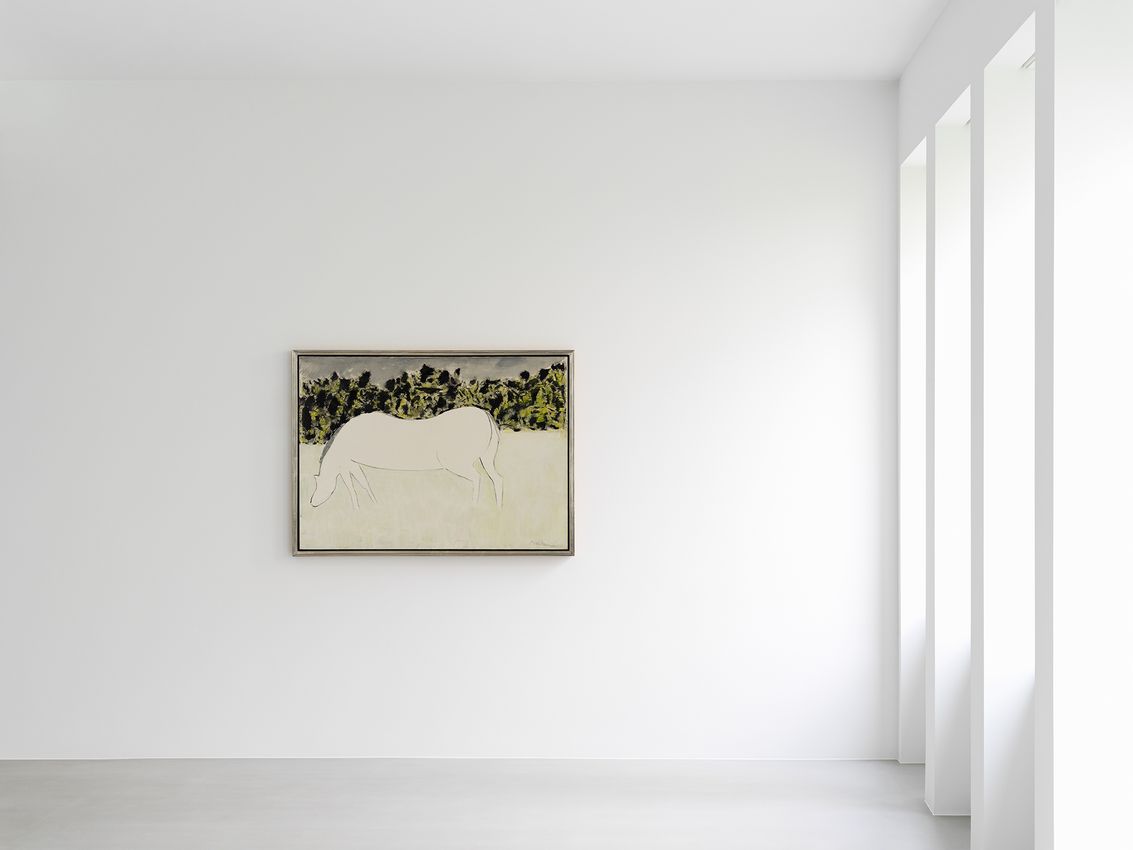
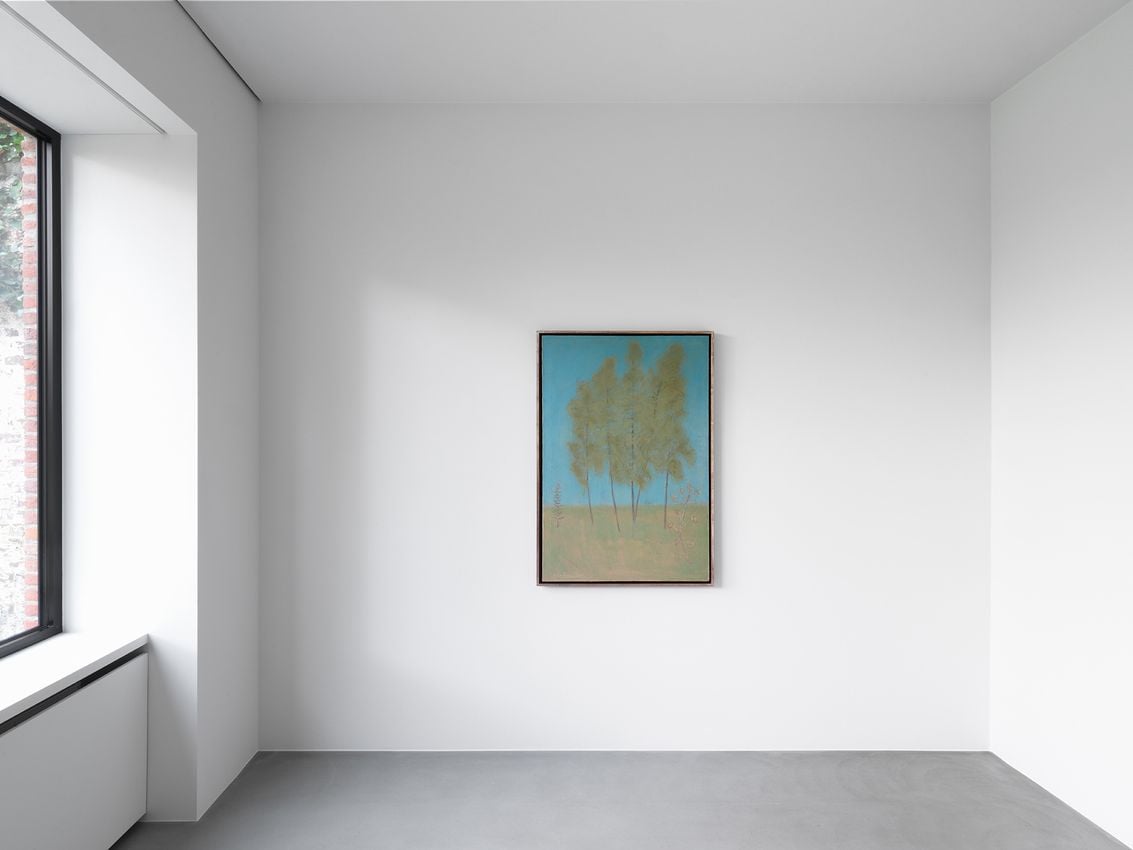
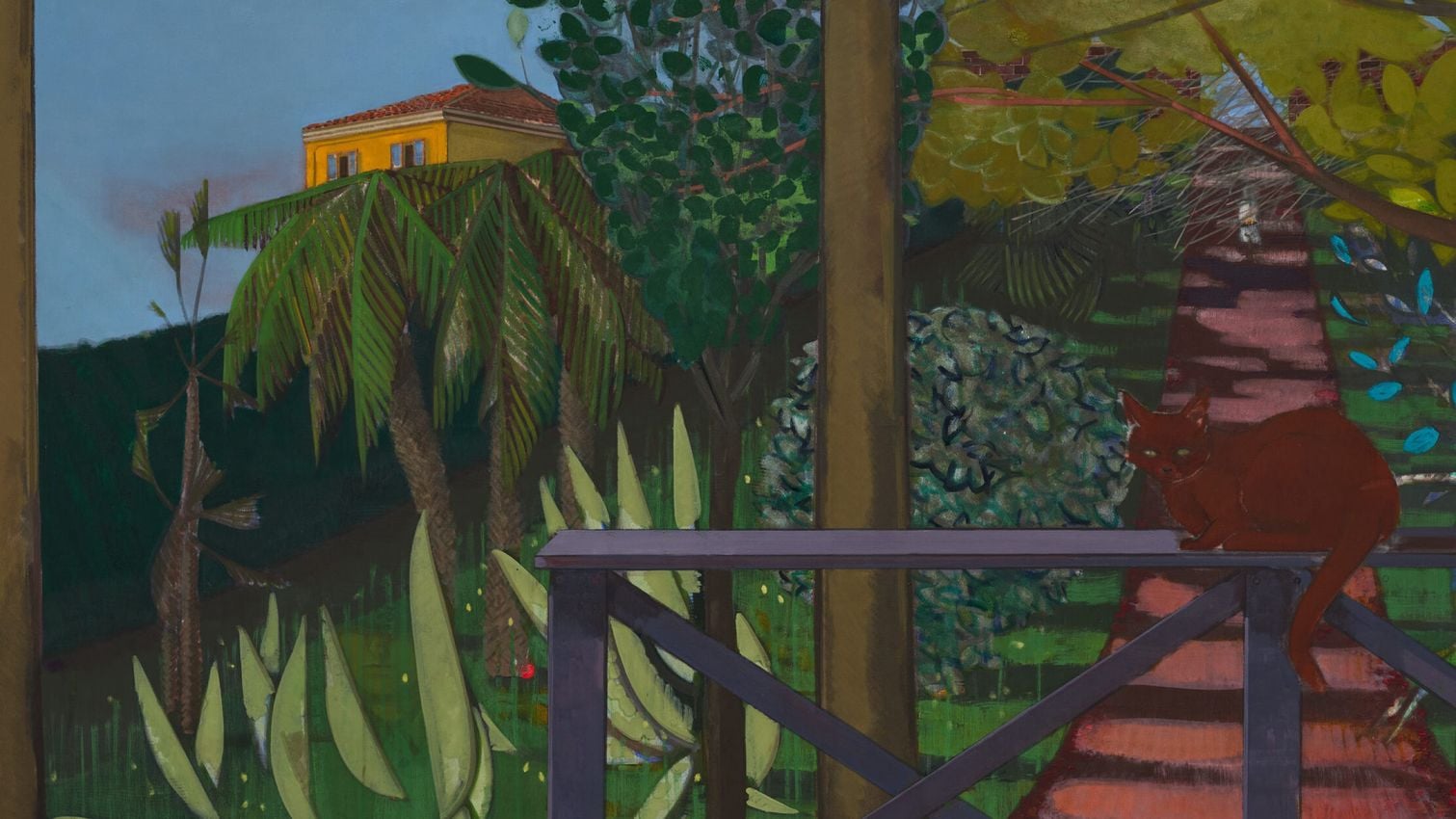
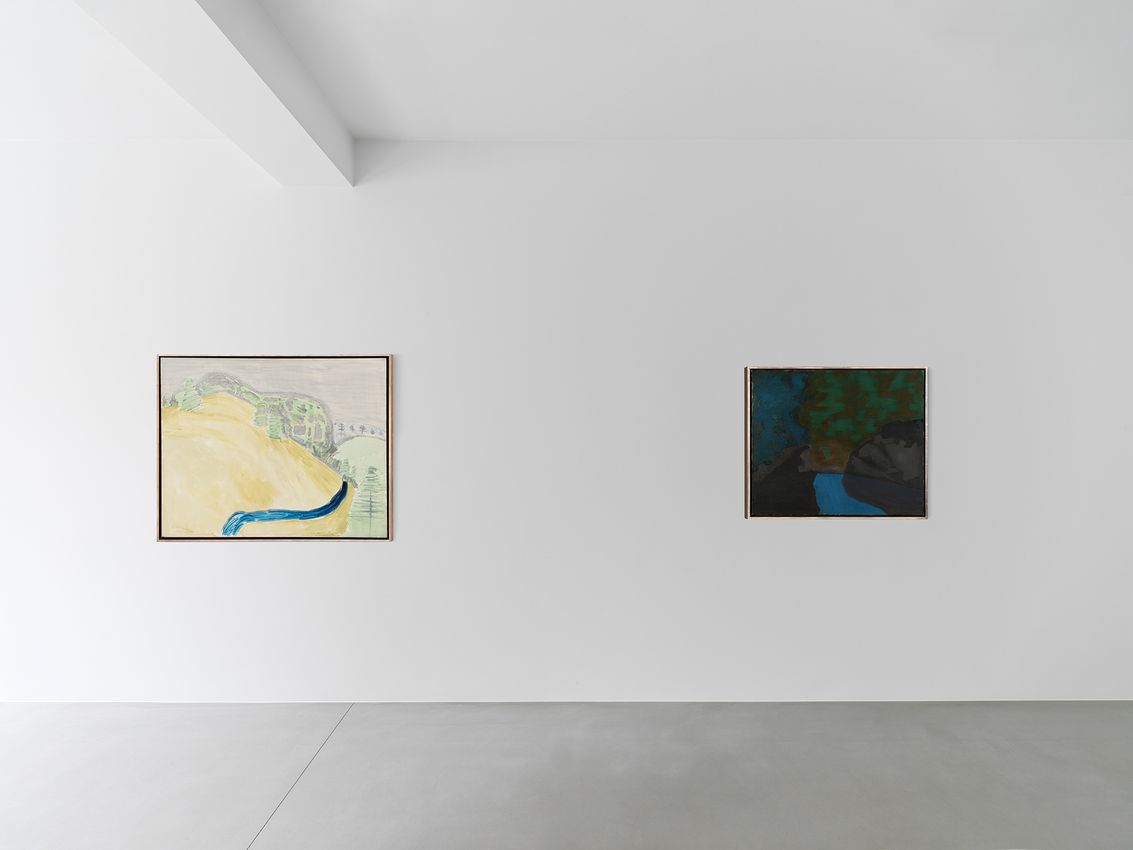
Xavier Hufkens is honoured to present Forms from Nature, the gallery’s first solo exhibition of works by the American master, Milton Avery (1885-1965). It is also the first monographic presentation of Avery’s work in Belgium. Focusing on his affinity with the natural world, the artist’s most enduring source of inspiration, this exhibition charts the development of Avery’s practice over a span of three decades—from the 1930s to the 1960s. These selected works—oils, watercolours, and line drawings—highlight the artist’s distinctive approach to colour, light, and composition.

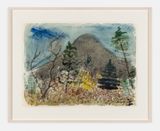
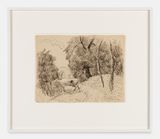
Milton Avery was born in Altmar, New York, in 1885 and moved with his family to Hartford, Connecticut, at the age of thirteen. He left school in 1901, at the age of sixteen, to work at the Hartford Machine and Screw Company to support the family. Following the untimely death of his father in 1905, he enrolled in a lettering class at the Connecticut League of Art Students—an informal, free-of-charge night school for male pupils. His intention was to become a signwriter, a job that offered better pay and prospects, but later transferred to life drawing classes at the League. In 1924, he visited Gloucester, Massachusetts, where he met fellow artist Sally Michel (1902-2003) and followed her to New York in 1925, marrying her the following year. Thanks to the steady income she earned from various illustration jobs, he was finally able to paint full-time.While his urban surroundings in New York City for much of his life were a rich source of inspiration, he continued to return to nature. Avery made plein air watercolours and drawings directly from nature, capturing exactly what he saw without embellishment. Once back in the city, he would spend the autumn and winter transforming his observations into oil paintings, evident in works such as Study for Hint of Autumn (1953), which led to Hint of Autumn (1954) and Stony Brook (1954), which led to Rocky Stream (1955).

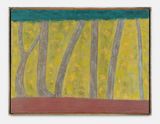
Avery was known to have said—“I like to seize the one sharp instant in nature, to imprison it by means of ordered shapes and space relationships. To this end, I eliminate and simplify, apparently leaving nothing but colour and pattern.” Over time, his works reveal a distinct evolution from the darker tones of early works, to vibrant hues in the 1940s and 1950s when Abstract Expressionism was in the ascendency. Avery pushed his style and palette even further in the 1960s, often coming to the edge of abstraction, with luminous, layered works like Winding Stream (1962).

Avery’s emphasis on simplified forms and colour as a primary vehicle of expression won him the admiration of numerous younger artists starting in the 1930s, such as Mark Rothko, Adolph Gottlieb, and Barnett Newman, all of whom became lifelong friends. Rothko, in particular, was a huge admirer of his work. At Avery’s memorial in 1965, Rothko gave the eulogy—“Averyis first a great poet... He always had that naturalness, that exactness, and that inevitable completeness which can be achieved only by those gifted with magical means, by those born to sing.”

This exhibition comes on the heels of a major travelling retrospective on the artist, organized by the Royal Academy in London and featured at the Modern Art Museum of Fort Worth in Texas and the Wadsworth Atheneum Museum of Art in Hartford, Connecticut.

Milton Avery’s work can be found in major museums throughout the world, including the Albright-Knox Art Gallery; Art Institute of Chicago; Hirshhorn Museum and Sculpture Garden; Los Angeles County Museum of Art; Metropolitan Museum of Art, NY; Museum of Fine Arts, Boston, MA; Museum of Modern Art, NY; National Gallery of Art, Washington, D.C.; National Gallery of Australia, Canberra; The Phillips Collection, Washington, DC; San Francisco Museum of Modern Art, CA; Smithsonian American Art Museum, Washington, DC; Tate, London; Thyssen-Bornemisza Museum of Art, Madrid, Spain; Walker Art Center, Minneapolis, MN; Whitney Museum of American Art, NY; Yale University Art Gallery, New Haven, CT.

Read More

Installation Views

About the Artist

American painter Milton Avery (1885–1965) is known for his evocative compositions of landscapes, domestic scenes and still lifes. Celebrated for his distillation of form and harmonious use of colour, Avery’s singular oeuvre straddles the major art movements of his age – American Impressionism, American Modernism and Abstract Expressionism – yet conforms to none. The artist always blazed his own trail, describing his process as one of distillation and refinement: ‘I like to seize one sharp instant in nature, imprison it by means of ordered shapes and space relationship. To this end, I eliminate and simplify, leaving apparently nothing but colour and pattern. I am not seeking pure abstraction; rather the purity and essence of the idea—expressed in its simplest form’.

View Artist Profile

Also Exhibiting at Xavier Hufkens

About the Gallery
Xavier Hufkens is one of Europe’s leading galleries for contemporary art. Located in Brussels, the gallery maintains a diverse exhibition programme with solo exhibitions of the gallery artists as well as group exhibitions and special projects. The gallery deals in a distinctive combination of painting, drawing, sculpture, photography, video and installation-based work.

The origins of the gallery date back to 1987, when Xavier Hufkens opened a gallery space in an un-refurbished warehouse in the neighbourhood of the South Station (Midi) in Brussels. During the early years, the focus of the gallery was upon mid-career and emerging artists and the gallery is known for having introduced some of the most influential contemporary artists to Brussels at a time when they were still relatively unknown. British sculptor Antony Gormley, who is still affiliated with the gallery, Felix Gonzalez-Torres and Rosemarie Trockel all showed in Belgium for the first time with Xavier Hufkens (Gormley in 1987; Gonzalez-Torres in 1991 and Trockel in 1993).

In 1992, the gallery moved to a 19th-century townhouse at 6 rue Saint-Georges, close to the Avenue Louise. Completely renovated by Belgian architects Paul Robbrecht, Hilde Daem and Marie-José Van Hee, the house quickly gained a reputation for being not just one of the most beautiful contemporary art spaces in the Belgian capital, but also one of the most interesting. The expanded exhibition programme coincided with the additional representation of a number of established artists from Belgium and abroad, including Richard Artschwager, Thierry De Cordier and Jan Vercruysse. In 1997, Hufkens expanded the gallery further by annexing the adjacent building and a number of new artists joined the gallery, including Louise Bourgeois, Roni Horn and Thomas Houseago.

A second space in the same street, at 107 rue Saint-Georges, opened in spring 2013. Located in the Galerie Rivoli, a mixed-use commercial development from the 1970s, the new gallery space was designed by Swiss architect Harry Gugger, who was previously in partnership with Herzog and De Meuron. Slegten & Toegemann, Brussels, managed the project.

An eclectic but very clear vision underpins all of the gallery’s activities: ‘The definition of the gallery was established from the start. The common thread, then and now, is quality over and above everything else, which I find more intellectually challenging than a forced definition. From the early days I juxtaposed established artists such as Michelangelo Pistoletto with someone like Felix Gonzalez-Torres when he was totally unknown. Today I still mix my work: I have no problem showing Malcolm Morley … alongside Robert Ryman, or Willem de Kooning.’ [Xavier Hufkens in The Art Newspaper, Issue 220, January 2011, published online: 20 January 2011]

Xavier Hufkens represents some thirty artists from different generations. He was part of the six-member selection committee for Art Basel during seven years and also participates in up to five international Arts Fairs annually. The gallery has partnerships with the estates of Louise Bourgeois, Willem de Kooning, Robert Mapplethorpe and Alice Neel.
View Gallery Profile
Address
44 rue Van Eyck
Van Eyckstraat
Brussels
Belgium
Opening Hours
Tuesday – Saturday
11am – 6pm
(1)
Brussels 44 rue Van Eyck, Van Eyckstraat
Xavier Hufkens
44 rue Van Eyck, Van Eyckstraat, Brussels, Belgium

Opening hours
Tuesday – Saturday
11am – 6pm
The art world in focus