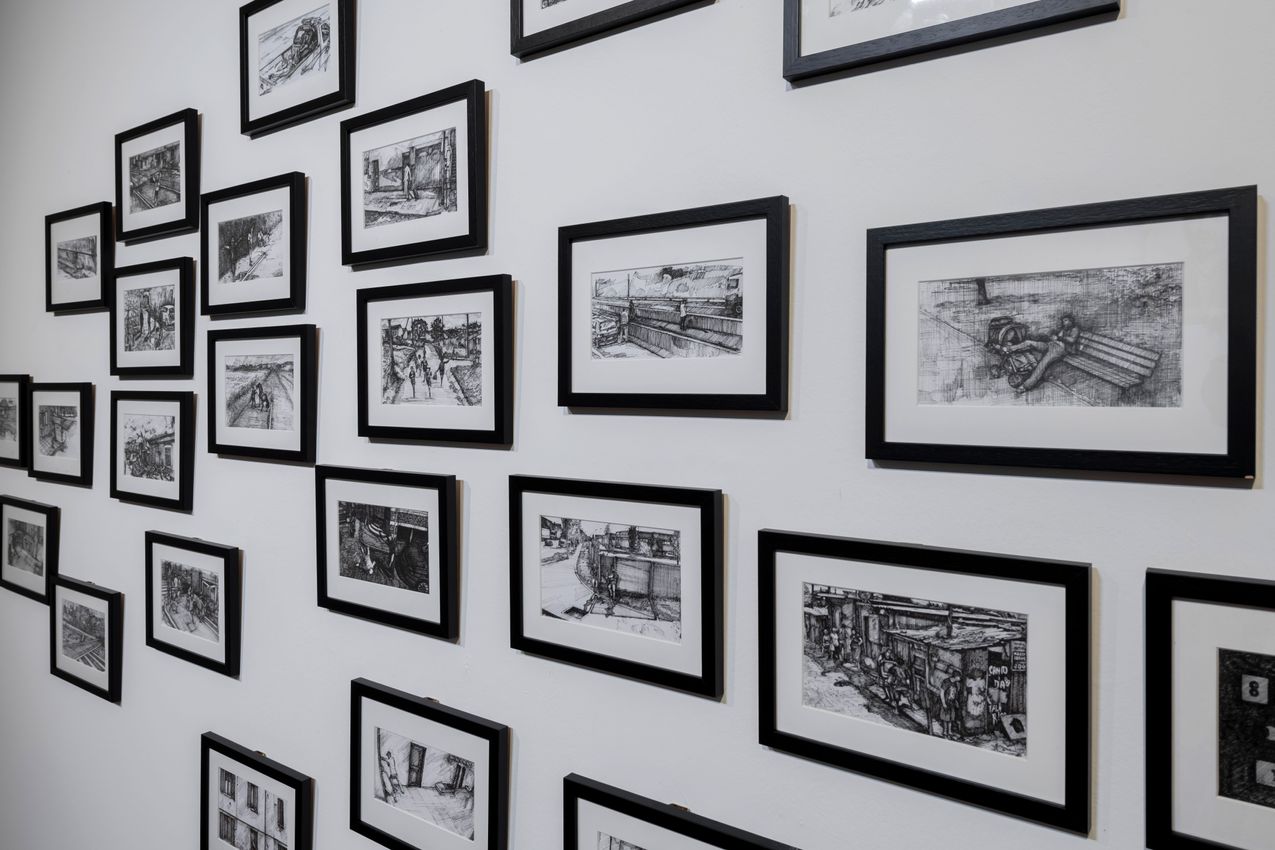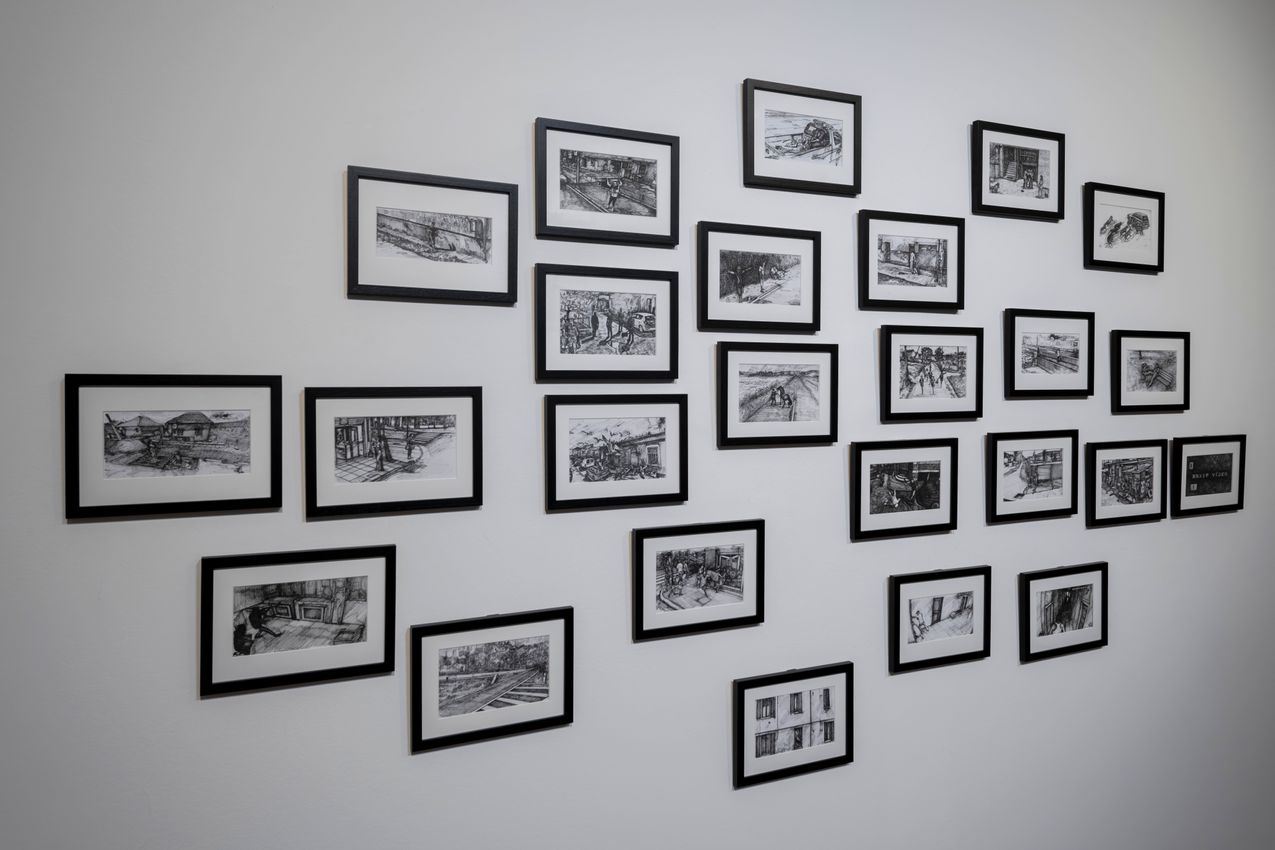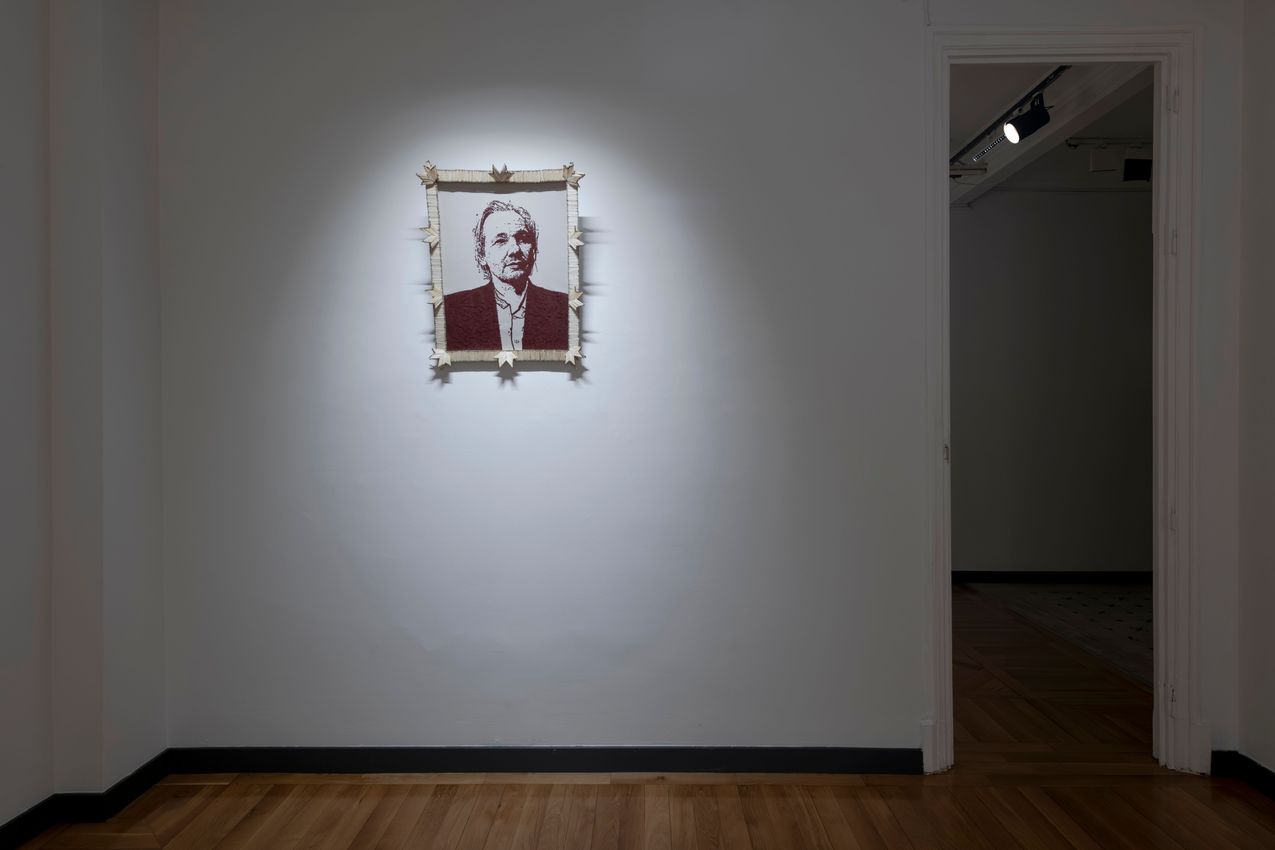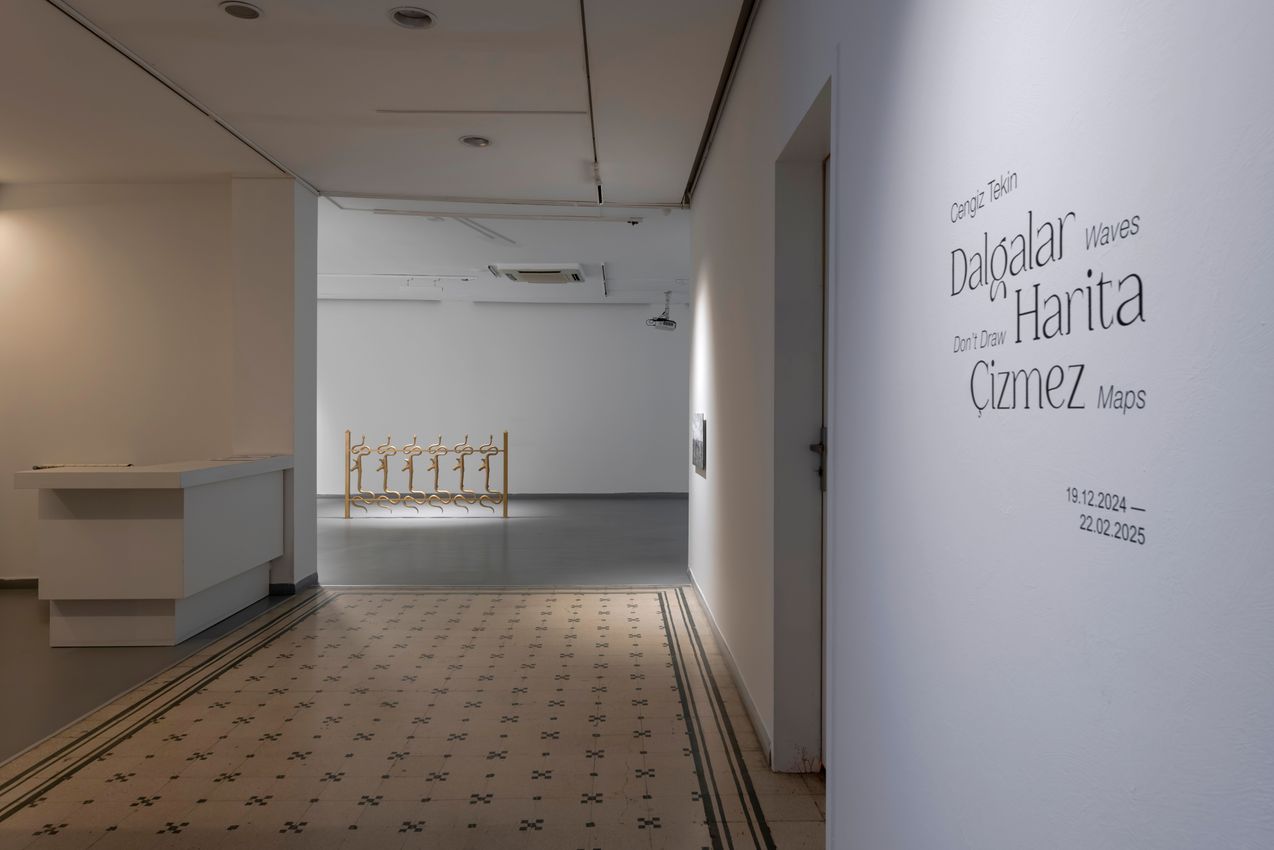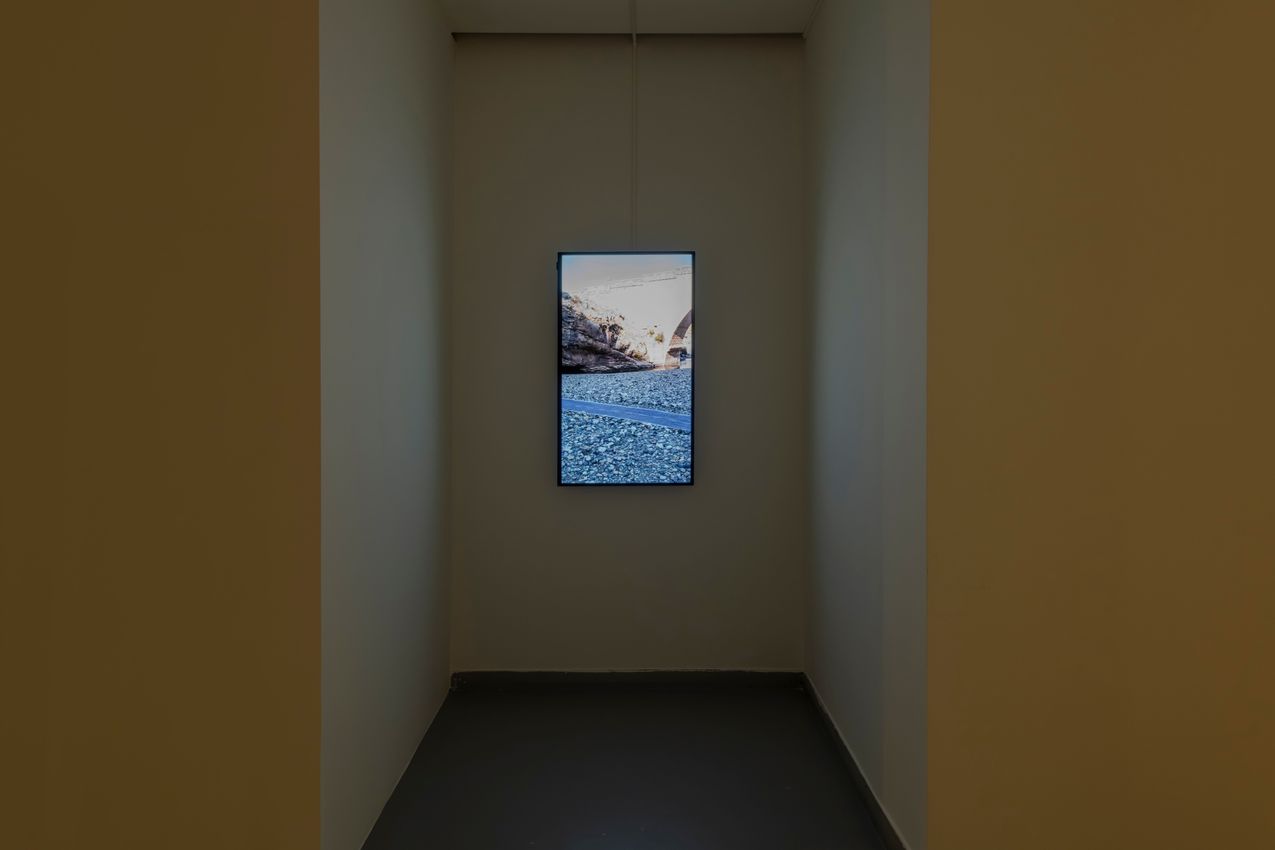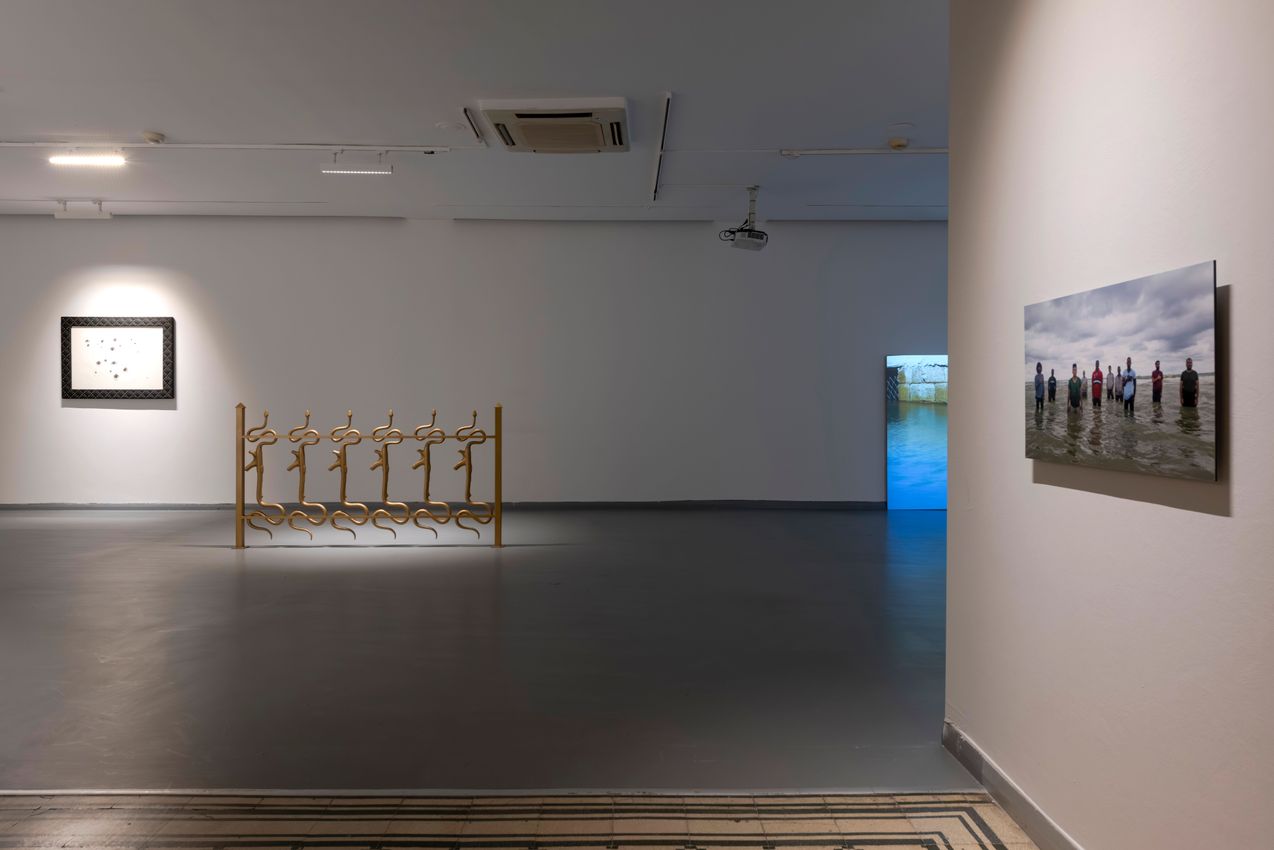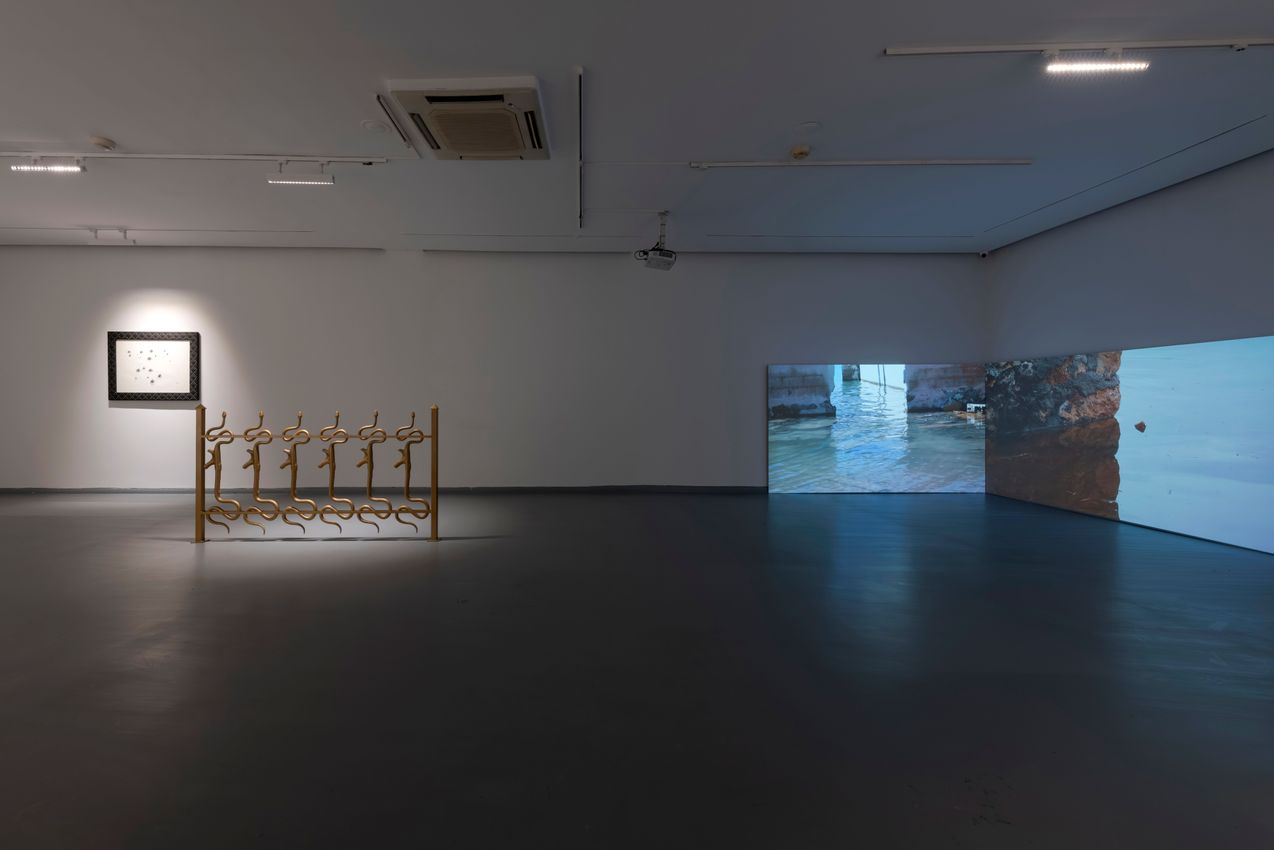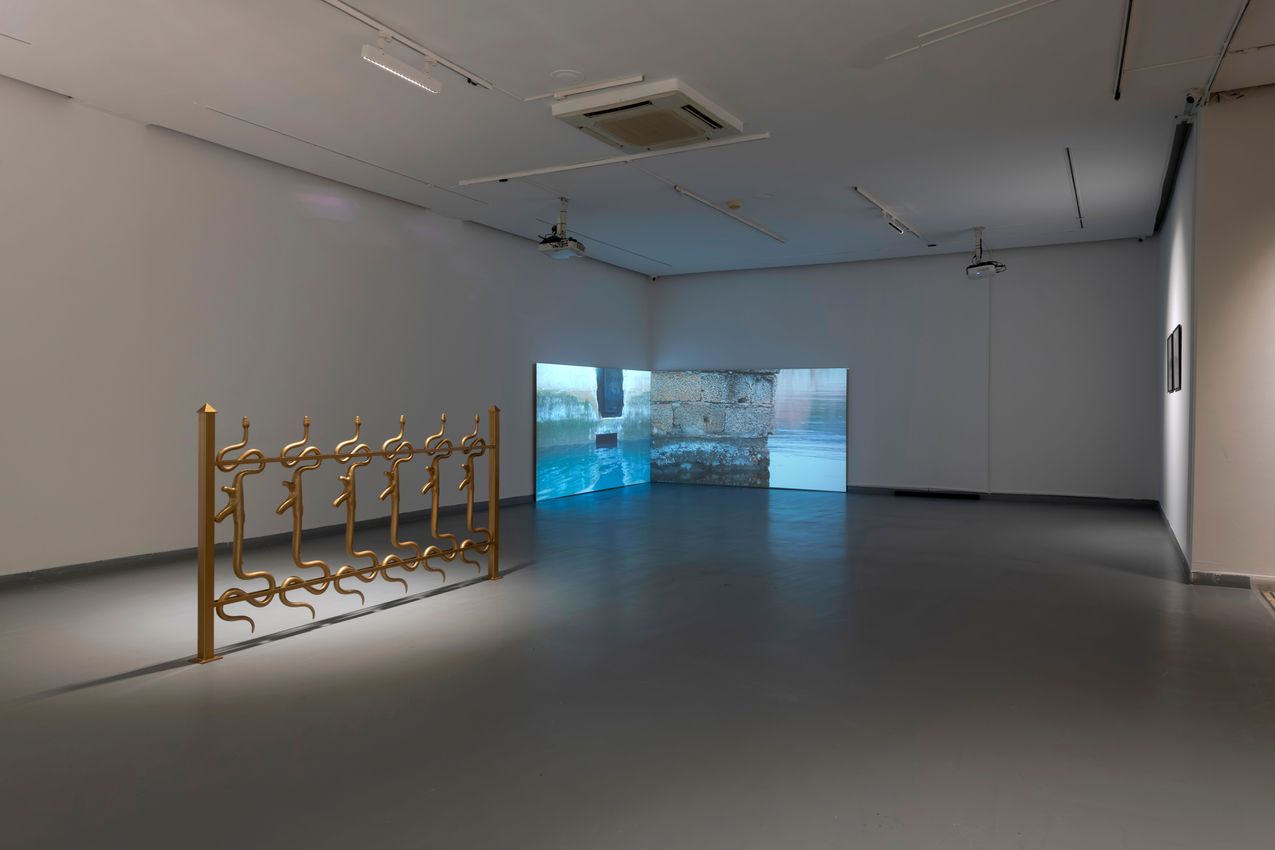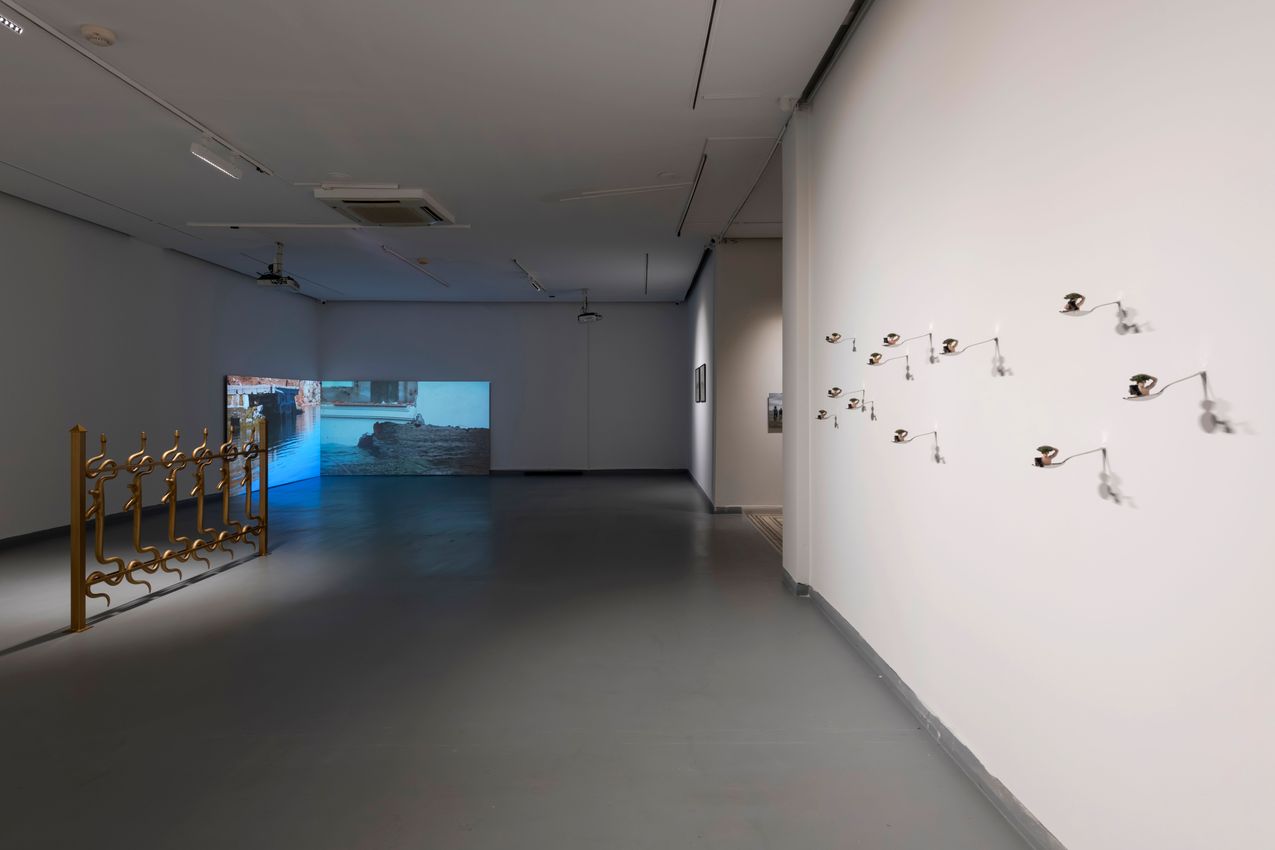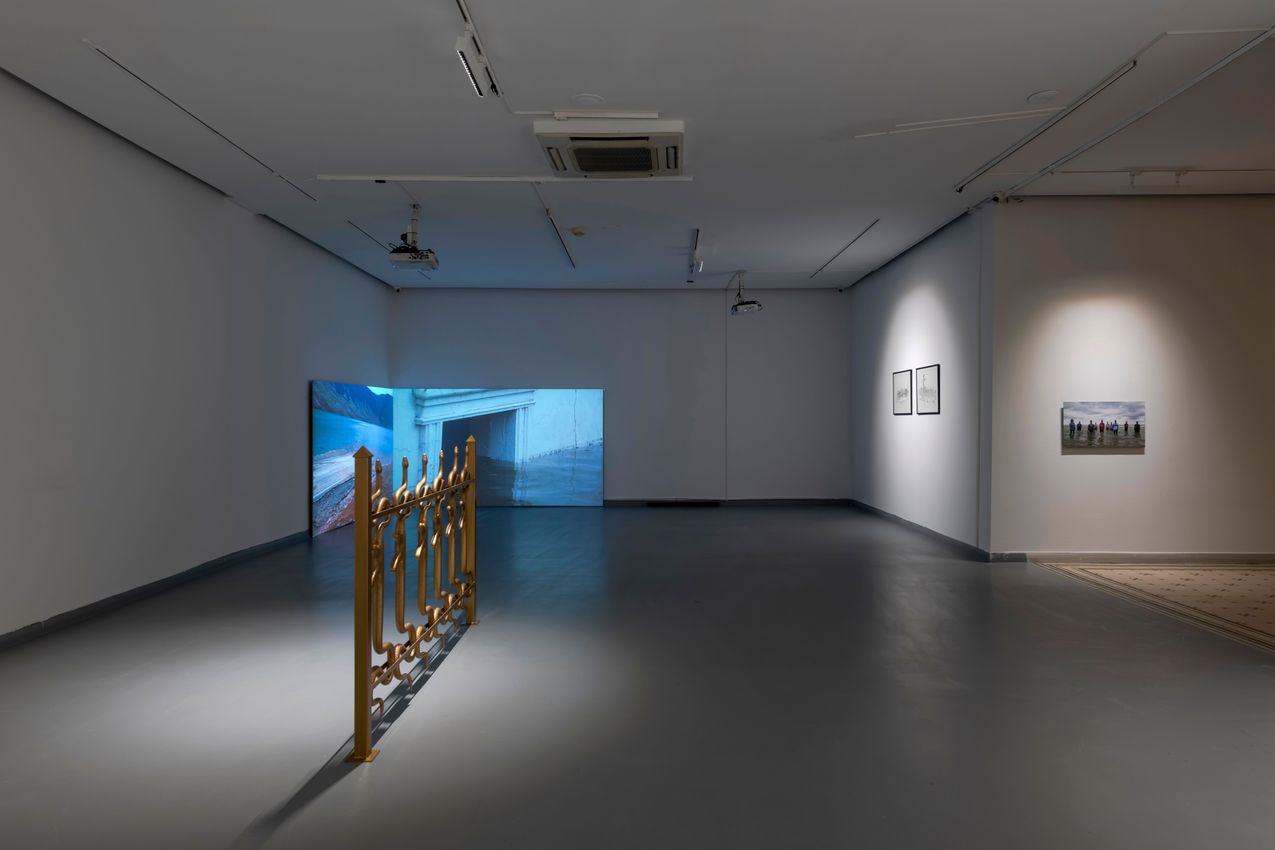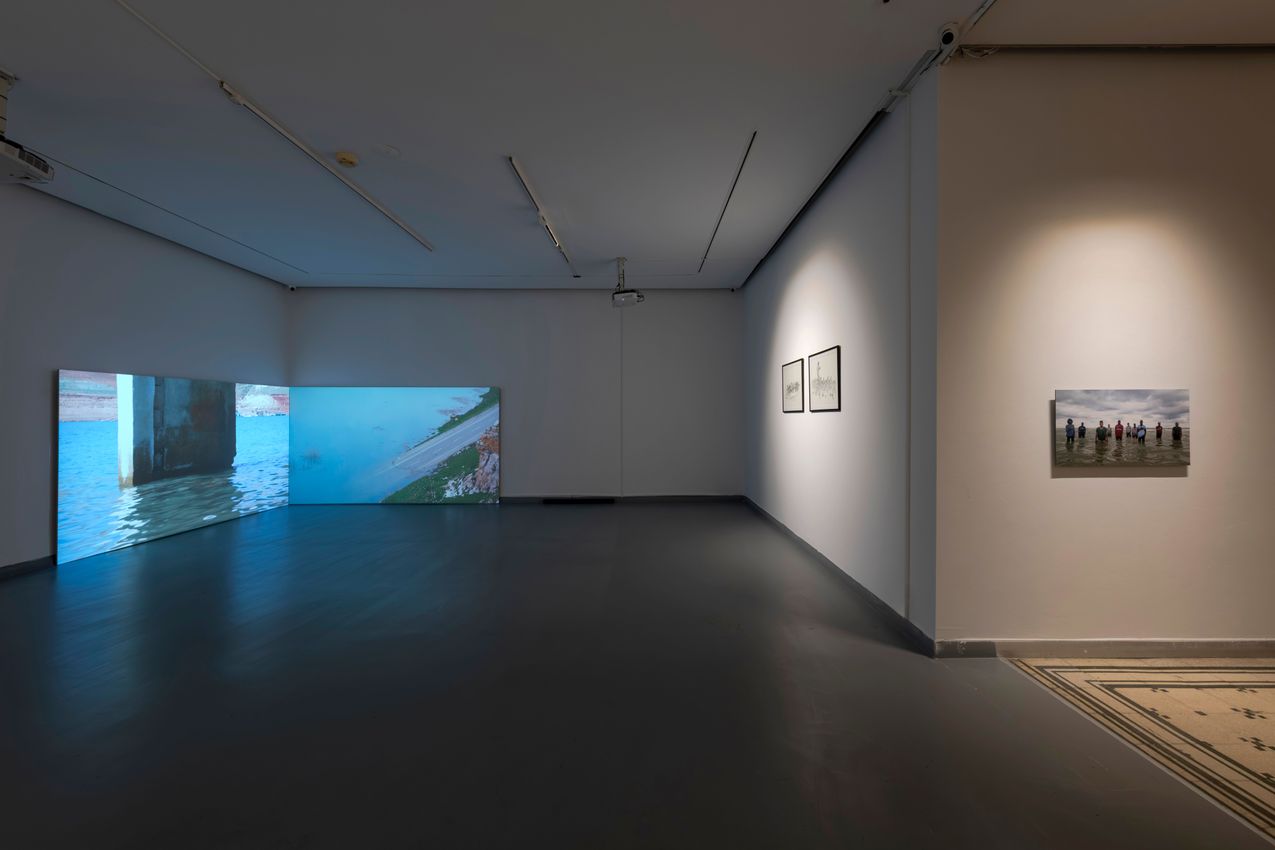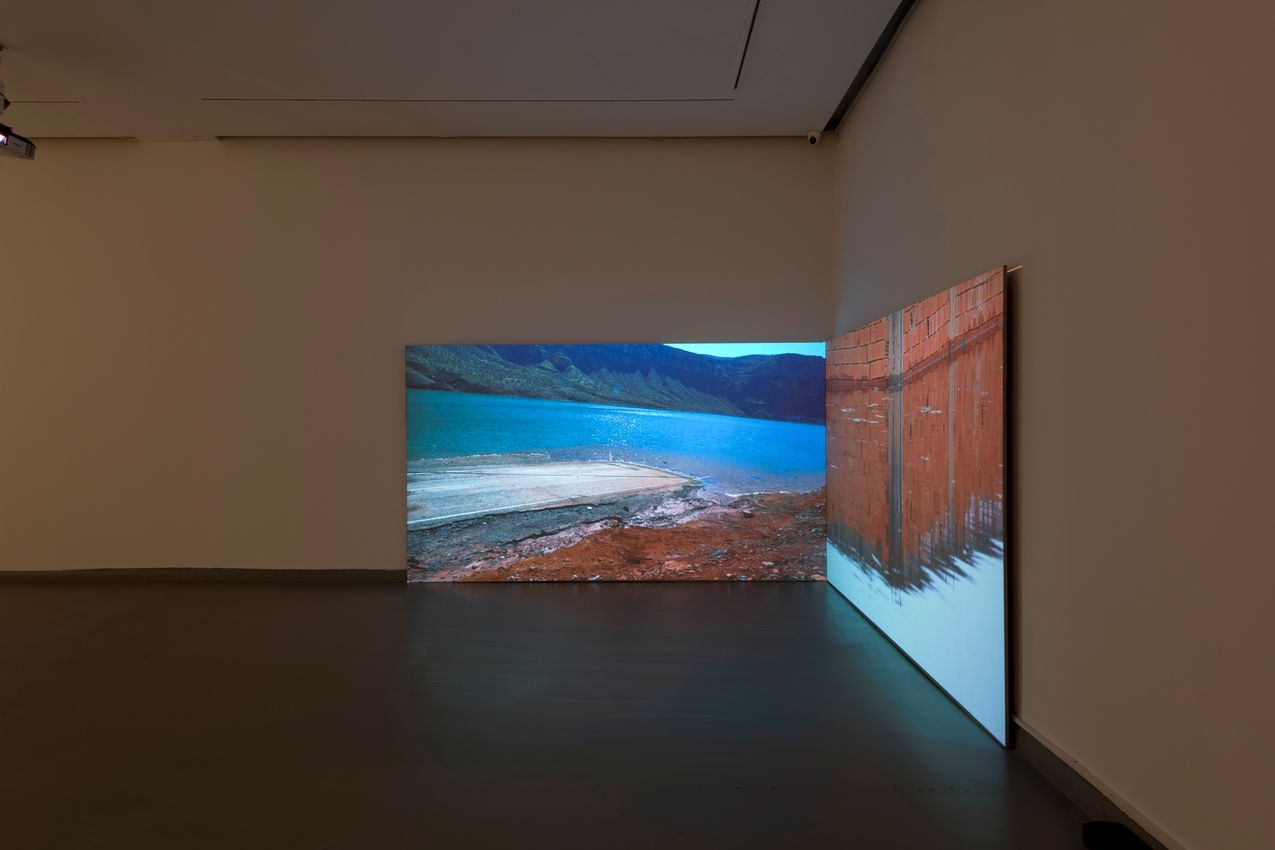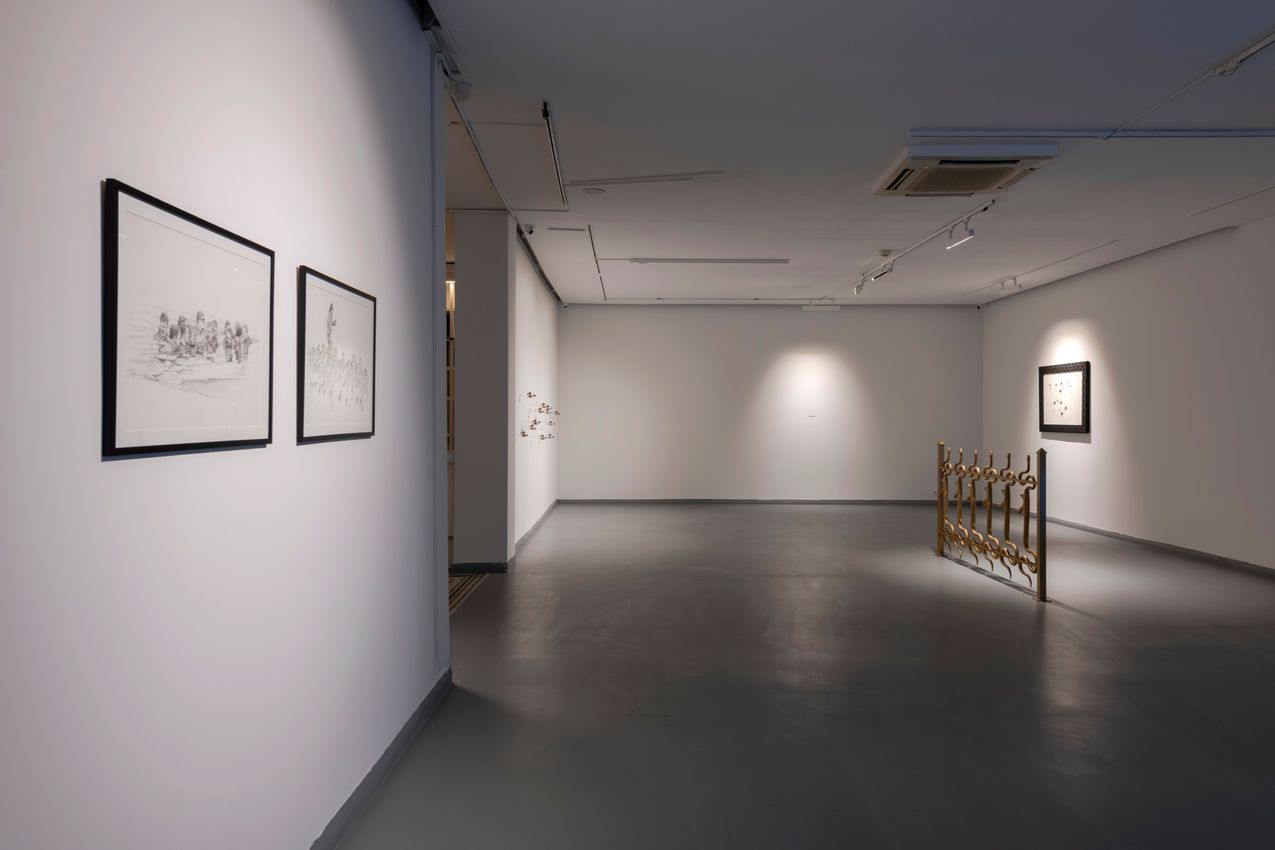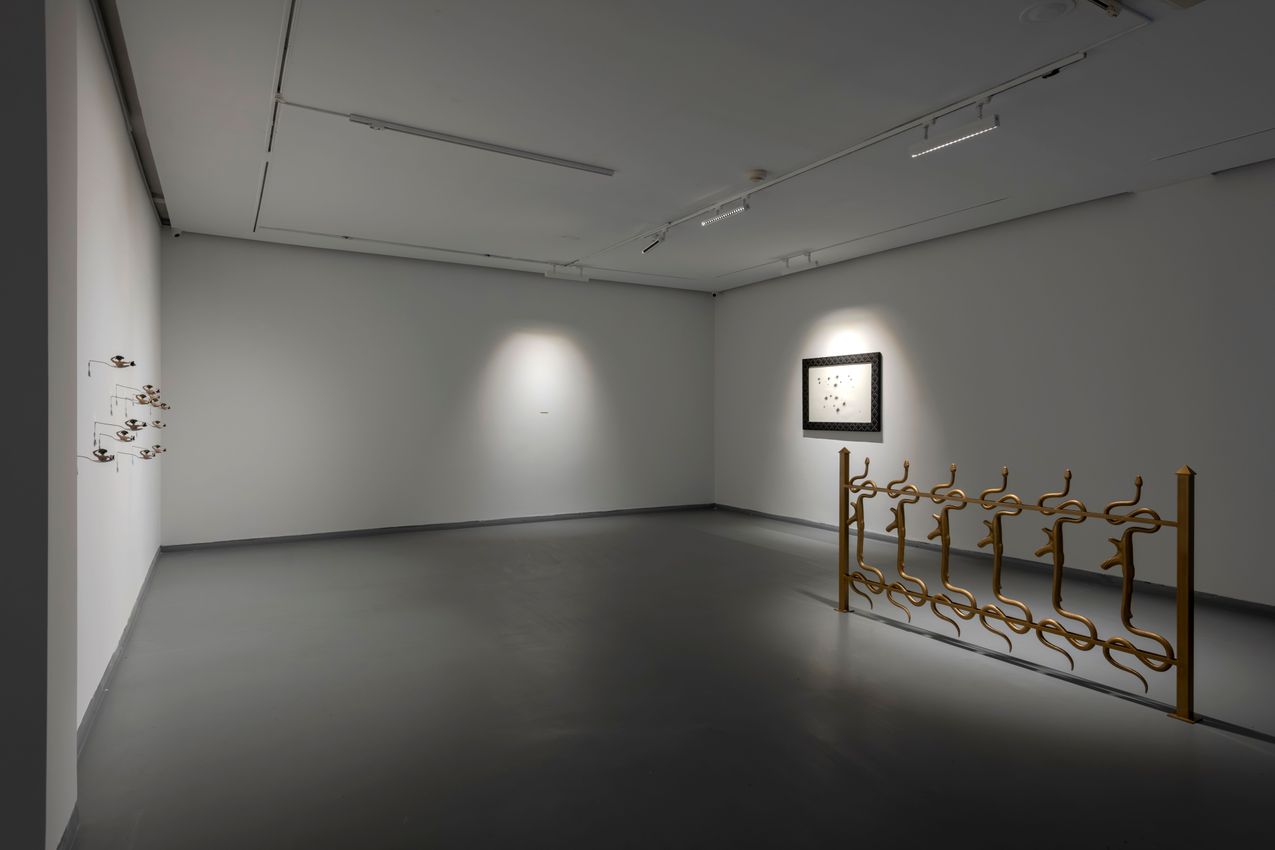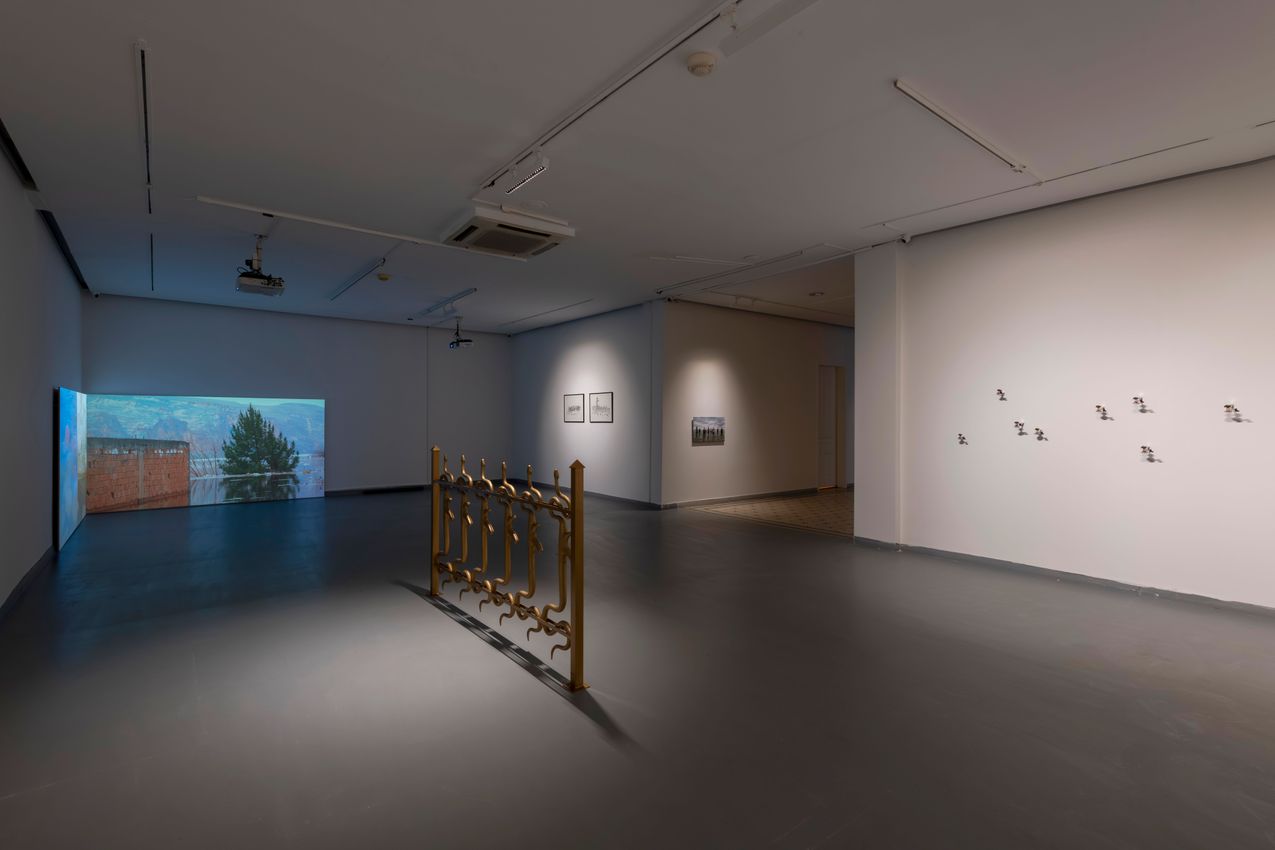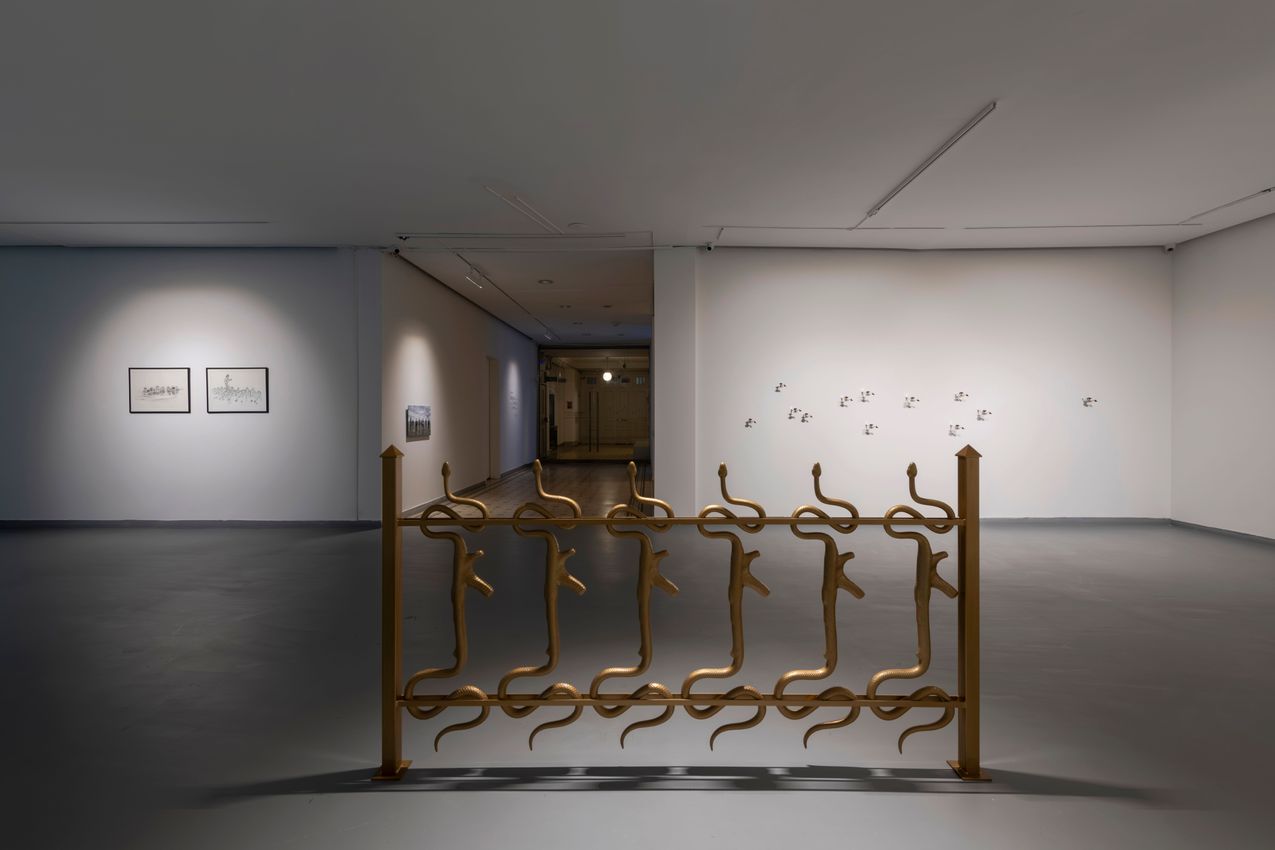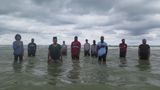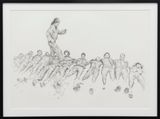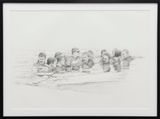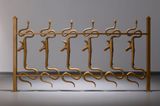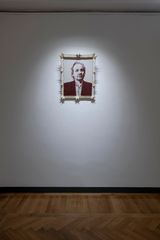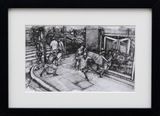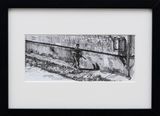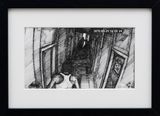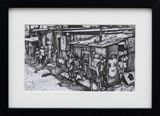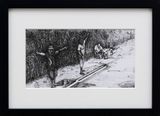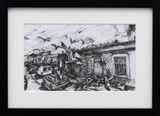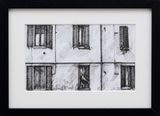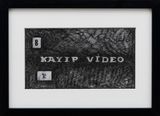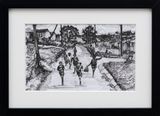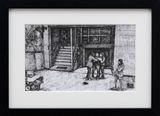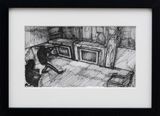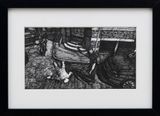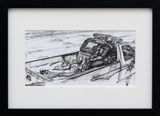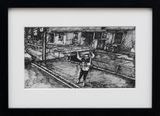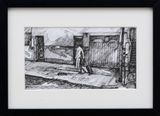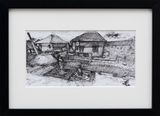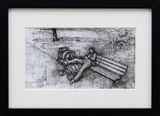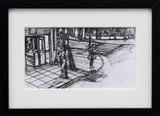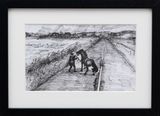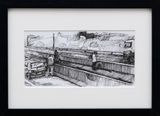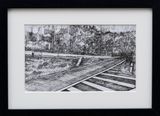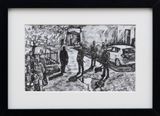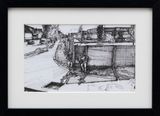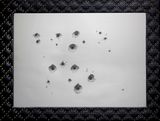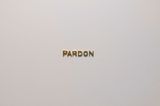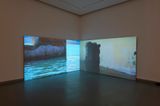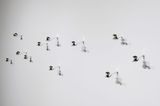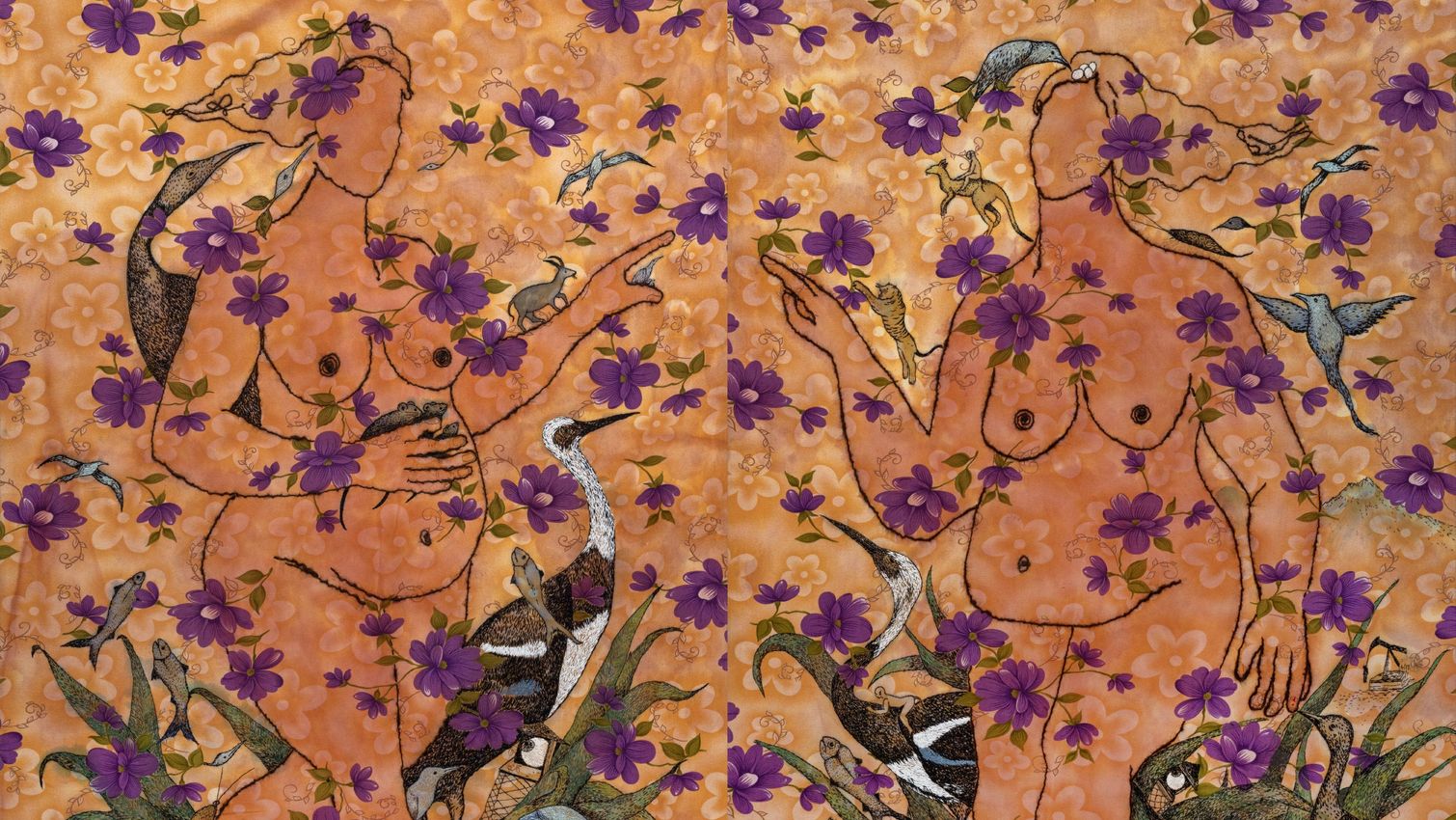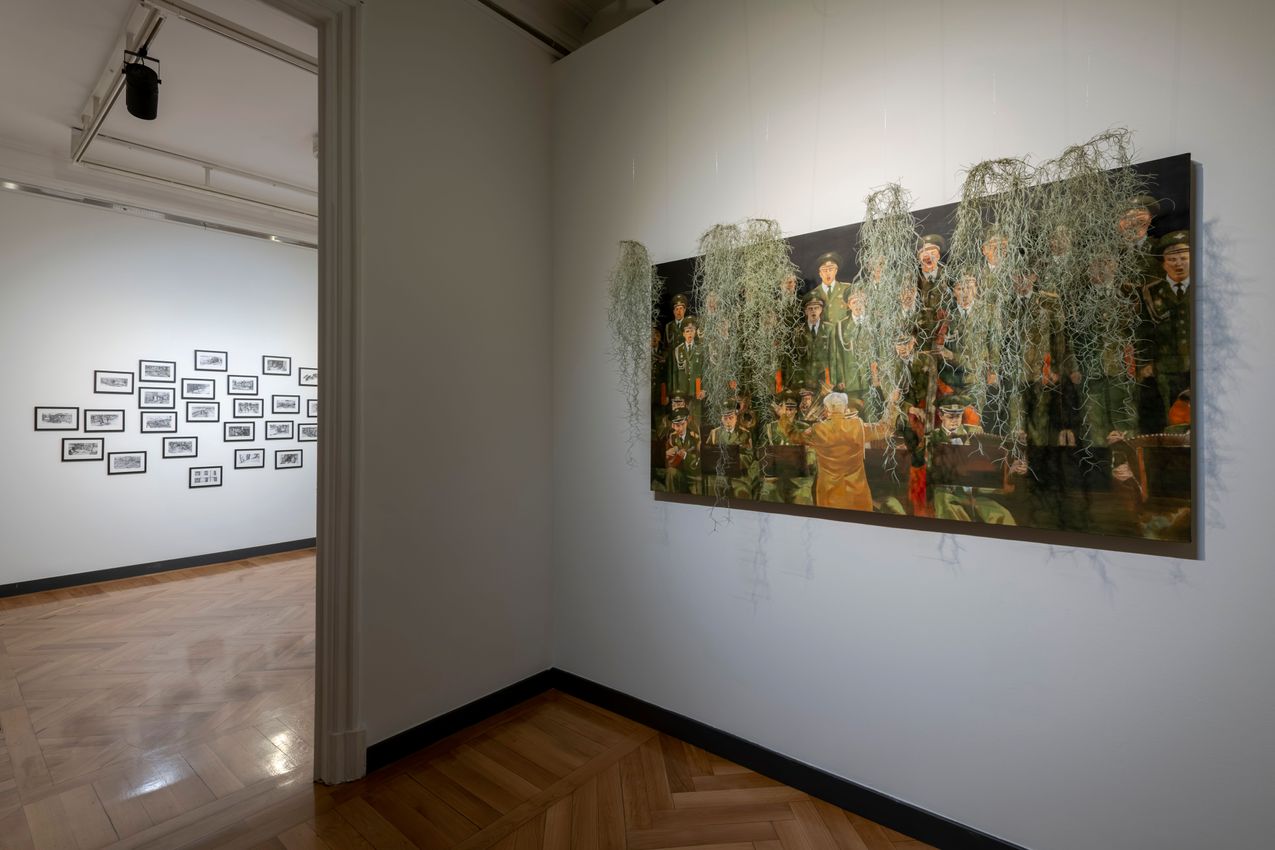
Zilberman is pleased to announce Cengiz Tekin’s solo exhibition, Waves Don’t Draw Maps. The exhibition will take place from December 19, 2024 to February 22, 2025, at Zilberman’s main space in Beyoğlu, Mısır Apartmanı. Waves Don’t Draw Maps focuses on the dual nature of water as both a destructive and creative force, exploring its role as a carrier of individual and collective memory while examining the underlying conficts and disharmonies within existing social structures.
Cengiz Tekin’s artistic practice renders visible the complexities hidden in the mundanity of daily life and brings the viewer face to face with the multi-layered nature of political and social issues. The artist conveys the tension between the survival strategies employed by individuals and authoritarian structures by embracing humour and irony as vital instruments. This tension is not only personal lived instance, but also refections of a collective memory, cultural dynamics and the social structures. Tekin’s works invite the viewer in not only for a visual experience, but also for deep contemplation. In the artist’s hands, the pattern on a rug, an apologetic expression or an object from daily life transforms into the purveyor of a deft critical stance.
Waves Don’t Draw Maps presents this complex approach, further underscoring it through the metaphor of water. Water, a remnant of the artist’s early years on the shores of the Dicle River—a signifcant place in the artist’s biography—comprises the conceptual basis of the exhibition. When in contact with the fuidity of water, this particular geography, which is so deeply informed by socio-political conficts, diferent cultural identities and historical layers allows the artist to explore such concepts as memory, identity and borders. The ever-moving, unbounded and untameable nature of water highlights the frailty of human made borders. As the title of the exhibition conveys, water is generally seen as a defning force, helping humankind to delineate maps and geographical borders. However, Tekin maintains that these borders are not natural; rather, they are fctional constructs enforced by humans. Nature, in all its perpetual and dynamic motion, provides an expansive space for freedom that surpasses borders. In this context, water emerges not only as a lens to question the relationship individuals and societies maintain with borders, but also as a vital resource showcasing the resilience of nature and the fragility of human- made structures.
The efects of climate change announce themselves loudly and clearly in Tekin’s works. The transformations that are caused by environmental changes deeply impact not only natural borders, but also political and social structures. This process prompts us to question the very definition of borders, paving the way for the transformation of national identities and state policies. In this context, water appears not only as a metaphor, but also a vehicle to criticise the new power balances created by the climate crisis. Tekin treats the transformational and uprooting powers of water as a key reminder of nature, which has been so violently damaged by humans. This critical approach examines how power dynamics
are reshaped through the commercialisation of water resources, water scarcity, and the economic-political relations that perpetuate this scarcity. By highlighting both the resilience of nature and the fragility of human-made borders, water poses brand new questions about the existing order.
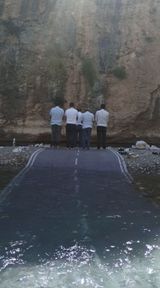
The vast array of elements employed by the artist in his works span traditional imagery to bureaucratic motifs and patterns, from manmade objects to natural elements. These elements form bridges between the past and present day, all the while revealing the rich dynamics between individual memory and collective narratives. For instance, we generally perceive asphalt roads as a defnitive symbol of modernist advancement. However, in Tekin’s work, the stark contradiction of these roads with nature itself are interpreted through a carpet featuring bureaucratic patterns. In this way, Tekin’s works create neural pathways among visual experiences, connecting the political layers of the past with the present.
The exhibition Waves Don’t Draw Maps not only creates a space where crises are identifed, but also allows for the discovery of new forms of resistance and alternative imagined scenarios within said crises. As a carrier of individual and collective memory, the destructive and generative powers of water present the viewer with an opportunity to reevaluate the conficts and discordances bubbling right underneath the surface of already existing social structures. By rendering these conficts visible, Tekin invites the viewer to question their own personal borders, memories, and the relationship they maintain with these borders.
Having received his bachelor’s degree in Fine Arts Education Painting Department in Çukurova University (1999, Adana), Cengiz Tekin (b. 1977, Diyarbakır) uses photography and video in his artistic practice. Discussing the rooted social matters such as tradition and family, the artist specifically focuses on both the local and the global political agenda. Through documentation, Tekin unveils the irony behind the trusted routine and presents the uncanny forms that cause interruption. Generally departing from his own experiences, the artist draws attention to the issues of taking shelter and seeking refuge, which he approaches as a global urgency.
Zilberman, founded in Istanbul in 2008, stages 10–12 exhibitions every year in its gallery spaces in Istanbul and Berlin. The gallery occupies two separate floors of Mısır Apartment, one of the most famous examples of art nouveau architecture in Istanbul.
A respected voice in contemporary art discourse.
Focusing on ambitious storytelling and insightful art-world commentary. Ocula Magazine publishes in-depth interviews, critical essays and timely analysis on the artists, exhibitions and ideas driving the global art world.
Learn more about Ocula Magazine
Showcasing the best of the art world.
Ocula partners with galleries from around the world to highlight their artists, artworks and exhibitions. Gallery membership is by application and invitation, with each member vetted by an independent panel.
Learn more about Ocula Membership

Specialises in the sale of major artworks.
Led by a team with deep ties to the world’s leading auction houses, galleries and collectors. Ocula’s advisory team offers bespoke services to high-net-worth clients from around the world who are looking to acquire the best of contemporary and modern art.
Learn more about our team and services