Since 2010, Zilberman has focused attention on emerging artistic practices through an annual open call, culminating this year in Zilberman Unfold. For the first time, the edition unfolds in Berlin and Istanbul under a shared theme, selected by a single international jury. Its members, bringing together curatorial, artistic, institutional, and collectors’ perspectives from Berlin, Frankfurt am Main, Istanbul, and New York, were Ceren Erdem, Britta Färber, Anna-Catharina Gebbers, Enis Karavil, İz Öztat, and Aybüke Sanuç.
Sites of Relation starts from the premise that every artistic practice is situated: in a place, a history, and a web of dependencies. It takes shape through the spaces one works in, the economies one navigates, the political realities one responds to, and the past one inherits, remembers, or contests. These relations do not remain external to a work; they enter into its material, form, and meaning. Artistic practice can make social conditions legible, intervene in them, or forge new connections between aesthetic form and the questions a society confronts.
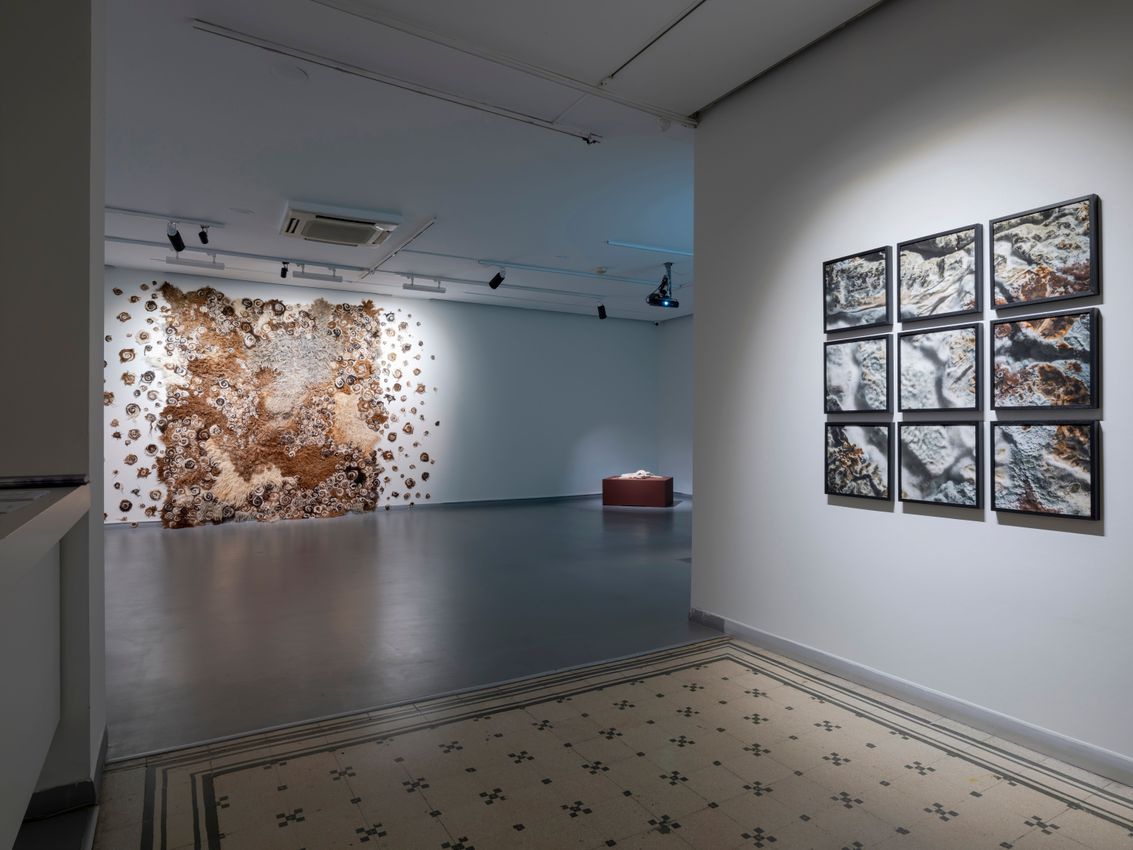
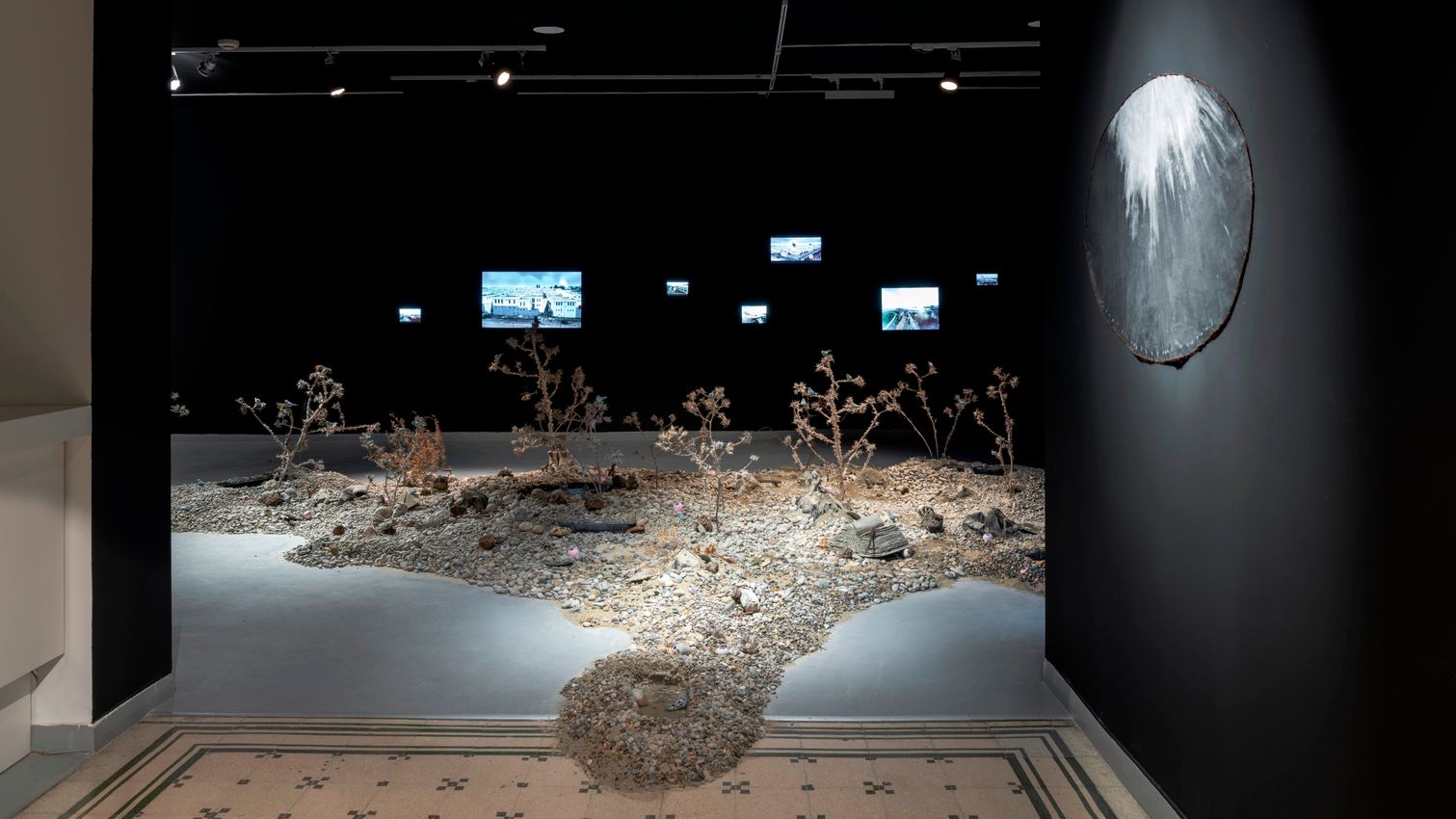
The works being shown in Istanbul often turn their attention to places, and ask how they are used as living spaces, how they get lost, and how history lives on in them. A machine presents the bureaucracy of urban development as a process that impacts bodies. Another asks about language, wind, and belonging. An encounter in the artist’s own village shows how relationships to a place live on, even when the buildings in them disappear. History here appears as something open, continuously shifting through materials, images, and spaces.
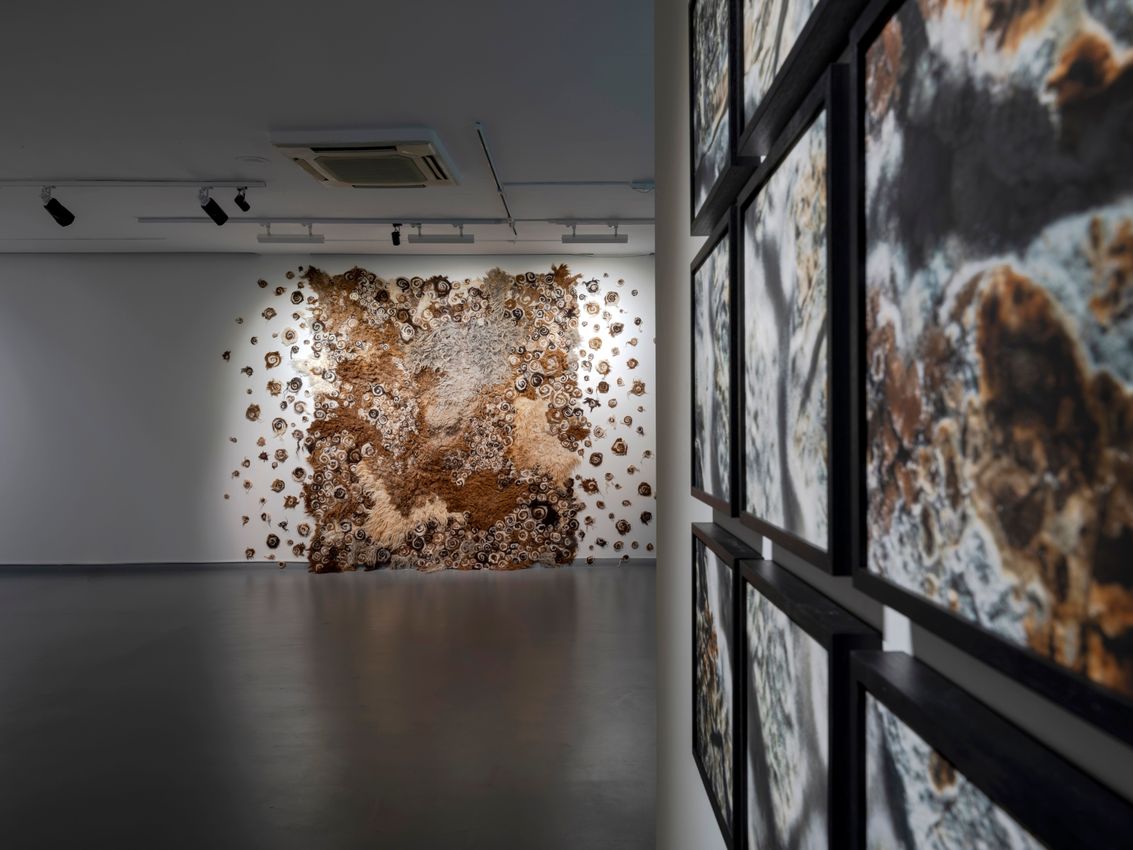
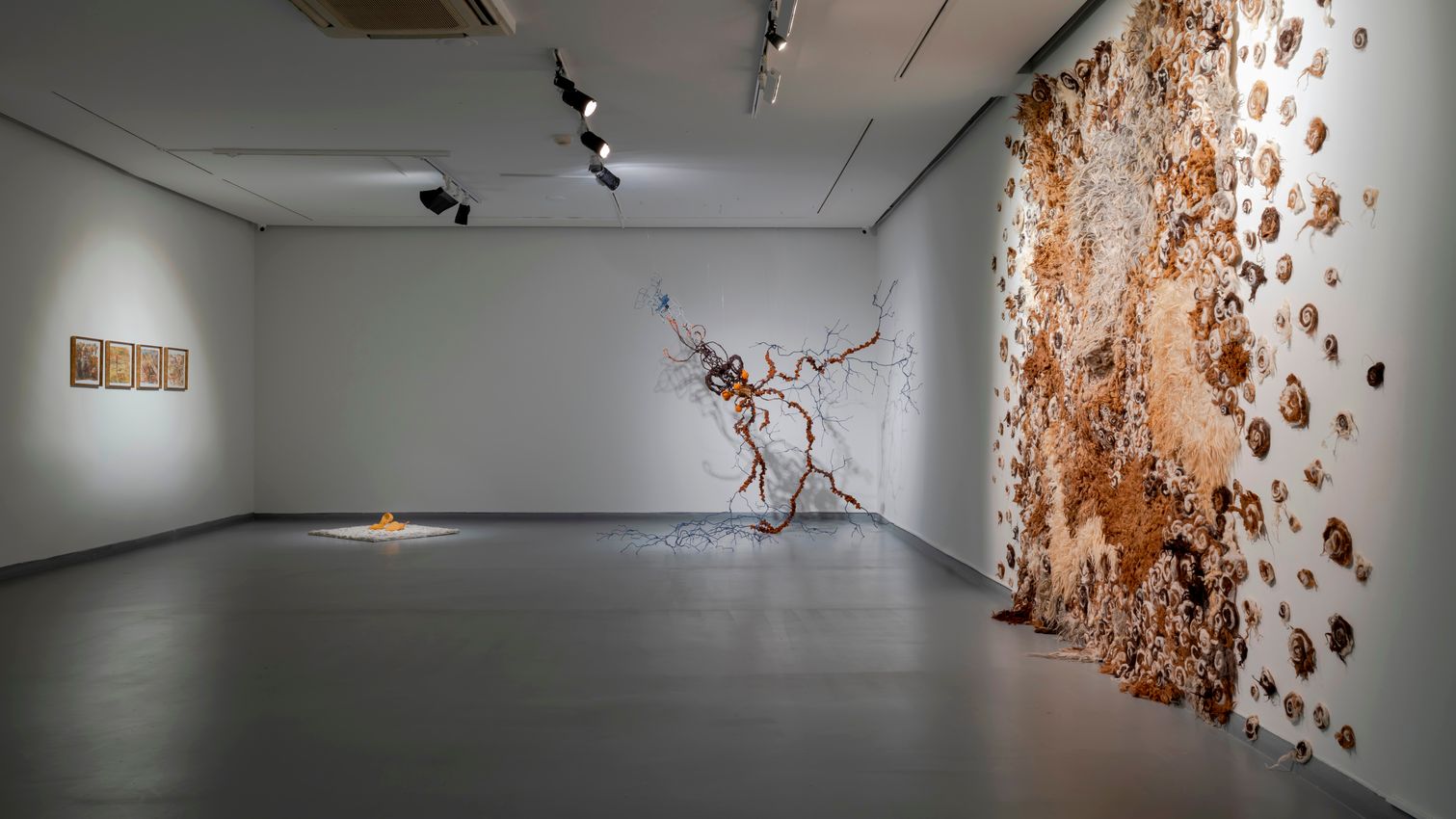
Other works approach interrelationship through touch and impression. Wool, clay, paper, and organic processes absorb history, bodies, and landscapes. A hand-made book of frottages preserves the traces of a palace ruined and rebuilt many times, a site where contested histories of modernization have accumulated. An embossed relief lends space to the sense of touch. Clay is bound to body, tool, and earth. In wool, childhood memories gather warmth. And a photograph of living fungus shows decomposition as a transformation. The body, too, returns, marked by societal conditions. A knitted mesh extends root-like into the space and becomes entwined with its surroundings. In these works, the past becomes tangible through touch, impression, and repetition.


Zilberman, founded in Istanbul in 2008, stages 10–12 exhibitions every year in its gallery spaces in Istanbul and Berlin. The gallery occupies two separate floors of Mısır Apartment, one of the most famous examples of art nouveau architecture in Istanbul.
A respected voice in contemporary art discourse.
Focusing on ambitious storytelling and insightful art-world commentary. Ocula Magazine publishes in-depth interviews, critical essays and timely analysis on the artists, exhibitions and ideas driving the global art world.
Learn more about Ocula Magazine
Showcasing the best of the art world.
Ocula partners with galleries from around the world to highlight their artists, artworks and exhibitions. Gallery membership is by application and invitation, with each member vetted by an independent panel.
Learn more about Ocula Membership

Specialises in the sale of major artworks.
Led by a team with deep ties to the world’s leading auction houses, galleries and collectors. Ocula’s advisory team offers bespoke services to high-net-worth clients from around the world who are looking to acquire the best of contemporary and modern art.
Learn more about our team and services