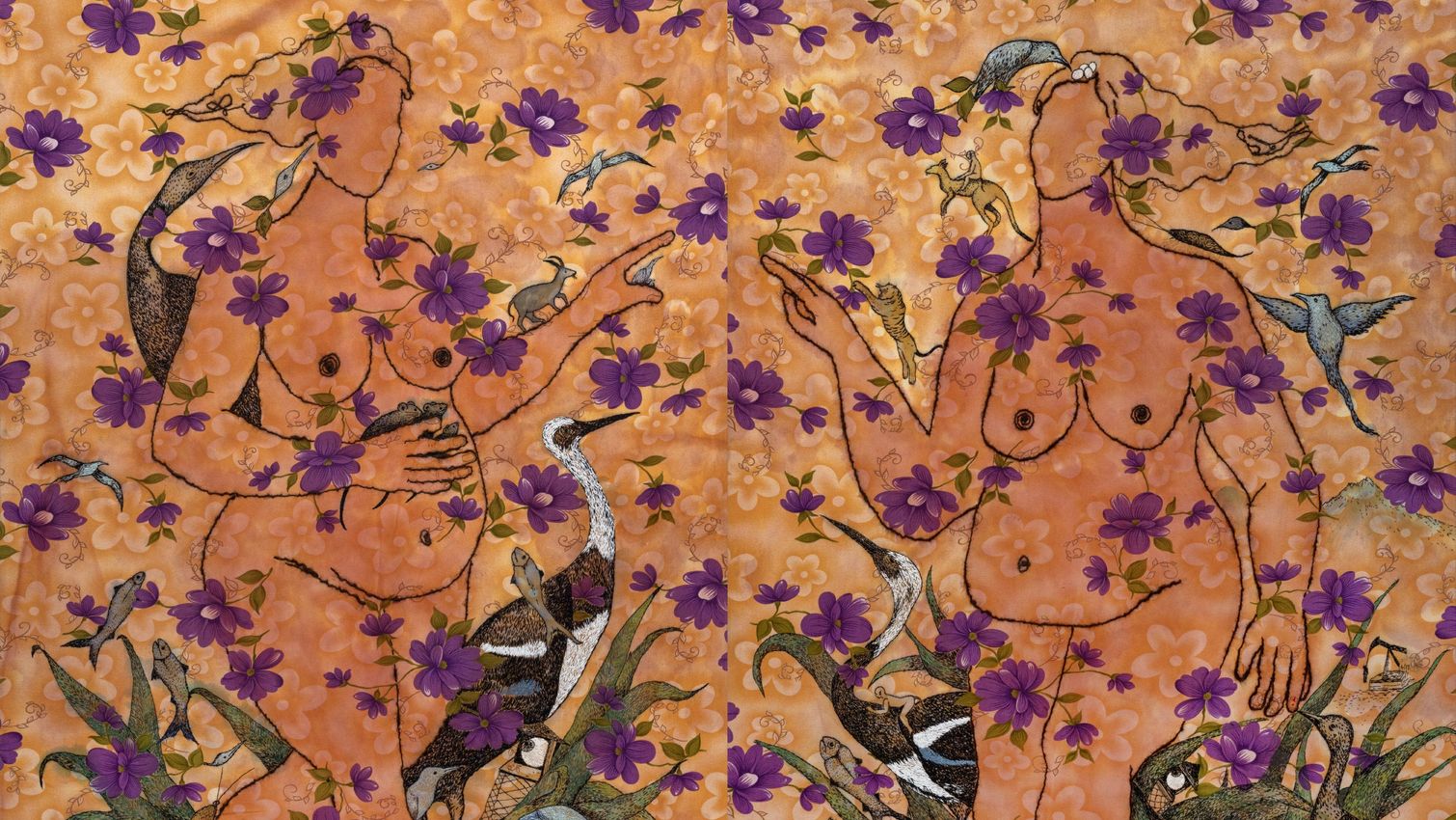
Zilberman - Istanbul is pleased to present Elmas Deniz’s first solo exhibition at the gallery Three Hues of Water on view at the main gallery space between the dates 14 December 2019—21 February 2020.
Elmas Deniz is a concept-driven artist whose works focus on the human-nature relationship, the idea of nature throughout history and ecological concerns. In her newly produced works Deniz not only critically exposes the faults of the system and its ecological problems but also points to the ways in which nature and people relate to each other. The exhibition philosophically investigates the evilness of humankind, the damage that people can cause and further points to different possibilities for a new value system. Believing that we must refocus our attention on to that which has slipped from it, she searches for a remedy for our potential extinction that will be caused by our learned defects, such as not being able to hear a seed crack or to notice the three distinct colors of a creek.
Three Hues of Water is an extension of Deniz’s works that were exhibited in the 16th Istanbul Biennial: _The Seventh Continen_t. In this new exhibition, she continues to unfold our relationship with nature; the included works focus on the invisible history of this relationship and its trajectory, create a personal, exemplary archive, grasp its place in our contemporary lives and may even shape a future for it.
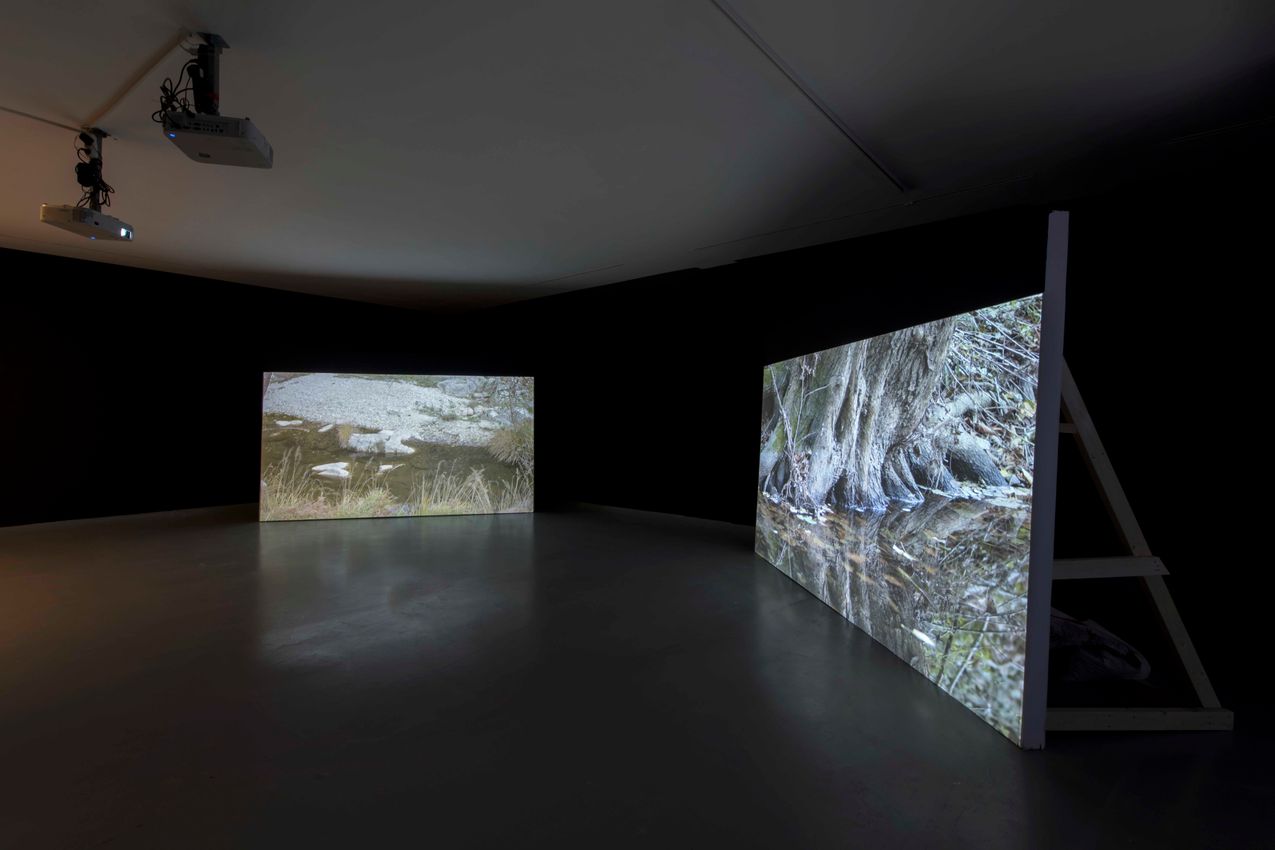
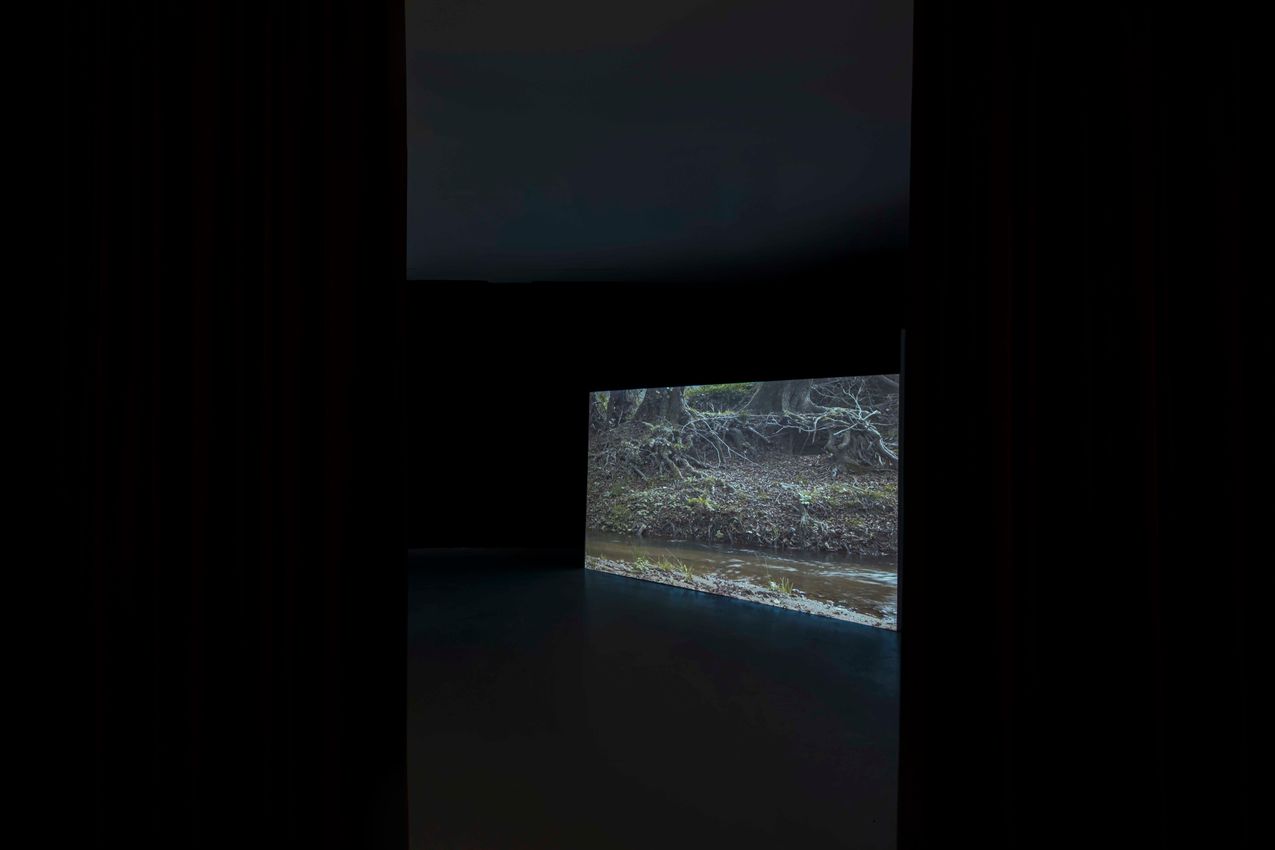
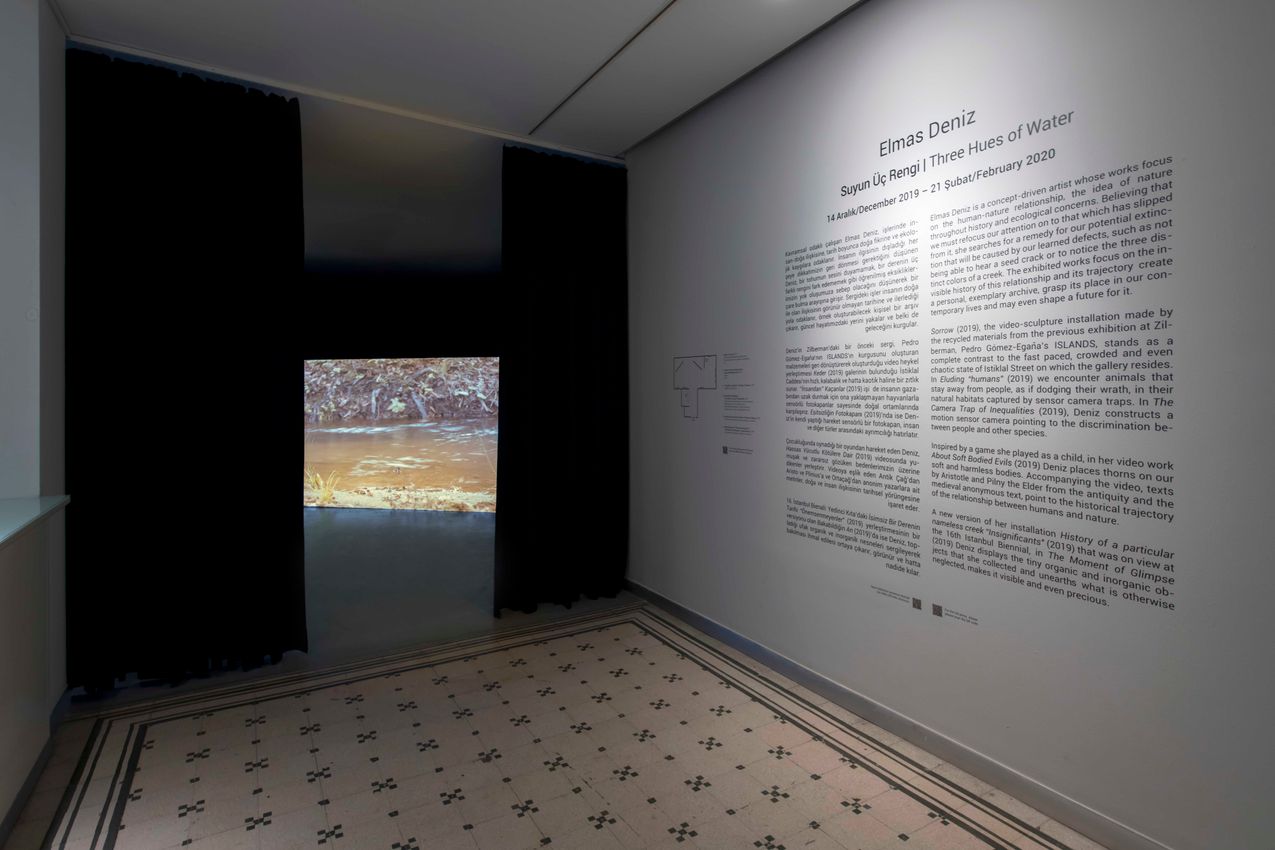
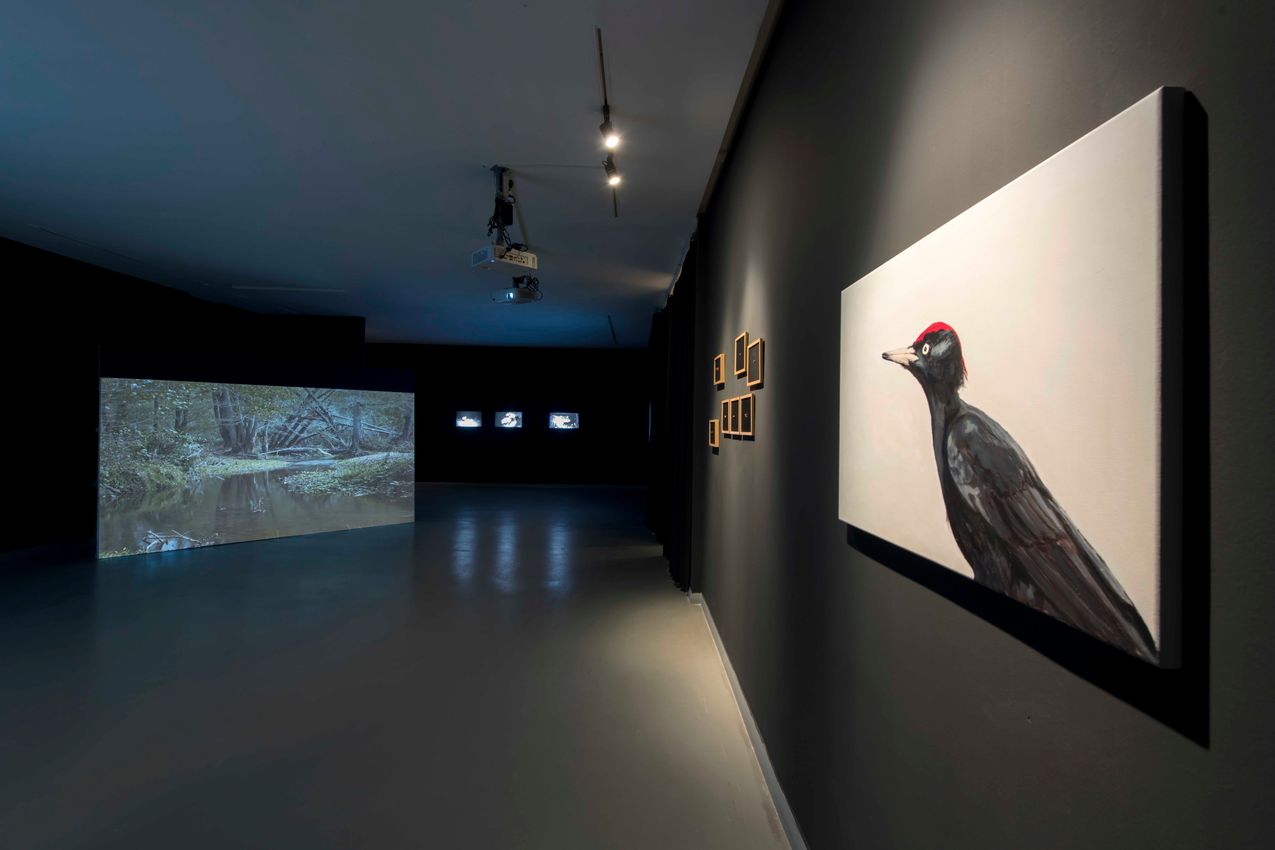
Sorrow (2019), the video-sculpture installation made by the recycled materials from the previous exhibition at Zilberman, Pedro Gómez-Egaña’s ISLANDS, stands as a complete contrast to the fast-paced, crowded and even chaotic state of Istiklal Street on which the gallery resides. It carries river streams from the Longoz forests in İğneada, on which a nuclear plant is planned to be built, to the gallery. A catalog of the moments of a stream, this sculpture makes us ponder on the holism that is associated with nature. What does the river encompass? When should a stream get our attention? Can water that runs by itself have rights of its own, can it be a legal person?
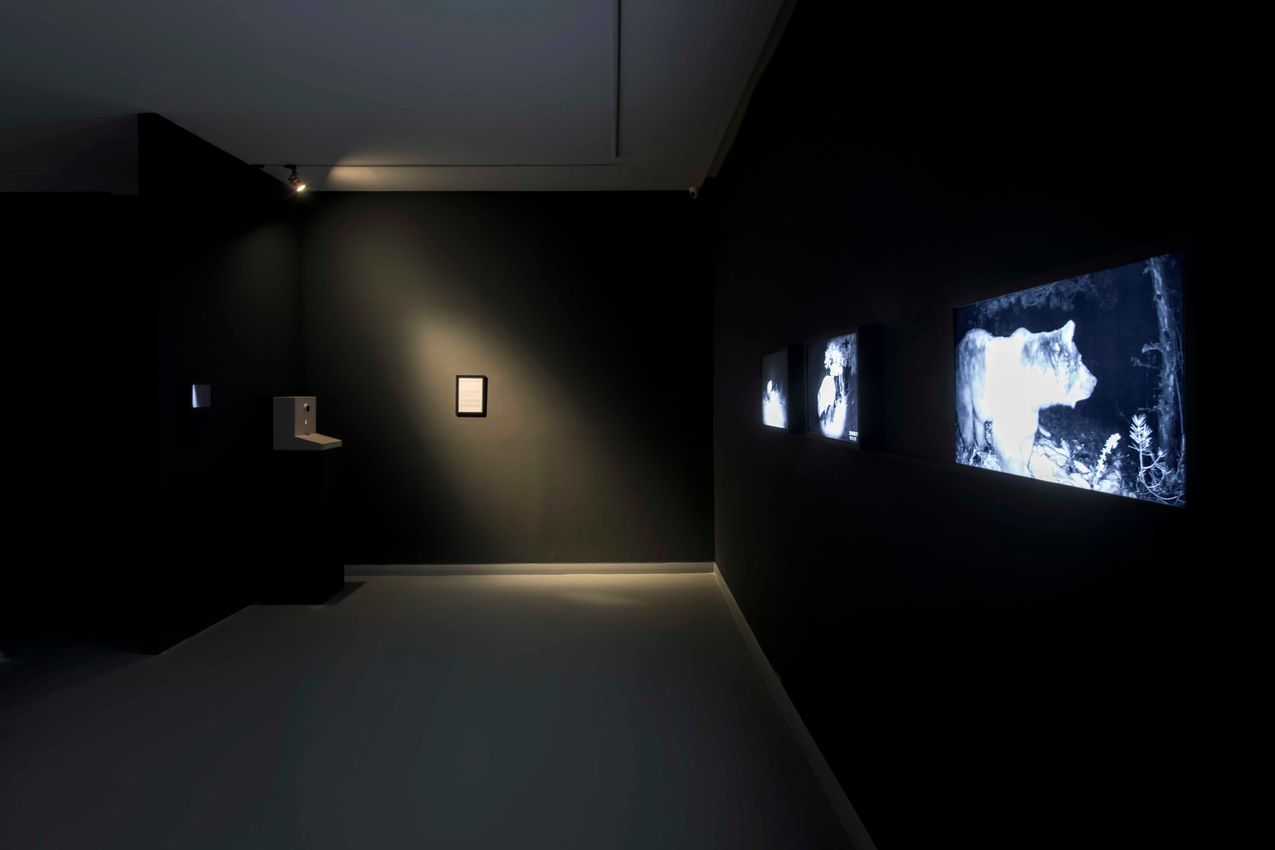
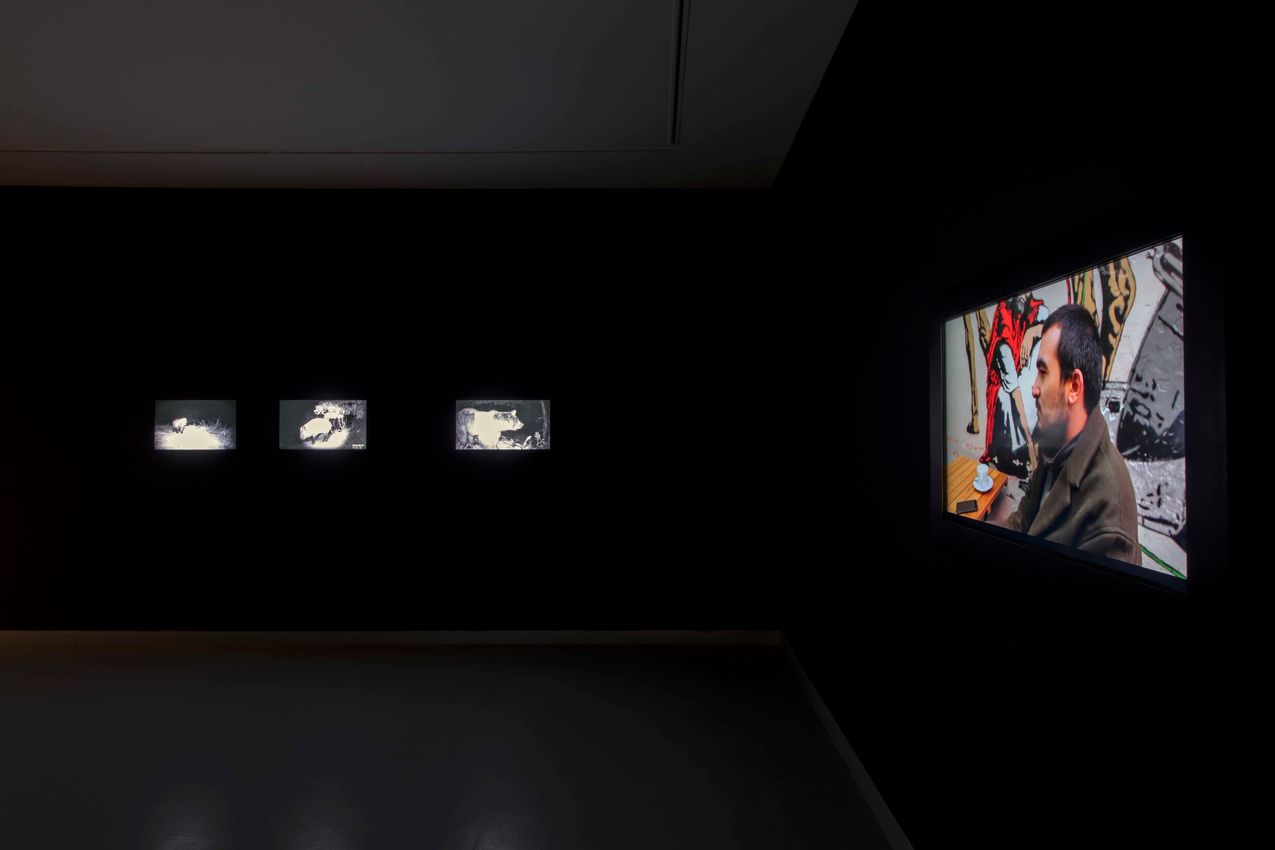
In Eluding “humans” (2019) we encounter animals which stay away from people, as if dodging their wrath, in their natural habitats. These images are captured by sensor camera traps that were built in order to investigate the nocturnal animals.
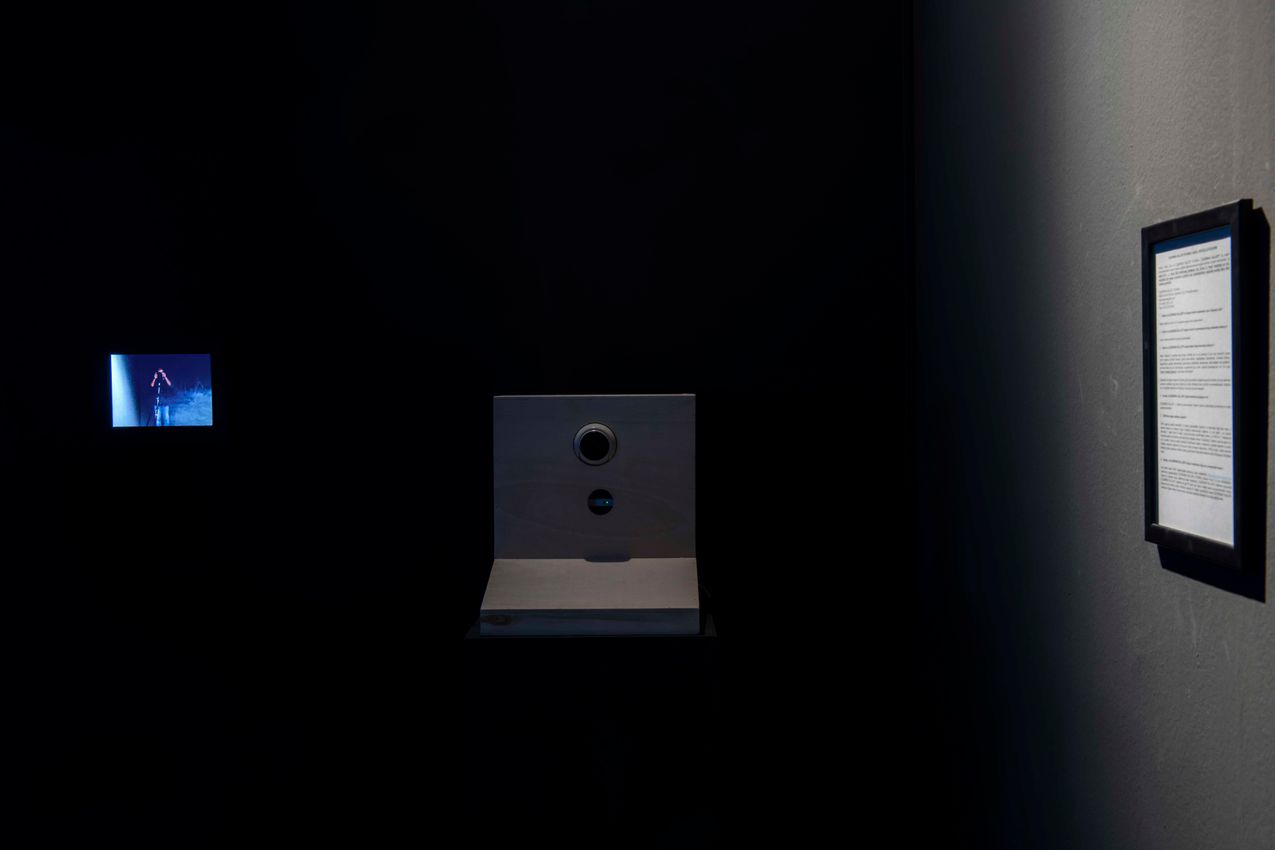
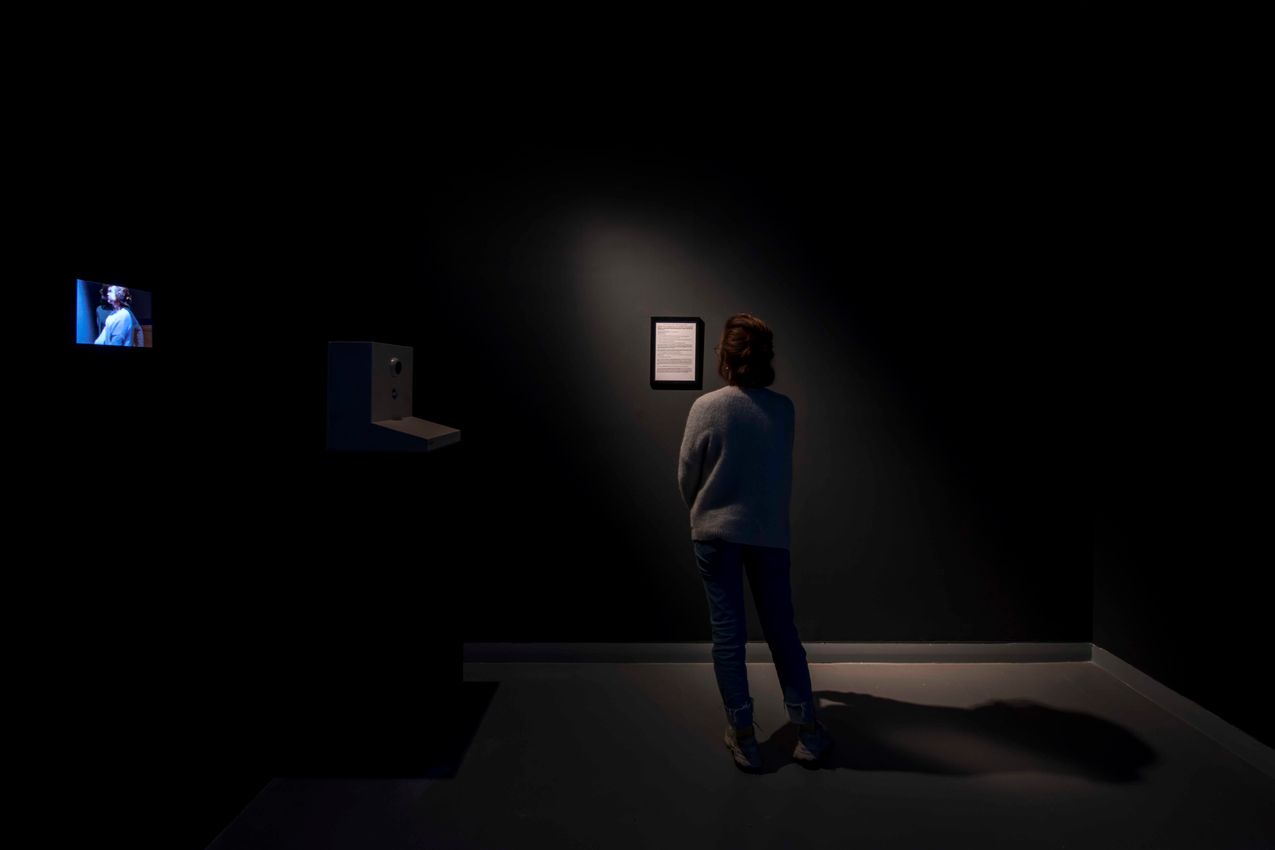
In The Camera Trap of Inequalities (2019), Deniz captures and then deletes the images of the visitors of the exhibition via a camera trap she constructed herself with a motion sensor. The accompanying legal text, outlining the legal issues that arise when photographing people, indicates the discrimination between people and other species.
Inspired by a game she played as a child, in her video work About Soft Bodied Evils (2019) Deniz places thorns on our soft and harmless bodies. Accompanying the video, texts by Aristotle and Pilny the Elder from the antiquity and the medieval anonymous text, point to the historical trajectory of the relationship between humans and nature. Since prehistory, this relationship was shaped through the evil, hypocritical, arrogant, self-absorbed and cruel deeds of humankind, who ironically lack the tusks or claws. With the help of the thorns that plants possess for self-defense, Deniz extricates the evilness and selfishness that is specific to humans from where they hide - under the softness of their bodies.
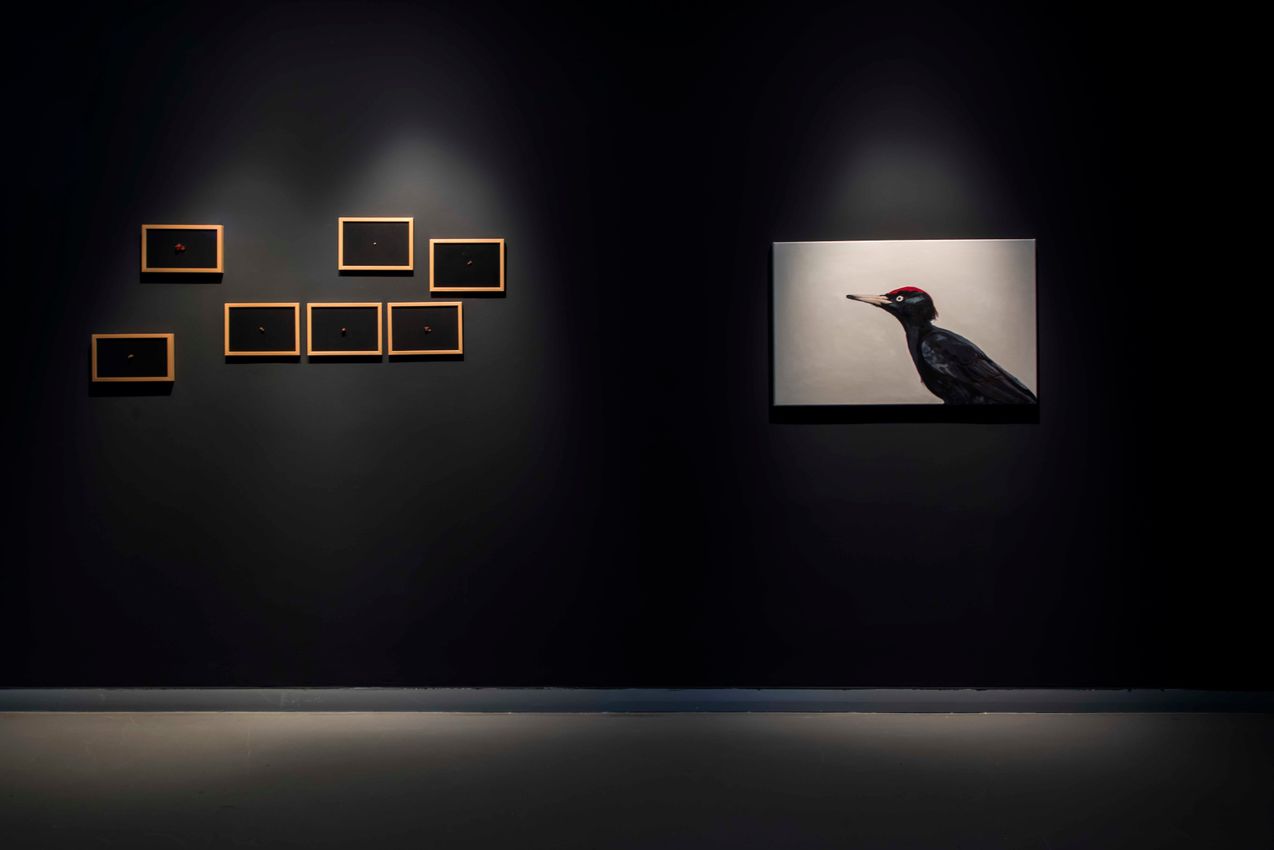
A new version of her installation History of a particular nameless creek “Insignificants” (2019) that was on view at the 16th Istanbul Biennial, in The Moment of glimpse (2019) Deniz displays the tiny organic and inorganic objects that she collected. By unearthing what is otherwise neglected, making it visible and even precious, by giving a gift of a portrait to the woodpecker recently spotted in Longoz forest after being thought as extinct for years, she exhibits her perseverance to not exclude that which is politically taken out of sight.
Elmas Deniz (1981, Bergama, Turkey) lives and works in Istanbul, Turkey. Her most recent solo exhibitions include: Integration with Nature (Açıkekran New Media Art Gallery, Istanbul, Turkey, 2019), A Year Without a Summer (PİLOT, Istanbul, Turkey, 2018), Seeing the Black Panther (PİLOT, Istanbul, Turkey, 2014), Universal Minimum Wage Commission (SVILOVA, Gothenburg, Sweden, 2014) and Elmas (Maçka Art Gallery, Istanbul, Turkey, 2012). Her selected group exhibitions include: 16th Istanbul Biennial: The Seventh Continent (Istanbul, Turkey, 2019), Words Are Very Unnecessary (Arter, Istanbul, Turkey, 2019), Nature in Art (MOCAK, Krakow, Poland, 2019), I’m an Eye, A Mechanical Eye (Zilberman, Istanbul, Turkey, 2019), Re/Evolution (Colomboscope, Colombo, Sri Lanka, 2017), VIDEO FOREVER (Musée de la Chasse et de la Nature, Paris, France, 2016), TILL IT’S GONE (Istanbul Museum of Modern Art, Istanbul, Turkey, 2016), 14th Istanbul Biennial: SALTWATER - A Theory of Thought Forms (Istanbul, Turkey, 2015), WE ARE HERE BeCAUSE YOU WERE/ARE (t)HERE (studio das weissehaus, Vienna, Austria, 2014), Unrest of Form (SECESSION/Museumsquartier, Vienna, Austria, 2013). Deniz’s works are part of several public and private collections including Vehbi Koç Foundation Contemporary Art Collection.
Elmas Deniz is a concept-driven visual artist. Her works investigate the intersections and points of entanglement between economics and nature. The capitalism-led deterioration of nature, and our perception of it, as well as the related consumerist culture, are the central concepts in Deniz’s practice. She questions how the economic system continuously reshapes our perception through subtle but consistent manipulations. She sheds light on the illusional distribution of value. Deniz, further focuses on the human-nature relationship, the idea of nature throughout history, and ecological concerns. Her works critically expose the faults of the system and occasionally propose alternative possibilities. Form-content interplay, the attempts to adapt the form to the concept, defines her choices. She hence consults a wide range of media, including installation, sculpture, video, drawing, and writings.


Zilberman, founded in Istanbul in 2008, stages 10–12 exhibitions every year in its gallery spaces in Istanbul and Berlin. The gallery occupies two separate floors of Mısır Apartment, one of the most famous examples of art nouveau architecture in Istanbul.
A respected voice in contemporary art discourse.
Focusing on ambitious storytelling and insightful art-world commentary. Ocula Magazine publishes in-depth interviews, critical essays and timely analysis on the artists, exhibitions and ideas driving the global art world.
Learn more about Ocula Magazine
Showcasing the best of the art world.
Ocula partners with galleries from around the world to highlight their artists, artworks and exhibitions. Gallery membership is by application and invitation, with each member vetted by an independent panel.
Learn more about Ocula Membership

Specialises in the sale of major artworks.
Led by a team with deep ties to the world’s leading auction houses, galleries and collectors. Ocula’s advisory team offers bespoke services to high-net-worth clients from around the world who are looking to acquire the best of contemporary and modern art.
Learn more about our team and services