






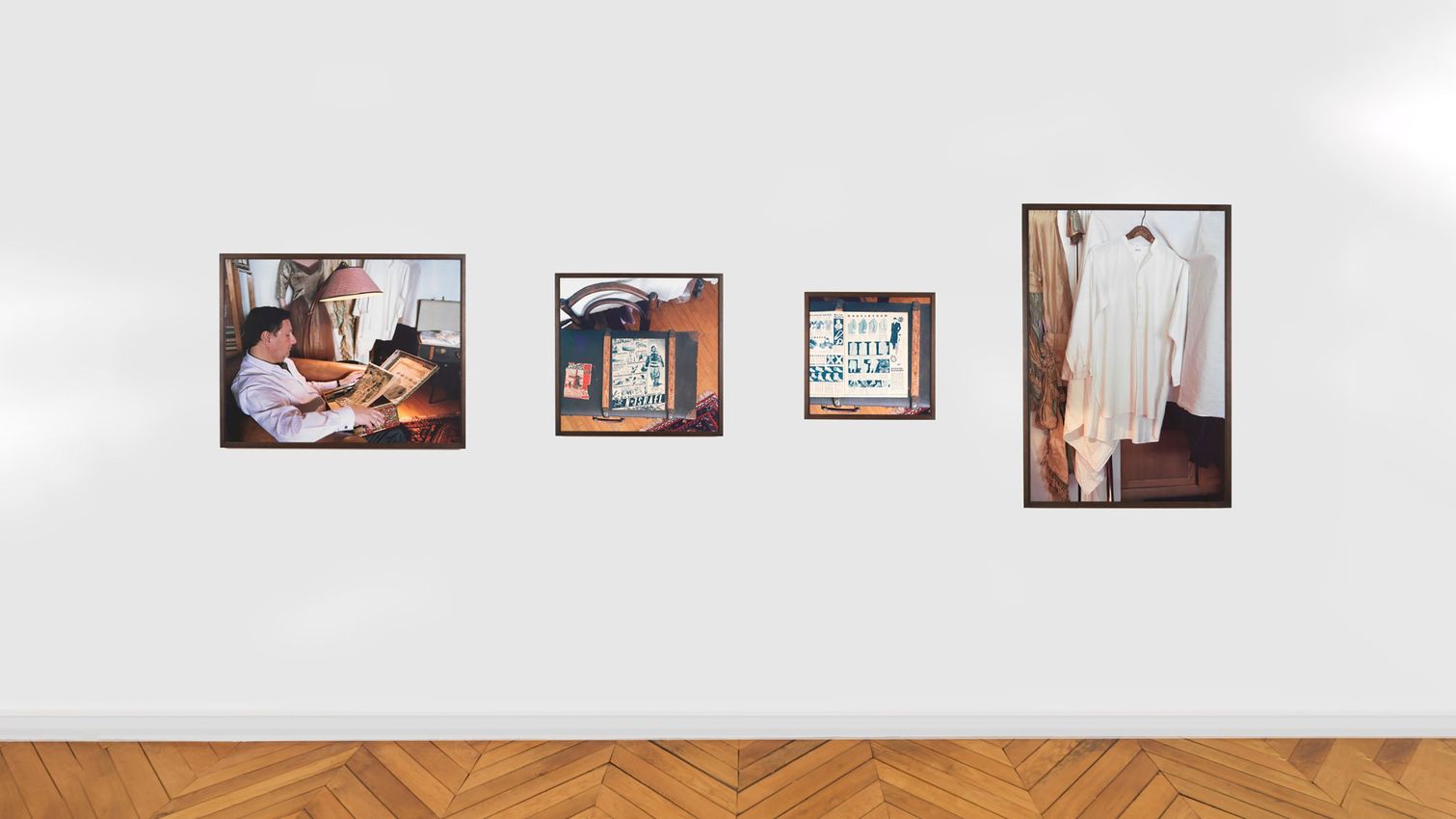
JEFF WALL
b. 1946, Canada‘I am not necessarily interested in different subject matter, but rather in a different type of picture.’—Jeff Wall
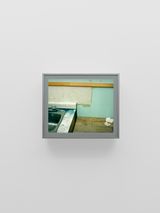
Jeff Wall’s photography unifies art history, cinema, literature, and critical theory. Combining the pictorial conventions of modern painting with the narrative lure of cinematography and reportage, his photographs quote from real life; masterpieces by Eugène Delacroix, Édouard Manet, and Katsushika Hokusai; and literature, including the novels of Franz Kafka and Ralph Ellison. Employing a wide range of representational techniques, Wall both reflects and challenges the discourse surrounding spectacle, aesthetics, and photography itself.
Wall was born in 1946 in Vancouver, Canada. As a student at the University of British Columbia, he began exploring conceptual art, inspired by André Breton’s Surrealist novel Nadja (1928) and Robert Smithson’s photo essay Monuments of Passaic (1967). After graduating with an MA in 1970, he turned his focus to art history, studying under T. J. Clark at the Courtauld Institute in London. Wall has continued his art historical explorations, writing essays about contemporary artists including Dan Graham, On Kawara, Bruce Nauman, and Ed Ruscha.
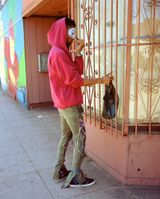
Wall experimented with cinema in his early work, then turned to photography in 1976, looking to expand what he saw as the canonical mode of art photography epitomised in the work of Walker Evans and Robert Frank. Inspired by backlit street advertisements he saw at bus stops in Madrid, he began mounting colour transparencies in vast light boxes. These early photo-transparencies simultaneously evoke both history and the present by synthesising various motifs and settings. The Destroyed Room (1978) explores themes of violence, capitalism, and domestic life through the compositional lens of Delacroix’s The Death of Sardanapalus (1827), while Picture for Women (1979) recalls Manet’s A Bar at the Folies-Bergère (1882), reconsidering the implications of the famous painting within the context of the women’s movement. In 1982 Wall began to make what he calls his ‘near documentary’ pictures, remembering and reconstructing memories from his own experiences, as in Mimic (1982), which brings together street photography and cinematography, and suggests racial tension through micro-gestures and body language. By depicting everyday moments that he had witnessed but had not photographed at the time, Wall gave himself the opportunity to re-create or reshape events.
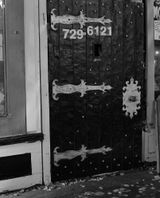
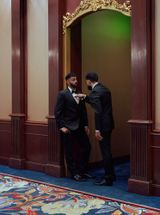
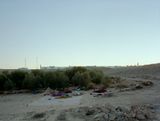
Wall went on to photograph panoramic landscapes and suburban vistas, suspenseful mise-en-scènes, and charged interiors. After purchasing a new studio in 1987, he began to create still lifes and digitally manipulated montages. Staged views of people on the street and in domestic environments became more prevalent in the early 2000s; these works consider the dynamics of figures in space and the relationship between inside and outside. Moving away from photo-transparencies, since the mid-1990s Wall has exhibited black and white silver gelatin prints, and, since 2006, colour prints.
Courtesy Gagosian

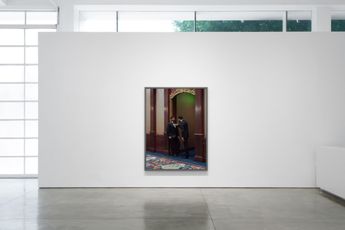
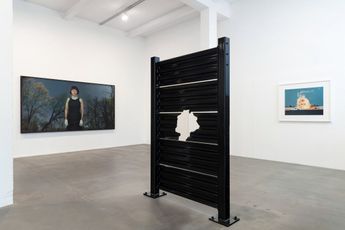
Works at Gagosian


Recently Exhibited



Works Elsewhere











Explore and Follow Artists Shaping Contemporary Art
A respected voice in contemporary art discourse.
Focusing on ambitious storytelling and insightful art-world commentary. Ocula Magazine publishes in-depth interviews, critical essays and timely analysis on the artists, exhibitions and ideas driving the global art world.
Learn more about Ocula Magazine
Showcasing the best of the art world.
Ocula partners with galleries from around the world to highlight their artists, artworks and exhibitions. Gallery membership is by application and invitation, with each member vetted by an independent panel.
Learn more about Ocula Membership
Specialises in the sale of major artworks.
Led by a team with deep ties to the world’s leading auction houses, galleries and collectors. Ocula’s advisory team offers bespoke services to high-net-worth clients from around the world who are looking to acquire the best of contemporary and modern art.
Learn more about our team and services