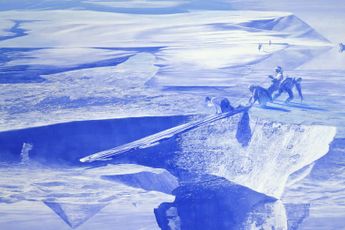
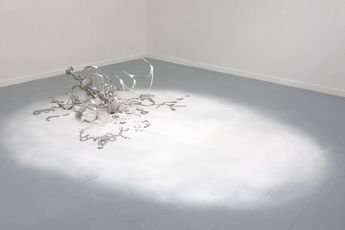
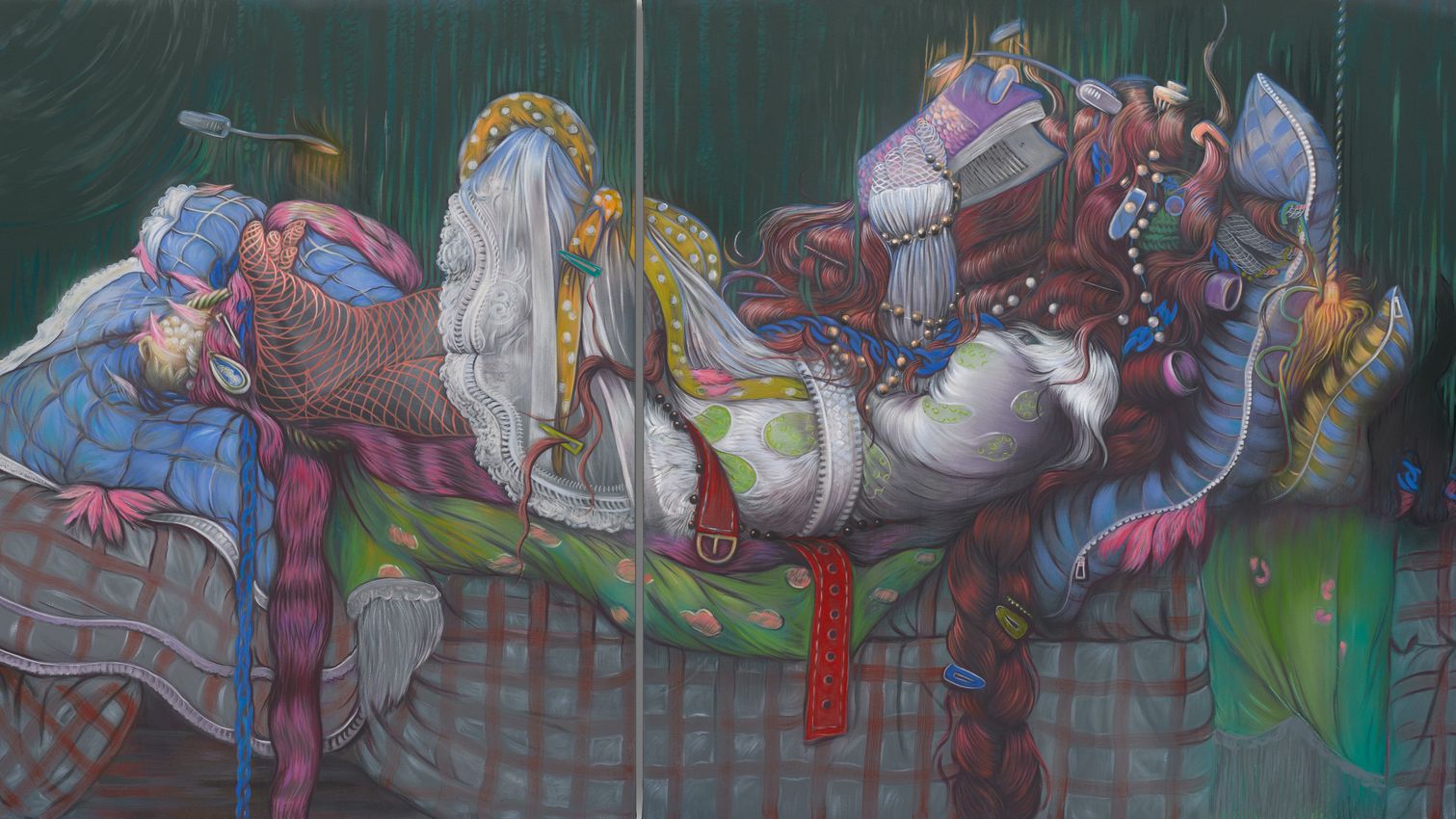
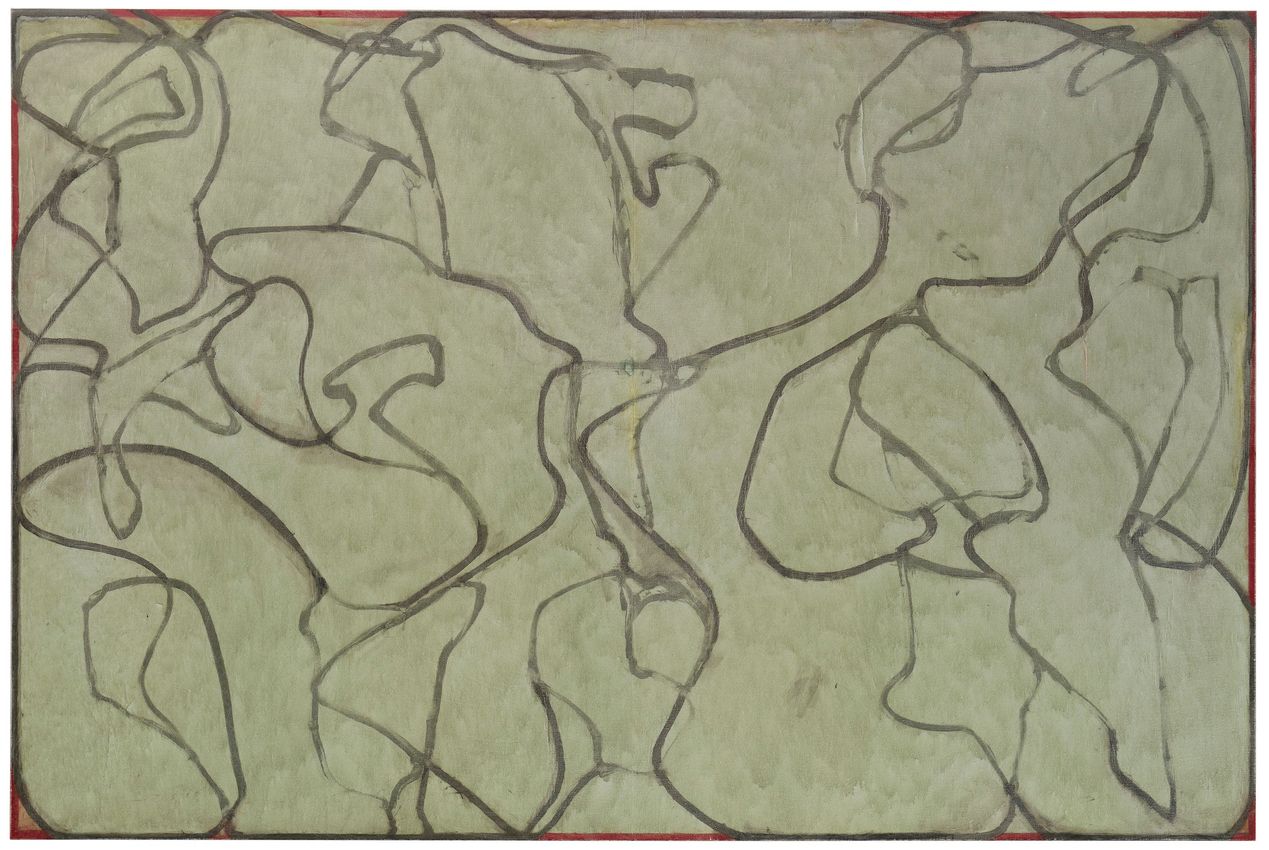
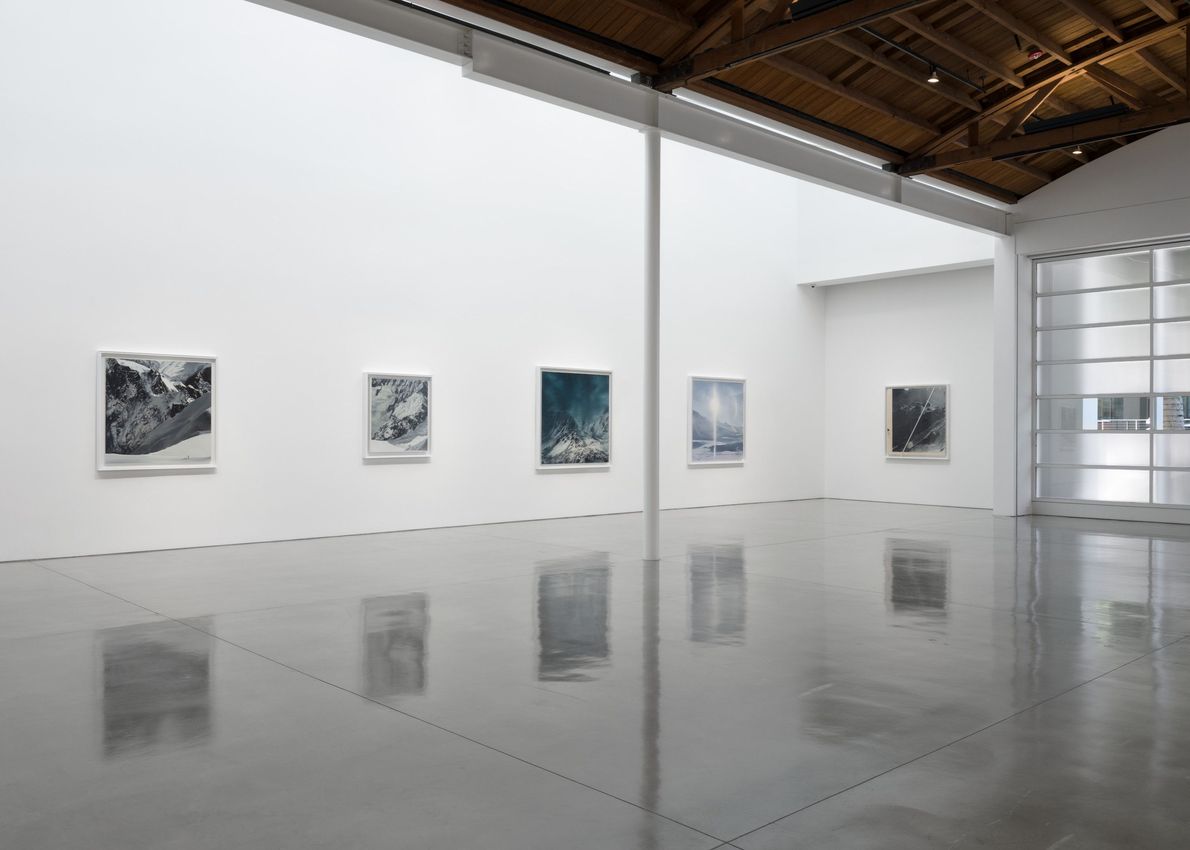
From nineteenth-century industrialisation to contemporary patterns of immigration, the pursuit of the American Dream has long been a rich topic of inquiry for artists in the United States. For many, this notion is encapsulated by the imagined tranquility and comfort of rural life—an aspiration arising from the Western tradition of landscape painting, with its picturesque, arcadian lands and idyllic communities.
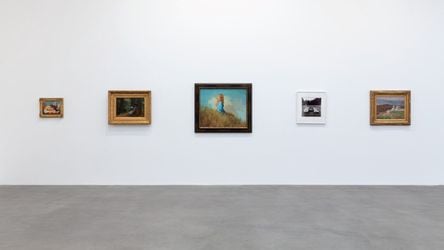
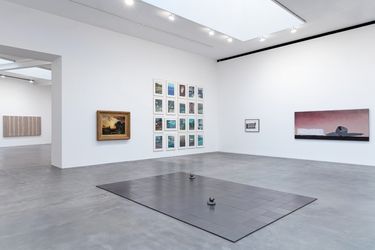
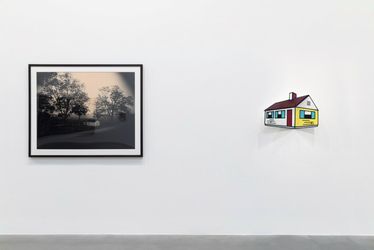
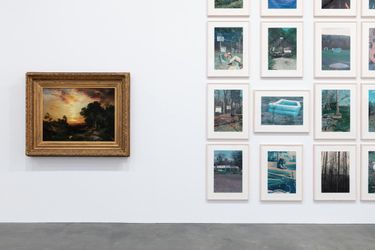
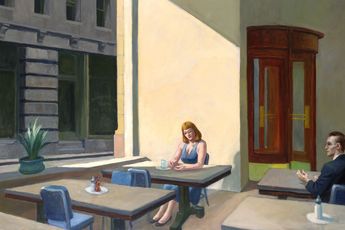
Titled after Philip Roth’s 1997 novel about the social discord that undermines the life of an outwardly untroubled New Jersey family, American Pastoral is a group exhibition that seeks to challenge this idealised vision by delving into the cultural, political, and economic tensions that lie beneath its surface. In this exhibition, modern and contemporary works are juxtaposed with historical American landscapes, ranging from Albert Bierstadt’s depiction of the sublime in Sunset over the River (1877) to Edward Hopper’s tranquil seaside scene, Gloucester Harbor (1926).
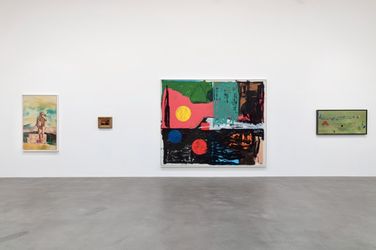
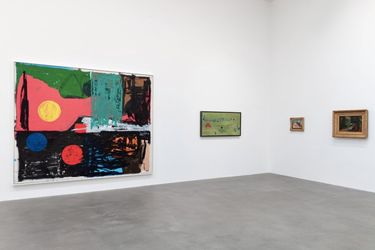
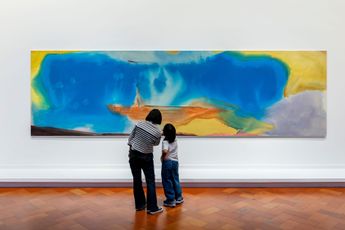
Helen Frankenthaler’s 1982 painting Tumbleweed offers a third perspective on landscape that recasts the composition and figures of these earlier works in the vigorous gestures of Abstract Expressionism. Tumbleweed features a velvety wash of grass green interrupted by splotches and tracks of contrasting colour—as if mapping an archetypal pastoral scene onto a distinctly modern topography.
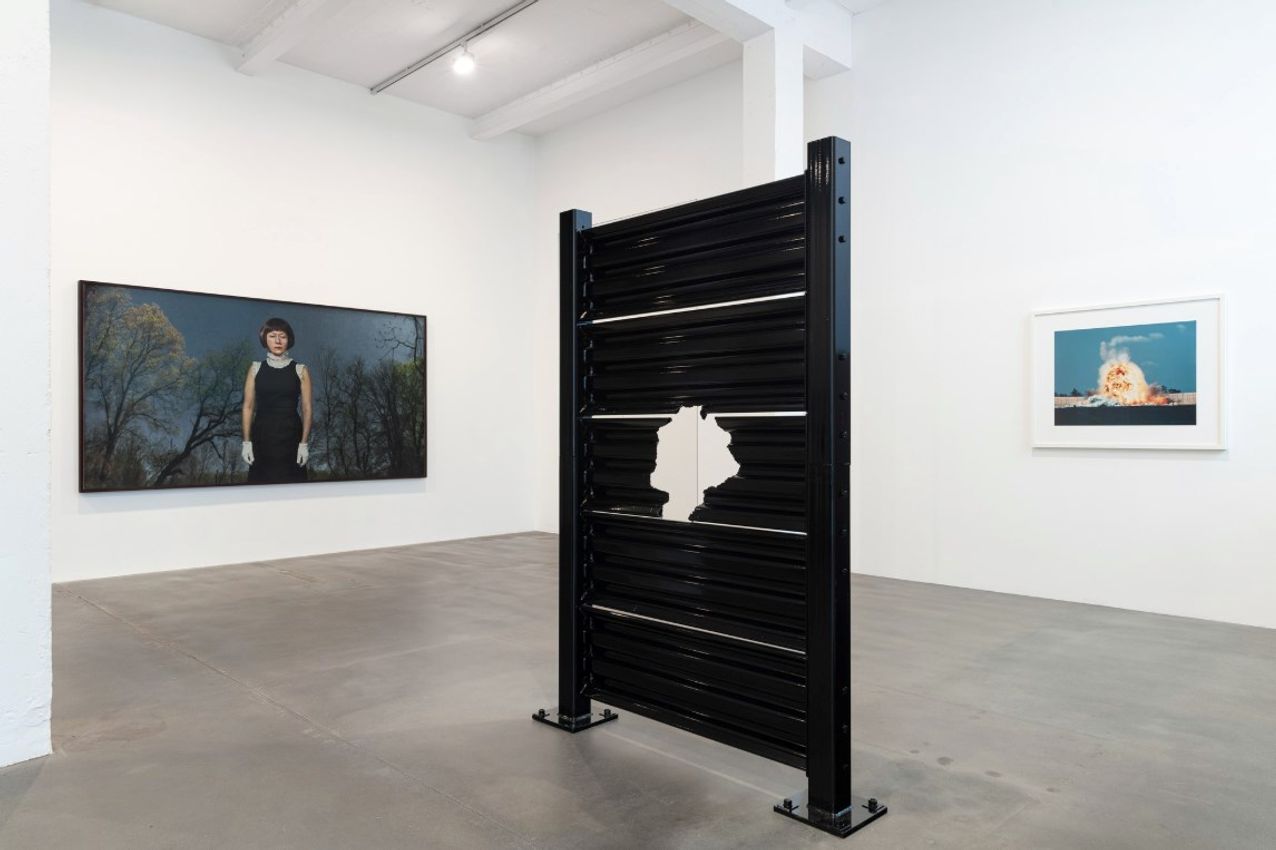
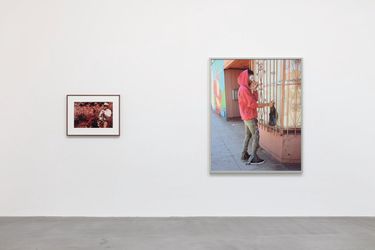
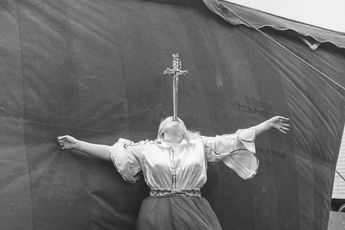
Photography features prominently and diversely throughout American Pastoral, as much for its ability to suggest documentary candour as for its potential to manipulate reality through cropping and framing. Diane Arbus’s photograph, A family on their lawn one Sunday in Westchester, N.Y. (1968), depicts a stereotypical prosperous suburban household, yet a haunting unease pervades in the tensed bodies of husband, wife, and son. In Jeff Wall’s Mask maker (2015), a young man on an LA street exudes a subtle strain of discomfort, suspended between life and theatre.
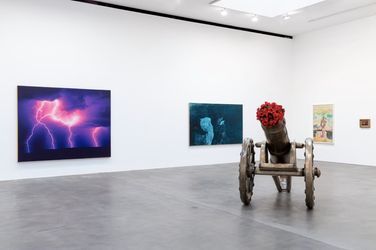
In other works, recognisable cultural symbols are rearranged to reveal latent, sinister meanings: Banks Violette’s inverted American flag, from 2019, employs a stark gesture of negation to challenge the power and authority of a ubiquitous image, while Jeff Koons’s bronze Toy Cannon (2006–2012), in which the titular weapon sprouts flowers from its barrel, combines visual signs with opposing associations, playing on our expectations of consistent meaning while evoking war and its discontents.
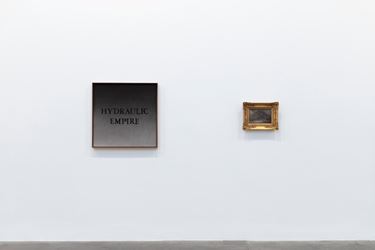
Hydraulic Empire (2019), a new painting by Ed Ruscha, refers to the term for a civilisation whose governing body maintains power through exclusive control over water access. Ruscha inscribes the title across the centre of his canvas in an assertive serif font, isolating the phrase and its historical meaning. An indistinct pall hangs above Ruscha’s words, making visible a sense of oppression. Theaster Gates’s American Tapestry (2019), made from strips of decommissioned Chicago fire hoses, is a sobering, politically charged reminder of the struggles of Black Americans during the 1960s civil rights movement. The seemingly anodyne form of the hose belies its historical misuse at events such as the infamous 1963 student march in Birmingham, Alabama, which police broke up with high-pressure hoses, injuring many children in the process.
In American Pastoral, the American Dream to which Roth’s text alludes is revealed again as a secular icon—at once lastingly attractive and freighted with numerous and increasingly complex dangers.
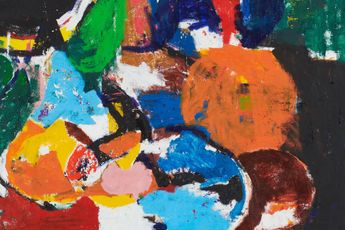
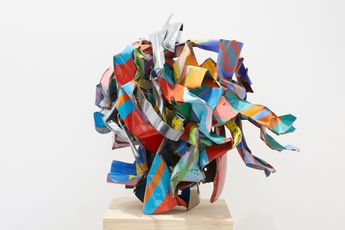
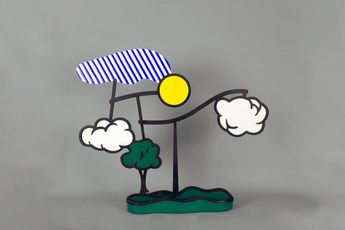
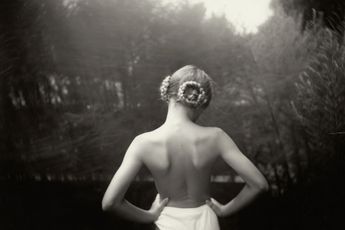
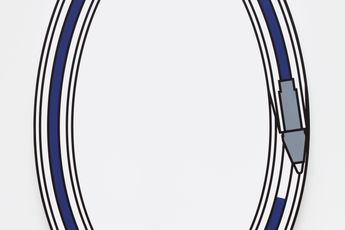
American Pastoral will feature works by Diane Arbus, Richard Artschwager, Albert Bierstadt, Joe Bradley, Chris Burden, John Chamberlain, Thomas Cole, Roe Ethridge, Helen Frankenthaler, Theaster Gates, Jack Goldstein, Piero Golia, Duane Hanson, Marsden Hartley, Winslow Homer, Edward Hopper, Neil Jenney, John Frederick Kensett, Jeff Koons, Roy Lichtenstein, Sally Mann, Adam McEwen, Thomas Moran, Cady Noland, Richard Prince, Sterling Ruby, Ed Ruscha, Cindy Sherman, Taryn Simon, Mark Tansey, Banks Violette, and Jeff Wall, among others.