





RICHARD AVEDON
1923-2004, United StatesMy photographs don’t go below the surface. I have great faith in surfaces. A good one is full of clues.—Richard Avedon
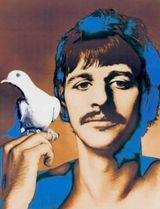
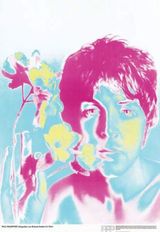
During a career that spanned nearly sixty years, Richard Avedon’s reportage, portraiture, and fashion work dissolved the lines between photographic genres and covered an enormous breadth of subjects. By capturing American ideals of fashion, portraiture, and beauty in the twentieth and early twenty-first centuries, he helped cement photography’s status as a legitimate contemporary art form. While the portraiture of his peers tends to focus on composed and isolated moments, Avedon’s stark lighting draws the viewer to the power of the subject’s expression, which often suggests concealed layers to their personalities.
Born in 1923 in New York City, Avedon was interested in photography from an early age: he joined the Young Men’s Hebrew Association camera club when he was twelve years old. In 1942, during World War II, he served as Photographer’s Mate Second Class in the US Merchant Marine, and shortly thereafter he began working professionally, producing images for Harper’s Bazaar after having studied with the magazine’s art director Alexey Brodovitch.
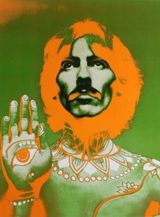
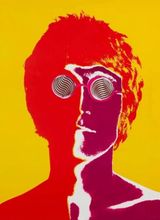
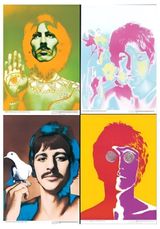
Beginning in 1944 Avedon transformed the art of photography through his indelible contributions to leading fashion and contemporary magazines, including Harper’s Bazaar, Vogue, Life, Look, and other popular magazines. He photographed pop icons and models, musicians and writers, soldiers and political activists, as well as members of his family. Fascinated by photography’s power to suggest personality, Avedon’s images register poses, hairstyles, and clothing as vital elements of an image by bending the rules of photographic composition, both in the street and in the studio, to a particular stylistic and narrative purpose.
After guest-editing the April 1965 issue of Harper’s Bazaar, Avedon left the magazine and joined Vogue, under the art direction of Alexander Liberman, where he worked for more than twenty years. In 1992, he became the first staff photographer at The New Yorker, and his portraiture helped redefine the magazine’s aesthetic. Throughout, Avedon also ran a successful commercial studio, and his work with Calvin Klein, Revlon, Versace, and many other companies gave him the freedom to pursue ambitious projects, including a portrait series documenting the American civil rights movement and the Vietnam War.
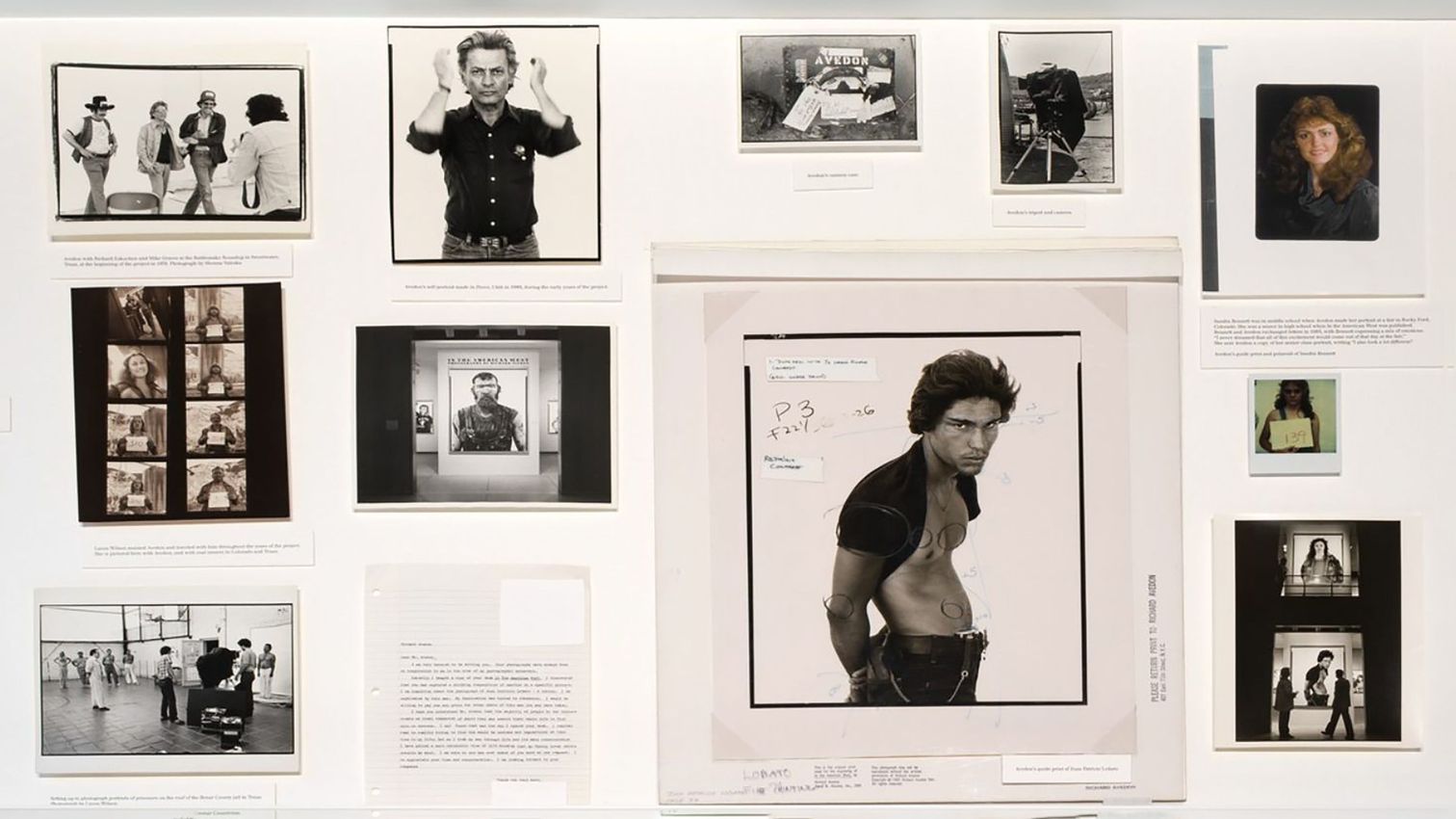
Avedon collaborated with Truman Capote on his first book of photographs, Observations, in 1959 and went on to publish Nothing Personal with James Baldwin in 1964. In 1962, the Smithsonian Institution staged Avedon’s first museum retrospective, and numerous other museum exhibitions followed, including two at the Metropolitan Museum of Art (1978 and 2002). From 1979 to 1984 Avedon worked extensively on a commission by the Amon Carter Museum of American Art in Fort Worth, Texas, ultimately producing the 1985 exhibition and book In the American West_:_ Photographs by Richard Avedon, an extended portrait project in which he aimed to survey the texture of life experienced by ordinary working people. The series saw him visit carnivals, coal mines, rodeos, prisons, and slaughterhouses to find subjects, and it is often considered his magnum opus. He continued to publish throughout his life.
Courtesy Gagosian











Explore and Follow Artists Shaping Contemporary Art
A respected voice in contemporary art discourse.
Focusing on ambitious storytelling and insightful art-world commentary. Ocula Magazine publishes in-depth interviews, critical essays and timely analysis on the artists, exhibitions and ideas driving the global art world.
Learn more about Ocula Magazine
Showcasing the best of the art world.
Ocula partners with galleries from around the world to highlight their artists, artworks and exhibitions. Gallery membership is by application and invitation, with each member vetted by an independent panel.
Learn more about Ocula Membership
Specialises in the sale of major artworks.
Led by a team with deep ties to the world’s leading auction houses, galleries and collectors. Ocula’s advisory team offers bespoke services to high-net-worth clients from around the world who are looking to acquire the best of contemporary and modern art.
Learn more about our team and services