





SPENCER TUNICK
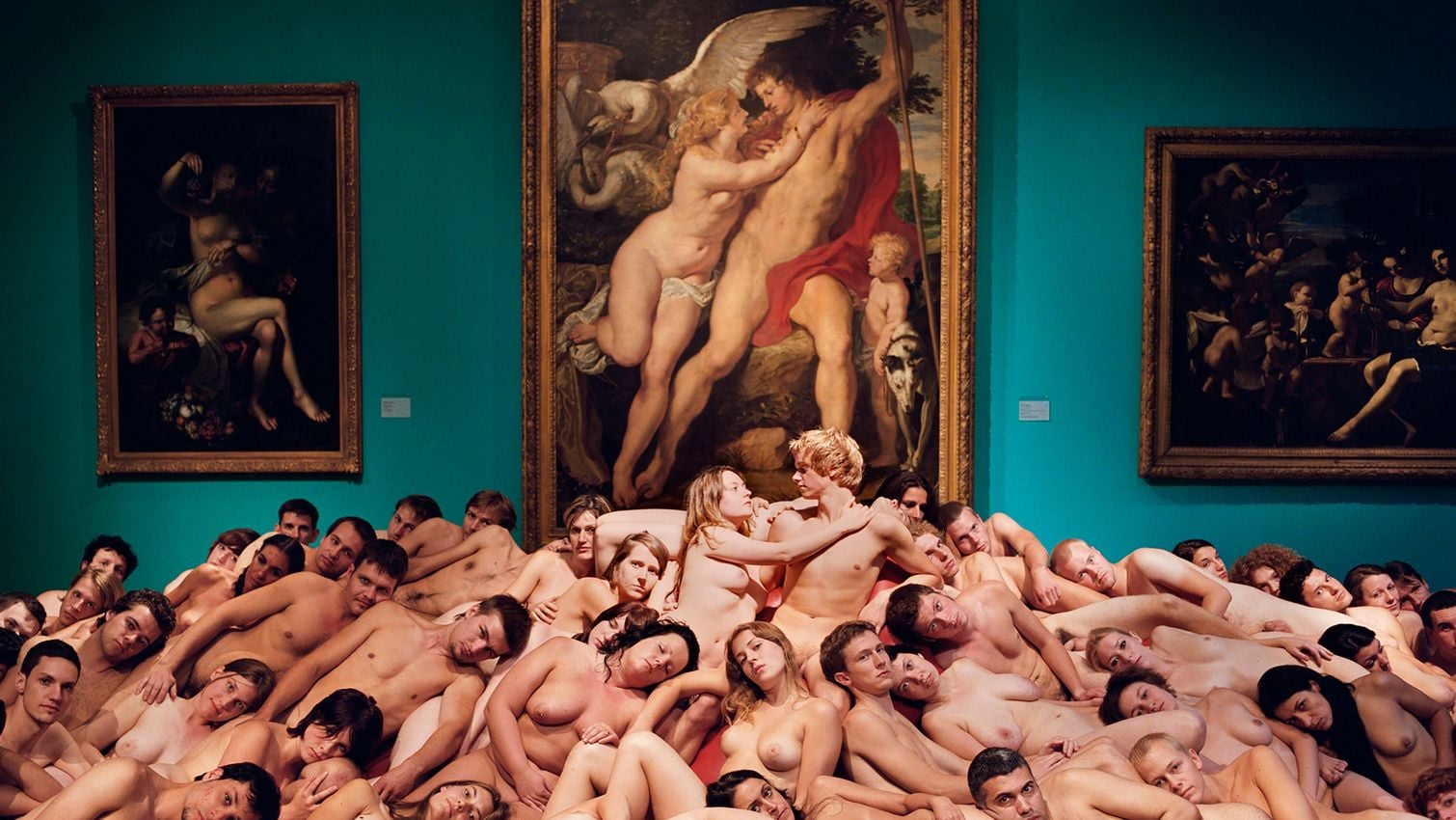
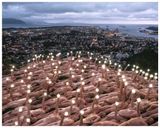
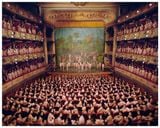
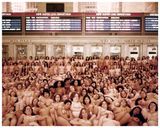
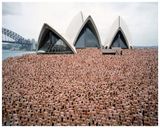
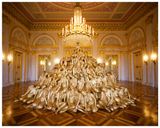
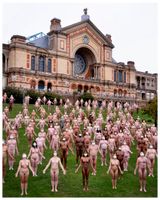
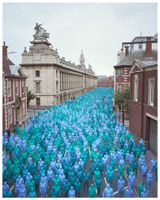
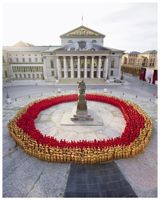
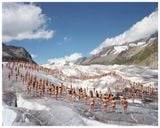
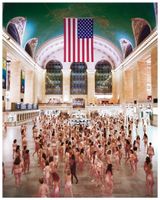
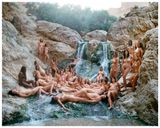
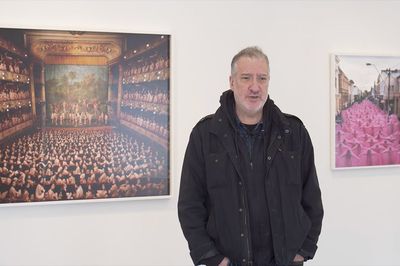
b. 1967, United StatesSpencer Tunick is an artist who has been documenting the live nude figure in public, with photography, since 1992. Since 1994, he has organized over 100 temporary site-related installations that encompass dozens, hundreds or thousands of volunteers, and his photographs are records of these events. In his early group works, the individuals en masse, without their clothing, grouped together, metamorphose into a new shape. The bodies extend into and upon the landscape like a substance. These group masses, which do not underscore sexuality, often become abstractions that challenge or reconfigure one’s views of nudity and privacy. The work also refers to the complex issue of presenting art in permanent or temporary public spaces.
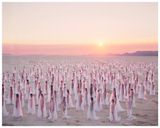
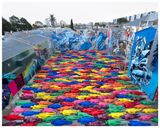
Tunick stages scenes in which the battle of nature against culture is played out against various backdrops, from civic center to desert sandstorm. In 2002 he started to work with standing positions for his group formations referencing traditional group portraiture. Now, for some installations, he adds objects that the participants are often holding or wearing and has included body paint.
Near the end of installations, for the final setups, he often organizes the participants into smaller groups to make additional assemblages: sometimes by sex, sometimes by age, or even by hair color. However, no one is ever excluded from an installation because of the color of their skin, ethnicity, gender identity, sex, race, religion, or political affiliation. Within reason, if you can make it to an installation you can participate, unless of course there are space limitations.
Tunick could not make his art without the generosity of the public. He is eternally grateful for their participation. He wishes he could credit everyone in his individual and group photographs but there are hundreds and thousands who have taken part collectively.
Spencer Tunick’s temporary site-specific photographic installations have been commissioned by the XXV Biennial de Sao Paulo, Brazil (2002); Institut Cultura, Barcelona (2003); The Saatchi Gallery (2003); MOCA Cleveland (2004); Vienna Kunsthalle (2008) and MAMBO Museum of Modern Art, Bogota (2016), among others.
Tunick has also made installations elevating awareness of LGBTQIA+ rights, HIV/AIDS, cancer and climate change. He is the co-founding curator of DontDelete.Art, a project advocating for greater protection of artistic freedom across social media and online platforms.
Text courtesy the artist




















Explore and Follow Artists Shaping Contemporary Art
A respected voice in contemporary art discourse.
Focusing on ambitious storytelling and insightful art-world commentary. Ocula Magazine publishes in-depth interviews, critical essays and timely analysis on the artists, exhibitions and ideas driving the global art world.
Learn more about Ocula Magazine
Showcasing the best of the art world.
Ocula partners with galleries from around the world to highlight their artists, artworks and exhibitions. Gallery membership is by application and invitation, with each member vetted by an independent panel.
Learn more about Ocula Membership
Specialises in the sale of major artworks.
Led by a team with deep ties to the world’s leading auction houses, galleries and collectors. Ocula’s advisory team offers bespoke services to high-net-worth clients from around the world who are looking to acquire the best of contemporary and modern art.
Learn more about our team and services