





THOMAS SCHEIBITZ
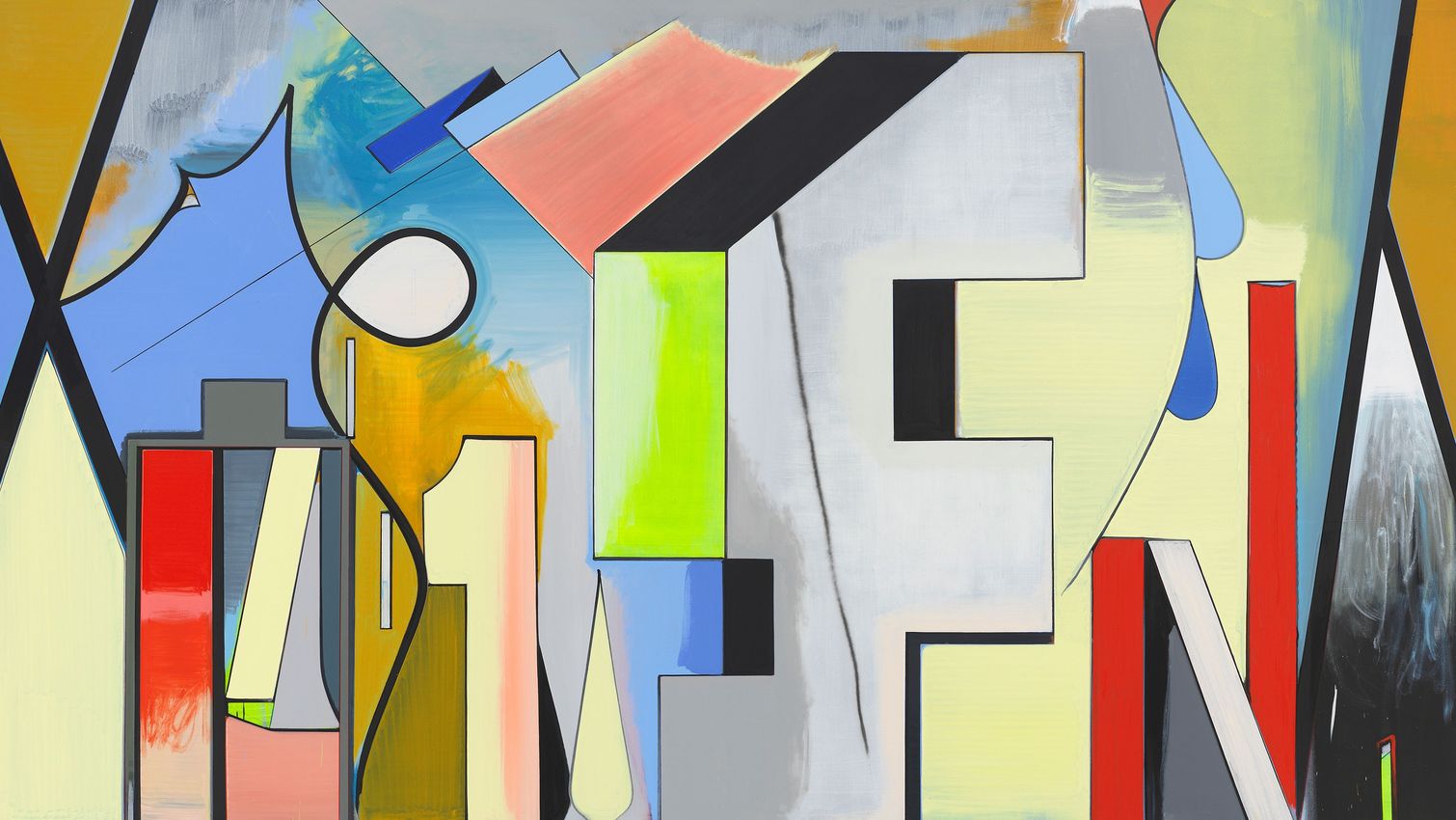
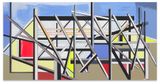
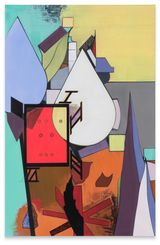
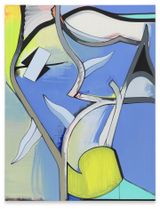
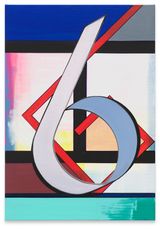
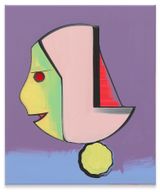
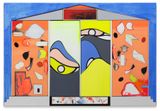
b. 1968, GermanyIn order to find out, Thomas Scheibitz dissects details of the visible world as well as his own works into fragments, examining the individual components – transferring them like individual words, graphemes, phonemes, morphemes, lexemes into his visual language. He relocates them to his very own world of hue and form, to be neither categorised there as abstract nor figurative. Similarly to processes of encryption, information is divided. In doing so, Scheibitz values chance, not only as a testing apparatus, but also as a generator of cognitive dissonance. Ultimately however his drawings, photographs, paintings, and sculptures culminate in extremely precise analyses of such factors as expectation, attitude, and experience, which also inform his own gaze. He interrogates such structures, disassembles the interpretational schema, organises the elements as if in a periodic system, recomposes them, tests arrangements, and employs the most differing mechanisms of selective emphasis, accentuation, and attribution.
Thomas Scheibitz‘s works function, in this manner, like the concealed sources of sound or the cut ups, which William S. Burroughs recommended in his essay The Electronic Revolution, 1970, to instigate a revolution: the found components are extracted from the seemingly obvious fabric of meaning; the viewer’s fundamental notions, unconsciously received and pre-defined in terms of both emotions and norms, become corrupted; context and its functional modes are subversively undermined. Burroughs opposed conditioning generated by word-image or word-word combinations, which like a virus manipulates the thinking of the individual and which is misused by ideologues. Scheibitz is also wary of any form of narrative and attendant viral infiltrations. He seeks a visual language which immunises him, as well as the recipients of his works, against such viruses, thus enabling emancipation.
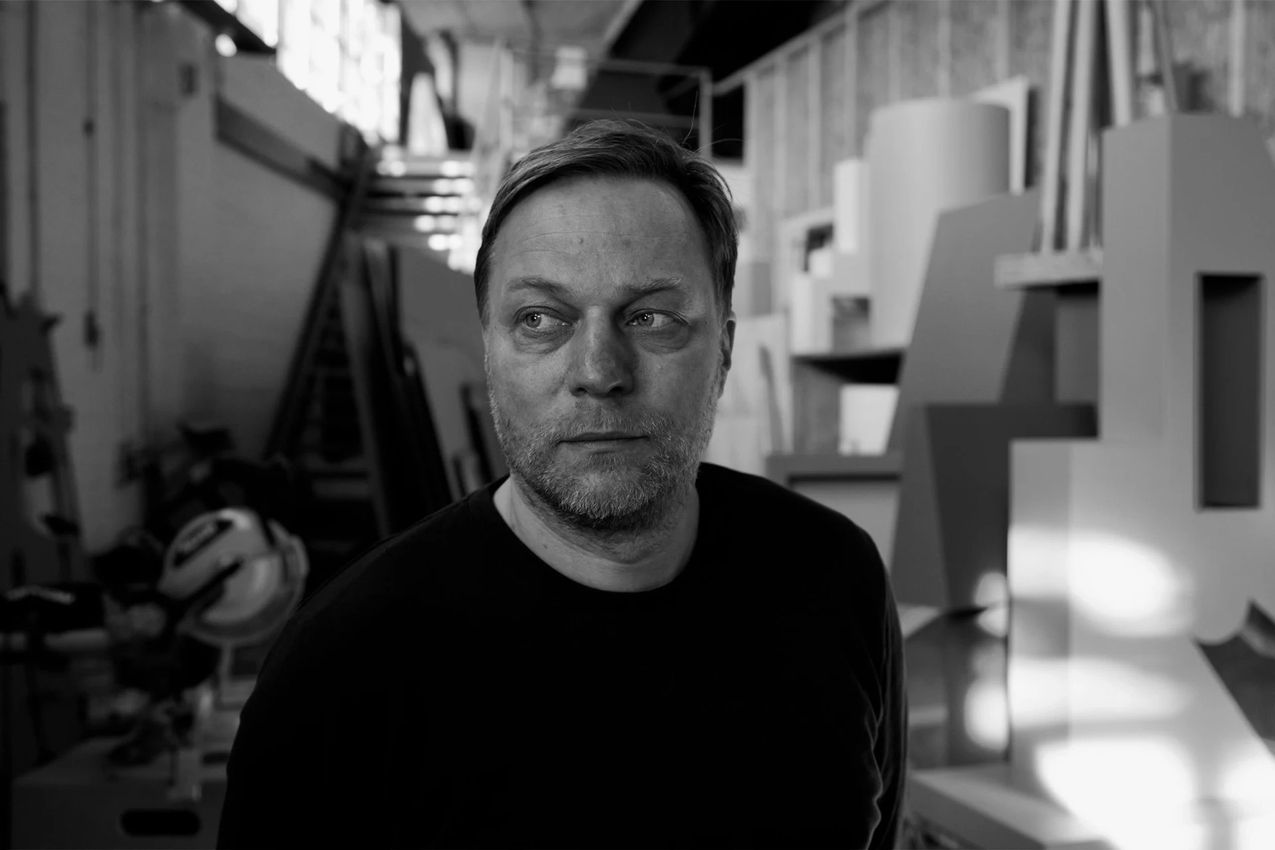
Thomas Scheibitz ( b- 1968, Radeberg, Deutschland), studied at University of Fine Arts of Dresden and lives and works in Berlin. Recent solo shows have been held at BALTIC Centre for Contemporary Art, Gateshead, 2013, and MMK Museum für Moderne Kunst Frankfurt am Main, 2012. Most recent group shows include BubeDameKönigAss Neue Nationalgalerie, Berlin, 2013, One Foot in the Real World at Irish Museum of Modern Art, Dublin, 2013, Das doppelte Bild at Kunstmuseum Solothurn, 2013, as well as Fruits de la Passion at Centre Pompidou, Paris, 2013, and Don’t be Shy, Don’t Hold Back at San Francisco Museum of Modern Art, 2012.
Courtesy Sprüth Magers


Works at Sprüth Magers












Explore and Follow Artists Shaping Contemporary Art
A respected voice in contemporary art discourse.
Focusing on ambitious storytelling and insightful art-world commentary. Ocula Magazine publishes in-depth interviews, critical essays and timely analysis on the artists, exhibitions and ideas driving the global art world.
Learn more about Ocula Magazine
Showcasing the best of the art world.
Ocula partners with galleries from around the world to highlight their artists, artworks and exhibitions. Gallery membership is by application and invitation, with each member vetted by an independent panel.
Learn more about Ocula Membership
Specialises in the sale of major artworks.
Led by a team with deep ties to the world’s leading auction houses, galleries and collectors. Ocula’s advisory team offers bespoke services to high-net-worth clients from around the world who are looking to acquire the best of contemporary and modern art.
Learn more about our team and services