





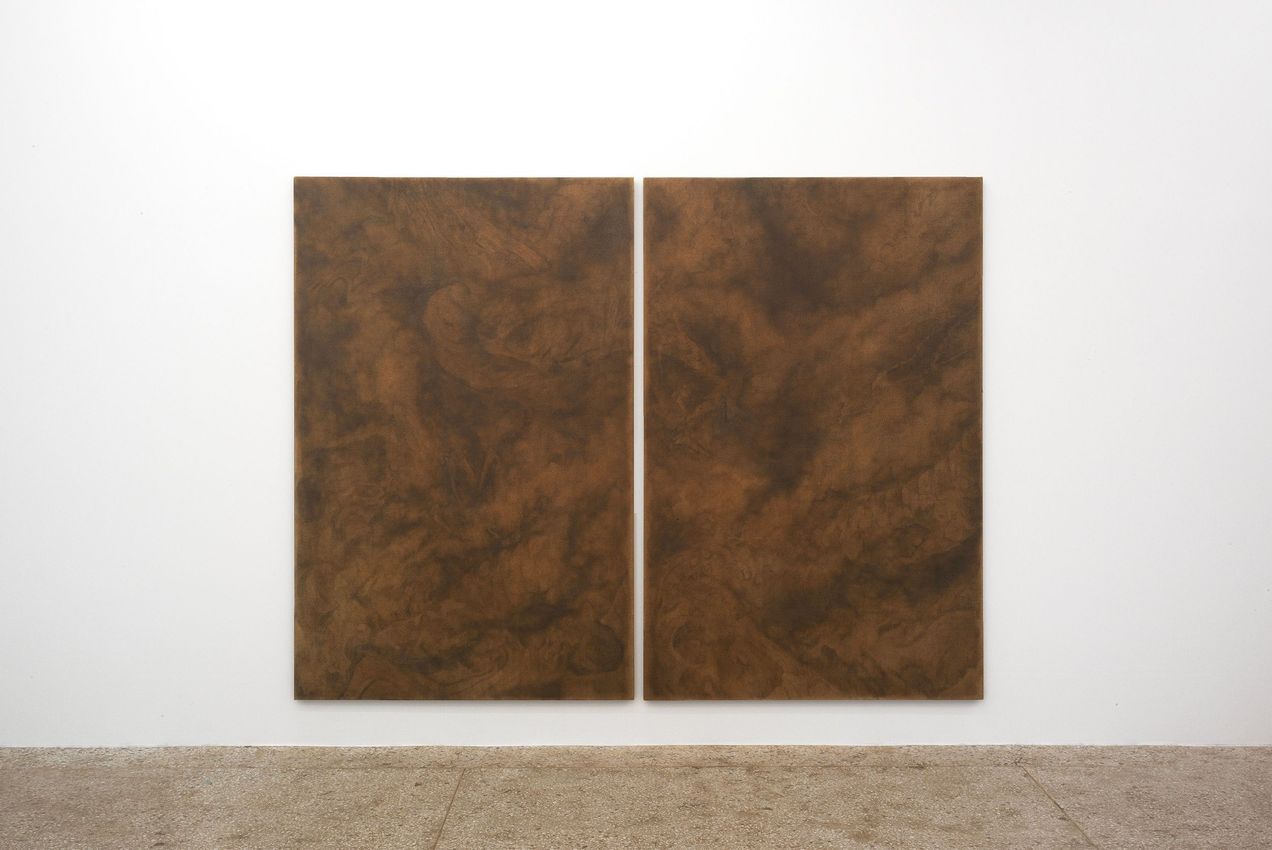
YONGJAE LEE
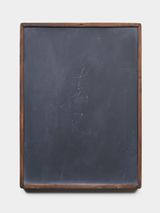
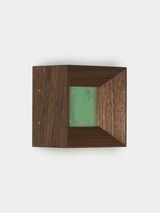
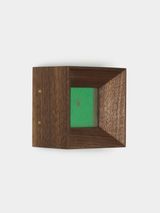
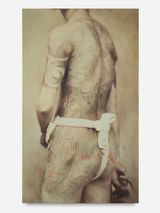
b. 1991, South KoreaSeoul-based artist Lee Yongjae’s painterly practice unfolds the dynamic relationship among and between paintings. In addition to exploring the rich tapestry of themes, he investigates structural questions about painting itself. That is, his interest alternates between the degradation of traditional painting textures in digital imagery, the labeling of painting in Korea as either Korean style (*Hangukhwa*) or Western styles(*Seoyanghwa*), and the search for elements that are unseen or unspoken yet believed to exist in painting. All of these are in accordance with the principle he established in viewing his own work. The artist has termed this singular approach employing the enigmatic self-referential pronoun “itself.” For Lee Yongjae, painting is a perpetually appealing activity that involves encircling a narrative with a framework that can be understood either as a picture frame or a support structure.
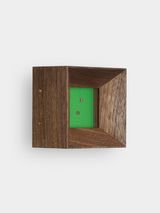
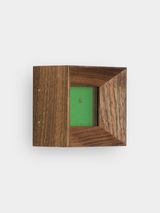
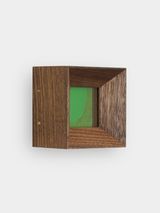
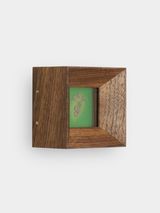
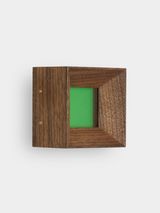
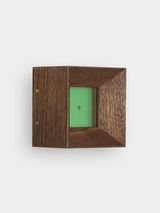
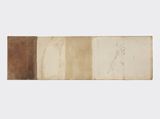
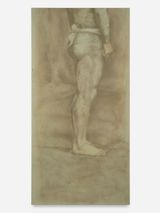
Painting’s grammar and temporality constitute recurring motifs of Lee Yongjae’s work. The contradictions and alienation he felt while studying *Seoyanghwa* in Korea inspired his search for “tradition,” which he regards as “that which occurs,” or, in other words, the heritage formed and reformed in a given era and background. Adopting the structure of the traditional Korean folding screen (*Byeongpung*), or securing the canvas to its stretcher with nails to prevent separation, represents a strategy of visualizing identity and perspectives in time. Surfaces imitating the appearance of age are not mere ornamentation, but reveal the artist’s stance on preservation and Korea’s underdeveloped modernity, while also functioning as private heritages designed by the artist.
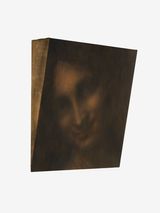
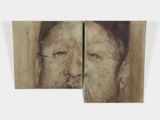
In a recently completed project, Lee Yongjae imparted a new temporality to the image of a Renaissance painting, treating time as his primary theme. A painting by Leonardo da Vinci in its unrestored state inspired him to conceptualize ways for the nonvisual element of time to intervene in a painting. The artist captures the “post-original state” rather than recreating the “original” as he seeks to establish a narrative that transcends recreation. Painting is always conceived as a product that surpasses the present and aims at the future with the goal of “validity” rather than “novelty.” For the artist, time is not a linear progression, but a recurring and overlapping movement used to build units of painting that have the potential to be recalled. In that sense, his work represents the methodology of meta-painting (painting about painting), applying ideas and compositions from earlier works as part of his unceasing research into painting itself.
The reason for Caption Seoul’s continuing interest in Lee Yongjae is his stance toward painting itself. According to the artist, a truly enriching experience of his works will require viewers to consider the complex interplay of “narrative” and “context”—not resorting to more facile notions, like “originality” and “style.” Painting, ultimately, is conversation; by evoking other eras, other painters, and other images, Lee Yongjae invites extensive dialogue. Still, the artist remains wary of drawing hasty conclusions about the past or the present even as he consolidates his own practice. He’s even more wary of the tendency to adapt to the mainstream by labeling one’s identity as a post-colonial alternative or style. Instead, he constructs his own chronicle that—by emphasizing some things while remaining deliberately silent about others—allows careful observation of painting’s traditions and grammar. Calling himself a “Korean player,” Lee Yongjae works with persistence building his paintings with the determination of an architect whose vision stretches a thousand years into the future.

View Yongjae Lee's Artworks























Explore and Follow Artists Shaping Contemporary Art
A respected voice in contemporary art discourse.
Focusing on ambitious storytelling and insightful art-world commentary. Ocula Magazine publishes in-depth interviews, critical essays and timely analysis on the artists, exhibitions and ideas driving the global art world.
Learn more about Ocula Magazine
Showcasing the best of the art world.
Ocula partners with galleries from around the world to highlight their artists, artworks and exhibitions. Gallery membership is by application and invitation, with each member vetted by an independent panel.
Learn more about Ocula Membership
Specialises in the sale of major artworks.
Led by a team with deep ties to the world’s leading auction houses, galleries and collectors. Ocula’s advisory team offers bespoke services to high-net-worth clients from around the world who are looking to acquire the best of contemporary and modern art.
Learn more about our team and services