





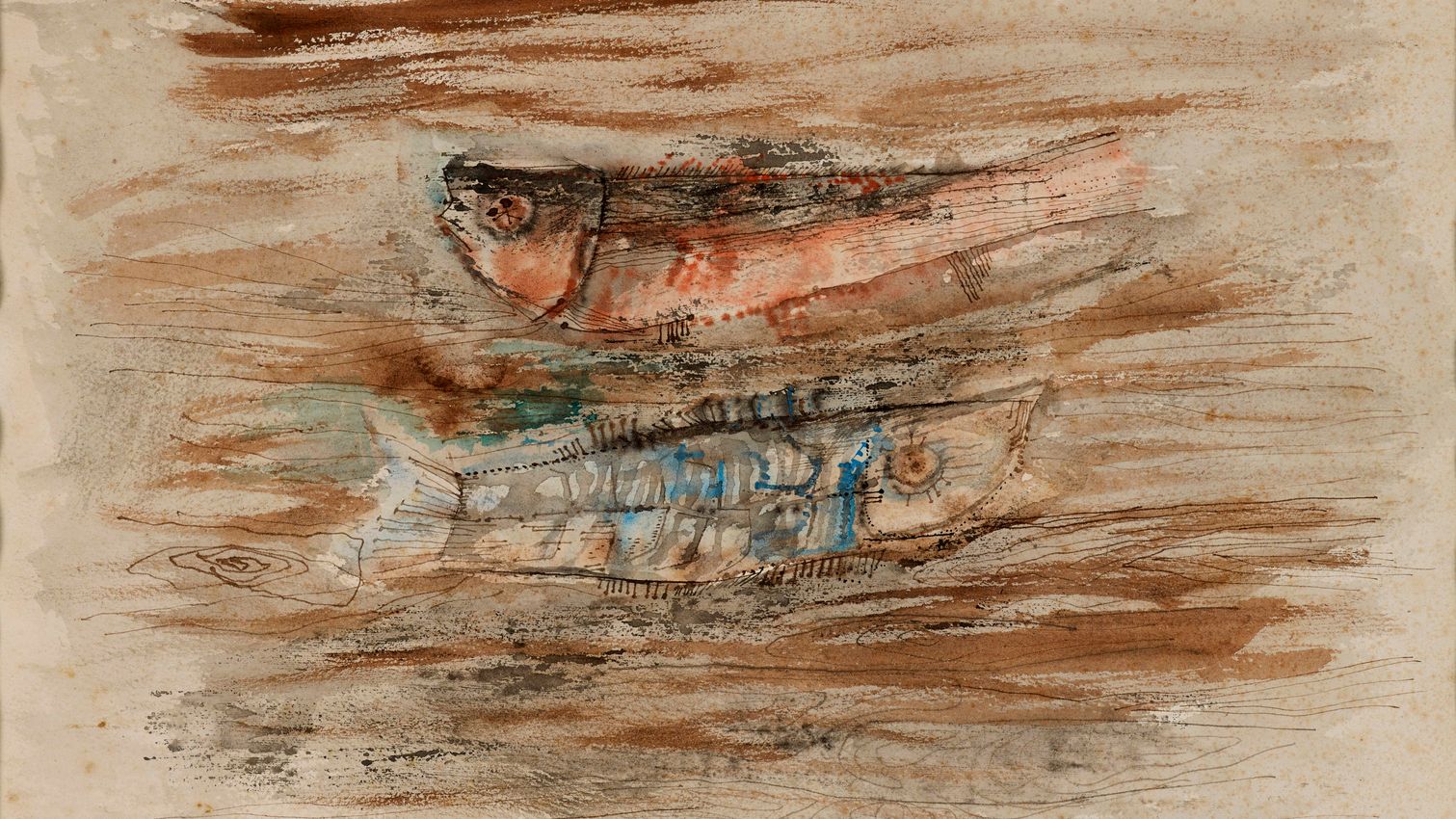
ZAO WOU-KI
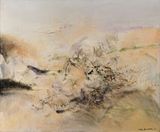
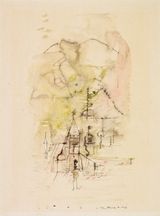
1920-2013, ChinaFor Director Alice King, Zao Wou-ki belongs to what she identifies as the “Lost Generation”, which includes the generation of Chinese artists who went abroad in the 1940s to study, and often permanently settled in their adopted countries. Many of these artists struggled to make a name for themselves in the West and, as suggested by a letter King wrote to Zao in 1982, were fairly unheard of in the East. Born in 1920 in Beijing, Zao began living in Paris in 1948. A student of Lin Fengmian, a pioneer of modern Chinese painting, Zao studied at the Hangzhou National College of Art before he left for Paris. While drawing from his Chinese roots, he became an exponent of Lyrical Abstraction in oil painting after becoming inspired by Western artists, in particular Paul Klee. He passed away in 2013.
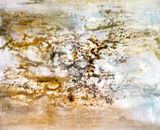
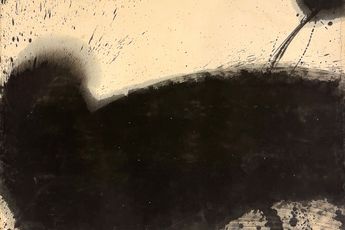
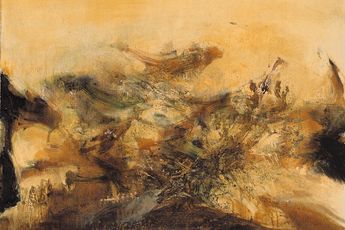
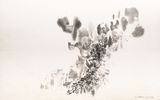
The gallery began showing Zao’s works in 1983, before he was well-known in Asia, as part of a group exhibition Contemporary European Artists, and since then has held four solo exhibitions for Zao. The gallery held his very first selling exhibition in Hong Kong in 1993, in conjunction with the first Le French May Festival, featuring works in Chinese ink on paper and oil on canvas. This was followed by a solo exhibition in 1996. Although oil painting was to become Zao Wou-ki’s primary medium and the source of his worldwide renown, he also experimented in printmaking, Chinese ink painting and watercolours. In 2003, the gallery showcased a series of Zao’s rare early oil paintings and watercolours, the same year an important retrospective was held for him at the Galerie Nationale du Jeu de Paume in Paris. Then in 2009, Alisan organised Celebrating Zao Wou-ki, which included a collection of Zao’s oil paintings, watercolours, lithographs, etchings, and ink works, executed between 1949 and 1994, providing an overview of Zao Wou-ki’s artistic development from the early poetic figurative work to the later meditative abstract compositions.
Important exhibitions of Zao’s works have been held at the Grand Palais in 1981, Palace Museum Beijing in 1983, with retrospectives at Taipei Fine Arts Museum in 1993, Kaohsiung Museum of Fine Arts in 1995, Hong Kong Museum of Art in 1996, Galerie Nationale du Jeu de Paume, Paris between 2003-04. His works have been widely collected by important museums, including the Museum of Modern Art, New York; the Asian Art Museum of San Francisco; Museum of Fine Arts, Boston; Tate, London; Musée d’Art Moderne de la Ville de Paris; National Osaka Art Museum; Hong Kong Museum of Art. In 1993 he was awarded the Commandeur de la Légion d’Honneur, and in 2006 he was made Grand Officier de l’Ordre de la Légion d’Honneur.
Courtesy Alisan Fine Arts

Works at Alisan Fine Arts




Recently Exhibited

Exhibiting Elsewhere

Works Elsewhere












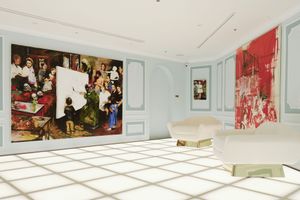
Zao Wou-Ki in Ocula Magazine









Explore and Follow Artists Shaping Contemporary Art
A respected voice in contemporary art discourse.
Focusing on ambitious storytelling and insightful art-world commentary. Ocula Magazine publishes in-depth interviews, critical essays and timely analysis on the artists, exhibitions and ideas driving the global art world.
Learn more about Ocula Magazine
Showcasing the best of the art world.
Ocula partners with galleries from around the world to highlight their artists, artworks and exhibitions. Gallery membership is by application and invitation, with each member vetted by an independent panel.
Learn more about Ocula Membership
Specialises in the sale of major artworks.
Led by a team with deep ties to the world’s leading auction houses, galleries and collectors. Ocula’s advisory team offers bespoke services to high-net-worth clients from around the world who are looking to acquire the best of contemporary and modern art.
Learn more about our team and services