





National Gallery of Modern Art
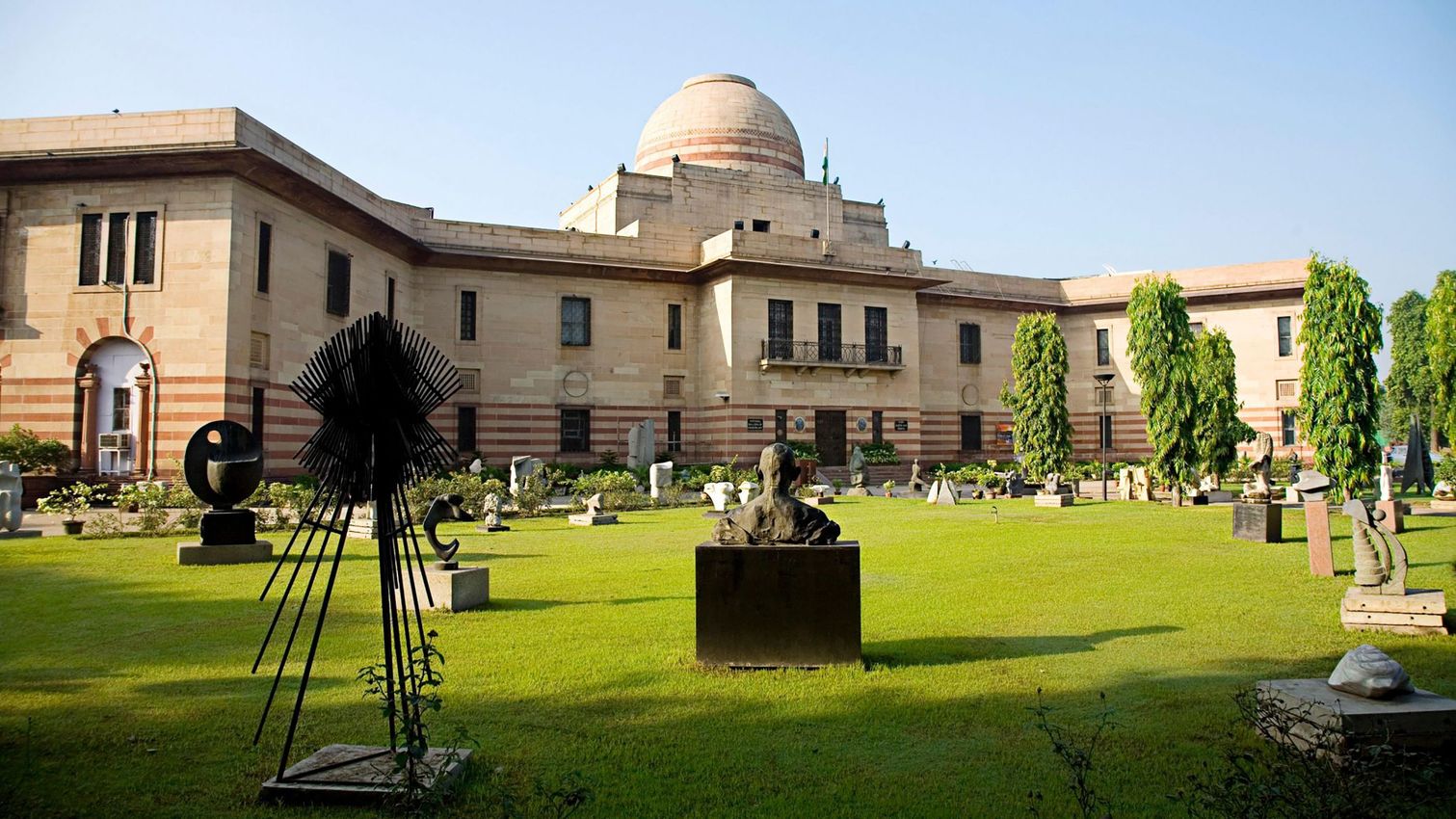
New Delhi Learn more about what's on at National Gallery of Modern Art and the artists shaping its programme.National Gallery of Modern Art (NGMA) in New Delhi is India’s flagship museum for modern and contemporary art, housed in the former Jaipur House near India Gate in New Delhi, India. Inaugurated in 1954, it is India’s first public art gallery dedicated to modern art and now holds more than 17,000 works, offering one of the most comprehensive surveys of Indian art from the mid-19th century to the present.
Location
The National Gallery of Modern Art, New Delhi is located in Lutyens’ Delhi at Jaipur House, India Gate, New Delhi 110003, under the Ministry of Culture, Government of India. The museum occupies a former princely residence adapted and expanded for museum use, combining historic architecture with later additions that provide generous galleries for large installations and sculpture.
NGMA New Delhi’s collection charts the evolution of modern Indian art through painting, sculpture, graphics, photography, and mixed media, spanning colonial academic practices, the Bengal School, early modernist experiments, post-Independence abstraction and figuration, and recent contemporary work. As a central institution in Delhi’s cultural landscape, it is a key reference point for students, artists, curators, and international visitors seeking a focused introduction to Indian modern and contemporary art.
Art and Exhibitions
NGMA’s collection is anchored by ‘ten master artists’ recognised as founders of modern art in India: Raja Ravi Varma, Rabindranath Tagore, Gaganendranath and Abanindranath Tagore, Nicholas Roerich, Nandalal Bose, Jamini Roy, Ramkinkar Baij, Sailoz Mookherjea, and Amrita Sher-Gil. Beyond these, the collection includes major modernists and contemporaries such as V.S. Gaitonde, Tyeb Mehta, Akbar Padamsee, Krishen Khanna, Ram Kumar, J. Swaminathan, Anjolie Ela Menon, Arpita Singh, Nalini Malani, Subodh Gupta, Jitish Kallat, and many others.
Permanent displays in New Delhi are arranged largely chronologically and by school, highlighting key movements and artists within Indian modernism and its aftermath. Rotating exhibitions draw on the museum’s holdings and loans to present retrospectives, thematic surveys, and photography or contemporary projects, often revisiting canonical figures like Amrita Sher-Gil alongside newer practices.
National Gallery of Modern Art FAQs
What makes the National Gallery of Modern Art, New Delhi important?
The National Gallery of Modern Art, New Delhi is one of India’s most important public museums devoted to modern and contemporary art, established in 1954 as the country’s first institution of its kind. With more than 17,000 works in its custody, it provides an exceptional overview of the development of Indian modern art within a national public collection.
What kind of art and exhibitions are at NGMA New Delhi?
Visitors encounter paintings, sculptures, graphics, photographs, and mixed-media works that trace Indian art from the late 19th century to the present. Displays and exhibitions cover academic and court painting, Bengal School aesthetics, early modernism, post-Independence abstraction and narrative figuration, as well as more recent contemporary practices.
What are NGMA New Delhi opening hours?
According to official information, NGMA New Delhi is open from Tuesday to Friday, 11:00 am to 6:30 pm, and on Saturday and Sunday from 11:00 am to 8:00 pm. The museum is closed on Mondays and national holidays, so visitors should always check the latest timings on NGMA’s “Plan your visit” page before arriving.
How do I get tickets for NGMA New Delhi?
The National Gallery of Modern Art in New Delhi charges a modest entry fee, with different tariffs for Indian and foreign visitors and concessions for certain groups, in line with other national museums in the city. Because specific ticket prices and any free-entry provisions can change, the most reliable source for current information is the official NGMA website and associated government culture portals.
Does NGMA New Delhi offer tours or public programmes?
NGMA New Delhi offers educational tours that can be arranged by sending a request to its dedicated education email address listed on the official site. In addition, the museum organises regular talks, lectures, and public events around its exhibitions, reinforcing its role as an educational hub for modern and contemporary art in Delhi.
Which artists are included in the NGMA New Delhi collection?
The NGMA New Delhi collection prominently features the ‘ten master artists’ of Indian modern art: Raja Ravi Varma, Rabindranath Tagore, Gaganendranath and Abanindranath Tagore, Nicholas Roerich, Nandalal Bose, Jamini Roy, Ramkinkar Baij, Sailoz Mookherjea, and Amrita Sher-Gil. It also holds works by modern and contemporary artists such as V.S. Gaitonde, Tyeb Mehta, Akbar Padamsee, Ram Kumar, J. Swaminathan, Anjolie Ela Menon, Arpita Singh, Nalini Malani, Subodh Gupta, Jitish Kallat, and many others who have shaped India’s art history.
Which well-known artists have exhibited at NGMA New Delhi?
From its early years, NGMA New Delhi has mounted exhibitions of leading Indian sculptors and painters, including early shows featuring artists like Ramkinkar Baij and other modern sculptors. Over time, the museum has presented major displays and retrospectives of figures such as Raja Ravi Varma, Amrita Sher-Gil, and key modernists, using its galleries as a platform for reexamining canonical artists in Indian art.

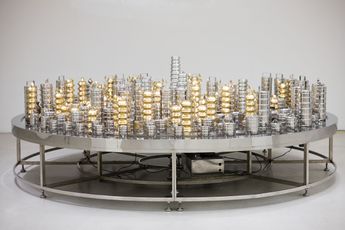

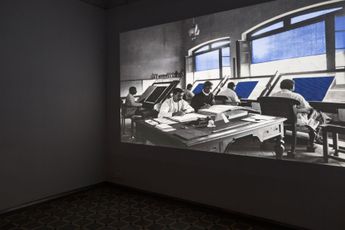
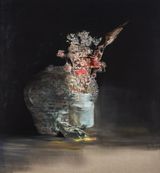
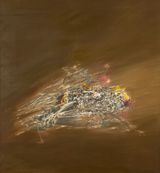
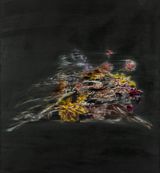
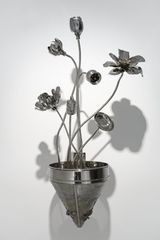
Artworks by National Gallery of Modern Art Artists












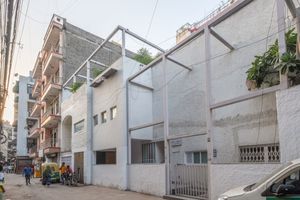
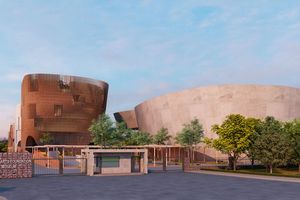
More New Delhi Museums and Galleries



A respected voice in contemporary art discourse.
Focusing on ambitious storytelling and insightful art-world commentary. Ocula Magazine publishes in-depth interviews, critical essays and timely analysis on the artists, exhibitions and ideas driving the global art world.
Learn more about Ocula Magazine
Showcasing the best of the art world.
Ocula partners with galleries from around the world to highlight their artists, artworks and exhibitions. Gallery membership is by application and invitation, with each member vetted by an independent panel.
Learn more about Ocula Membership
Specialises in the sale of major artworks.
Led by a team with deep ties to the world’s leading auction houses, galleries and collectors. Ocula’s advisory team offers bespoke services to high-net-worth clients from around the world who are looking to acquire the best of contemporary and modern art.
Learn more about our team and services