The art world in focus
Subscribe to our newsletter for news and insights on artists, galleries and exhibitions.

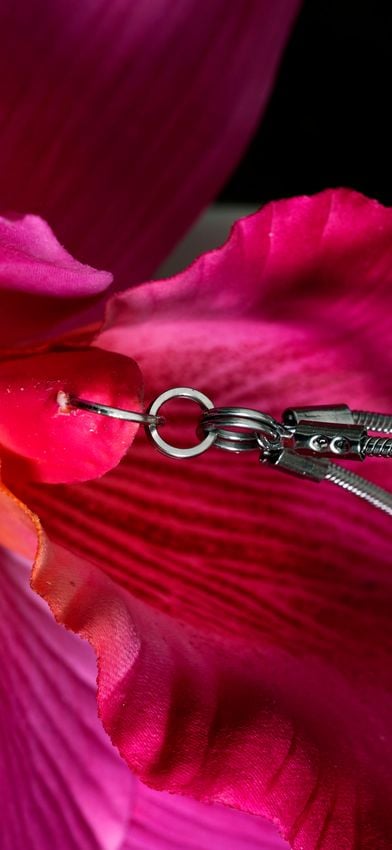
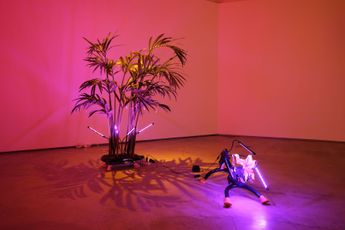
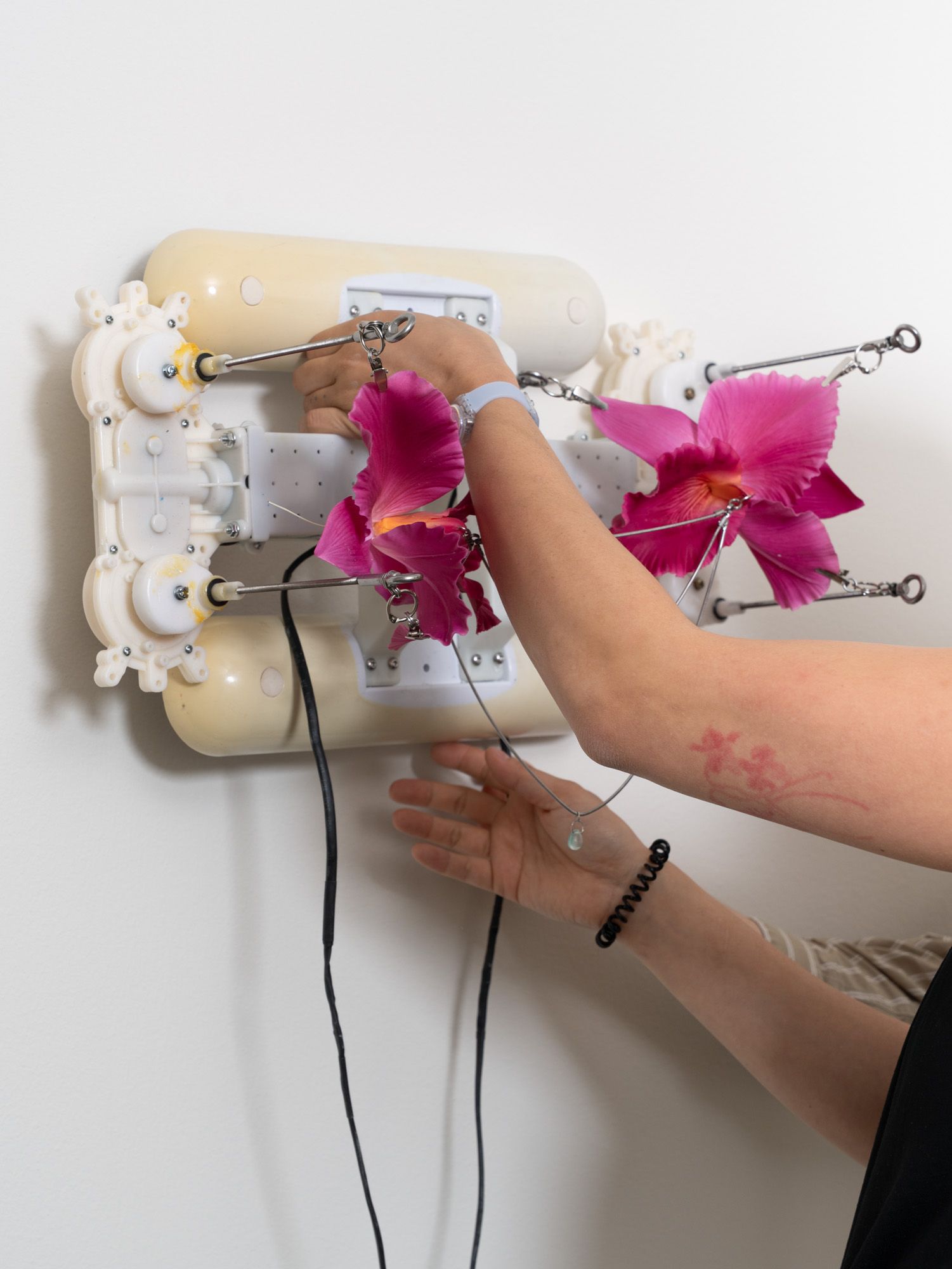
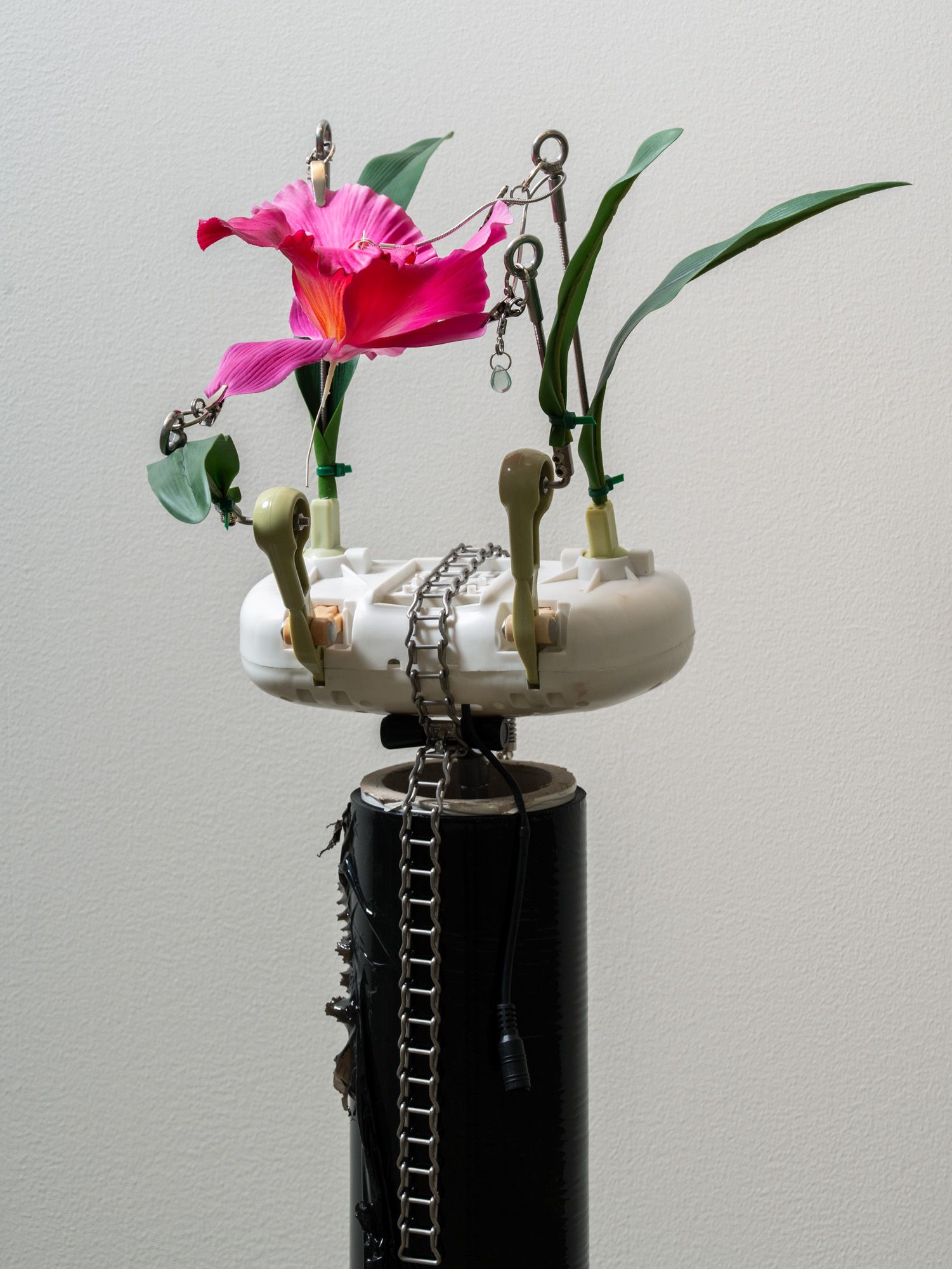
There is a strangely erotic relationship between the artificial flowers and modified household devices that form Korean American artist Rachel Youn’s kinetic sculptures. For Writhe (2026), Youn has adapted a neck massager so that it jitters and moves out of sync. Rotating chrome posts clipped to the edges of an artificial pink anthurium enable the flower to “dance” seductively with the movement of the machine. A swathe of heart-shaped waxy petals surround an erect central spadix whose tip has been weighed down by a dangling piercing, with crystalline droplets spilling over the edge of the petals. As the massager’s posts move in circular motions, the anthurium is folded and stretched open, over and over again.
As hypnotic and suggestive as the gyrating flora is, Youn’s focus is on the machine. Based in New Mexico, they collect second-hand massage and wellness machines and give them life anew. In a spring 2026 two-person exhibition—Factory Doomscroll, at Night Gallery in Los Angeles (with Christine Tien Wang)—and Youn’s latest solo show, Unruly Vessel at Scuola Piccola Zattere in Venice, the modified instruments are dressed up by the artist in children’s roller skates, adorned with bows, or else given Youn’s signature flowers to go to town on. These moving sculptural installations might be animated by machines but, in Youn’s hands, they elicit a deeper, more human question: what happens to us when we no longer serve our assumed or self-determined relational function?
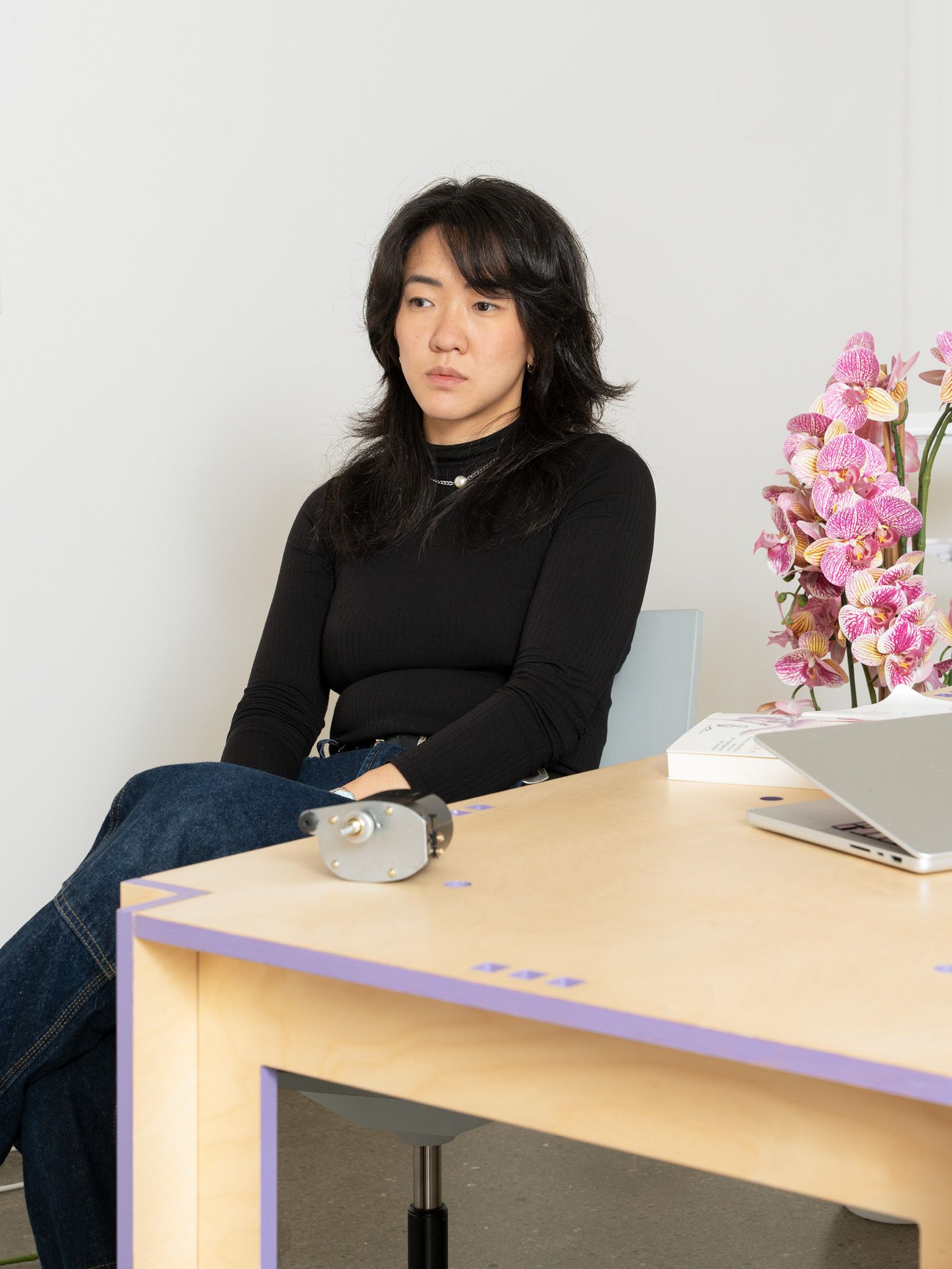
Rachel Youn: While I was on the residency, I ended up taking a trip to a Venetian island called San Servolo where there is a museum in what used to be an “insane asylum”. It was a psychiatric institution from the 1700s and, before that, a monastery. There’s something about the isolation of islands and monasteries, and also prisons. I think there is a relationship between “madness” and religion. In the San Marco basin there was a prison ship, the Pubblica Fusta, that was moored near the land where everybody could see it. The prisoners lived there. The ship has no masts, and it was used to train prisoners to row because rowing was a [punitive] sentence. Then they also started putting mentally unwell people on that ship. And then they also started putting sick people on the ship. So, there was an association with this ship—of madness, sickness and criminalisation.
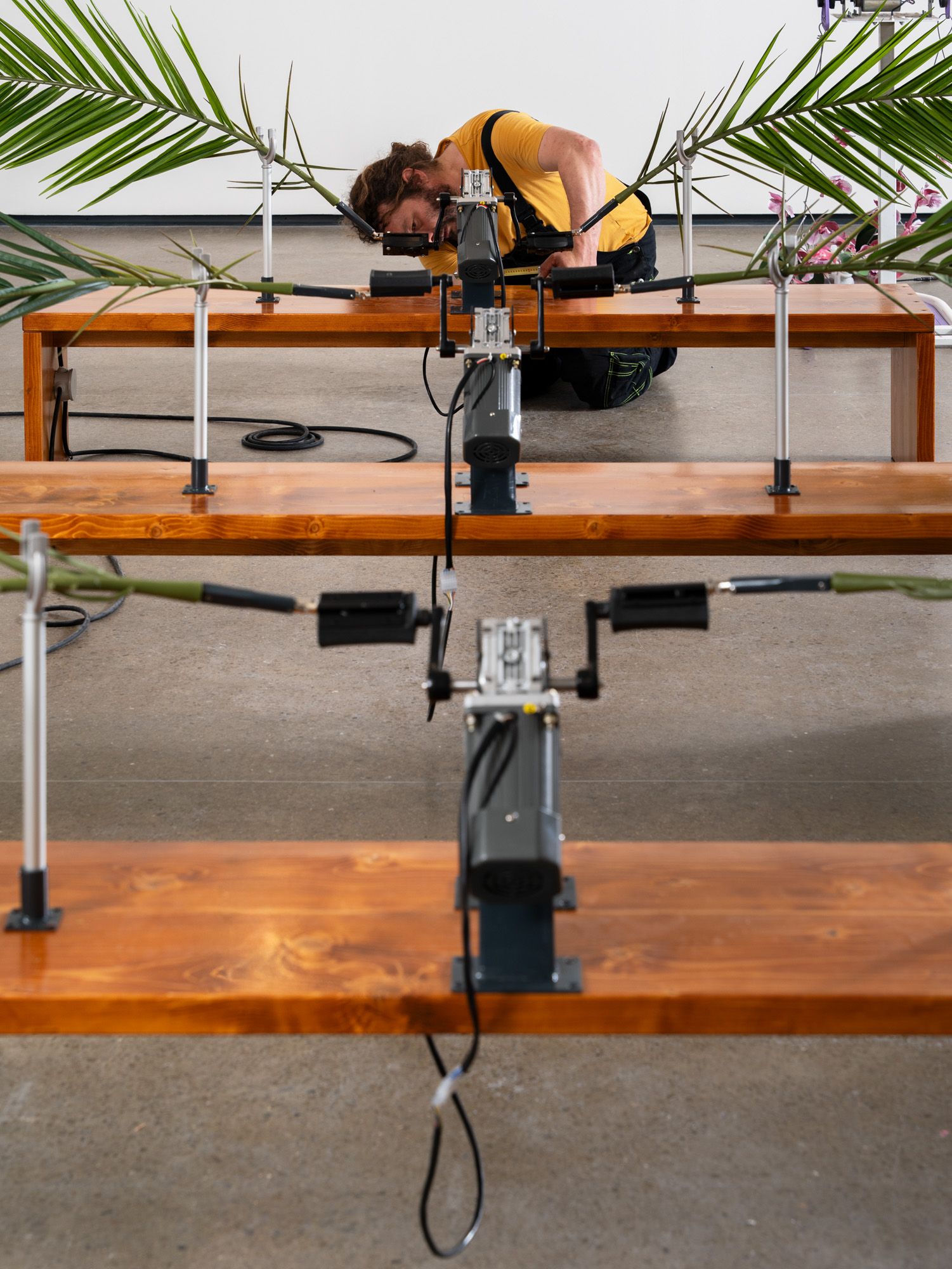
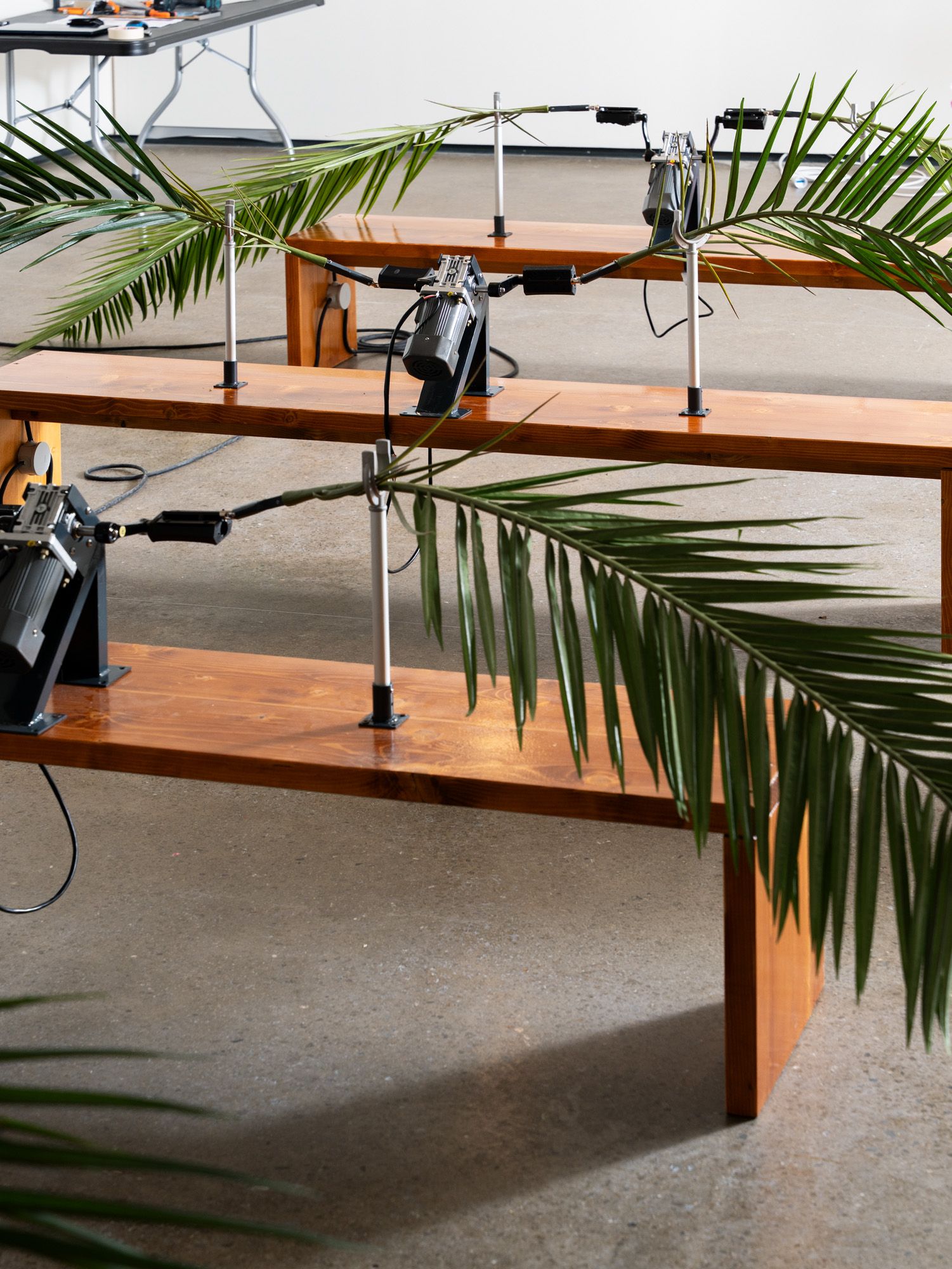
RY: Congregation (2026), the central piece, imitates the rowing prisoners on the Pubblica Fusta. Modified electrical bike machines are set atop several rows of benches and artificial palms extend from each machine, like oars. The palms are a reference to Palm Sunday. The machines are modified so that the palms move synchronously, as opposed to paddling. There is a feeling of perpetual exercise. There are more references to restraint, shaking, craziness and how madness has been understood in this archaic way throughout the show. The piece is half existential rowing and half liturgical celebration of a saviour figure, but to me, it’s like nothing is happening. There’s all this energy being spent but it’s not going towards anything.
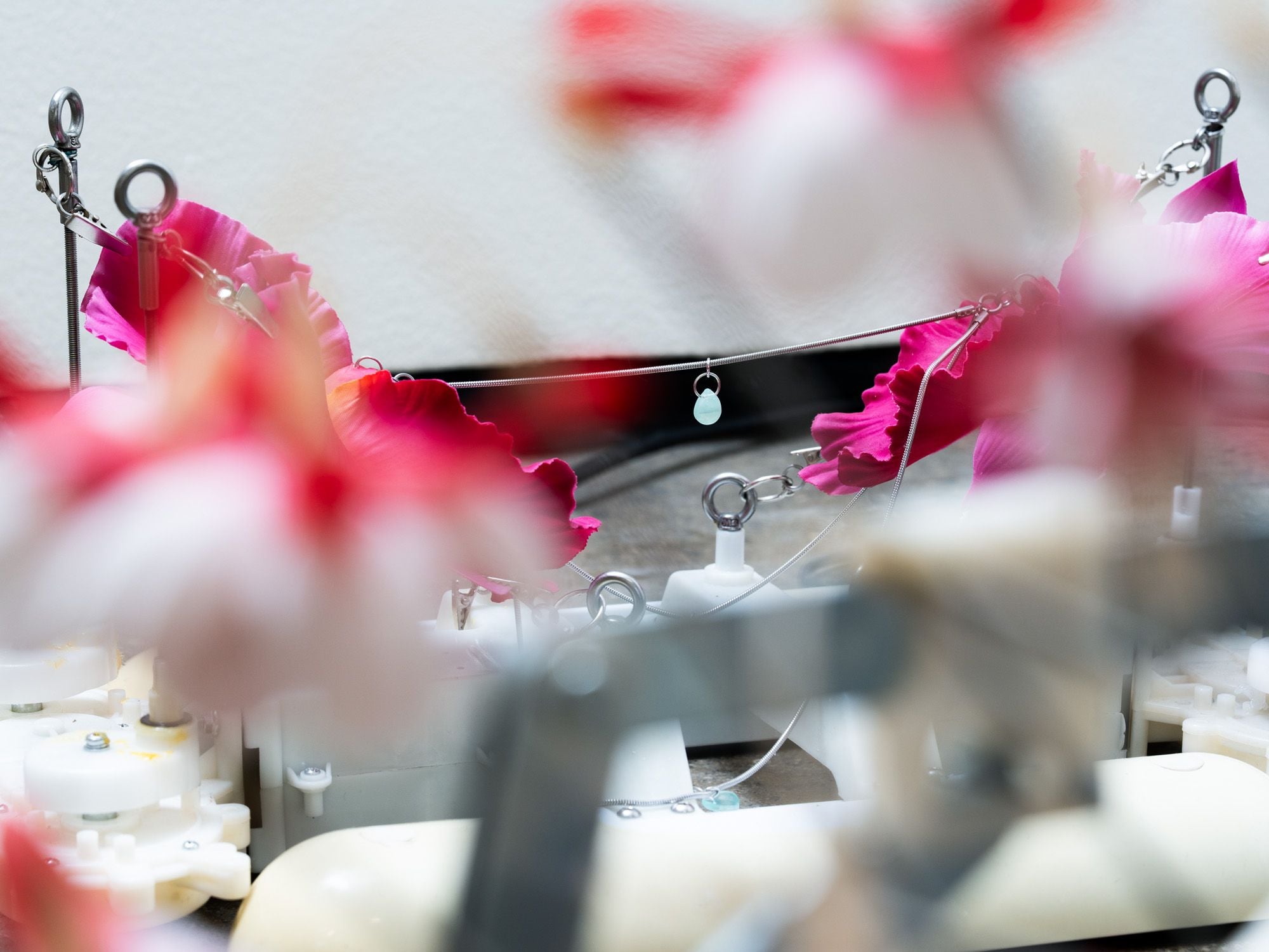
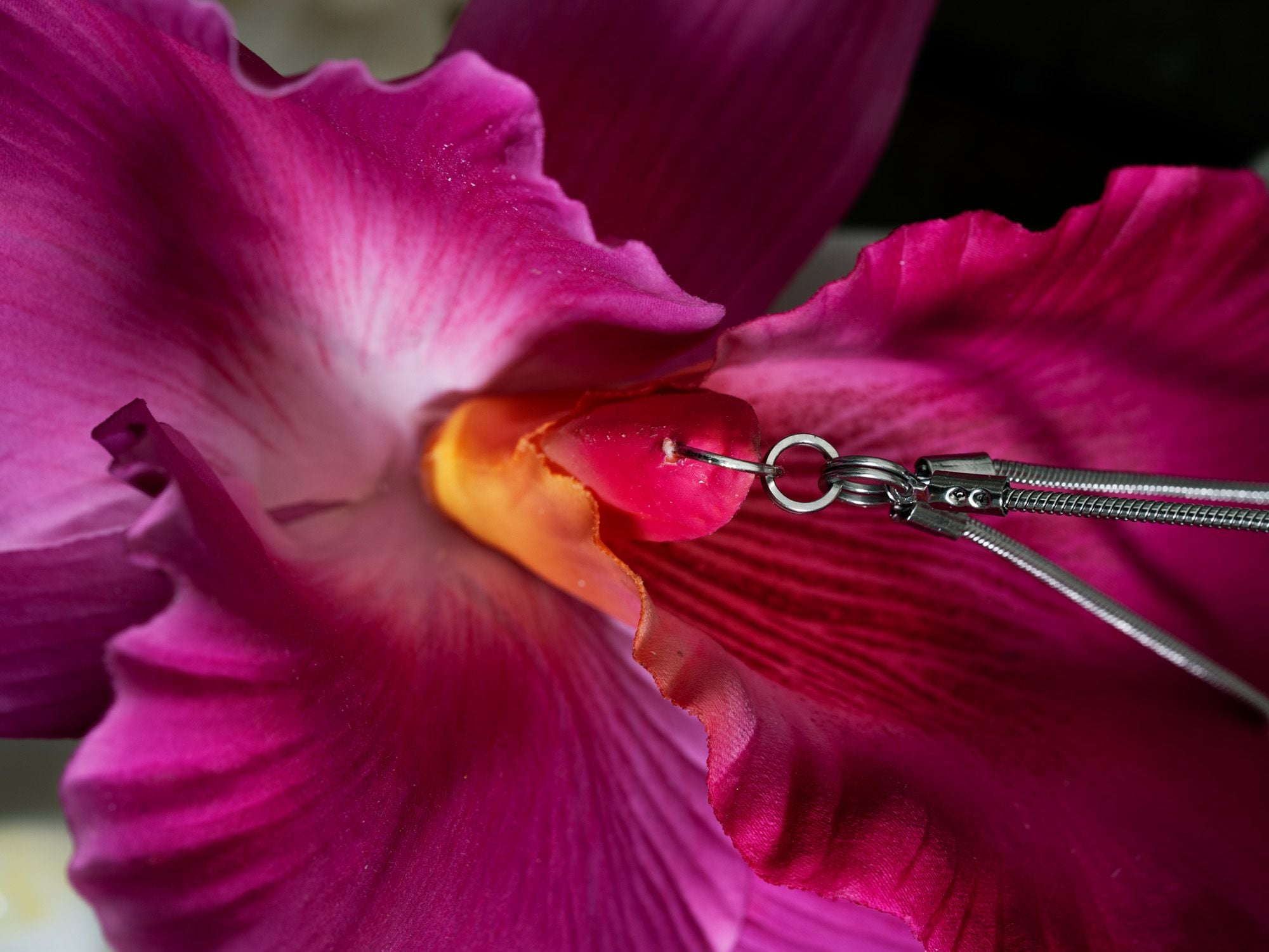
RY: There are two ways that I do modifications. The machines are supposed to be symmetrical in their movements, like a massage, but I open it up and adjust the gears to find that riding motion that I’m looking for. I also can control the speed a little bit and dial the exact voltage that I want. The other way I modify them is by direct power, rewiring some of them. A lot of machines like this have a 10- to 15-minute timer shut-off mechanism in them; they aren’t supposed to run for that long. I’m forcing them to move beyond their capacity.
“There’s all this energy being spent but it’s not going towards anything”
RY: The way I see it, a machine replaces human labour. Instead of being massaged by a masseuse, you get a massage from the machine. If it turns off, you just turn it back on. It circumvents social relationships because, ultimately, when you do something with another person, that person has to stop at some point. The machine is an expendable resource at the end of the day, but it has this ability to continue.
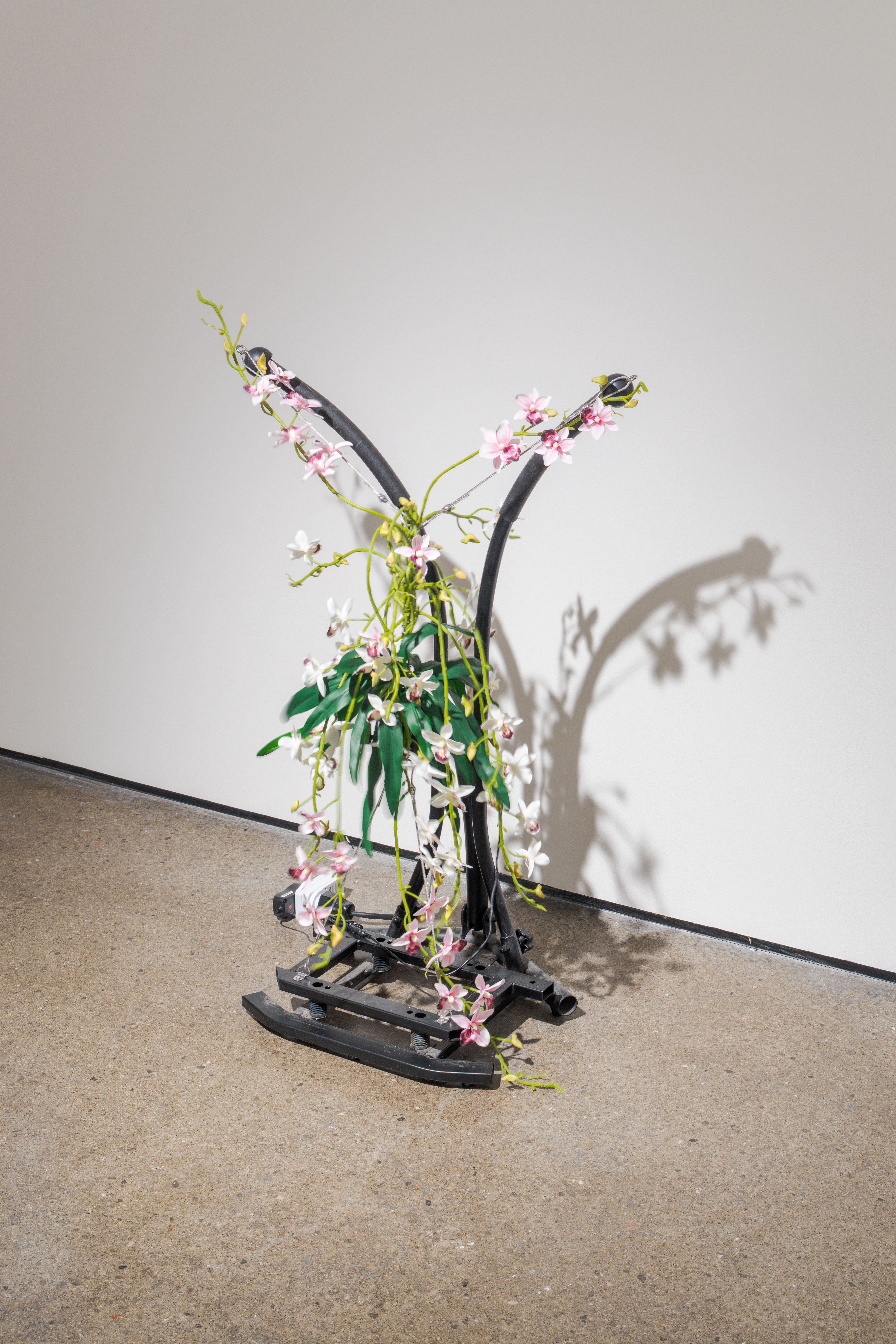
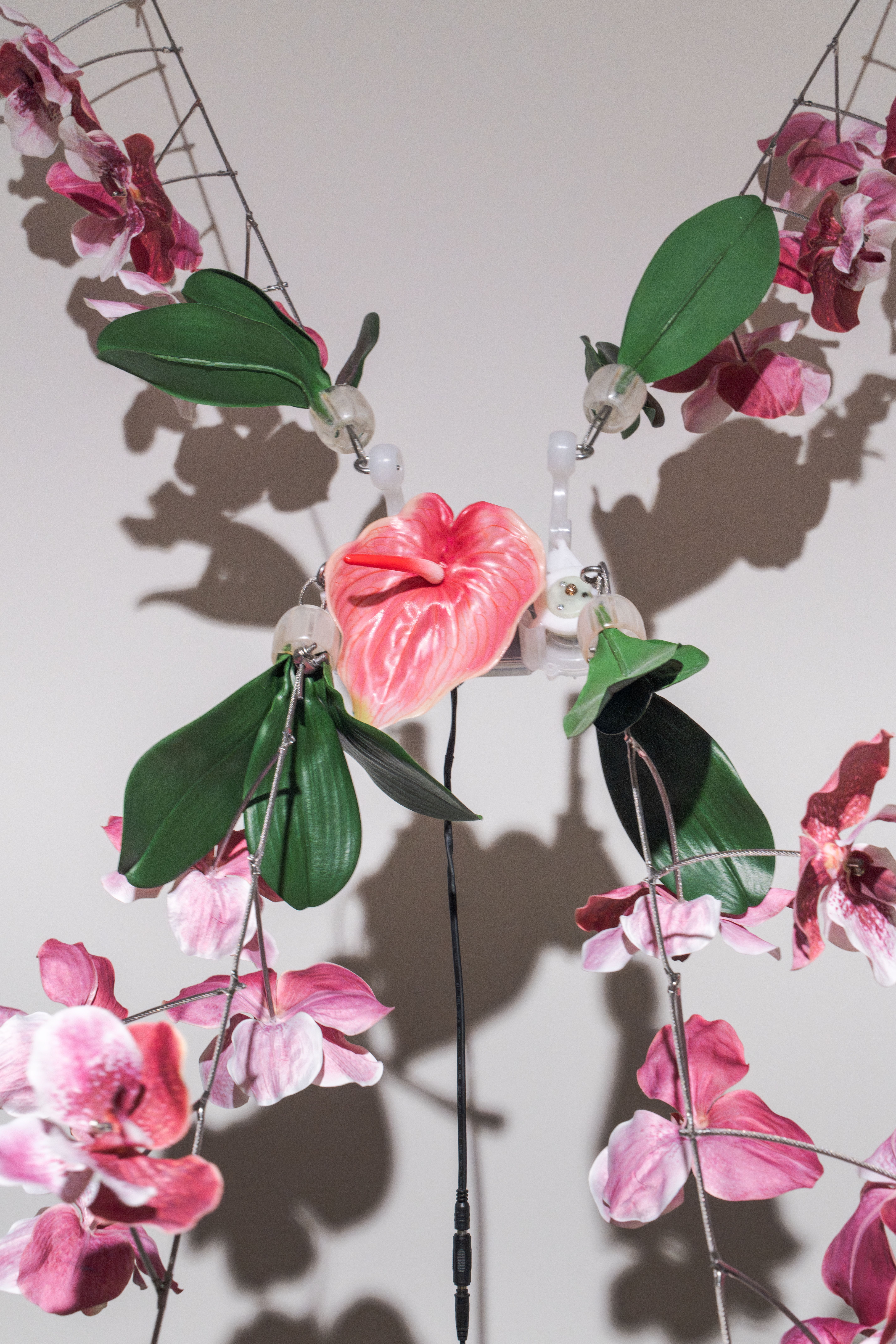
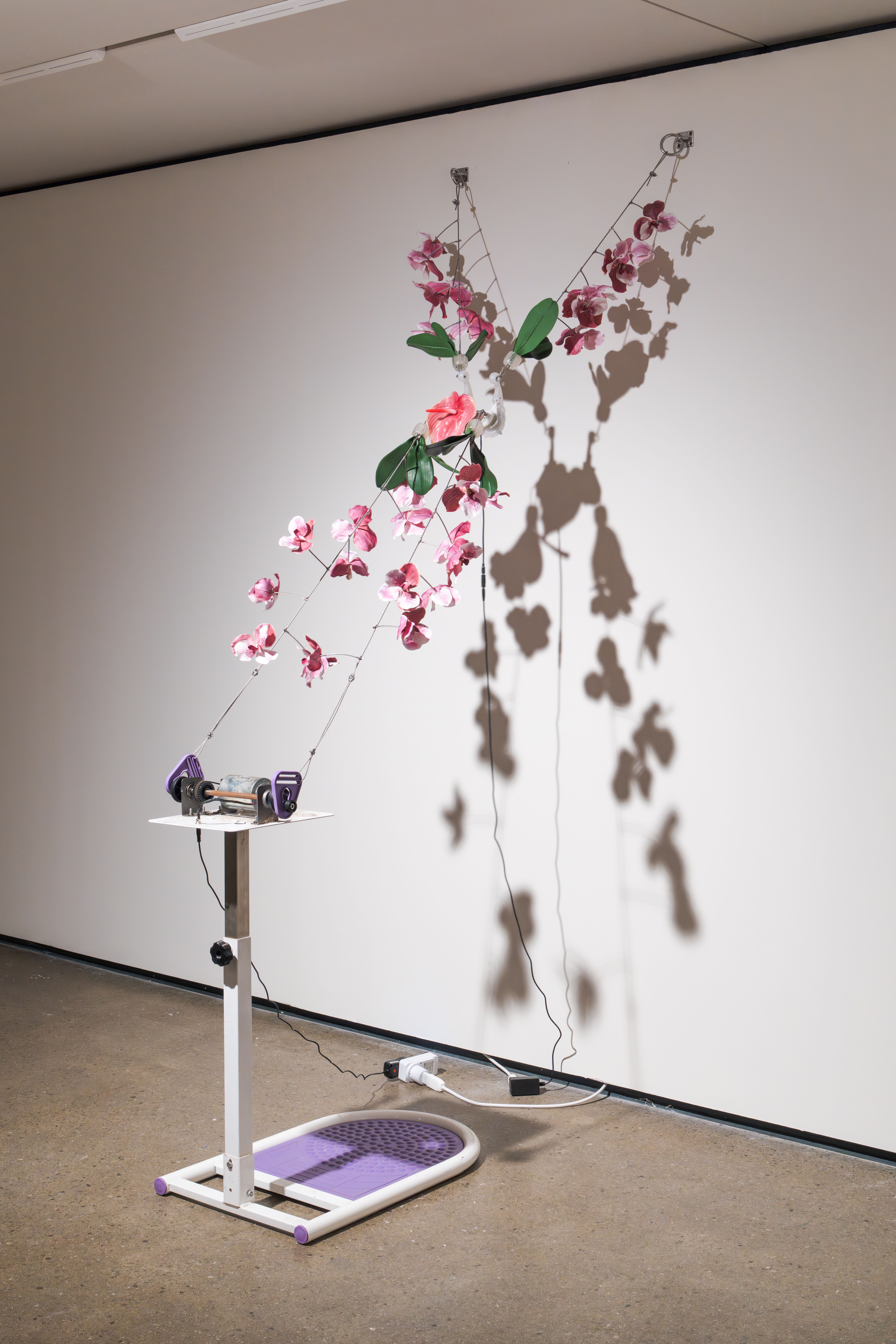
RY: My inspiration comes from interactions with people. I think the deepest roots of my work are to do with love and the relationships of women in the household. I’m interested in the expectations put on somebody, as if they were a machine, to do the same thing over and over again. The way that relationships fall apart when they become capitalistic, or when people treat each other like assets as opposed to people. What happens when somebody falls ill, or goes “crazy”, and they don’t perform the same role for you socially as they did before? What happens to love then?
RY: Yeah. I love putting contradictions together and seeing people’s reactions to it. Some people respond with: “This is really hypnotic and calming,” while others are, like: “This is really horrible to look at.” Perfect. The motions themselves are uncanny, too. They move in an organic-ish way because the machines themselves are designed to mimic human motion, but they’re moving a little bit too fast to be natural. I was interested more broadly in tropical or exotic flowers. I think they add artifice, like capturing something from far away that isn’t supposed to be here. This is especially true as I’ve gone from working with stems to individual flowers, and orchids and anthuriums are very bodily.
RY: I’ve been looking at the human and narrative aspects of plants. Back in the desert, I’ve been thinking about the death blooms of agave plants. They spend 10 to 40 years growing and then shoot out this beautiful spike to pollinate once. This is their last act. Next, I want to make a work about dying through reproduction. —[O]



A respected voice in contemporary art discourse.
Focusing on ambitious storytelling and insightful art-world commentary. Ocula Magazine publishes in-depth interviews, critical essays and timely analysis on the artists, exhibitions and ideas driving the global art world.
Learn more about Ocula Magazine
Showcasing the best of the art world.
Ocula partners with galleries from around the world to highlight their artists, artworks and exhibitions. Gallery membership is by application and invitation, with each member vetted by an independent panel.
Learn more about Ocula Membership
Specialises in the sale of major artworks.
Led by a team with deep ties to the world’s leading auction houses, galleries and collectors. Ocula’s advisory team offers bespoke services to high-net-worth clients from around the world who are looking to acquire the best of contemporary and modern art.
Learn more about our team and services