

The art world in focus
Subscribe to our newsletter for news and insights on artists, galleries and exhibitions.


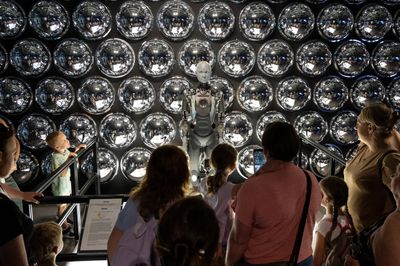
The Association of Illustrators described the findings as “the clearest indication yet that the impact of generative AI on illustration is no longer mainly about what might happen in the future”. Image: Westend61 GmbH.
Almost half of UK illustrators have lost work during 2026 because a client instead chose to use generative AI, according to a recent survey by the Association of Illustrators (AOI).
The survey, titled AI and the Future of Illustration, found that 46 percent of 549 respondents had experienced a client preferring to make use of the technology, a 32 percent increase from 2025.
The AOI described the findings as “the clearest indication yet that the impact of generative AI on illustration is no longer mainly about what might happen in the future”, adding that “more illustrators are seeing it now: in lost commissions, tighter budgets, changing briefs and pressure on the way they work”.
Across the sector, AI is increasingly being used to inform or influence work commissioned from illustrators, with 62 percent of respondents reporting that they had received AI-generated images in briefs or mood boards, and 36 percent reporting that they had been asked to copy, refine or redraw AI-generated images.
“An AI-generated visual comes with the brief. The client sees it as part of the work already completed,” the survey explains. “The illustrator is expected to follow it closely, while the deadline gets shorter and the budget becomes harder to defend.”
This is backed up by data, with 31 percent of respondents reporting pressure from clients to accept lower fees, and 27 percent reporting a demand for faster turnarounds.
The respondents to the survey also pointed to a grim economic context, with more than half of those polled telling the AOI that their overall illustration income had fallen during the previous year. For 22 percent, it had fallen by more than half.

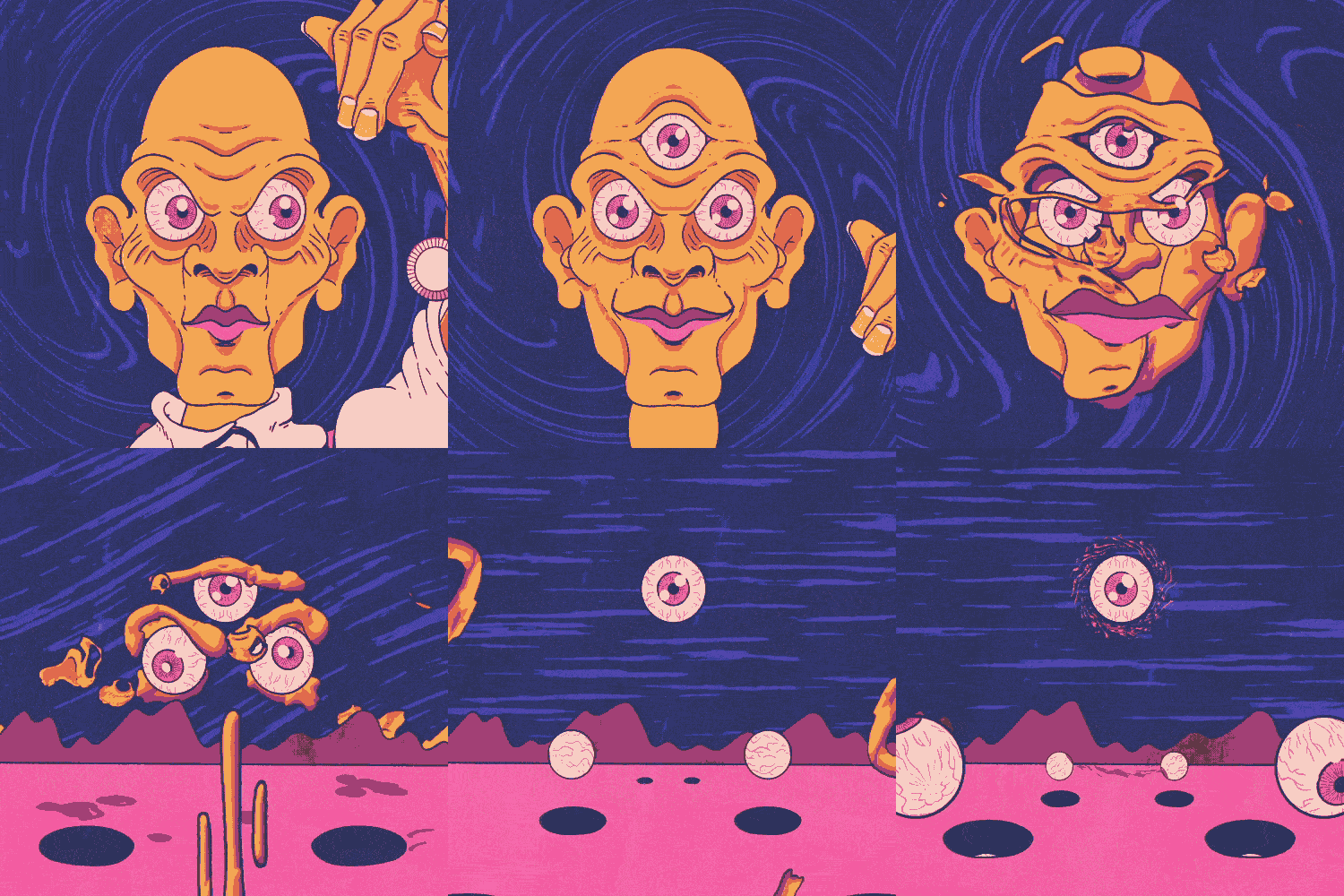
While anecdotally, illustrators have reported a slowdown in the rate of commissions, this is one of few recent datasets showing how AI is affecting how illustrators work—from commissioning to briefing to fees. The spread of the technology coincides with widespread economic pressures, including the UK’s cost of living crises.
“It’s hard to separate the general contraction of the economy from the direct impact of AI,” Sam Tomson, a Manchester-based freelance illustrator, told Ocula.
According to Tomson, there is widespread consumer pushback against AI, which he feels looks “cheap”, but this might be ignored by companies with narrowing margins. “I do know that quite a few big illustration and animation companies are on the rocks,” he said.
Al Robertson, a freelance illustrator and animator based in London, pointed to the different ways in which individuals are affected by the widespread availability of generative AI.
The AOI’s report found that, among illustrators who consider themselves underrepresented or marginalised, 60 percent knew they had lost work to the technology. It also found that games, visual development and specialist illustration have been especially affected by the use of AI, while children’s book illustration faces a comparatively lower level of pressure.
Yet the impact of AI is being felt, to greater or lesser degrees, across the entire sector, leading to what Robertson called the “psychological devaluation” of the image. “If you want to survive now, you’re going to have to be able to constantly change up, and work in ways that don’t conform to a preconceived idea or aesthetic,” he told Ocula. “AI can’t come up with art that’s compelling.”

A respected voice in contemporary art discourse.
Focusing on ambitious storytelling and insightful art-world commentary. Ocula Magazine publishes in-depth interviews, critical essays and timely analysis on the artists, exhibitions and ideas driving the global art world.
Learn more about Ocula Magazine
Showcasing the best of the art world.
Ocula partners with galleries from around the world to highlight their artists, artworks and exhibitions. Gallery membership is by application and invitation, with each member vetted by an independent panel.
Learn more about Ocula Membership
Specialises in the sale of major artworks.
Led by a team with deep ties to the world’s leading auction houses, galleries and collectors. Ocula’s advisory team offers bespoke services to high-net-worth clients from around the world who are looking to acquire the best of contemporary and modern art.
Learn more about our team and services