





Why AI Slop Is the Future of Art
The year in slop: Can AI‑generated tradeable art assets replace physical works, or does ‘slop’ spotlight the void between the real and the simulated? Save to My OculaRemember ‘Zombie Formalism’? The term was coined 11 years ago by the late American artist and critic Walter Robinson (who died in February this year) in an essay for Artspace. He diagnosed an omnipresent style of art that ‘involves a straightforward, reductive, essentialist method of making a painting’, which Robinson argued brought these ‘discarded aesthetics’ back from the dead. In 2025, we have a new zombie invasion in the artworld: slop. Uttered like an incantation, there is no term (other than ‘porn’, perhaps) more slippery in its definition yet identifiable in its ubiquity. Slop is everywhere; everything is very sloppy now.
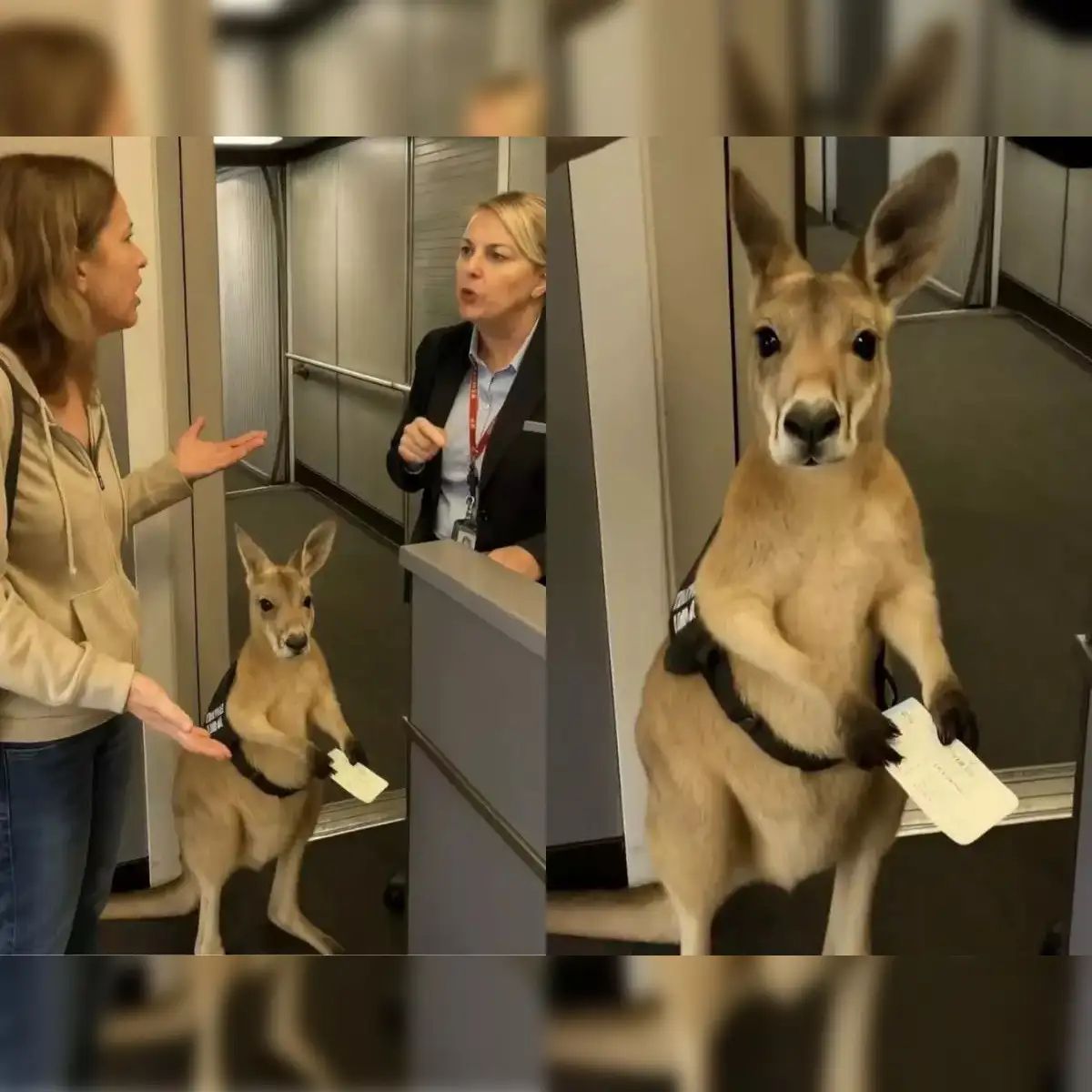
What is slop? Most of the time, it is simply the dumb, useless ‘stuff’ made by AI that has saturated image searches online. The Cambridge Dictionary added the term this year, and defines it as low-quality content on the internet, especially that which is created by artificial intelligence. Some of the results (as with much of the visual output of AI) are photorealistic to the point of believability, with tricksy results. See the AI-created video, released this year, of a kangaroo holding a boarding pass (supposedly a service animal being denied entry to a plane), or the recent AI-generated images of a fictional Buckingham Palace Christmas market, which attracted international tourists in droves before it was revealed to be a hoax.
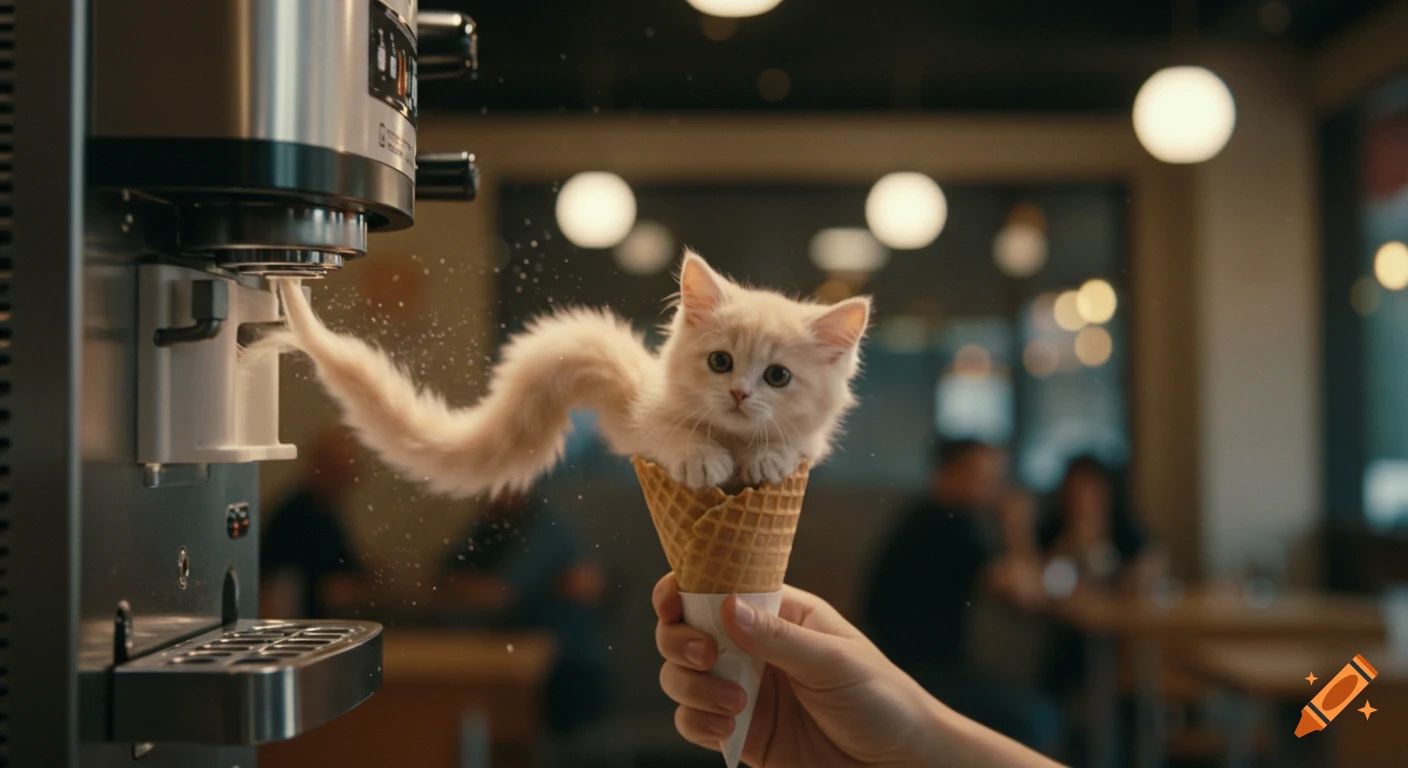
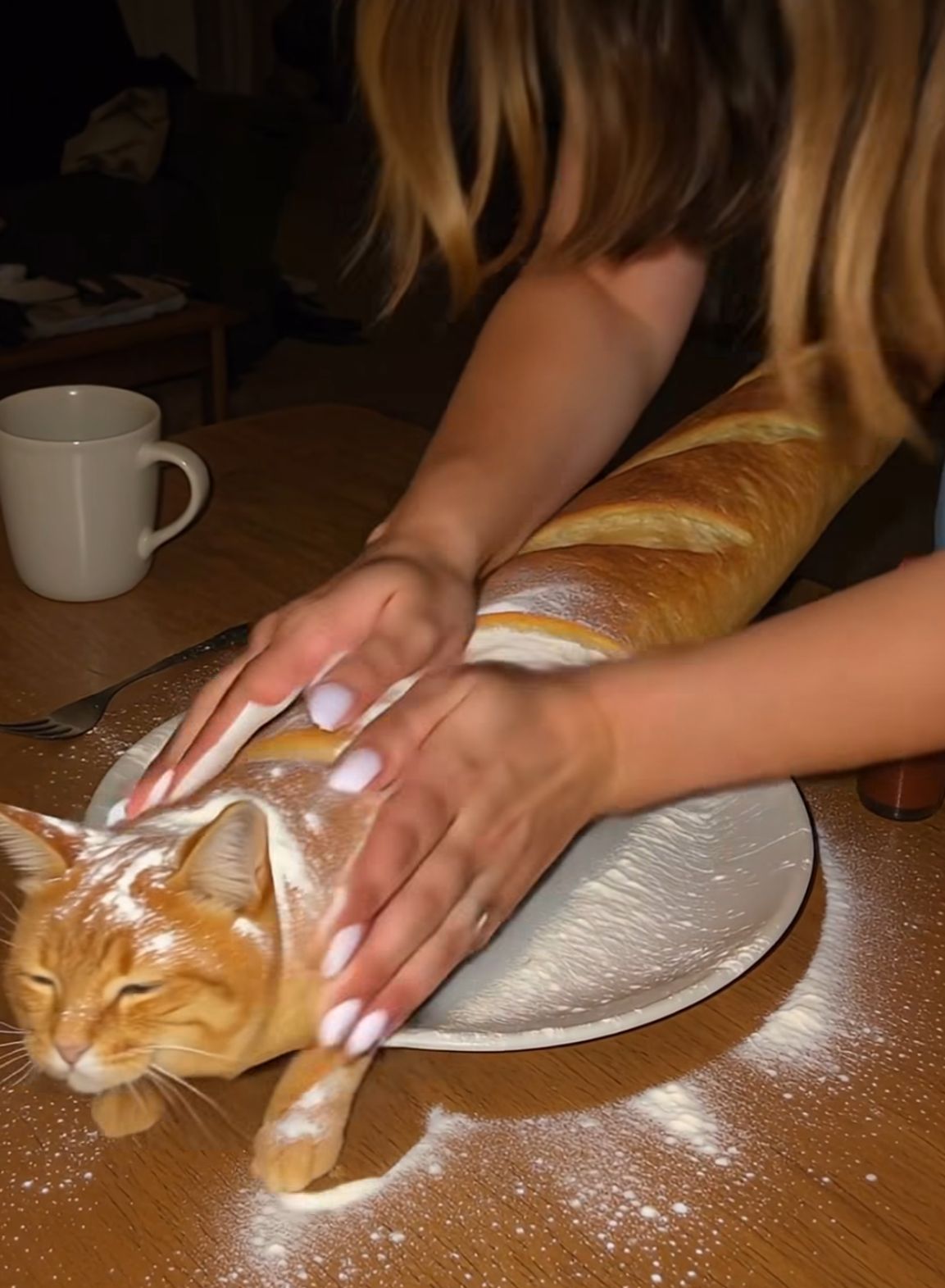
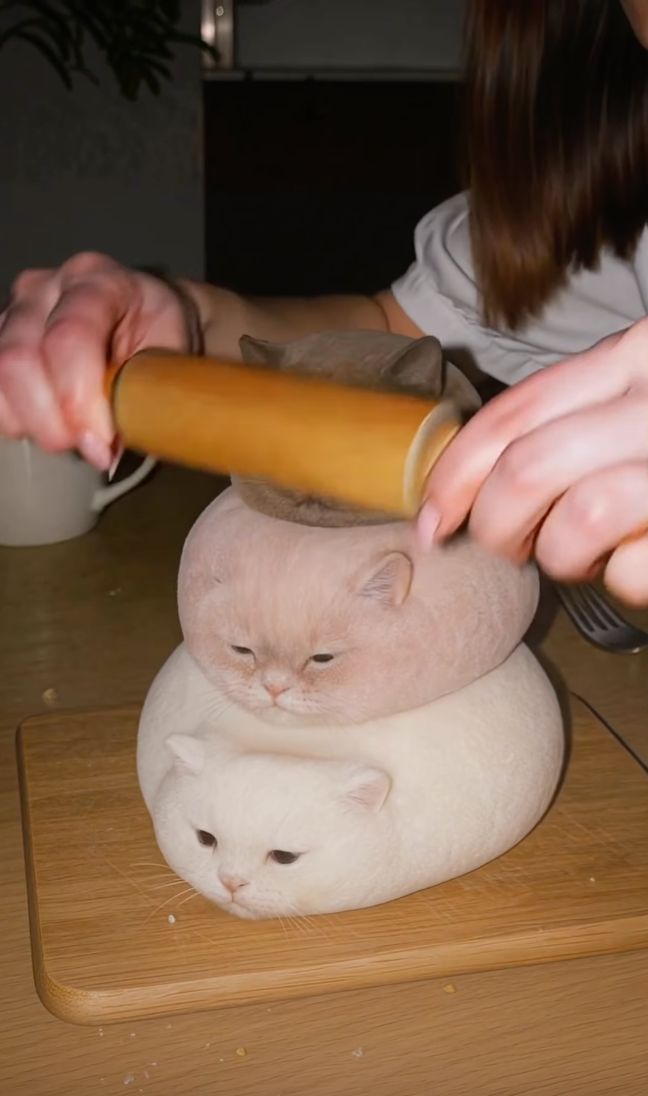
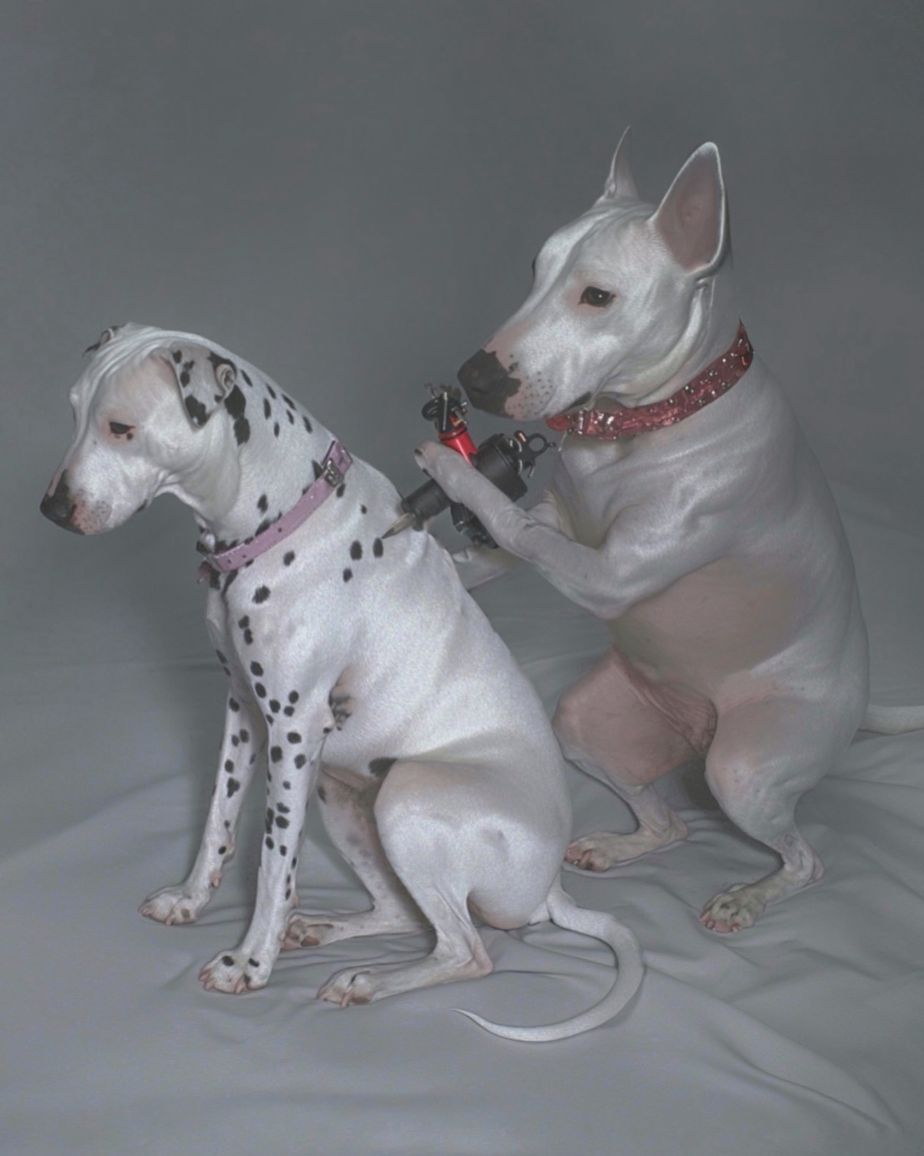
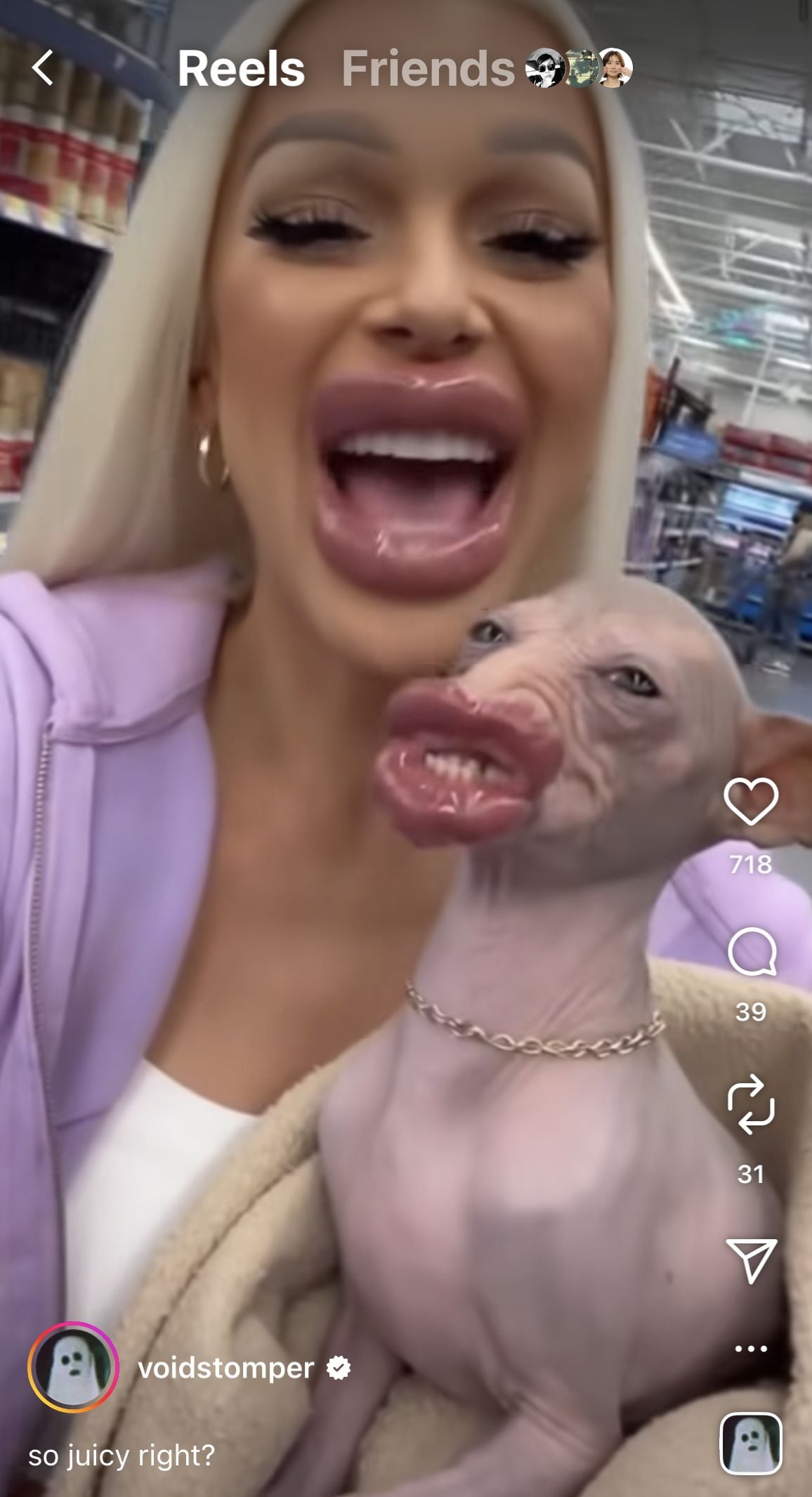
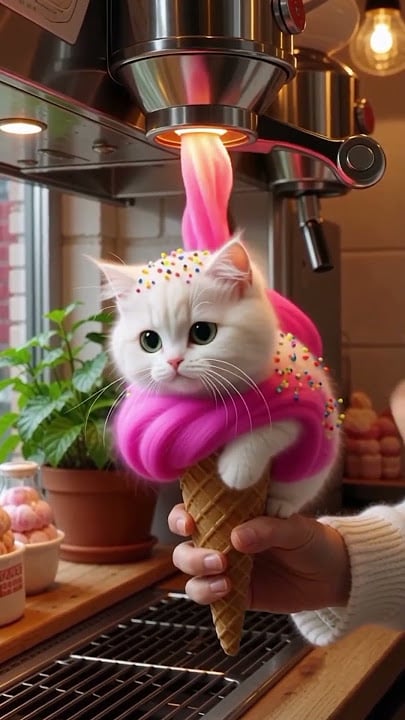
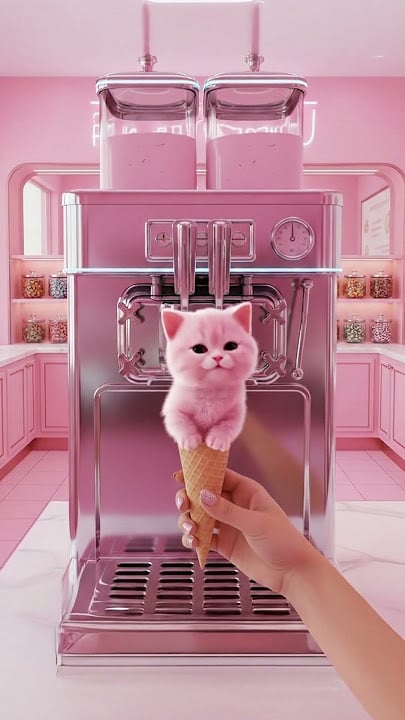
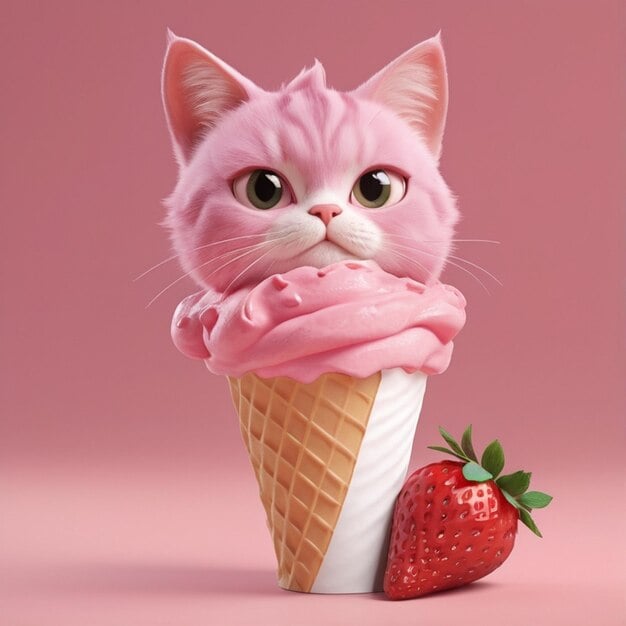
Most of this content is simply ridiculous: see the gazillion brightly hued images and videos featuring childlike dream fantasias—think strawberry-pink kittens swirling down from soft-serve ice cream machines. A phenomenon that slyly resists disambiguation, technology journalist Jason Koebler of 404 Media has stated that slop is the spawn of the ‘zombie internet’, wherein ‘a mix of bots, humans and accounts that were once humans but aren’t any more interact’.
Then there is slop finance, with open-source blockchain networks designed for high-speed, low-cost transactions pumping and dumping meme coins, a type of cryptocurrency inspired by internet memes and used primarily for speculative trading. Anatoly Yakovenko, co-founder of one of the most well-known of these networks, Solana, has even referred to meme coins and NFTs as ‘digital slop with no intrinsic value’, citing their worth as ‘being derived through market-driven price discovery’. Meaning that (similarly to the art market) speculation and hype often determine what sells and for how much (culturally significant events, for example, can often blast up prices: Ozzy Osbourne’s death led to a 400 percent surge in CryptoBatz NFTs). And there is even a specific, low-market-cap meme coin coyly named Slop (SLOP).

In June, American artist Brad Troemel released the ‘ZIRPSLOP report’, in which he maps how Zero Interest Rate Policy (ZIRP) ‘reshaped American life by elevating Silicon Valley into the new seat of national power’. Troemel links the trajectory to what journalist and sci-fi writer Cory Doctorow calls ‘enshittification’, which he describes as ‘a pattern in which two-sided online products and services decline in quality over time’ (Doctorow published a book under the same title this October). When interest rates rose during the 2020s, what Troemel terms the ‘Millennial Lifestyle Subsidy’, characterised by $8 Ubers and free lunches at their corporate offices) vanished, and startups entered their final form: enshittification. ‘If enshittification marks the peak of corporate extraction,’ writes Troemel, ‘then slop is its cultural byproduct—content that’s low-effort, high-engagement, and endlessly replicable.’
Enter Slop as a burgeoning fine-art medium. We are witnessing the rise of what I call ‘Slopism’ (which could also be termed ‘Zombie Realism’). Those affiliated with the emerging genre seem to be reckoning with a key question: why make art as a physical asset to be traded when, with the help of AI, you can cut out the high-maintenance middleman? Real-life art objects must be insured, protected, lovingly housed in expensive-to-maintain climate-controlled environments. Digital slop as a tradeable art asset, on the other hand, offers both the value proposition and the value itself. While NFTs had their boom and bust moment in 2021, a subtle reanimation of the speculation around such digital assets can once again be discerned in 2025, courtesy of slop.
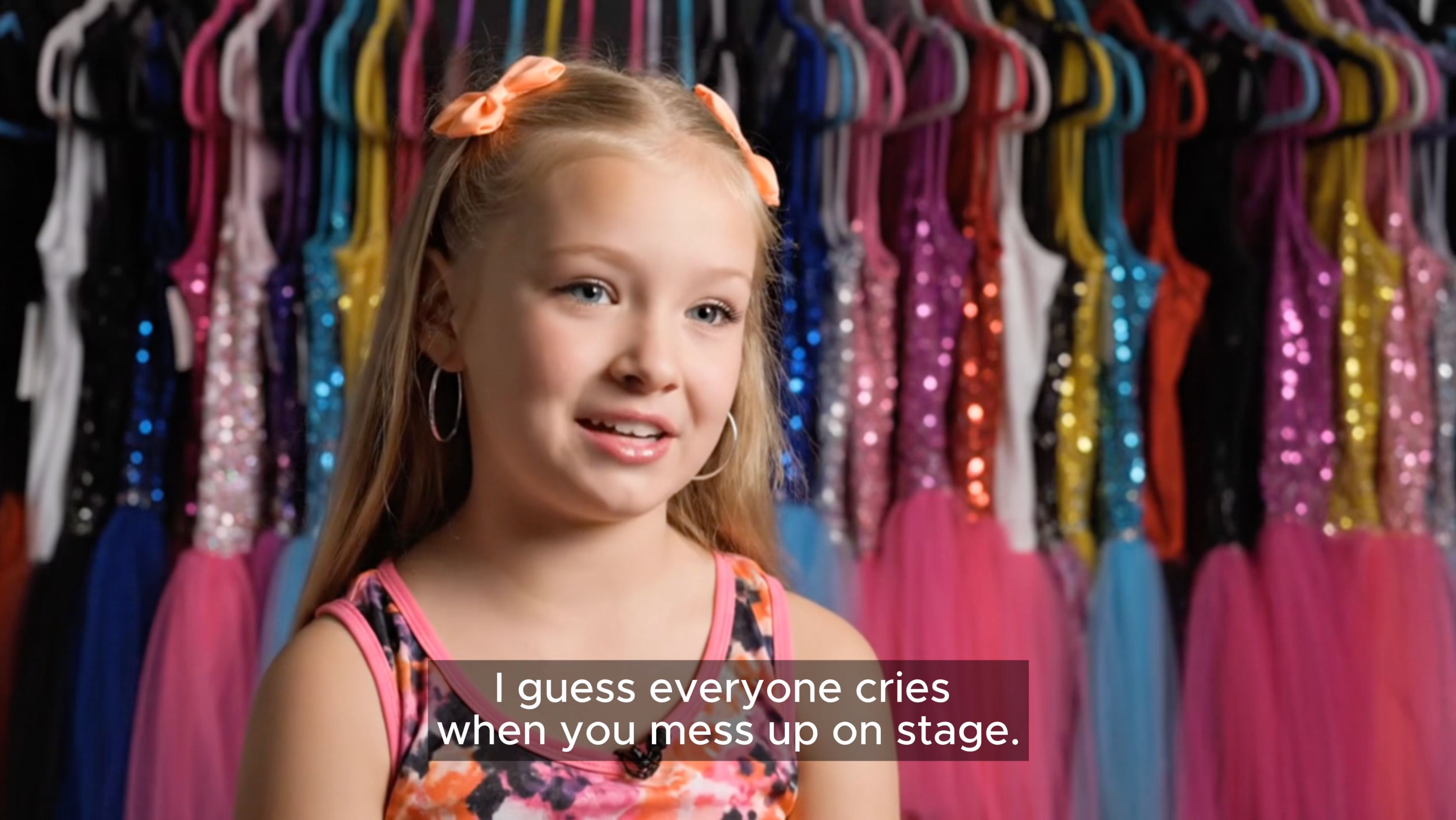
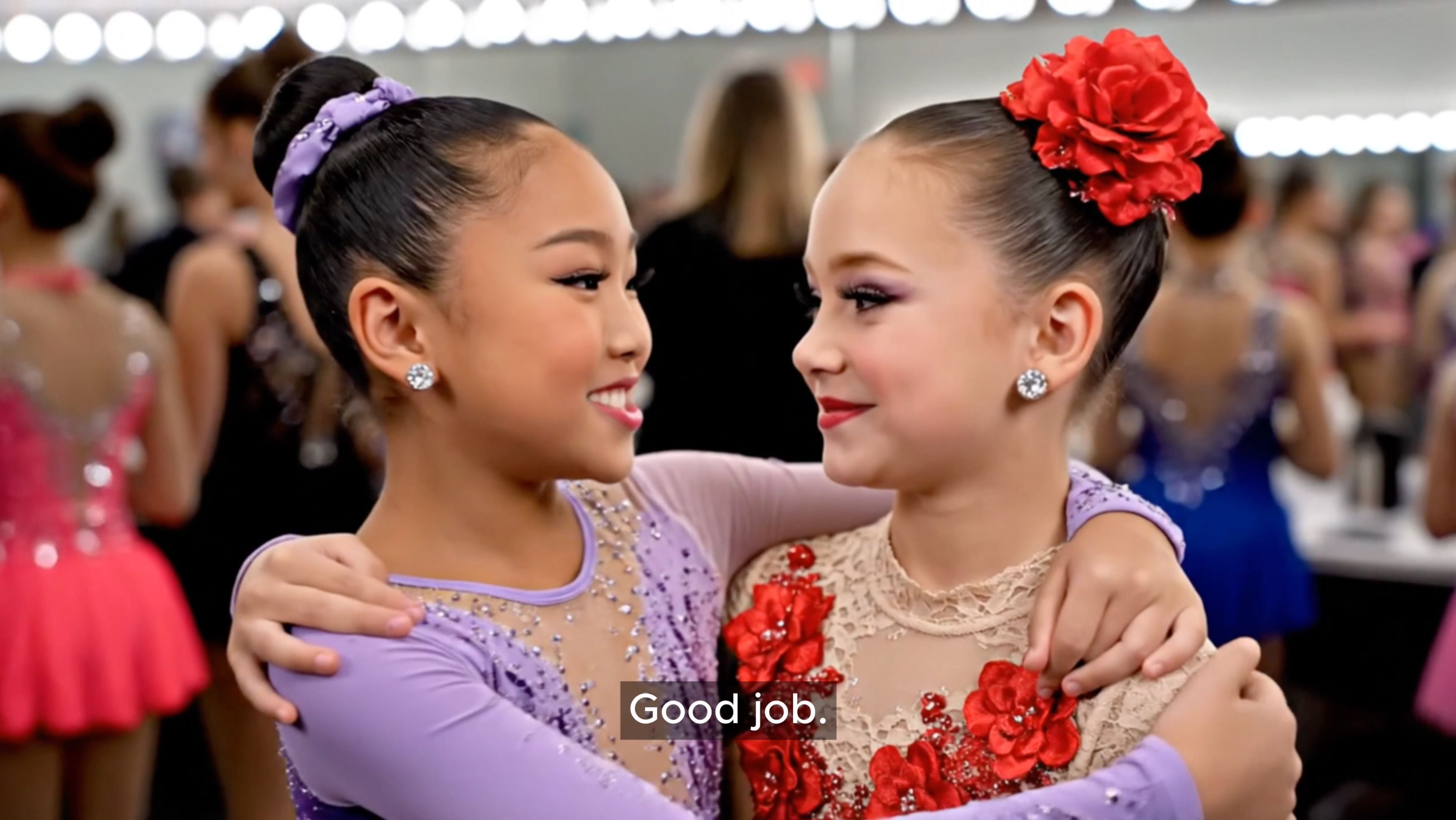
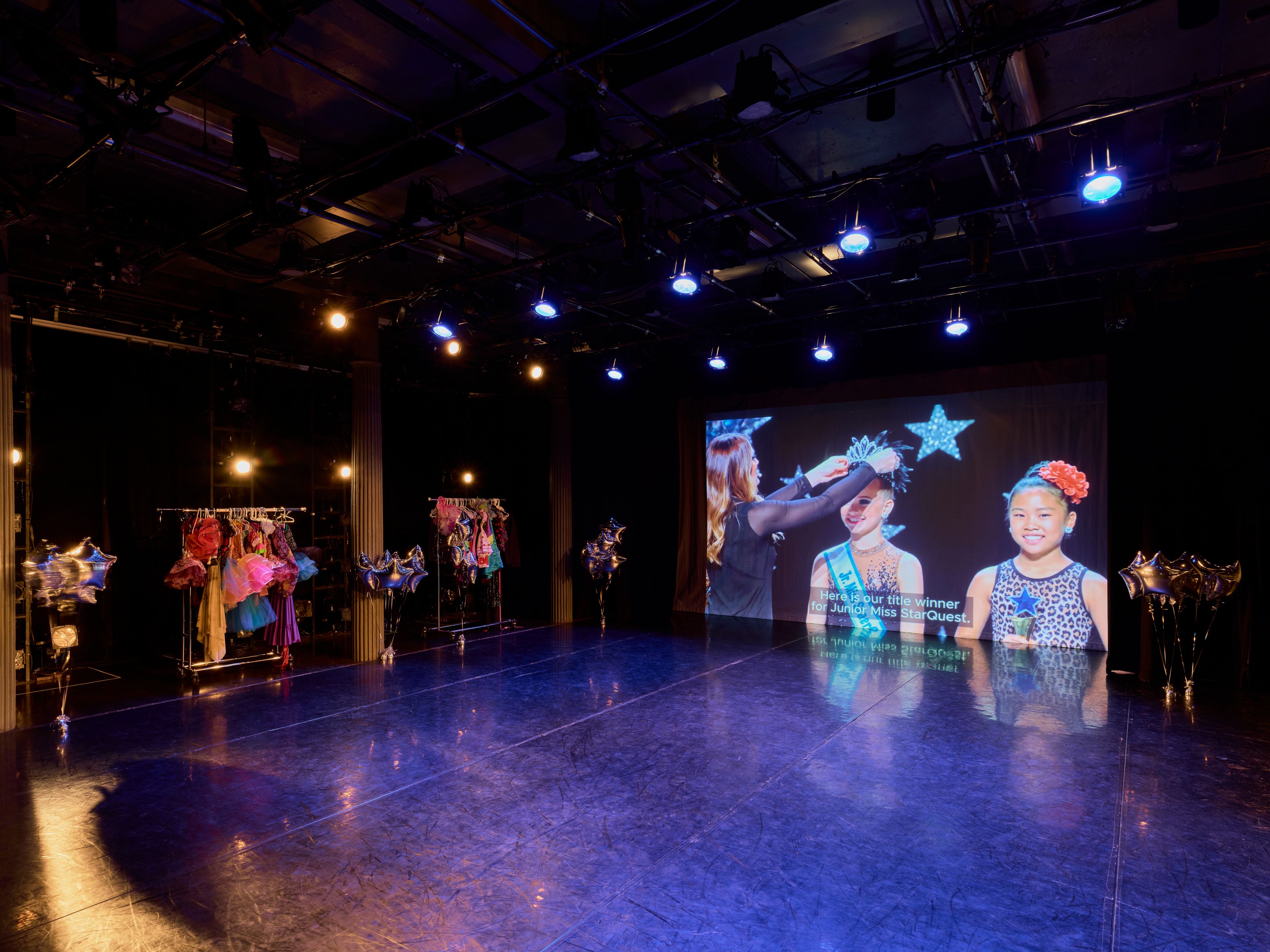
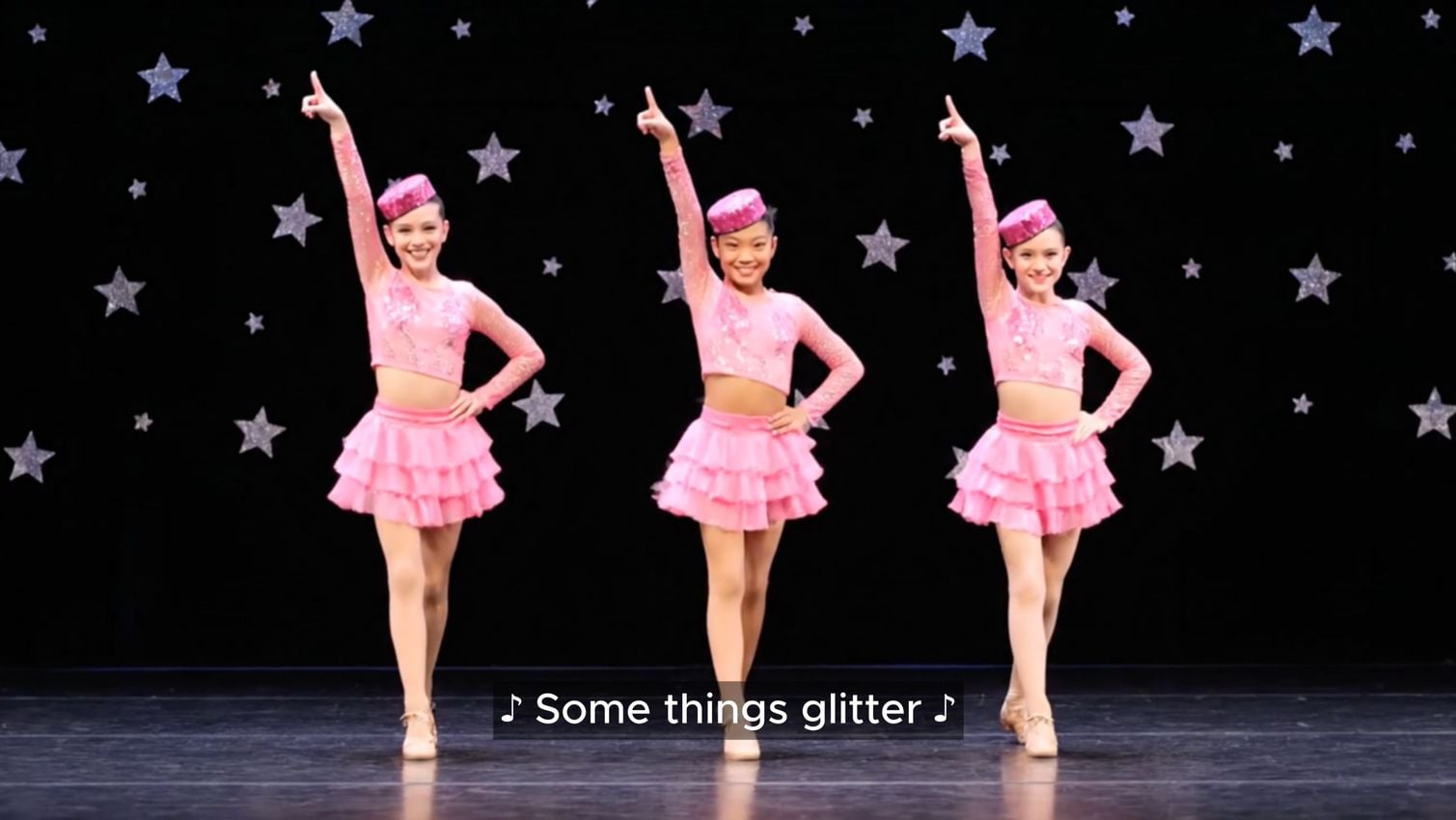
American artist Maya Man’s new work StarQuest (2025), a series of AI-generated videos that debuted in November and are on view at Feral File, is what she describes as ‘an experiment in generative, decentralised filmmaking’. It features a dataset of 111 eight-second AI-generated scenes, short vignettes showing young female competitive dancers in colourful costumes under pressure. To create these, Man trained two separate AI programs on screenshots from the cult American reality television show Dance Moms, which premiered in 2011. The artist, who herself competed in dance growing up, reflects on her own training experience, in which each dancer is looking at other dancers in the studio and modelling themselves after them in the endless pursuit of perfection. ‘That to me was a really nice analogy for the way that artificial intelligence models are trained,’ she states. ‘They look at a dataset and then reduce images to messes of pixels, that are then reverse-engineered into an eventual image that they are producing themselves based on a prompt.’
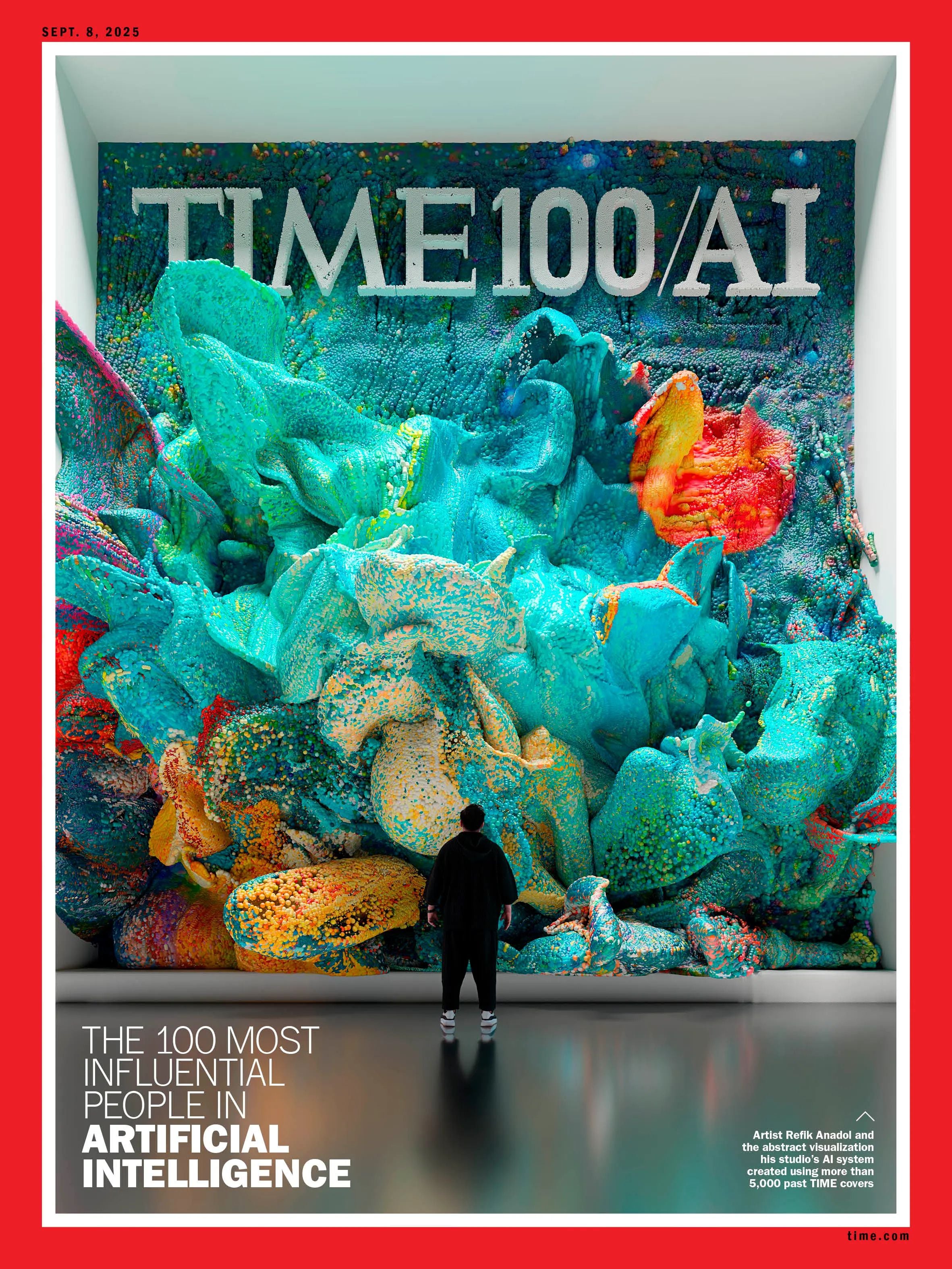
Where Robinson described the reanimated trope of formalist abstraction as ‘a walking corpse’, the realistic little girls in Man’s dataset are gooey, glitchy little humanoid forms that literally comprise the dancing dead. Still, there’s a difference between the zombies animating Man’s Slopism and the Slop-Schlock being produced by zombie-brained AI artists and content creators, who generate banal formalist abstractions that don’t even have the courtesy to nod to the art historical canon. Bowing deeply to the inane, Time magazine named Turkish American media artist Refik Anadol one of its top 100 ‘AI people’ for 2025. It also tapped Anadol to create the issue’s so-called ‘living cover’, wherein he ‘trained his studio’s AI system on an archive containing each of Time’s more than 5,000 covers to date, spanning over 100 years’. The result, which looks like a bombastic saltwater fish tank, represents AI ‘dreaming’ about a century of Time’s visual history, he says. And, boy, is it stupid-looking.
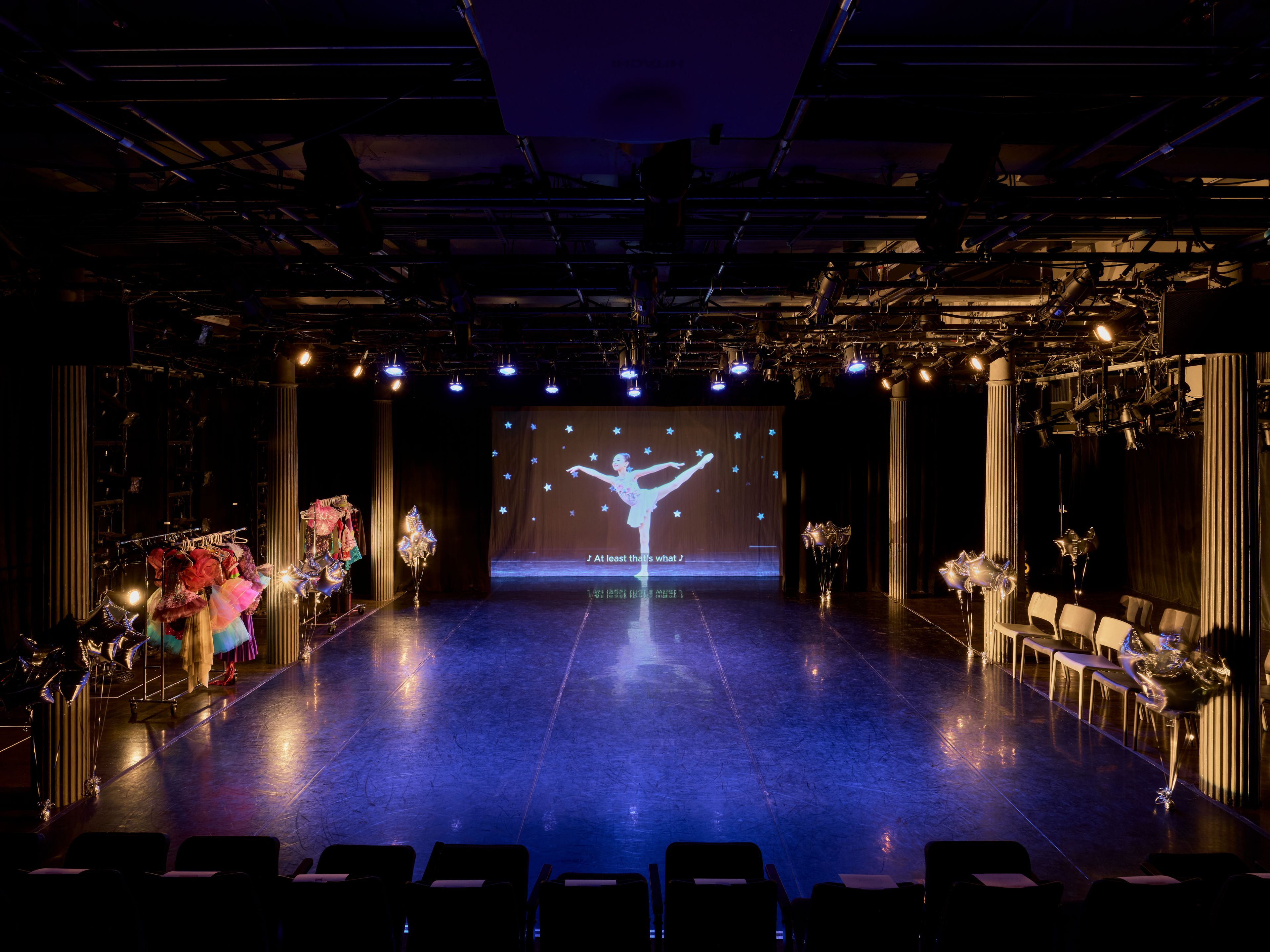
The ethics and values of a society are always encoded within the aesthetics of the art that it produces in any given era. A few weeks ago, I attended a one-night installation and lecture performance Man staged for StarQuest at the Gibney Dance in Tribeca. During her lecture, Man explained the process of creating the work, and also executed a few dance moves, including an impressively graceful cartwheel. At one point she performed, to perfection, a popular TikTok dance three times—and cleverly timed this to culminate with the familiar TikTok end card and logo sound popping up on the screen behind her (which at other times showed the 111 scenes from the piece).
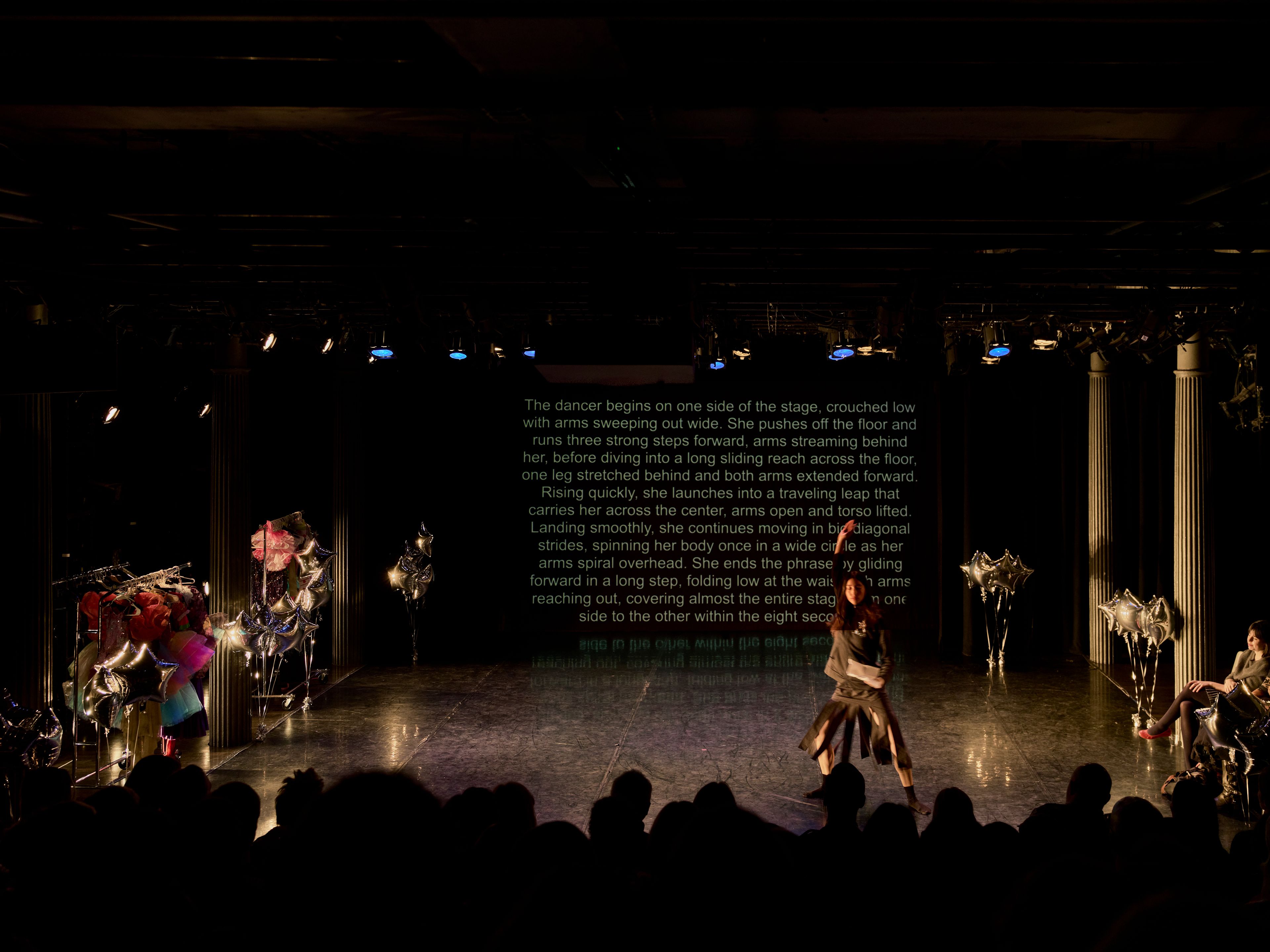
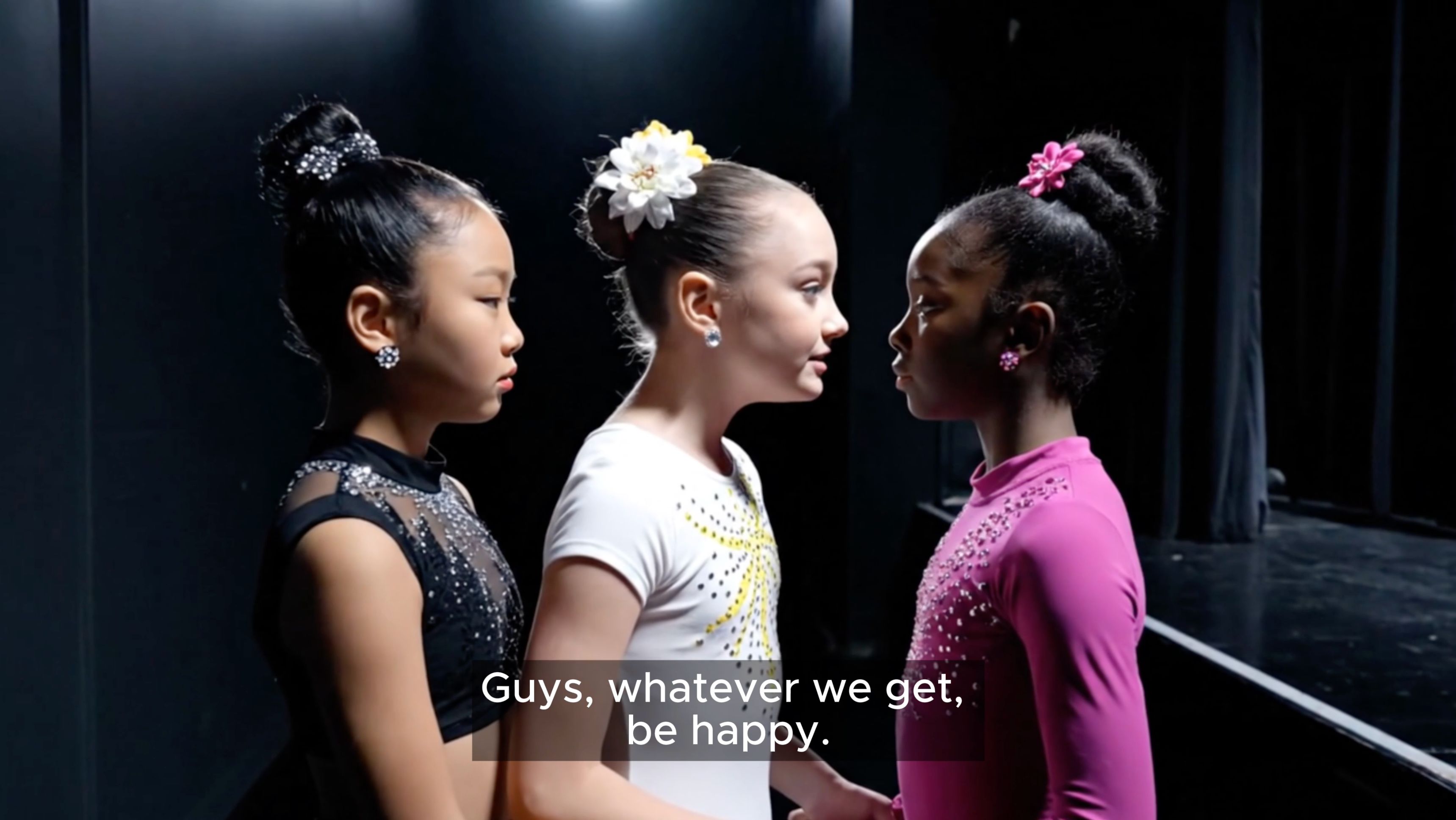
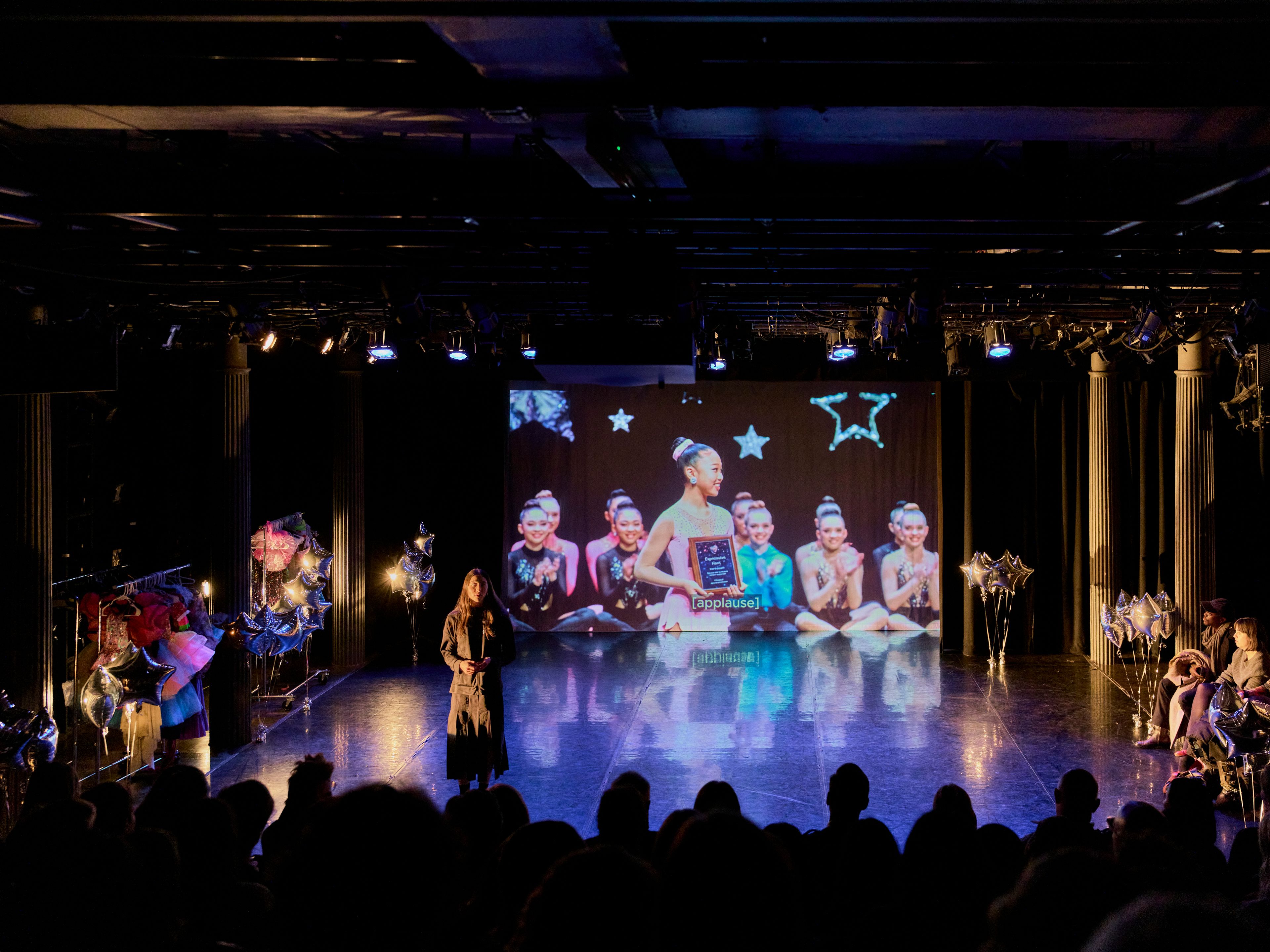
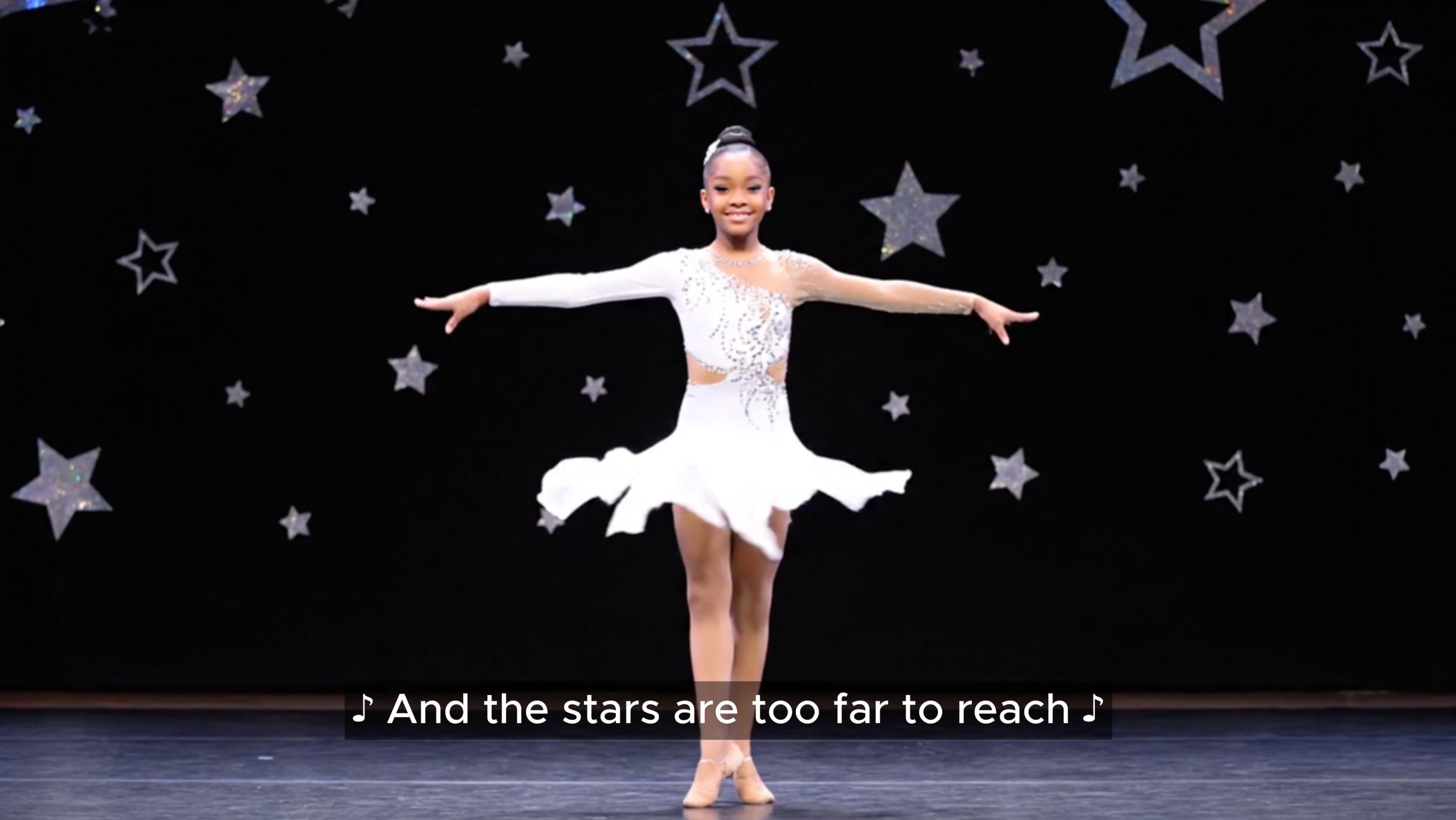
Ever so slightly winded after dancing, Man carried on talking about her work and her experience as a competitive dancer. Witnessing this, I thought about times I’ve become a bit out of breath while addressing an audience. You desperately want not to be out of breath, to have your words not catch in your throat, so you continue regardless and hope that no one notices. In the future, this is an effect one might be able to prompt AI to simulate, but nothing that is not human could ever feel that same prickle of frustration or, indeed, empathy. AI doesn’t feel and it doesn’t dream; it processes slop that amalgamates and emulates feeling and dreaming. Perhaps the best thing that Slopism can reveal to us is the cavern between the real and the simulated—the finer points of distinction between the breathing lifeforms and the zombies that animate their likenesses. And to show us that we are still, in this moment, among the living. —[O]
Main image: Maya Man, StarQuest, S86: Some Things Glitter (2025) (still). Courtesy the artist and Feral File.





A respected voice in contemporary art discourse.
Focusing on ambitious storytelling and insightful art-world commentary. Ocula Magazine publishes in-depth interviews, critical essays and timely analysis on the artists, exhibitions and ideas driving the global art world.
Learn more about Ocula Magazine
Showcasing the best of the art world.
Ocula partners with galleries from around the world to highlight their artists, artworks and exhibitions. Gallery membership is by application and invitation, with each member vetted by an independent panel.
Learn more about Ocula Membership
Specialises in the sale of major artworks.
Led by a team with deep ties to the world’s leading auction houses, galleries and collectors. Ocula’s advisory team offers bespoke services to high-net-worth clients from around the world who are looking to acquire the best of contemporary and modern art.
Learn more about our team and services