






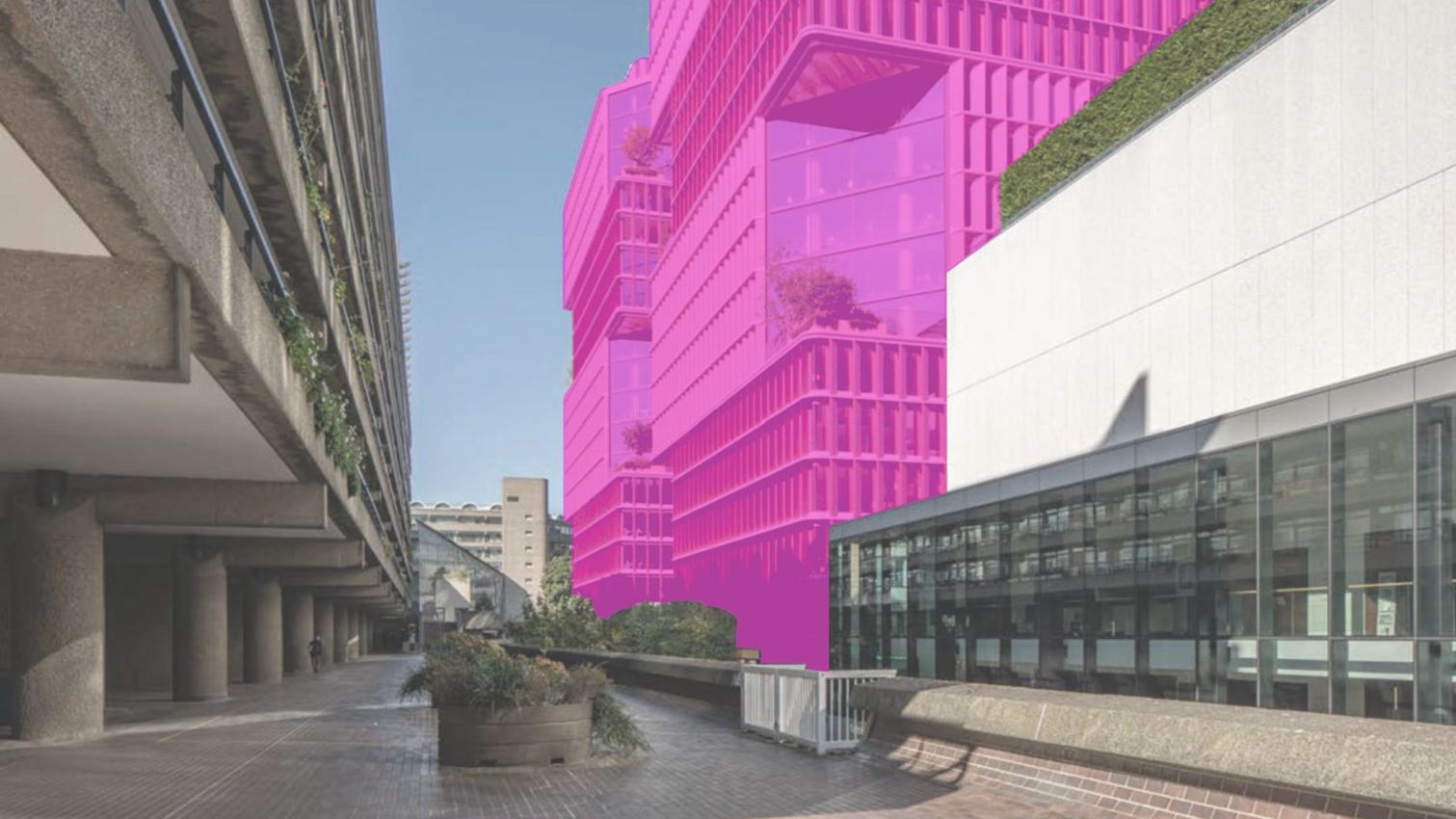
Barbican Residents Resist Plans for Controversial Development to Overlook Iconic Brutalist Building
Longtime resident and artist Michael Craig‑Martin calls the proposal ‘uniquely damaging’. Save to My Ocula
London’s Barbican complex may find itself with an imposing new neighbour as the City of London authority considers a proposal for the construction of two new high-rise buildings at 1 Silk Street, directly behind the postwar cultural centre and residential estate.
A public consultation, which was set to close on 29 October, has been extended by two weeks to 12 November following concerns raised by residents and other stakeholders, with the proposal having received 479 objections at time of publication.
The two buildings, each 20 and 21 floors and designed by U.S. architecture firm Skidmore, Owings & Merrill, would principally provide office space as well as a new public plaza. They are set to replace a 1980s office building that no longer meets energy performance requirements.
Longtime resident and artist Michael Craig-Martin calls the proposed developments, which would be more than 60 percent taller than its predecessor, ‘enormously oversized’.
‘No other proposed building in the past 50 years since its construction in the 70s has encroached on the Barbican in such a way as to impact its whole character in the way this one does’, Craig-Martin tells Ocula. ‘This proposal is uniquely damaging, which is why it is being so strongly resisted and condemned.’
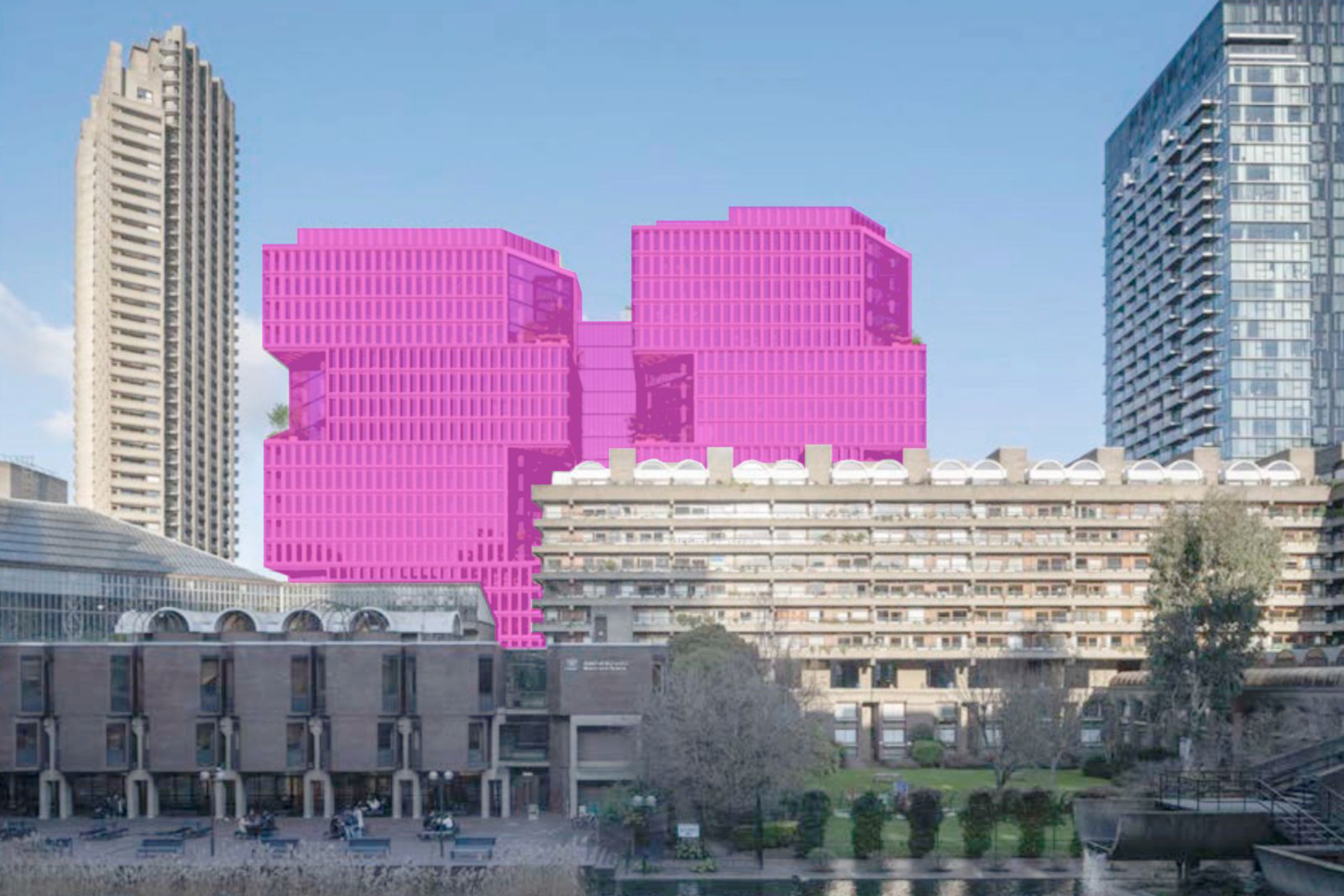
Advocacy group Barbican Quarter Action launched the Silk Street Campaign in June 2025 to combat the plans proposed by Lipton Rogers Developments.
The group has called the proposal ‘a devastating blow to the architectural and visual coherence’ of the modernist complex, which houses over 4,000 residents. The Barbican is Grade II listed, denoting special protections for buildings of architectural and historic significance.
Novelist and art critic Olivia Laing, also a resident, describes the Barbican as ‘a magnificent example of brutalism’ and ‘a visionary utopian development’.
‘The Barbican has already been affected by relentless building of new office towers in the place of old buildings,’ Laing tells Ocula. ‘This represents a reckless disregard of residents, and of the arts centre itself. How many offices does the City of London need?’
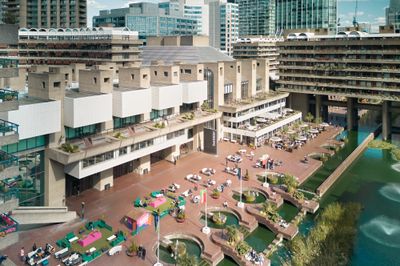
Set in London’s historic financial district, the 40-acre Barbican Estate houses over 2,000 flats, two schools, and a library. It also includes the Barbican Centre, a major arts venue which has its own plans for major renovations currently under review. A decision is expected in the coming weeks. —[O]
Main image: Render of the proposed development designed by architecture firm Skidmore, Owings & Merrill. Courtesy Barbican Quarter Action / Silk Street Campaign.




A respected voice in contemporary art discourse.
Focusing on ambitious storytelling and insightful art-world commentary. Ocula Magazine publishes in-depth interviews, critical essays and timely analysis on the artists, exhibitions and ideas driving the global art world.
Learn more about Ocula Magazine
Showcasing the best of the art world.
Ocula partners with galleries from around the world to highlight their artists, artworks and exhibitions. Gallery membership is by application and invitation, with each member vetted by an independent panel.
Learn more about Ocula Membership
Specialises in the sale of major artworks.
Led by a team with deep ties to the world’s leading auction houses, galleries and collectors. Ocula’s advisory team offers bespoke services to high-net-worth clients from around the world who are looking to acquire the best of contemporary and modern art.
Learn more about our team and services