






Barbican
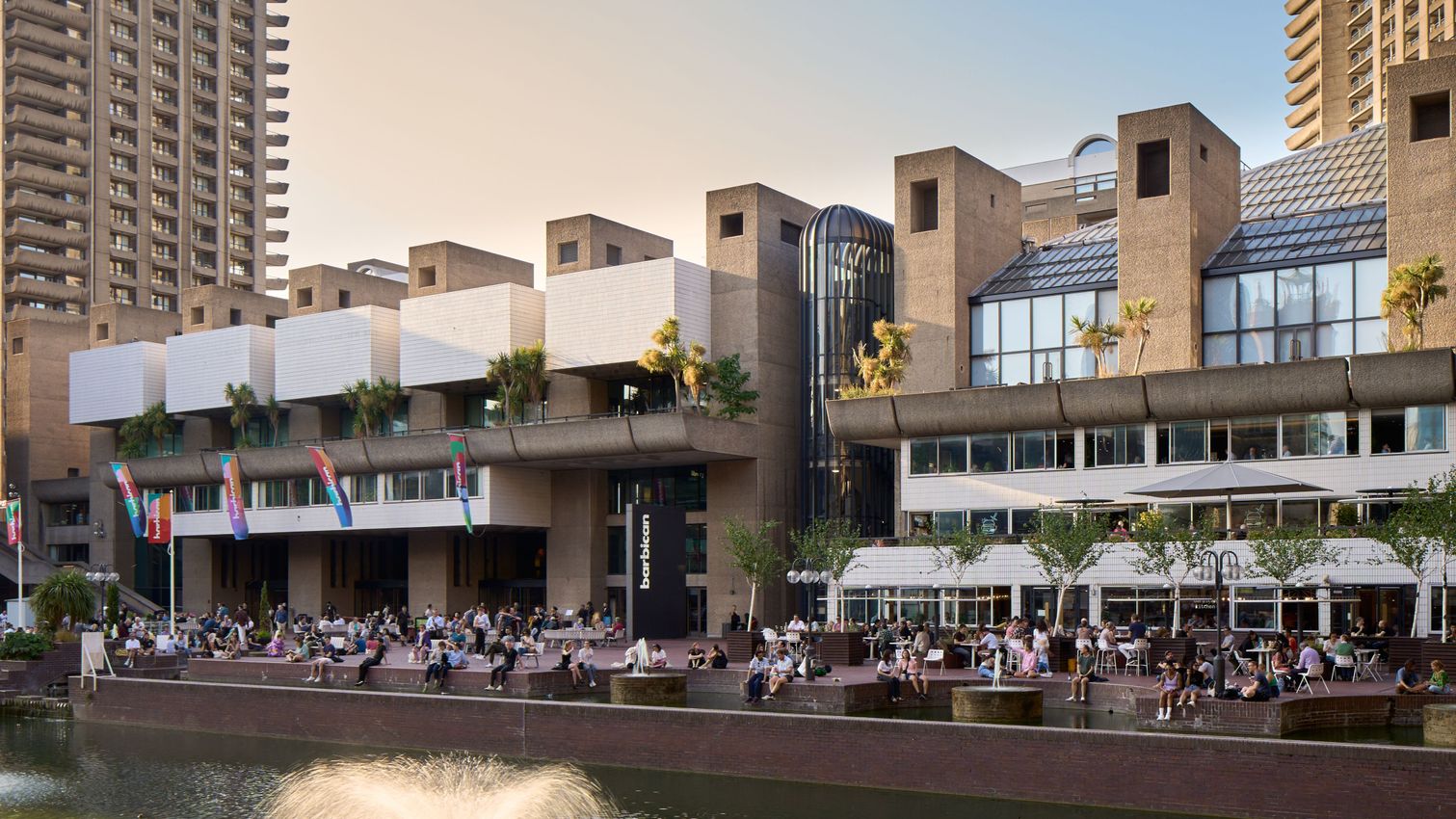
London Learn more about what's on at Barbican and the artists shaping its programme.The Barbican is a world-renowned arts and learning hub in the City of London, celebrated for its striking Brutalist architecture and multidisciplinary programming. Opened in 1982 as part of the larger Barbican Estate, it has become a cultural landmark, bringing together visual arts, music, theatre, dance, film, and education under one roof.
Developed by the City of London Corporation, the Barbican was conceived in the post-war decades as a bold vision for urban regeneration. Designed by the architectural practice Chamberlin, Powell and Bon, it anchors the Barbican Estate, a residential and cultural complex built on a site heavily damaged during the Blitz. Since its opening, it has served as home to the London Symphony Orchestra and the BBC Symphony Orchestra, and has hosted some of London’s most ambitious international arts events.
The Barbican’s mission is to present innovative programming that spans art forms and challenges conventions. Its acclaimed exhibitions have included Bauhaus: Art as Life (2012), Basquiat: Boom for Real (2017), and Masculinities: Liberation through Photography (2020), alongside major theatre productions, music seasons, and film retrospectives.
Located in the heart of the City, the Barbican is an exemplar of British Brutalism, with dramatic concrete terraces, elevated walkways, and an iconic lakeside setting. Its labyrinthine complex houses concert halls, theatres, cinemas, an art gallery, a library, a conservatory, and public spaces, making it a destination for both art lovers and architecture enthusiasts.
Discover the Barbican and its dynamic blend of art, architecture, and performance on your next visit to London.
Barbican FAQs
Where is the Barbican located?
The Barbican is on Silk Street, in the City of London, close to landmarks such as St Paul’s Cathedral and the London Museum. Its central position makes it easily accessible by public transport, with nearby stations including Barbican, Moorgate, and St Paul’s.
Who designed the Barbican?
It was designed by the architectural practice Chamberlin, Powell and Bon, pioneers of post-war Brutalist architecture in the UK. Their vision created one of the most distinctive and ambitious urban cultural complexes in the world.
What kind of art does the Barbican focus on?
The Barbican presents a multidisciplinary programme that encompasses contemporary and modern visual art, international theatre, classical and contemporary music, dance, and cinema. Its exhibitions often explore significant cultural movements, showcase pioneering artists, and commission new works that cross boundaries between disciplines.
When did the Barbican open?
The Barbican opened to the public in 1982 after decades of planning and construction. It quickly became one of London’s most important cultural destinations.
What are the Barbican’s opening hours?
The Barbican is open Sat–Wed 10am–6pm, and Thu–Fri 10am–9pm, with Bank Holidays from 12noon. These timings are subject to change.

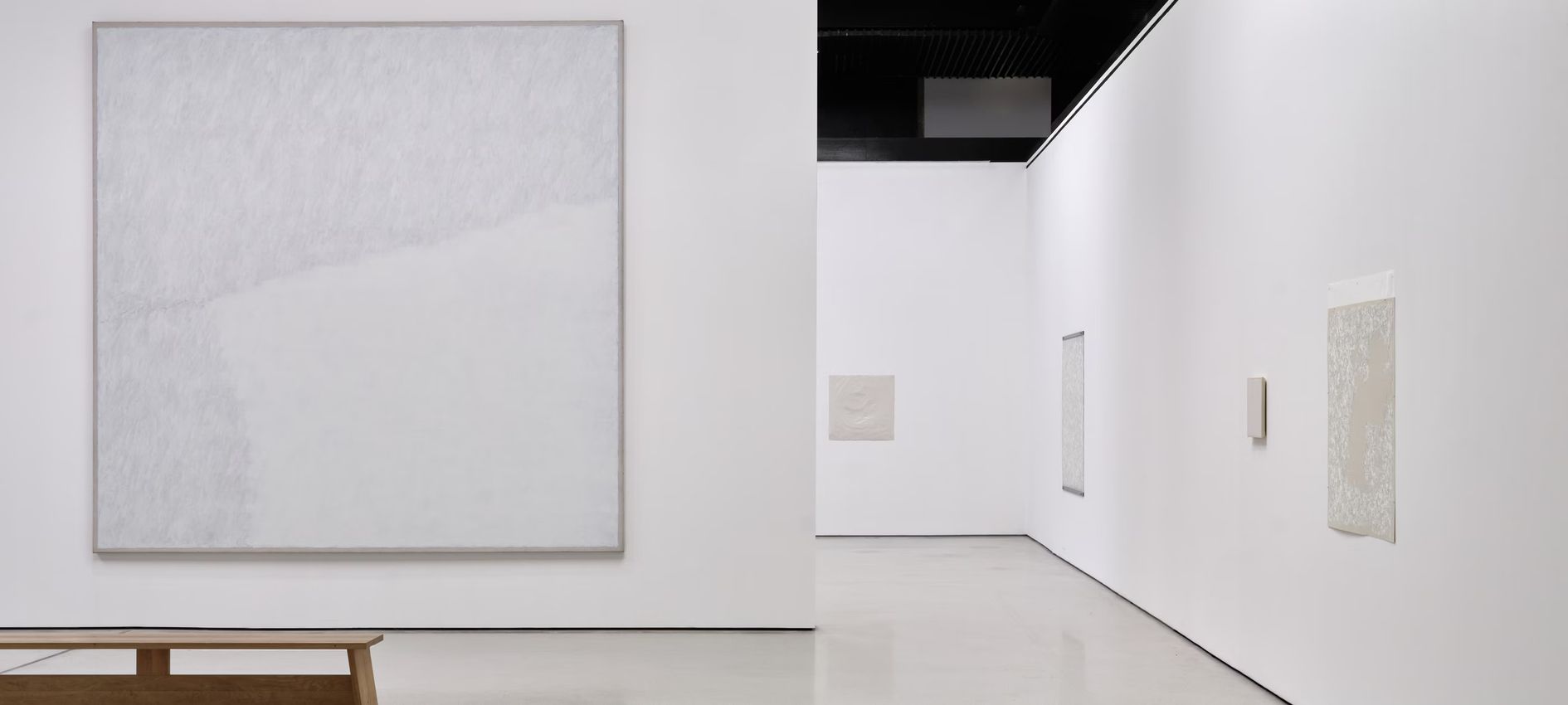

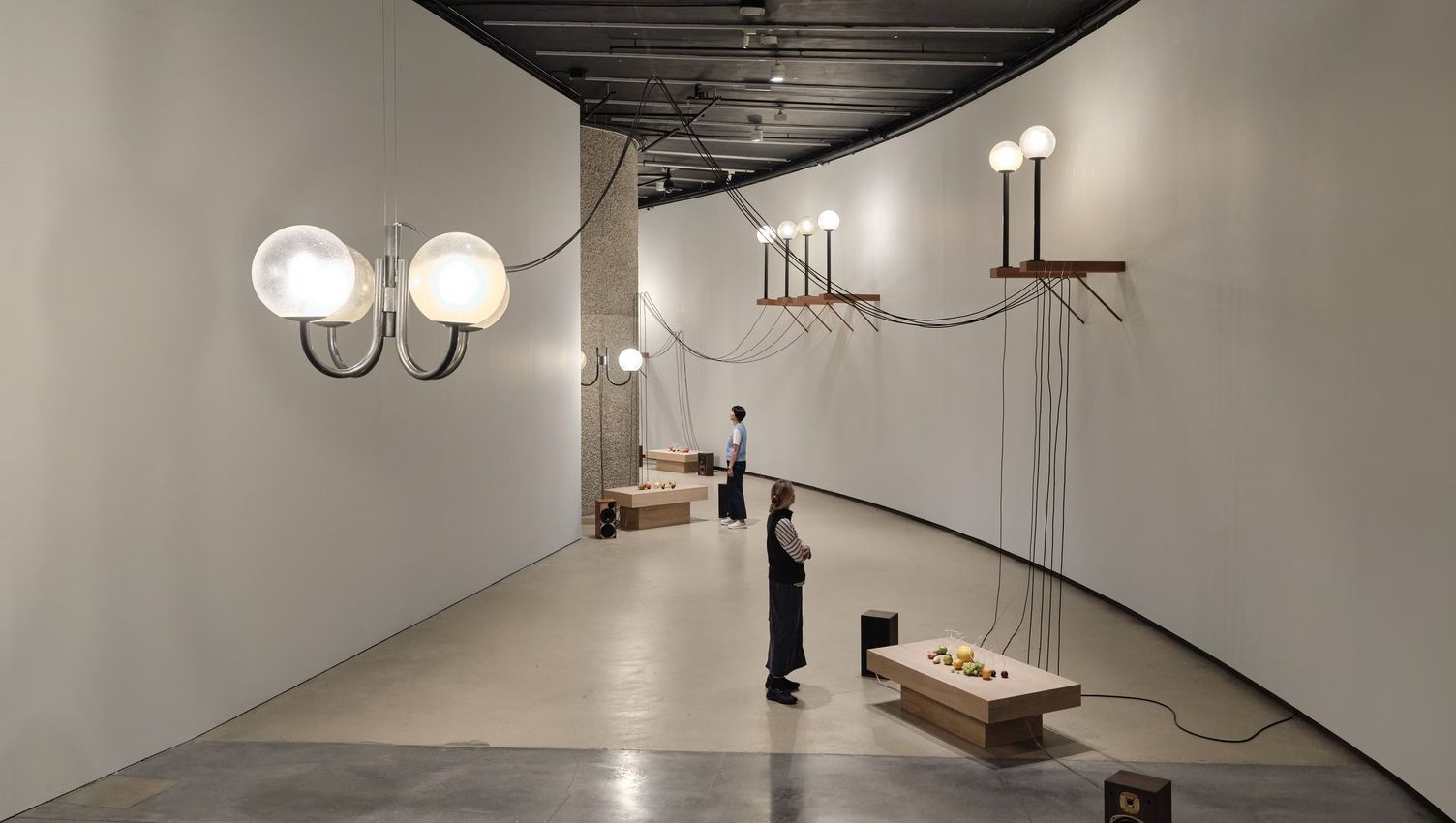


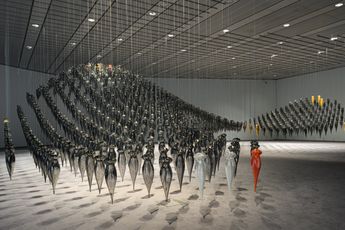


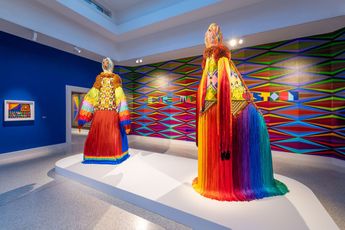













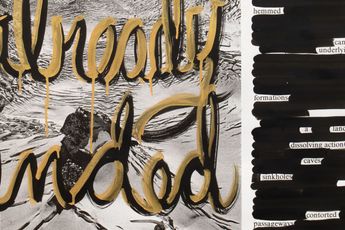







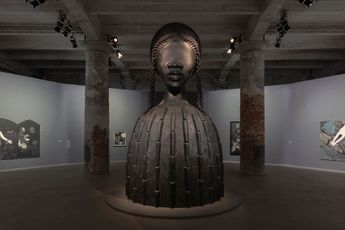





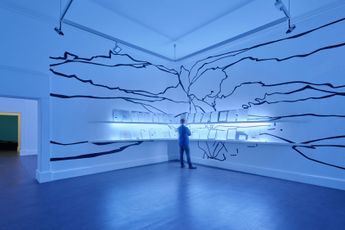

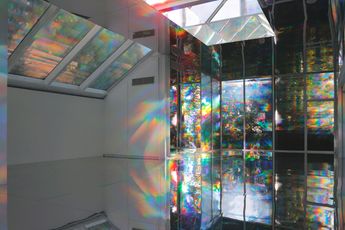



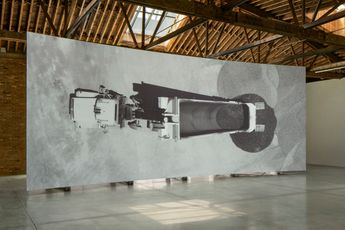








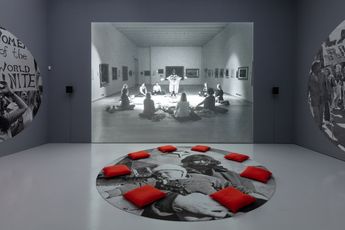










































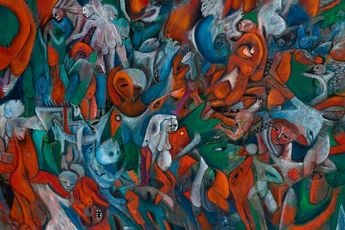


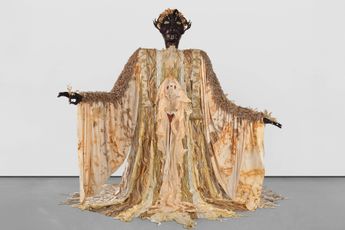




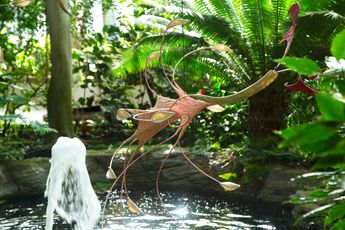
Artworks by Barbican Artists



















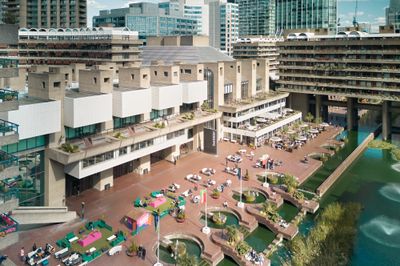












More London Museums and Galleries




A respected voice in contemporary art discourse.
Focusing on ambitious storytelling and insightful art-world commentary. Ocula Magazine publishes in-depth interviews, critical essays and timely analysis on the artists, exhibitions and ideas driving the global art world.
Learn more about Ocula Magazine
Showcasing the best of the art world.
Ocula partners with galleries from around the world to highlight their artists, artworks and exhibitions. Gallery membership is by application and invitation, with each member vetted by an independent panel.
Learn more about Ocula Membership
Specialises in the sale of major artworks.
Led by a team with deep ties to the world’s leading auction houses, galleries and collectors. Ocula’s advisory team offers bespoke services to high-net-worth clients from around the world who are looking to acquire the best of contemporary and modern art.
Learn more about our team and services