





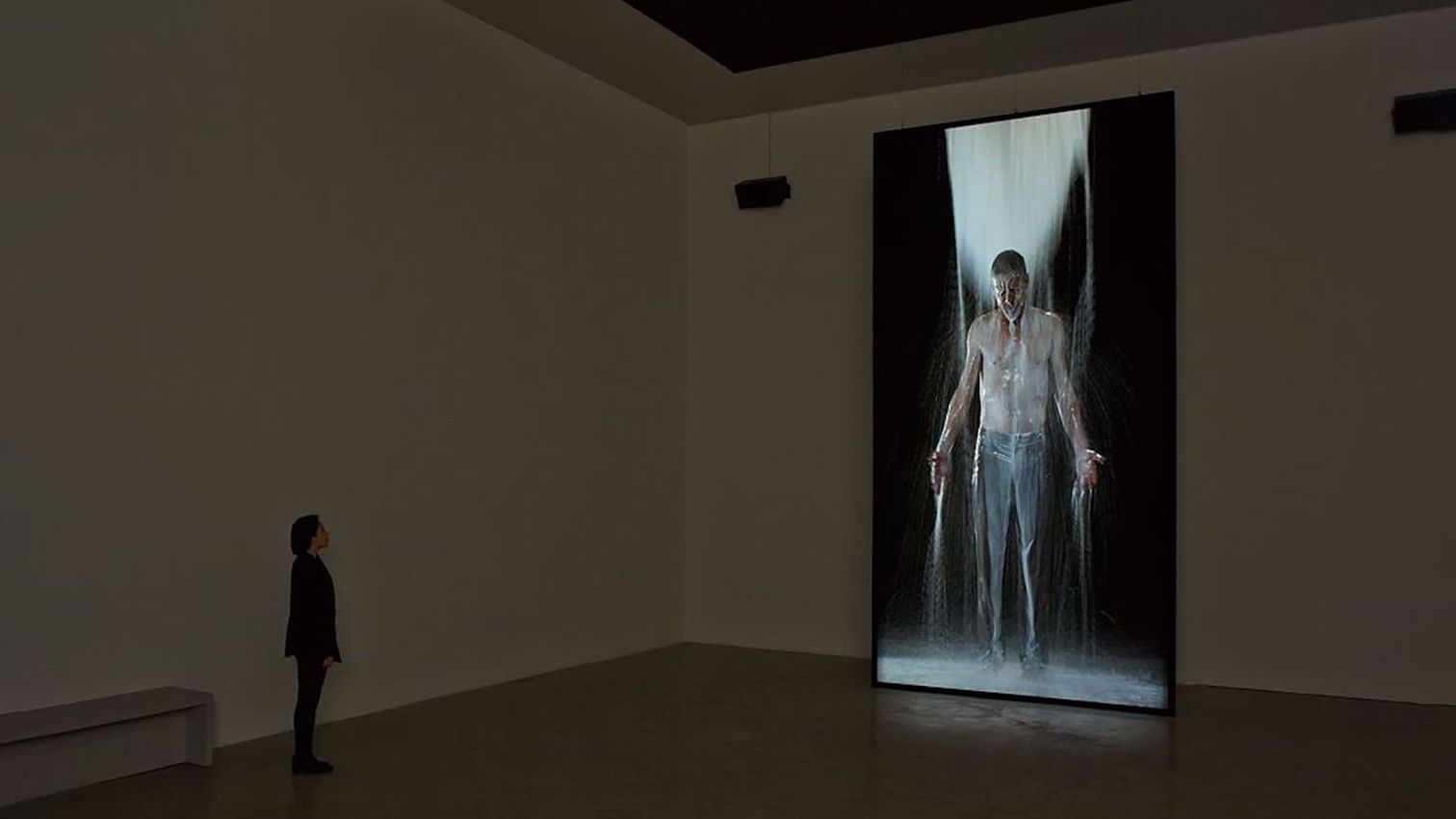
Bill Viola, Artist and Cinematographer of Souls, Dies at 73
Viola was described as ‘the Rembrandt of the video age’ for elevating the emotion and aesthetics of video art. Save to My Ocula
Pioneering video artist Bill Viola, who slowed time and used high-contrast lighting to create portraits of arresting beauty, died at his home in Long Beach, California, on Friday 12 July.
Viola’s death was announced in a shared statement by galleries James Cohan and Kukje, and artist management consultancy Southern & Partners.
‘My initial encounters with Bill Viola’s work in 1987 at MoMA and then again in the 1991 documenta left me awestruck by his ability to marry technology with a deeply felt poetic, one that addressed the essential experience of life and death,’ Cohan said.
‘Using video and film—the moving image—a medium which we all take for granted, to plumb the depths of human emotion will be Viola’s lasting contribution to art history,’ he added.
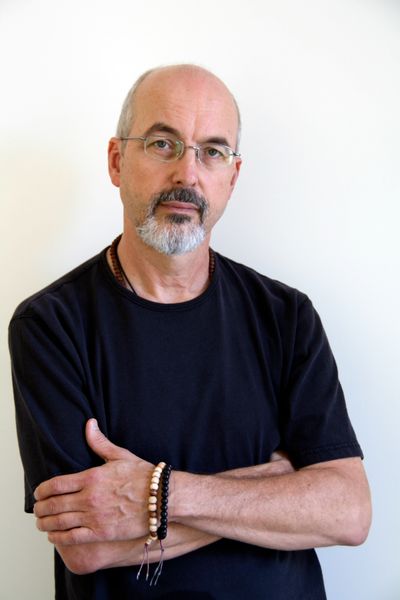
Born William John Viola Junior in 1951, the artist grew up in Queens and Westbury, New York. He received a BFA in Experimental Studios from Syracuse University, and in the 1970s demonstrated a virtuosity for working with video and audio technologies that were then only emerging.
In 1977 he was invited to show his work at La Trobe University in Melbourne by cultural arts director Kira Perov, who would become his collaborator, studio director, and wife.
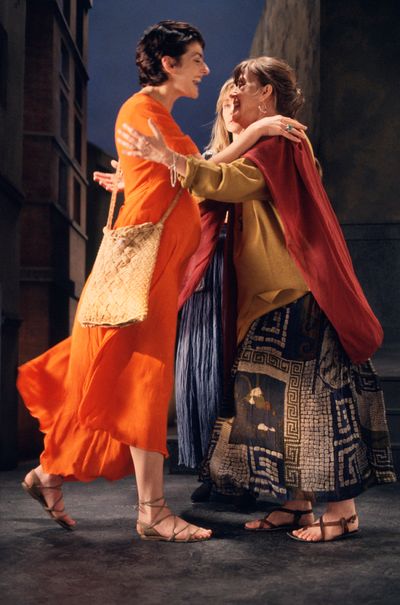
Viola represented the United States at the 46th Venice Biennale in 1995, where he showed one of his best-known works, The Greeting (1995), a slowed down video homage to Renaissance painter Pontormo’s The Visitation (c.1528–1530).
Another of Viola’s most famous works, The Crossing (1996) is a video installation consisting of a two-sided screen. Shot at 300 frames per second and played in extreme slow motion, it depicts a man drenched in water on one screen and immersed in flames on the other.
By slowing down time, allowing us to see every micro-expression play across his subjects’ faces—a choice akin to the therapist’s trick of having two people stare into one another’s eyes—Viola’s works have brought viewers to tears.
When many saw technology as at odds with spirituality, Viola saw it as a reflection of our inner lives.
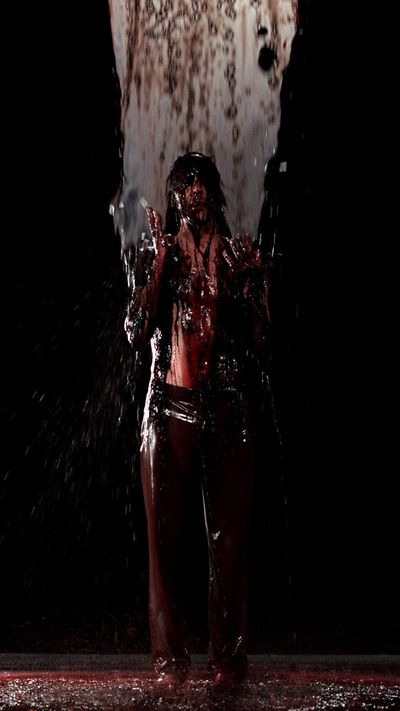
In 2001, The Observer‘s Laura Cumming described him as ‘the Rembrandt of the video age’ for advancing ‘the emotional and aesthetic content of his medium.’
Yet it was in the hard drives of human memory that he most wanted his work to reside.
‘I have come to realise that the most important place where my work exists is not in the museum gallery, or in the screening room, or on television, and not even on the video screen itself,’ Viola wrote In 1989, ‘but in the mind of the viewer who has seen it.’
Perov told The New York Times that her husband’s death was caused by complications of Alzheimer’s disease. —[O]
Main image: Exhibition view: Bill Viola, Kukje Gallery, Seoul (5 March–3 May 2015). Courtesy Kukje Gallery.


A respected voice in contemporary art discourse.
Focusing on ambitious storytelling and insightful art-world commentary. Ocula Magazine publishes in-depth interviews, critical essays and timely analysis on the artists, exhibitions and ideas driving the global art world.
Learn more about Ocula Magazine
Showcasing the best of the art world.
Ocula partners with galleries from around the world to highlight their artists, artworks and exhibitions. Gallery membership is by application and invitation, with each member vetted by an independent panel.
Learn more about Ocula Membership
Specialises in the sale of major artworks.
Led by a team with deep ties to the world’s leading auction houses, galleries and collectors. Ocula’s advisory team offers bespoke services to high-net-worth clients from around the world who are looking to acquire the best of contemporary and modern art.
Learn more about our team and services