





Frankfurt’s MMK Acquires Estate of Late German Pavilion Artist Henrike Naumann

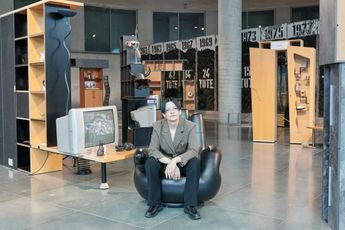
Henrike Naumann, who died in February this year. Photo: Victoria Tomaschko.

The estate of Henrike Naumann, the German artist who died earlier this year ahead of her Venice Biennale pavilion presentation, has been acquired by Frankfurt’s Museum of Modern Art (MMK).
The installation artist was known and widely celebrated for her critiques of Germany’s history, and for her explorations of political ideology.
Susanne Pfeffer, director of MMK, told Ocula it was Naumann’s wish that her estate be transferred to the museum. She said: “It is an honour to take care of her extensive body of work, her materials, as well as her archive, which will be catalogued and cared for professionally by the museum and, therefore, made accessible to the public.”
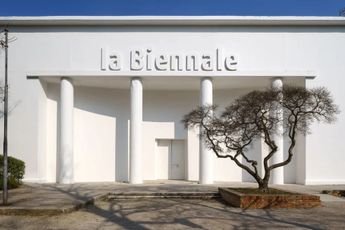
Naumann’s Venice Biennale exhibition opened to the public earlier this week. Alongside fellow pavilion artist Sung Tieu, the space explores the ideological ruptures and material traces of post-reunification Germany.
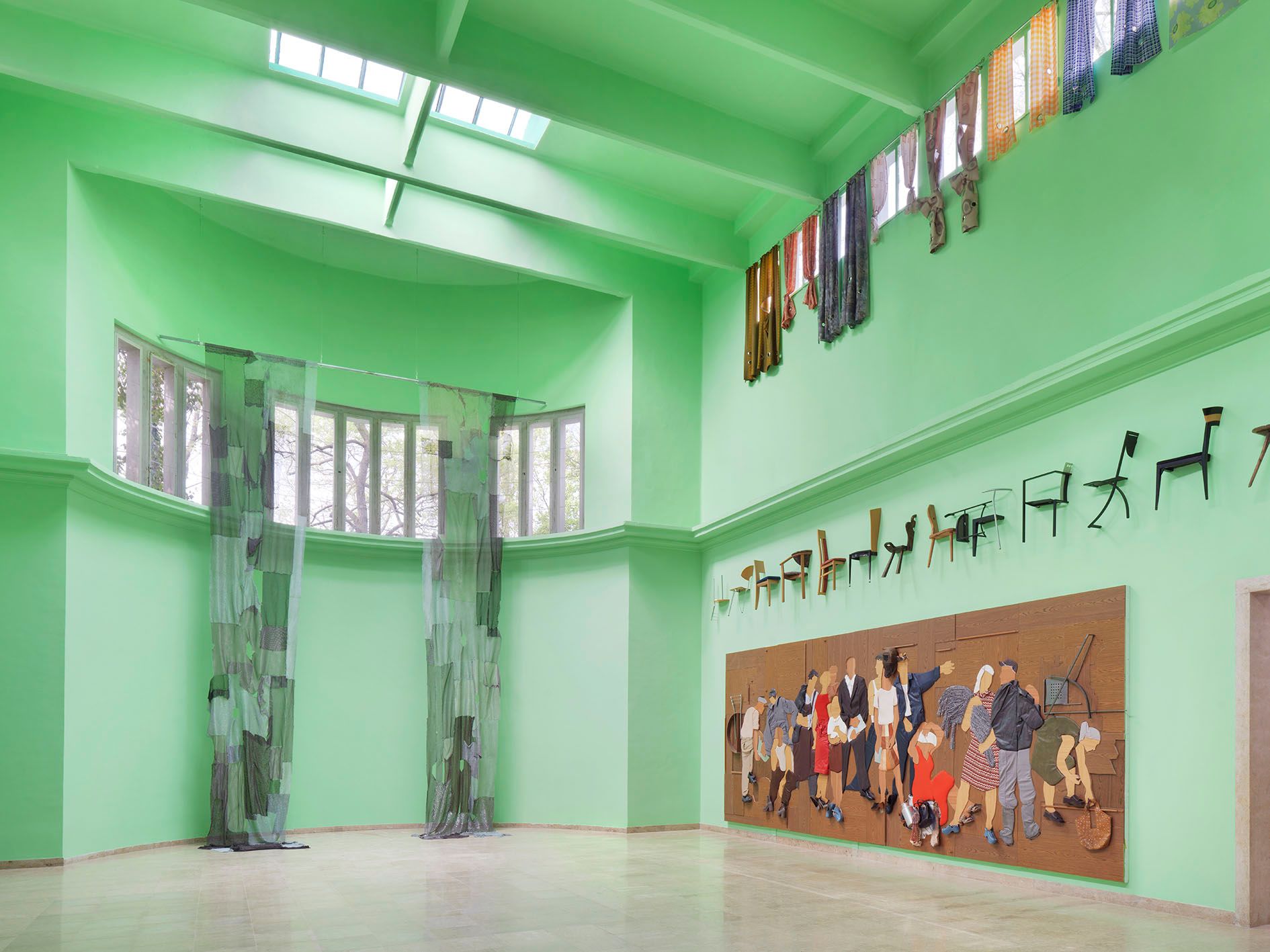
Titled In Ruin, the show’s name references not only the decay of physical structures, but also gestures toward bankruptcy—whether financial, political or moral. Naumann’s installation, The Home Front, presents a living room in the New German Design, tracing what she described as an “archaeological prehistory of the present”.
Naumann died on 14 February this year, following what a statement on her website describes as “a cancer diagnosis that came far too late”.
Born in 1984 in the city of Zwickau, in what was then the German Democratic Republic, she belonged to a generation of German women artists who explored the tension between political reality, life in Germany, cultural independence and international ambition.
In a statement at the time of her death, the Institute for Foreign Cultural Relations, which oversees the German pavilion, said: “With Henrike Naumann’s passing, we have lost not only a significant figure in contemporary German art, but also a warm-hearted, insightful, and highly committed individual.
“Her legacy lives on—in her works, in the numerous international collaborations she initiated, and in the many people who were inspired by her thinking and work.”
Naumann’s husband, Clemens Villinger, added: “Even though we must do without her warmth, her love, her intellect, and her cordiality in this life, Henrike will continue to have an impact through her works and connections.”




A respected voice in contemporary art discourse.
Focusing on ambitious storytelling and insightful art-world commentary. Ocula Magazine publishes in-depth interviews, critical essays and timely analysis on the artists, exhibitions and ideas driving the global art world.
Learn more about Ocula Magazine
Showcasing the best of the art world.
Ocula partners with galleries from around the world to highlight their artists, artworks and exhibitions. Gallery membership is by application and invitation, with each member vetted by an independent panel.
Learn more about Ocula Membership
Specialises in the sale of major artworks.
Led by a team with deep ties to the world’s leading auction houses, galleries and collectors. Ocula’s advisory team offers bespoke services to high-net-worth clients from around the world who are looking to acquire the best of contemporary and modern art.
Learn more about our team and services