





Inside UCCA Clay, China’s New Ceramics Museum
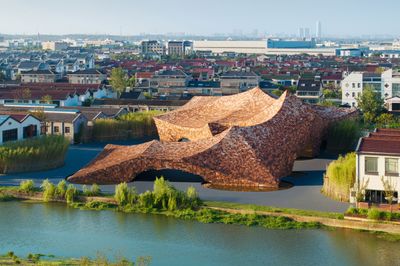
UCCA Clay. Photo: Zhu Di, AGENT PAY.

On 19 October, UCCA Center for Contemporary Art launched its latest museum, UCCA Clay, featuring a clay pottery-inspired design by Kengo Kuma. The first of UCCA’s branches dedicated to a specific medium, it is fittingly located in Yixing, a Southern Chinese city renowned for its ceramics.
The inaugural exhibition, The Ways of Clay: Select Award-Winning Works from the International Ceramics Festival Mino of the Museum of Modern Ceramic Art, Gifu, Japan, features the award collections of the triennial festival dating back to 1986. The festival seeks to revive Mino ware, a centuries-old tradition that —like Yixing’s ancient Zisha teapot craftsmanship—is in need of exposure and innovation to survive alongside industrial mass produced ceramics.
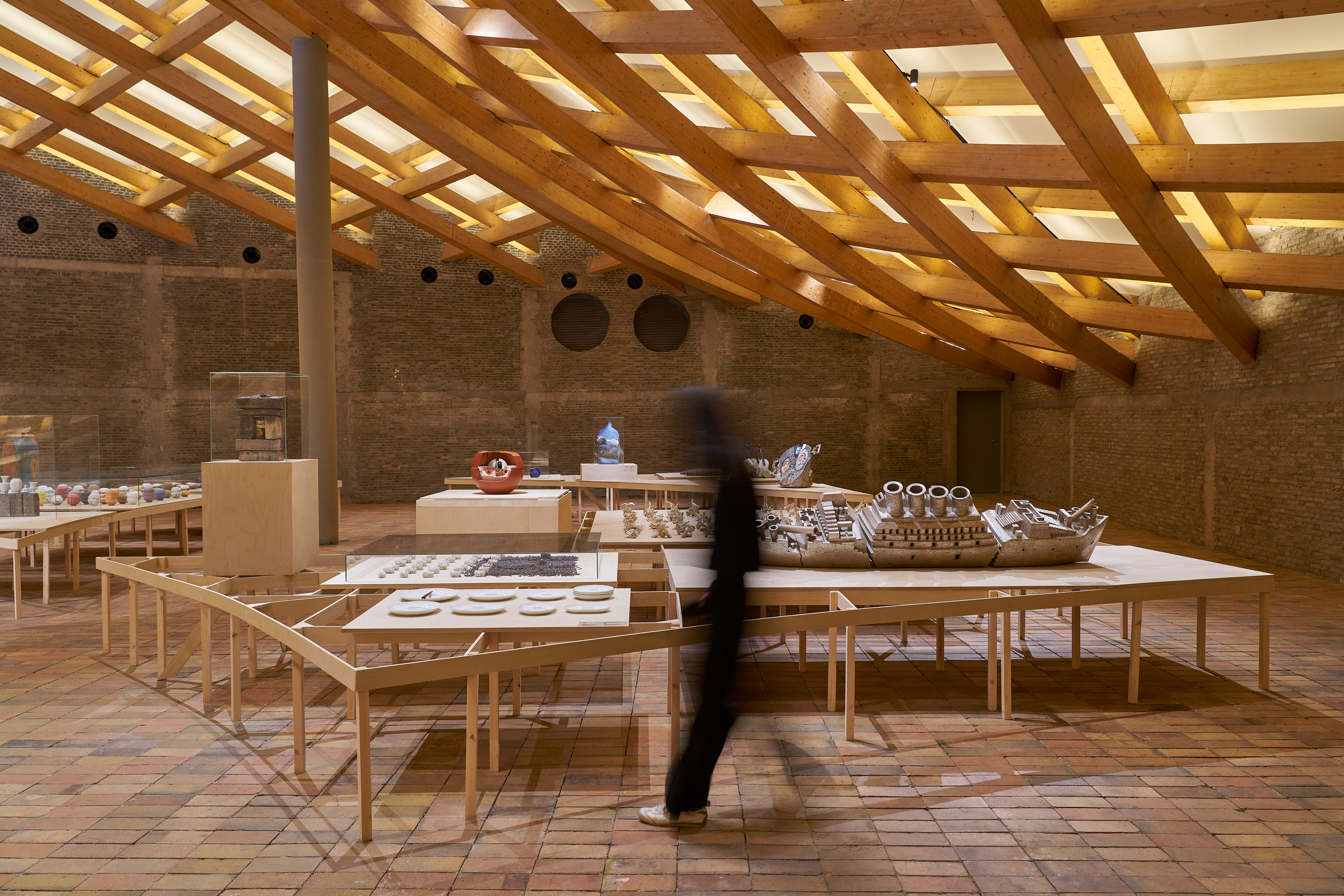
Curated by UCCA Director Philip Tinari and UCCA Assistant Curator Zhang Yao, the exhibition features 69 pieces from 65 artists spanning 17 countries. It blends traditional and more contemporary works, as well as clay-based contemporary art experiments .
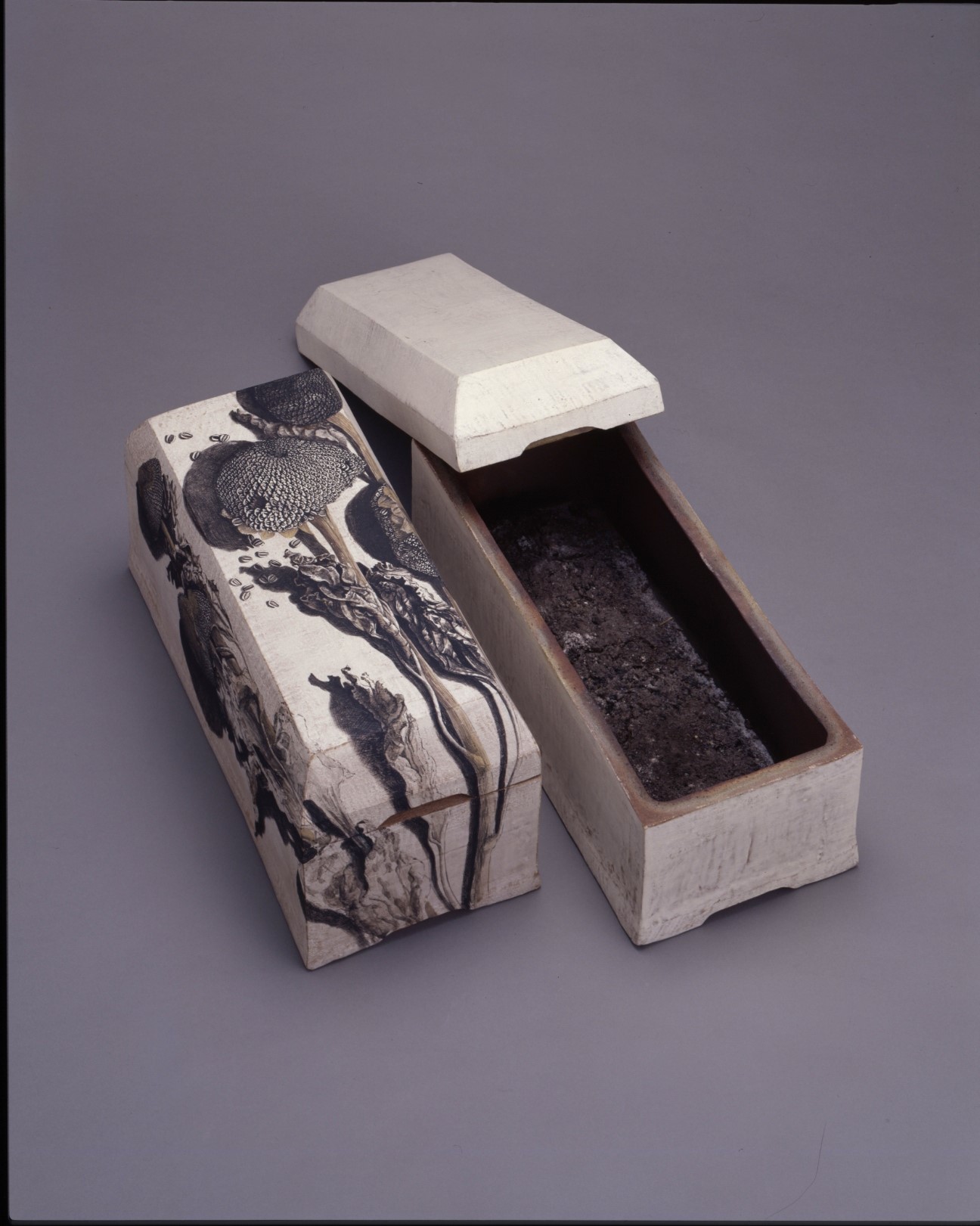
Ido Masanobu’s petal-shaped plates showcase industrial finesse, while Ado Oda’s unglazed inlaid box, Requiem (1995), its lid adorned with intricate sunflower illustrations, contains ash-like material that intimates ritualistic significance.
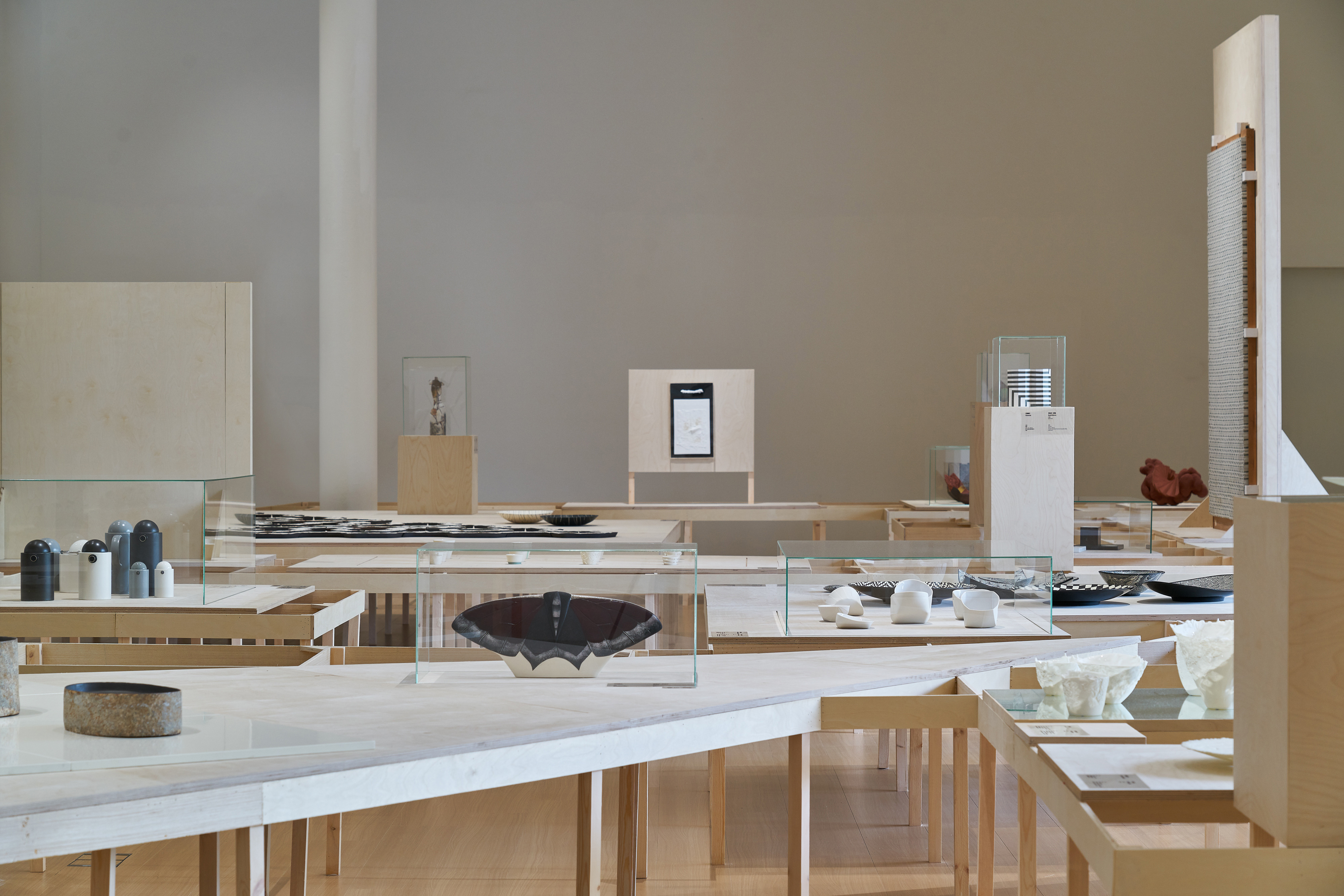
The festival’s early commitment to innovative aesthetic expression shines through in Grace Nickel’s untitled moth-motif vessel (1989) that intertwines the organic form of the moth with the familiar structure of porcelain.
Through this tactile exploration, Nickel subtly evokes the cycle of life, capturing both the fragility and continuity of animal existence.
Amid works highlighting organic forms derived from utilitarian objects, James Kemp’s folding structure, reminiscent of an accordion or origami, and Jyuri Kanda’s fabric-like deconstructed vases with layered waves, evoke the fluid mechanics-inspired architecture of the venue, itself a work of pottery craftsmanship.
The eclectic selection of works in versatile styles, displayed in irregular, sometimes polygonal contemporary arrangements, is further enhanced by a piece that hints at the potential of ceramics as land art.
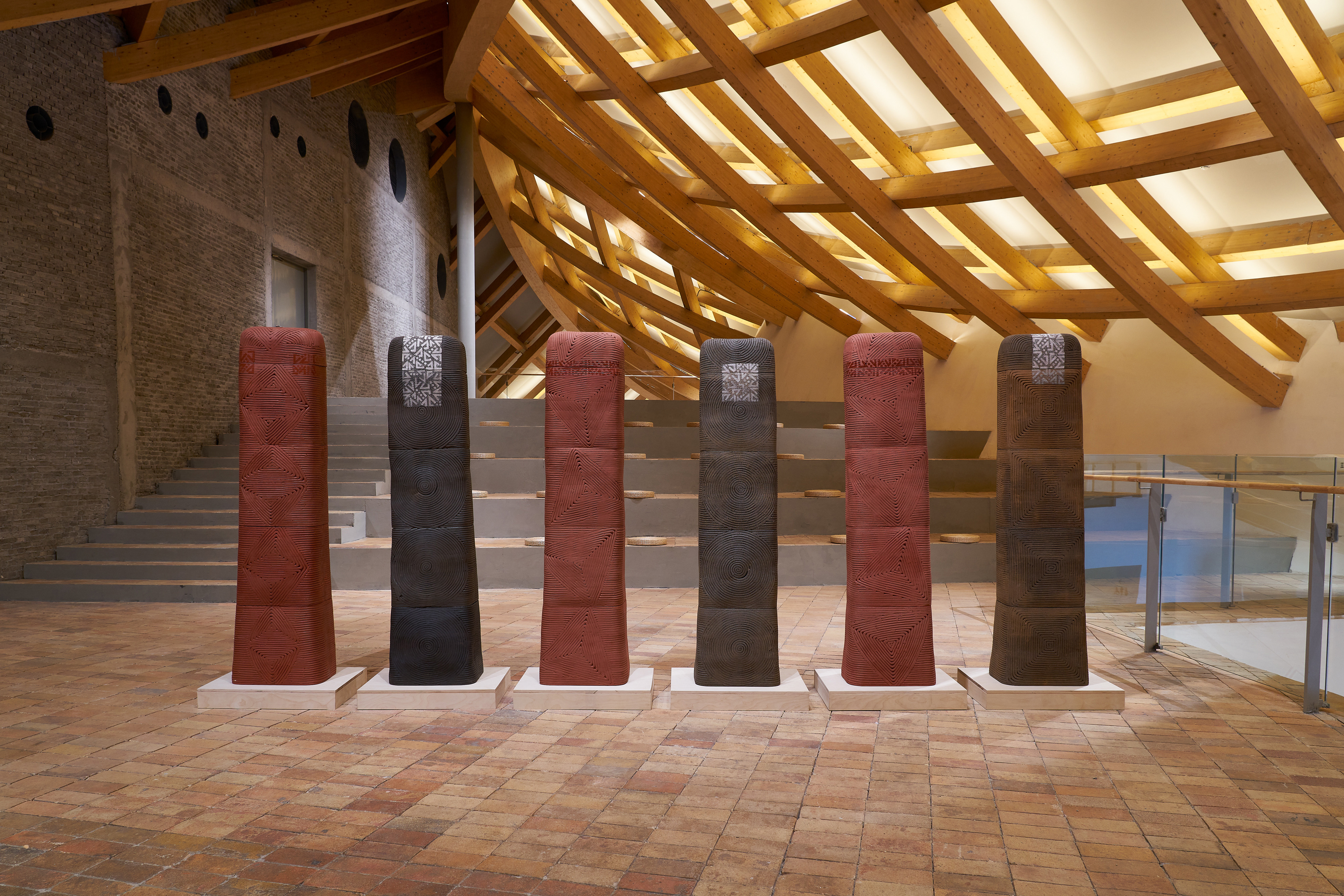
Yoji Kato’s 1992 work Rokujizo draws inspiration from Buddhist Terra-Treasure god statues found throughout Japan, transforming them into six ceramic monuments shaped into elongated rectangular forms with intricate geometric, line-based patterns, serving as a backdrop to the other exhibits.
The Ways of Clay: Select Award-Winning Works from the International Ceramics Festival Mino of the Museum of Modern Ceramic Art, Gifu, Japan is on view through 23 February, 2025. —[O]
Main image: UCCA Clay. Photo: Zhu Di, AGENT PAY.







A respected voice in contemporary art discourse.
Focusing on ambitious storytelling and insightful art-world commentary. Ocula Magazine publishes in-depth interviews, critical essays and timely analysis on the artists, exhibitions and ideas driving the global art world.
Learn more about Ocula Magazine
Showcasing the best of the art world.
Ocula partners with galleries from around the world to highlight their artists, artworks and exhibitions. Gallery membership is by application and invitation, with each member vetted by an independent panel.
Learn more about Ocula Membership
Specialises in the sale of major artworks.
Led by a team with deep ties to the world’s leading auction houses, galleries and collectors. Ocula’s advisory team offers bespoke services to high-net-worth clients from around the world who are looking to acquire the best of contemporary and modern art.
Learn more about our team and services