






From Apartheid to Agriculture, Kyotographie Explores Life on the Edge

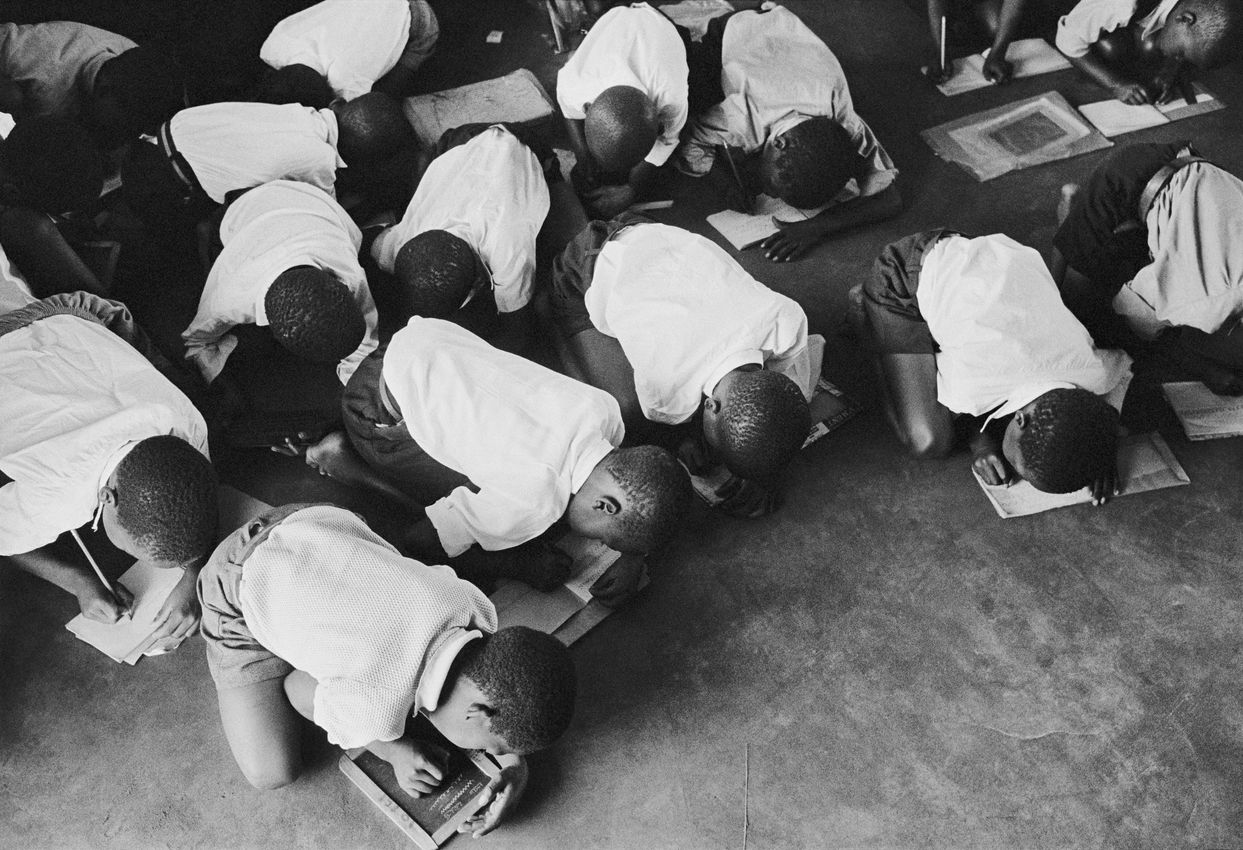

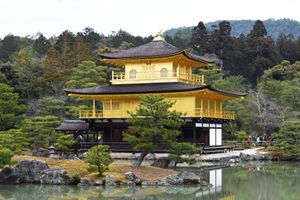
A short walk from Kyoto Station stands the 400-year-old Higashi Honganji, a first stop for most visitors to the historic city. This spring, the temple serves for the first time as a venue for the Kyotographie International Photography Festival (18 April–17 May 2026), joining 11 other locations across town, many of them far removed from conventional exhibition spaces.
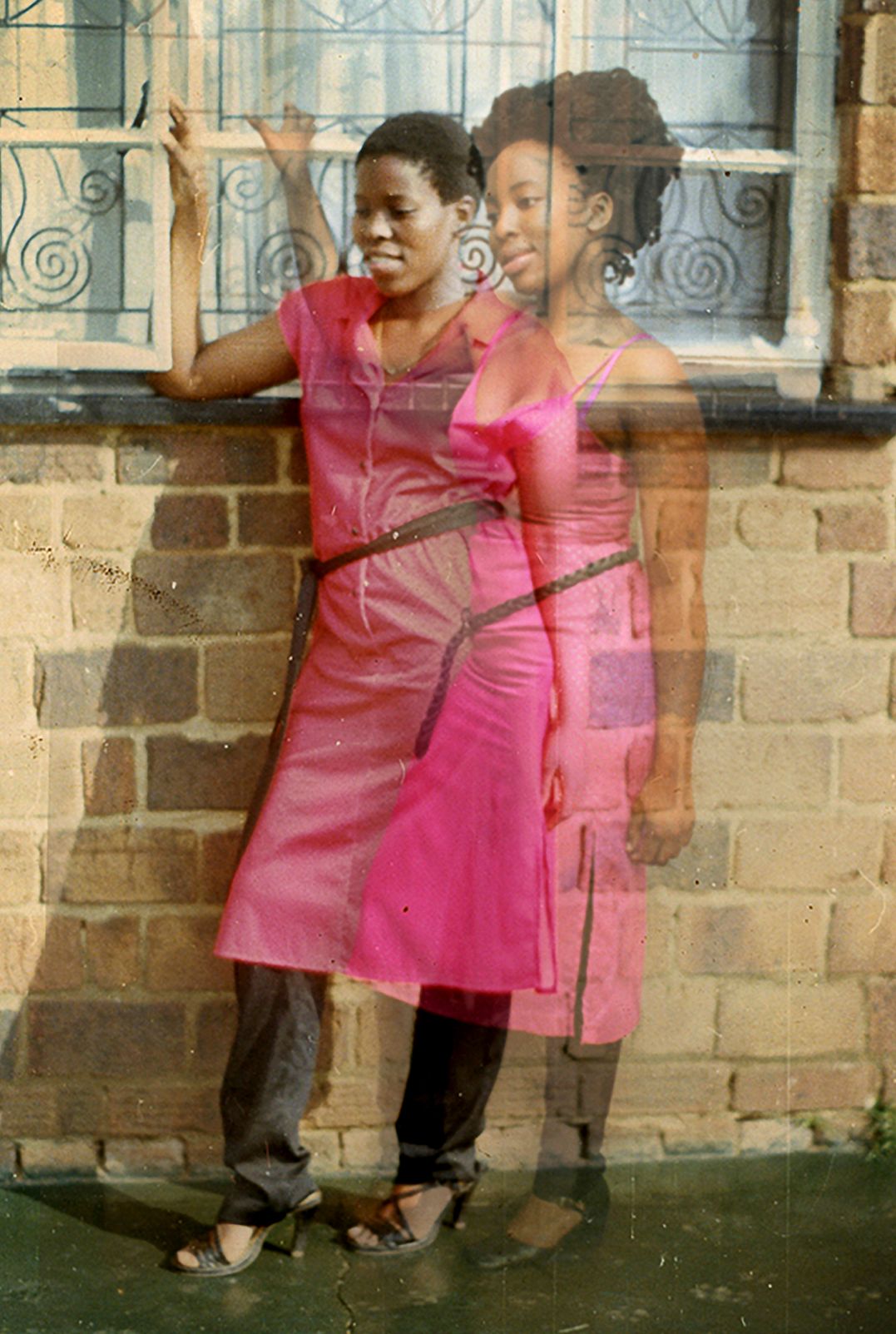
In the O-genkan hall of Higashi Honganji, Johannesburg-based Lebohang Kganye presents her first major exhibition in Japan, supported by Dior. Her staged photographic installation anchors this year’s main programme, “South Africa In Focus”, which brings the country’s visual history into view through the lenses of three generations of artists.
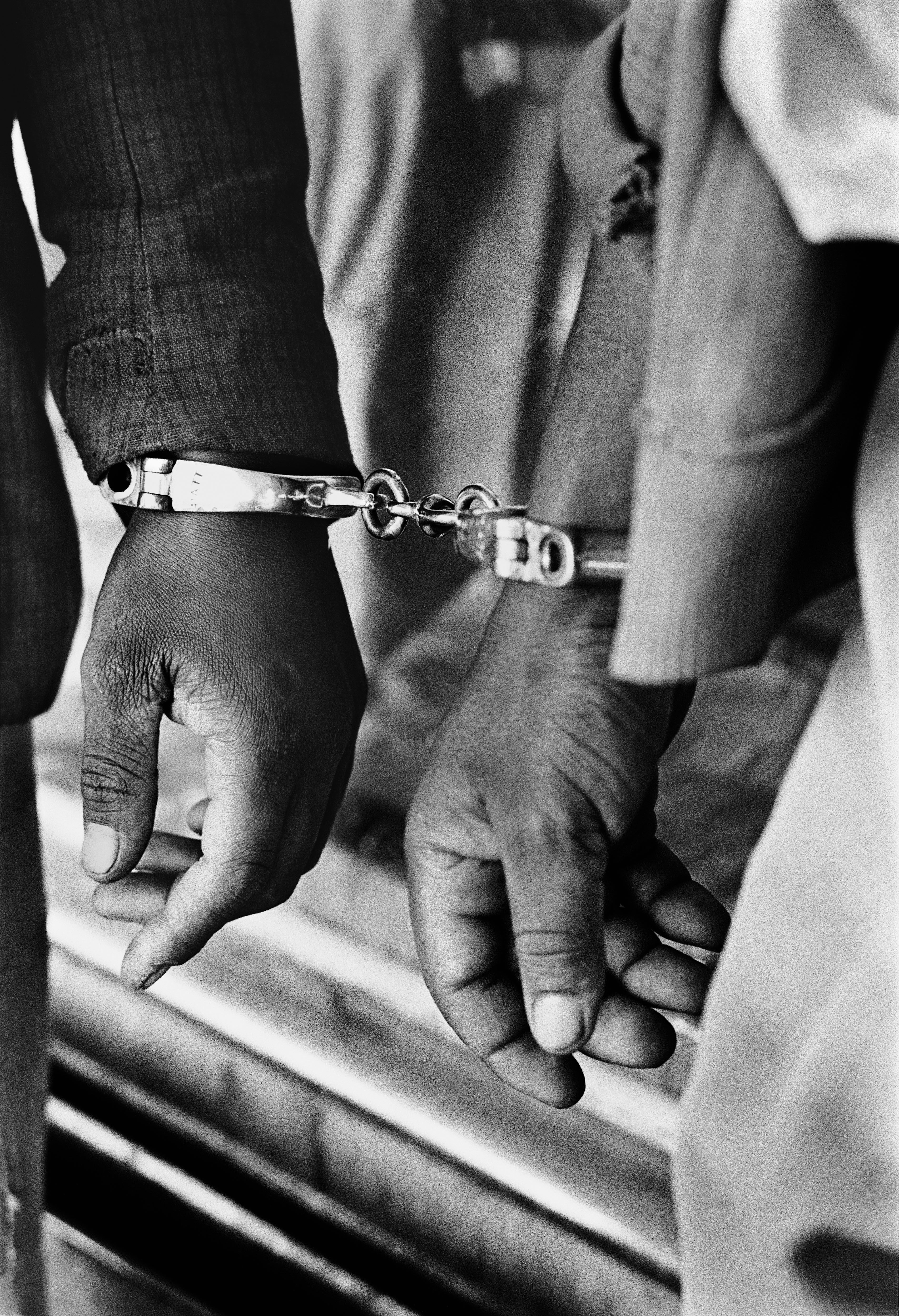
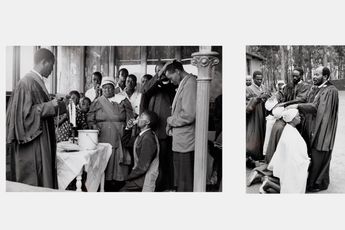
The exploration continues at the Kyoto City Kyocera Museum of Art with House of Bondage, a retrospective of the late artist Ernest Cole, one of the first Black photojournalists in South Africa. Shot before his exile to New York in 1966, Cole’s black-and-white images of apartheid-era South Africa during the 1960s are presented comprehensively in Japan for the first time. Sharing the museum space is Cape Town-based Pieter Hugo, who provides an intimate counterpoint, turning his camera toward his family to offer a reflective, personal meditation on birth, mortality, and the minutiae of daily life.
Founded in 2013 by photographer Lucille Reyboz and lighting artist Yusuke Nakanishi, Kyotographie International Photography Festival aims to engage local communities while connecting audiences to Kyoto’s history and contemporary vitality. This year’s theme, “Edge”, resonates in a global climate marked by war, conflict and uncertainty.
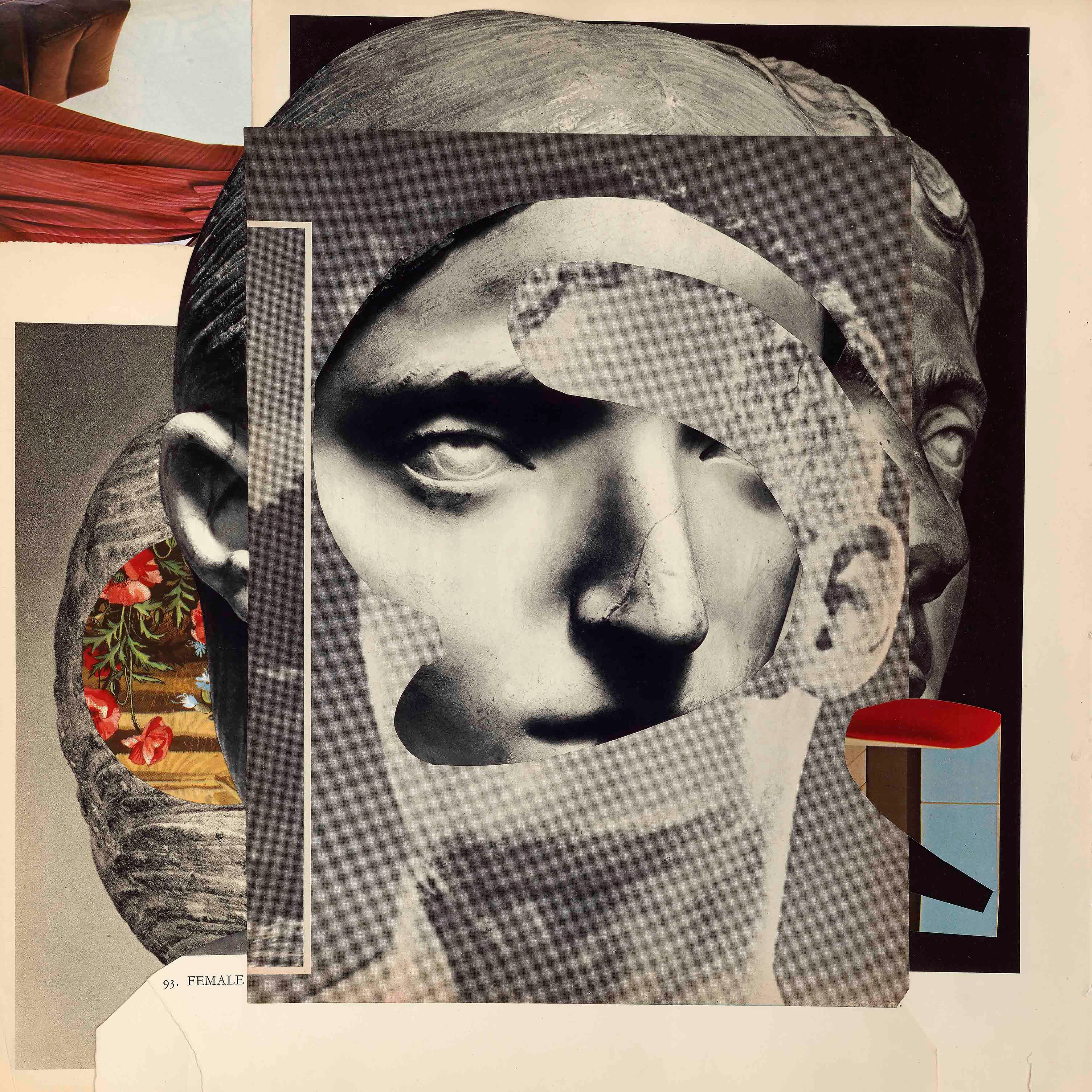

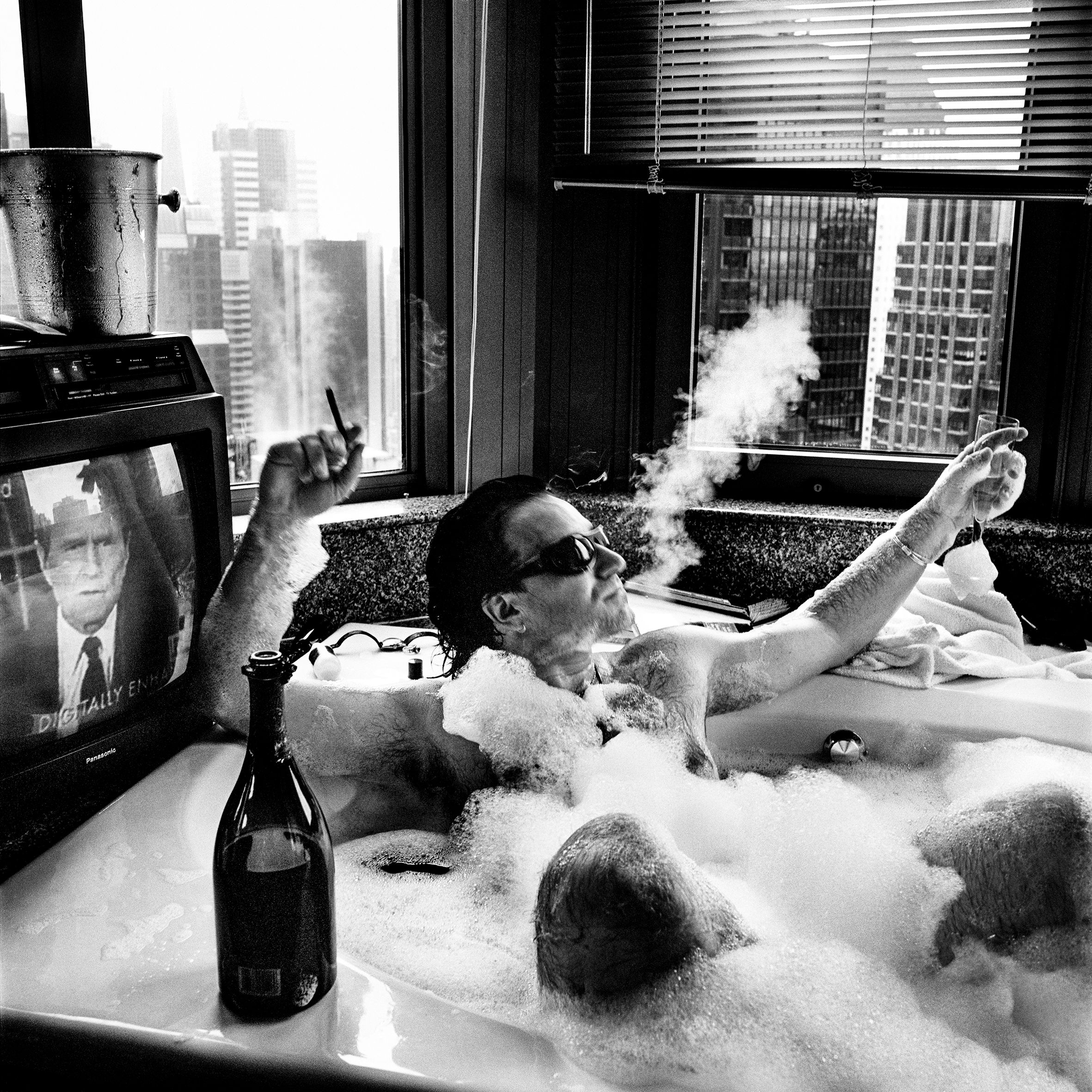
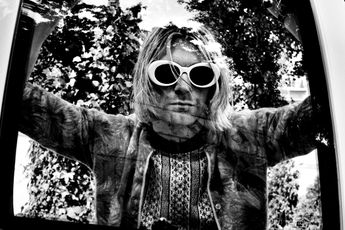
According to Reyboz and Nakanishi, the edge can be understood “as a site of both tension and transition”, carrying within it the potential for new germination. That sense of edginess surfaces in the radical feminist, performative photomontages of British artist Linder Sterling at The Museum of Kyoto Annex; in the life cycles recorded amid the heat of summer harvests by Atsushi Fukushima at ygion; and in Anton Corbijn’s slow-shutter portraits of music icons—from The Rolling Stones to David Bowie—on view at Shidami Gallery.






A respected voice in contemporary art discourse.
Focusing on ambitious storytelling and insightful art-world commentary. Ocula Magazine publishes in-depth interviews, critical essays and timely analysis on the artists, exhibitions and ideas driving the global art world.
Learn more about Ocula Magazine
Showcasing the best of the art world.
Ocula partners with galleries from around the world to highlight their artists, artworks and exhibitions. Gallery membership is by application and invitation, with each member vetted by an independent panel.
Learn more about Ocula Membership
Specialises in the sale of major artworks.
Led by a team with deep ties to the world’s leading auction houses, galleries and collectors. Ocula’s advisory team offers bespoke services to high-net-worth clients from around the world who are looking to acquire the best of contemporary and modern art.
Learn more about our team and services