






VAT Anger Sparks Spanish Galleries’ Shutdown
‘Unsustainable’ VAT rates on the sale of visual art have driven commercial galleries across Spain to close next week in protest. Save to My OculaMore than 200 contemporary art galleries across Spain are planning to shutter between 2–7 February in protest at high Value Added Tax (VAT) rates on the sale of art.
The Consortium of Spanish Contemporary Art Galleries is calling on the Spanish government to lower VAT on art sales from its current rate of 21 percent to a figure more in line with other European countries.
The organisation said in a statement: ‘We are forced to adopt these measures in the face of a situation that is seriously threatening the sustainability of the work of artists and galleries.’
Spain’s VAT rates—paid by businesses on the sale of goods or services—were raised from 8 to 21 percent across the arts in 2012. However, between 2017–2018, VAT on the sale of works and tickets across cinema, theatre and other live performances was dropped to a rate of 10 percent, yet the 21 percent rate on the sale of art by commercial galleries remained.
The Consortium’s statement continued: ‘The government’s inaction… undermines the competitiveness of Spanish art galleries, making their work of defending, supporting, promoting and internationalising the work of our artists virtually impossible.
‘We continue to be largely forgotten in cultural policy, finding ourselves at a disadvantage compared to other creative sectors, such as music, performing arts and film, whose professionals benefit from a reduced VAT rate on sales of their work through distributors.
‘This situation is unfair and unsustainable, and contradicts the principles of cultural equity that should guide the actions of any government committed to culture.’
In a statement, Spain’s Ministry of Culture said: ‘We keep an open dialogue with the sector, and we are aware of and share their demands. This situation puts them at a position of disadvantage in the market, and we believe their demand is justified.
‘Therefore, we have raised this issue to the Ministry of Finance, which is the Ministry that holds this jurisdiction.’ The Ministry of Finance did not respond to Ocula’s request for comment.
Complex Spanish tax laws allow for artists or their descendants to pay just 10 percent VAT when selling works directly. However, galleries must pay 21 percent on the majority of sales, which the Consortium says places them at a disadvantage compared with European counterparts. For example, in France, VAT on art sales is 5.5 percent, in Germany 7 percent and in Italy 5 percent.
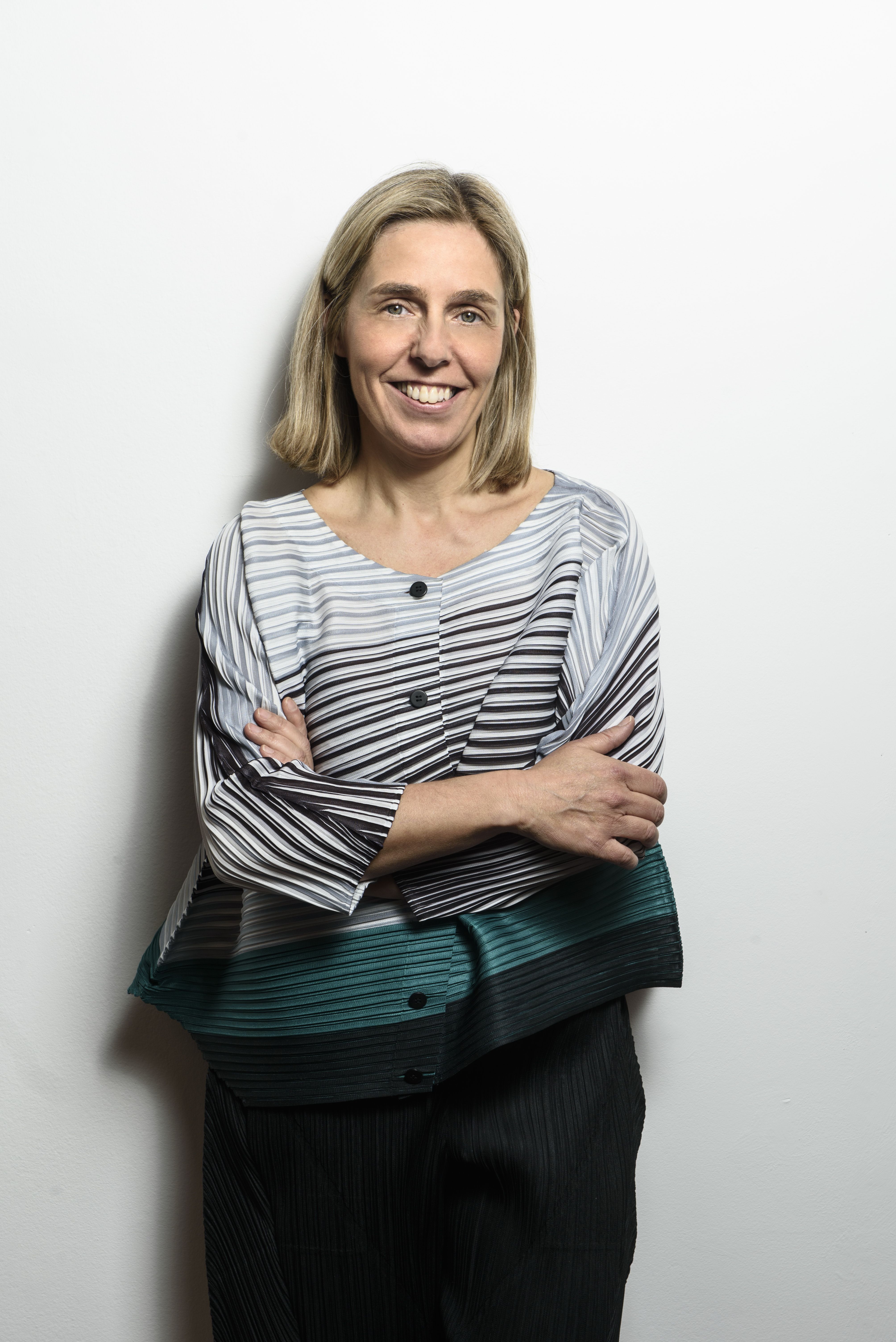
‘With such different rates it is just impossible to compete,’ Idoia Fernández, president of the Consortium, told Ocula. ‘There is no possibility that we can overcome this difference.’
Àngels barcelona gallery, which will take part in next week’s action, has felt the impact of high VAT rates at Spanish art fairs. ‘We have already seen clients purchasing works by artists we represent from other European galleries,’ Quico Peinado, the gallery’s exhibitions and fairs manager told Ocula.
On the gallery’s decision to close, he said: ‘At times, taking risks is unavoidable, particularly when the future of an entire sector is at stake. Remaining silent in the absence of responses or solutions was not a viable option.’
Fernández feels that the Spanish coalition government’s inaction on VAT rates is symptomatic of a wider lack of consideration for the visual arts, with commercial galleries ‘not considered as part of the cultural creation’, and instead viewed as ‘something only for the rich’.
However, Fernández hopes that by closing their doors, galleries can remind the government of their role in communities. ‘We are open to all at no cost, and we believe this is very important to society,’ she said.
The Consortium has also highlighted the impact reduced VAT could have on those working alongside galleries, such as installers, framers, curators and printers.
Fernández said: ‘Contemporary artists and galleries work with an important number of small companies or professionals whose survival is also important and depends on galleries being able to go on with their work and artists creating their works and building exhibitions.
‘The impossible economic situation we are in also puts this at risk.’
In a further attempt to underline the importance of galleries’ role in the art world, Consortium members will pause all free collaborations with public and private institutions for a period of three months, beginning next week.
‘We will cease all the procedures we routinely perform free of charge for institutions, such as locating collectors for loans, providing graphic material, searching archives, managing and co-ordinating transport, advising on exhibition design,’ a Consortium statement said.
This act, and the loss of revenue from six days’ closure, represent financial risk for galleries. However, according to Fernández, many feel they have no other option.
‘All our work is at stake at the moment,’ she said. ‘The future will look very, very dark [if VAT rates are not changed], and this is not an exaggeration. We really do not know what we will do.’ —[O]
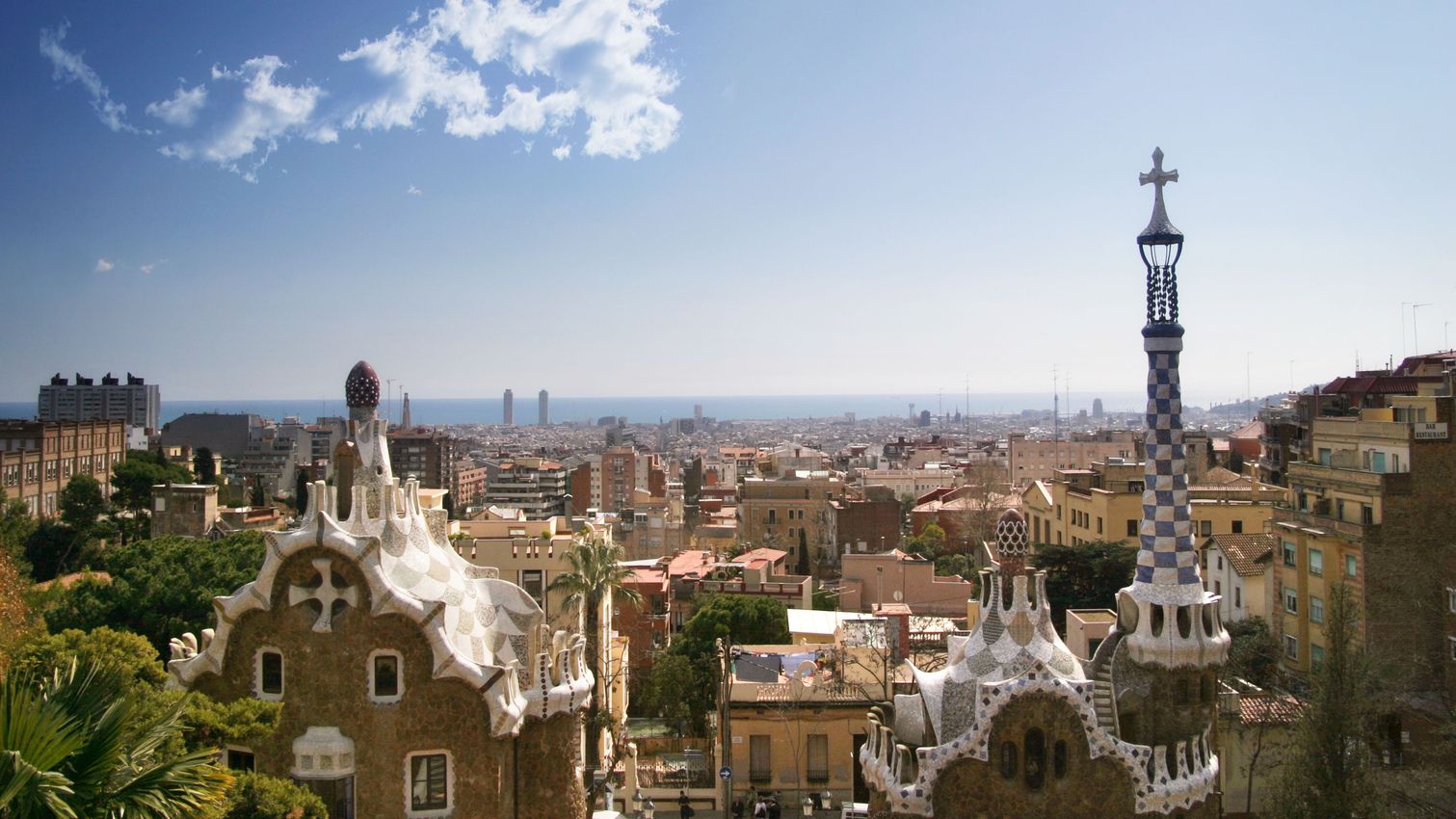
Main image: View of Barcelona city. Photo: Mark Owen, Blackout Concepts/Alamy.

A respected voice in contemporary art discourse.
Focusing on ambitious storytelling and insightful art-world commentary. Ocula Magazine publishes in-depth interviews, critical essays and timely analysis on the artists, exhibitions and ideas driving the global art world.
Learn more about Ocula Magazine
Showcasing the best of the art world.
Ocula partners with galleries from around the world to highlight their artists, artworks and exhibitions. Gallery membership is by application and invitation, with each member vetted by an independent panel.
Learn more about Ocula Membership
Specialises in the sale of major artworks.
Led by a team with deep ties to the world’s leading auction houses, galleries and collectors. Ocula’s advisory team offers bespoke services to high-net-worth clients from around the world who are looking to acquire the best of contemporary and modern art.
Learn more about our team and services