





Cem A: ‘Marcel Duchamp Was an Early Meme-Maker’
The artist sees his performance‑driven discussion series Crit Club as an agent for reforming art institutions, using debate and critique to “nudge systems towards change”. Save to My OculaIf you’ve ever found yourself scrolling through Instagram and nodding along to an art-political meme, then chances are you’ve already encountered the work of Cem A. The artist runs the account @freeze_magazine, an amusing, critique-filled home for “pretentious VIPs”. He also facilitates Crit Club, a discussion series launched in 2023 that blends debate with performative flair, creating spaces where ideas collide with unexpected intensity, humour, and just the right touch of chaos.
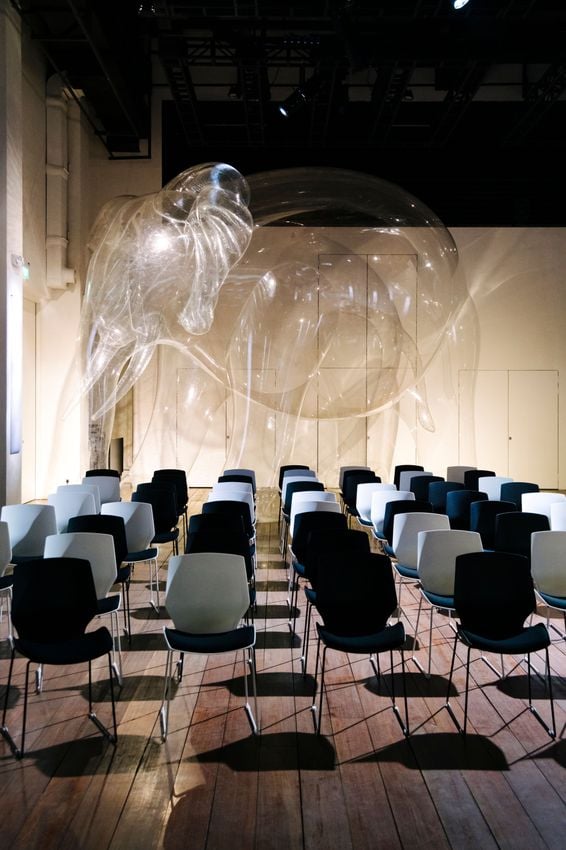
I spoke with Cem A following the publication of his recent article on “consensus aesthetics”, which probes how institutional pressures can dissolve public debate, and provides the perfect entry point for exploring his programme of dialogue and dissent. The Crit Club series recently toured Asia, visiting STPI Singapore and Bandung at Selasar Sunaryo Art Space. At the former, it featured a wryly humorous on-site ‘elephant in the room’—literally, a life-sized transparent elephant occupying the auditorium, acting as a silent reminder for the floor to pose real, probing questions.
The gesture exemplifies Crit Club’s hybrid approach to art and discourse, which at times evokes the conceptual wit of 2000s political art—think Anton Vidokle and Tirdad Zolghadr’s The Madrid Trial (2007), or Jacques Servin and Igor Vamos’ The Yes Men, who expose the absurdities of mediatised global politics—yet Cem A’s practice remains firmly rooted in the logic of online-native platforms.
Here, he reflects on the origins of Crit Club and its evolution into a performative discussion format, revealing the playful yet incisive strategies that underpin his practice and the collaborative networks that sustain it.

ZC: How has Crit Club evolved over time?
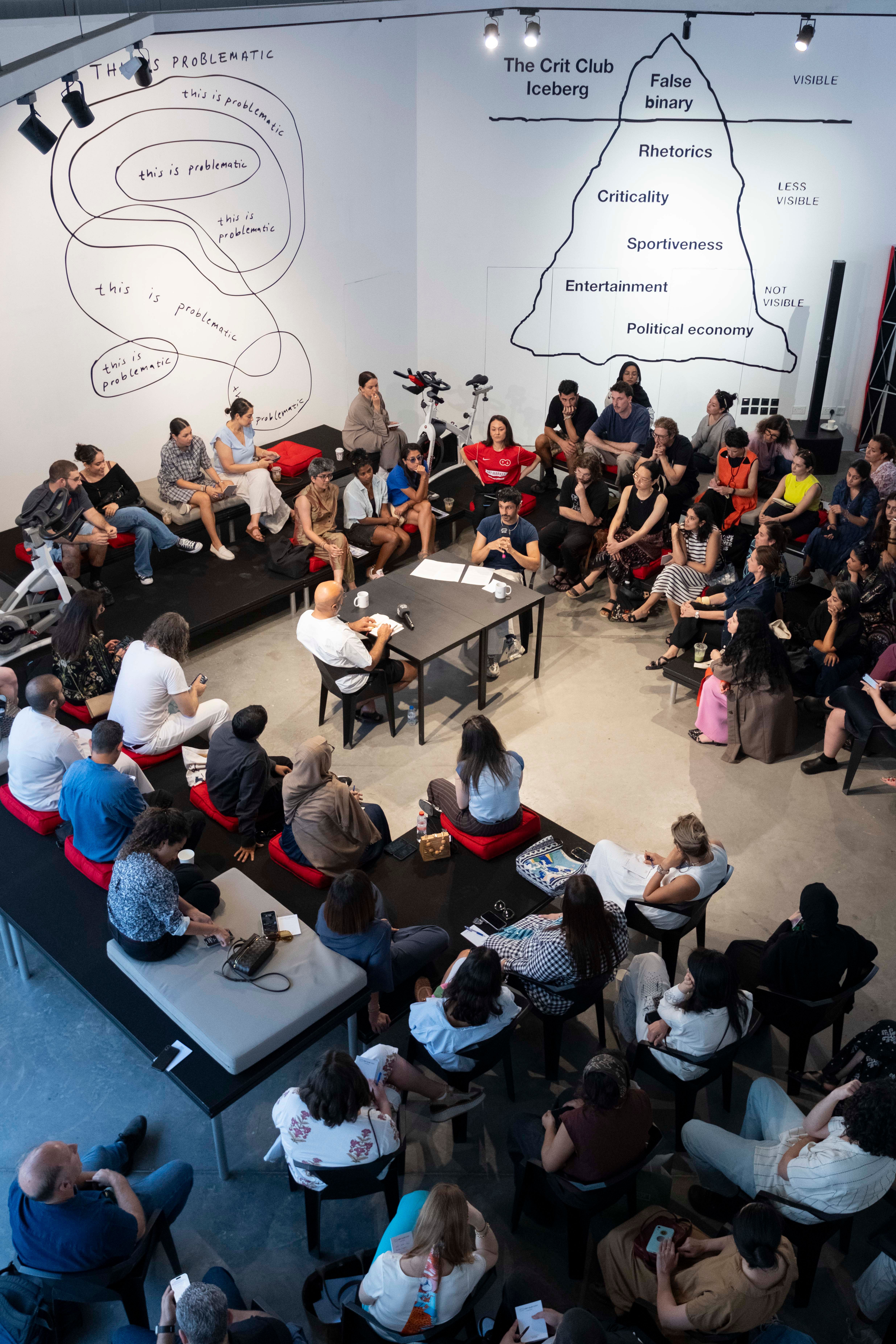
CA: Crit Club began as an Instagram poll I ran on the freeze_magazine account during the pandemic. The post read, ‘One has to go’—a tongue-in-cheek prompt built around deliberately absurd scenarios, such as painting versus sculpture. These false binaries sparked unexpectedly productive, often unfiltered online debates. I had originally imagined it as a podcast and, with support from Het HEM (an art space in Zaandam, Netherlands, which is now closed) a few episodes were commissioned between 2023 and 2024.
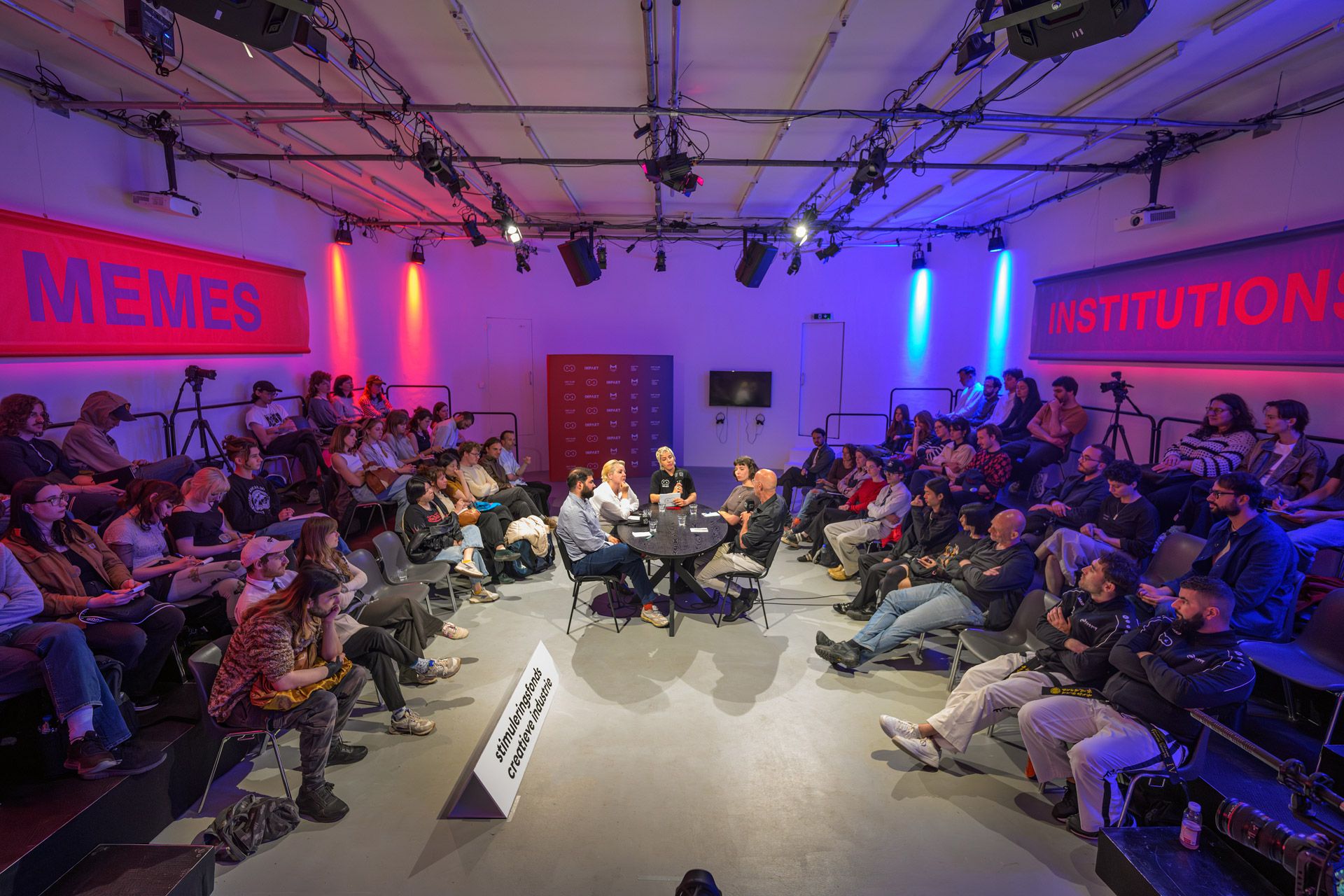
This experience led me to see Crit Club as a performance too, beginning with sessions at Trauma Bar in Berlin and Art Basel Hong Kong in 2024. I had planned the first sessions with curator and editor Stephanie Bailey [formerly editor-in-chief of Ocula], whose curatorial expertise has supported the project ever since—both conceptually and practically. This includes the STPI Symposium 2026 in Singapore: two debates, one titled ‘Is an NFT’s Worth in the Art or the Trade?’ and the other ‘Are All Memes Political?’

ZC: What’s been the major change for Crit Club over almost three years of development?
CA: The biggest change came with the introduction of the side-switching format. From the start, the idea was to pose unrealistic questions that force untenable positions. The side-switching idea emerged from two participants, Abbas Zahedi and Moshtari Hilal, during one of the first live debates in Berlin in 2025 on the topic “Should You Know the Artist While Looking at an Artwork?” They asked to switch sides without telling the audience, simply to confuse them, which I found amusing. Other than that, it’s been very consistent. I prepare guidelines and offer suggestions beforehand, but once speakers are on stage, it’s up to them.
“Public speaking is inherently vulnerable, and panel discussions even more so”
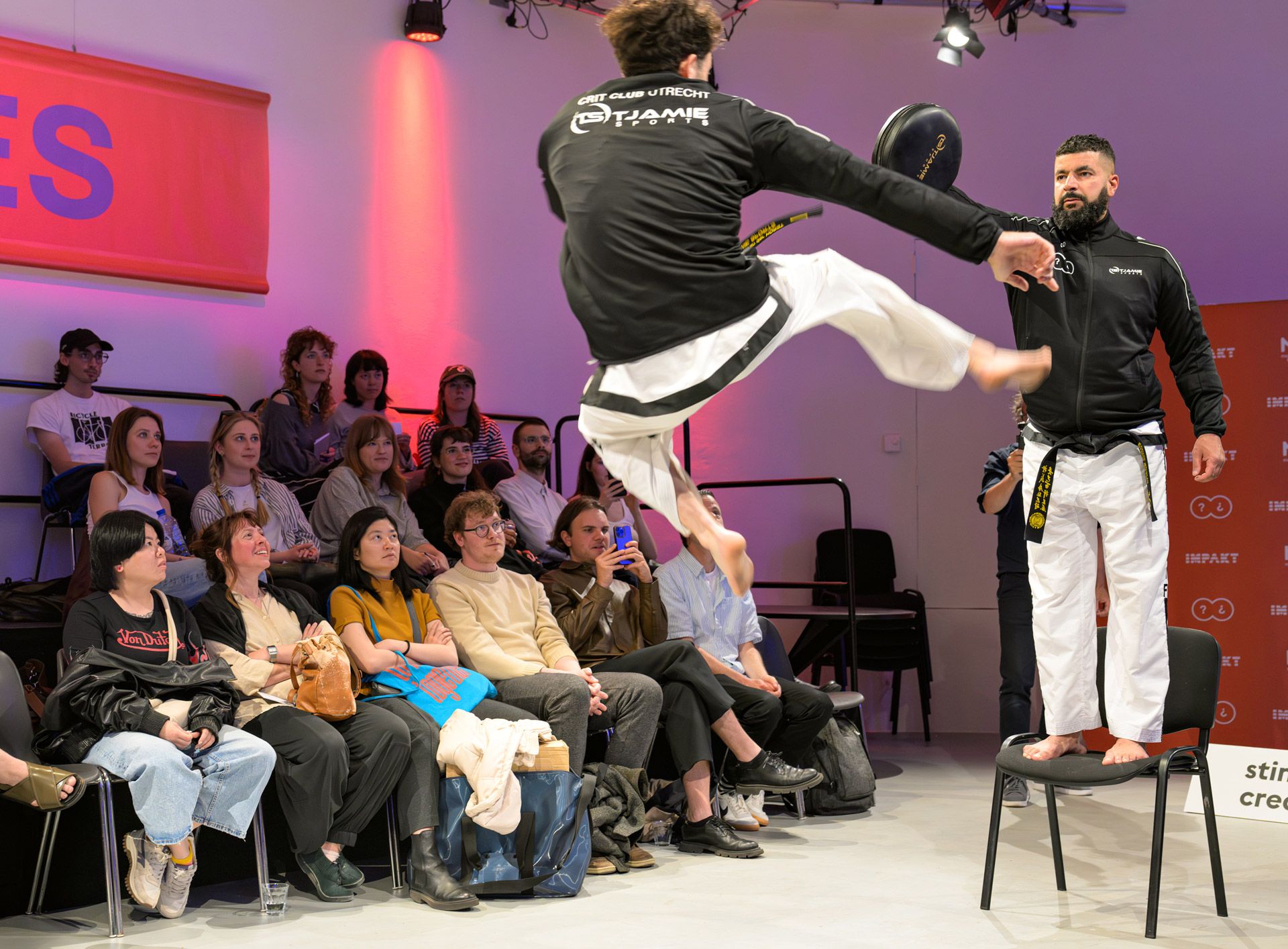
There’s an irony to it—like Stephen Colbert on his Comedy Central show in the early 2000s, playing himself as a character. Crit Club participants are similar: they are both themselves, yet performing as themselves, leaving the audience unsure whether what’s said reflects personal opinion or a chosen role. The idea behind this has been that public speaking is inherently vulnerable, and panel discussions even more so. Crit Club leans into that vulnerability to create something unpredictable.
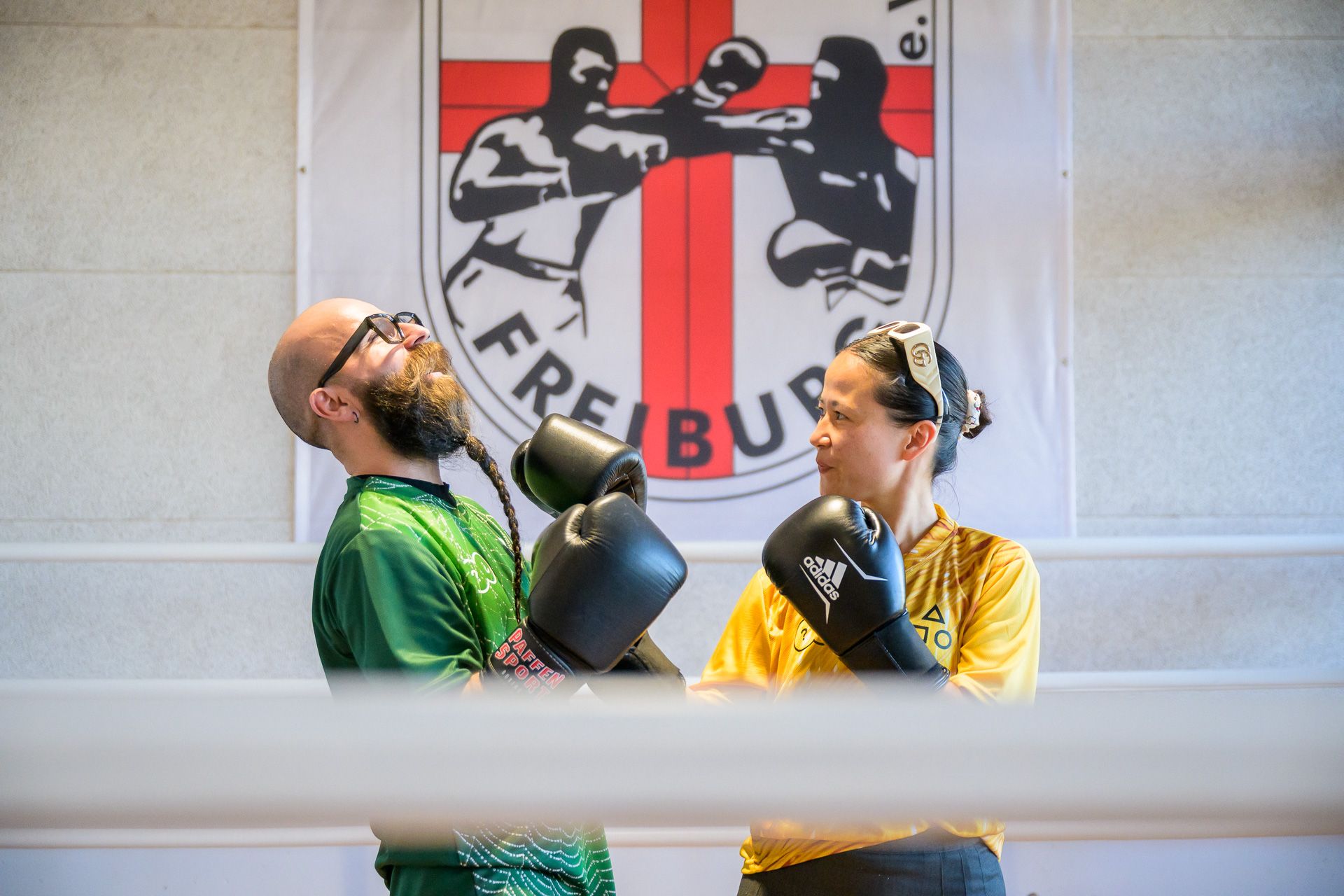
It’s an undocumented discussion, and shifting sides amplifies the effect, as audiences no longer assume statements reflect true opinions. I suggested the approach to new speakers and it became part of the format. Giving speakers a chance to air counter-arguments has become a fun element of Crit Club. A more productive approach can be to infiltrate and glitch the system rather than provoke outright upheaval.

ZC: If art history had a first influencer, who was it?
CA: I think of Marcel Duchamp as an early ‘meme-maker’: form matters, but context shapes how ideas are conveyed. My own focus is less on formal innovation and more on observing and working with context, shaped by my background in anthropology. With freeze_magazine, memes started as a kind of personal diagnostic of the art world—its paradoxes and contradictions—while Crit Club became a live, performative way to explore the same questions. Seeing these ideas operate in different contexts and creating work that responds to them is what excites me. In that sense, it continues the conceptual art lineage: shifting attention from content to context.
ZC: Are freeze_magazine and Crit Club abolitionist or reformist projects when it comes to art institutions?
CA: I approach memes as less revolutionary and more reformist. Similarly, my approach to all these projects is reformist: I’m less interested in tearing down structures outright than in intervening, experimenting, and nudging systems toward change. Of course, imagining abolition can sometimes lead to reform—but the focus for me is always on subtle disruption rather than total upheaval. From my perspective, it’s more constructive to be reformist—to consider all stakeholders and try to work with the system rather than against it. That’s part of the ethos of Crit Club: anyone, even those who might be activators of the consensus aesthetics or curatorial approaches I’m critiquing, can participate. The goal isn’t to exclude anyone but to engage those who are open, and potentially shift their perspective.

ZC: If you had to curate a show with three artists—one living, one dead, and one forgotten—who would you choose?
Cem A: Off the top of my head, I’d go with Mark Lombardi as the dead artist, Öyvind Fahlström as the forgotten and Forensic Architecture as the living artist. I love work about speculation and conspiracy, so this trio feels right.
Fahlström, for example, worked obsessively with the politics of his time. His CIA Monopoly (1971) is really compelling. There’s a publication from Moderna Museet about an exhibition that explains the layers: the story of Monopoly itself, how it was first invented as The Landlord’s Game to demonstrate anti-monopolist theories, before being monopolised itself by toy companies; the use of war games in military schools since the 19th century, and then the CIA’s involvement in national politics at a global scale. It’s gamified but it’s also political in a very serious way.
“The focus for me is always on subtle disruption rather than total upheaval”
And then Mark Lombardi, whose work is investigative. After 9/11, FBI agents demanded access to his works at the Whitney Museum because of the detailed connections he had mapped. Tragically, his death in 2000 was mysterious: he was found dead in his studio just before a major New York show, and much of his archive was destroyed. If this happened in Russia, people might suspect foul play—but in the US, hardly anyone questions it.
And Forensic Architecture works similarly; they produce knowledge through first-hand research, exposing systemic injustices. I think these three together would make a compelling exhibition: each engages rigorously with politics, produces critical knowledge, and pushes viewers to reconsider structures shaping the world. —[O]
Palette Cleanser is a weekly interview series with the artists you need to watch, as selected by our editors.
Main image: Crit Club Singapore at STPI, January 2026.



A respected voice in contemporary art discourse.
Focusing on ambitious storytelling and insightful art-world commentary. Ocula Magazine publishes in-depth interviews, critical essays and timely analysis on the artists, exhibitions and ideas driving the global art world.
Learn more about Ocula Magazine
Showcasing the best of the art world.
Ocula partners with galleries from around the world to highlight their artists, artworks and exhibitions. Gallery membership is by application and invitation, with each member vetted by an independent panel.
Learn more about Ocula Membership
Specialises in the sale of major artworks.
Led by a team with deep ties to the world’s leading auction houses, galleries and collectors. Ocula’s advisory team offers bespoke services to high-net-worth clients from around the world who are looking to acquire the best of contemporary and modern art.
Learn more about our team and services