





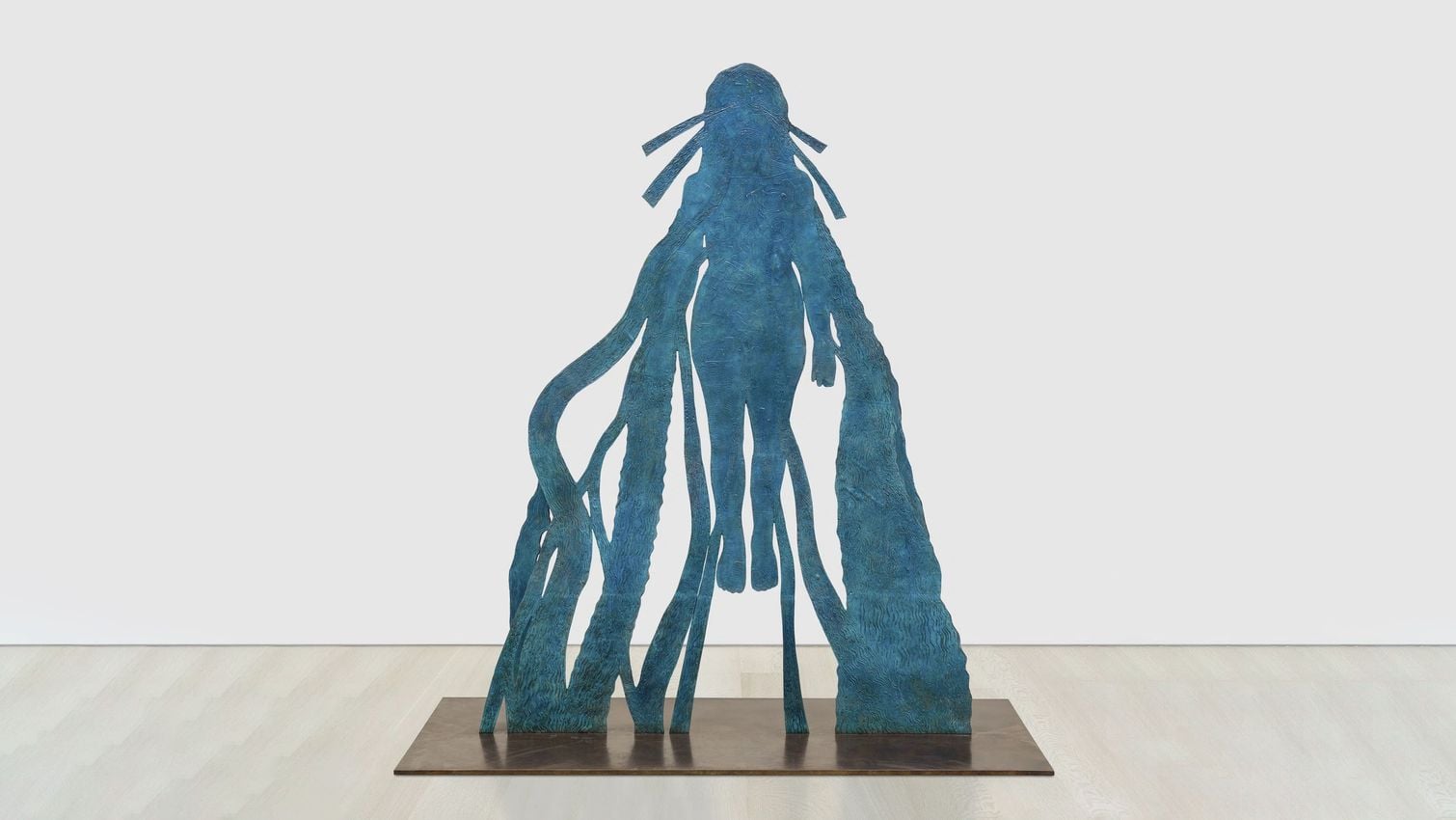
KIKI SMITH
b. 1954, GermanyOften centring the human body and considering ideas around transformation and regeneration, Kiki Smith works across drawing, sculpture, printmaking, photography, textiles and illustration. Drawing from mythology and folklore, her artistic practice explores the metaphysical as well as the psychological.
Early Years
Kiki Smith was born in Germany in 1954 but brought up in suburban New Jersey. Her father was the abstract sculptor Tony Smith and her mother was the opera singer and actor Jane Lawrence Smith. She didn’t want to be an artist as a child but moving to Manhattan in 1976 exposed her to the Lower East Side art scene and the Colab group. Supporting her artistic practice by working as a cook, an electrician and an artist’s assistant, she also studied to become an emergency medical technician. Smith mostly taught herself to make art, but it wasn’t until her father’s death in 1980 that she began to produce work at pace, leading to her first solo show in 1982.
Kiki Smith: Artworks
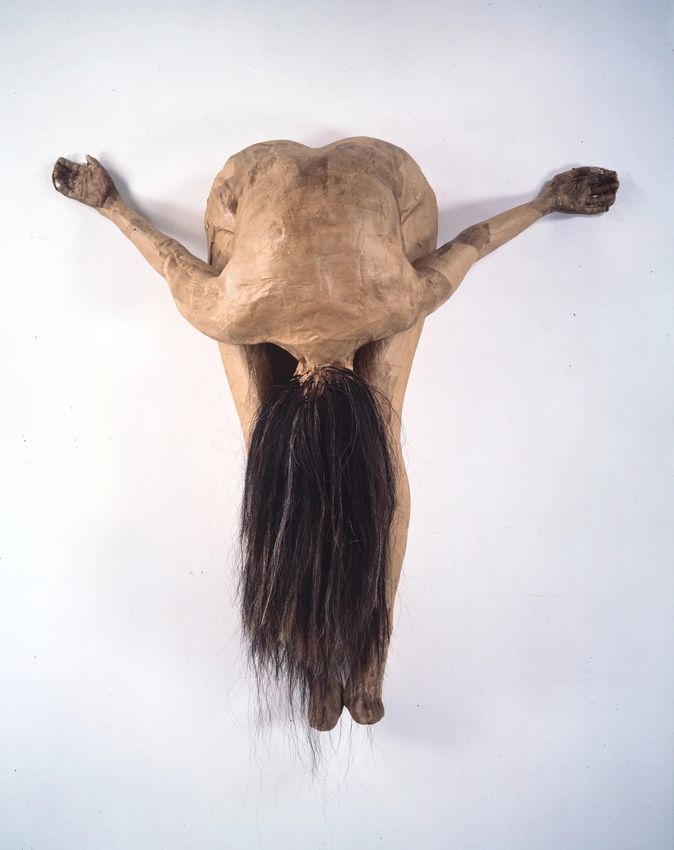
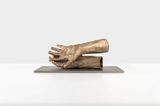
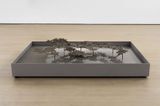
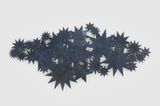
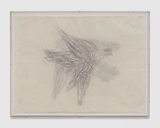
Kiki Smith’s multidisciplinary practice spans sculpture, etchings, tapestry, drawing, photography and other mediums. She often returns to themes and will revisit works to see how they have been altered by the passage of time. “It’s much nicer in life not to know what you’re doing,” she said in 2025, explaining the naturally evolving process of reconfiguring existing work.
- Blood Pool (1992) is an example of the visceral nature of Smith’s earlier works during a period when she pushed the boundaries of how art represents the human body. The figure, in a foetal position, was made from a cast of a live model using wax, a medium that references the texture of flesh. From the same period, Virgin Mary (1992) is a woman not only without clothes, but also without skin, exposing muscles and tissue.
- In the later 1990s, Smith became more interested in the natural world, following a residency at Massachusetts College of Art in Boston in which she spent time studying taxidermy animals at the Peabody Museum at Harvard. She would draw the animals and then turn them into photo-etchings and photolithographies (such as 1998’s White Mammals). For 2001’s Fawn, the fur was achieved by slowly building the image on a metal etching plate. Similarly detailed fur appears in Ginzer (2000), an etching Smith made using the body of her recently deceased cat.
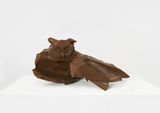
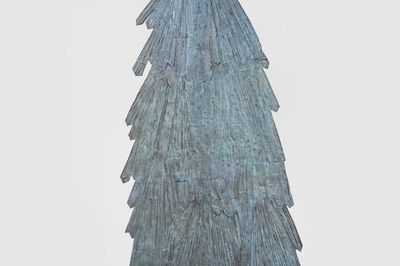
- Sentry (2020) is a cast metal sculpture of an owl, a frequent subject of Smith’s, although often one she sculpts in wax. Sentry features the owl’s wings aloft, as if poised to take flight.
Kiki Smith: Select Exhibitions
Select Solo Exhibitions
- Kiki Smith: Beng Here|Now|Everywhere, MOCO, Montpelier (2026)
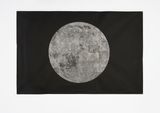
- Kiki Smith: The Moon Watches the Earth, 125 Newbury, New York City (2025)
- Kiki Smith: Free Fall, Seoul Museum of Art (2022)
- Kiki Smith: I am a Wanderer, Modern Art Oxford (2020)
- Kiki Smith: Mortal, Dallas Contemporary (2017)
- Kiki Smith: Sculpture, Church of Mary Magdalane, Alba (2015)
- Kiki Smith: Rituals, High Museum of Art, Atlanta (2011)
- Kiki Smith, Galerie Lelong, Zurich (2009)
- Kiki Smith: A Gathering, 1980–2005, Whitney Museum of American Art, New York City (2005) (and touring)
- Kiki Smith: Homework, The Fabric Workshop and Museum, Philadelphia (2002)
- Forefront 31: Kiki Smith, Indianapolis Museum of Art (1999)
- Kiki Smith: Prints and Multiples 1994–1997, Pace Prints, New York City (1997)
- Kiki Smith: Sculptures, Barbara Gross Galerie, Munich (1994)
- Kiki Smith, Fawbush Gallery, New York City (1993)
- Projects 24: Kiki Smith, MoMA, New York City (1990)
- Kiki Smith: Life Wants to Live, The Kitchen, New York City (1982)
Select Group Exhibitions
- NGV Triennial 2026, National Gallery of Victoria, Melbourne (2026)
- Summer Highlights, Timothy Taylor, London (2025)
- Near, Far, Gone, High Desert Museum, Bend (2024)
- Tomorrow’s Tigers 2022, Sotheby’s, London (2022)
- The Smiths, Marlborough Gallery, London (2019)
- 54th Venice Biennale (2017)
- Summer Group Show, Pace Gallery, New York City (2015)
- Kiki Smith, Nancy Spero and Nalini Malani, Galería Estiarte, Madrid (2009)
- The Smiths: Tony, Kiki, Seton, Palm Beach Institute of Contemporary Art (2002)
- Then and Now: Art Since 1945 at Yale, Yale University Art Gallery (1998)
- Nan Goldin: Pictures of My Tribe/Kiki Smith: Untitled, Galerie M + Fricke, Düsseldorf (1995)
- Figuring the Body, Museum of Fine Arts, Boston (1990)
- Possession is 9/10th of the Law, Fawbush Editions, New York City (1986)
- Manifesto Show, Colab, 5 Bleecker Street, New York City (1980)
Further Reading
- 2025 video from Pace Gallery about Smith’s foundry
- Artist profile page at Timoty Taylor
- 2018 interview in The New York Times
- 2025 interview with Studio International
Kiki Smith FAQs
Does Kiki Smith have tattoos?
Yes, she has many tattoos: some in blue ink and others of constellations, including Corvus (the crow) and Columba (the dove). She gave herself a star tattoo with a needle and some India ink on her hand when she was 15—“Um, now that I think of it, maybe not yet 15,” she told The New York Times in 2018.
What happened to Kiki Smith’s sister?
Smith’s sister Bebe was an actress who died from AIDS-related complications in 1988, a time when politics around AIDS and women’s reproductive rights was highly charged in America. In response to this, Kiki Smith’s early 1990s work considered social constraints on the body. Bebe was a twin—her sister Seton Smith is now an artist and photographer.
Does Kiki Smith reuse old images?
“I like having very simple elements that I can keep reconfiguring,” Smith said in a 2025 video behind the scenes at her foundry. She frequently reconfigures old drawings, and also wax sculptures, which she chops and changes. “I cut them up and reconfigure them so that the person is doing different things, or the animal is in a different position,” she said in a 2025 interview.
Ocula

Kiki Smith's Exhibitions Opening Soon

View Kiki Smith's Artworks

















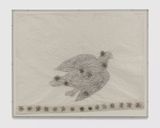

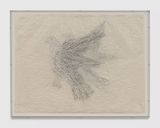

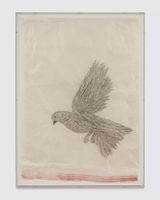



Kiki Smith in Ocula Magazine





Explore and Follow Artists Shaping Contemporary Art
A respected voice in contemporary art discourse.
Focusing on ambitious storytelling and insightful art-world commentary. Ocula Magazine publishes in-depth interviews, critical essays and timely analysis on the artists, exhibitions and ideas driving the global art world.
Learn more about Ocula Magazine
Showcasing the best of the art world.
Ocula partners with galleries from around the world to highlight their artists, artworks and exhibitions. Gallery membership is by application and invitation, with each member vetted by an independent panel.
Learn more about Ocula Membership
Specialises in the sale of major artworks.
Led by a team with deep ties to the world’s leading auction houses, galleries and collectors. Ocula’s advisory team offers bespoke services to high-net-worth clients from around the world who are looking to acquire the best of contemporary and modern art.
Learn more about our team and services